
Showing 1-20 of 70
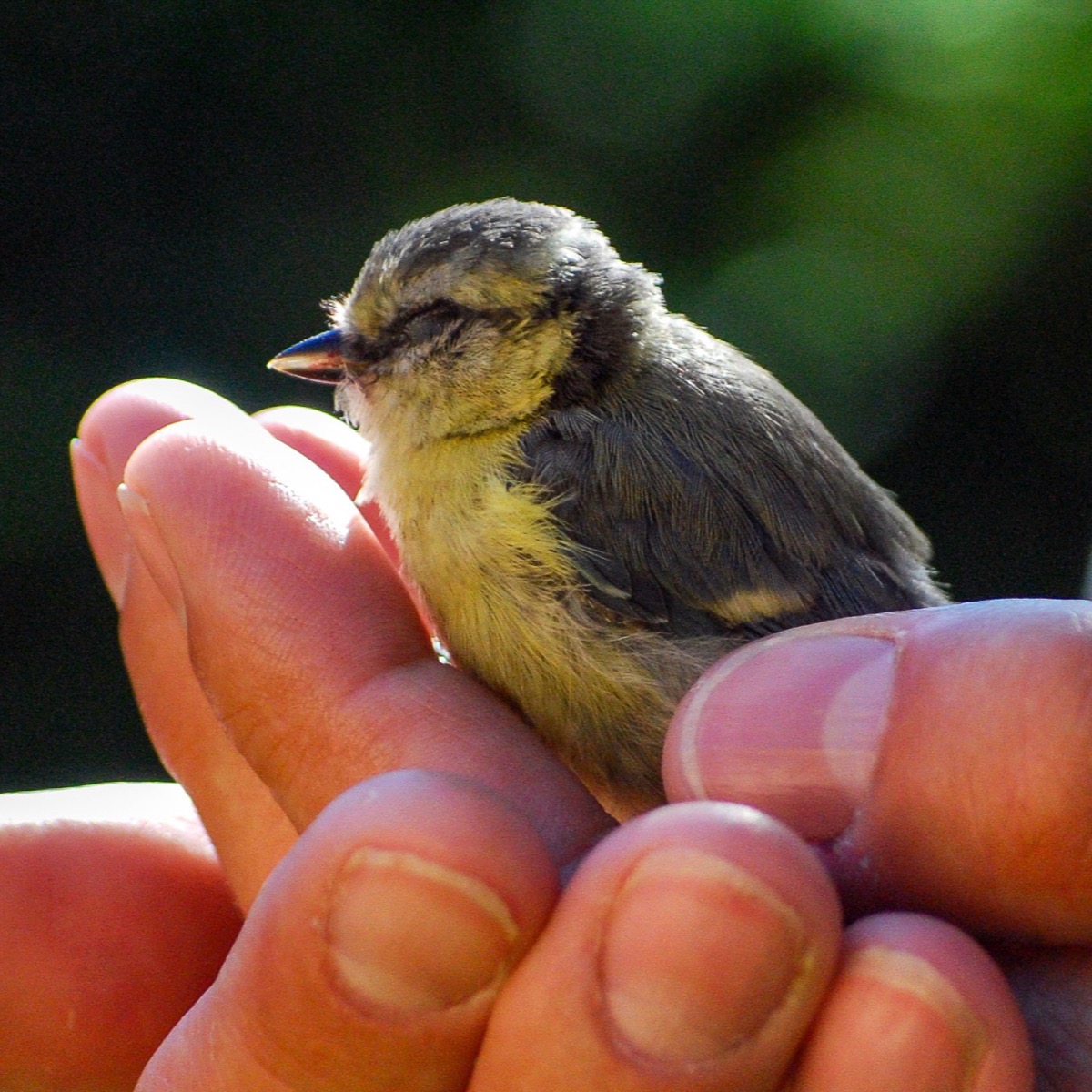
A bird in the hand is worth two in the bush
The phrase a bird in the hand is worth two in the bush means that it is better to keep something you already have than to risk losing it by trying to get more. It encourages people to value certainty over possible gain.The saying comes from hunting, where holding one bird still gets you dinner, but going after two may leave you hungry with no bird at all.
She kept her steady job, remembering that a bird in the hand is worth two in the bush.
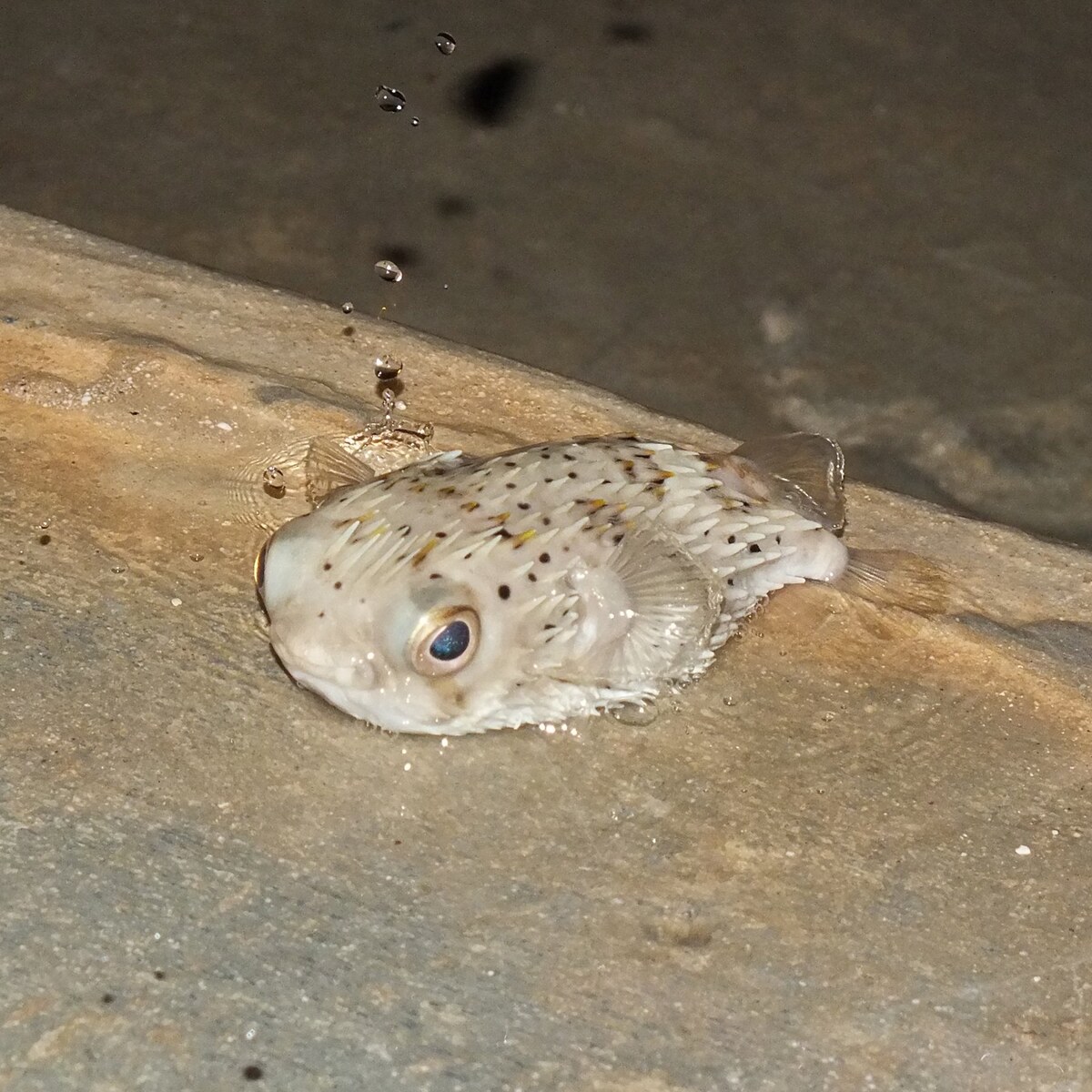
A fish out of water
You are a fish out of water if you are in a situation you are very uncomfortable with. This idiom has been in use since the 14th century.When I first moved to the city from my parent's farm, I felt like a fish out of water.
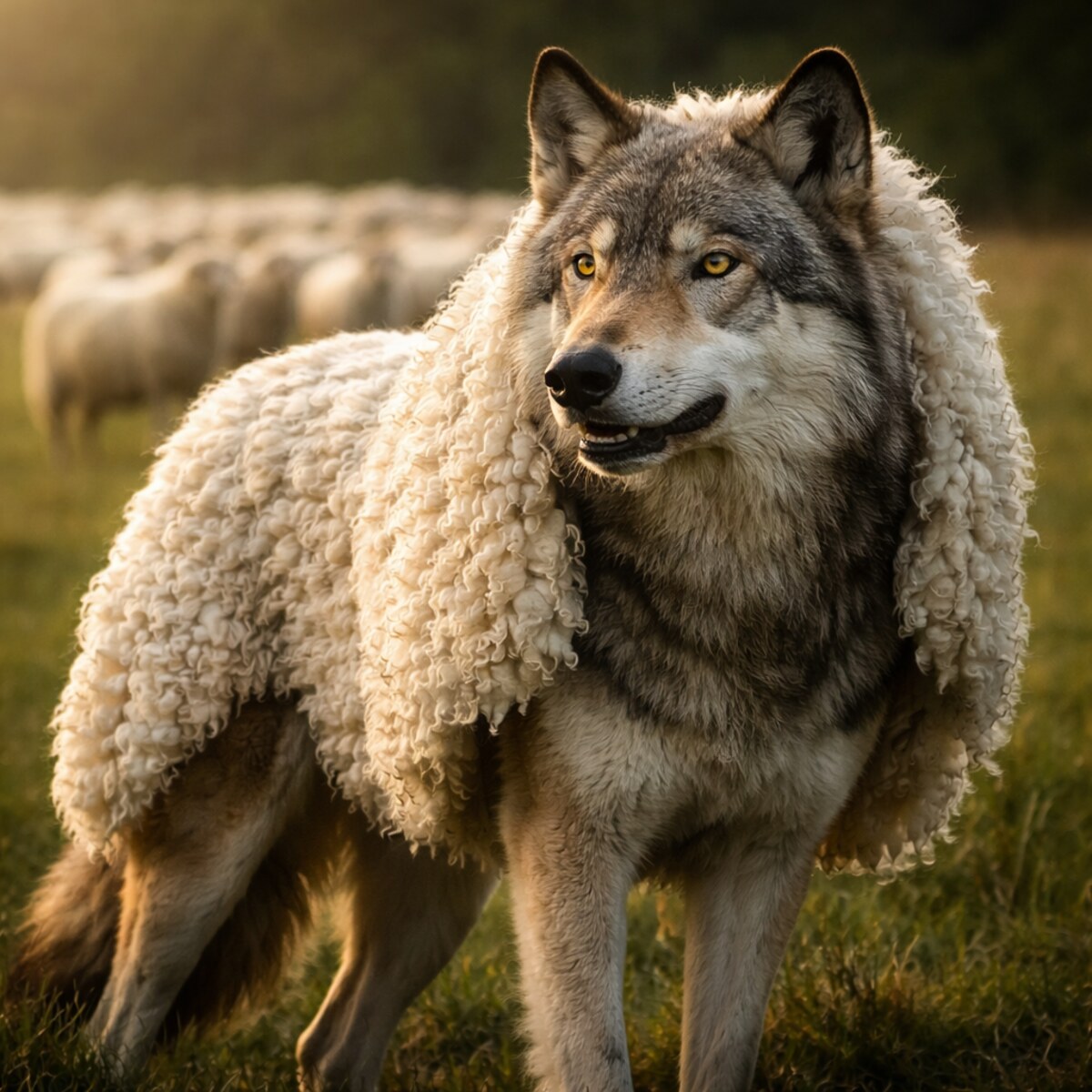
A wolf in sheep's clothing
The idiom a wolf in sheep's clothing describes someone who seems kind or harmless but is actually dangerous or dishonest. It warns people not to trust appearances.This idiom comes from an old story where a wolf dresses up as a sheep to sneak into the flock and eat the sheep.
We thought he was here to help, but he was really a wolf in sheep's clothing.


Bark up the wrong tree
To bark up the wrong tree means to make a wrong guess or to blame the wrong person. The phrase comes from hunting dogs that bark at the base of the wrong tree, thinking the bird they are hunting is in this tree when it is in another one. It is used to explain a misunderstanding or mistaken belief.If you think I broke it, you are barking up the wrong tree.
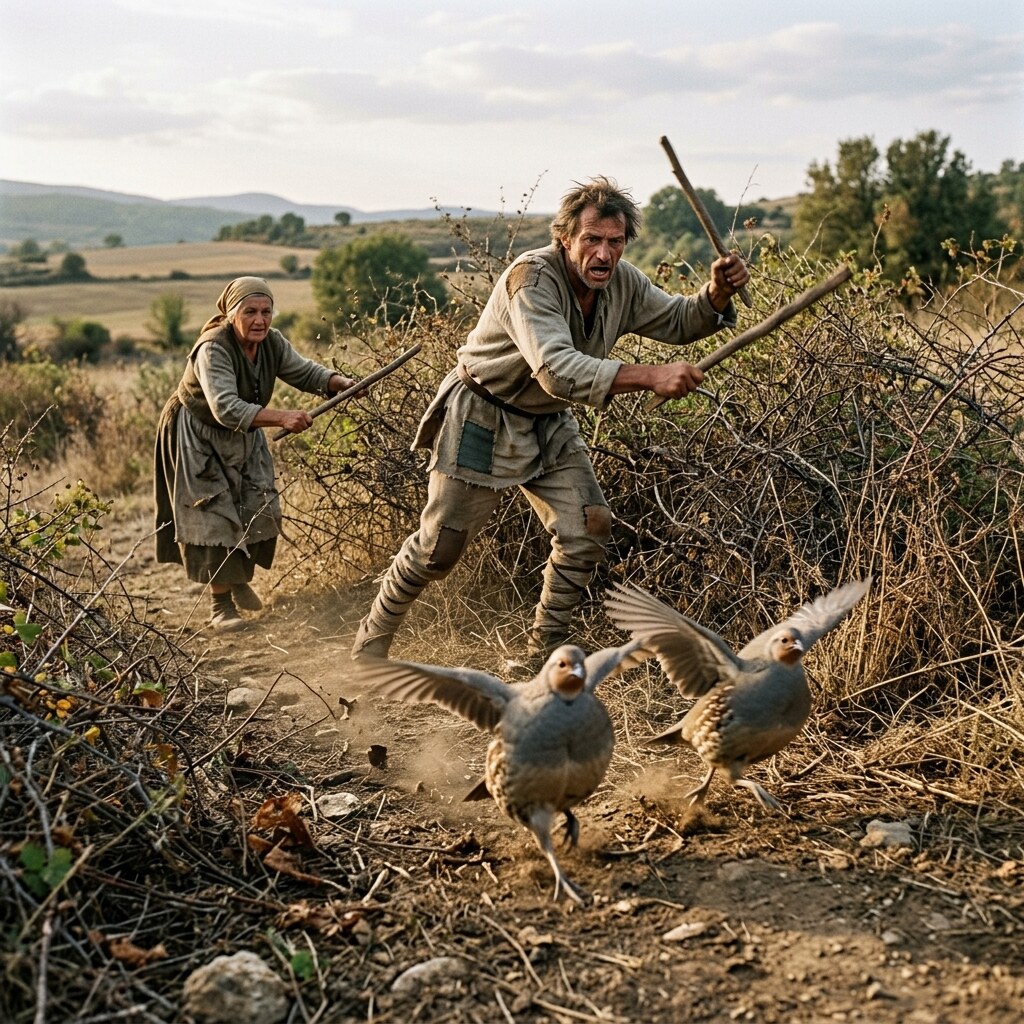
Beat around the bush
To beat around the bush means to avoid the main point of a conversation instead of speaking directly about the real issue. It usually describes someone who talks indirectly to avoid saying something uncomfortable.The phrase comes from hunting practices where people would beat bushes to drive birds out into the open. Someone who stayed around the bush instead of going straight for the target was not getting to the point.
Stop beating around the bush and tell me what you really think.
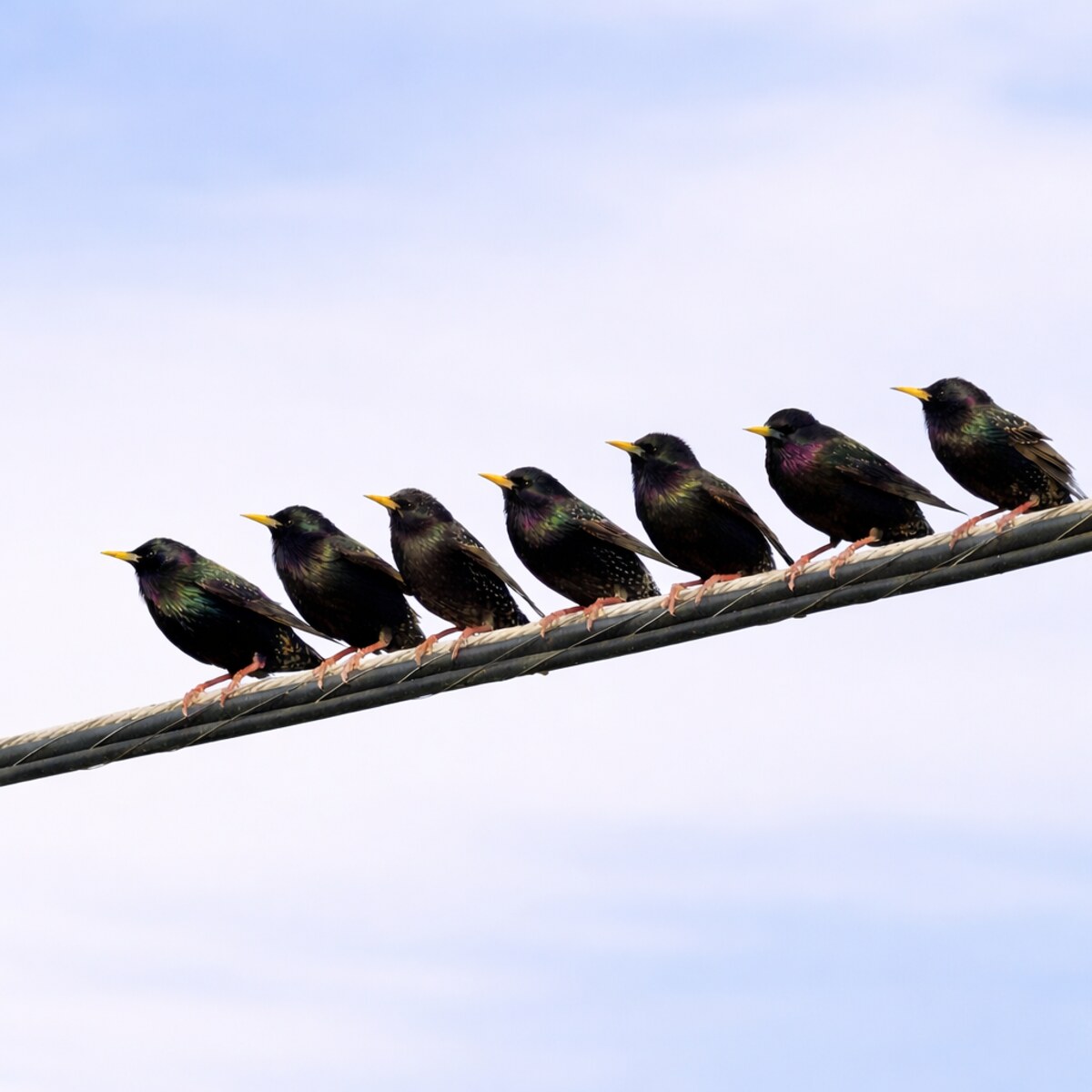
Birds of a feather
The idiom birds of a feather flock together is from the observation that birds of the same species keep together and don't mix with other kinds of birds.It means that people with similar interests or personalities tend to collect together.
Everyone at this conference are birds of a feather.
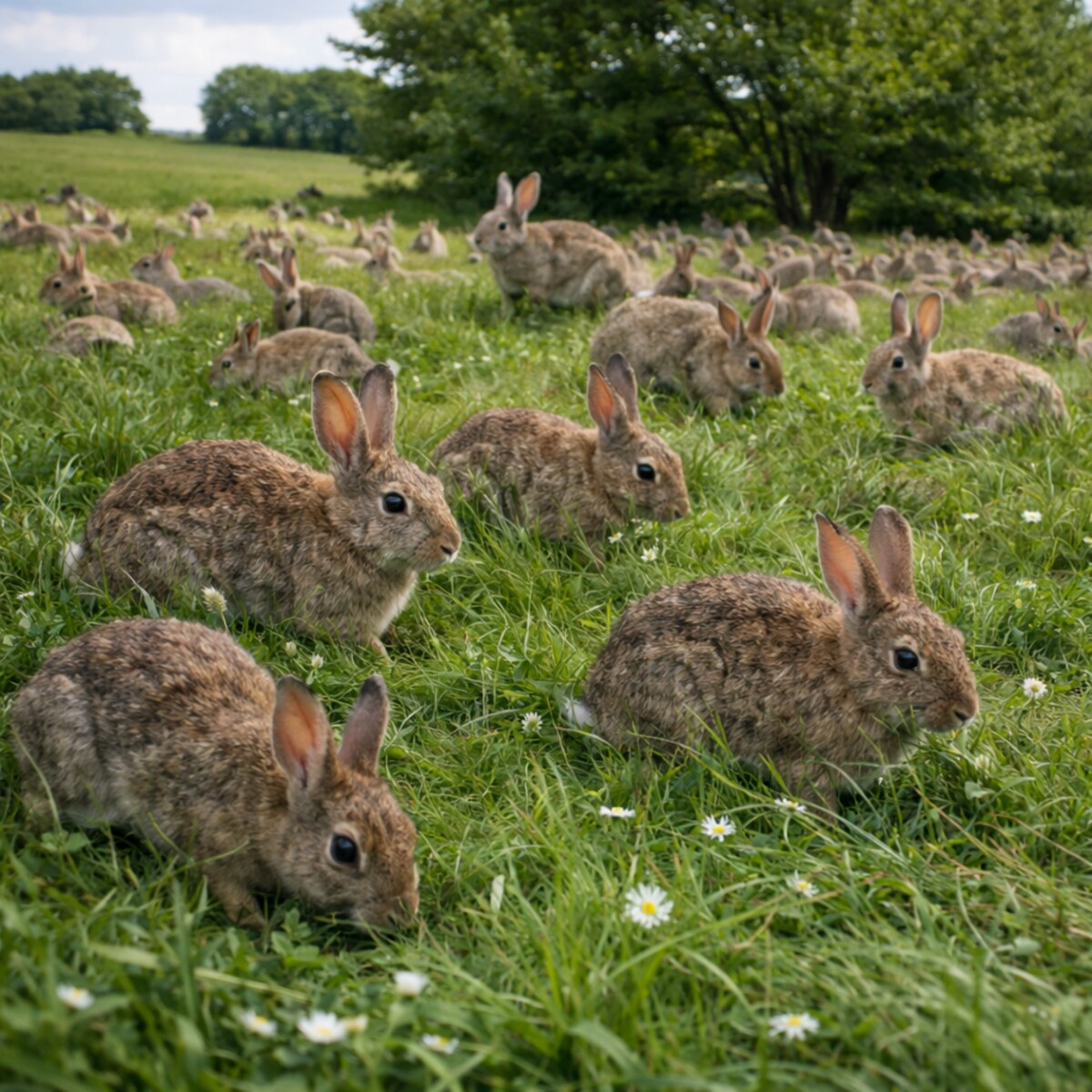
Breeding like rabbits
The phrase breeding like rabbits refers to the rabbit's ability to breed at an astonishing rate. People use this idiom when they talk about something that suddenly is around in large numbers, whether it is another animal that is literally breeding, or something that is figuratively breeding, like unfinished jobs or odd socks.How do you have so many shoes? They must be breeding like rabbits!
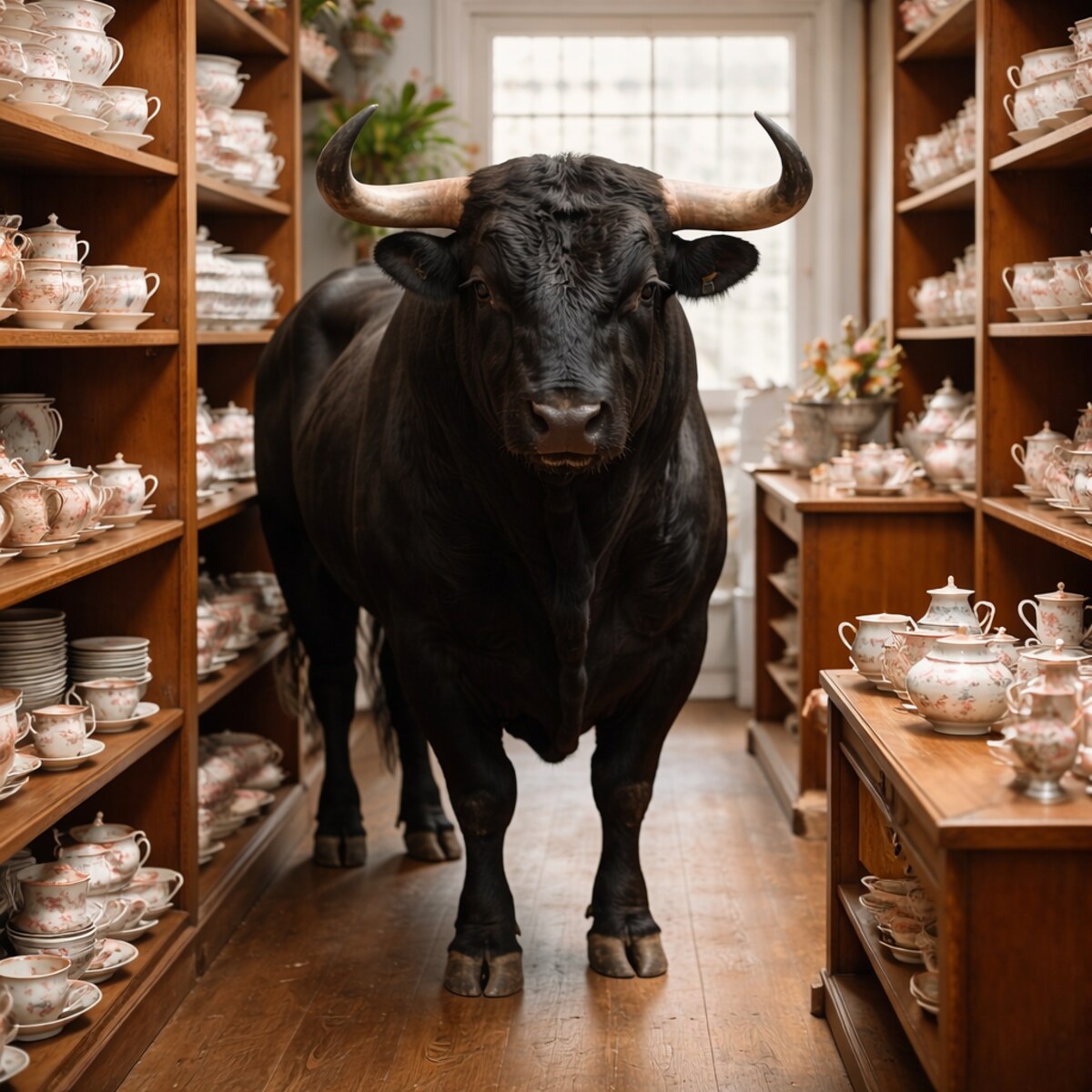
Bull in a china shop
You might be called a bull in a china shop if you are being careless or reckless in a situation that you can cause damage. It might mean someone who is physically clumsy or has tactless behaviour.He came into the meeting like a bull in a china shop and ruined all our negotiations.
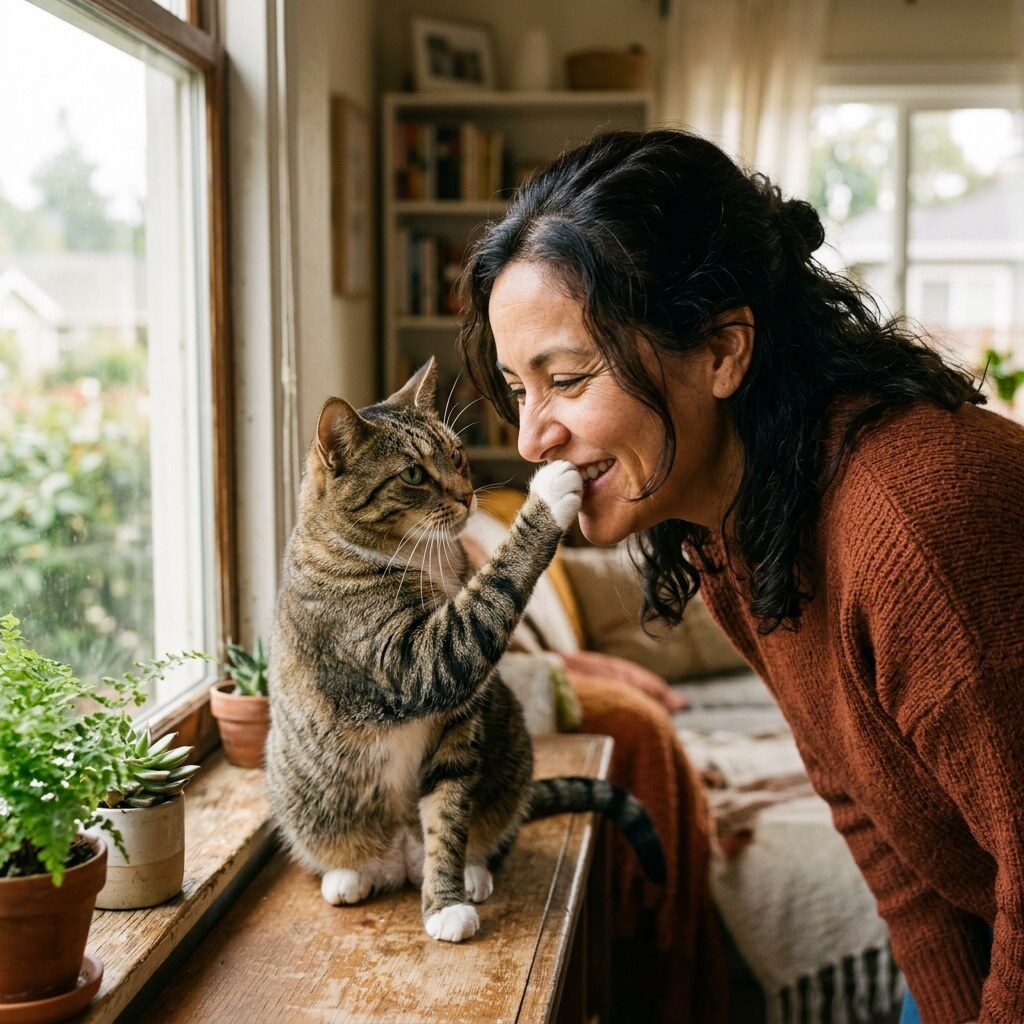
Cat got your tongue
Cat got your tongue? is a way of asking why someone is not speaking or seems unable to reply.The phrase has been used in English for many years. Its exact origin is unclear, though it is often linked to playful or teasing speech.
You have gone quiet all of a sudden. Cat got your tongue?
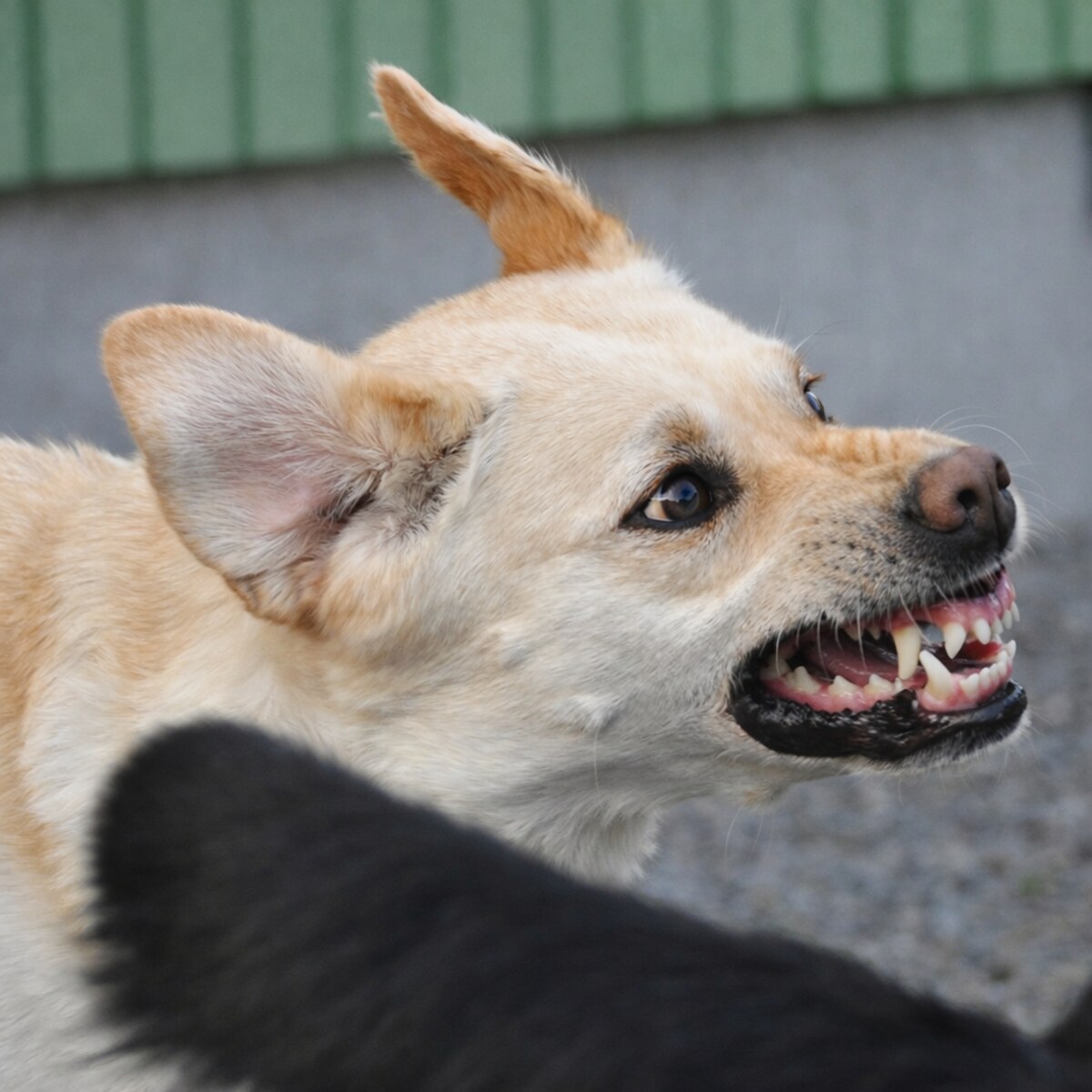
Come back to bite you
If something comes back to bite you it means that something a person did earlier causes trouble or problems later. It is often used when a careless or dishonest action has consequences in the future.The expression comes from the image of an animal biting someone after being disturbed.
Ignoring the small repairs on the house eventually came back to bite you.
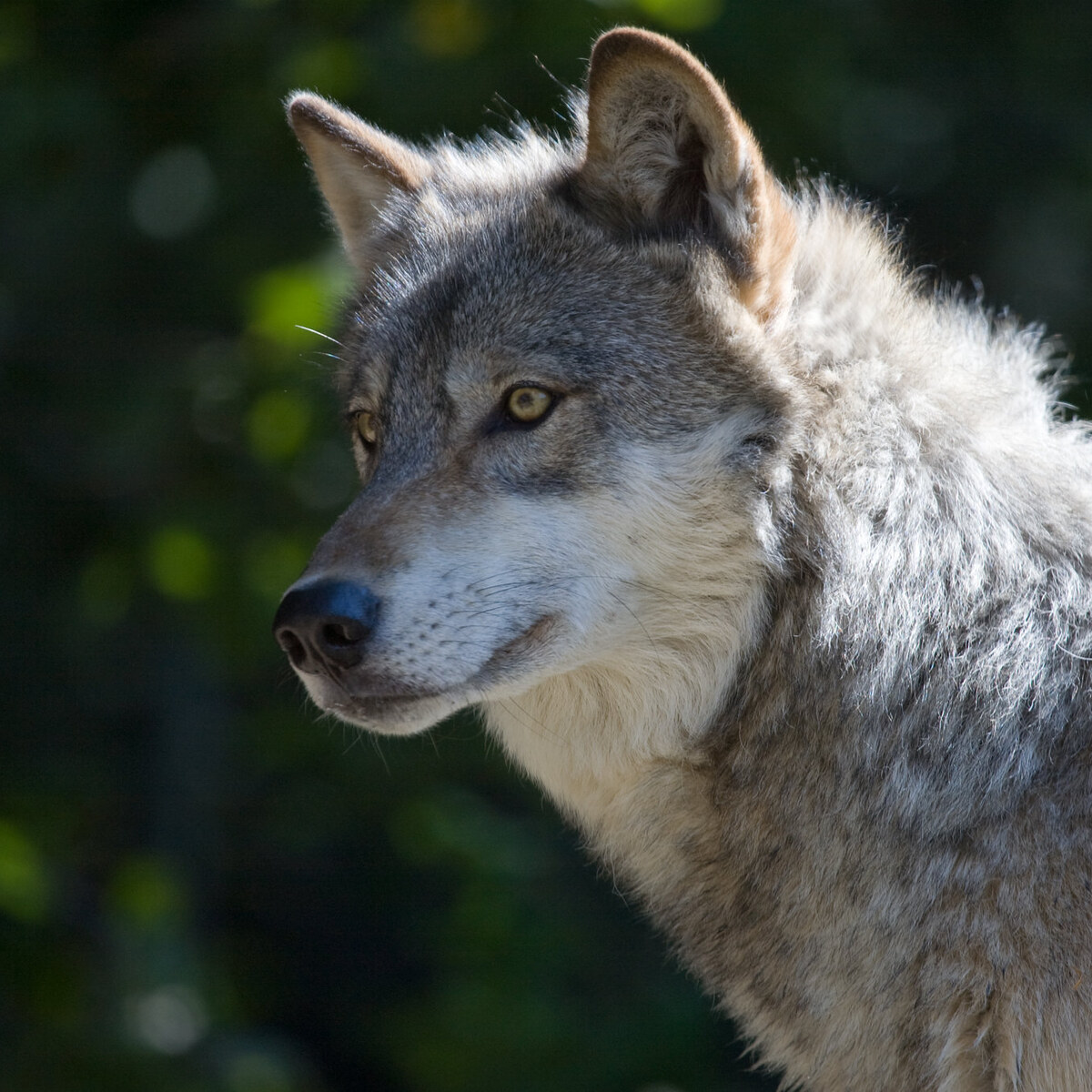
Cry wolf
To cry wolf means to raise a false alarm too often. When real trouble comes, people may not believe you. This phrase comes from a story where a shepherd called the villagers out because a wolf came for the sheep so many times in a row that the villagers eventually stopped coming. Then a wolf did come for the sheep and nobody would help the shepherd.He cried wolf so many times that no one listened.
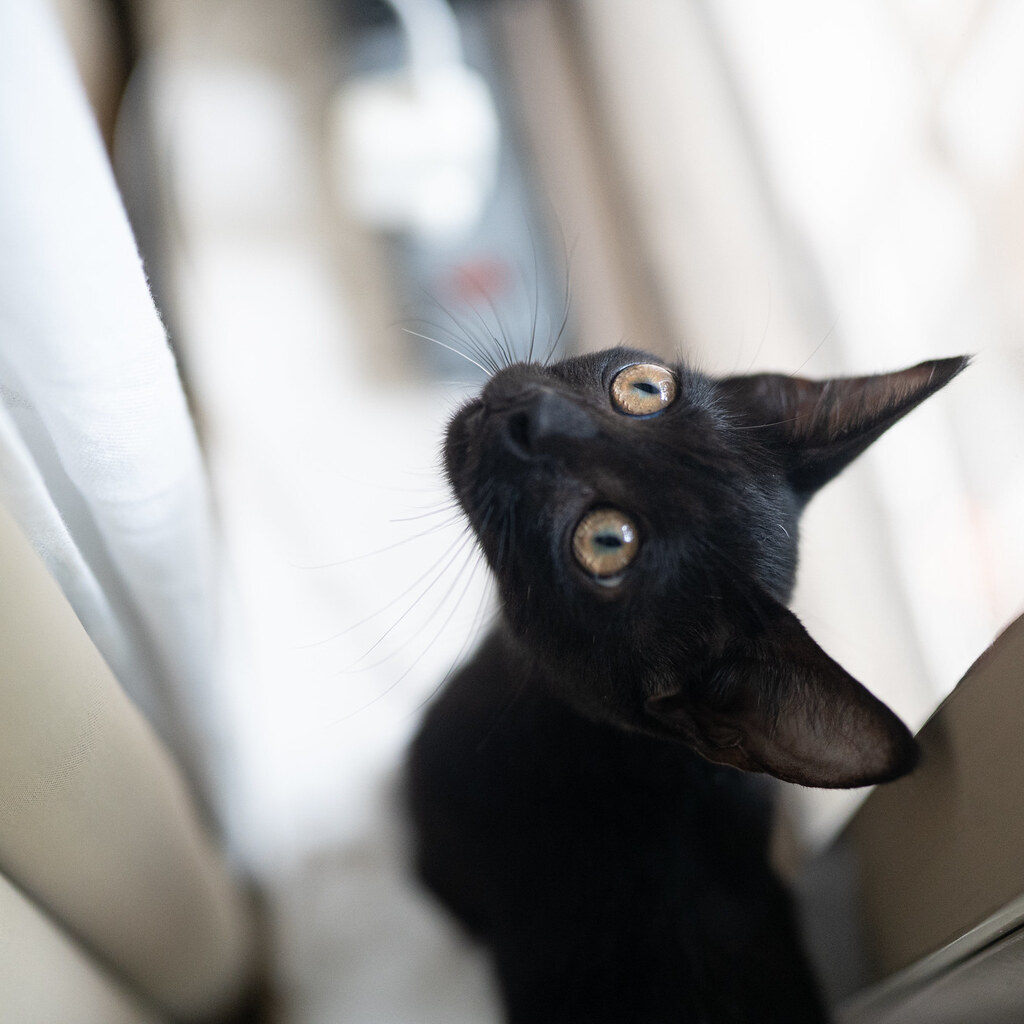
Curiosity killed the cat
Curiosity killed the cat is a warning that being too curious about something can lead to trouble or danger. This idiom is used to warn people that asking too many questions or investigating things that are not your business may cause problems for you.The saying appeared in English in the early 1900s. Cats are often used in stories as curious animals that explore everything around them, which made them a natural symbol for the risks of too much curiosity.
He knew he should not open the mysterious box, but curiosity killed the cat.
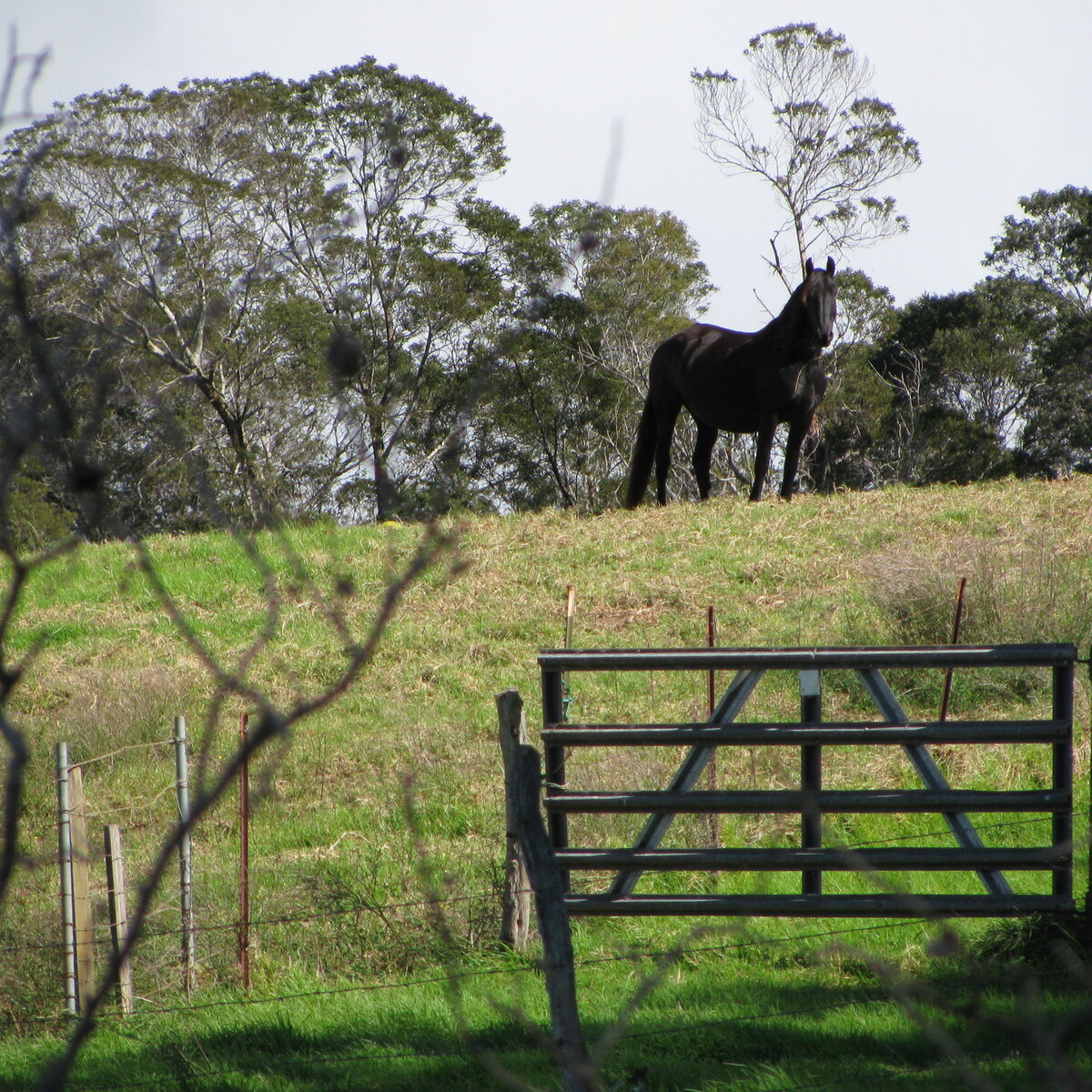
Dark horse
The idiom dark horse means a ordinary seeming person or thing that is not expected to succeed, but surprises everyone by doing very well.The saying comes from horse racing, where an unknown horse could unexpectedly win.
She was a dark horse and ended up winning the contest.
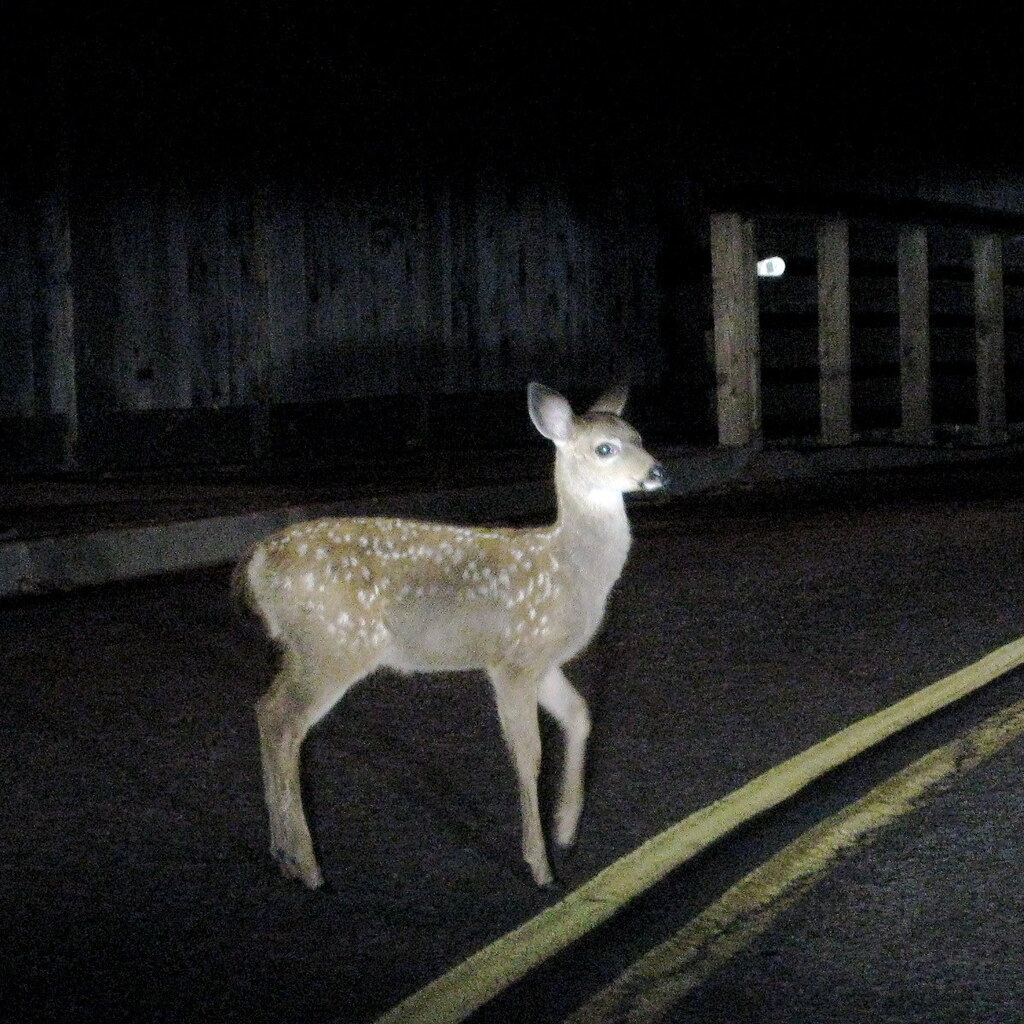
Deer in headlights
Acting like a deer in headlights describes someone who looks frozen, shocked, or confused when something sudden happens. The person may stare and not react right away.This expression comes from how a deer sometimes stops and stares when bright car headlights shine on it at night. The animal can become still and unsure of what to do.
When the teacher asked him a question he did not expect, he just stood there like a deer in headlights.
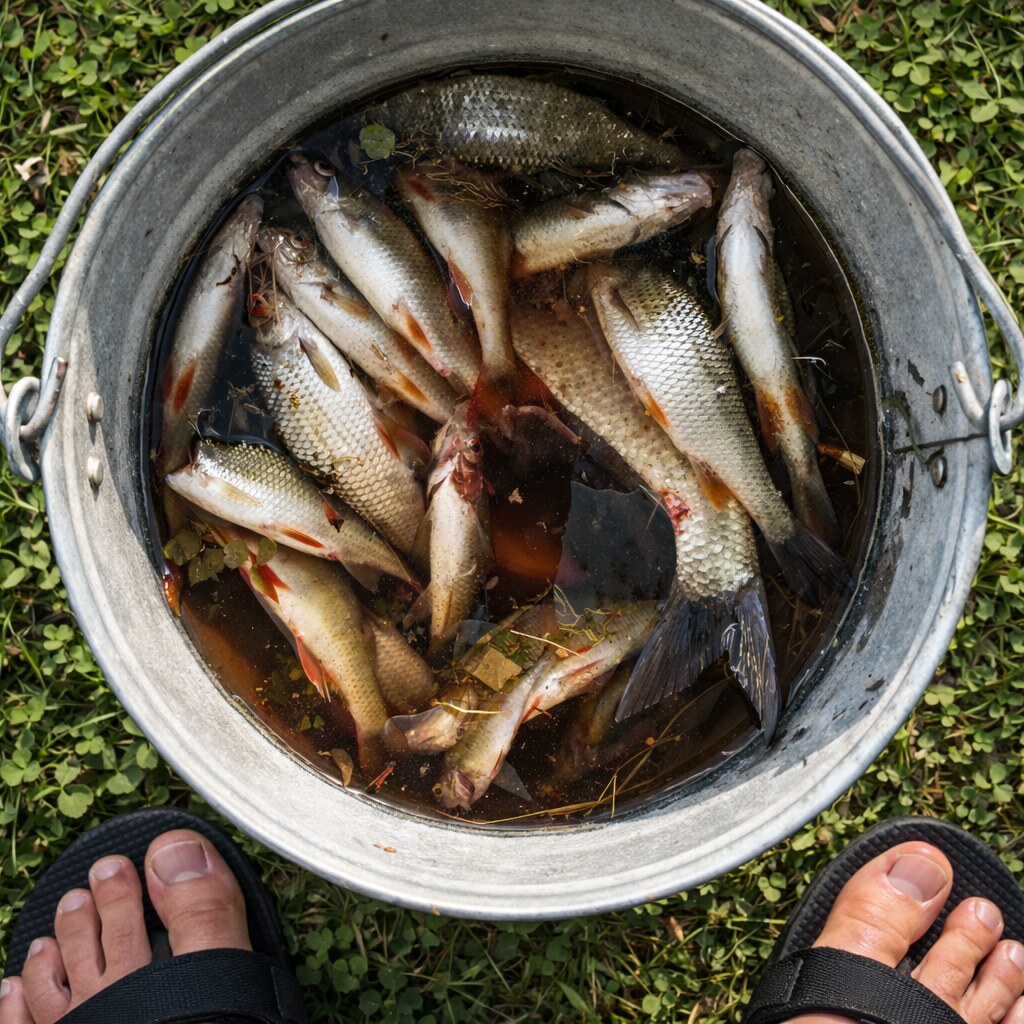
Different kettle of fish
A different kettle of fish means a completely different situation or subject from the one being discussed before. People use this idiom when something changes the topic or introduces a new and separate issue.The expression comes from older British cooking terms where a kettle meant a pot used for boiling fish. Talking about a different kettle of fish meant dealing with an entirely different dish.
Fixing a small leak is one thing, but rebuilding the whole roof is a different kettle of fish.
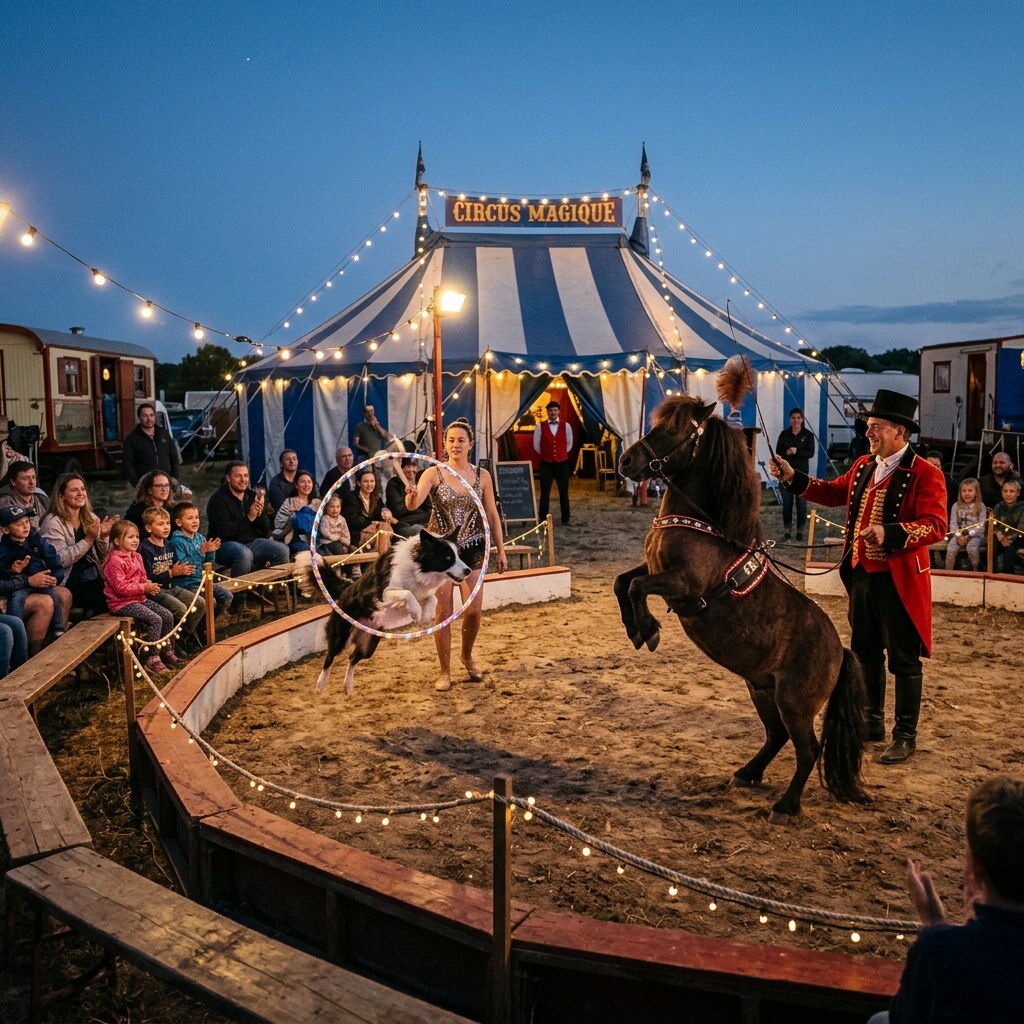
Dog and pony show
The idiom dog and pony show means a showy event meant to impress people, sometimes without much real substance.The phrase comes from traveling entertainment shows in the late 1800s that featured trained dogs and ponies doing tricks for crowds.
The meeting felt like a dog and pony show with lots of flashy slides.
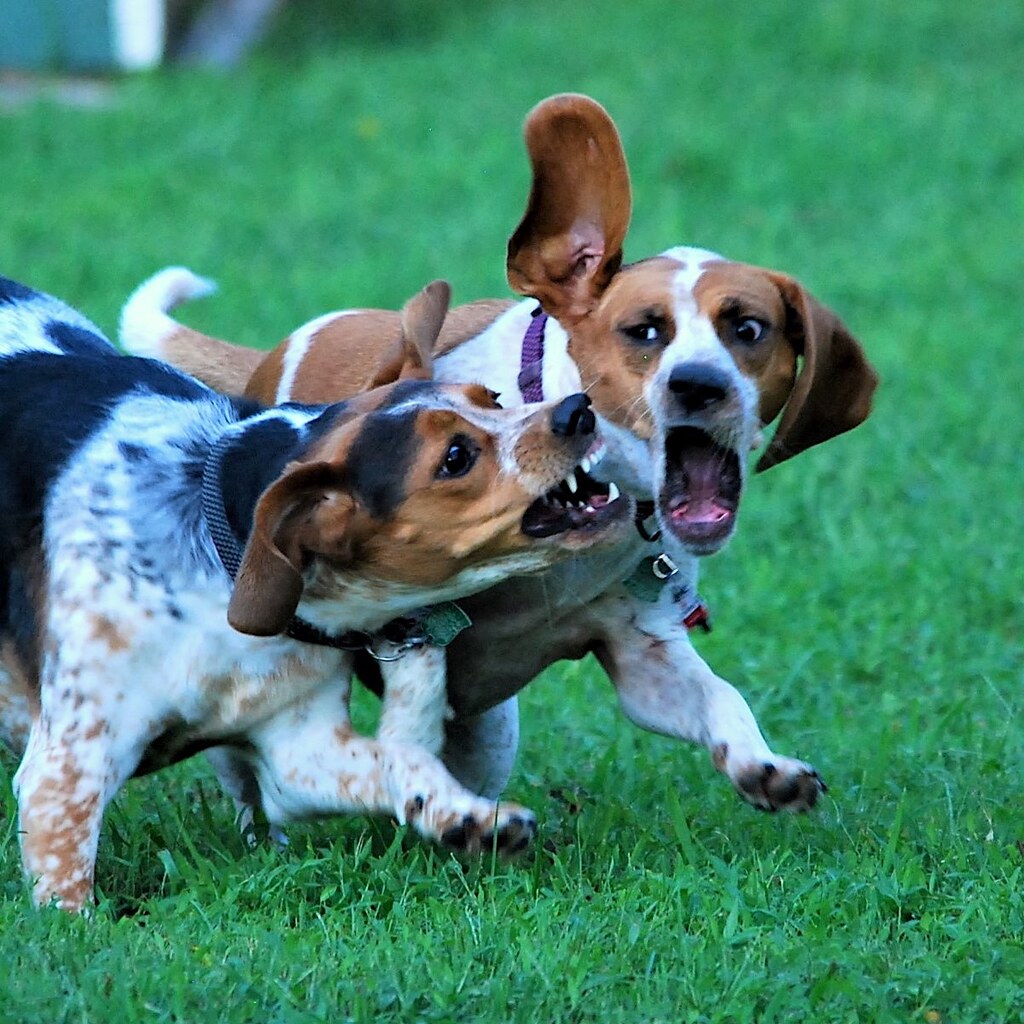
Dog eat dog
The phrase dog eat dog describes a situation where people compete fiercely. Everyone looks out for themselves and doesn't care about the people they are competing against. It suggests a tough environment where winning matters the most.The phrase comes from an old Latin saying dog does not eat dog, which meant that people in the same group would not harm each other, but the modern expression has evolved to mean the opposite.
It can be dog eat dog in some industries.
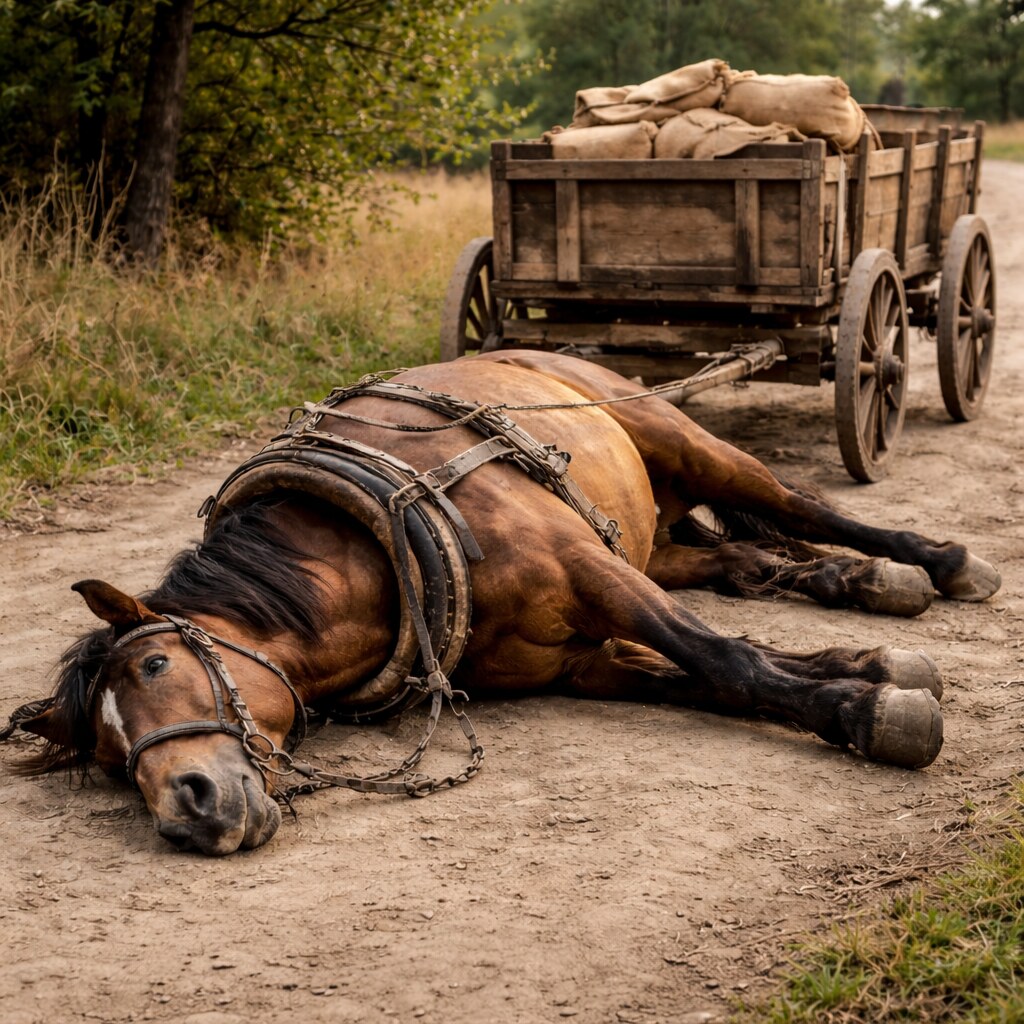
Don't beat a dead horse
To beat a dead horse means to keep talking about a problem or trying to change something even though nothing more can be done. It describes wasting time and effort on something that is already finished or decided.The idiom dates back to the time before cars, when horses were used to move things around. It comes from the image of a working horse that has already died and cannot move anymore. Hitting it would not make it work again, so the effort would be pointless.
We've already decided on the plan, so there's no point beating a dead horse.
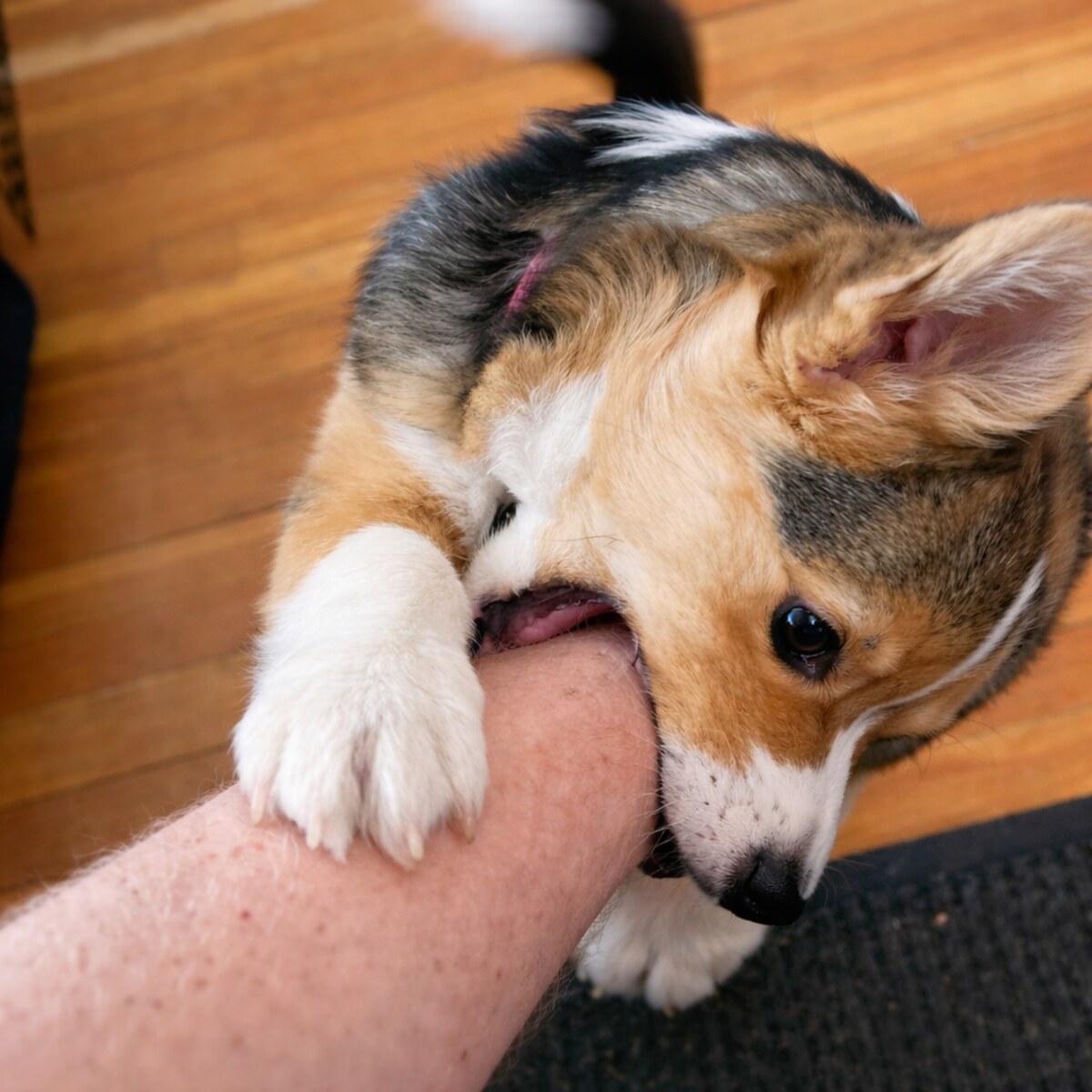
Don't bite the hand that feeds you
The saying don't bite the hand that feeds you means you should not hurt or insult someone who helps you. If you do, you might lose their support.The idiom comes from the literal image of an animal biting the hand of the person who is giving it food.
Be polite to your coach - don't bite the hand that feeds you.