
Showing 1-20 of 44

A drop in the ocean
The expression a drop in the ocean, or a drop in the bucket means a very small amount compared to what is really needed. It helps explain that even though an effort was made, it was not enough to make a noticeable difference. People often use this phrase when talking about money, time, or help that is too small to solve a big problem.The donation was a drop in the ocean compared to the cost of repairs.

A rolling stone gathers no moss
A rolling stone gathers no moss means that someone who is always moving from place to place does not settle down or collect responsibilities or possessions.The saying has been known in English since the 1500s and appeared in a collection of proverbs by John Heywood in 1546. The image compares a stone that keeps rolling with one that stays still long enough for moss to grow on it.
He has lived in five different cities in ten years, a rolling stone gathers no moss.

A storm in a teacup
The idiom a storm in a teacup means making a big fuss about a small problem. The reaction is much bigger than the situation deserves. The original form of this idiom dates back to ancient Roman times and was "a tempest in a ladle", so people have been comparing overblown reactions to putting huge storms in tiny containers for a very long time now.The committee meeting ended up being a storm in a teacup.

Add fuel to the fire
The idiom add fuel to the fire means to make a bad situation worse. Instead of calming things down, it increases trouble or anger. This idiom is from the literal image of a fire jumping in size when you add extra fuel to it.Arguing about it only added fuel to the fire.
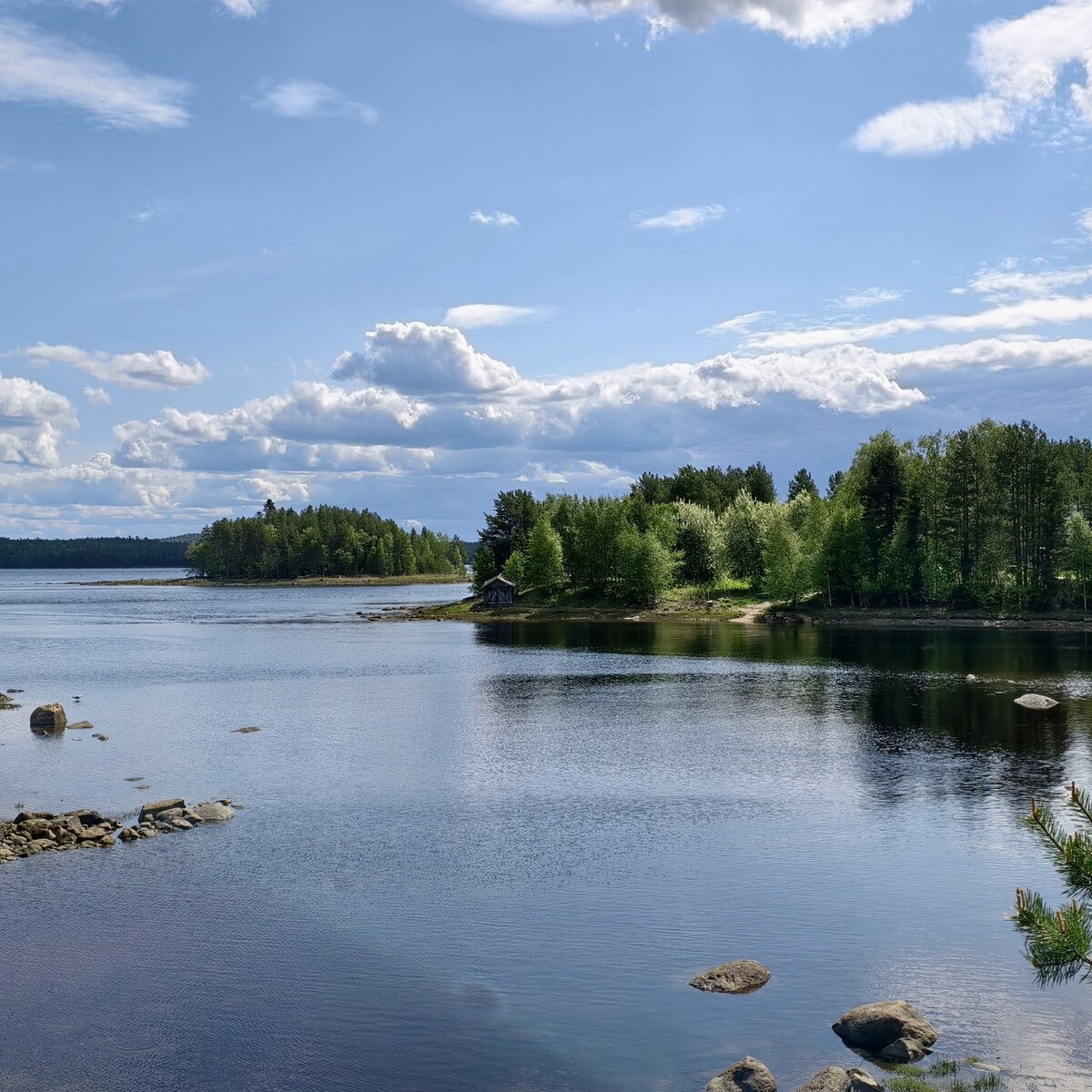
As clear as day
The idiom as clear as day means very obvious and easy to understand.This phrase compares a clear solution to a clear day, where you can see a long way.
It was clear as day that she was upset.

Bark up the wrong tree
To bark up the wrong tree means to make a wrong guess or to blame the wrong person. The phrase comes from hunting dogs that bark at the base of the wrong tree, thinking the bird they are hunting is in this tree when it is in another one. It is used to explain a misunderstanding or mistaken belief.If you think I broke it, you are barking up the wrong tree.
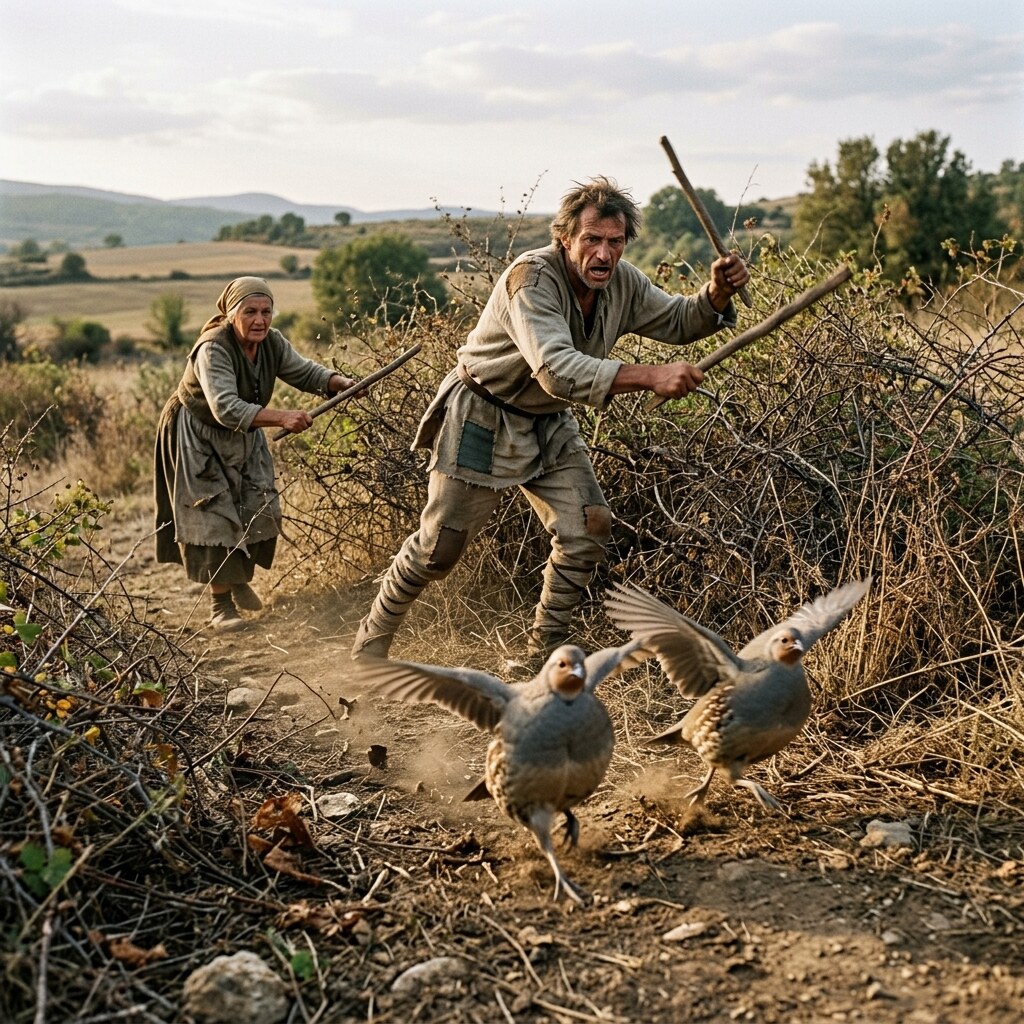
Beat around the bush
To beat around the bush means to avoid the main point of a conversation instead of speaking directly about the real issue. It usually describes someone who talks indirectly to avoid saying something uncomfortable.The phrase comes from hunting practices where people would beat bushes to drive birds out into the open. Someone who stayed around the bush instead of going straight for the target was not getting to the point.
Stop beating around the bush and tell me what you really think.

Breath of fresh air
The idiom a breath of fresh air means a person or a thing that is a refreshing change.Our new hire is a breath of fresh air in our office.
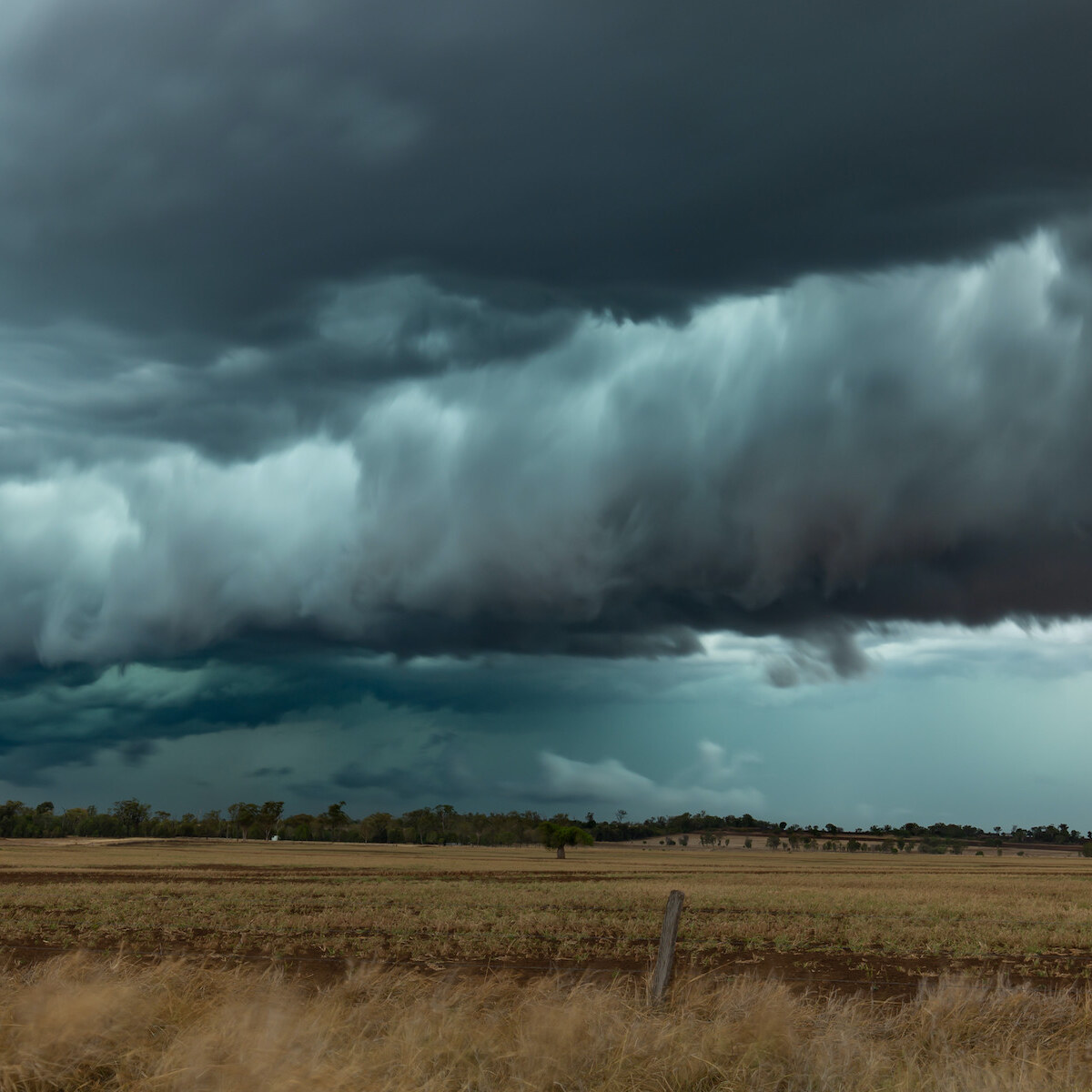
Calm before the storm
The phrase the calm before the storm means a quiet time before trouble begins. Things may seem peaceful right now, but a big change is coming. This idiom derives from the phenomenon where there is often a spell of quiet weather right before a storm hits.The in-laws are going to be here in an hour but everything is already clean and ready, so now it is the calm before the storm.

Can't see the forest for the trees
This phrase means that you are so focussed on the details (the trees) of something that you can't see the bigger picture (the forest). If someone tells you you can't see the forest for the trees it is time to step back from the problem and take another look.She was so caught up choosing a font for the flyers we missed the entire deadline, she couldn't see the forest for the trees.

Come hell or high water
Come hell or high water means that someone is determined to do something no matter what happens. It shows strong determination and the idea that nothing will stop a person from reaching their goal.The words suggest that even a fire or a flood would not stop someone from reaching their goals, and is used to describe situations where people keep going even when things become very hard.
She said she would finish the marathon come hell or high water.

Don't make a mountain out of a molehill
The phrase don't make a mountain out of a molehill means don't turn a small problem into a huge one. It reminds you to keep things in perspective.A molehill is a small mound of dirt and a mountain is huge, so the mental image is a funny contrast.
It was a tiny mistake, so calm down and don't make a mountain out of a molehill.

Dry as a bone
The phrase dry as a bone is an exaggeration to describe something that is very, very dry, drawing from the image of bleached bones left in the sun.This idiom is very old, and dates back to Biblical times.
It hasn't rained for months, the fields are dry as a bone.

Every cloud has a silver lining
Every cloud has a silver lining means that even when something bad happens, there can be a good thing hidden in the situation.The saying comes from the way sunlight can shine around the edge of a dark cloud, making a bright silver outline. Even though the cloud looks gloomy, the light behind it shows that something brighter is still there.
Losing my job was stressful, but every cloud has a silver lining - it pushed me to start the small business I had been dreaming about.
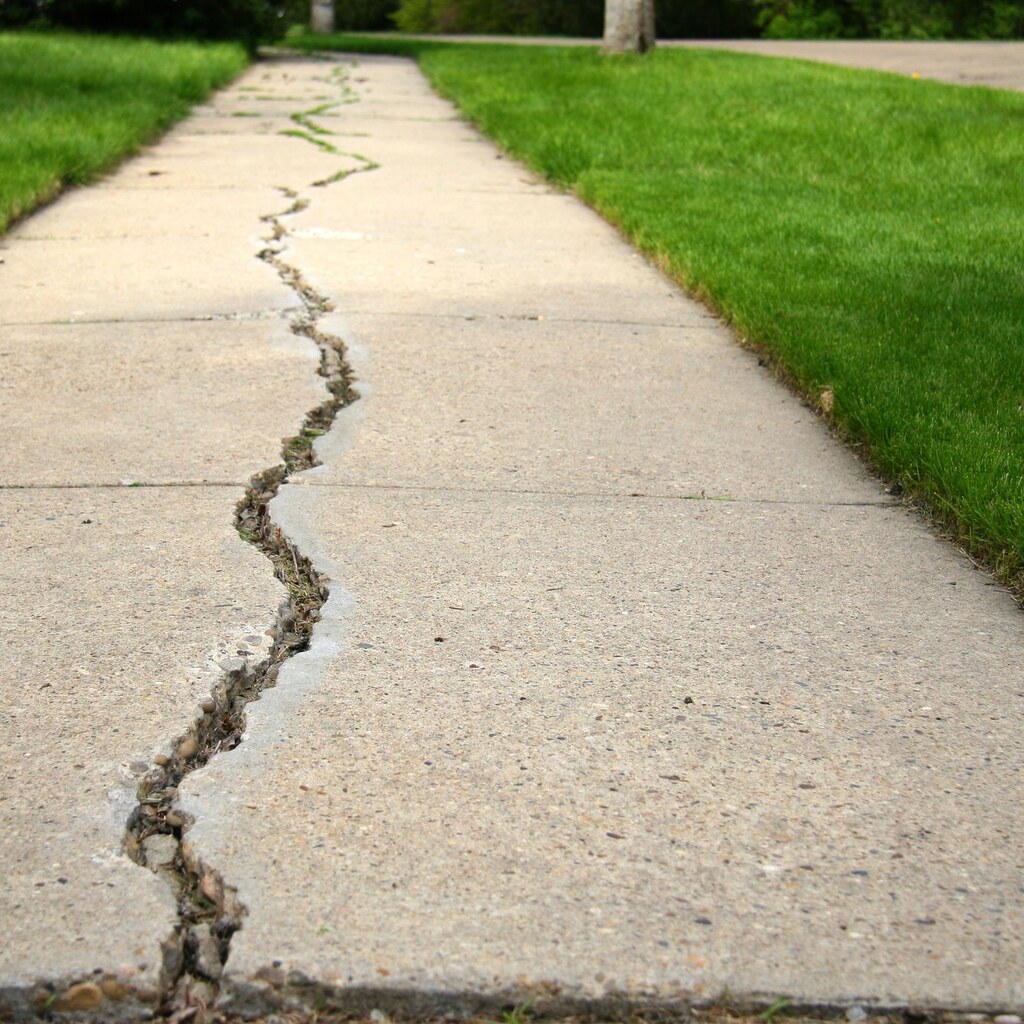
Fall through the cracks
If something slipped through the cracks it means that it was missed or overlooked, usually because of a mistake or a gap in a system. It describes a situation where something should have been handled but was accidentally ignored.The expression comes from the image of something small falling through cracks in a floor or between boards and disappearing from sight.
My application slipped through the cracks and was never reviewed.
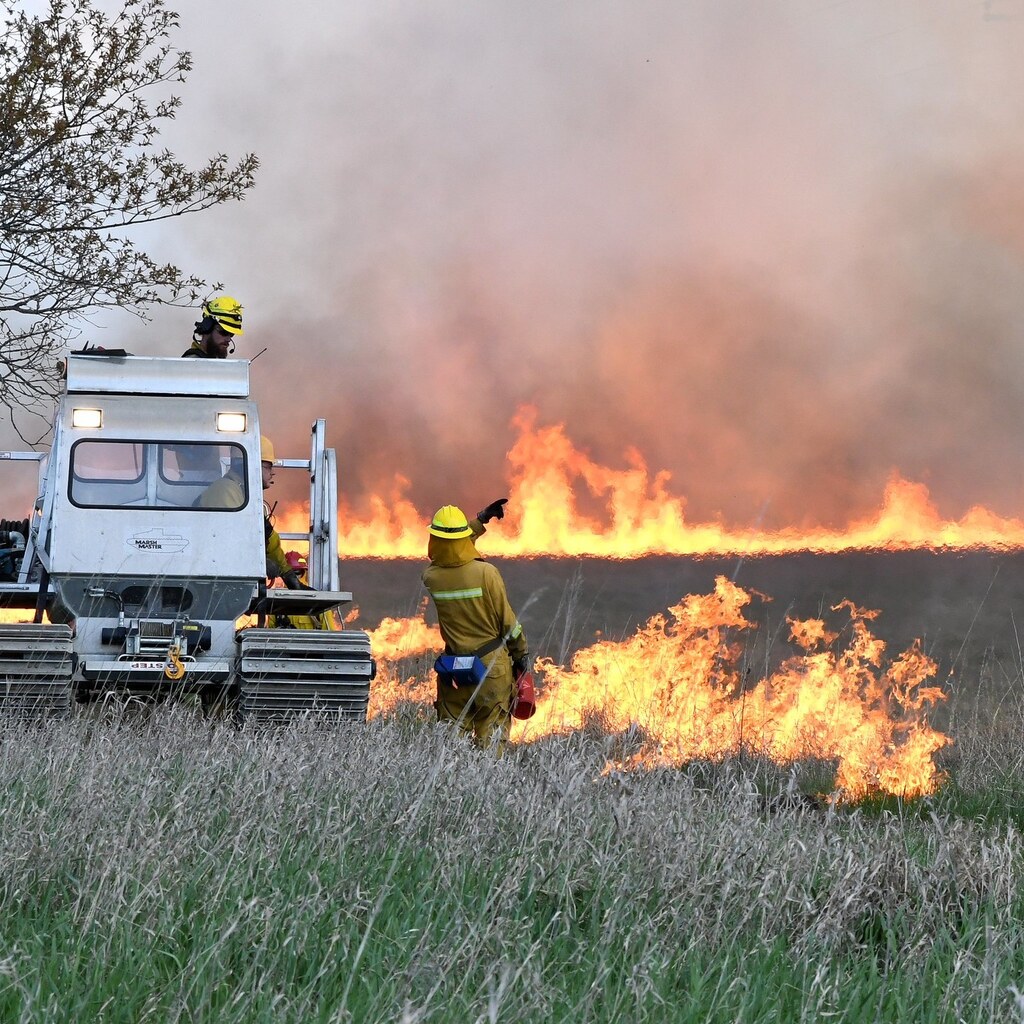
Fight fire with fire
To fight fire with fire means to respond to a problem or attack by using the same kind of method against it. Instead of avoiding the conflict, a person uses similar tactics to defend themselves or push back.The phrase comes from a real firefighting technique where controlled fires are sometimes set to stop a larger wildfire by removing the fuel it needs to spread.
When their rival company launched an aggressive advertising campaign, they decided to fight fire with fire and increase their own marketing.

Fresh as a daisy
Fresh as a daisy means feeling lively, energetic, and well rested. It is often used when someone feels bright and full of energy after sleeping or resting.This idiom compares a person to a daisy flower, which opens its bright petals in the morning and looks clean and fresh in the daylight. Because of this, daisies became a symbol of freshness and new energy.
After a full night of sleep, she woke up feeling fresh as a daisy.

Head in the clouds
To have your head in the clouds means you are distracted by thinking about dreams or ideas instead of paying attention to what is happening around you.The expression comes from the image of a person's head floating high in the clouds, far above everyday life. It suggests someone whose thoughts are far away from practical matters.
He was walking down the street with his head in the clouds and almost missed his bus.
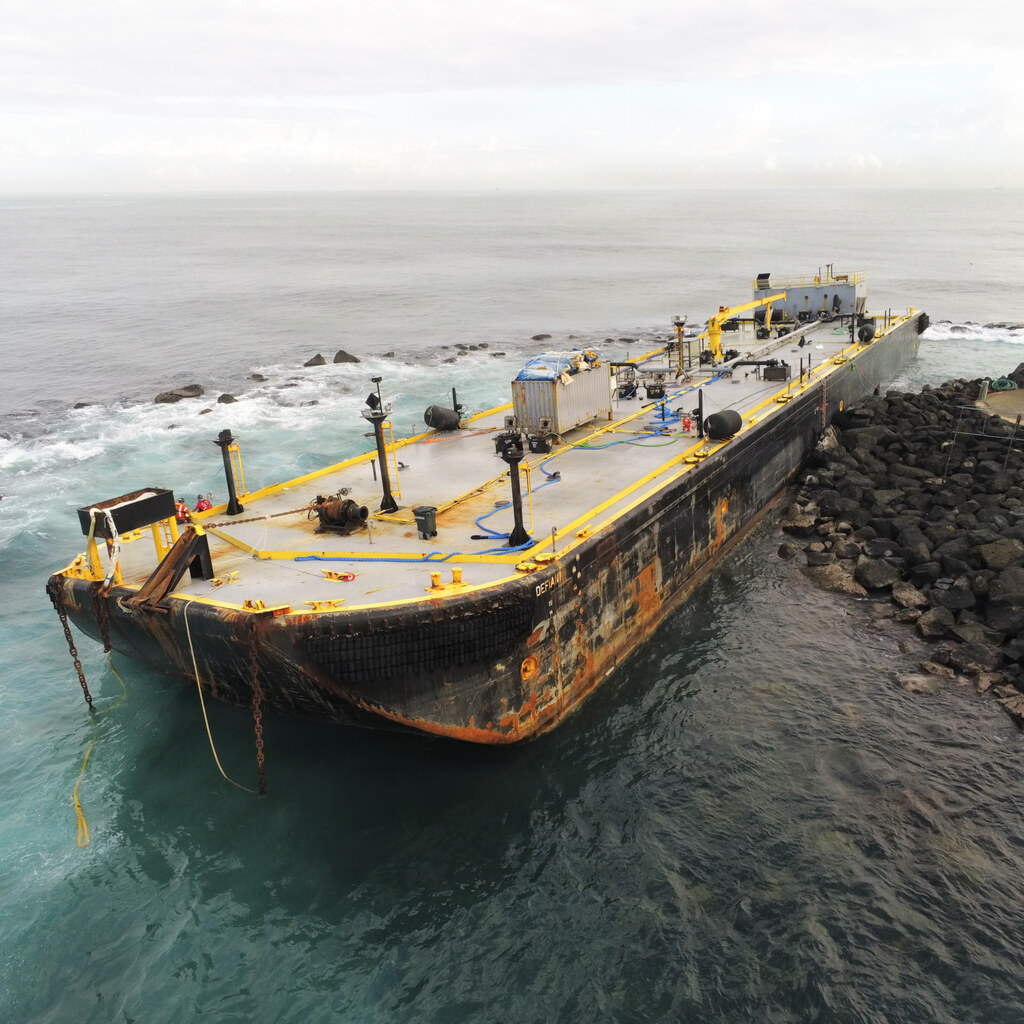
High and dry
High and dry means to be left in a difficult situation without help or support. This idiom describes someone who has been abandoned or left to deal with a problem on their own.The phrase comes from sailing. When the tide goes out, a boat can be left stranded on land above the waterline, literally high and dry. Over time the image became a metaphor for being left stuck without assistance.
They cancelled the ride and left us high and dry.

It never rains, but it pours
The idiom it never rains, it pours means that when something bad happens, many bad things often happen at the same time. It is used when problems seem to come all at once instead of one at a time. Less often someone will use it to describe a burst of good things rather than bad.This phrase draws on the idea of heavy rain. It is often not slow and steady, and a heavy storm suddenly brings a lot of water very quickly.
First my phone broke, then my car wouldn't start, and then I missed the bus - sometimes it never rains, it pours.