
Showing 1-20 of 27
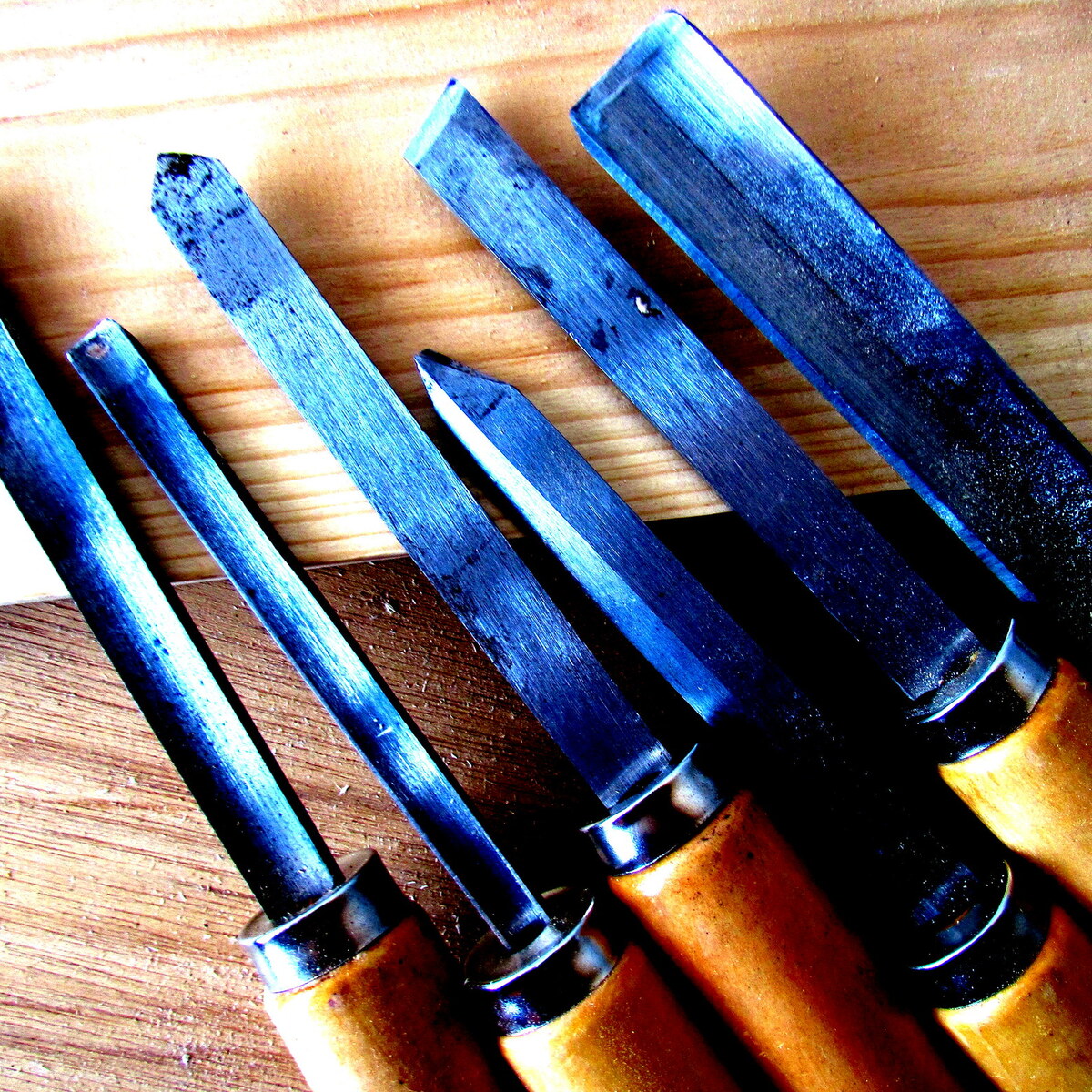
A bad workman always blames his tools
The saying a bad workman always blames his tools means that people who do a job poorly often blame their equipment instead of admitting their own mistakes. It suggests that lack of skill is usually the real problem, not the tools being used.The expression has been recorded in English since the 1600s. Variations of the same idea appear in several European languages, all pointing to the same observation that an unskilled worker will blame their tools rather than their ability.
He complained about the software, but a bad workman always blames his tools.
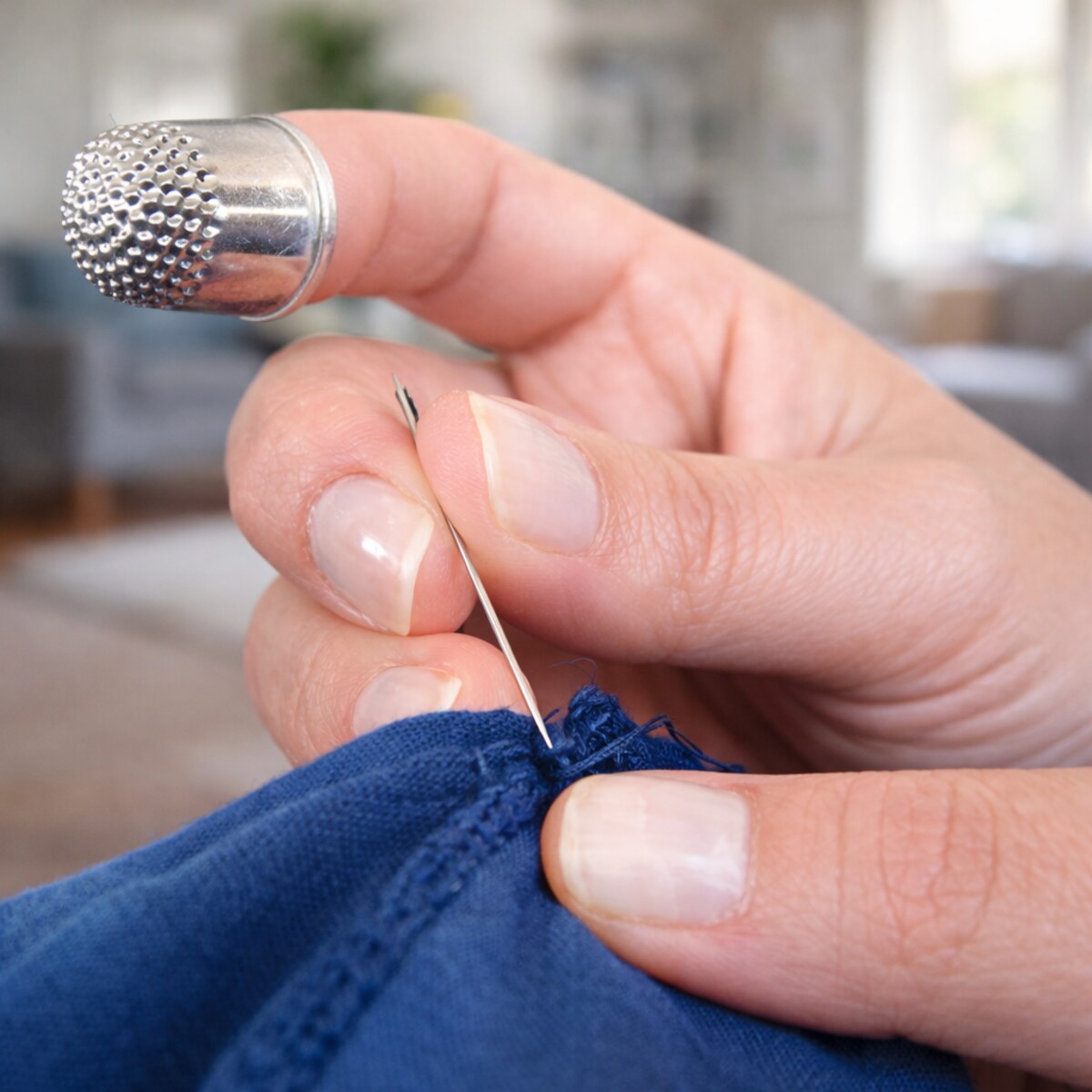
A stitch in time saves nine
The saying a stitch in time saves nine means that fixing a small problem early can prevent a much bigger problem later. It comes from sewing, where repairing a small tear quickly can stop it from becoming a large rip that needs much more work. The phrase is used as advice to encourage people not to delay important tasks.He fixed the leak straight away, knowing a stitch in time saves nine.
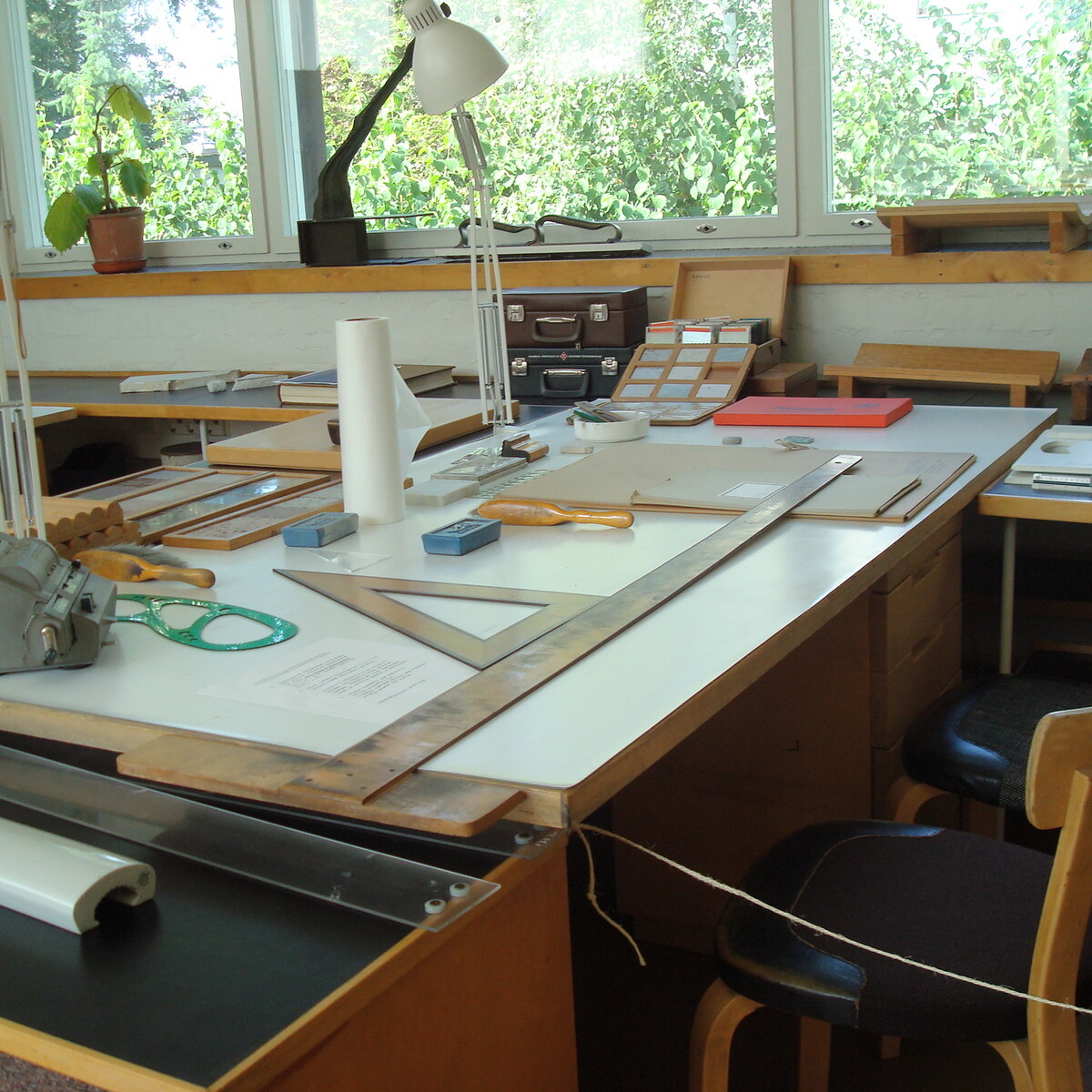
Back to the drawing board
The phrase back to the drawing board means that a plan has failed and must be started again from the beginning. It suggests that the original idea did not work and needs to be rethought or redesigned. The saying comes from engineering and design, where plans are drawn before something is built. When a design fails, the designer returns to the drawing board to create a new plan.When the experiment failed, the team went back to the drawing board.
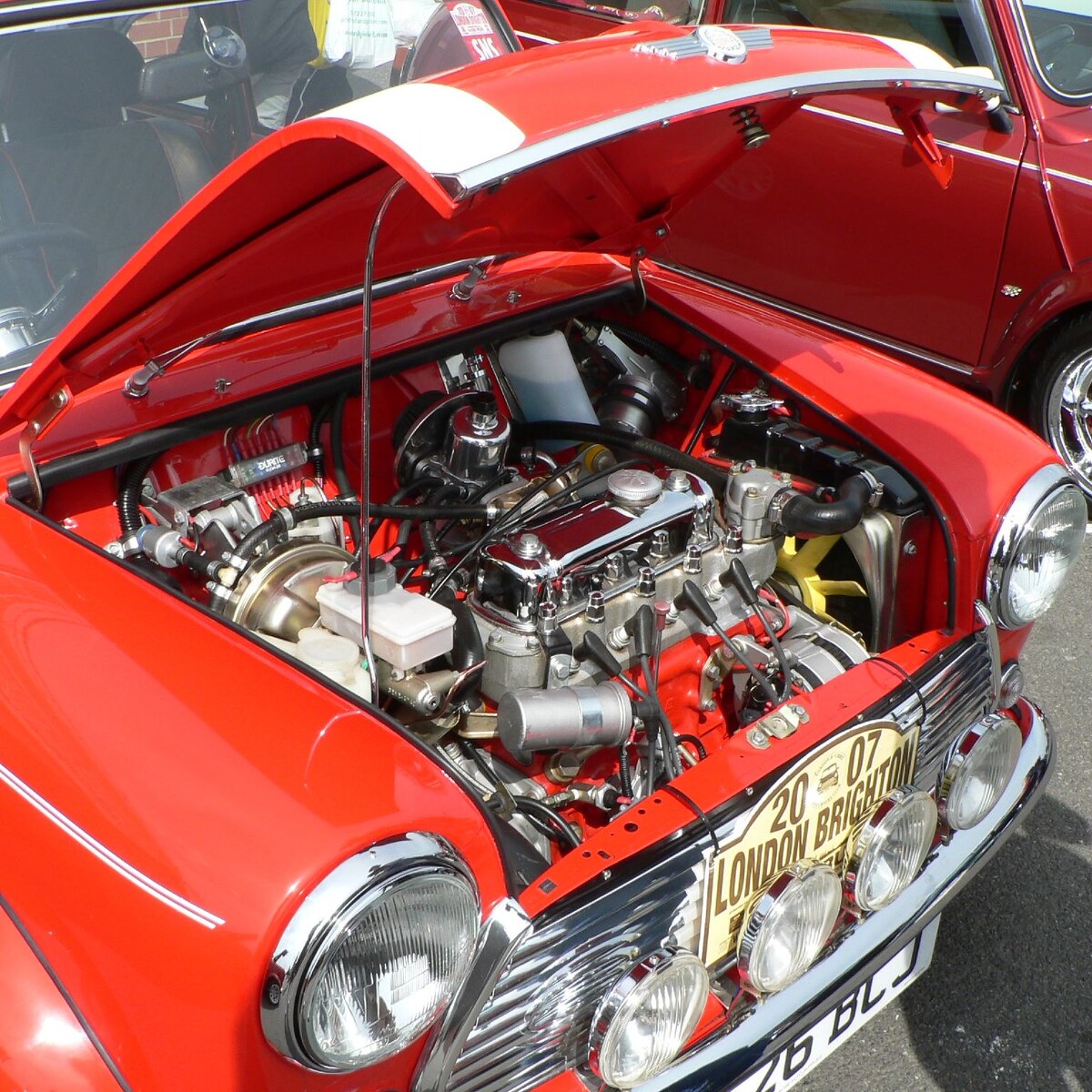
Firing on all cylinders
The idiom firing on all cylinders describes a person, team, or machine that is operating at full capacity.The phrase comes from engines, where several cylinders work together to produce power. When every cylinder is firing properly, the engine runs at its strongest and most efficient.
By the middle of the season, the team was firing on all cylinders and winning almost every game.
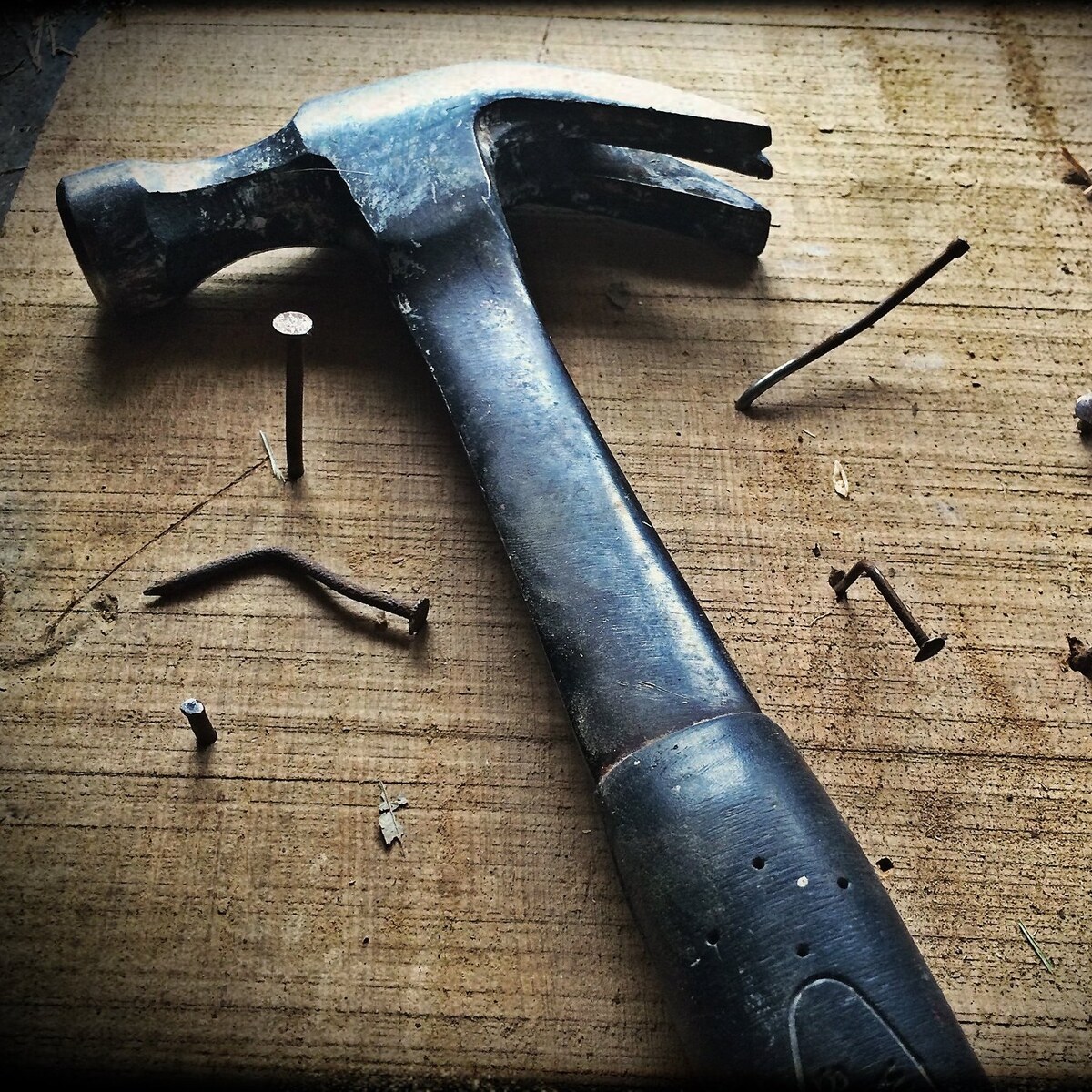
Hit the nail on the head
The idiom to hit the nail on the head means to describe something exactly right. There is no mistake in the understanding. It suggests accuracy, like hitting a nail right on the head.Derivations of this idiom are "nail on the head" and "nailed it".
Your explanation hit the nail right on the head.
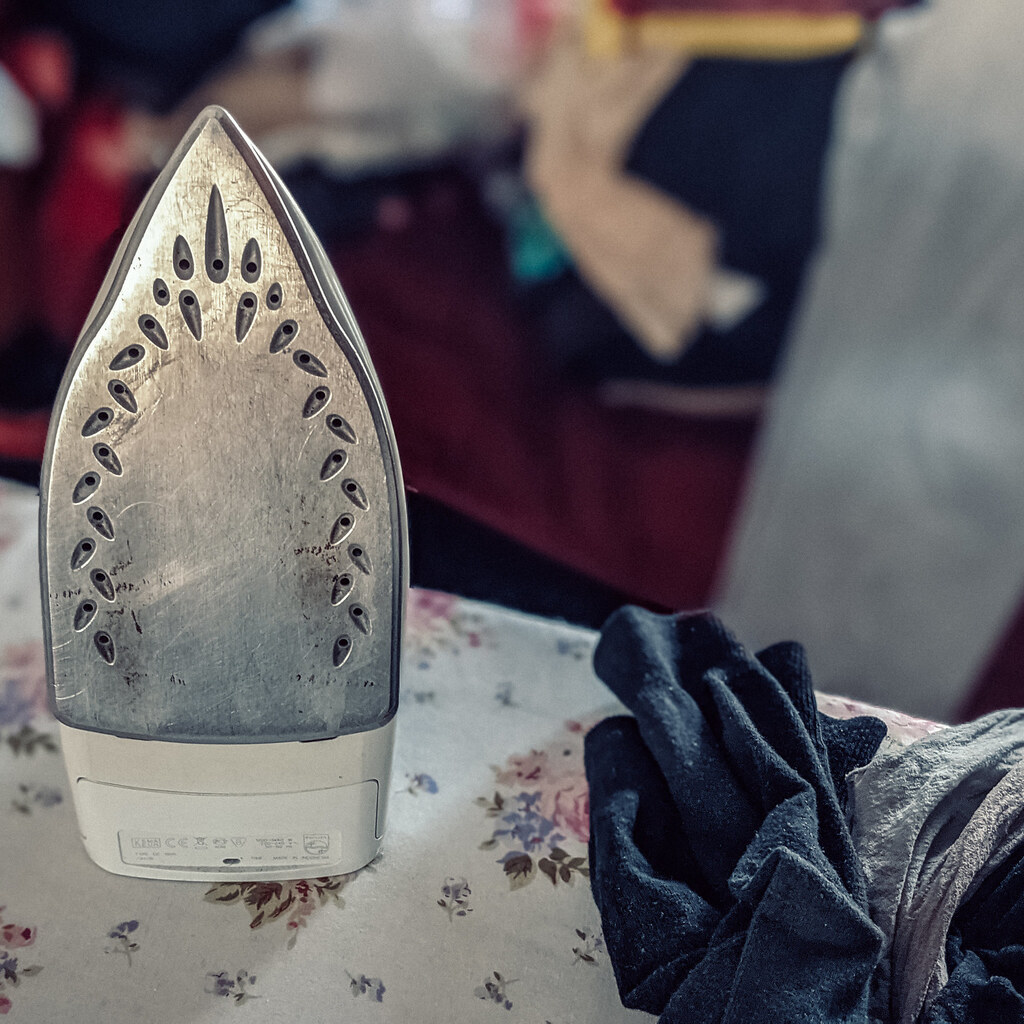
Iron out the kinks
To iron out the kinks means to fix small problems or difficulties so that something works smoothly. People say this when they improve a plan, system, or process after noticing minor issues.The expression comes from ironing clothes. An iron removes wrinkles and uneven spots from fabric, making it smooth and tidy. In the same way, the idiom describes smoothing out problems.
The team spent the afternoon testing the new software to iron out the kinks before the launch.

Jack of all trades
A jack of all trades is a person who can do many different kinds of work. It usually describes someone who is versatile and able to handle a wide range of tasks.The phrase has been used in English since the 1600s. It originally referred to someone who practiced many trades instead of specializing in one. A longer version of the saying is "jack of all trades, master of none".
In a small startup, you often need to be a jack of all trades and help with whatever needs doing.

Kick the bucket
The phrase kick the bucket is used as a way of saying "to die".The slightly gruesome origin is from kicking out the bucket someone is standing on when you hang them at a gallows.
The old car finally kicked the bucket.

Know the ropes
To know the ropes means to understand how something works and to know the right way to do things. It is used to describe how someone is knowledgeable or experienced.The expression comes from sailing. Sailors had to learn which ropes controlled the sails and how to handle them correctly, so someone who knew the ropes was an experienced and capable sailor.
Ask him-he really knows the ropes.
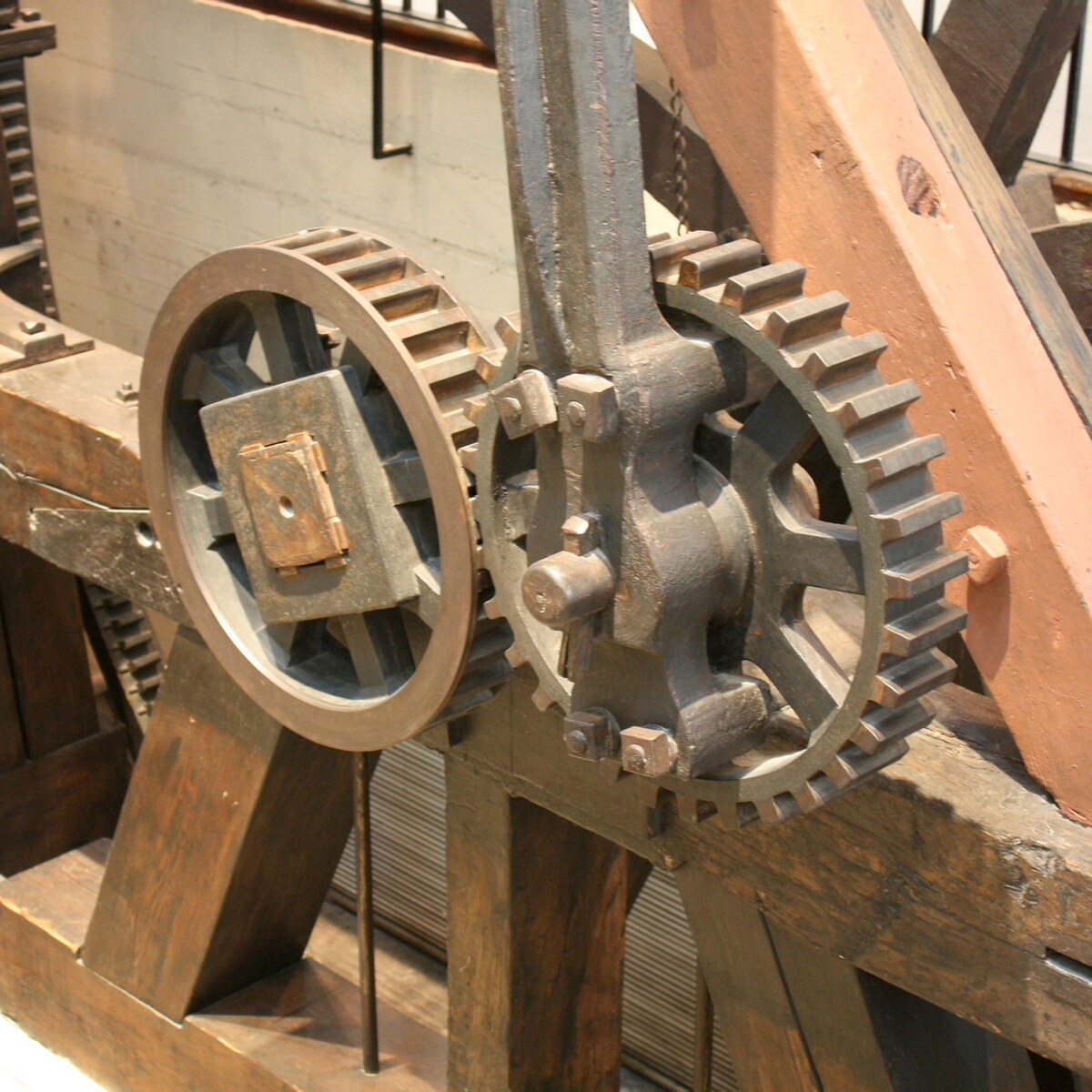
Lots of moving parts
You say something has lots of moving parts if it is complex and has lots of people or systems that need to work together for the whole thing to work smoothly. It is often used to describe large work projects.This new software has a lot of moving parts.
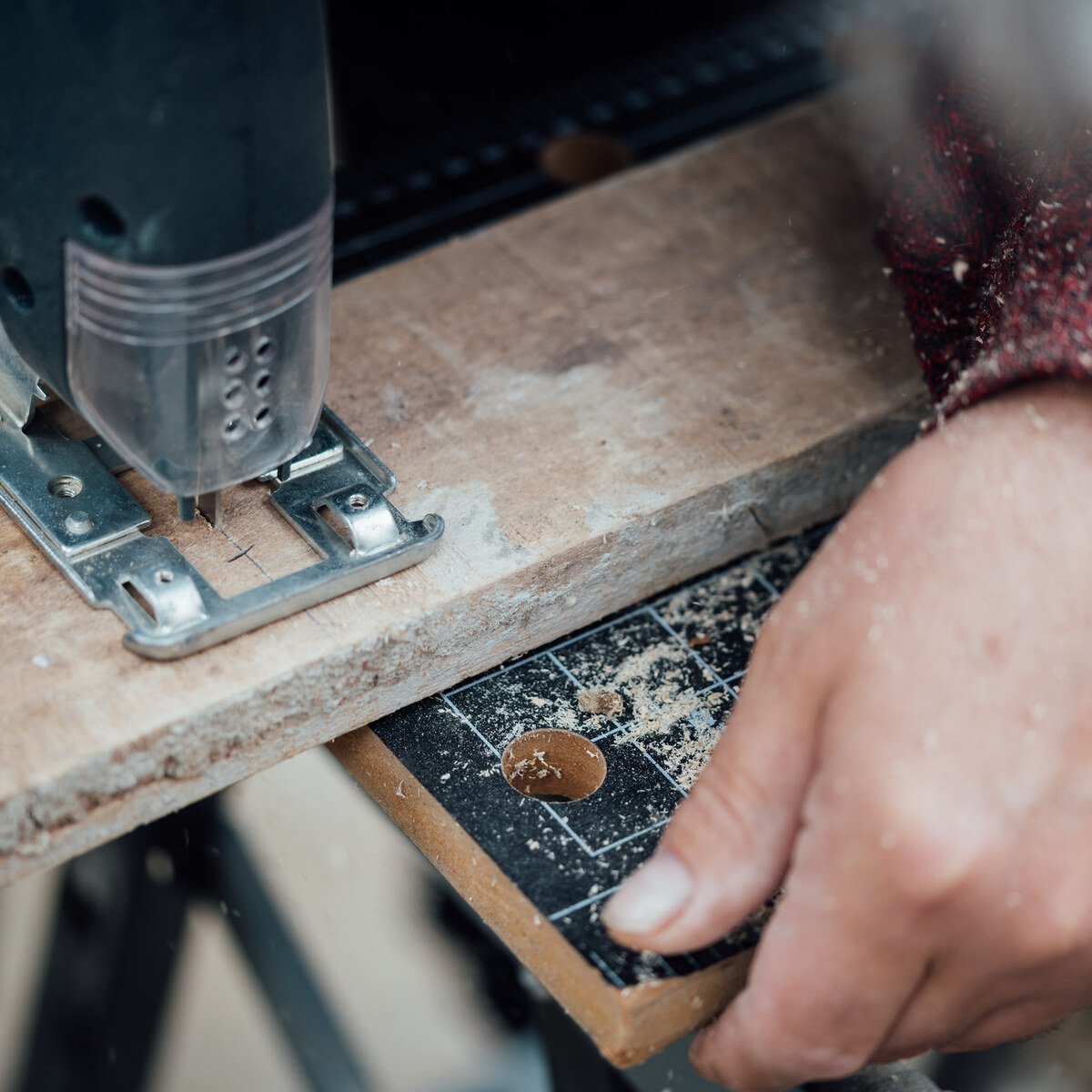
Measure twice, cut once
Measure twice, cut once is a phrase from carpentry and tailoring that reminds you that you should check your measurements and then check them again before you cut, so you do not make a mistake and waste your materials.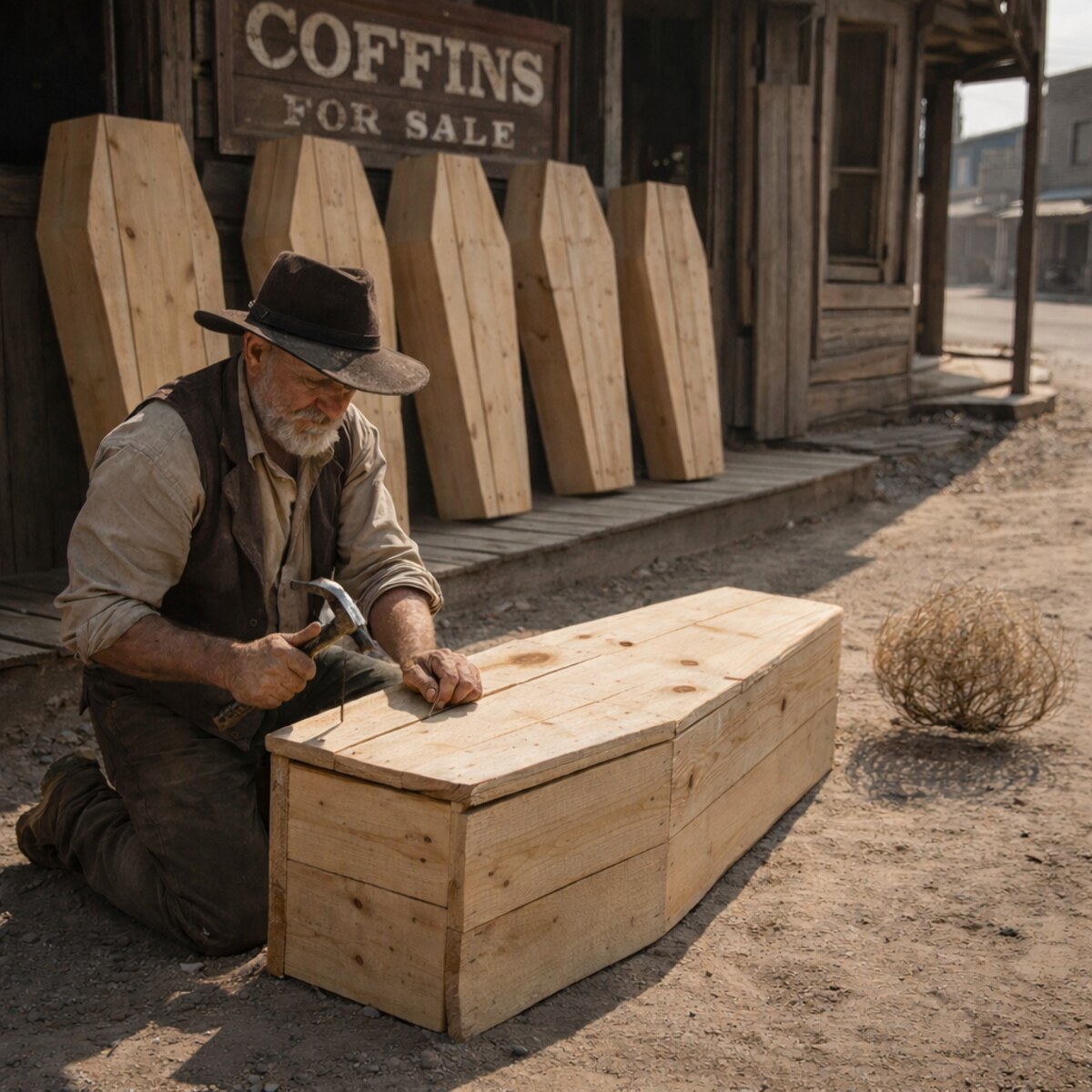
Nail in the coffin
Saying another nail in the coffin or the last (or final) nail in the coffin means this is another of a chain of mistakes, poor decisions or bad luck leading to the end or failure of something, like the visual of someone nailing the lid of a coffin closed.Having our key designer quit was another nail in the coffin for this project.

Not rocket science
The phrase it's not rocket science means that something is not very difficult to understand or do. People say this when they think a task or idea should be simple.This idiom became popular in the 20th century, when rocket science was widely seen as one of the most complex and technical kinds of work. By comparison, ordinary tasks seem easy.
Just follow the instructions on the box, it's not rocket science.
Not the sharpest tool in the shed
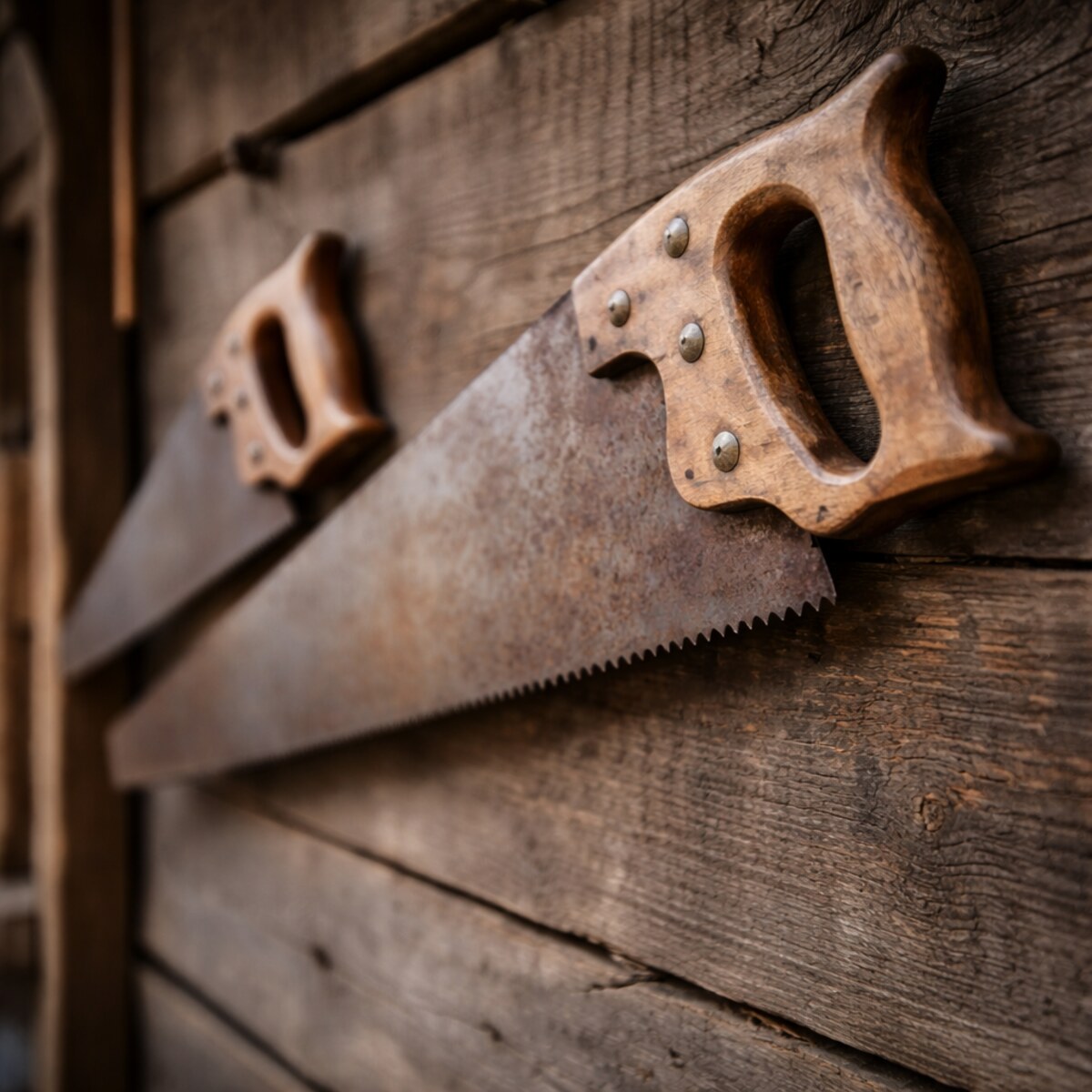
Not the sharpest tool in the shed or not the sharpest knife in the drawer is a euphemism for saying someone is not very smart.He's not the sharpest tool in the shed, but he works hard.
Not touching that with a ten foot barge pole
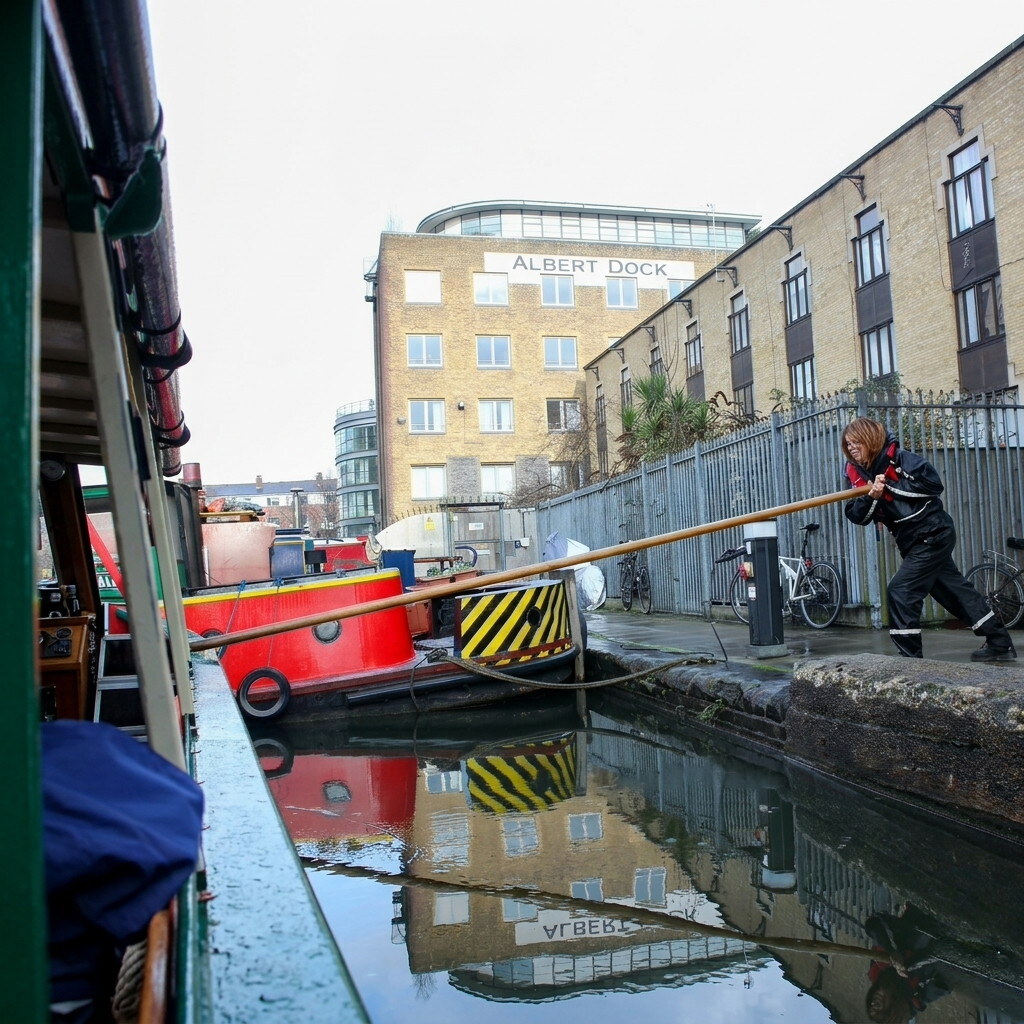
Not touching that with a ten foot barge pole (or sometimes just a ten foot pole) means refusing to get involved with something because it seems unpleasant, risky, or troublesome.The idiom draws from the long poles used to push barges along canals. A barge pole was long enough to push a boat a fair distance, so the phrase suggests staying as far away from a problem as possible.
After hearing how spicy that chili was, I said I was not touching that with a ten foot barge pole.

Off the hook
To be off the hook means that someone is no longer responsible for something or no longer in trouble. It is often used when a person escapes blame.The phrase comes from early telephones. The receiver rested on a small hook when the phone was not in use, and lifting it started the call. If the receiver was left off the hook, the phone line stayed busy, which led to the expression being used in a figurative way.
When the meeting was canceled, she was finally off the hook for giving the presentation.

Piece of the puzzle
The idiom piece of the puzzle means one part of a larger situation. You might use this idiom if you have just solved an important part of a larger problem. The origin is from jigsaw puzzles.This clue was an important piece of the puzzle.

Reinvent the wheel
You reinvent the wheel when you invest a lot of time, money or effort into doing something that has already been done. This idiom is often used when a solution to something already exists and you could just use that instead.Let's not reinvent the wheel, and just use an existing service.

Run a tight ship
To run a tight ship means managing a place or group with strict control and clear rules.The phrase comes from sailing. A well run ship required order, careful routines, and firm leadership to keep the crew and vessel working properly.
The restaurant manager runs a tight ship during the busy dinner rush.
Single point of failure
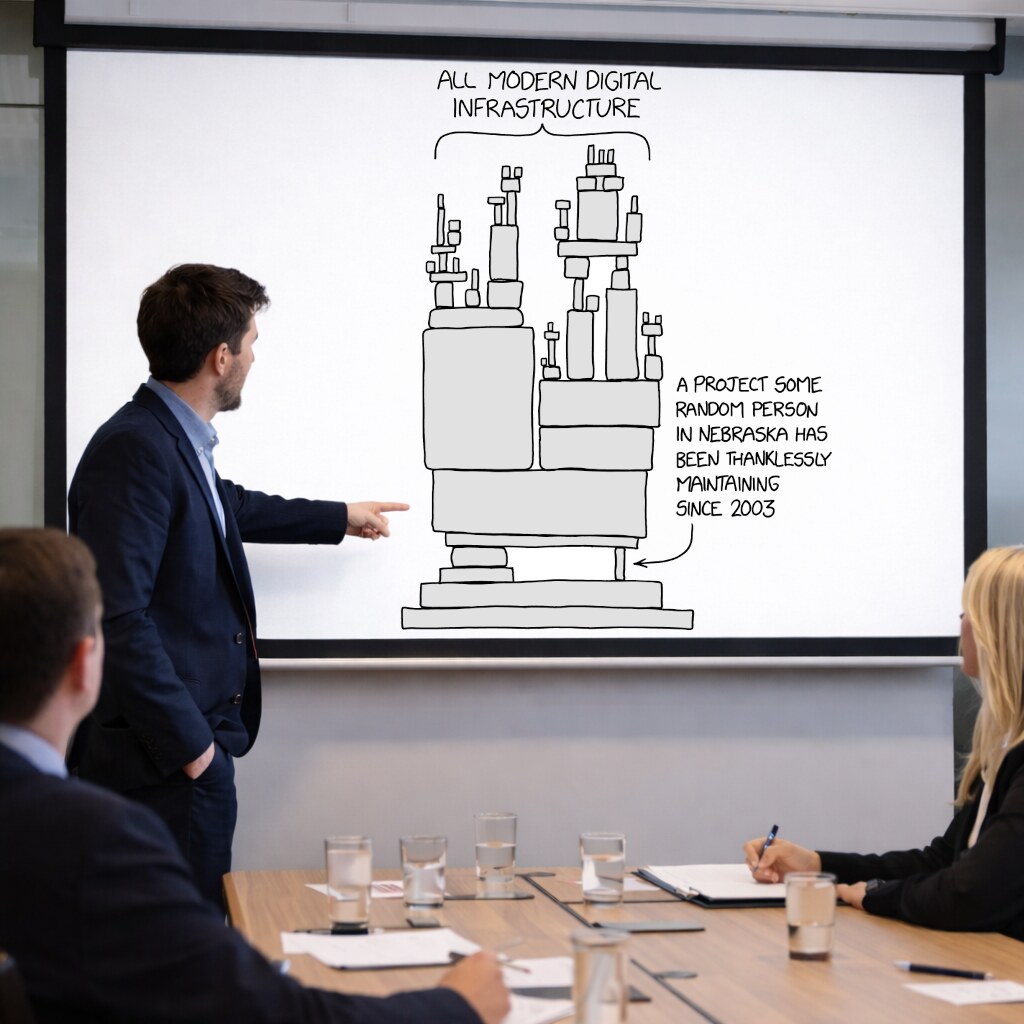
A single point of failure is one part of a system that can cause the entire system to stop working if it fails.The term comes from engineering and computer systems design. Engineers try to avoid single points of failure by adding backup parts or alternate paths so the system can keep working if one part breaks.
The only bridge into the town was a single point of failure during the storm.