Showing 41-60 of 93
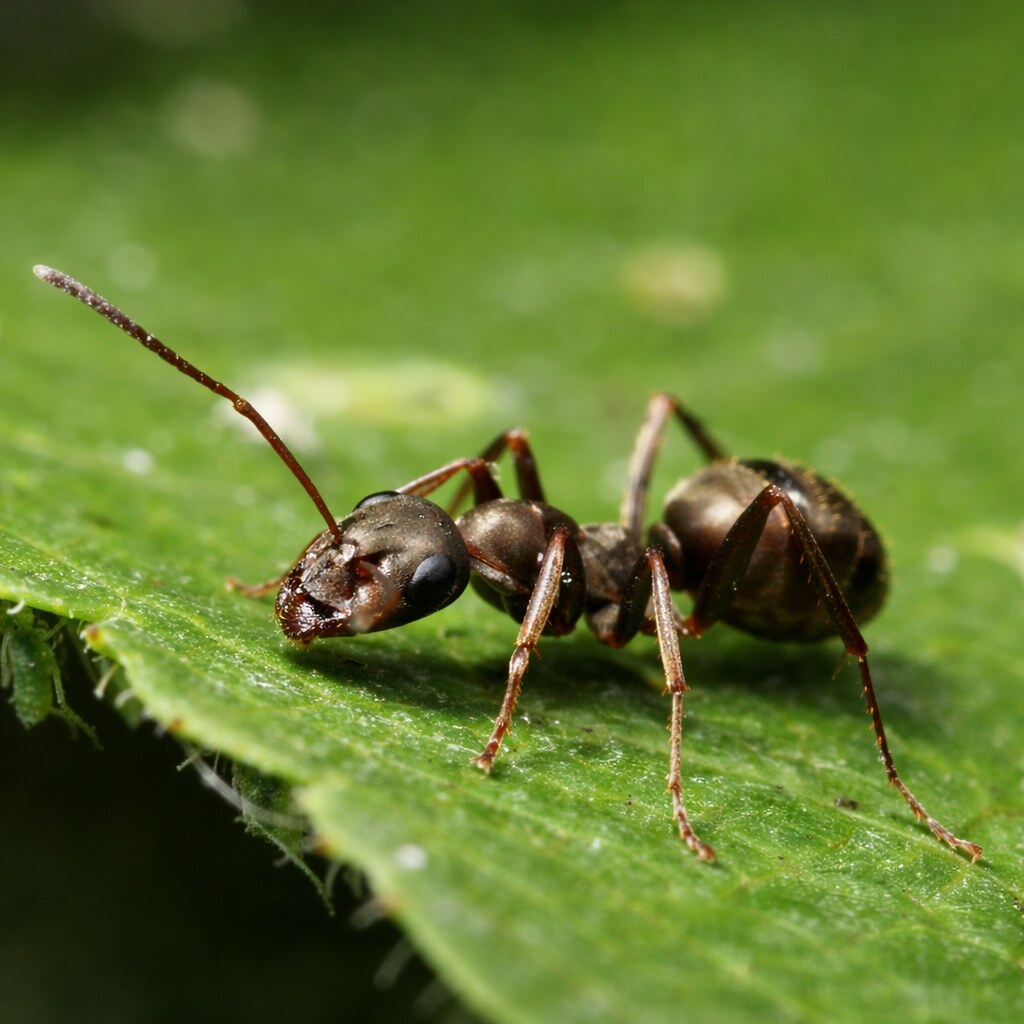
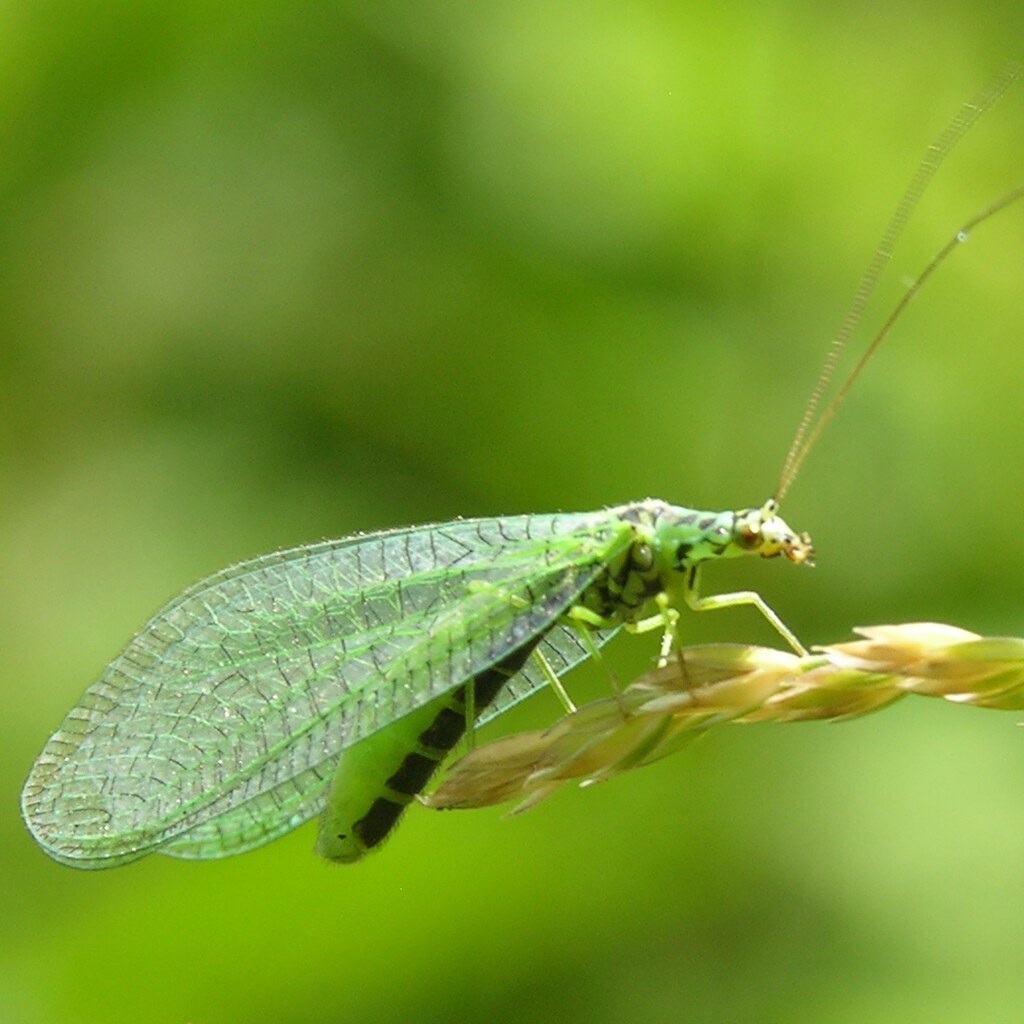
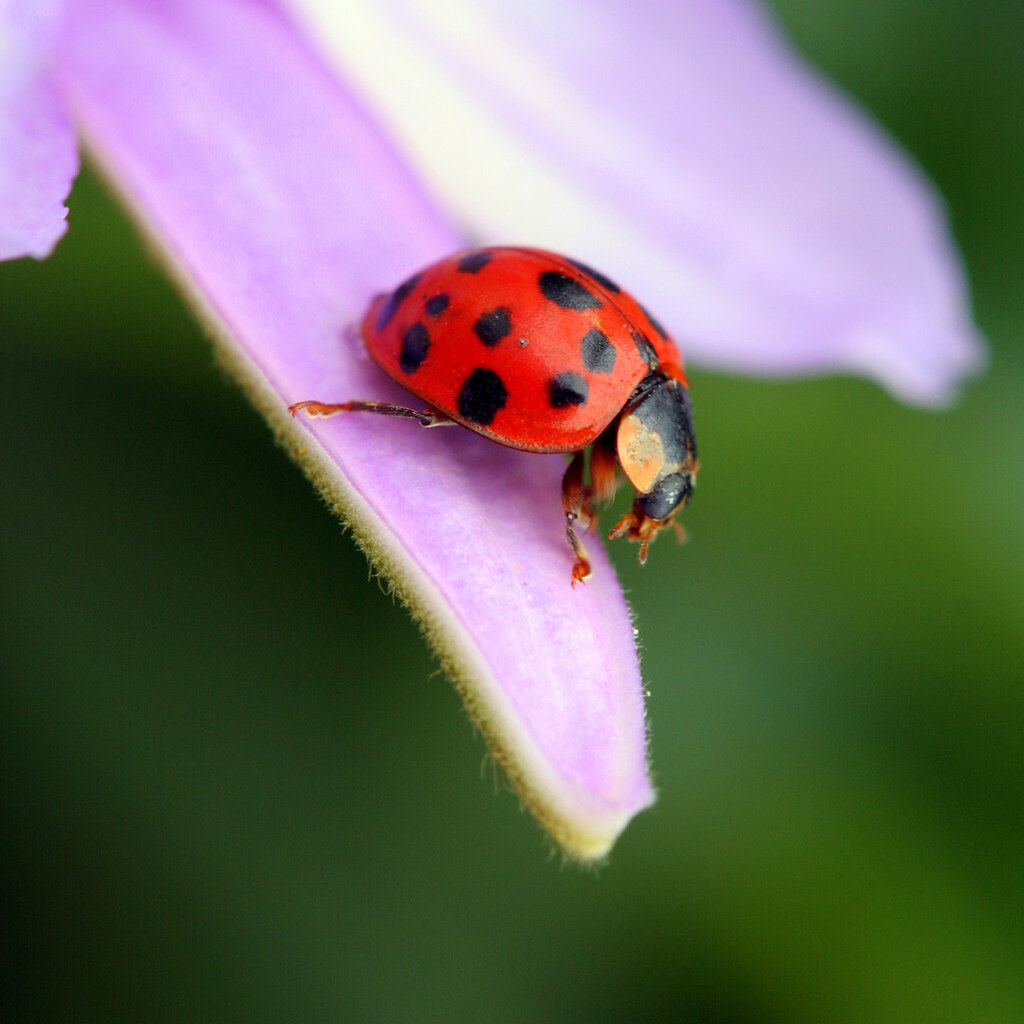
Insects are a very common group of creatures, found all over the world except the sea. Insects all have six legs and antennae on their heads to help them find their way around. Many insects have wings. Insects lay eggs and many start life as a worm-shaped larval stage before growing up into the adult form that you see everywhere. The larval stage of the butterfly, the caterpillar, is the most well-known.
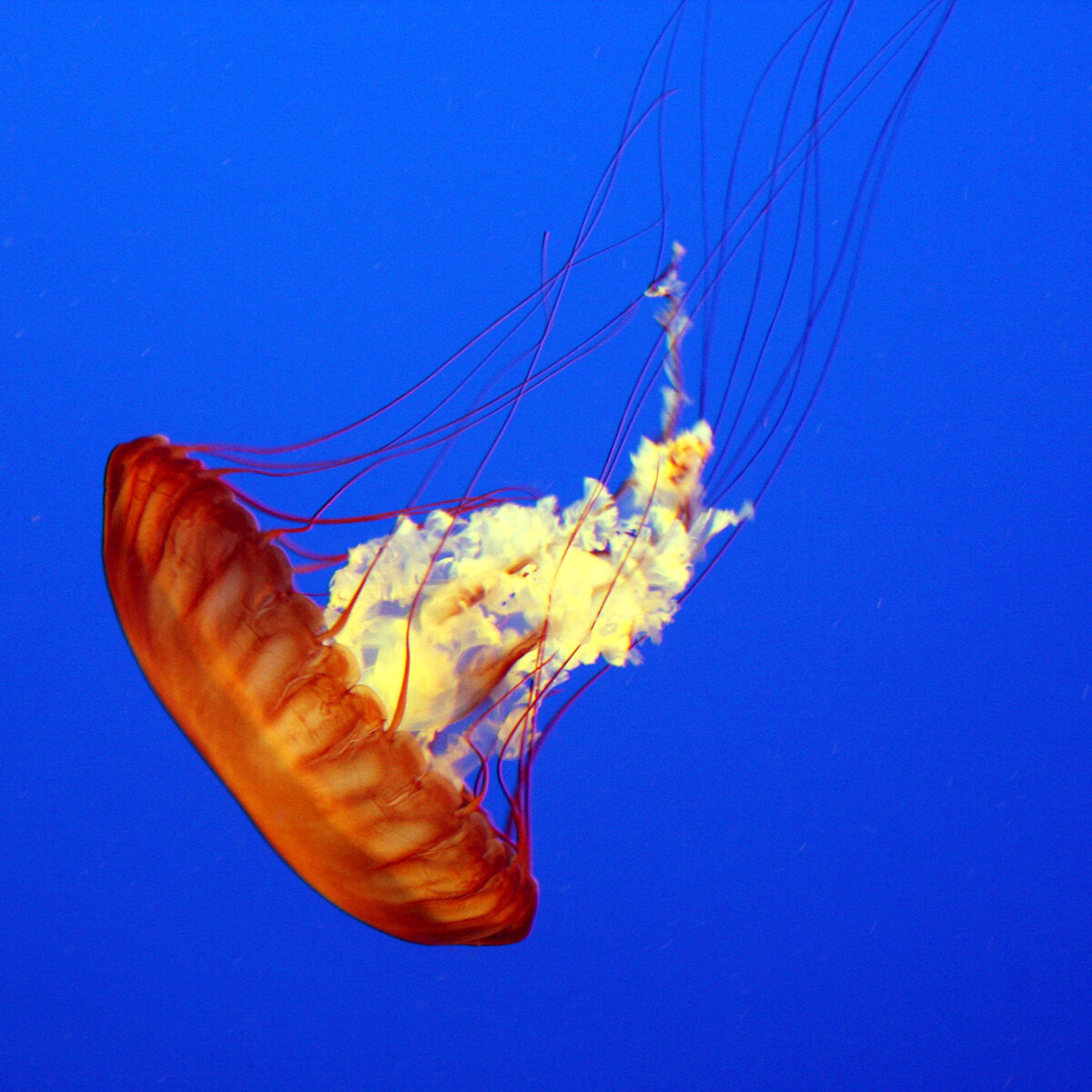
Jellyfish are found in every part of the sea, from the warm water at the surface to the cold, dark depths of the ocean. Jellyfish eat tiny sea creatures that drift into their tentacles.
Jellyfish come in almost every colour of the rainbow and range in size from smaller than your fingernail to having tentacles that are many metres long.
Some jellyfish are poisonous and their sting can kill a person. It is best to avoid touching a jellyfish if you don't know what sort it is.
Jellyfish come in almost every colour of the rainbow and range in size from smaller than your fingernail to having tentacles that are many metres long.
Some jellyfish are poisonous and their sting can kill a person. It is best to avoid touching a jellyfish if you don't know what sort it is.
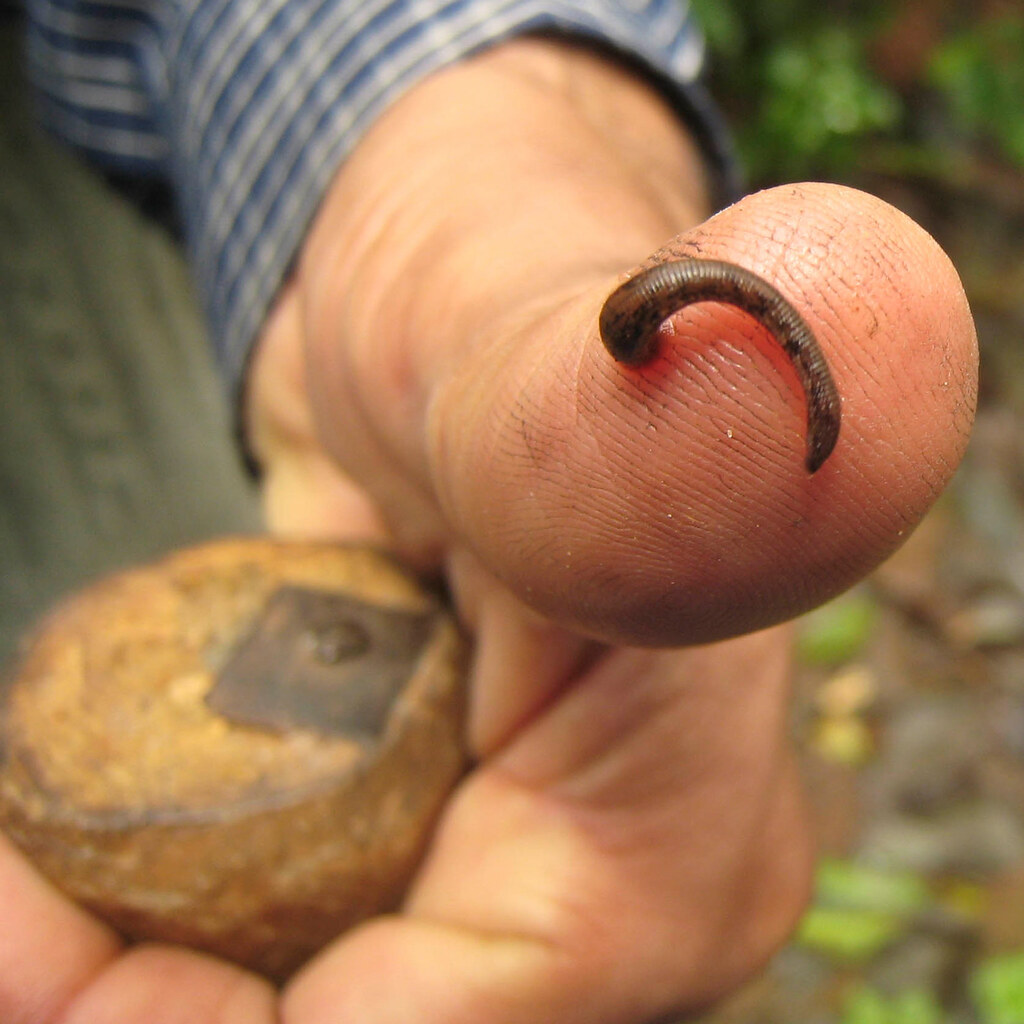
Leeches are in the same family as earthworms. Not all leeches are bloodsuckers, but the ones people are most familiar with are. They grow to around 2-5cm long but some species reach 30cm. Leeches live in damp, swampy areas.
Leeches have adapted one end of them into a sucker, so they can attach to a host. They inject anaesthetic in as they bite, so the host cannot feel them, and then an anti-clotting agent so the host's blood flows freely. Leeches stay stuck to their host until they are full, then they drop off.
Leeches have adapted one end of them into a sucker, so they can attach to a host. They inject anaesthetic in as they bite, so the host cannot feel them, and then an anti-clotting agent so the host's blood flows freely. Leeches stay stuck to their host until they are full, then they drop off.
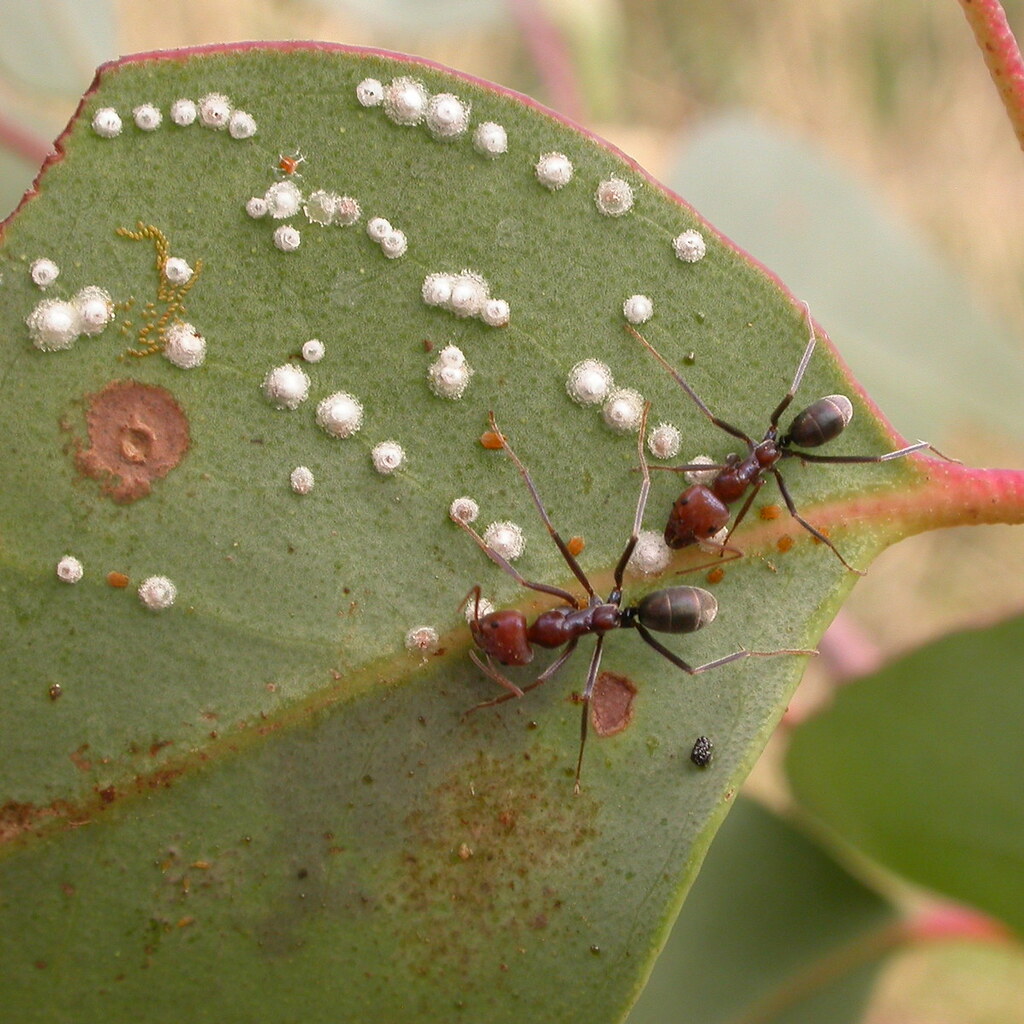
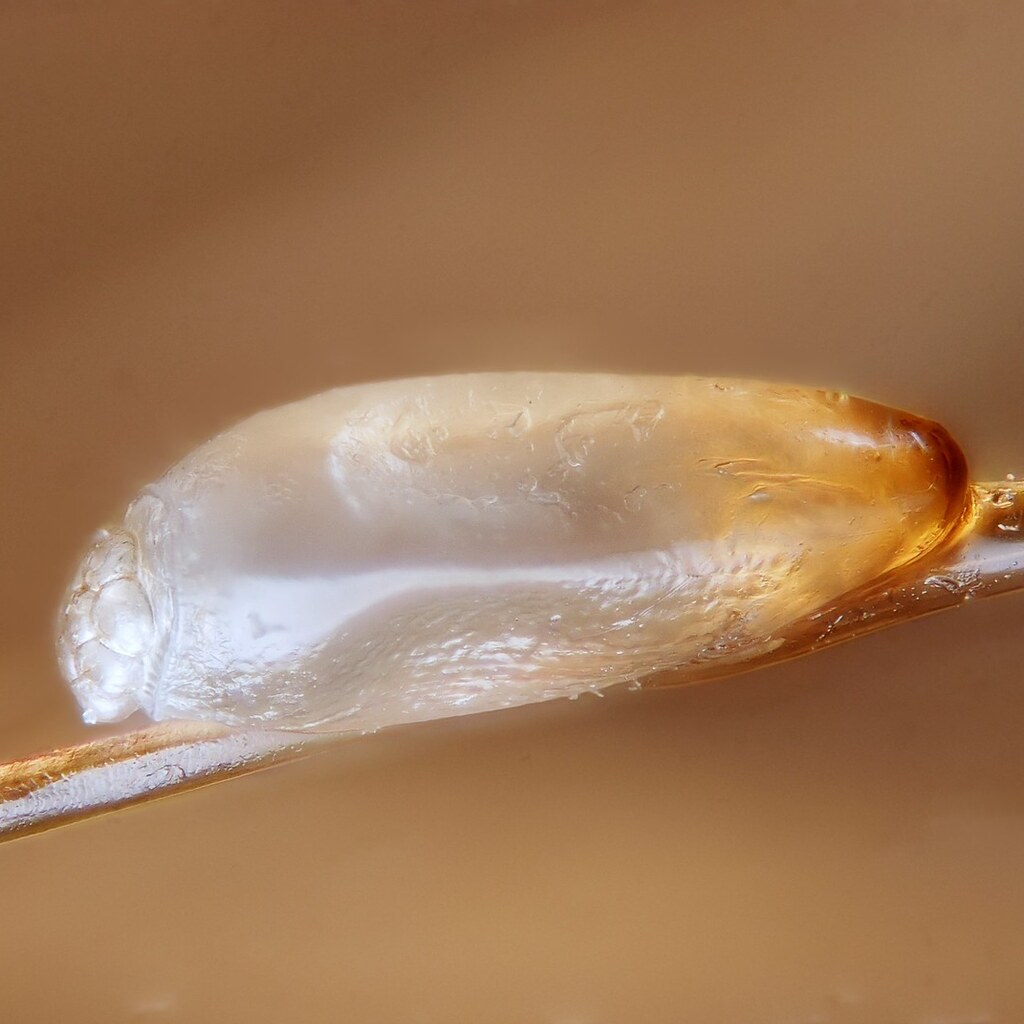
A lerp is a protective cover made by the larvae of some kinds of insects. Lerps are made from sugary liquid that the larvae make. Once it is dry, it is hard and crystalline.
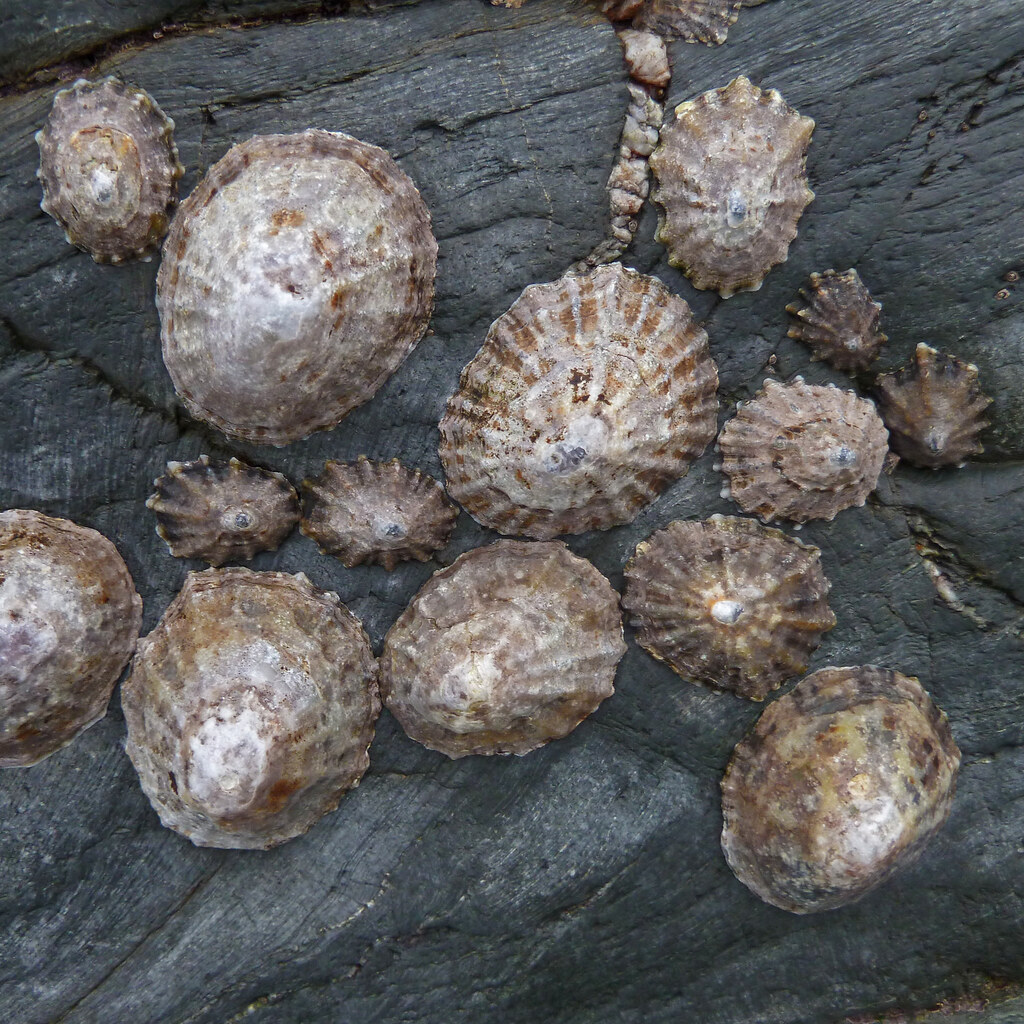
A limpet is a small, almost flat sea creature with a shell shaped like a flattened cone. They live stuck to rocks on the beach, where the tide comes and goes. Limpets feed by scraping algae from the rock surface using a tough, tooth-like mouth. Their strong grip helps them stay in place even when the waves hit them.
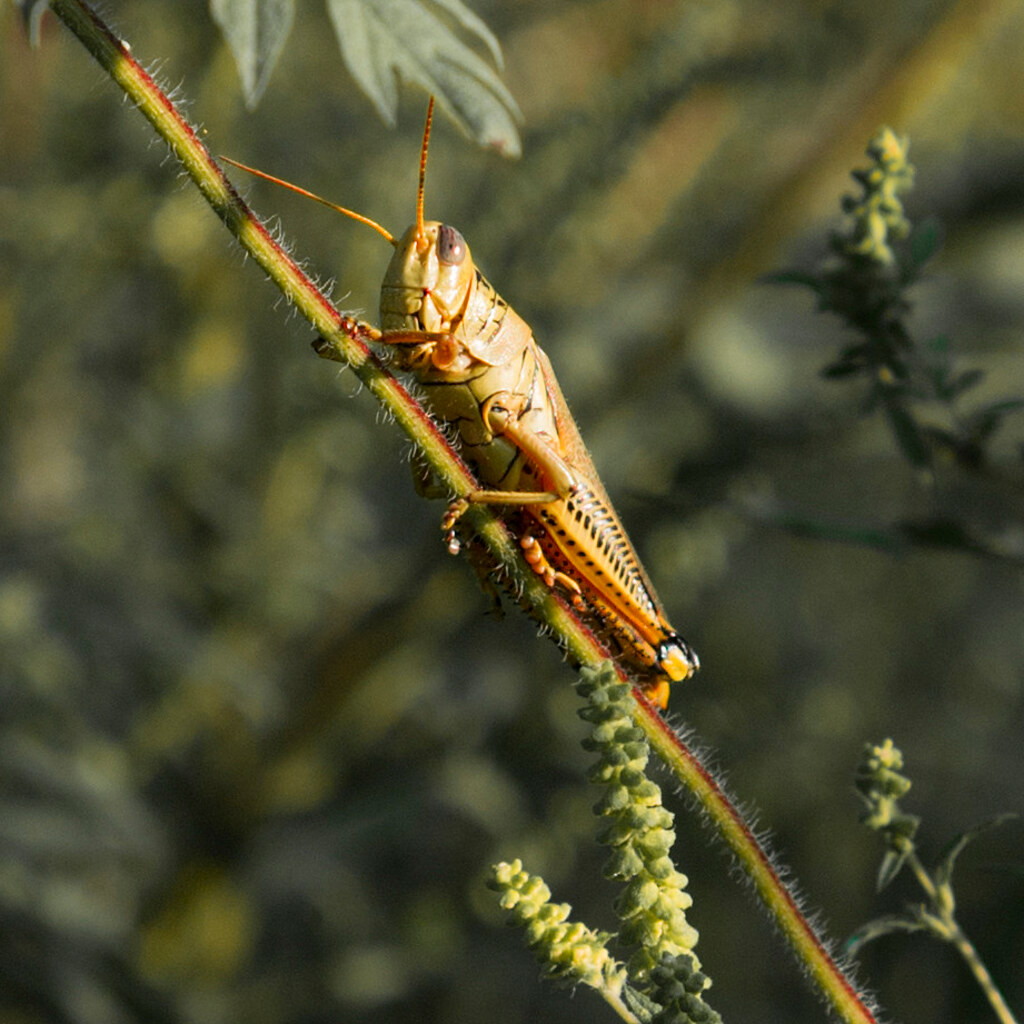
Locusts are a kind of grasshopper that form into huge swarms. When they are swarming in such large numbers they can strip crops and gardens completely.
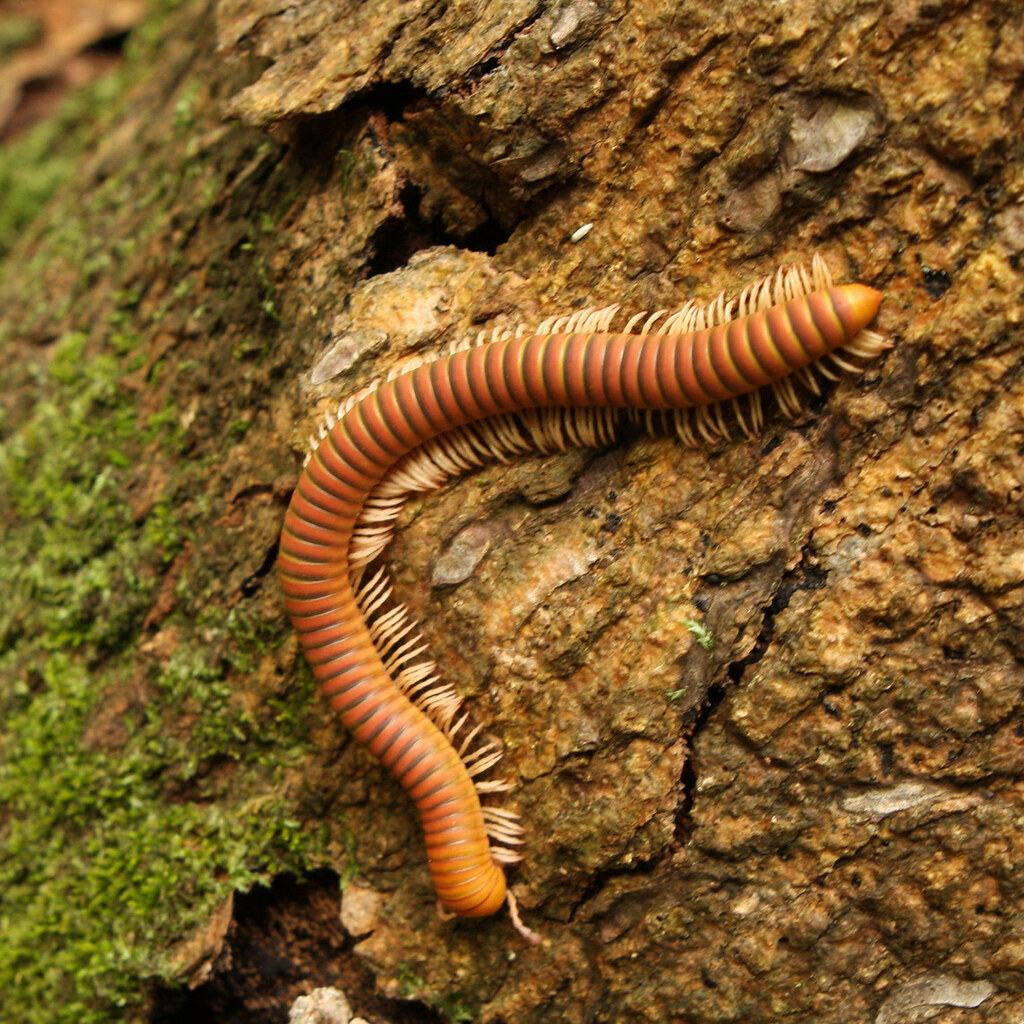
Millipedes are a type of creature that has many body segments, and two pairs of legs on each segment. They are related to centipedes, but they move a lot slower. Centipedes have only one pair of legs per segment.
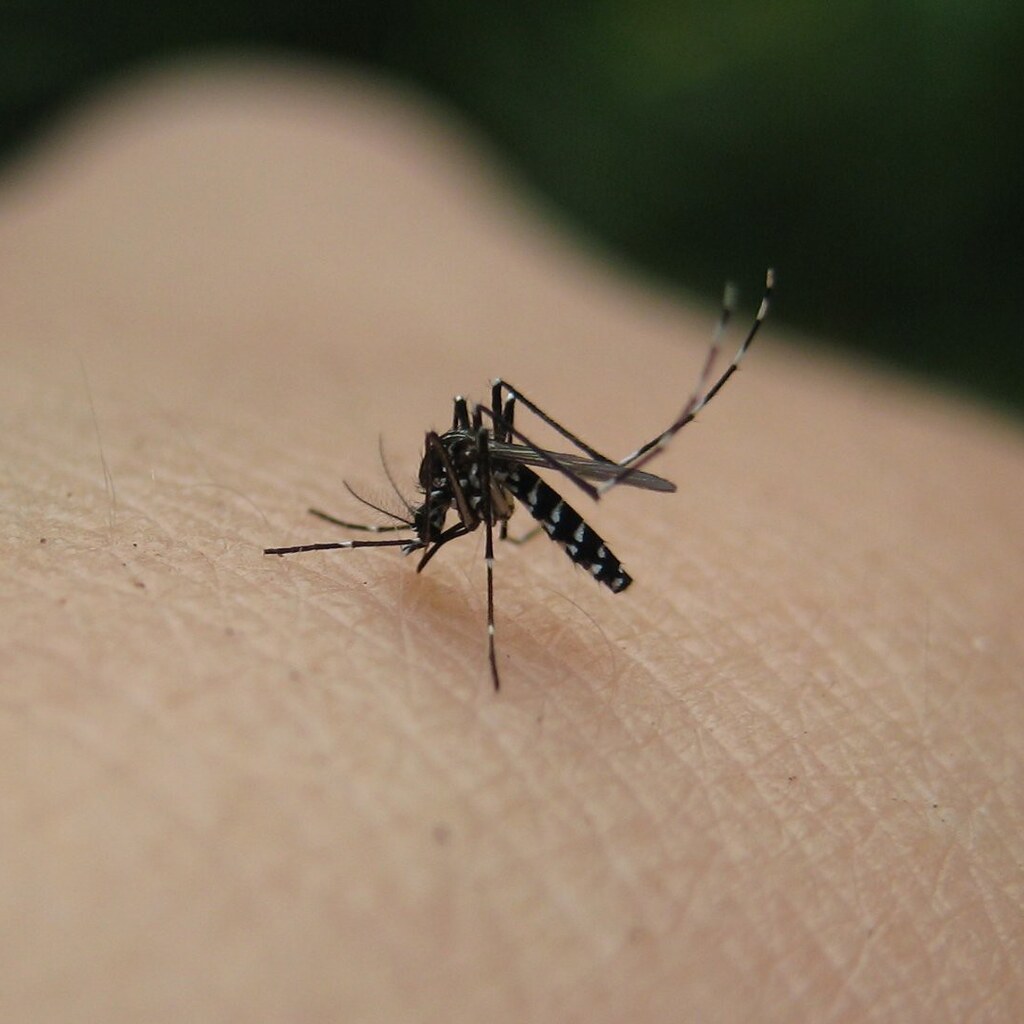
A mosquito is a common insect that flies. Mosquitoes have a very sharp, hollow tongue that they use to stick through your skin and drink your blood. Some mosquitoes carry very dangerous diseases which can make you very sick. Mosquitoes lay their eggs in water, and the baby mosquitoes live in the water until they turn into the adults. It is a good idea to make sure you have no uncovered water in your backyard for mosquitoes to lay eggs in.
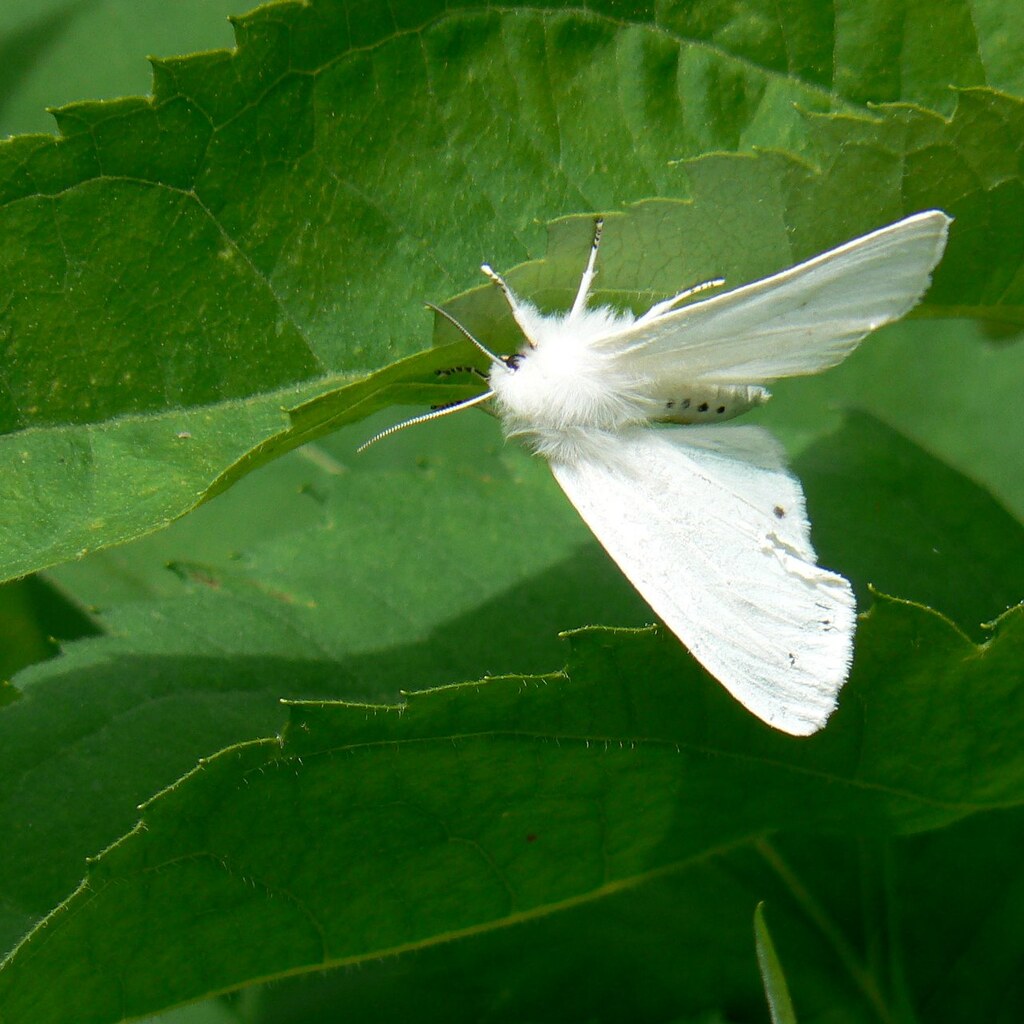
Moths are very similar to butterflies and have a similar lifecycle. They changes completely as they go through their life. A moth starts as an egg, which hatches into a caterpillar or grub. The caterpillar then spins a cocoon and turns into the adult moth. Caterpillars spend all of their time eating. Some moth caterpillars eat leaves, others eat leaf litter on the ground, and others will eat holes through the trunks of trees.
Moths are generally not as brightly coloured as butterflies, and are more likely to be seen at night than during the day. Moths are attracted to light.
Moths are generally not as brightly coloured as butterflies, and are more likely to be seen at night than during the day. Moths are attracted to light.
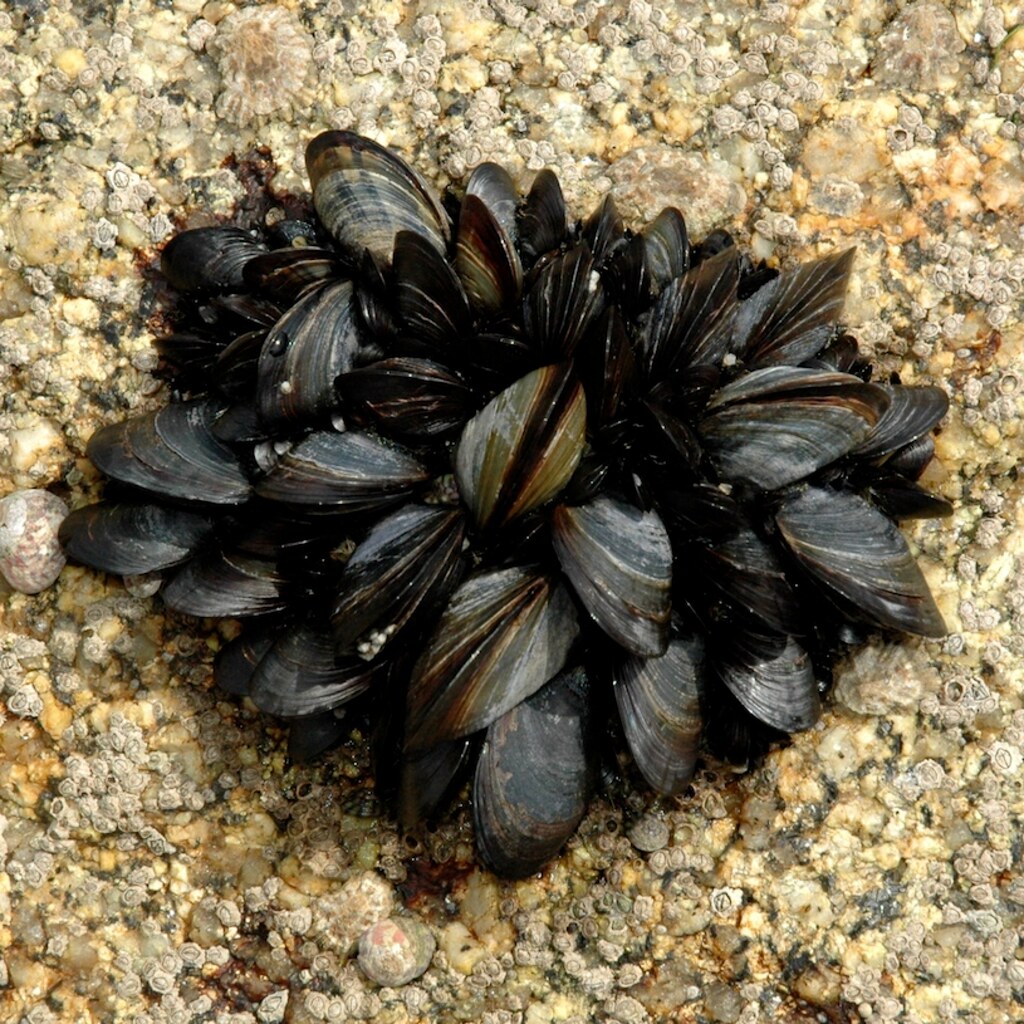
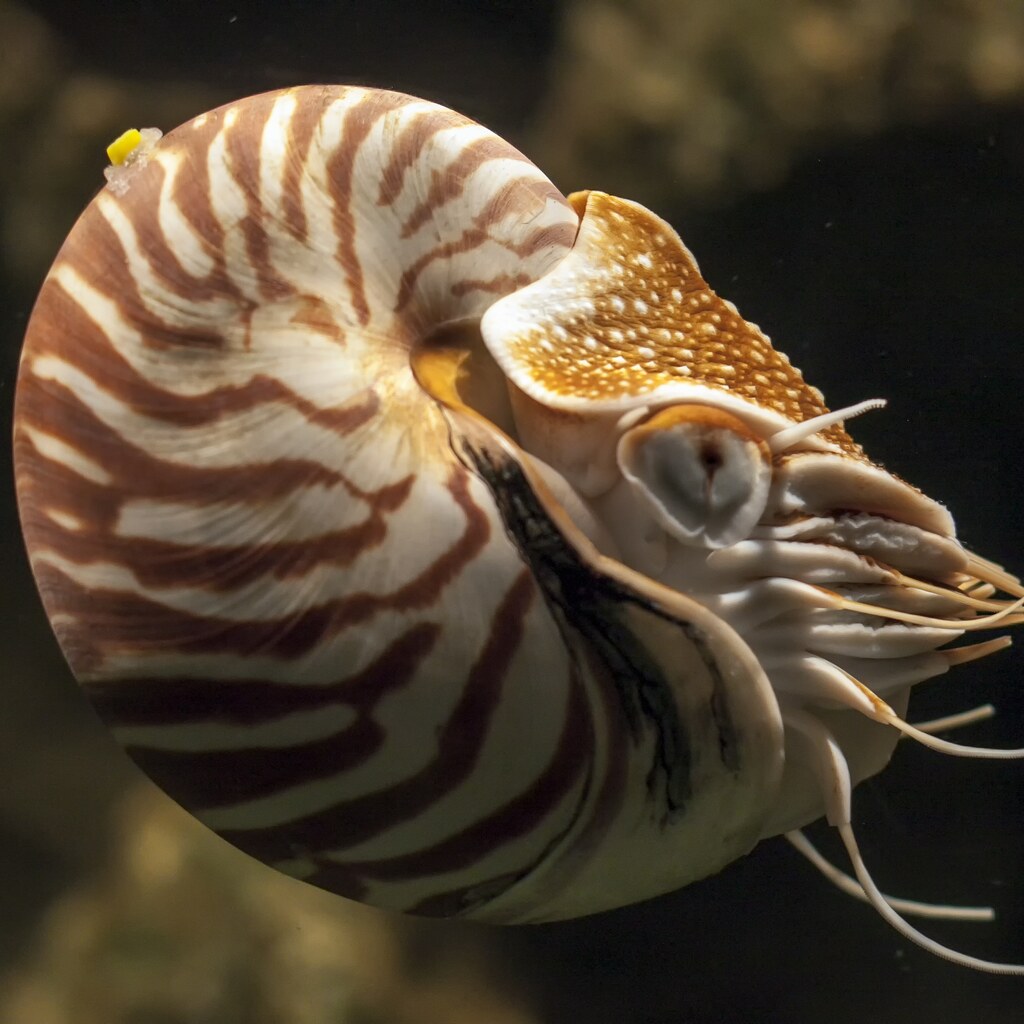
The nautilus looks like a squid wearing a large striped shell that swims around rather than crawling like a snail. It catches small prey with its tentacles.