Showing 61-80 of 91

Oysters are a kind of mollusc that lives in the sea or salty water. Their shell is in two halves like a clam shell, and the oyster can pull it closed. Oysters eat by filtering food from the water that flows over its shell. They live their adult lives stuck to rocks - a young oyster that has just stuck to a rock is called a spat.
Oysters have been eaten for thousands of years. They can be eaten raw, cooked, smoked or as part of another dish like soup.
Oysters have been eaten for thousands of years. They can be eaten raw, cooked, smoked or as part of another dish like soup.
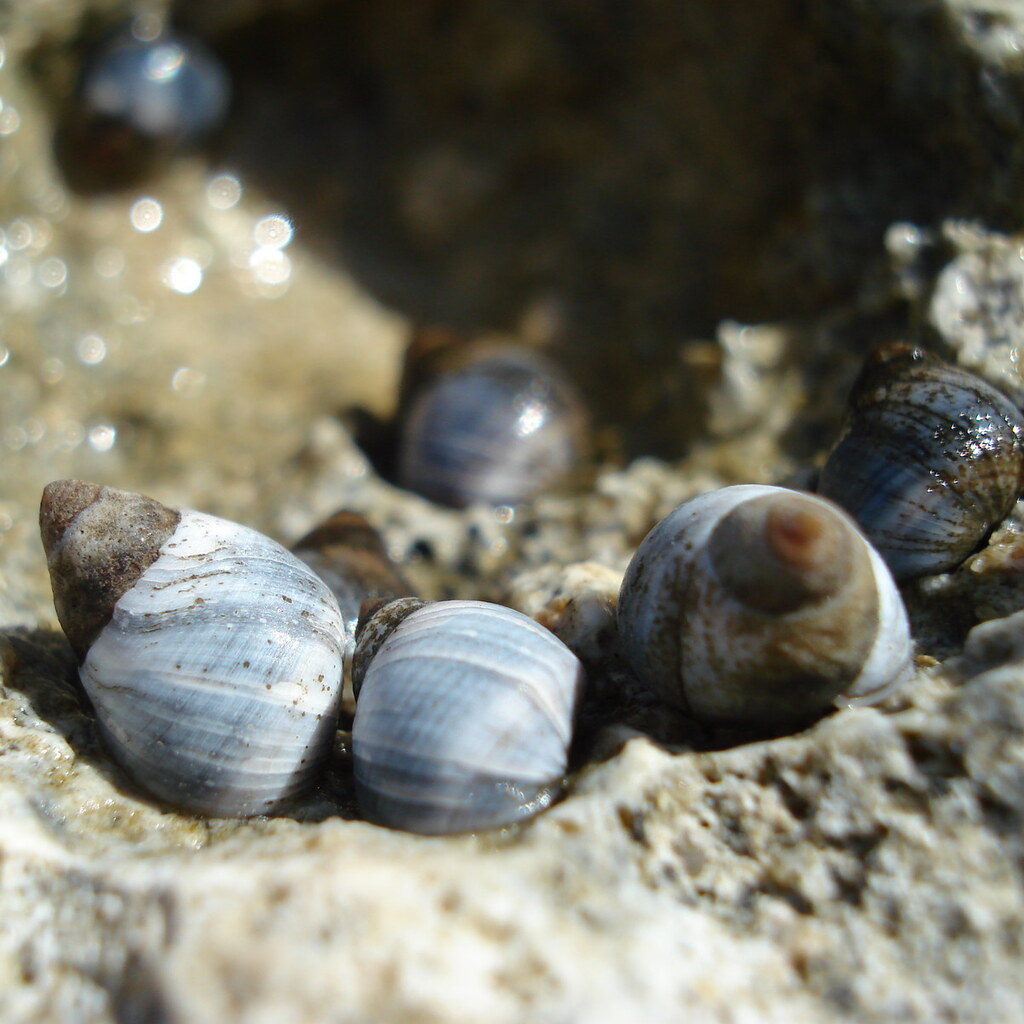
P is for Periwinkle (Snail)
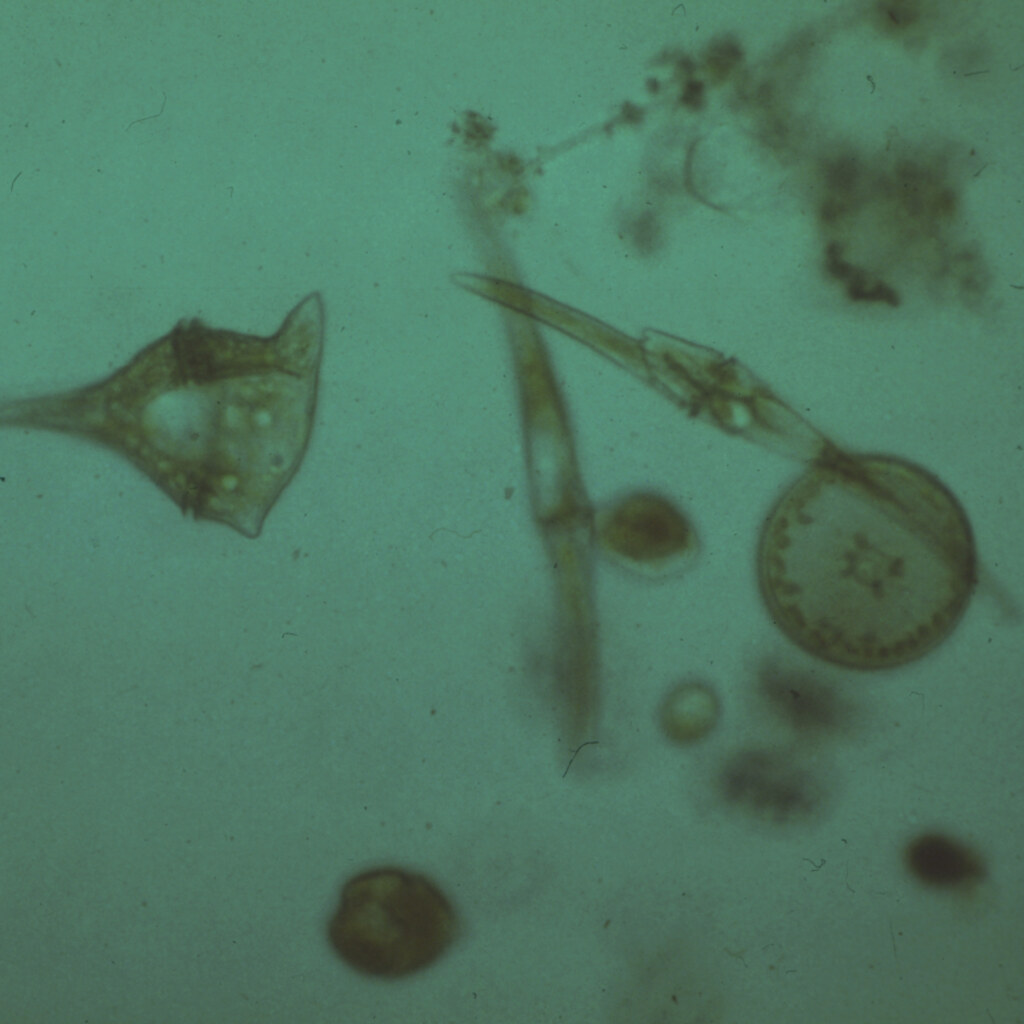
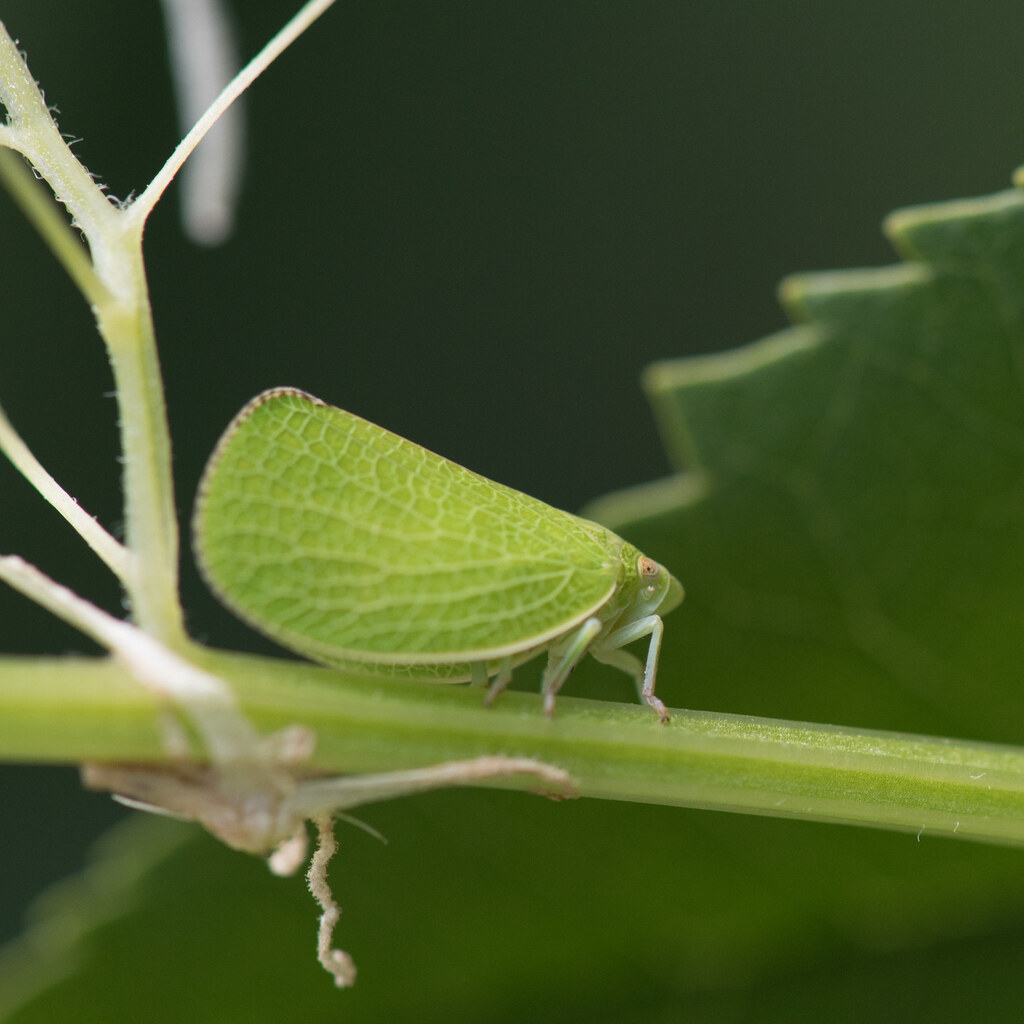
P is for Planthopper
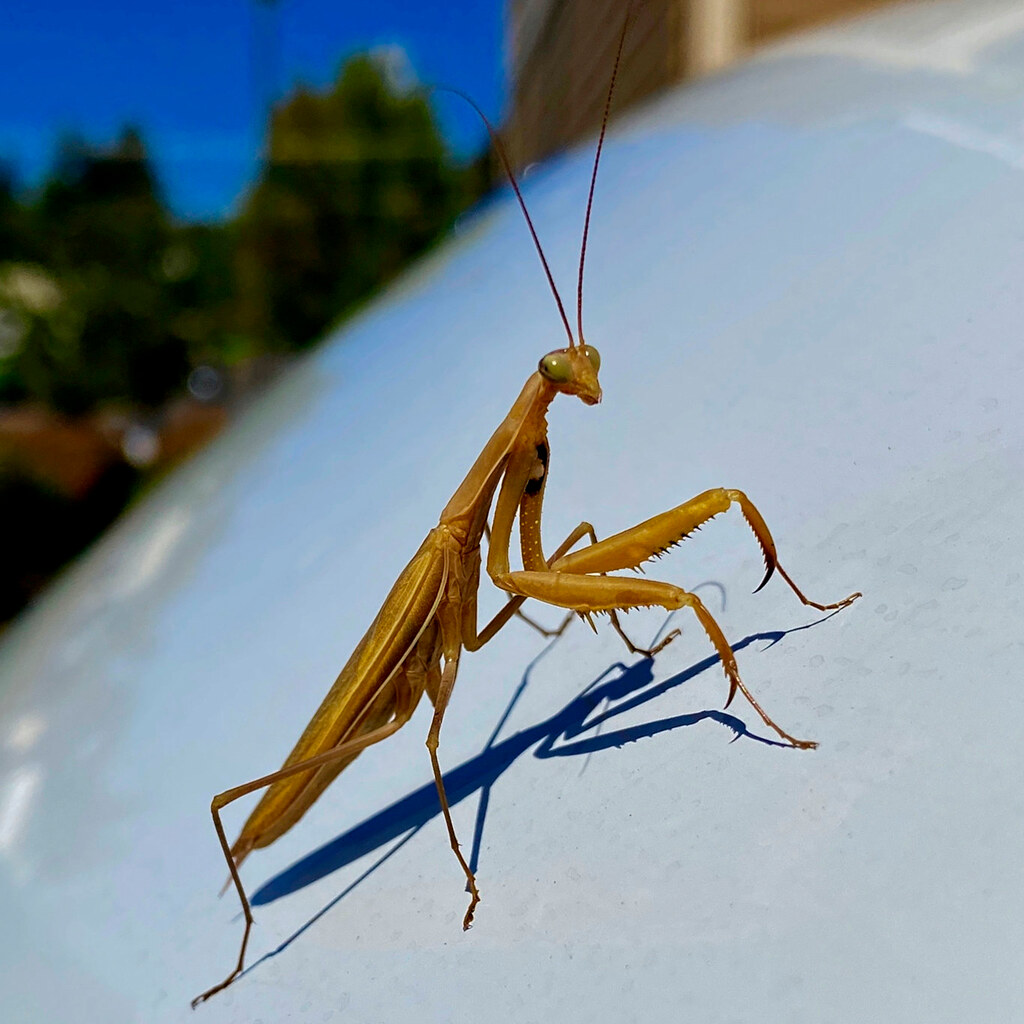
P is for Praying mantis
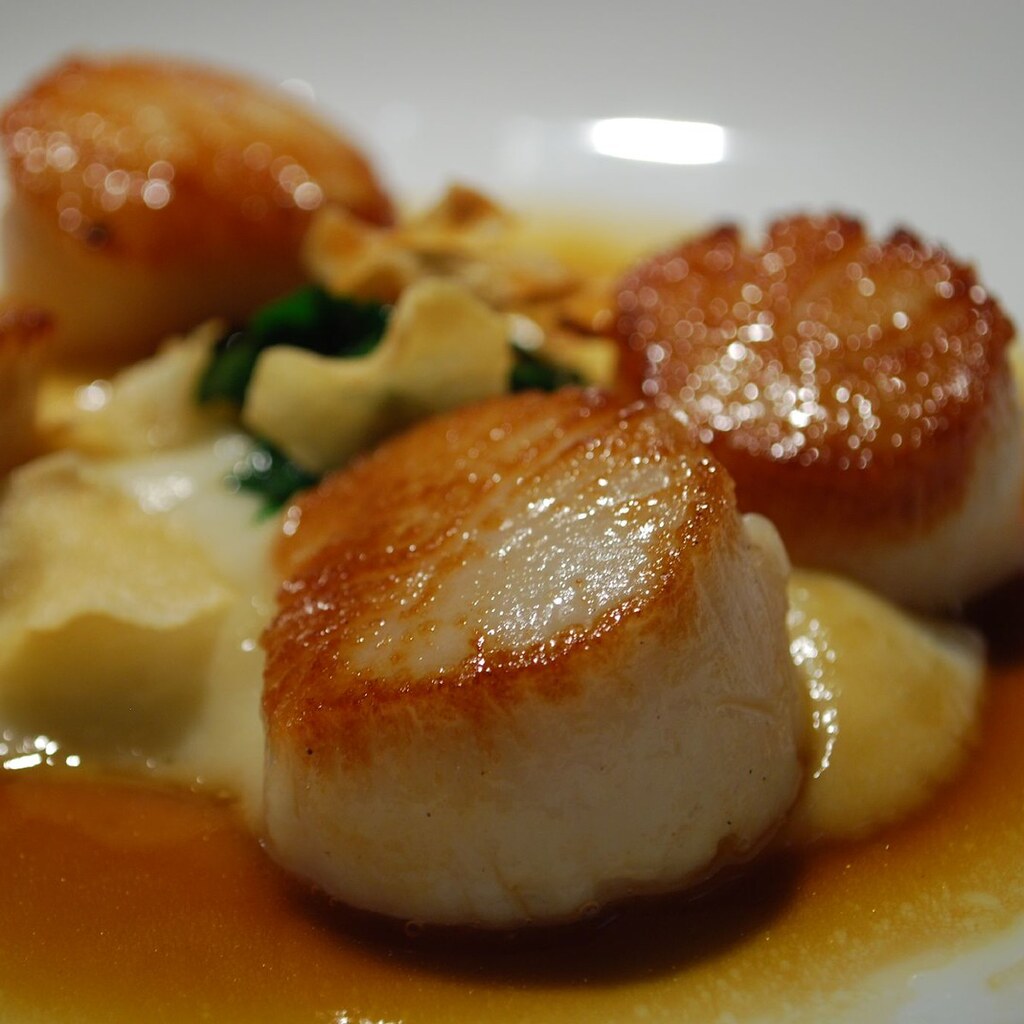
S is for Scallop (Food)
Scallops can swim by opening and closing their shells. The muscle that holds the two halves of the shell together is the part that is commonly seen cooked for food, as you can see in the picture.
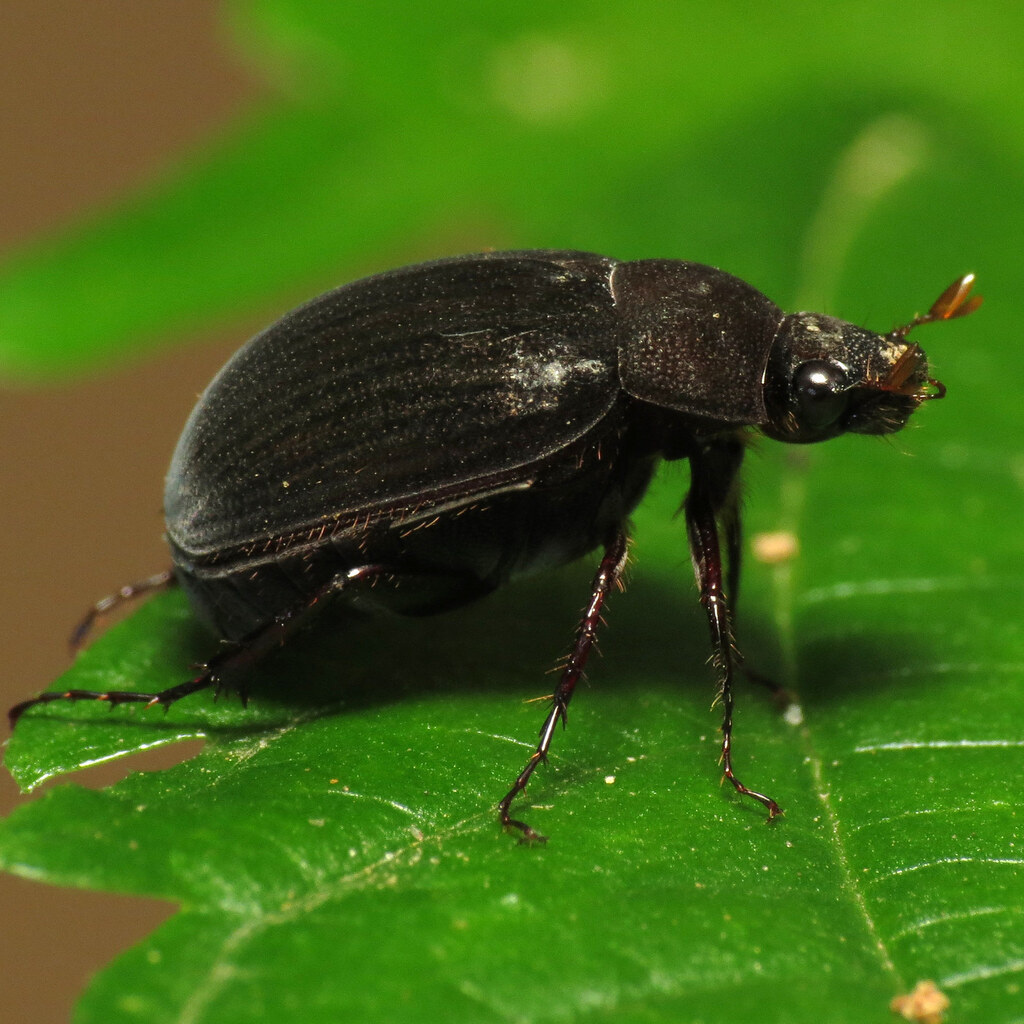
A scarab is a type of beetle with a hard, shiny shell and strong legs built for digging. Many scarabs live in warmer, drier climates. Some species bury dung or roll it into balls, while others feed on leaves, roots, or decaying plants. Scarabs are known for their tough bodies and their useful habit of moving things around in the ground.
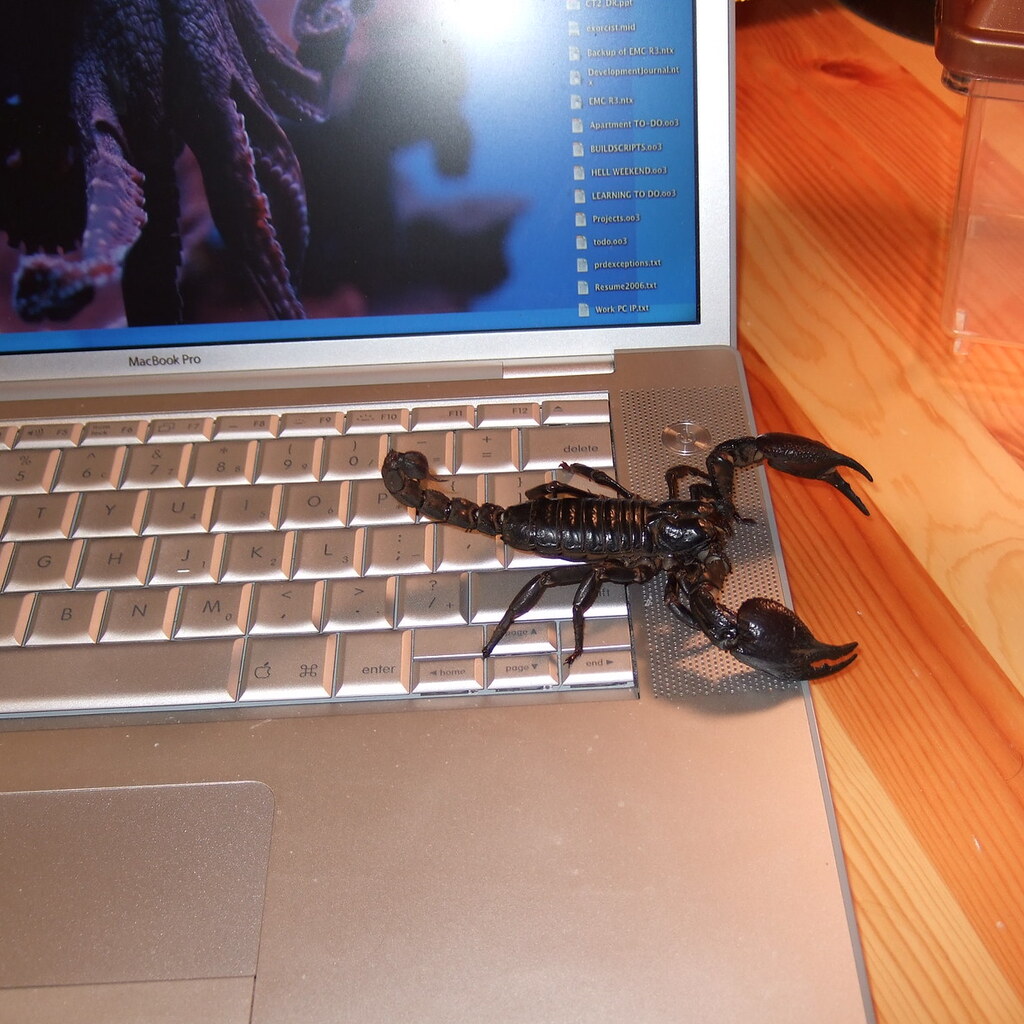
Scorpions are arachnids found all over the world except for New Zealand. They live in all kinds of areas, from rainforests to deserts and can vary in size from a few centimetres to a few inches long. They are related to the spider. All scorpions are venomous, but only some scorpions are big enough and poisonous enough to kill a person.
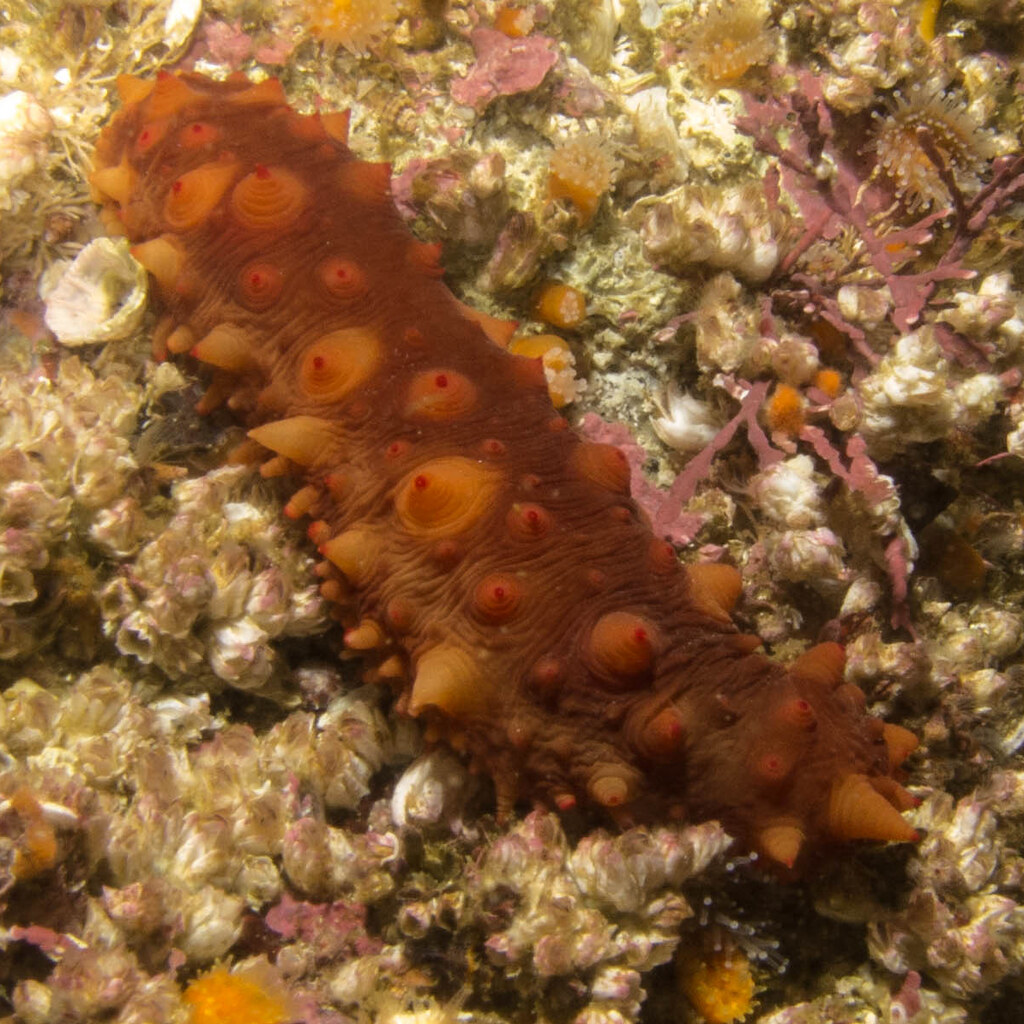
S is for Sea cucumber
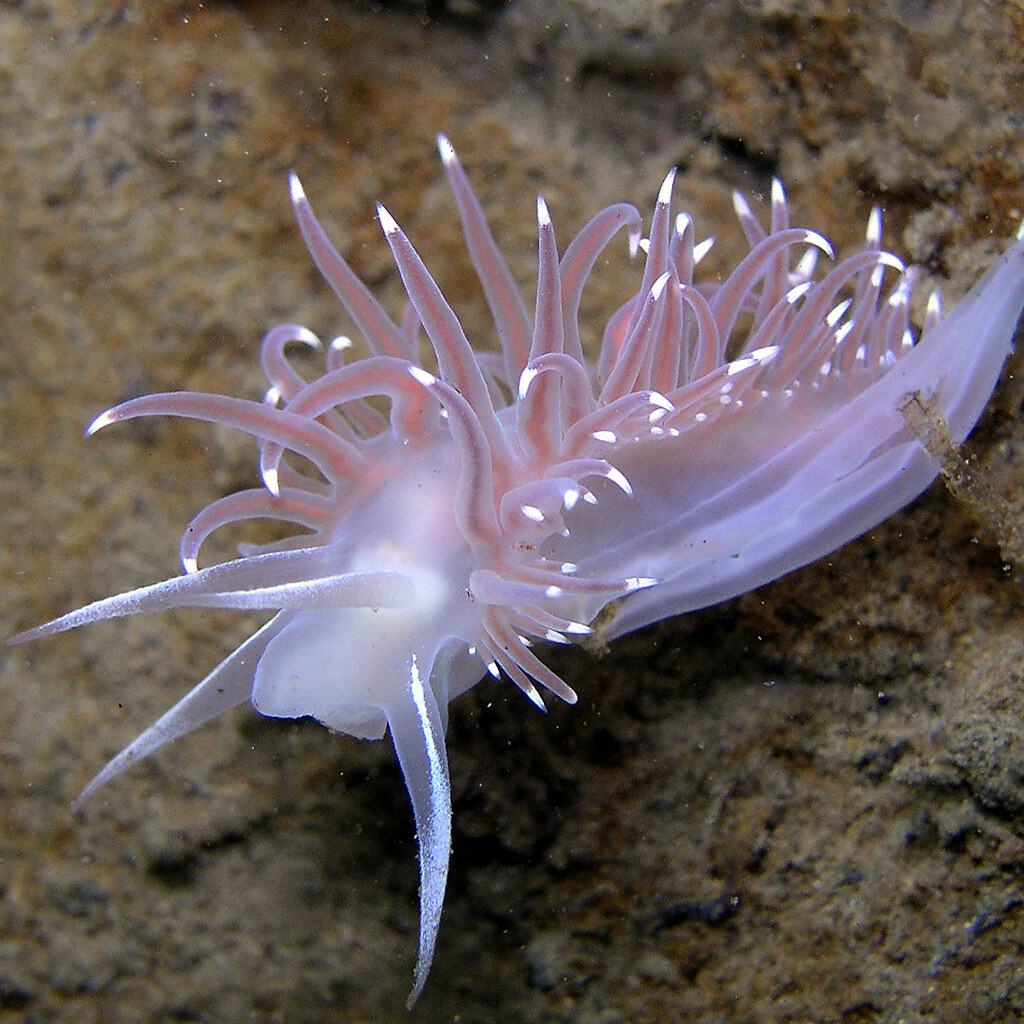
A sea slug is a soft, slow-moving animal that lives in the ocean and comes in a wide variety of colors and patterns. It lives in shallow water, and like land slugs, it doesn't have a shell like other molluscs.
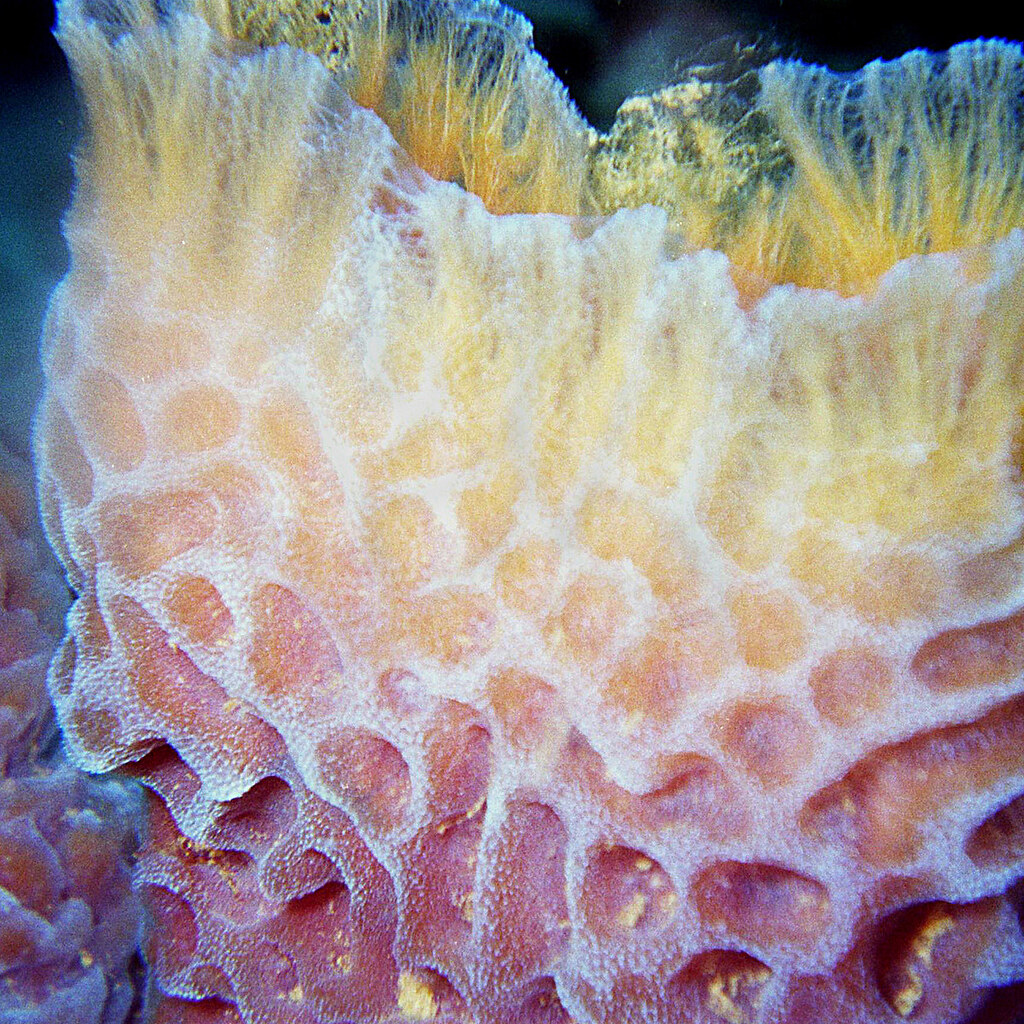
S is for Sea Sponge
Some species of sponge have soft skeletons and people used to catch them to use them for cleaning and packaging, but there are now almost none left. Today, sponges found around the house are made by people, and are not animals caught in the sea.
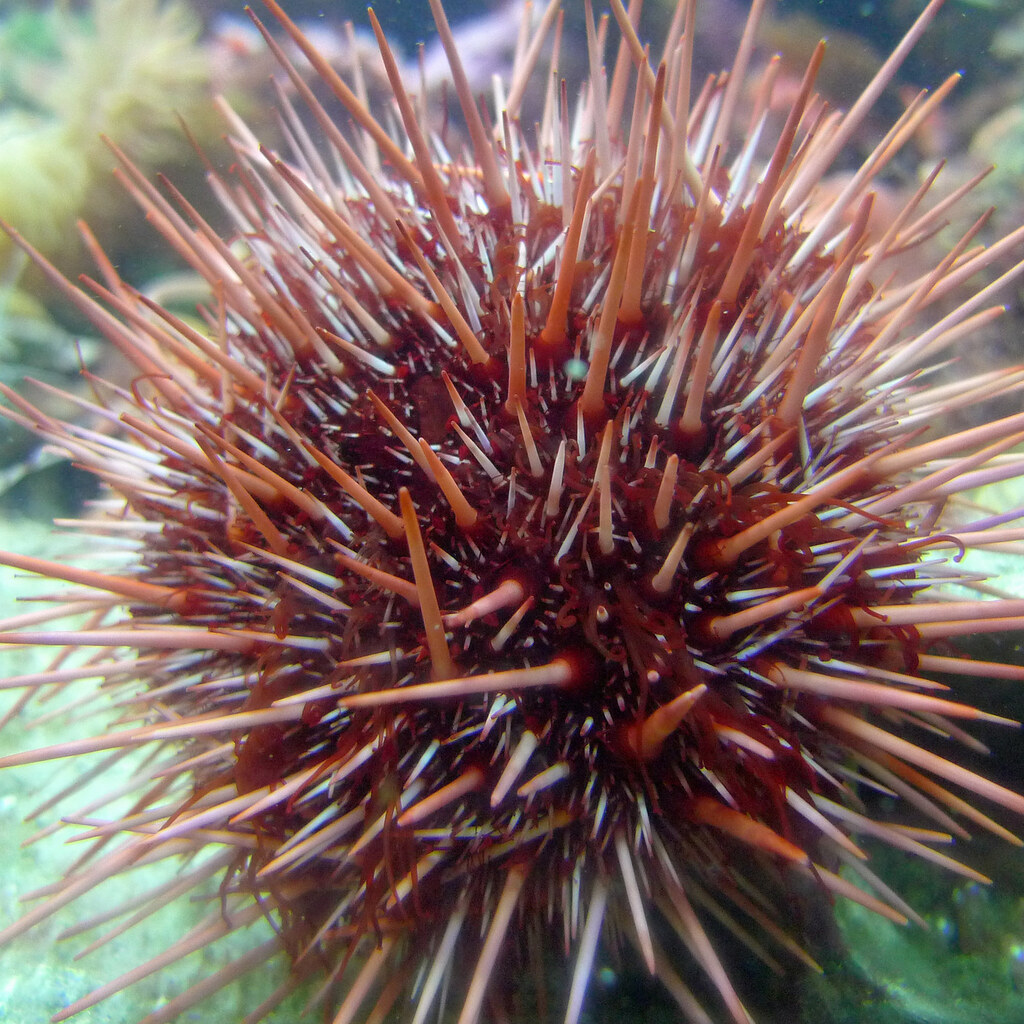
S is for Sea urchin (Creature)
Different kinds of sea urchin have different colours and different lengths of spines. The spines are hinged and can move around. Sea urchin shells don't have spines and look very different to a live sea urchin.
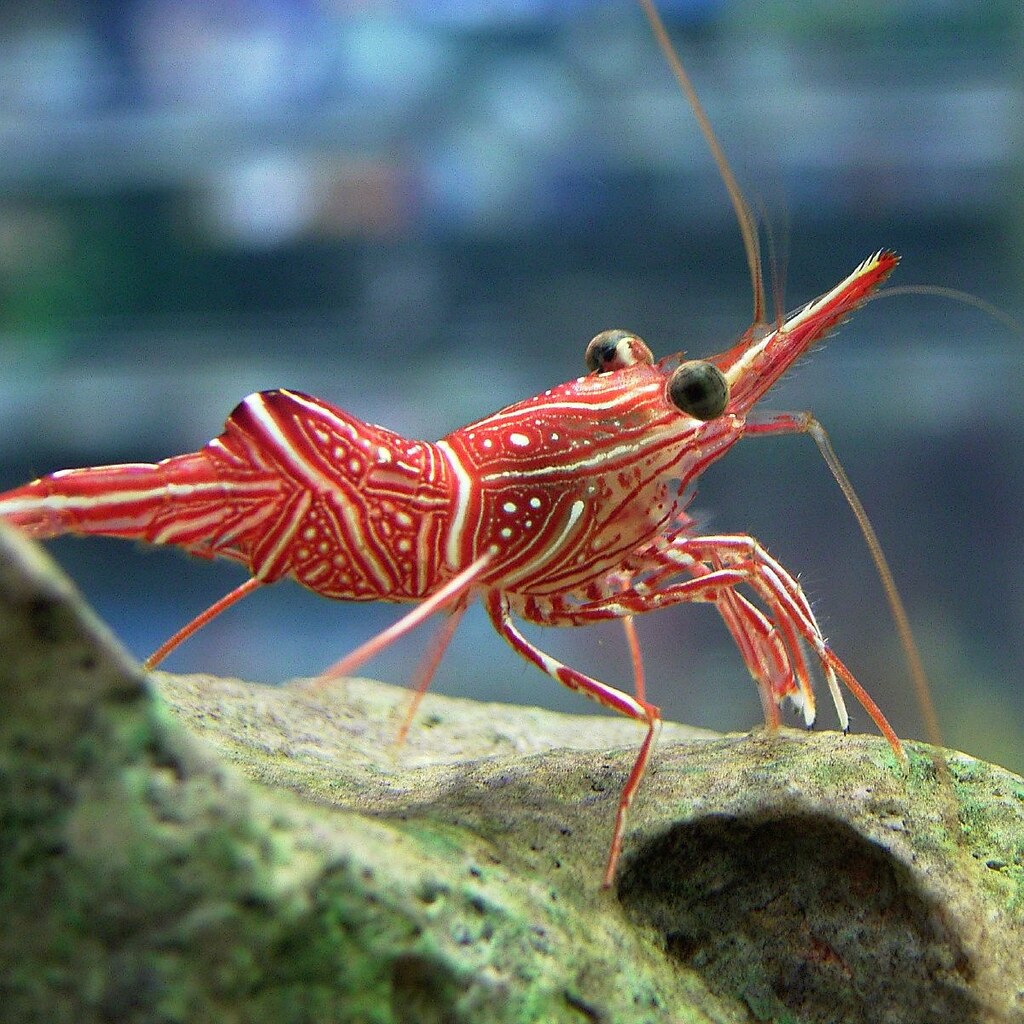
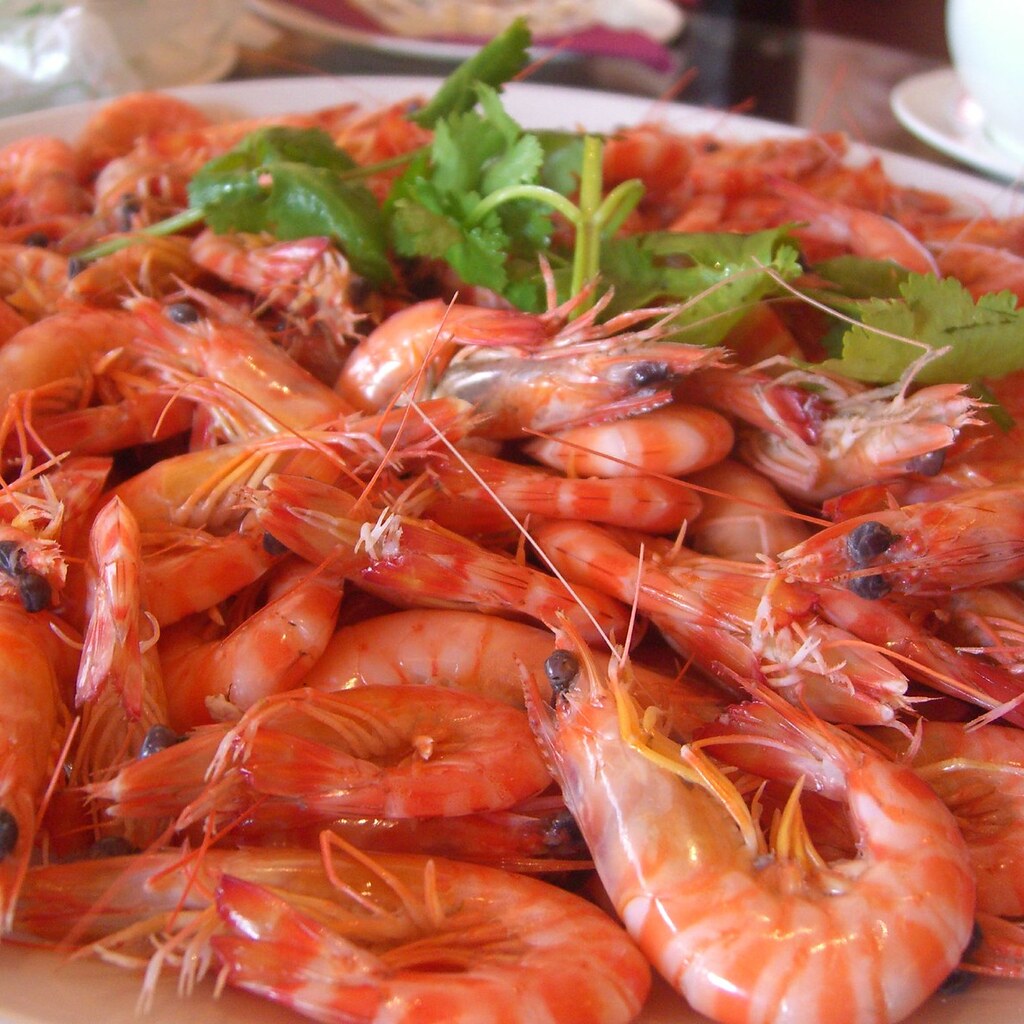
A shrimp, also called a prawn in many countries, is a sea creature that usually grows to a few inches long. They are a very popular food, and can be eaten boiled, fried, barbequed and many other ways, plain or with a sauce. They are quite often cooked whole and you have to remove the head, legs and other inedible parts yourself.
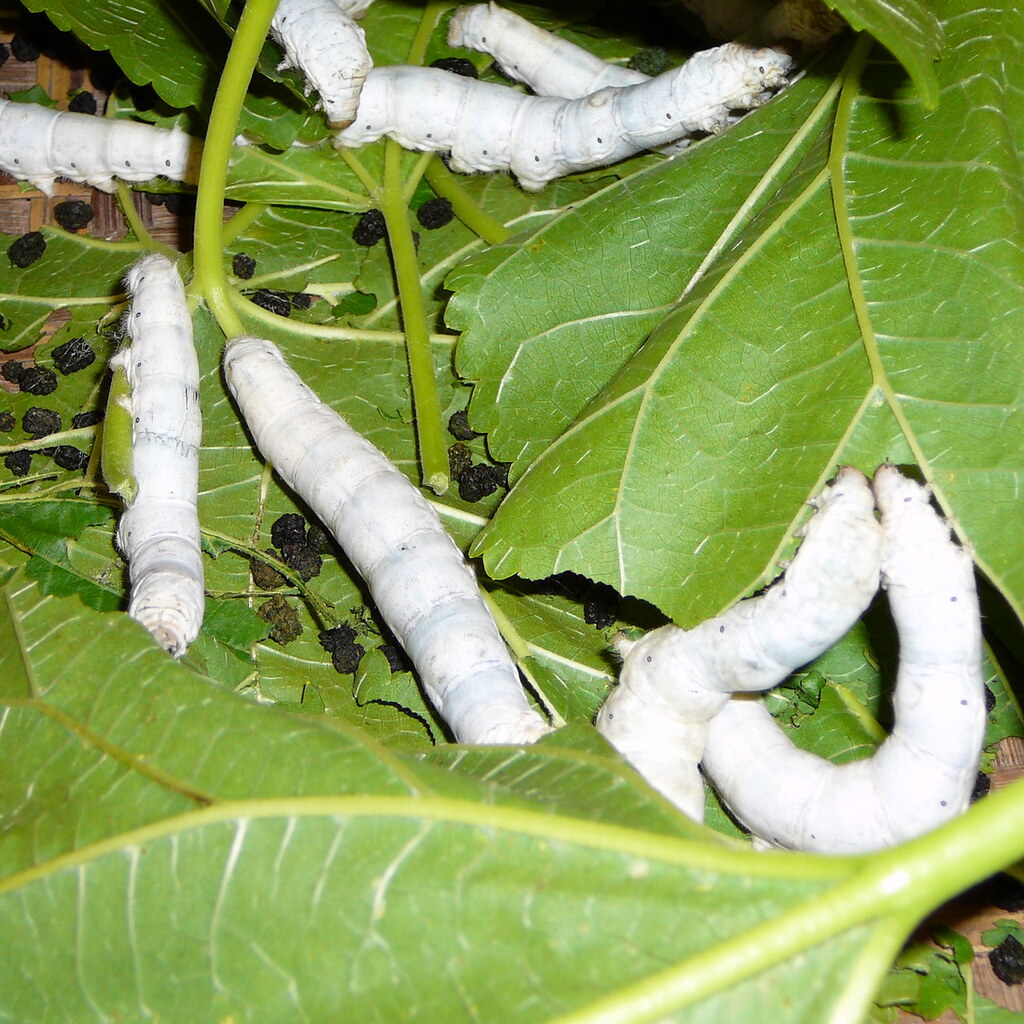
Silkworms are caterpillars that grow up into silkmoths. They live almost entirely on mulberry leaves. The cocoon they make can be used to make silk, a very attractive cloth that has been valued for thousands of years. A silkworm cocoon is made from a single strand of silk 1000 to 3000 feet long, and it takes 2000-3000 cocoons to make a pound of silk. The caterpillar in the cocoon is not allowed to emerge by itself, as this would damage the silk. The cocoons are boiled with the caterpillar inside.
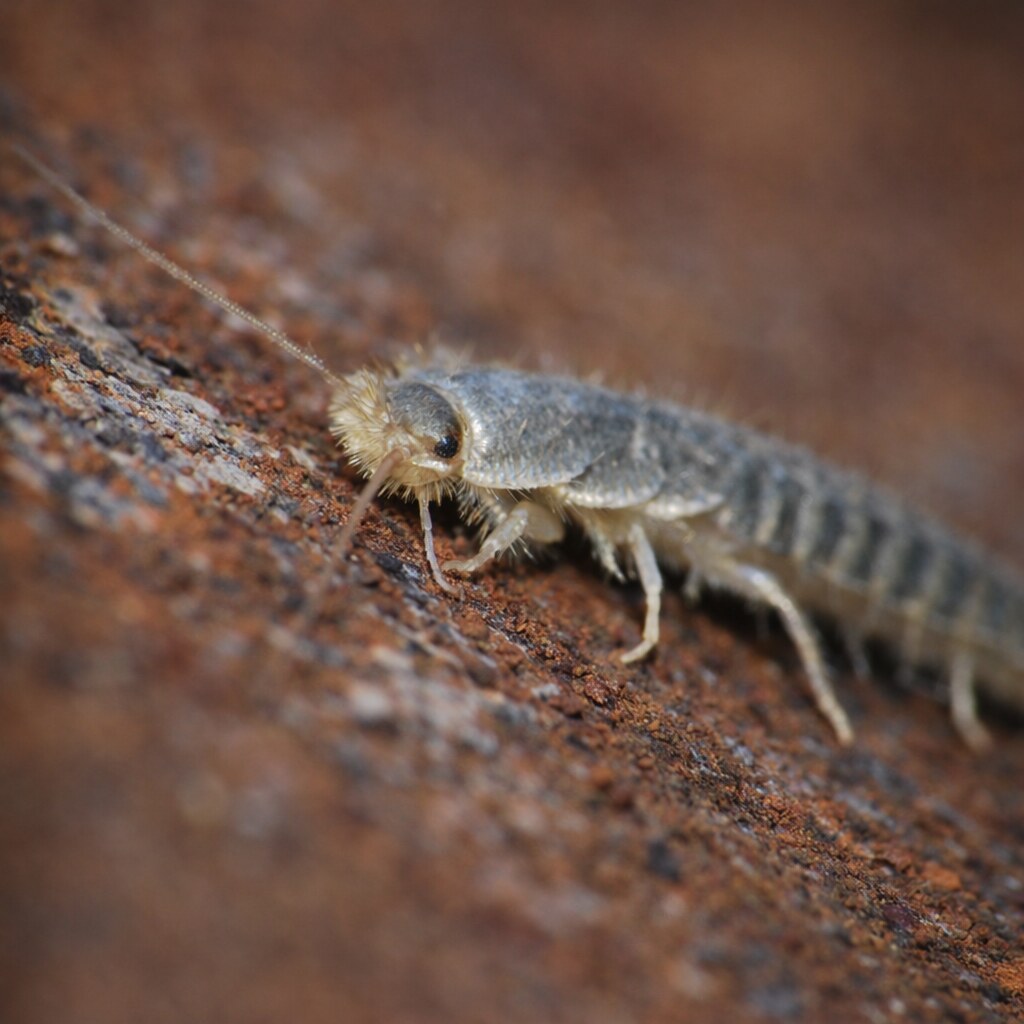
S is for Silverfish
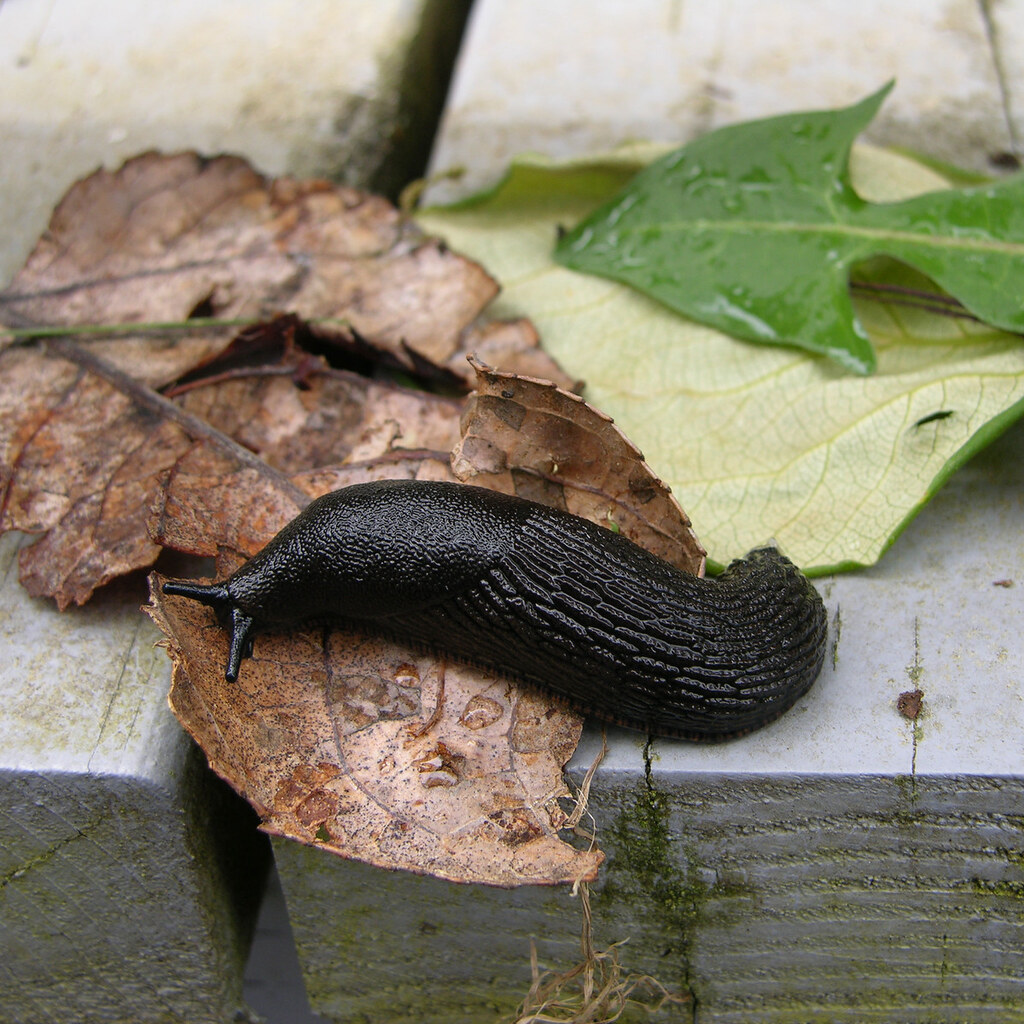
Slugs can be found on land and in the water, both freshwater and the sea. They are very similar to snails but slugs don't have a shell, and in fact any land mollusc without a shell can be called a slug. Since they have nowhere to hide inside and can dry out, slugs usually live in moist or wet places.
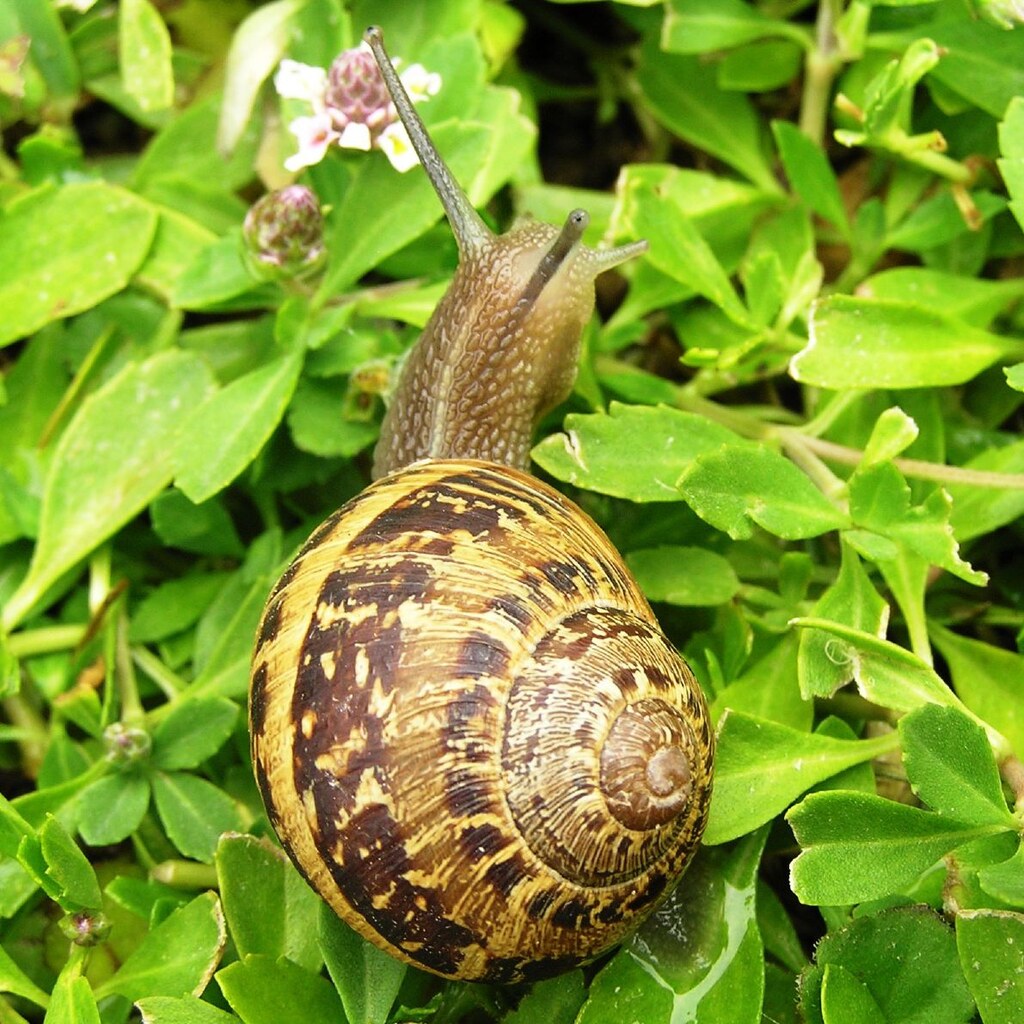
Snails can be found on land and in the water, both freshwater and the sea. A snail without a shell is called a slug. Snails range in size from smaller than your little fingernail to a sea snail that can grow to 30 inches long. The biggest land snail is only grows to 12 inches long. They come in a wide variety of colours and patterns.
Snails have a pair of eyes on stalks and a pair of feelers below them, to stop it bumping into things. It can suck both its feelers and eyes into its body for safety, and it can hide in its shell if it is disturbed. Snails have one foot that they "walk" with. They eat by scraping the top layer of their food with their tongue, which is covered in tiny sharp teeth. If you listen hard to a snail when it is eating, you can hear it scraping.
Snails have a pair of eyes on stalks and a pair of feelers below them, to stop it bumping into things. It can suck both its feelers and eyes into its body for safety, and it can hide in its shell if it is disturbed. Snails have one foot that they "walk" with. They eat by scraping the top layer of their food with their tongue, which is covered in tiny sharp teeth. If you listen hard to a snail when it is eating, you can hear it scraping.