
Showing 21-40 of 93
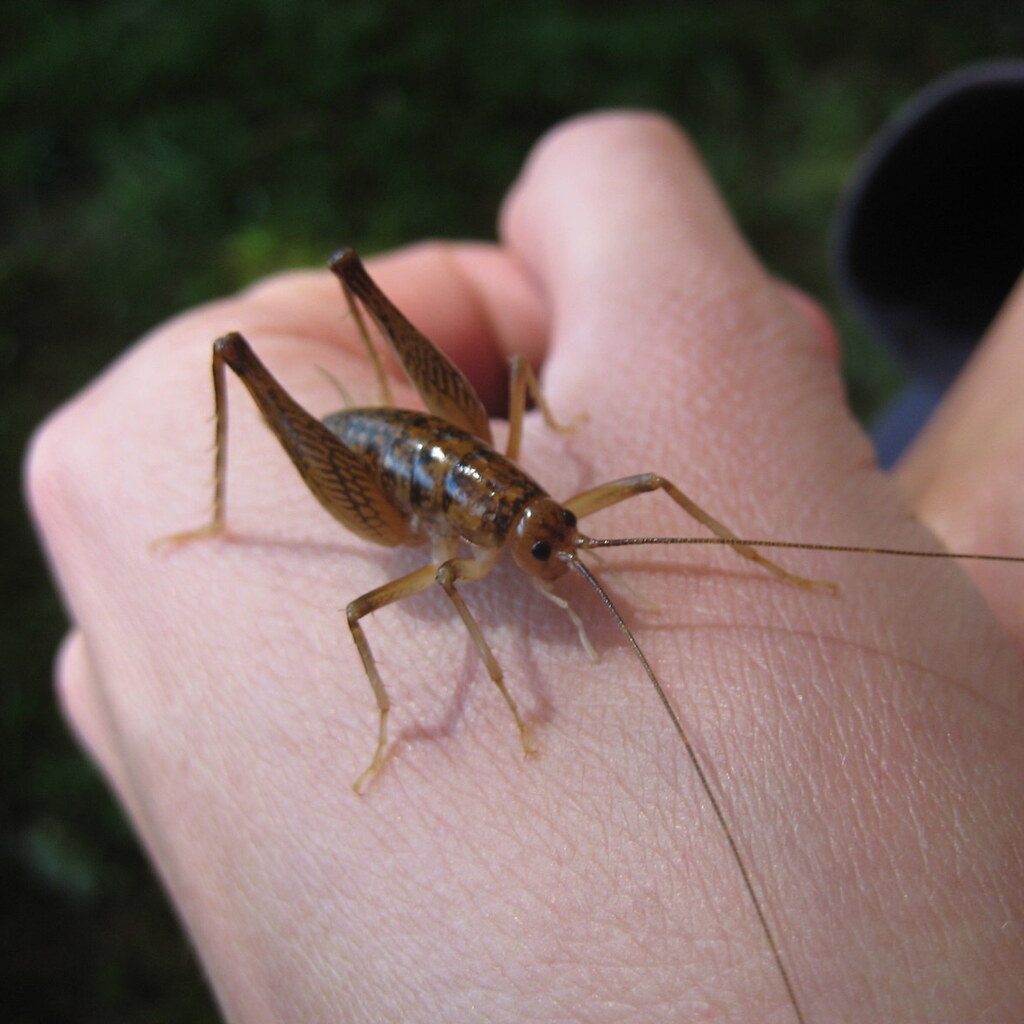
Crickets are a type of insect distantly related to grasshoppers. Crickets make a distinctive "chirping" noise. Crickets make this noise by rubbing their hind legs together.
There are many different varieties of cricket, and they all have a slightly different "chirp".
There are many different varieties of cricket, and they all have a slightly different "chirp".
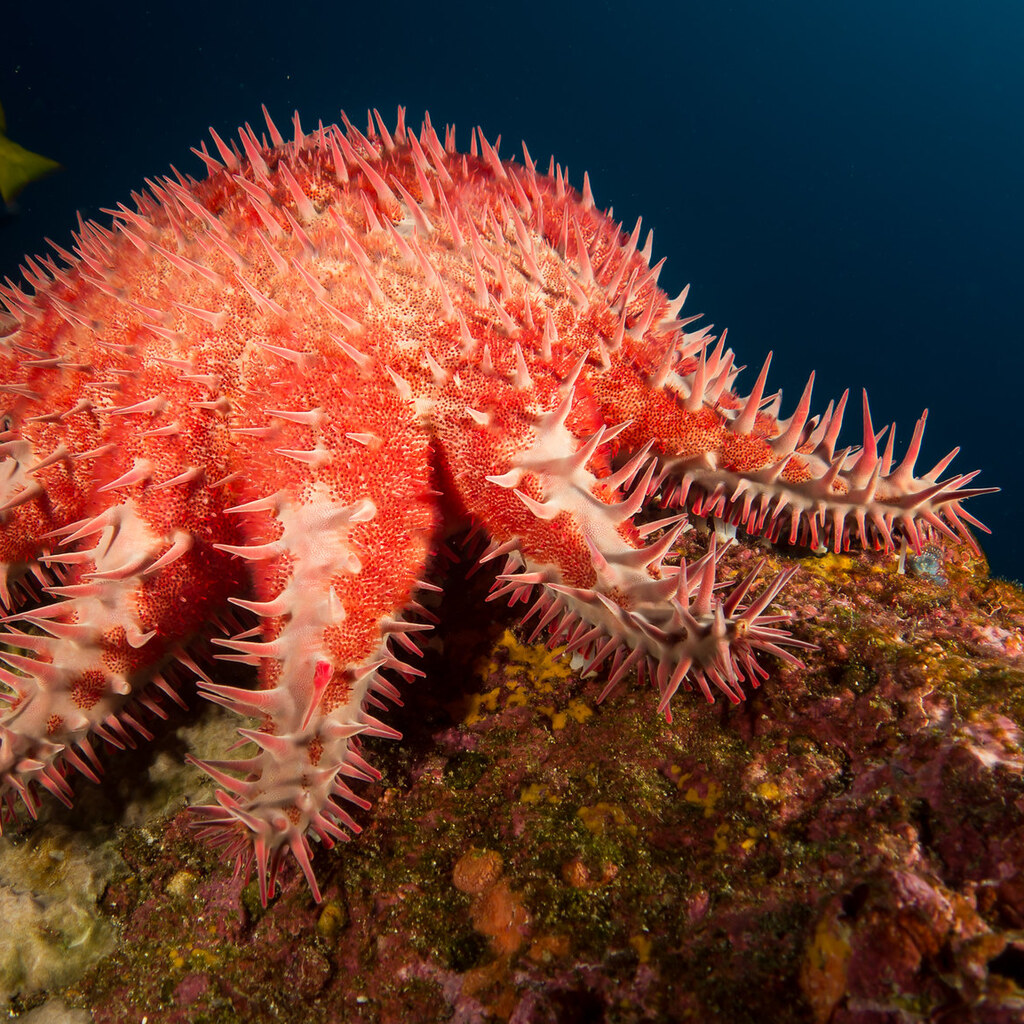
C is for Crown of thorns starfish
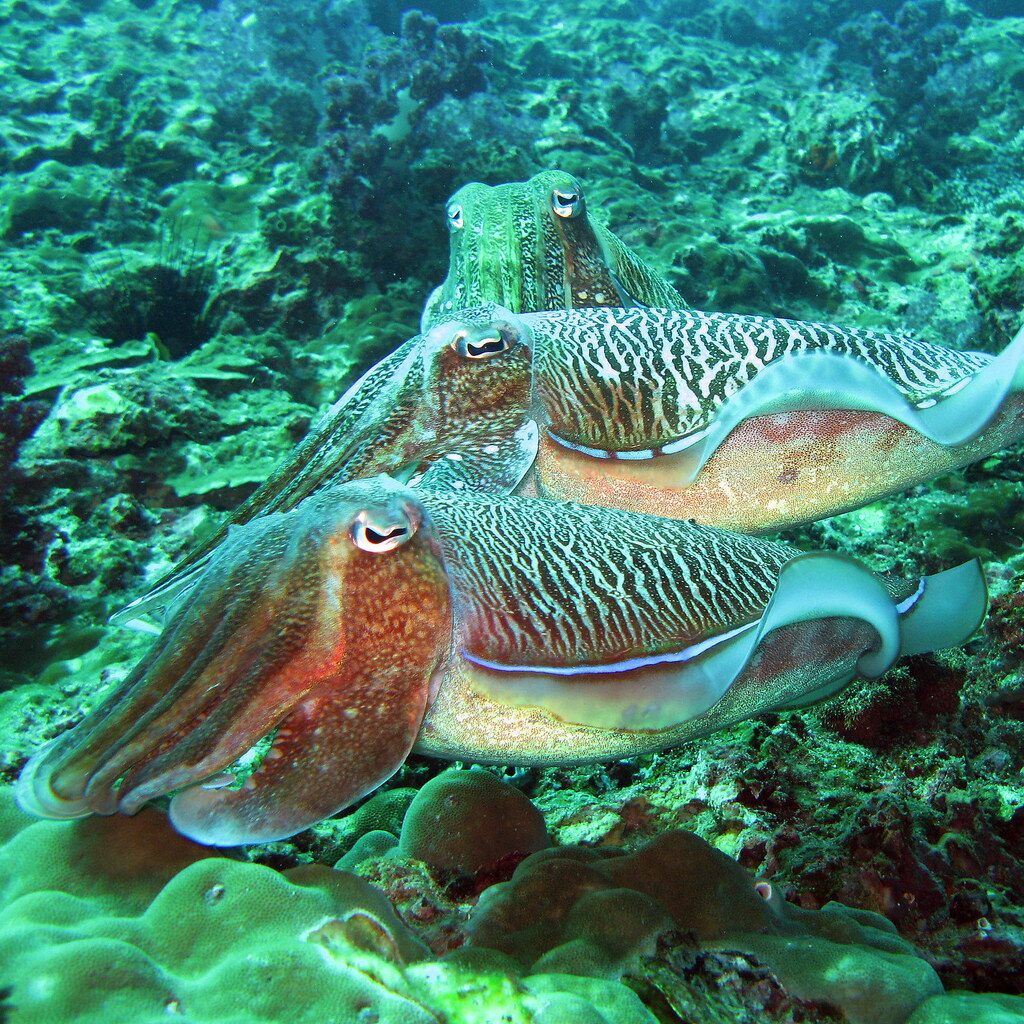
C is for Cuttlefish
Cuttlefish are caught as food and prepared in a similar way to squid.
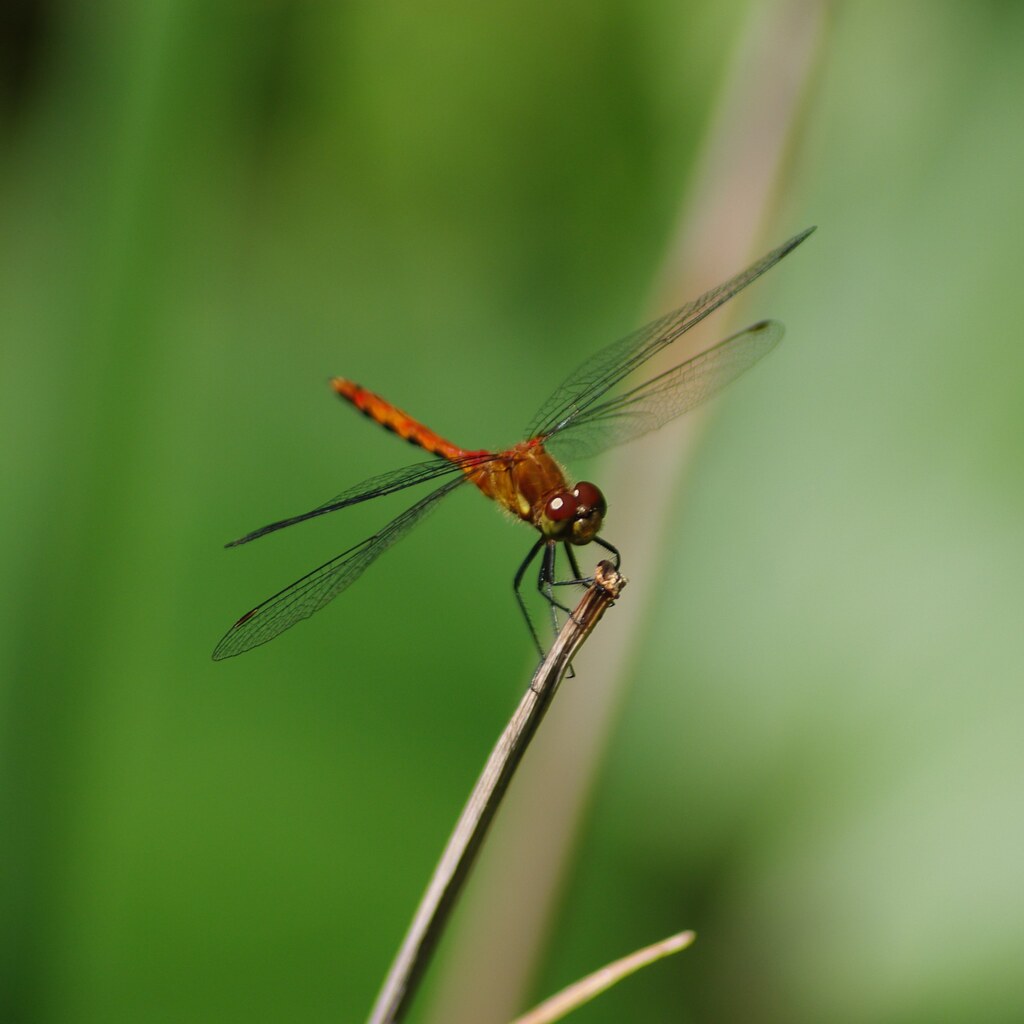
Dragonflies eat mosquitoes and other small insects like flies, bees, ants, and butterflies. They are usually found around water because their babies or larvae, known as nymphs, live underwater.
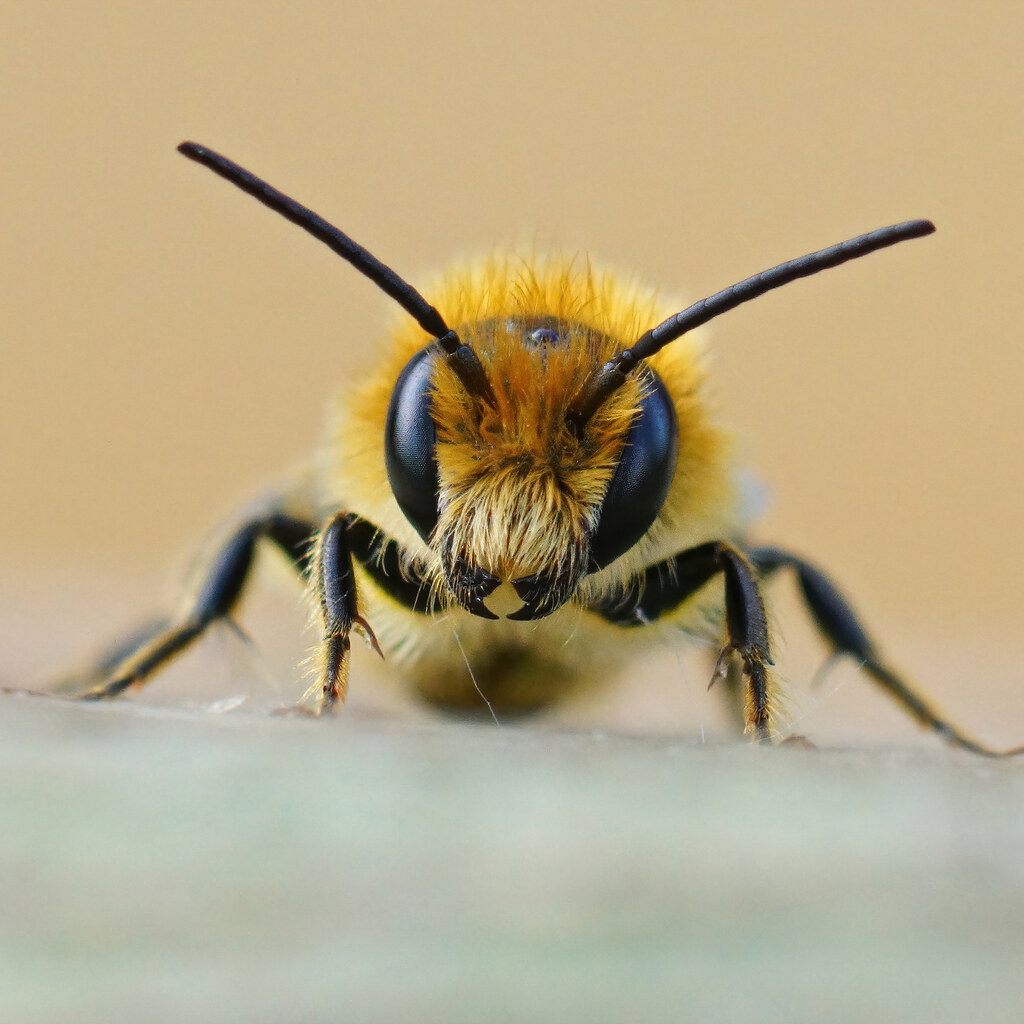
D is for Drone (Bee)
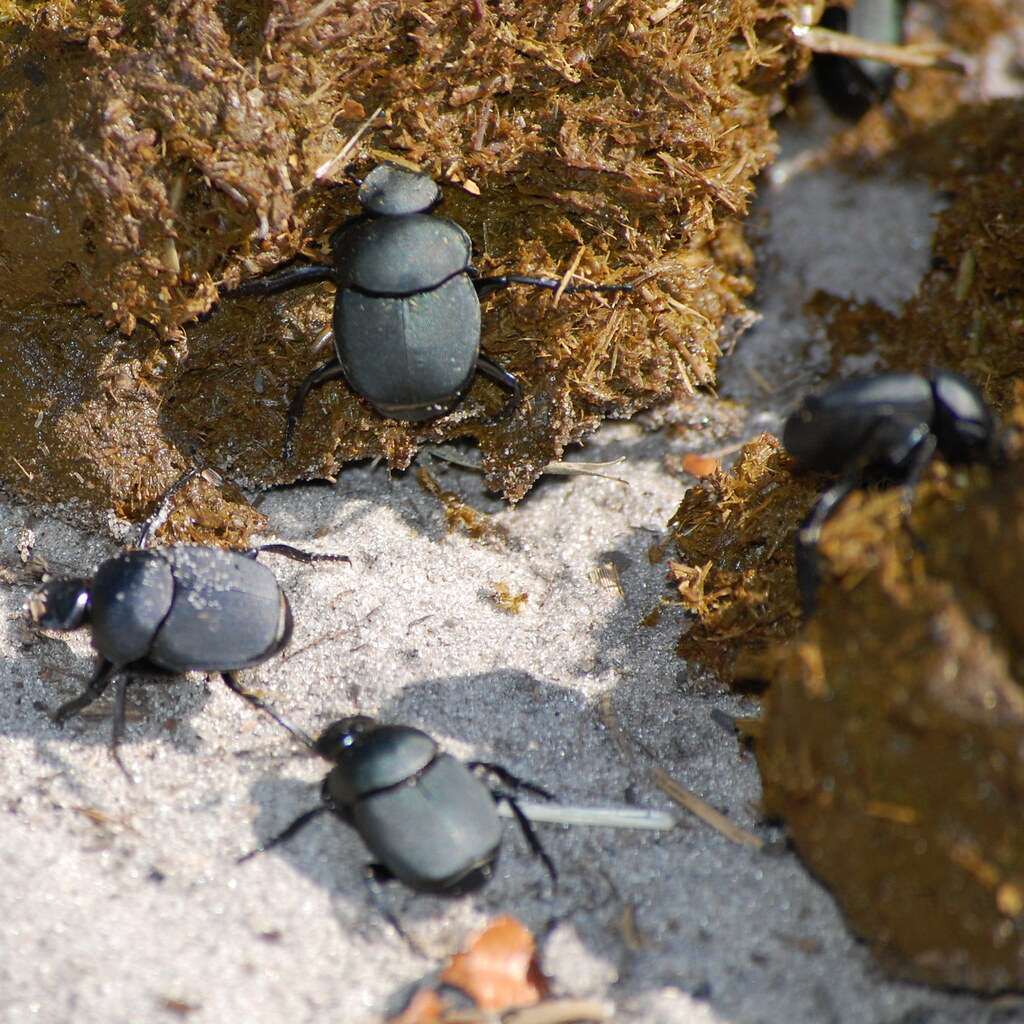
D is for Dung beetle
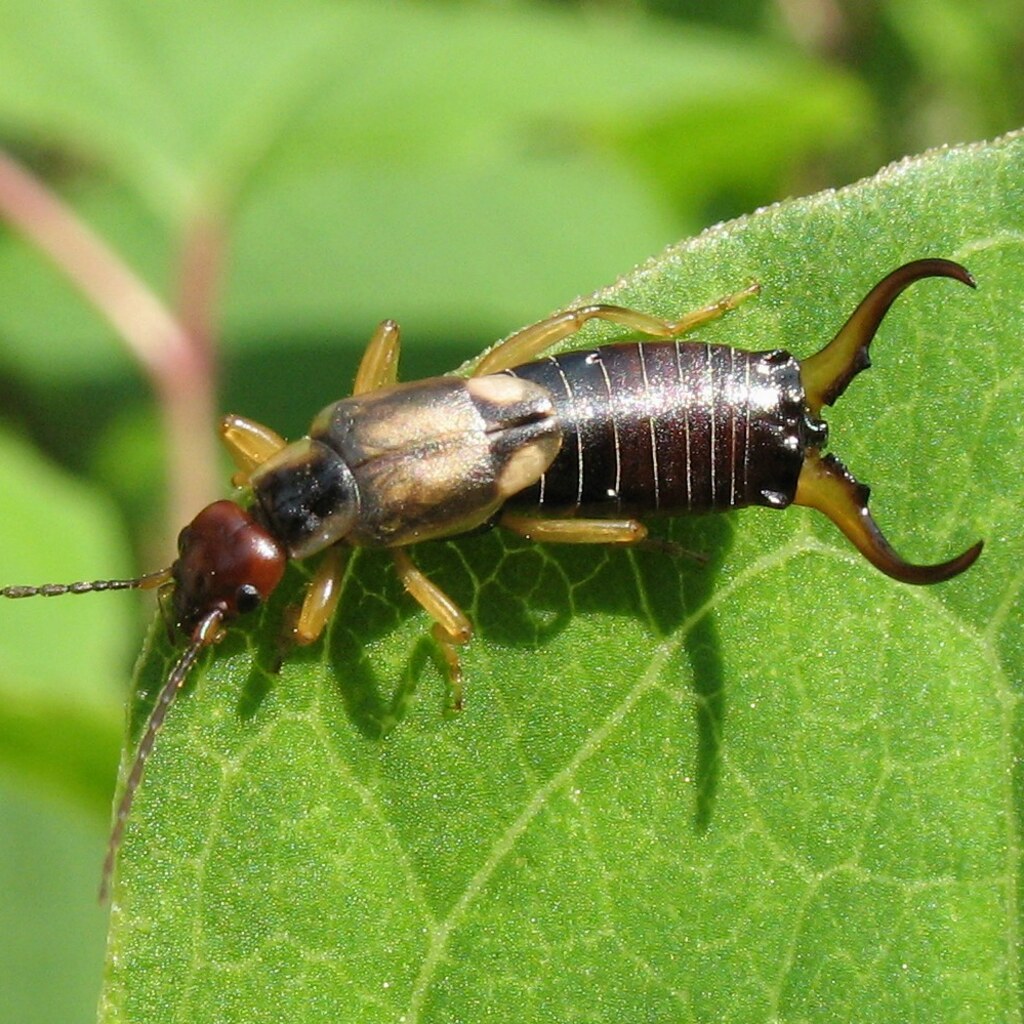
Earwigs are a very common insect found all over the world. They eat ripe fruit, trash, other insects and the young shoots of plants.
They get their name because a long time ago people beleived that earwigs crawled into people's brains through their ears to lay their eggs. Earwigs do like hiding in warm, dark, damp places so it is possible they will hide in people's ears if they have the chance.
They get their name because a long time ago people beleived that earwigs crawled into people's brains through their ears to lay their eggs. Earwigs do like hiding in warm, dark, damp places so it is possible they will hide in people's ears if they have the chance.
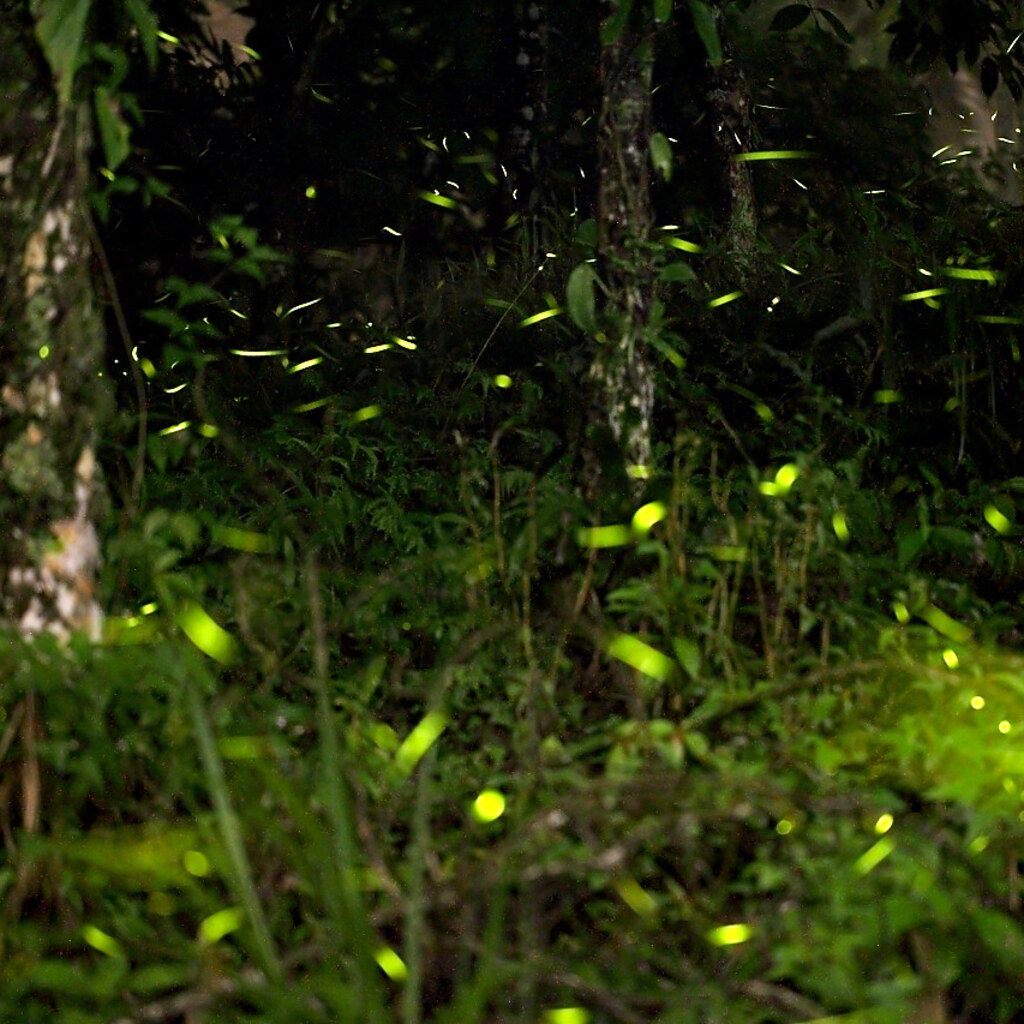
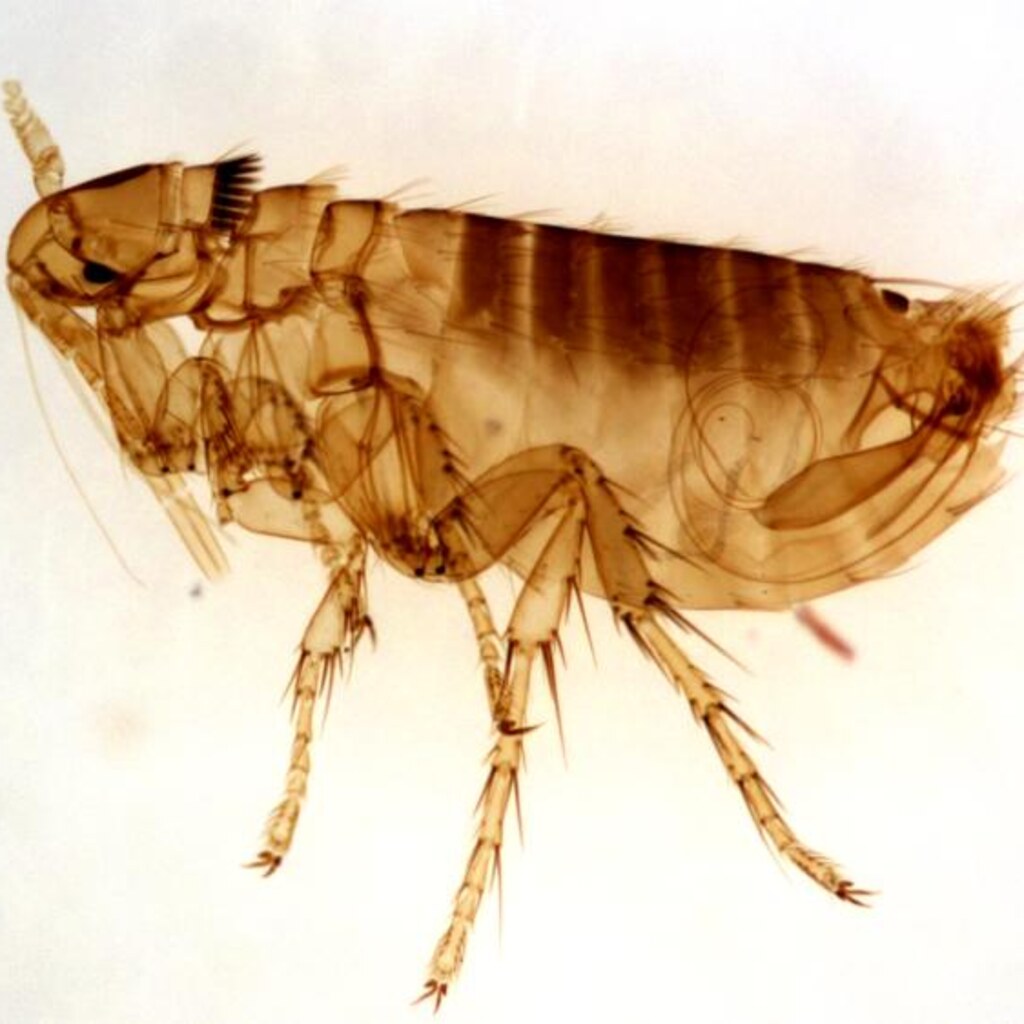
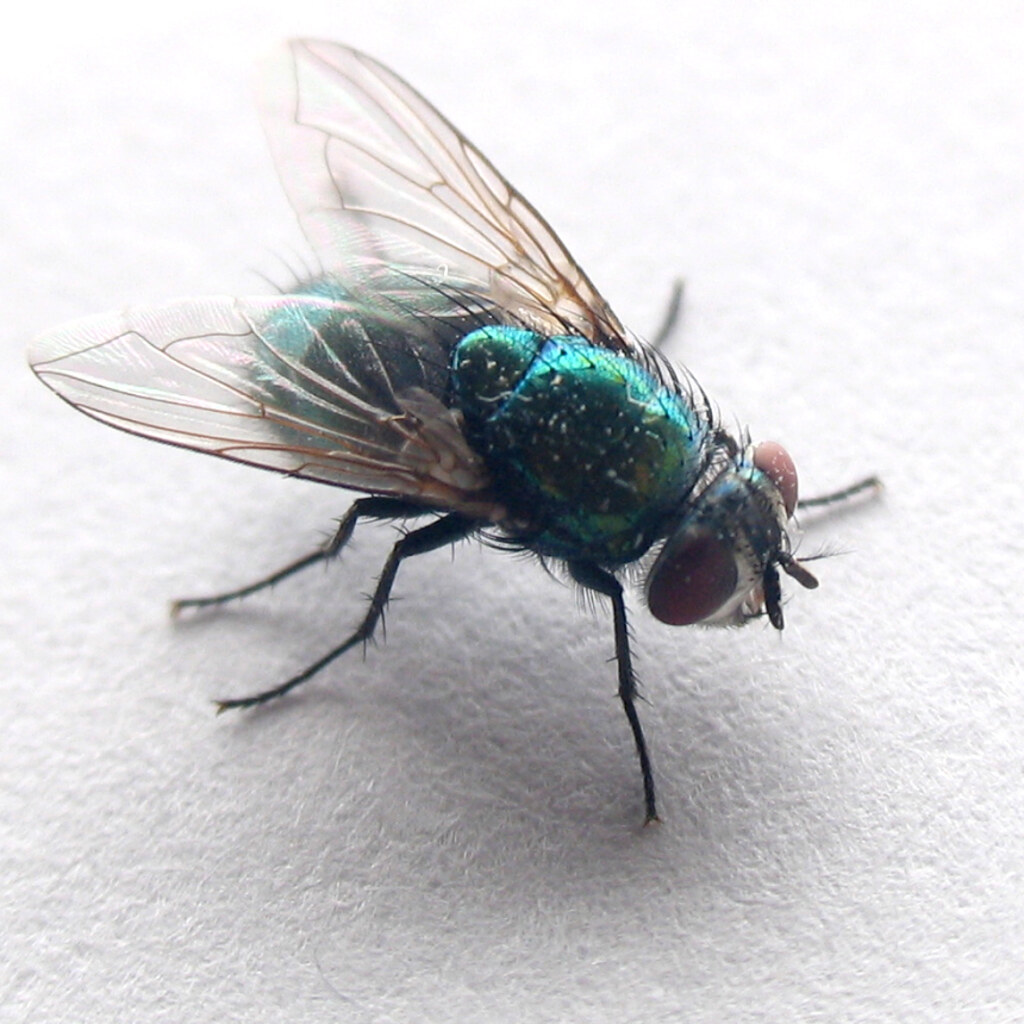
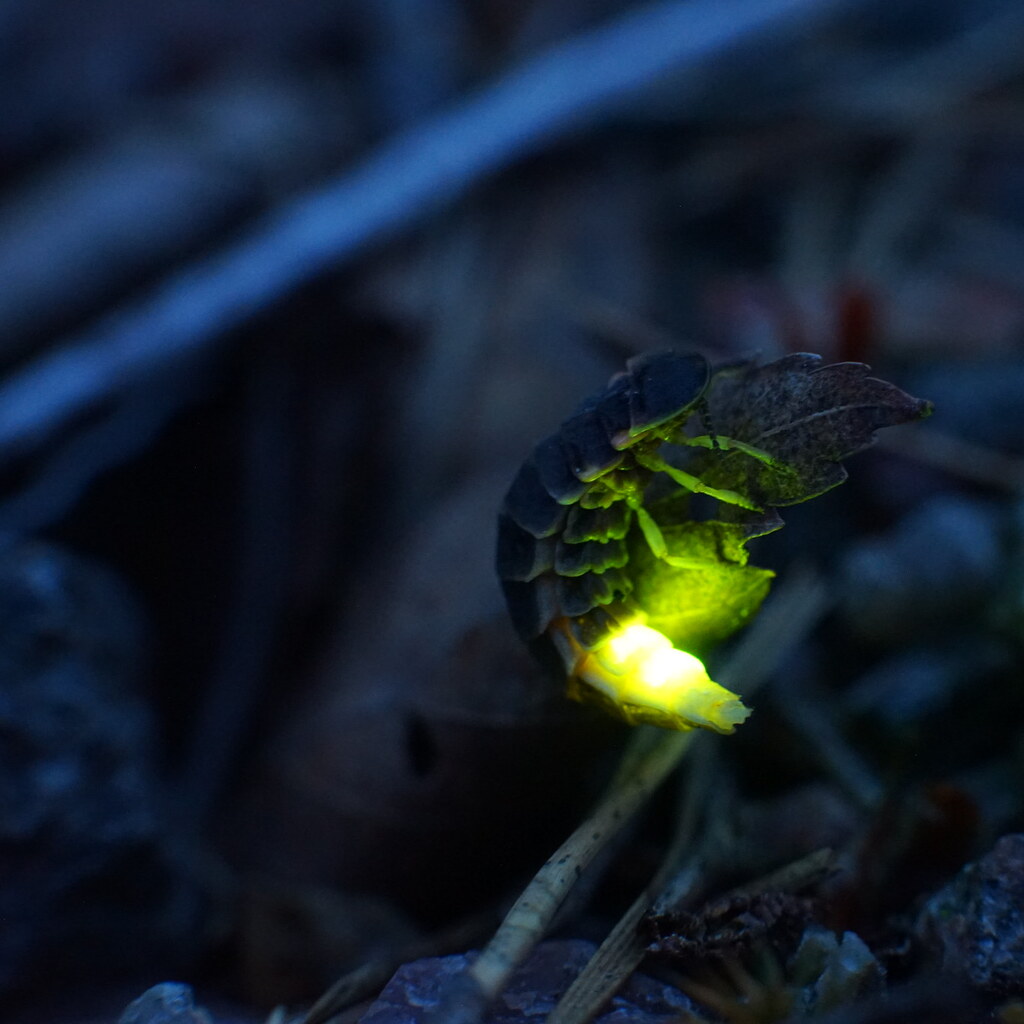
Glow-worm is a name given to any insect on the ground that glows, and you can see them at night. Some do look like worms, most are kinds of caterpillar or beetle. Firefly is also a word for the same insects, but glow worm is usually used for glowing insects on the ground, and firefly for glowing insects that fly.
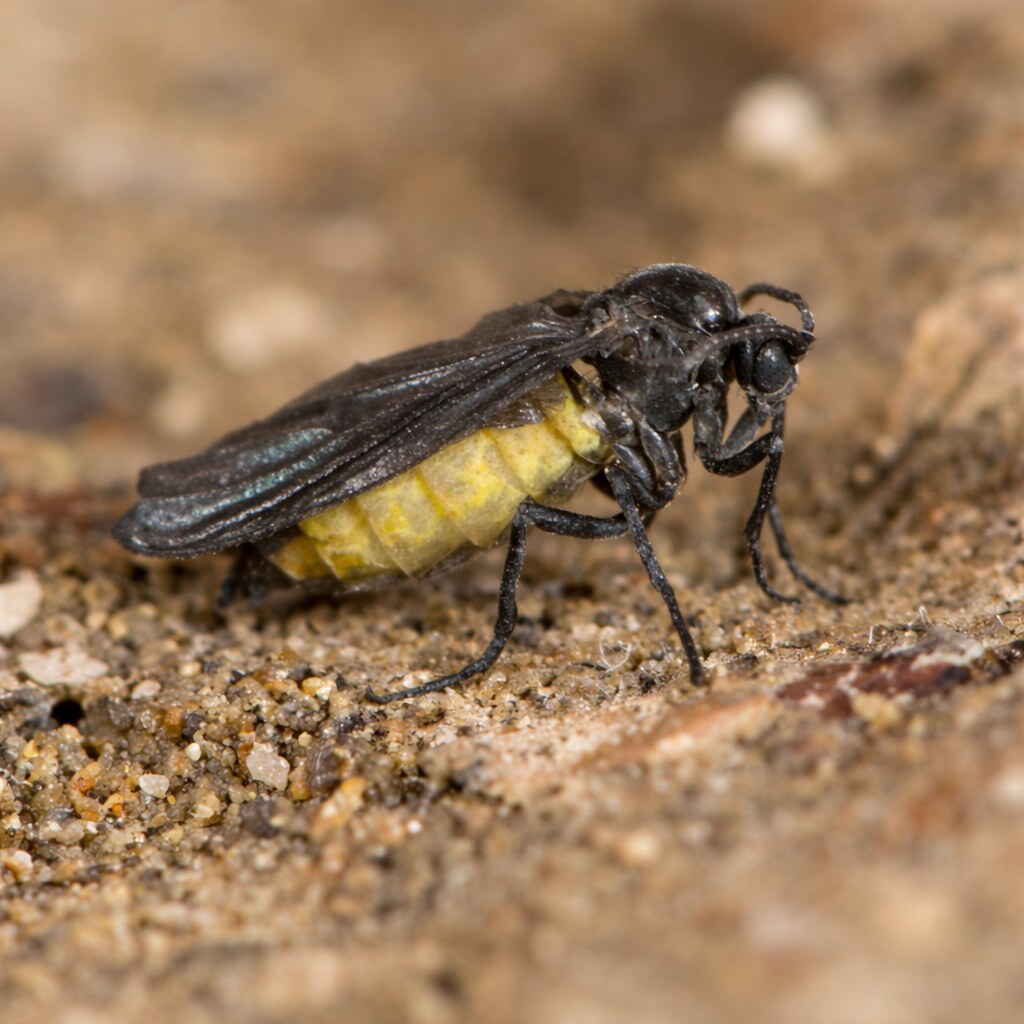
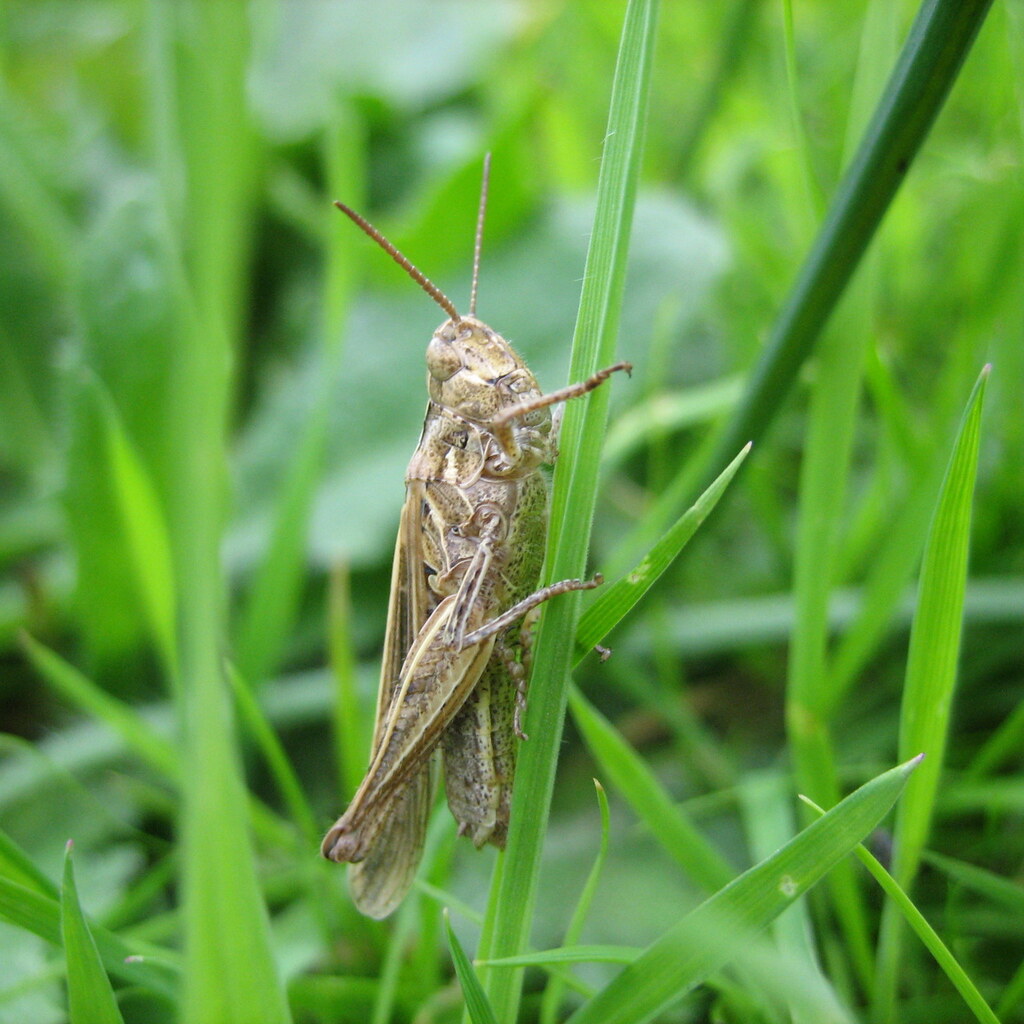
G is for Grasshopper
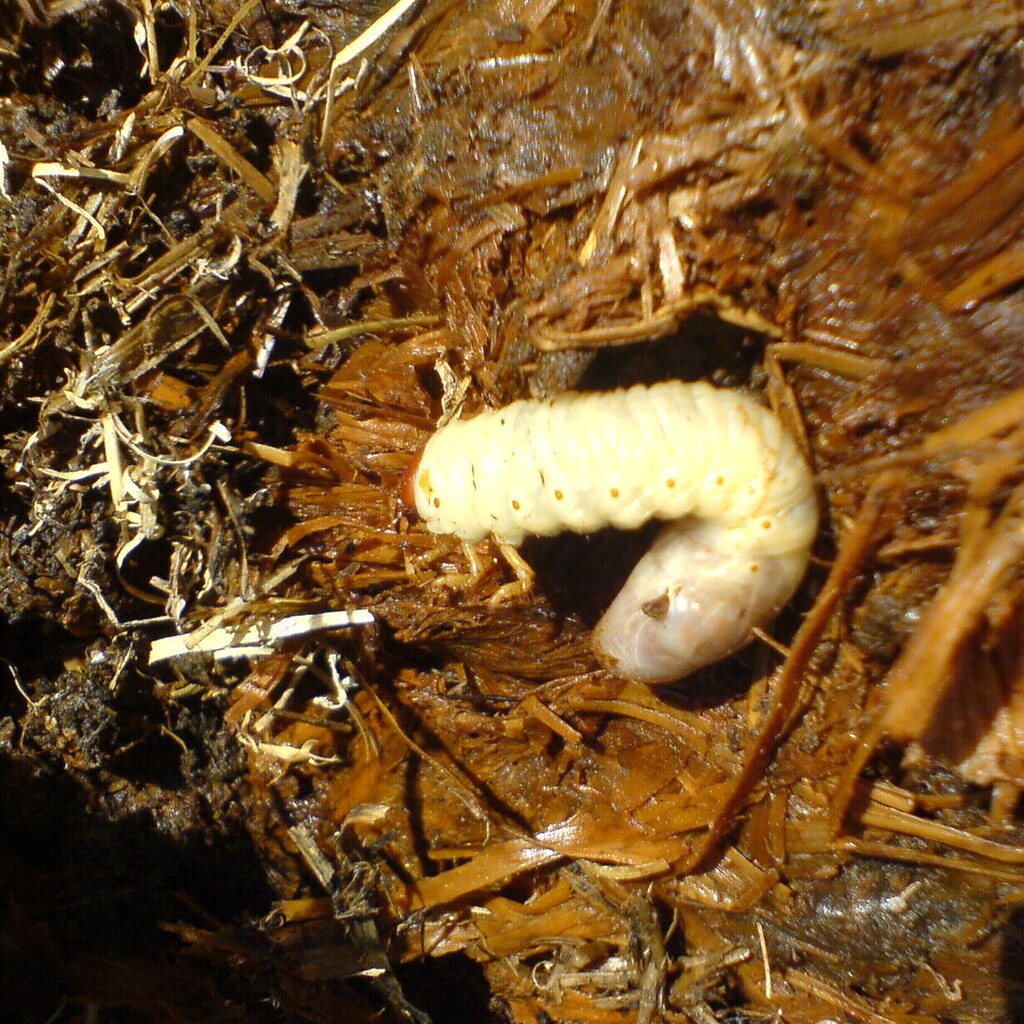
A grub is the immature form of many insects, particularly beetles. Grubs usually live in the ground or in fallen leaves, eating rotting vegetation. The grubs you commonly see in your backyard will grow up to be either beetles or moths. Grubs all look quite similar to each other but can look dramatically different to the adult insect they will turn into.
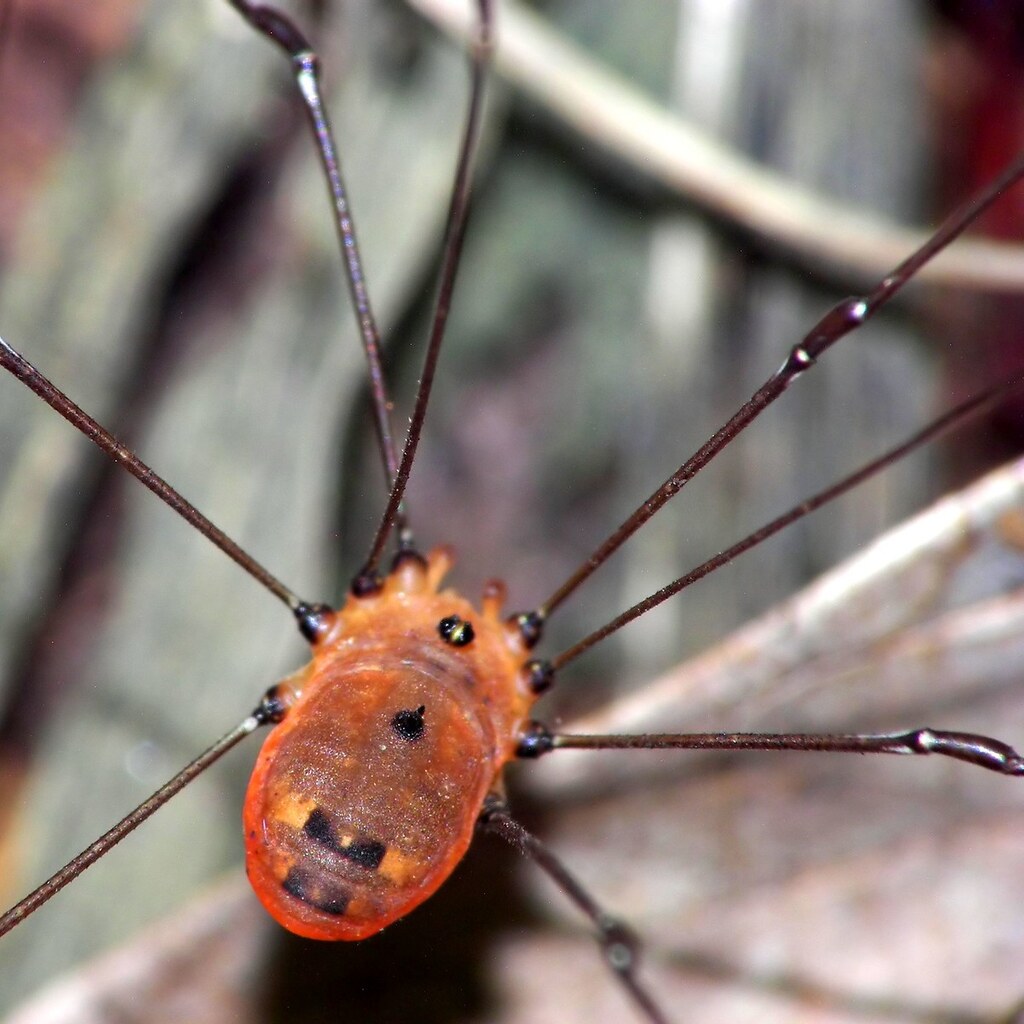
H is for Harvestman
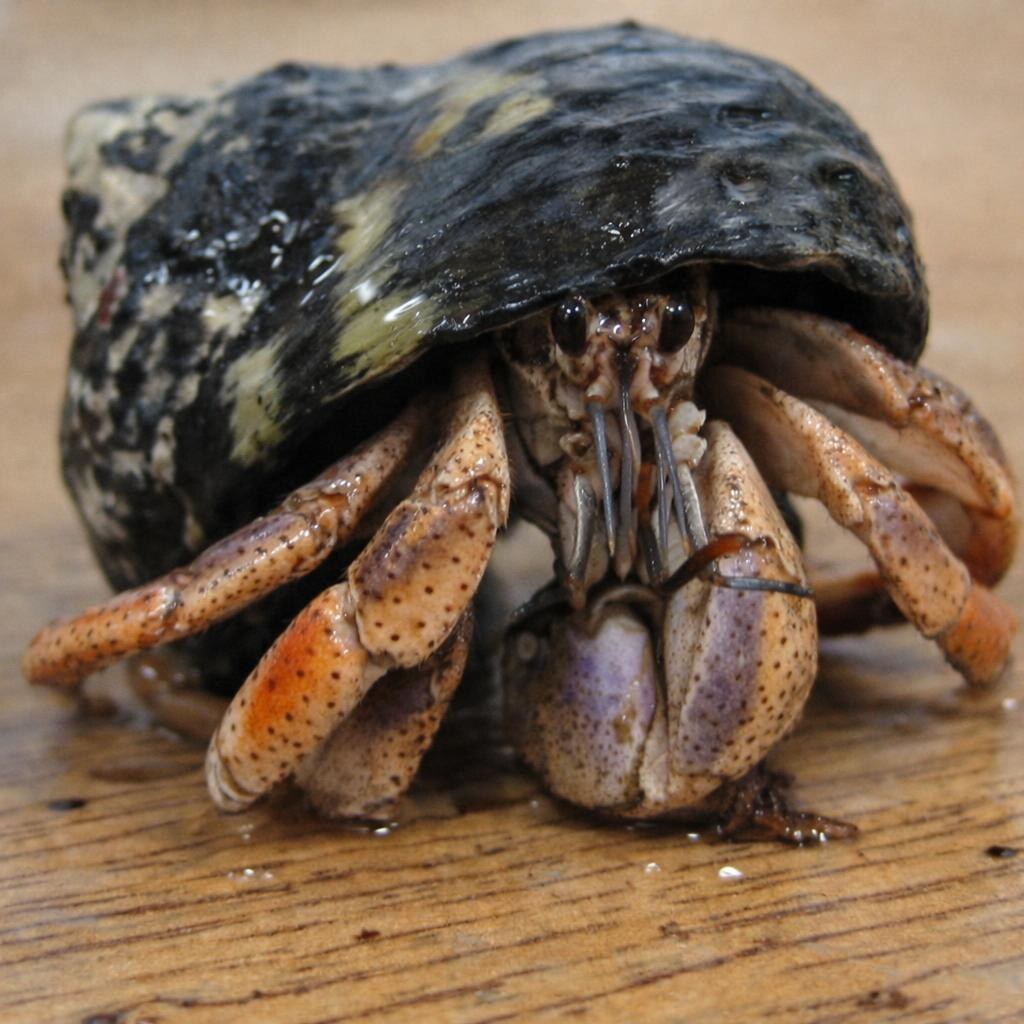
H is for Hermit crab
Hermit crabs are found all over the world, and many people keep them as pets.
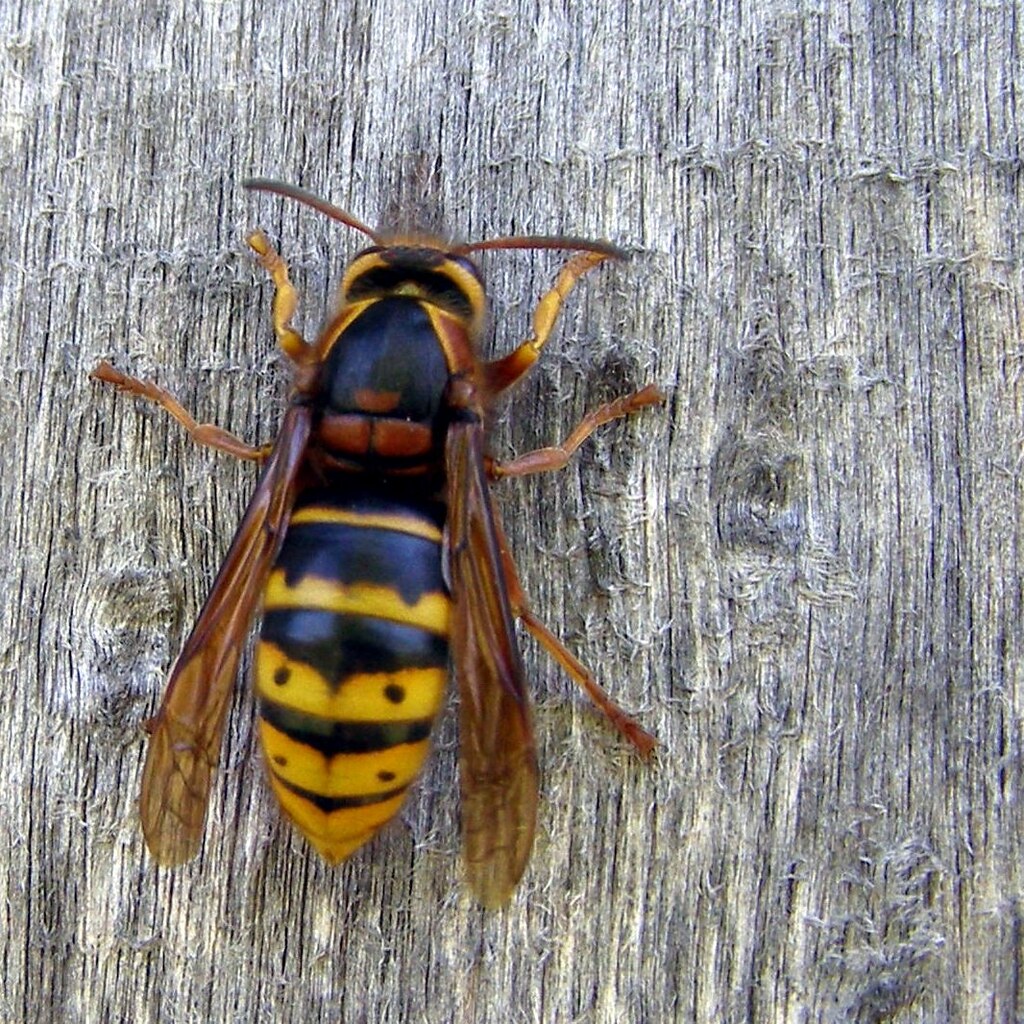
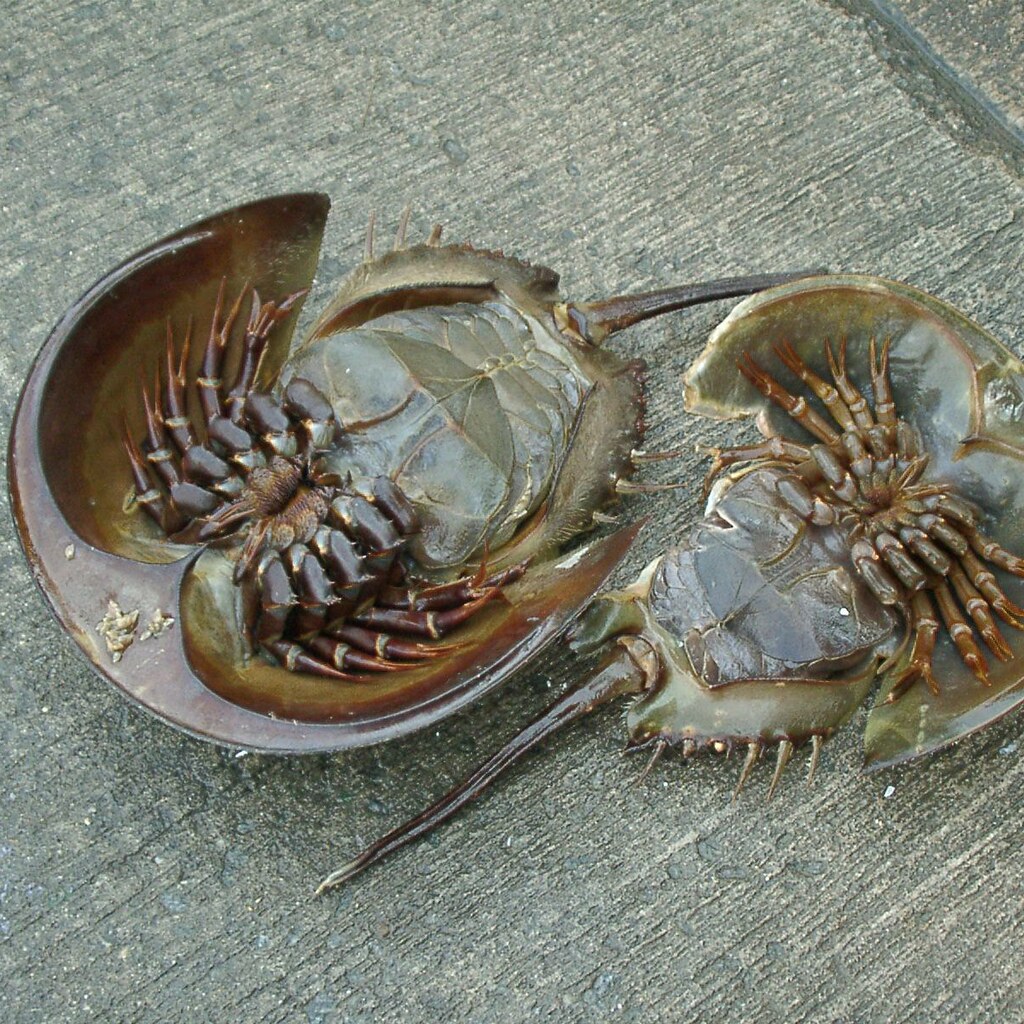
H is for Horseshoe crab
Horseshoe crabs are called a living fossil because there are fossils of almost identical creatures found that are 230 million years old.
The two horseshoe crabs in the picture are upside down.
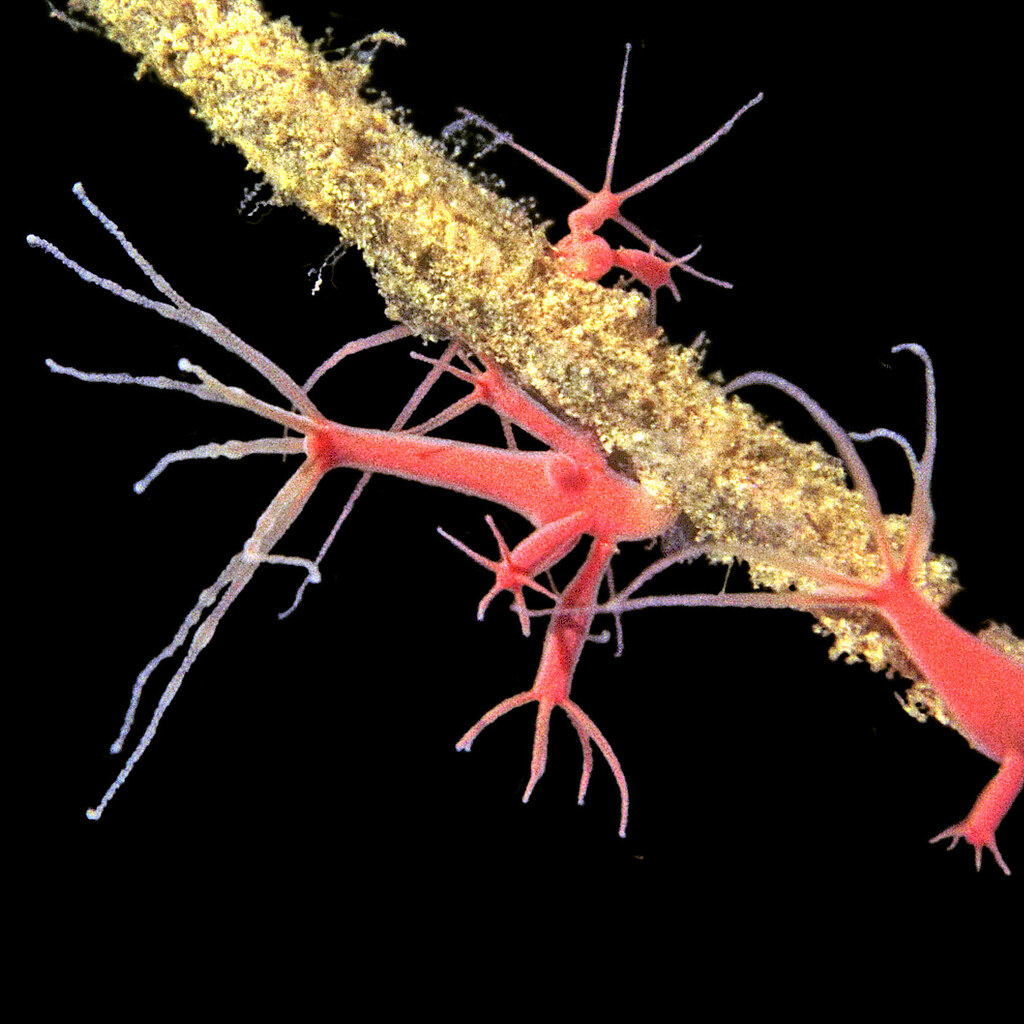
Hydra is a small freshwater animal that looks like a little tube with a soft body and several thin tentacles. It catches small prey that pass using its tentacles.
