Showing 81-91 of 91
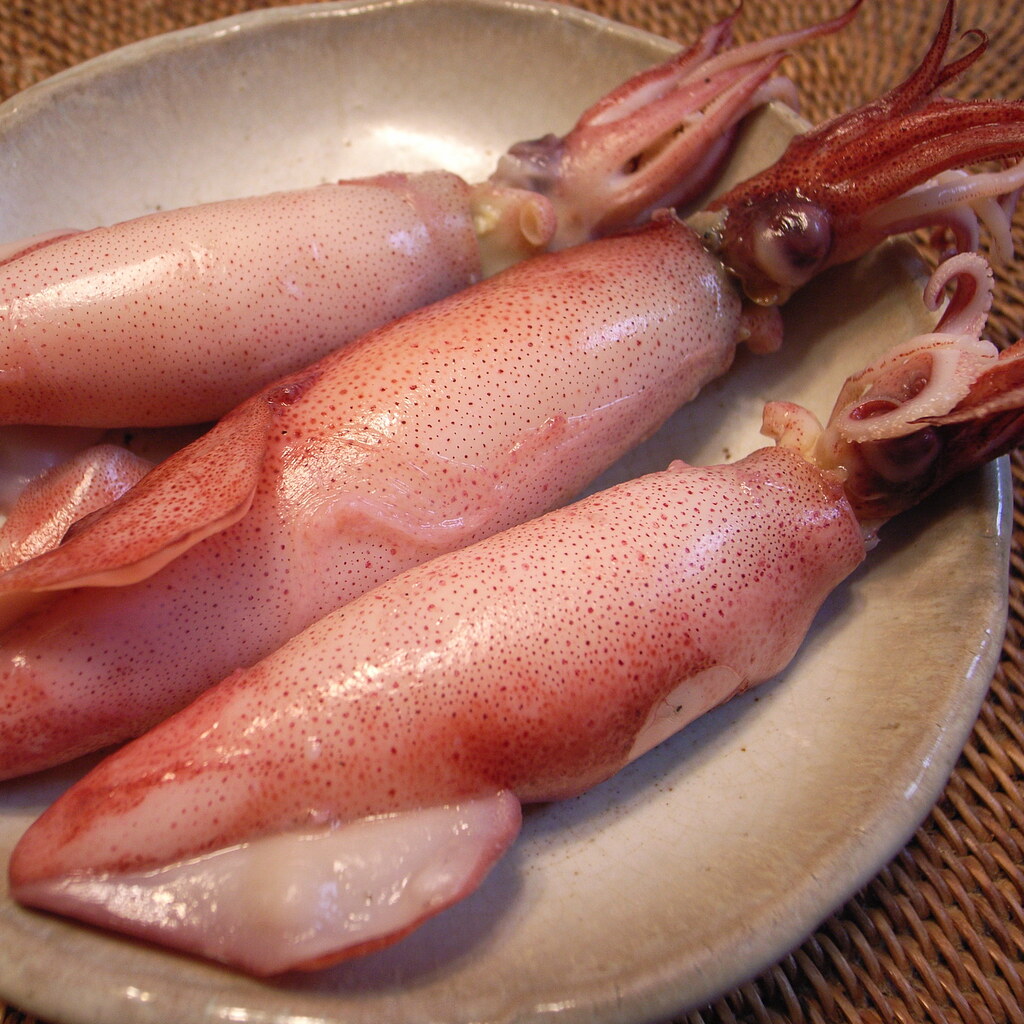
Squid are sea creatures related to the octopus and cuttlefish, which all have eight legs.
Squid move by sucking water into the top part of their body and squirting it out in a jet. They can also squirt ink into the water to confuse anything that is trying to eat it.
The squid in the photo are being cooked on a barbeque.
Squid move by sucking water into the top part of their body and squirting it out in a jet. They can also squirt ink into the water to confuse anything that is trying to eat it.
The squid in the photo are being cooked on a barbeque.

The starfish, or sea star, is not a fish - starfish have no skeleton. They are related to sea urchins. As they have no skeleton and hence no legs, they don't move around by walking. They move by pumping water around through tubes on the base of their arms. Not all starfish have five arms, some have more.
Starfish eat sea creatures with shells that move slower than it does. Starfish have two stomachs, and one of them can be put outside the starfish's body. So they eat clams and other shellfish by forcing them open and putting their stomach inside the clam's shell.
Some starfish can regrow arms if they are cut off. Some starfish can grow from the cut-off arm as long as some of the central portion of the starfish is still attached.
Starfish send their eggs out to drift into the open sea where they hatch into small swimming larva. When the larva are old enough, they sink to the bottom of the sea and turn into adult starfish.
Starfish eat sea creatures with shells that move slower than it does. Starfish have two stomachs, and one of them can be put outside the starfish's body. So they eat clams and other shellfish by forcing them open and putting their stomach inside the clam's shell.
Some starfish can regrow arms if they are cut off. Some starfish can grow from the cut-off arm as long as some of the central portion of the starfish is still attached.
Starfish send their eggs out to drift into the open sea where they hatch into small swimming larva. When the larva are old enough, they sink to the bottom of the sea and turn into adult starfish.
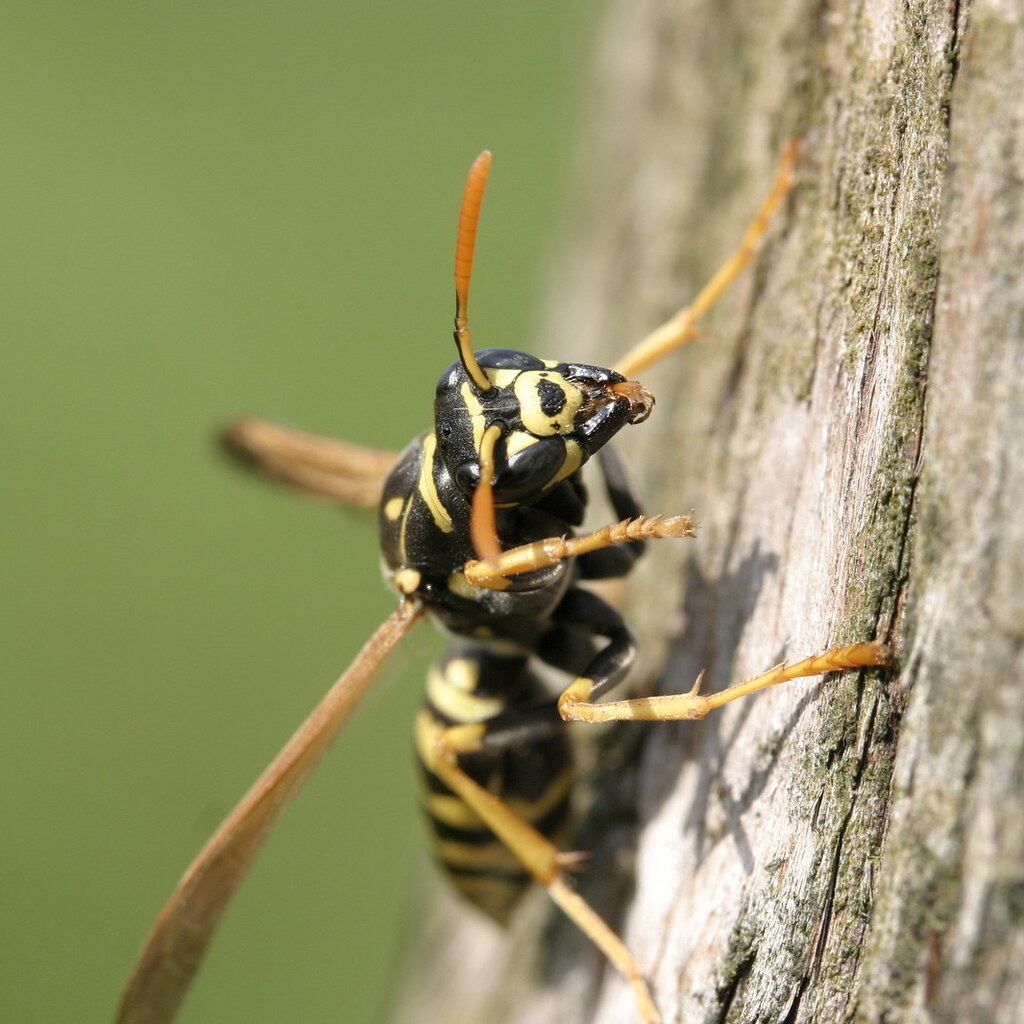
Wasps are a group of flying, stinging insects that eat other insects. They usually eat pest insects like caterpillars, and can be very useful to gardeners and farmers who are trying to keep their crops safe. Wasp can sting many times, while bees can only sting once.
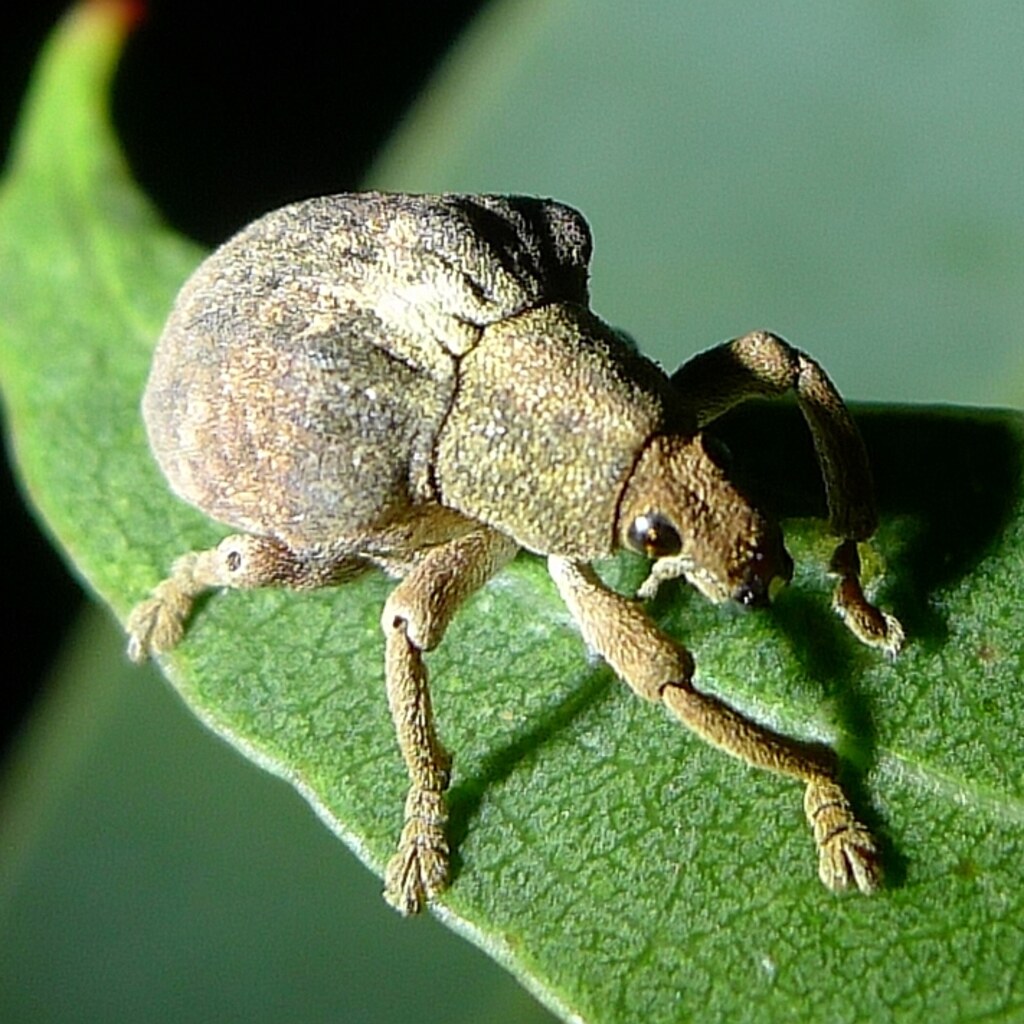

The woodlouse (also called an armadillo bug, carpenter, cheeselog, doodlebug, pill bug, roly-poly, chuggypig, slater beetle, sow bug or gramersow) is a type of crustacean, and is related to the crab and lobster. They eat dead plants and fallen leaves.
Woodlice breathe through gills like fish, which is why you often find them in damp places. Some types of woodlouse can roll themselves up into a tight ball.
Woodlice breathe through gills like fish, which is why you often find them in damp places. Some types of woodlouse can roll themselves up into a tight ball.