Words about words

Linguistic and grammatical words.

Subcategories: Abstract Nouns (9), Adjectives (842), Adverbs (29), Conjunctions (33), Interjections (10), Past tense (209), Plural (47), Prepositions (56), Pronouns (65), Punctuation (9), Verbs (743)

Showing 241-260 of 1110

1 word is below your SafeSearch level and not shown.
Dis forDelicate

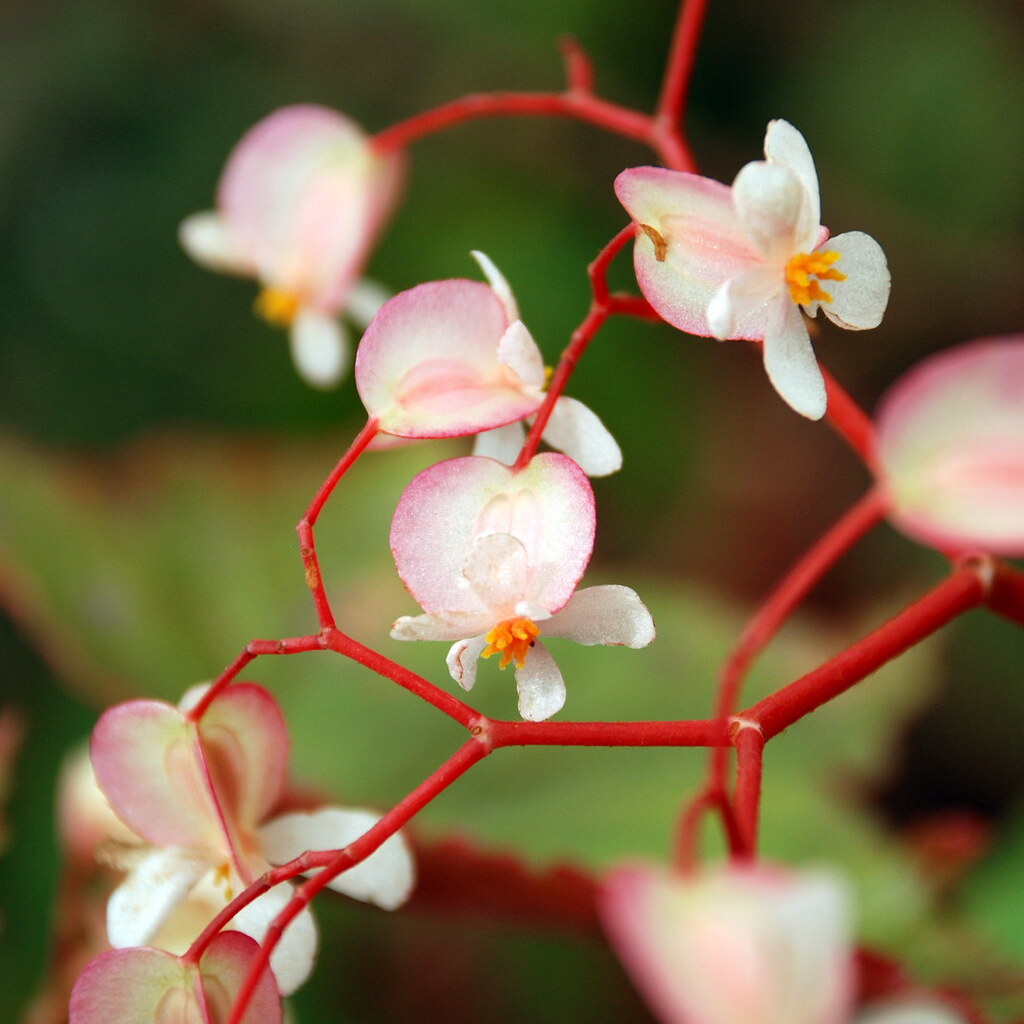
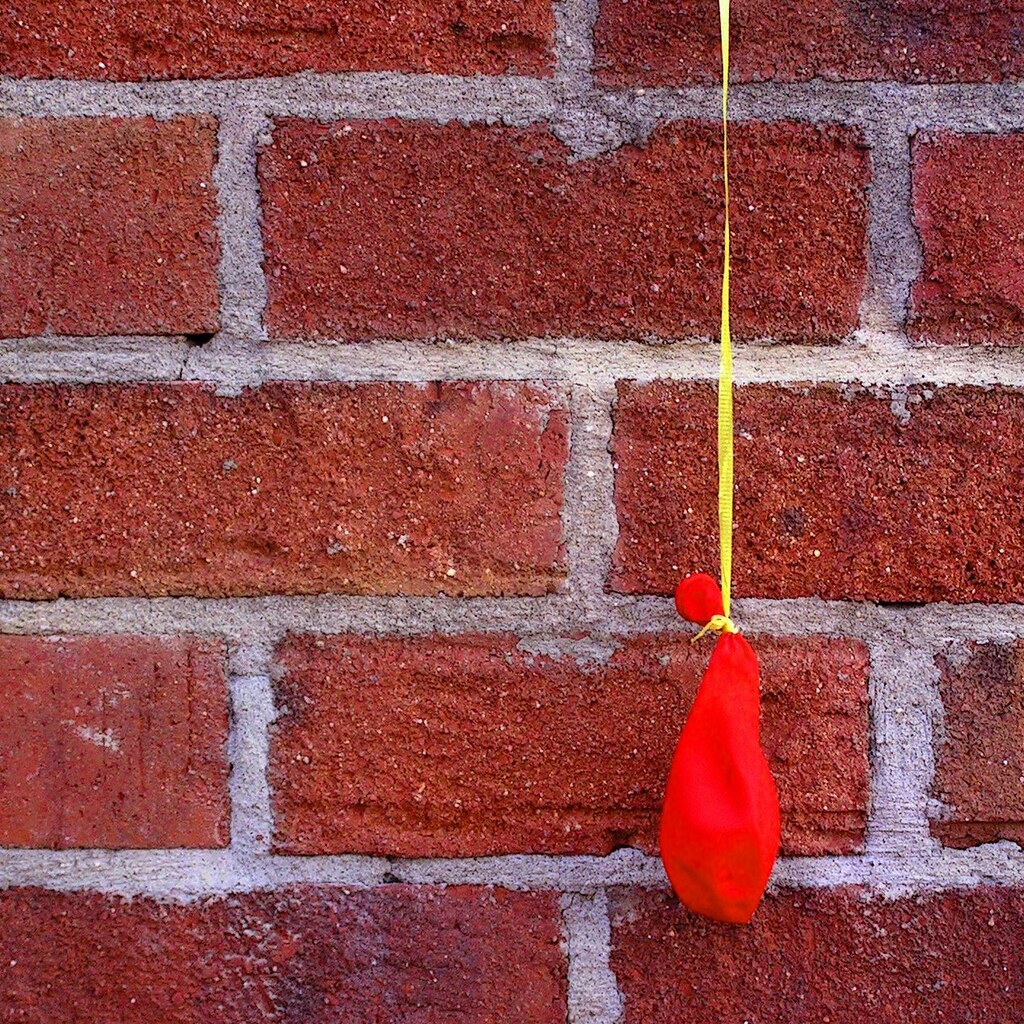
Something is delicate if it has fine detail, or is fragile. A color or flavor is delicate if there is only the barest hint of it.

Something is delicious if it smells or tastes really, really good. People would describe something as delicious if they really enjoyed eating it.

Dis forDemolish

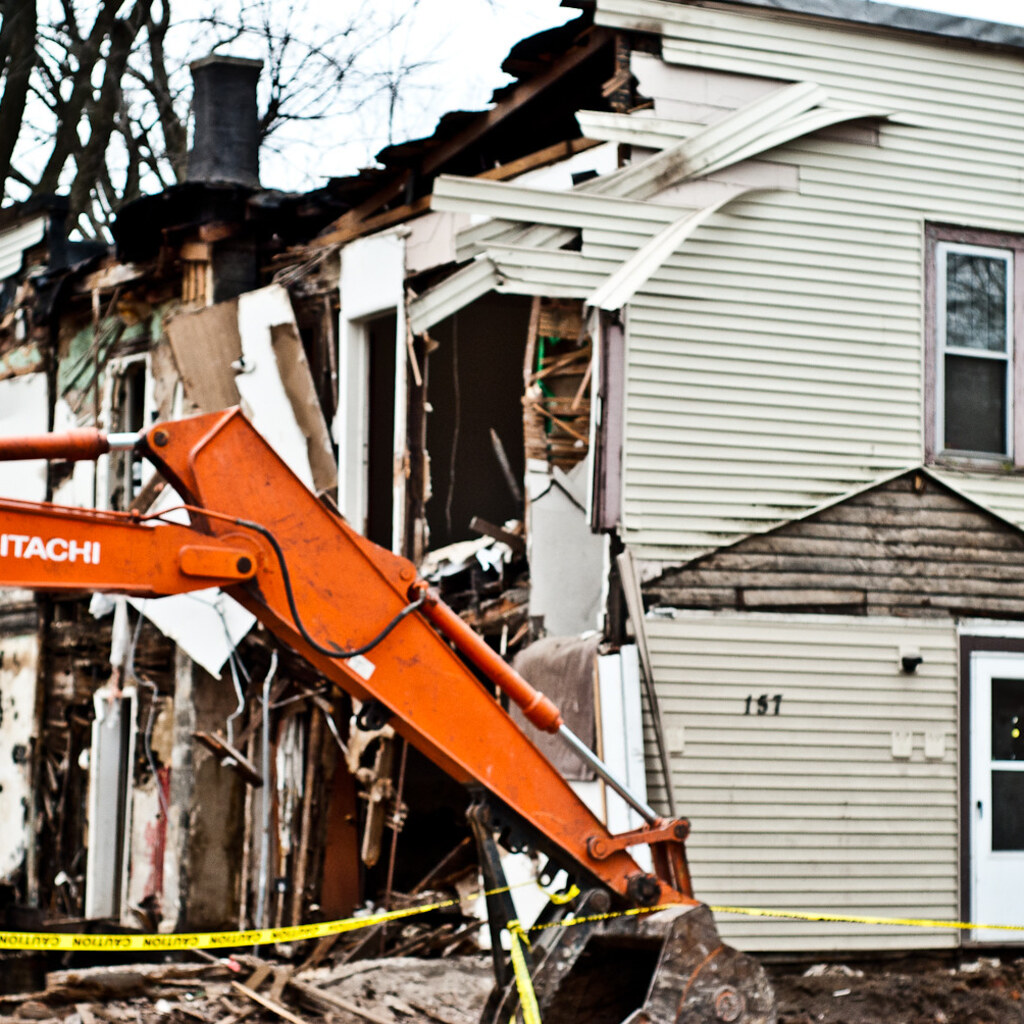
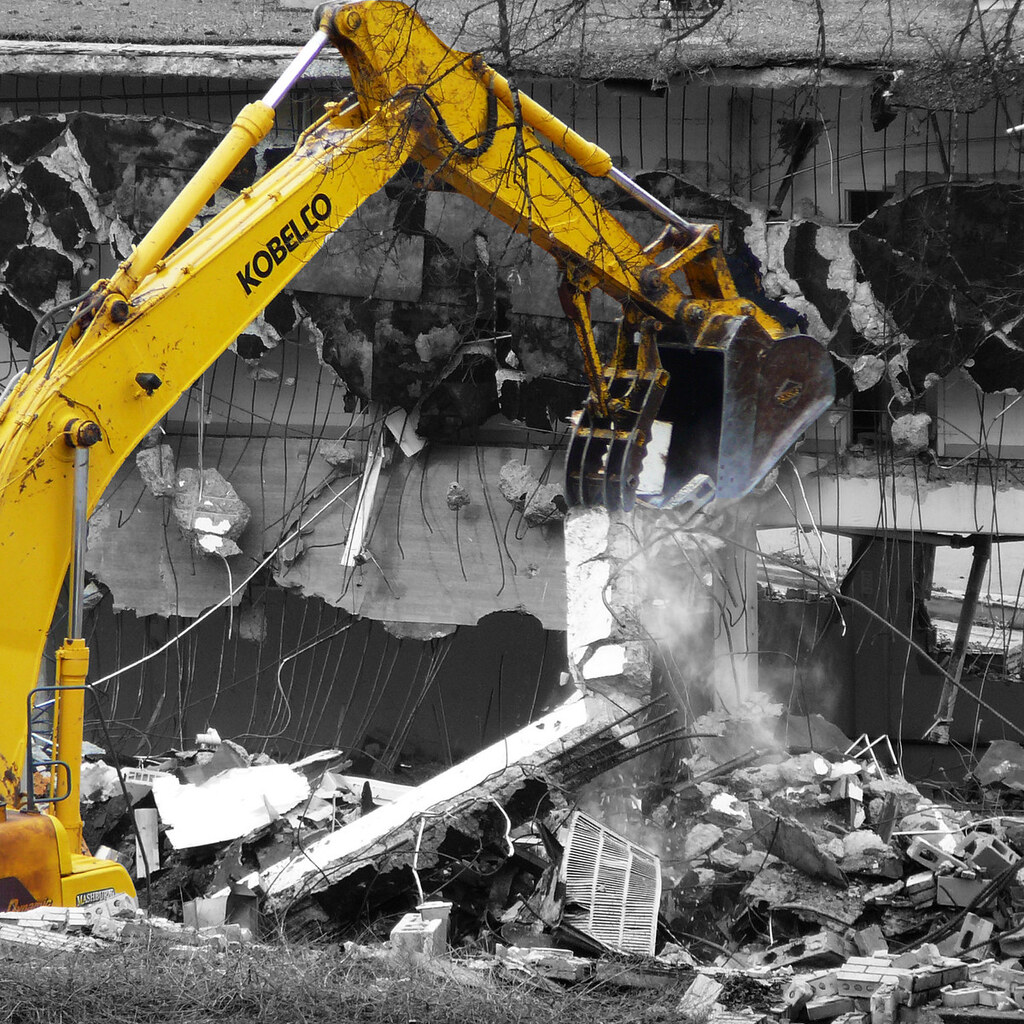
You demolish something when you take it apart until there is nothing left.

When you say demolish, you usually mean a building being demolished.

Dis forDense

Something is dense if the parts that make it up are very close together. For example, the bamboo forest in the picture is very dense. Materials that are very dense are typically heavier, for example the same volume of lead is heavier than wood.
The opposite of dense is sparse.

Dis forDestroy

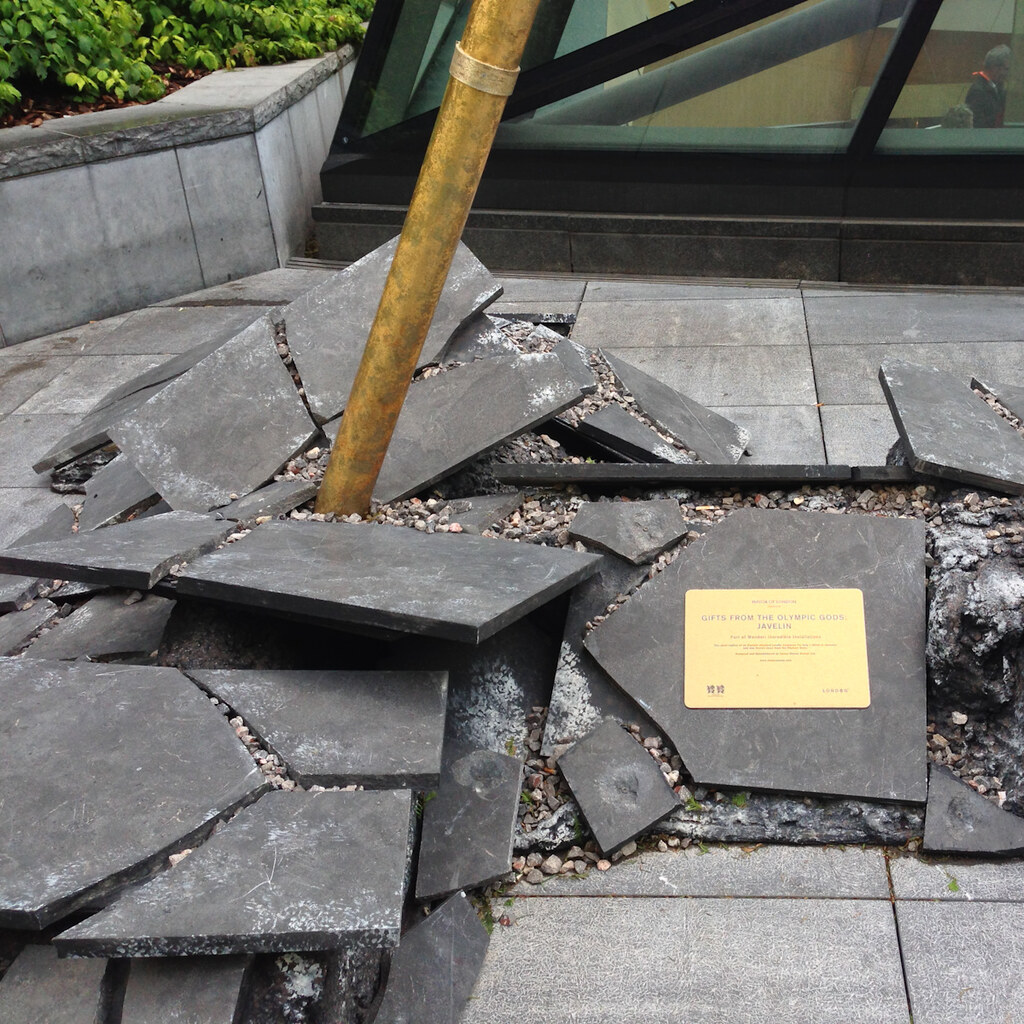
You destroy something when you damage it so badly it is completely useless. You can destroy something by smashing it into tiny pieces, burning it or by dissolving it.
Destroyed is the past tense of destroy.
Destruction is the act of destroying or demolishing something. It might also be used to describe the remains left once something has been destroyed.

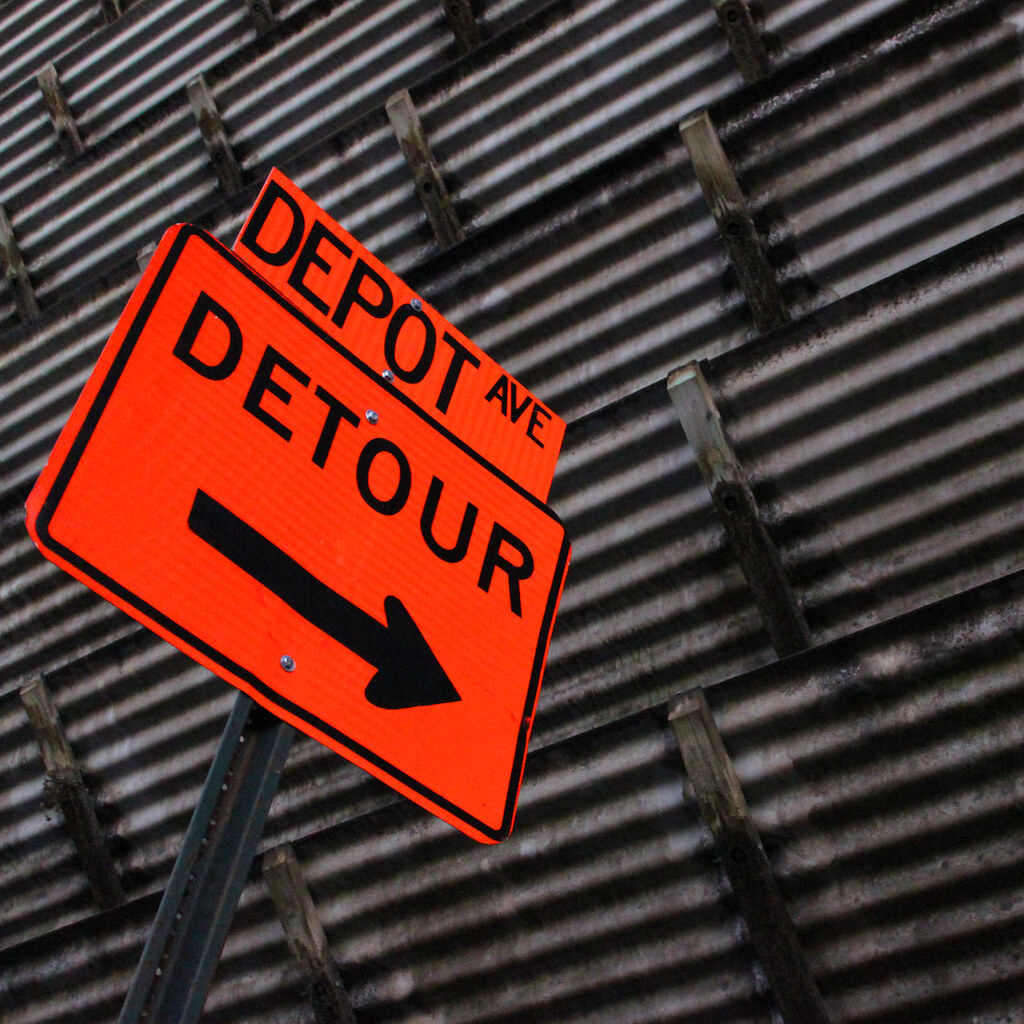
Dis forDetour

A detour is a path taken that goes out of the way of your usual path. Detours are usually set up when there is some obstacle and there needs to be a way around it.
Used as a verb, it simply means you are taking a detour, for example "I am going to detour past the shops on my way home".
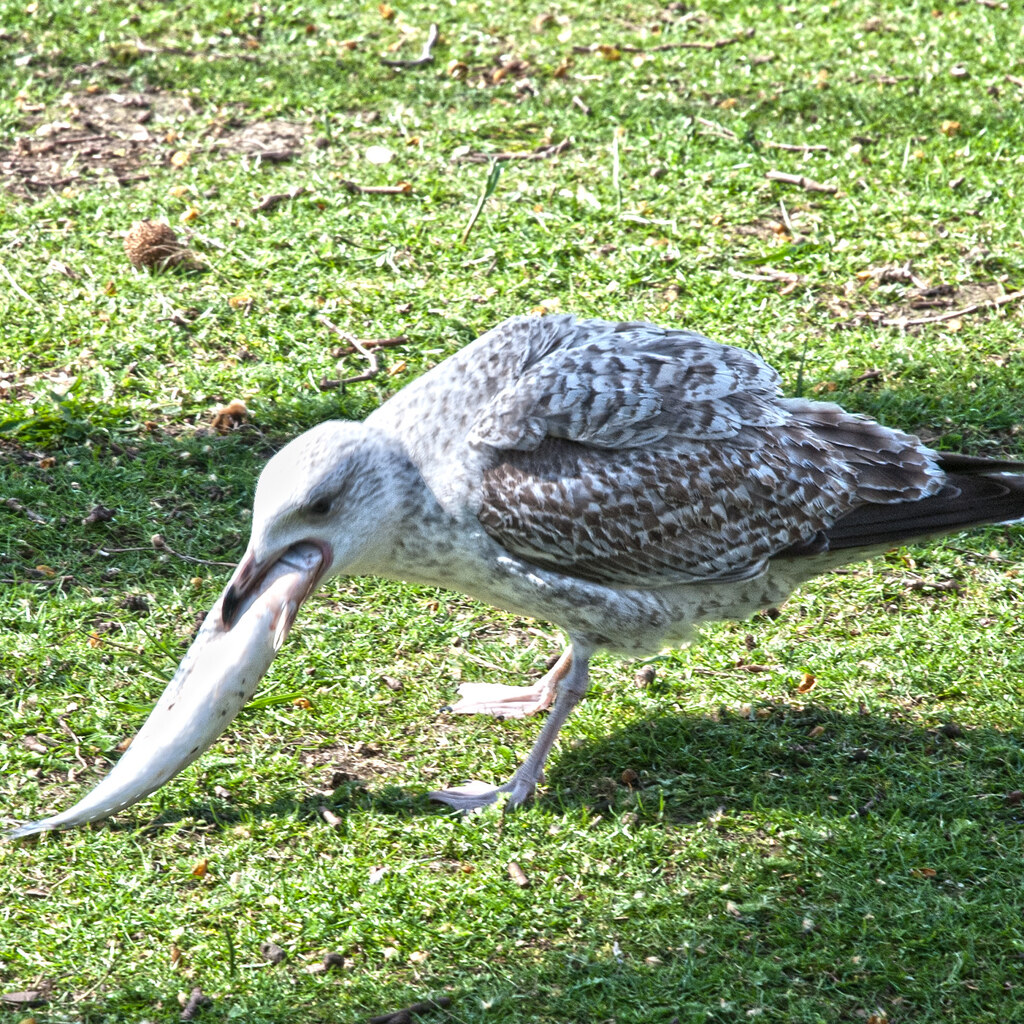

Dis forDevour

Devour means to eat or consume something aggressively or greedily. For example, the hungry lions in the picture are devouring a boar.

Dis forDiagonal

A line is diagonal if it is not straight up and down relative to things around it, or not horizontal or vertical. Diagonal lines are at an angle.
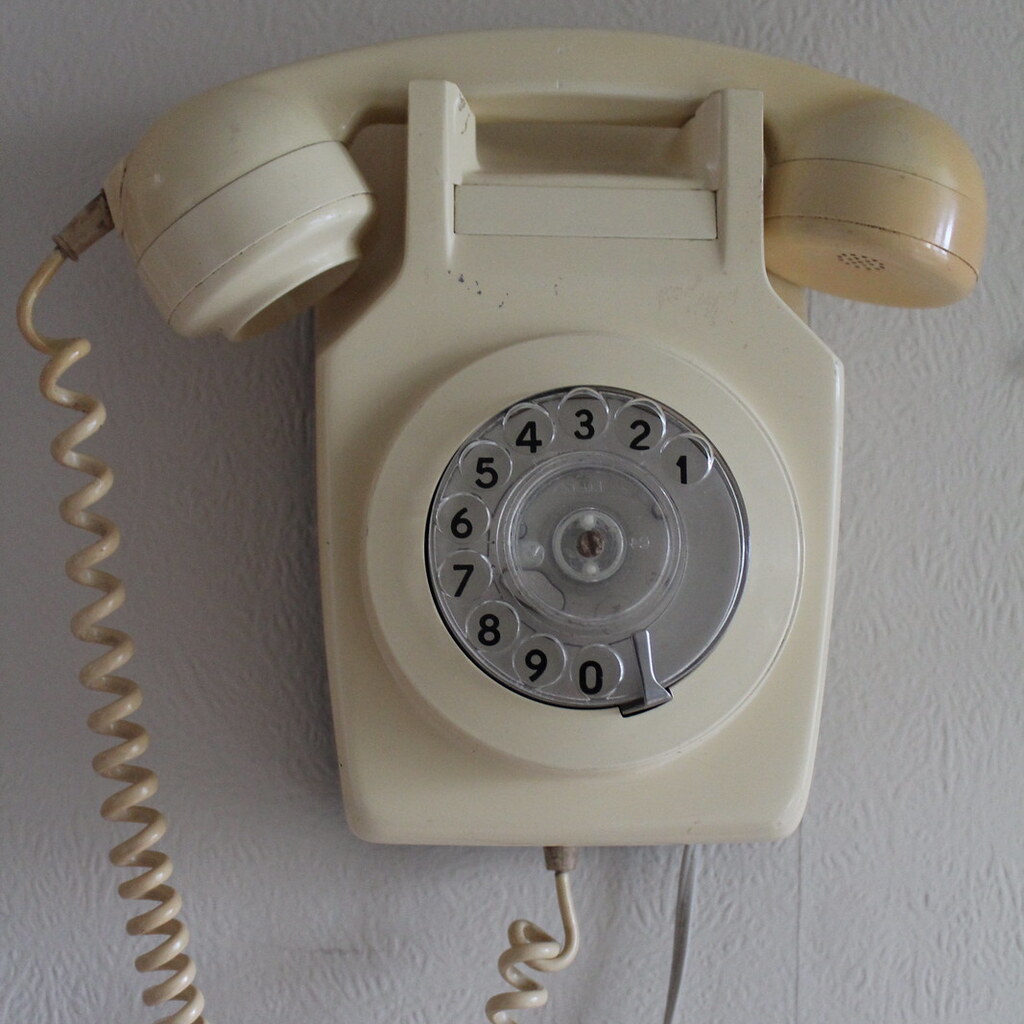
Dis forDial

A dial is a round device that is marked with letters or numbers. They are most commonly seen on older phones.
Used as a verb, dial means the process of calling someone on a phone, for example "I am dialling your number".
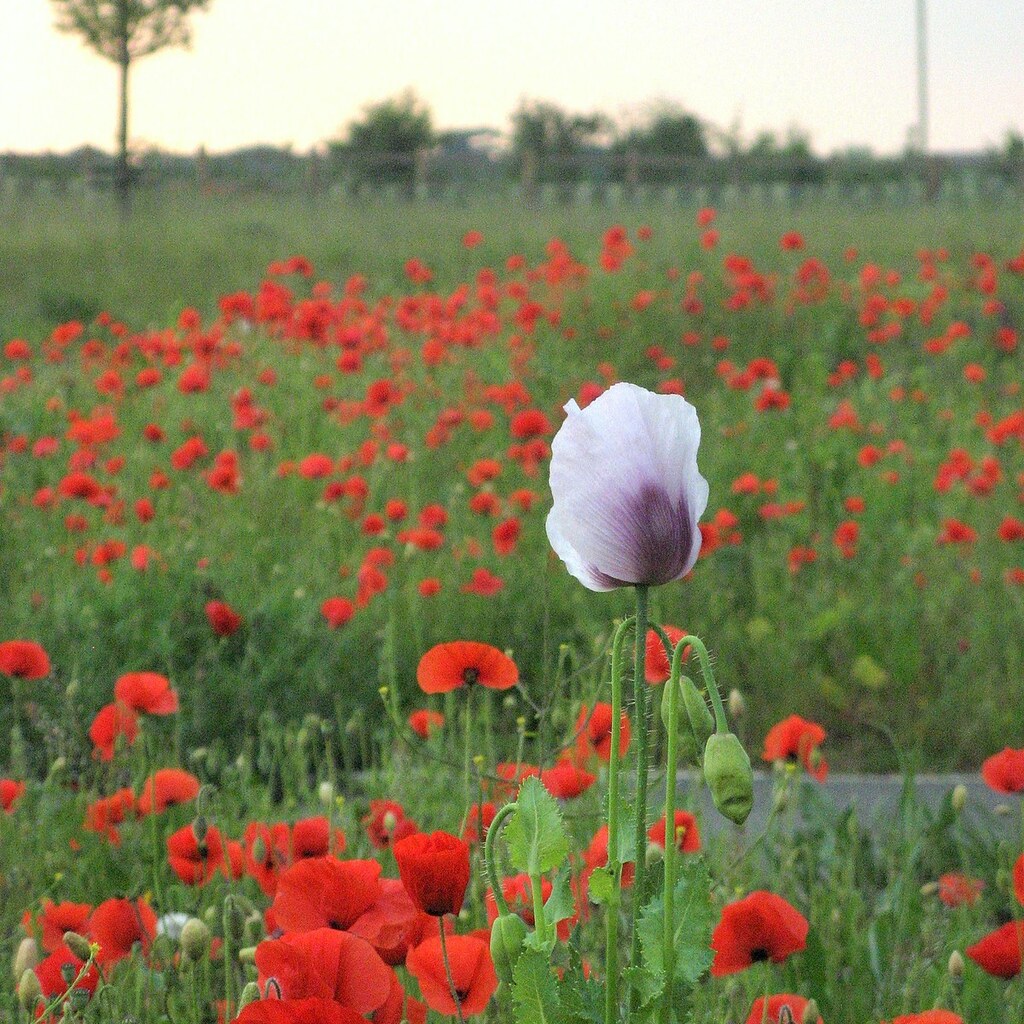
Two things are different if they are not like each other, or can very easily be told apart. The purple flower in the picture is very different to all the red ones.
The opposite of different is similar.
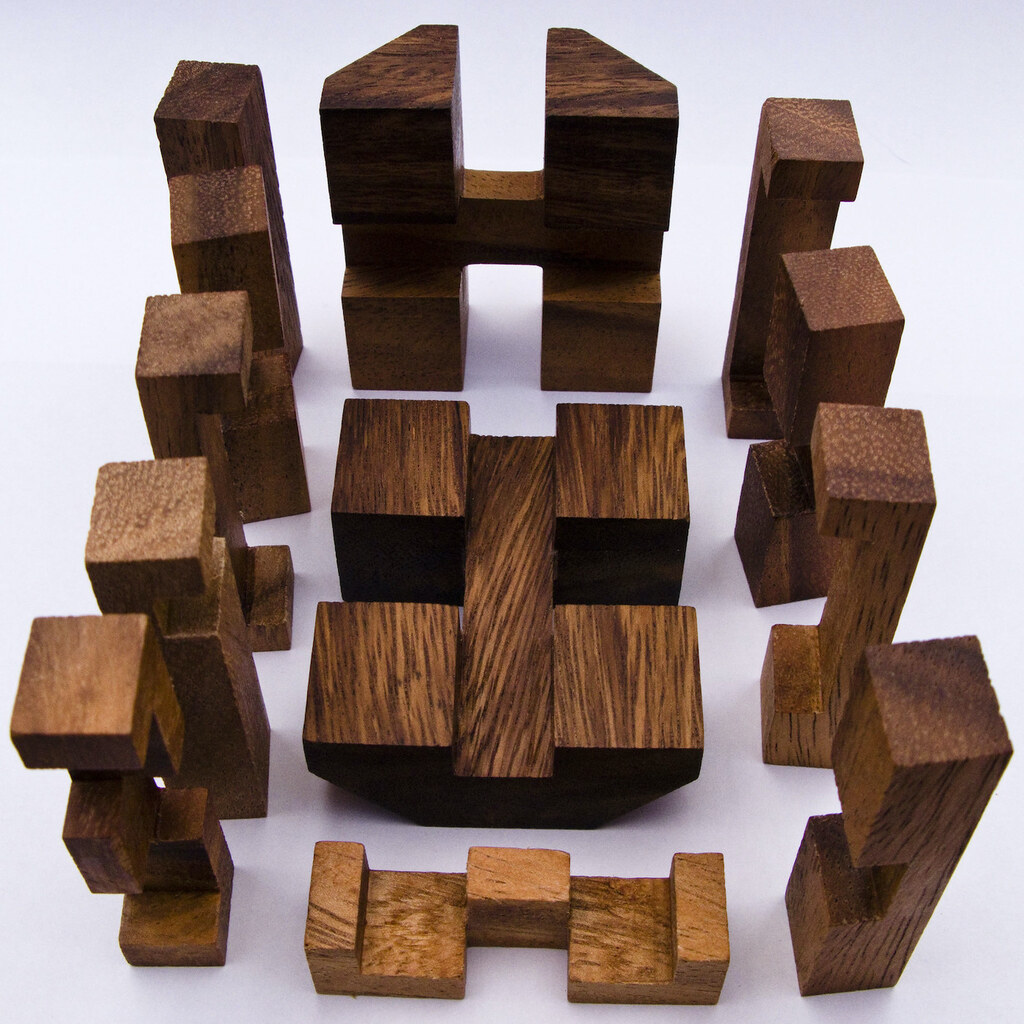
Something is difficult if it is complicated and takes some skill to achieve.
The picture is of a difficult puzzle.
Dis forDig

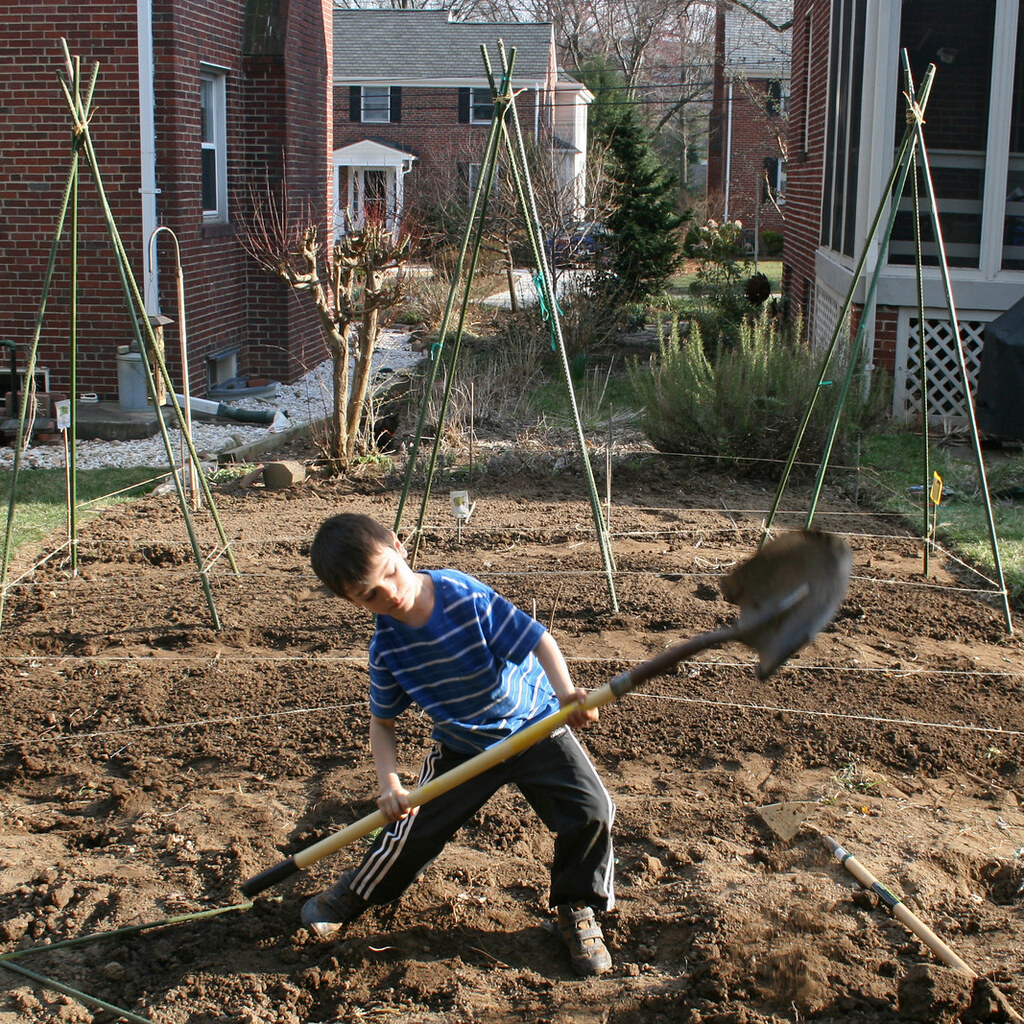
Digging is where you use a spade or your hands (or your paws if you are a dog) to move sand or dirt around. Usually you dig to make a hole.
The boy in the picture is helping to dig a vegetable garden.
The past tense of dig is dug.

Dis forDilate

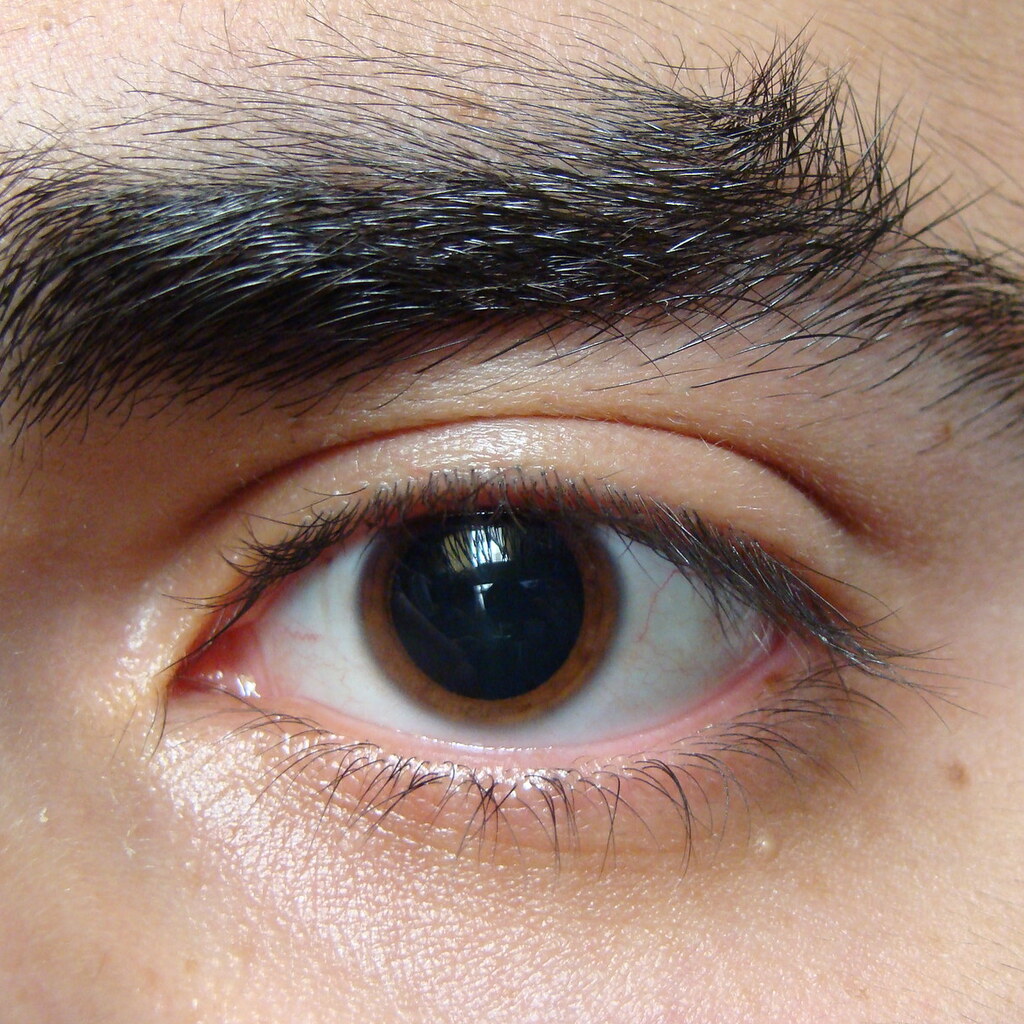
You dilate something when you make it bigger or wider. The eye in the picture is dilated.
Dis forDilated

Something is dilated if it has become bigger or wider. The eye in the picture is dilated.
Dis forDim

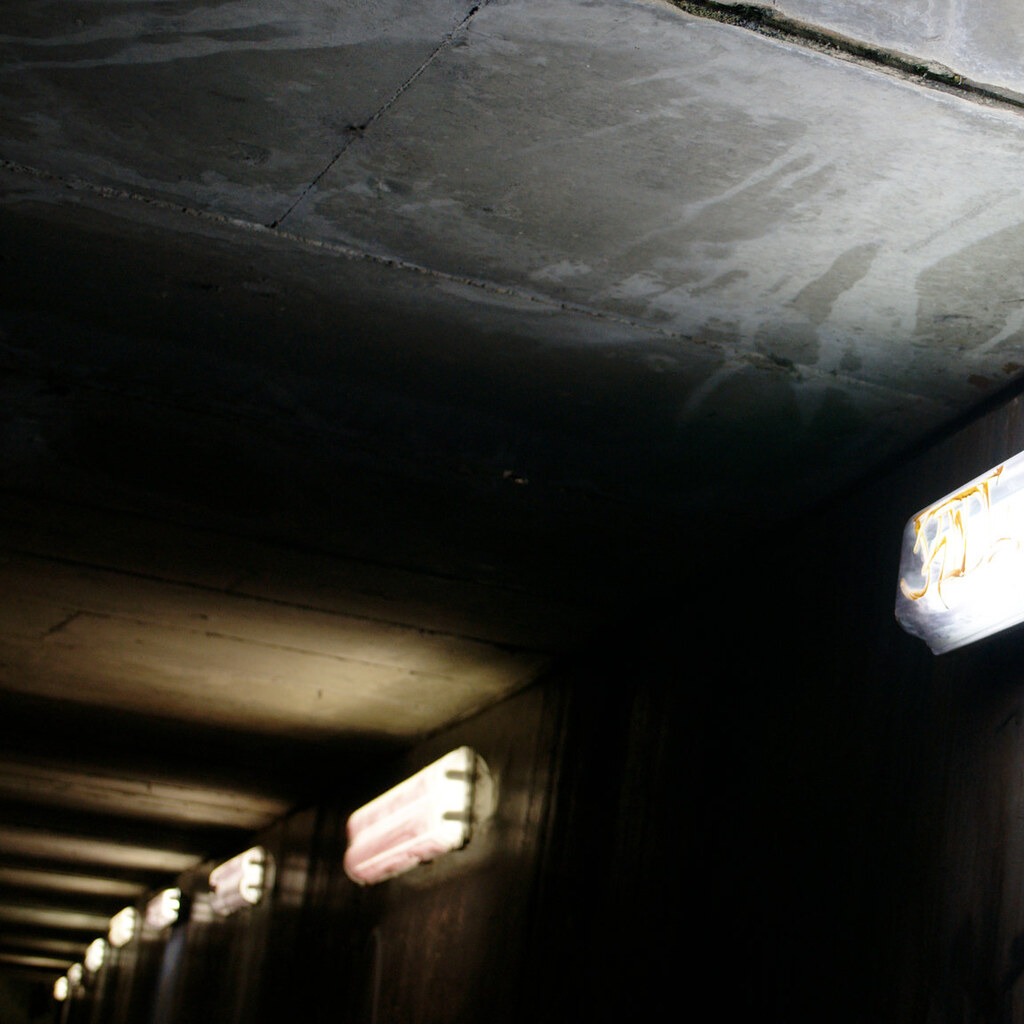
A light is described as dim if it is not very bright. A room that is only dimly lit is also described as dim. The lights in the picture are dim.
The opposite of dim is well lit or bright.
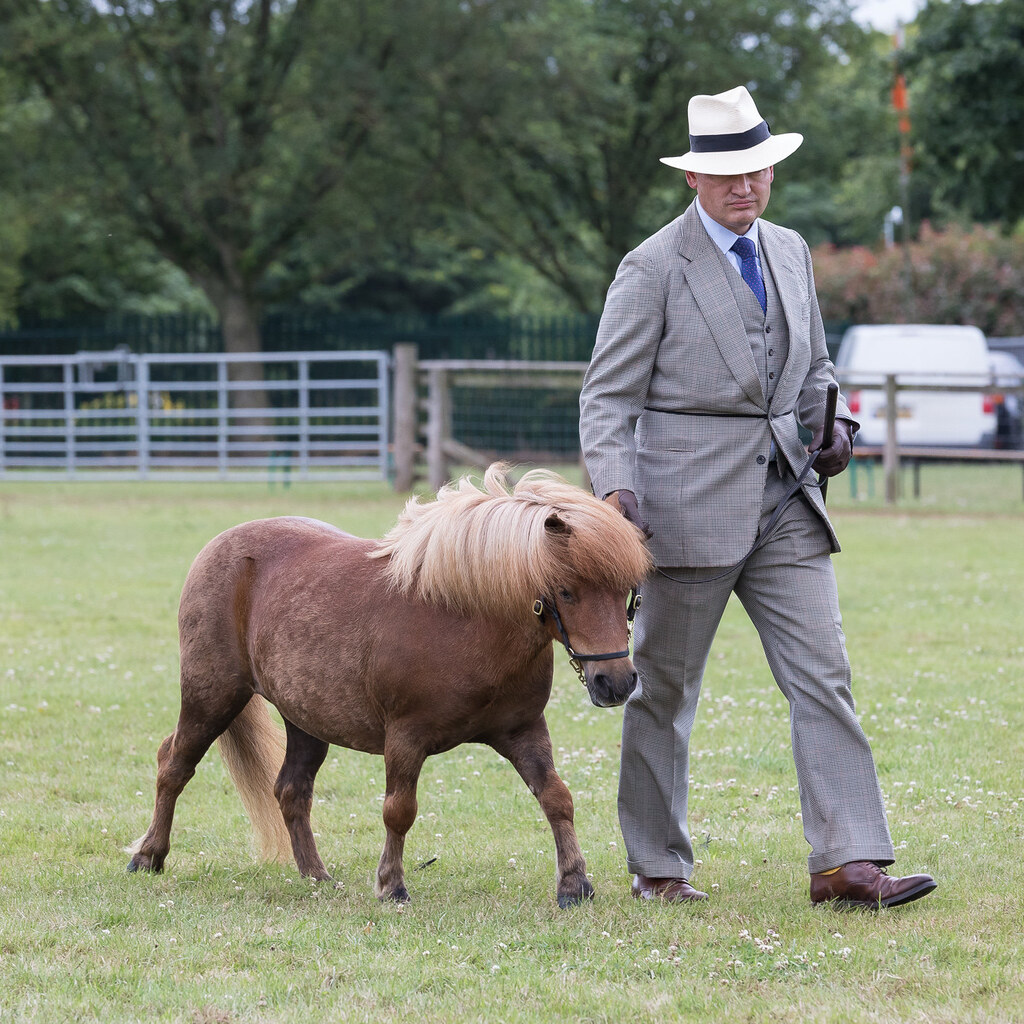
Diminutive means something small or lesser in size or importance. It can also mean using a shorter or softer form of a word.

You often see diminutives in names, like "Cassie" instead of "Cassandra."
Dis forDine

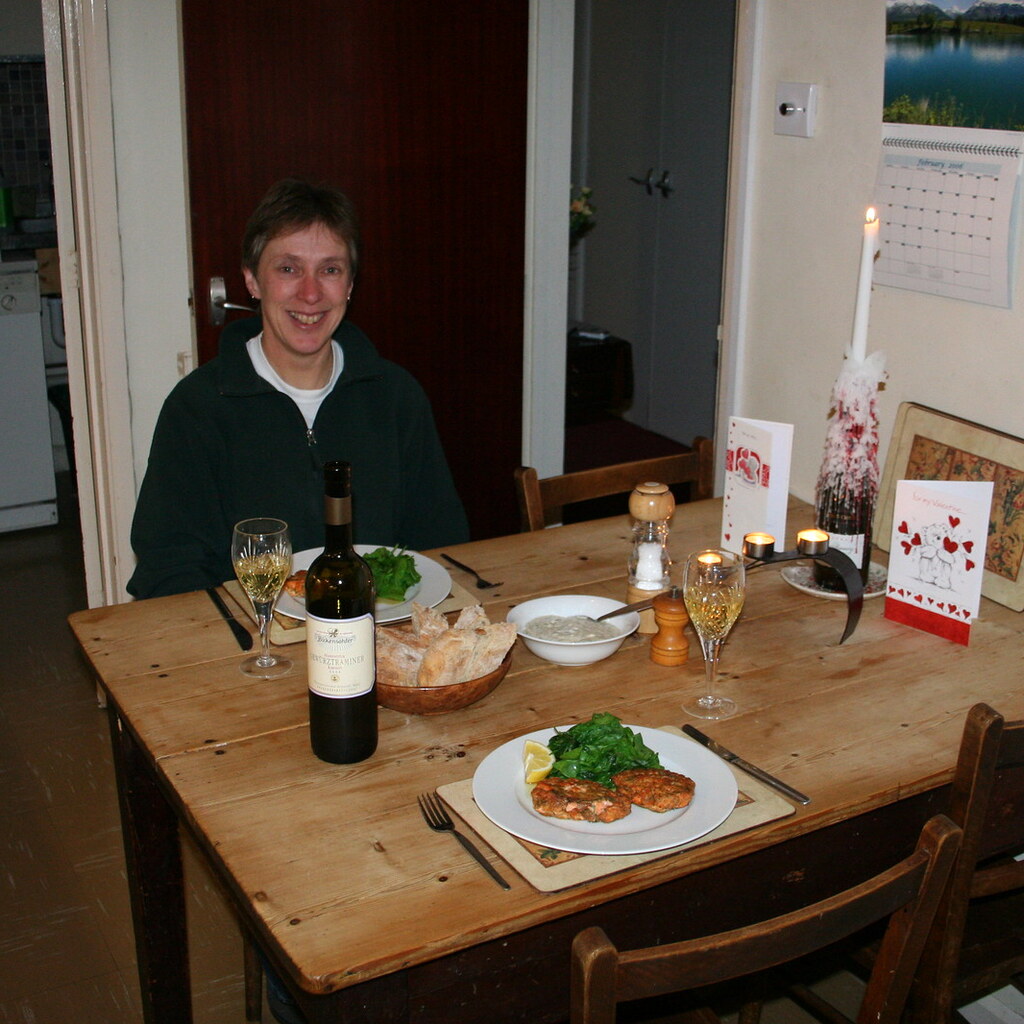
To dine simply means to eat your main meal of the day, usually dinner.
It is most often used when you are talking about eating out at a restaurant.

Dis forDined

Dined is the past tense of dine, for example "we dined on lobster last night".