Words about words

Linguistic and grammatical words.

Subcategories: Abstract Nouns (9), Adjectives (842), Adverbs (29), Conjunctions (33), Interjections (10), Past tense (209), Plural (47), Prepositions (56), Pronouns (65), Punctuation (9), Verbs (743)

Showing 261-280 of 1110

1 word is below your SafeSearch level and not shown.
Dis forDip

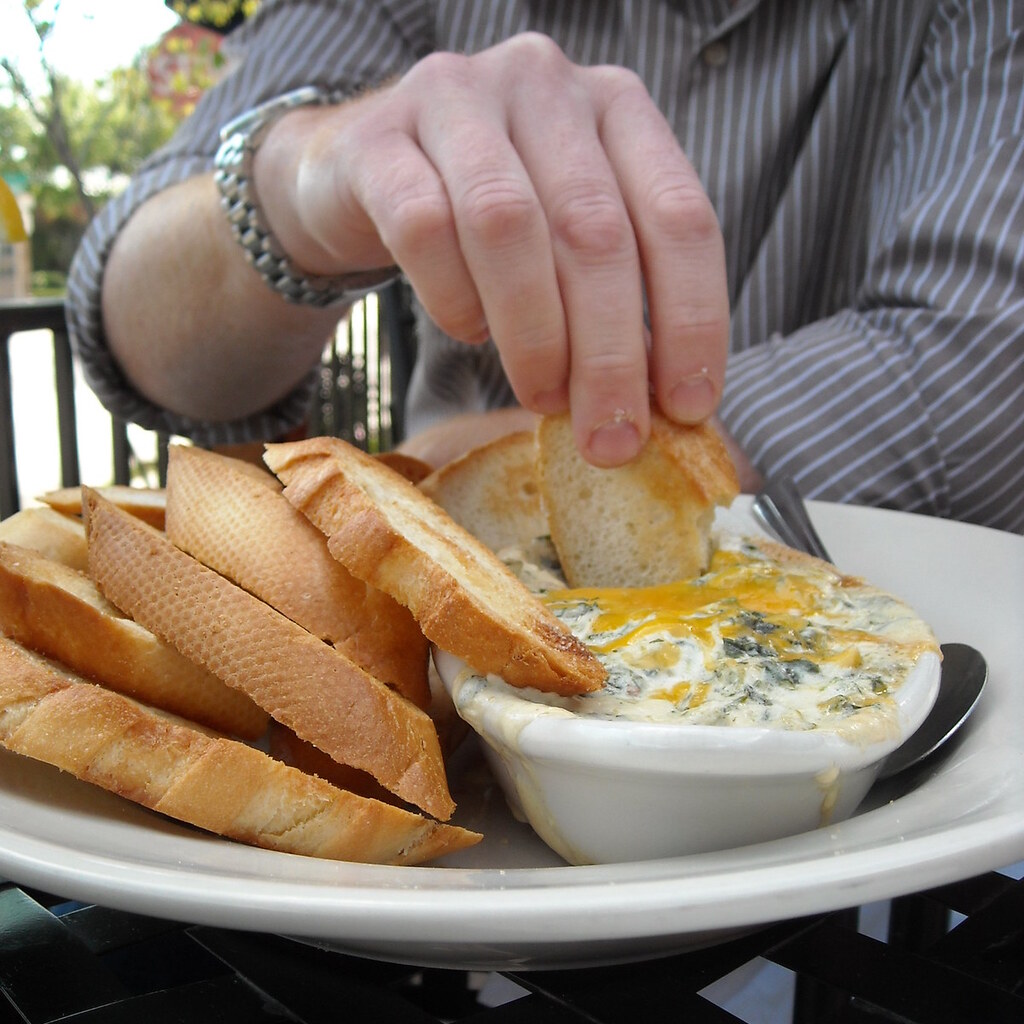
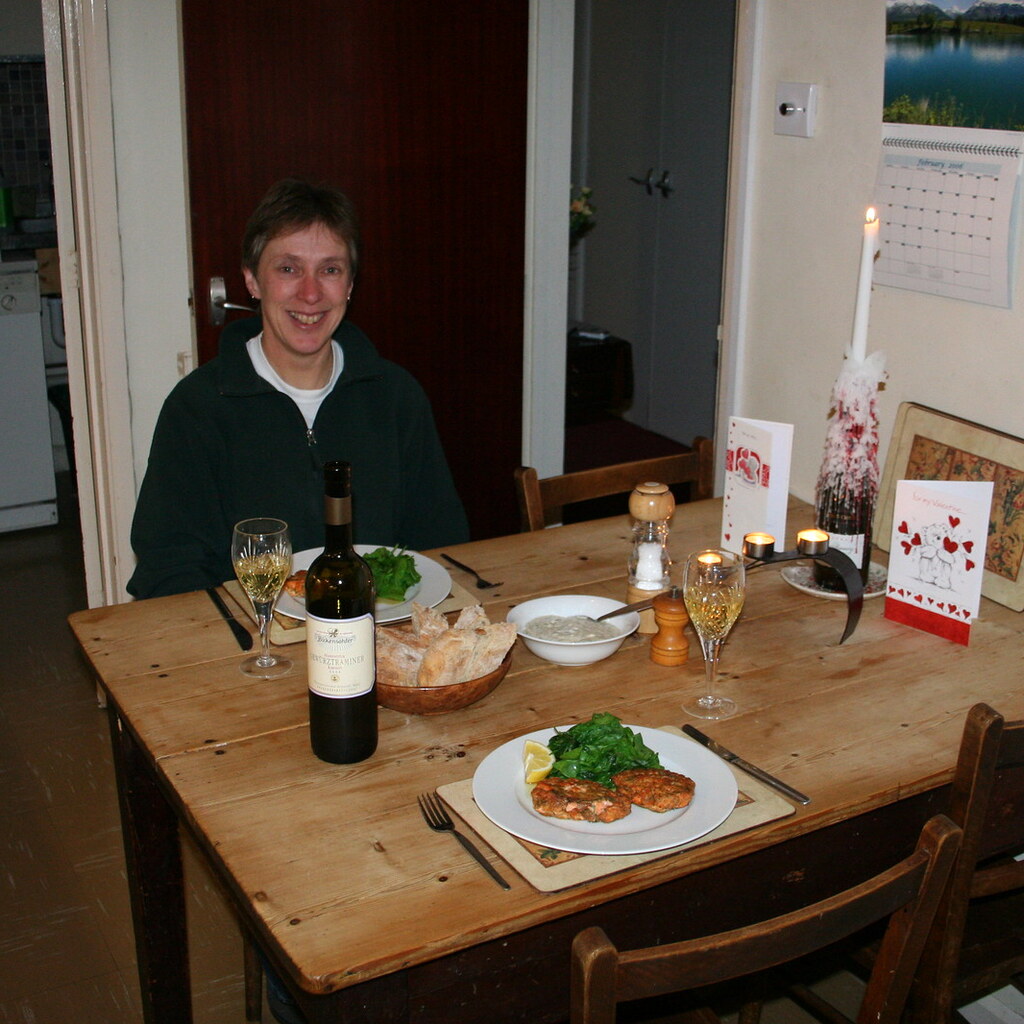
A dip can be one of many things. As a verb, you dip something by lowering it briefly into a liquid, for example the person in the picture is dipping some bread. The semi-liquid food he is dipping the bread into is also called a dip. Dips are very tasty, can be made from virtually anything, and are usually served with some kind of bread. Many dips are made with a yoghurt base.
A dip is also a shallow dent or depression in the ground, often seen where a drain crosses a road.

Dis forDipped

Dipped is the past tense of dip.

Dis forDirty

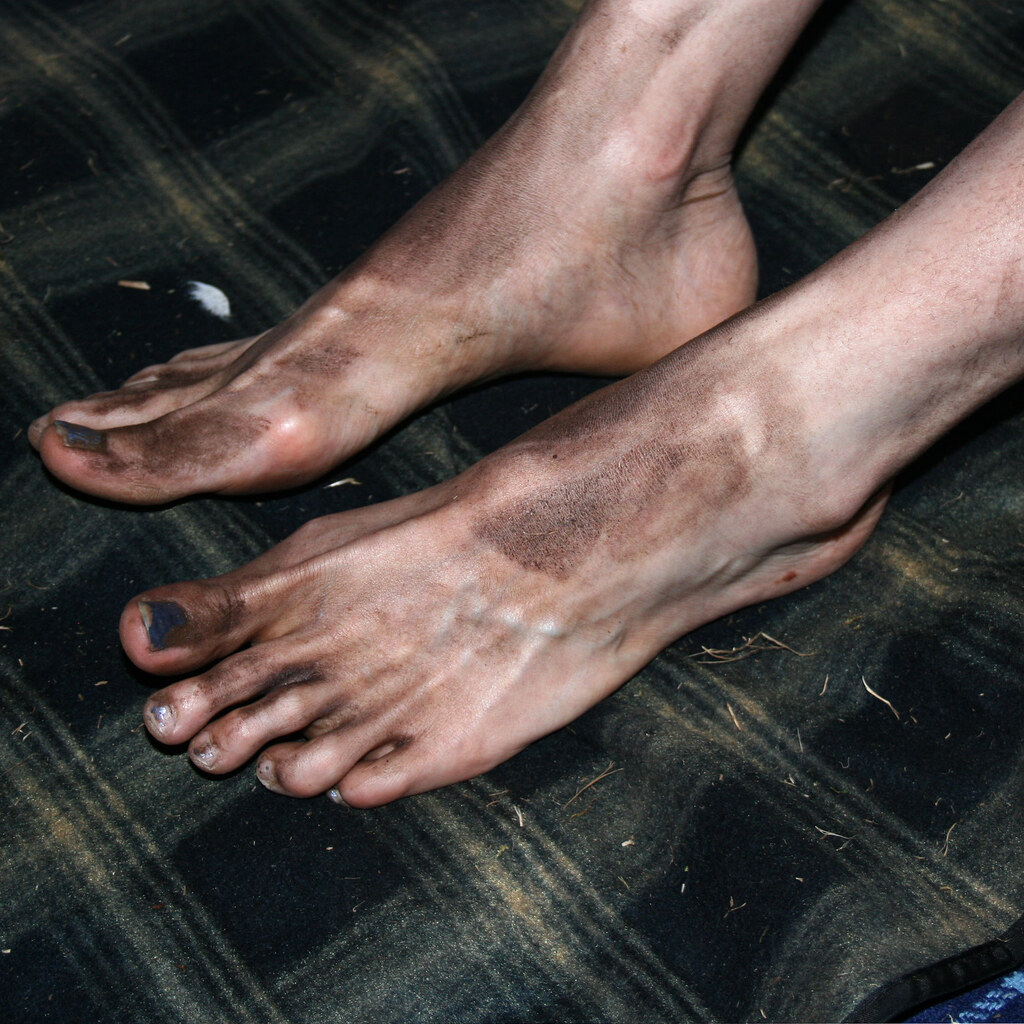
Something is dirty if it needs to be washed. Things that are dirty often smell bad, and look bad because they have dirt, grease or other stains on them that shouldn't be there.
The person in the picture has very dirty feet.
Something disappears when it suddenly changes from you being able to see it to not being able to see it. The man in the picture has disappeared and only left his clothes behind.
A similar word to disappear is vanish.
The opposite of disappear is appear.
You are disappointed when something you expected or wanted doesn't happen. People might get disappointed that the last slice of cake was taken before they got a chance to have some.
When you become a little sad because something doesn't work out the way you thought it would, you are disappointed.

Dis forDiscuss

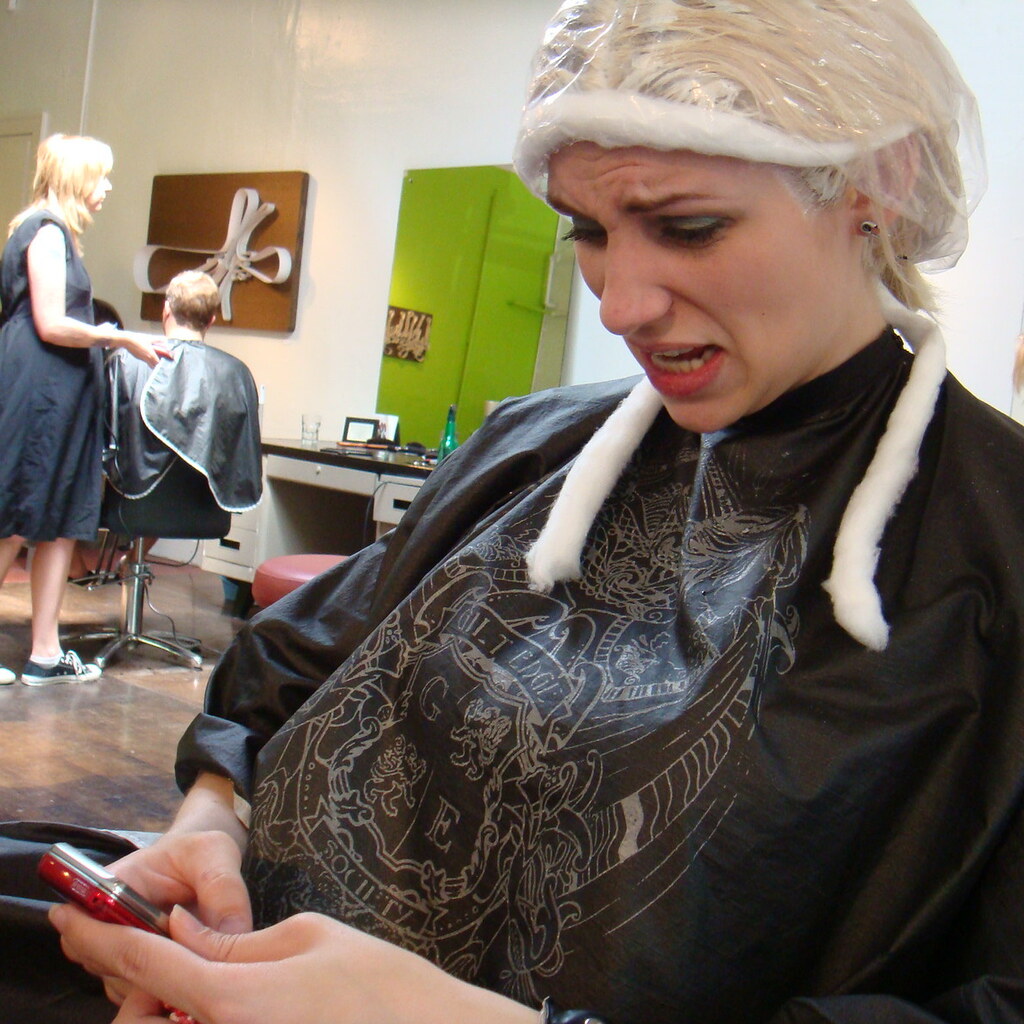
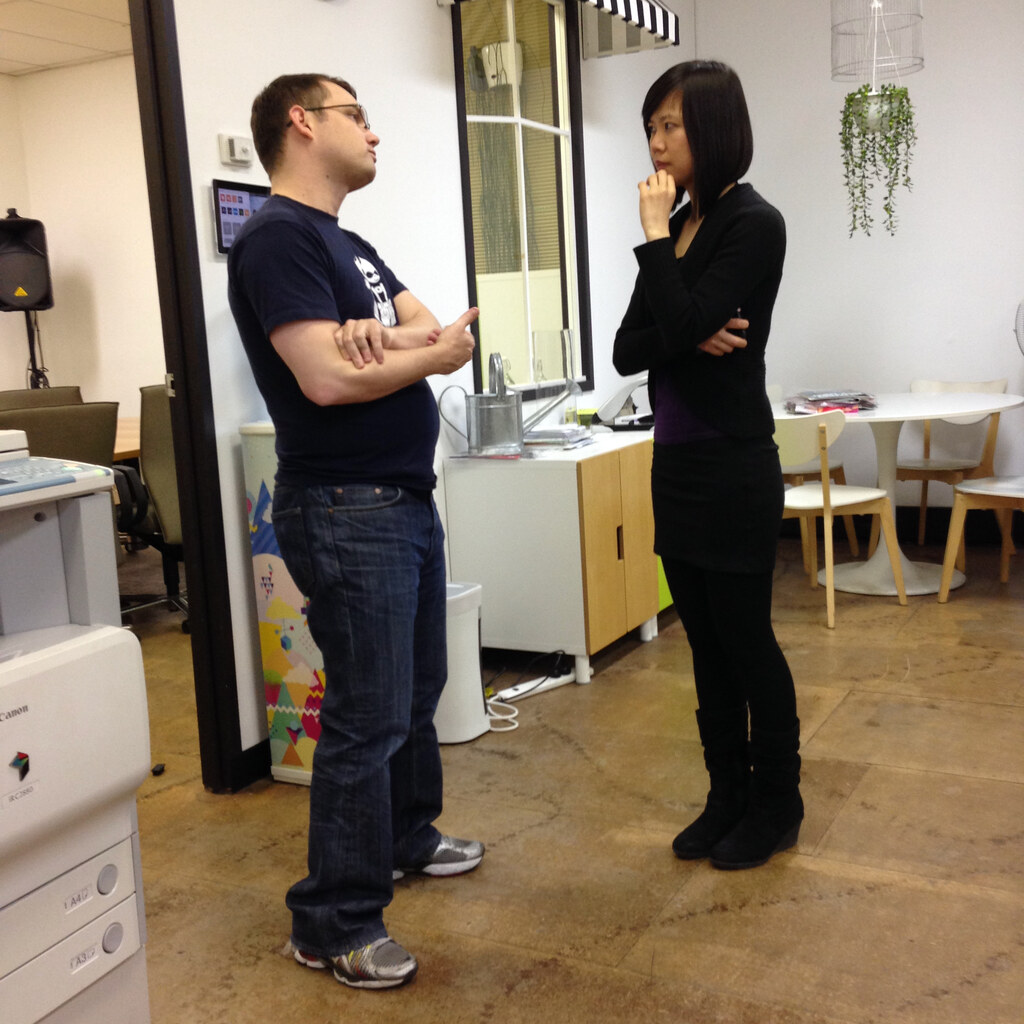
A discussion is a way for two or more people to talk to each other about something specific. People often discuss a problem as part of the process for finding a solution.
Discussed is the past tense of discuss.
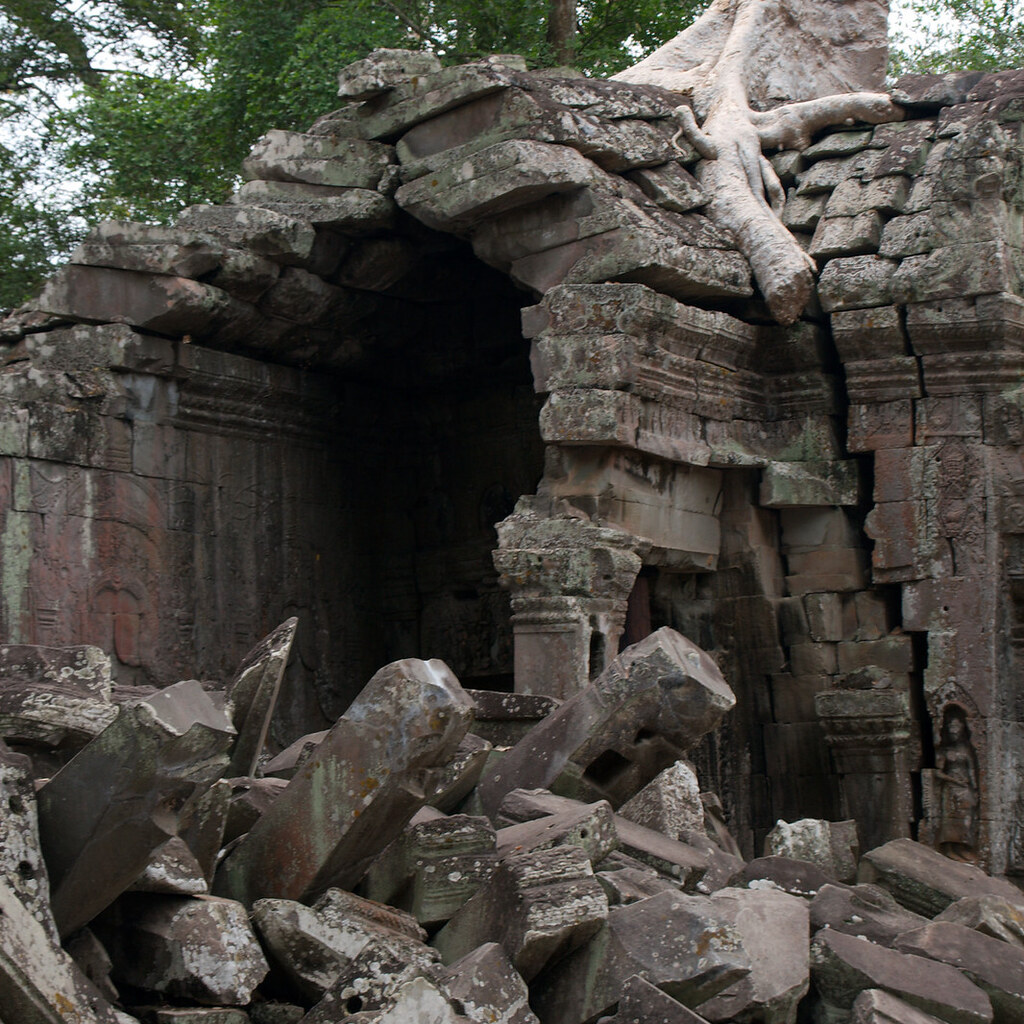
Something disintegrates when it breaks down into the components it was made from, or just breaks into small pieces. The building in the picture is slowly disintegrating.

Dis forDismiss

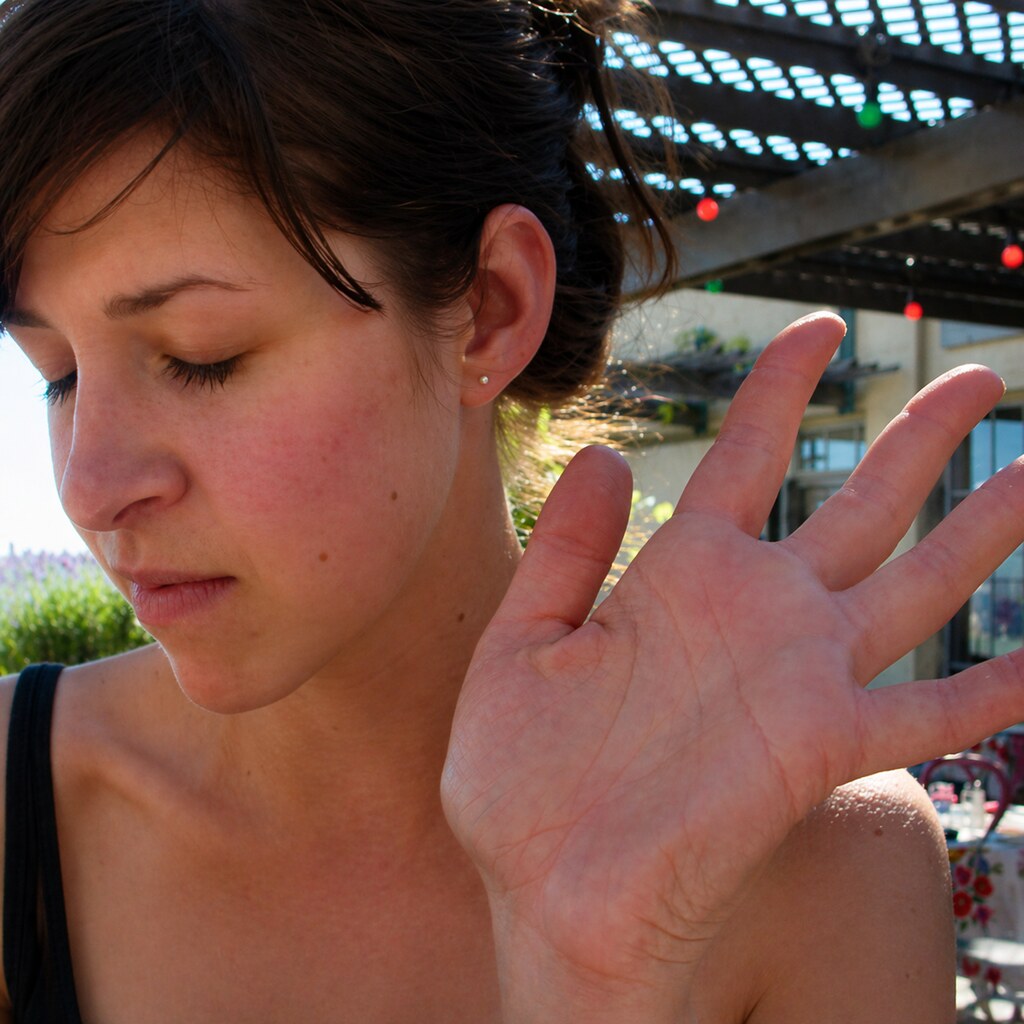
You dismiss someone when you let them go away from you.
Dis forDismount

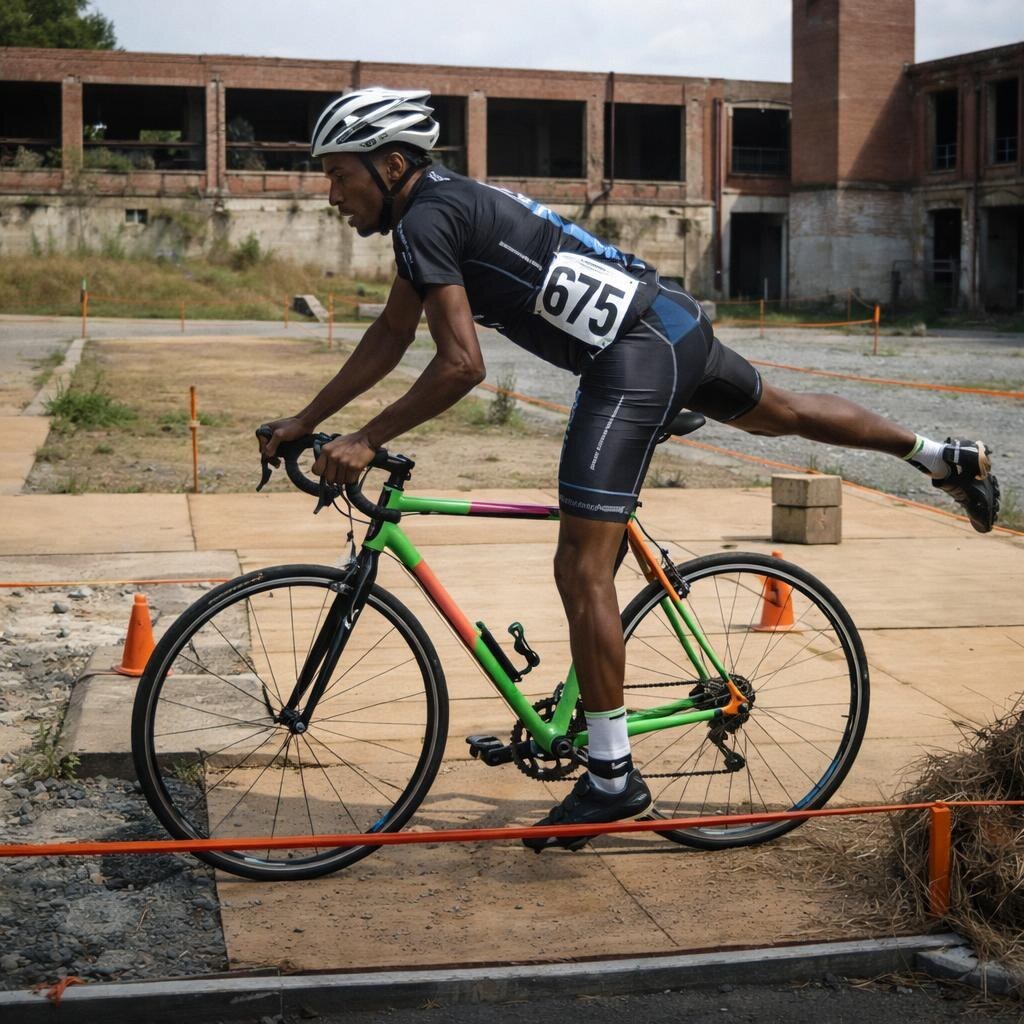
You dismount something when you get off of it. The man in the picture is dismounting from his bicycle.
The opposite of dismount is mount.

Dis forDisobey

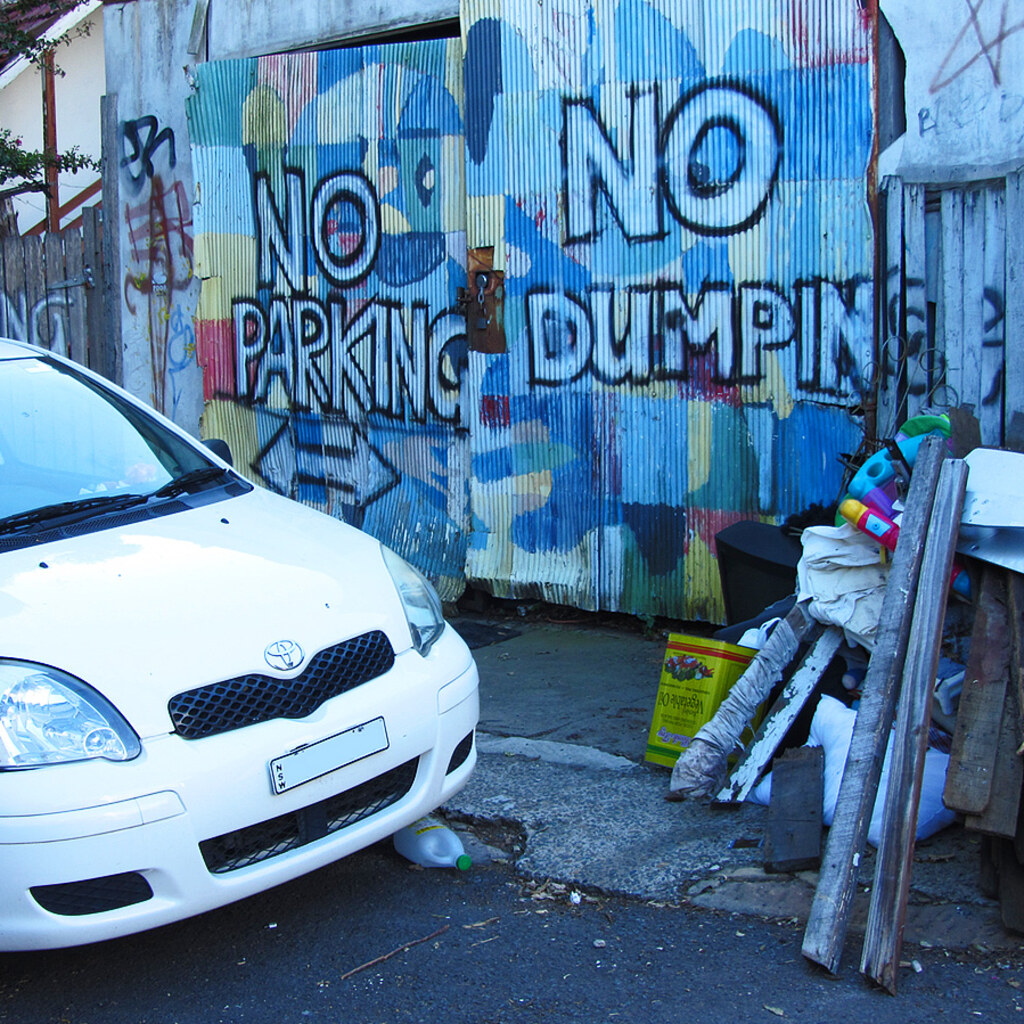
You disobey when you deliberately don't do what you are told.
The photo is of someone parking in front of a no parking sign, and some rubbish dumped in front of a no dumping sign.
The opposite of disobey is obey.

Dis forDisperse

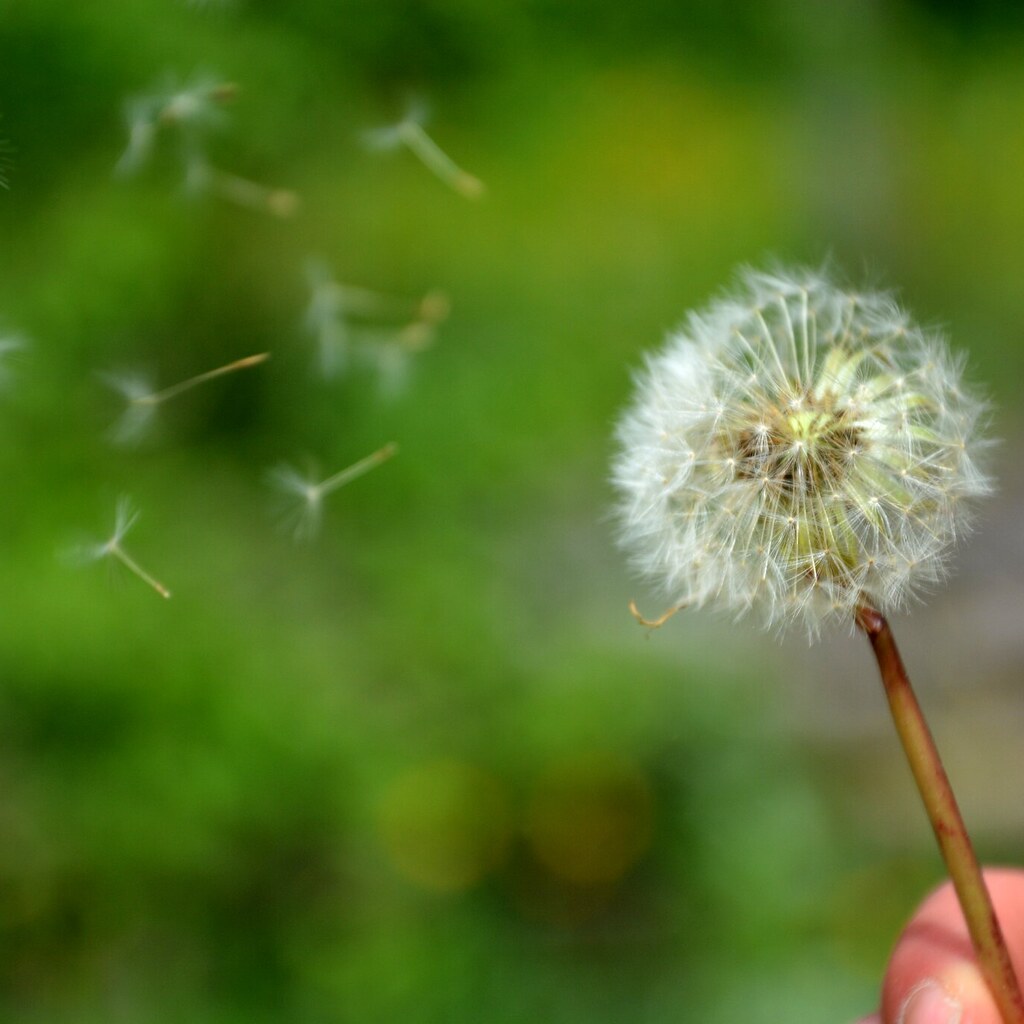
A group of things disperse when they all go in different directions, away from each other, and spread out. Many plants disperse their seeds on the wind.
A similar word to disperse is scatter.

Dis forDistant

Something is distant if it is a long way away from you. Something can be distant in terms of physical distance or time, for example "her childhood was a distant memory".
Dis forDistort

Distort means to change the shape, look, or meaning of something so it is not correct. For example, a funhouse mirror can distort your face.

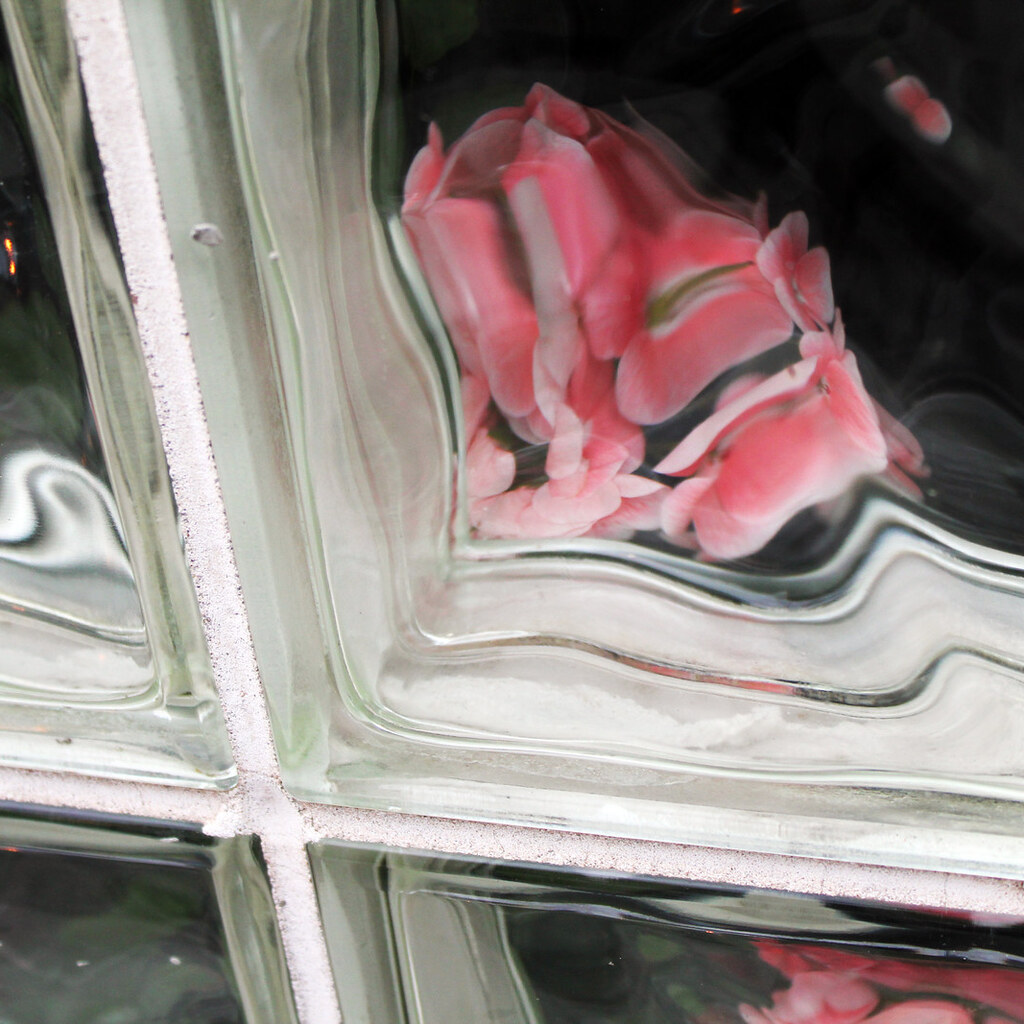
The glass blocks in the picture are distorting the things on the other side.
Something is distorted if it's shape has been changed from what it should be. Something can just look distorted, like the flowers behind the warped glass in the window in the picture, or it can be physically distorted.

Dis forDive

Diving is a sport where you jump into the water, usually from a small platform. Some people dive in so they can start swimming faster. Sometimes people have the diving board set up really high so between jumping off and landing in the water they have time to do lots of acrobatic twists and turns.
Usually when you dive into the water, you want to make as small a splash as possible.

Dis forDoff

Doff means to remove an item of clothing, but is most commonly meant to take off your hat or tip your hat as a greeting.

Dis forDomestic

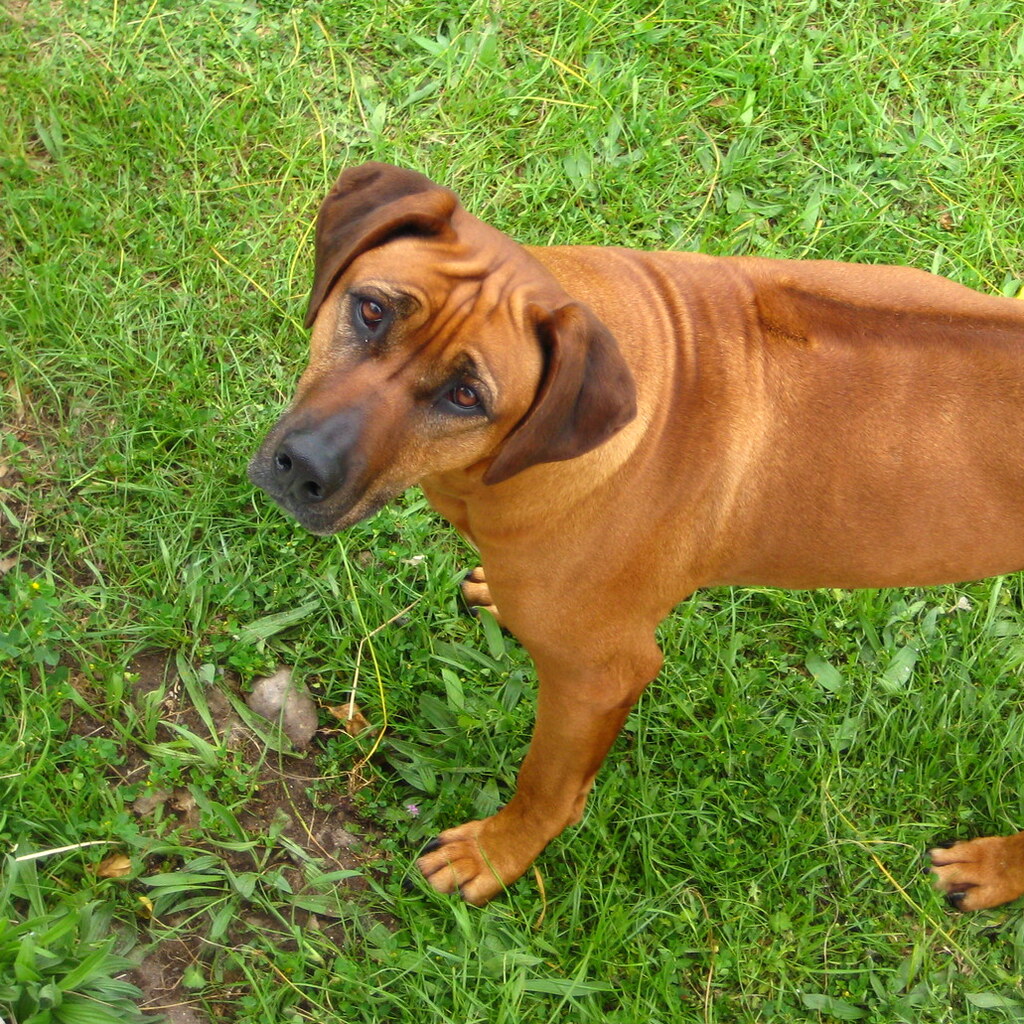
Something is domestic if it relates to house and home. An animal is domestic if it is tame or has been bred to serve people somehow.
The opposite of domestic is industrial. The opposite of tame is wild.
Domestication, sometimes called taming, is the process of changing a breed of plants or animals so that it suits the needs of humans better. Most farm animals and pets are domesticated, as are a lot of backyard plants and crops grown for food.
A breed of plants or animals is changed by a process called selection, where only the most suitable members are allowed to breed, so that the features humans want are passed on to the next generation.