Words about words

Linguistic and grammatical words.

Subcategories: Abstract Nouns (116), Adjectives (889), Adverbs (37), Conjunctions (33), Interjections (11), Past tense (211), Plural (48), Prepositions (56), Pronouns (65), Verbs (794)

Showing 1081-1100 of 1133

1 word is below your SafeSearch level and not shown.
W is for Weigh

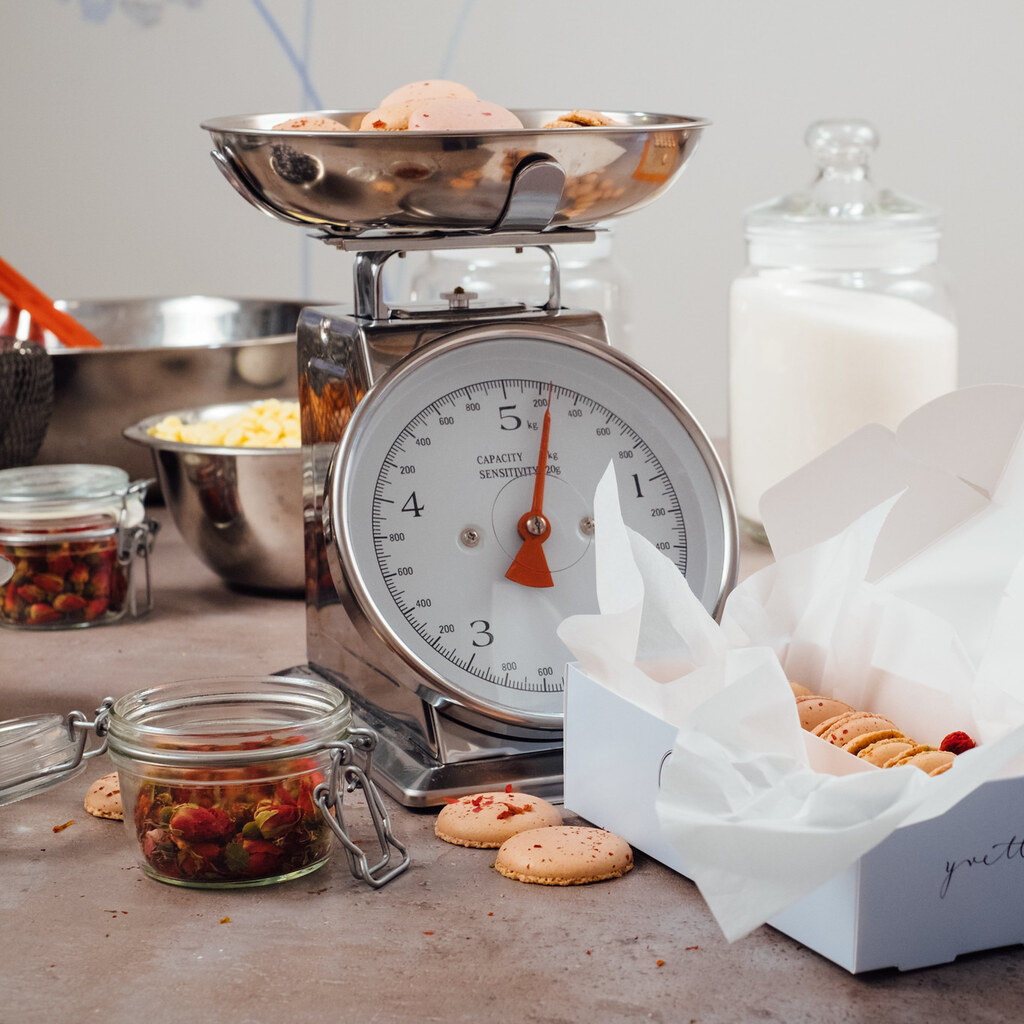
You weigh something to find out how heavy it is. Weight is a measure of how much gravity pulls on something.
Not to be confused with way or whey.

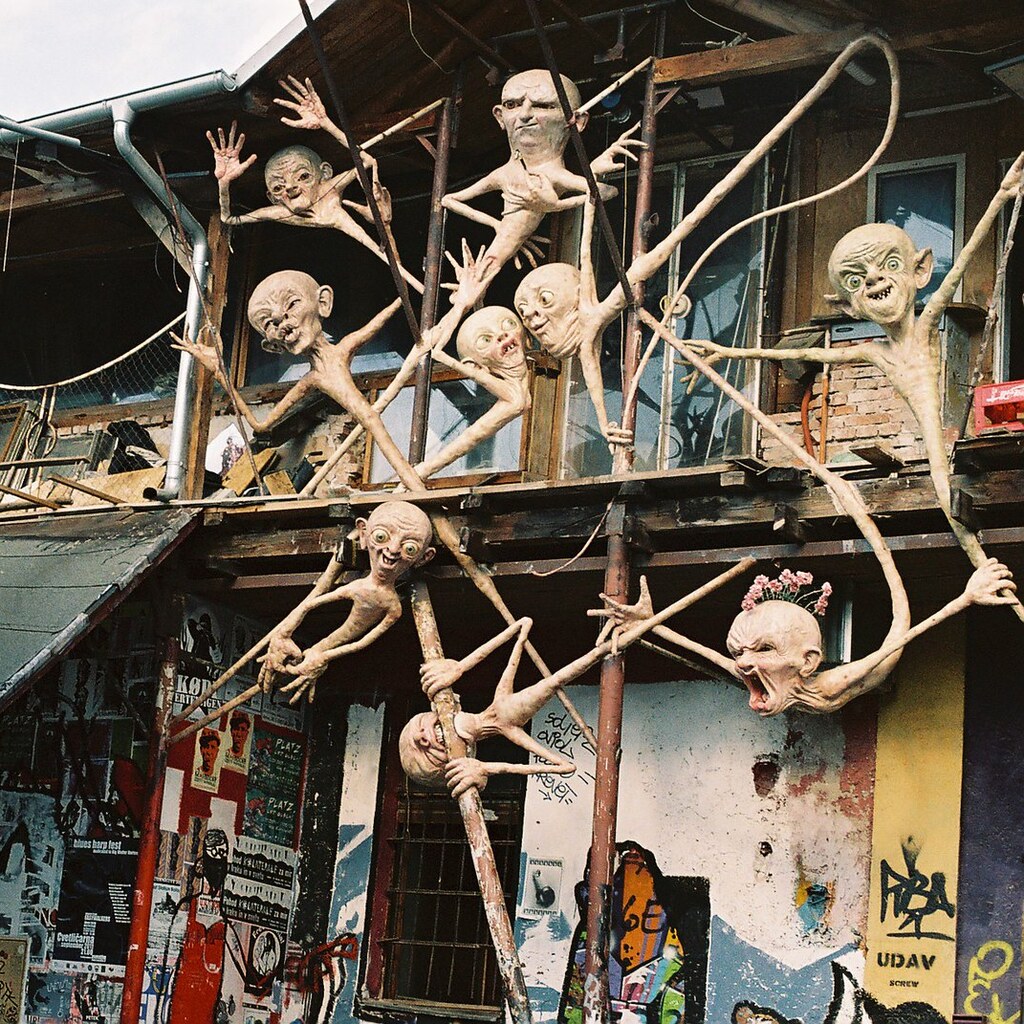
W is for Weird

Weird describes something or someone that is strange or unusual.

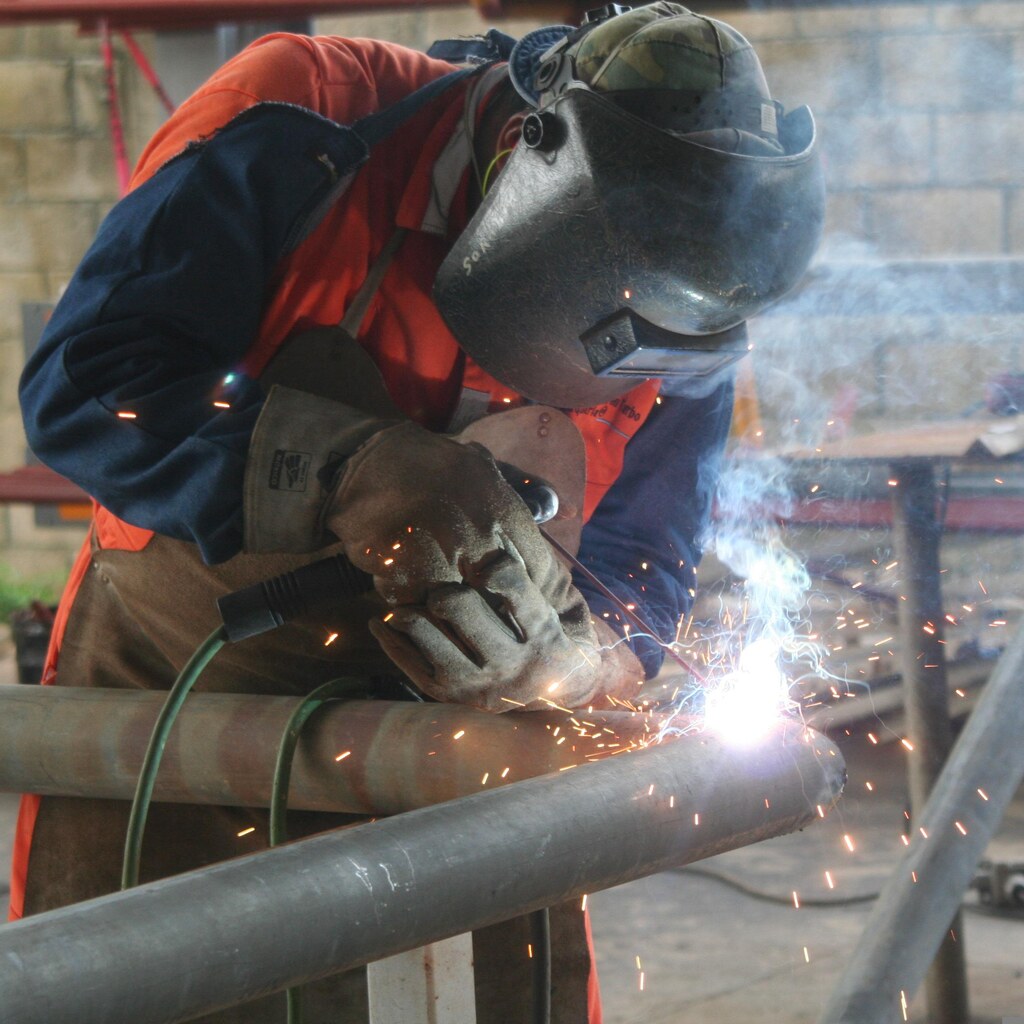
W is for Weld

Welding is a process for joining two pieces of metal together. Welding creates enough heat on the join to melt the edges of the pieces of metal being welded, as well as adding a filler metal into the join. Welded joints are extremely strong.

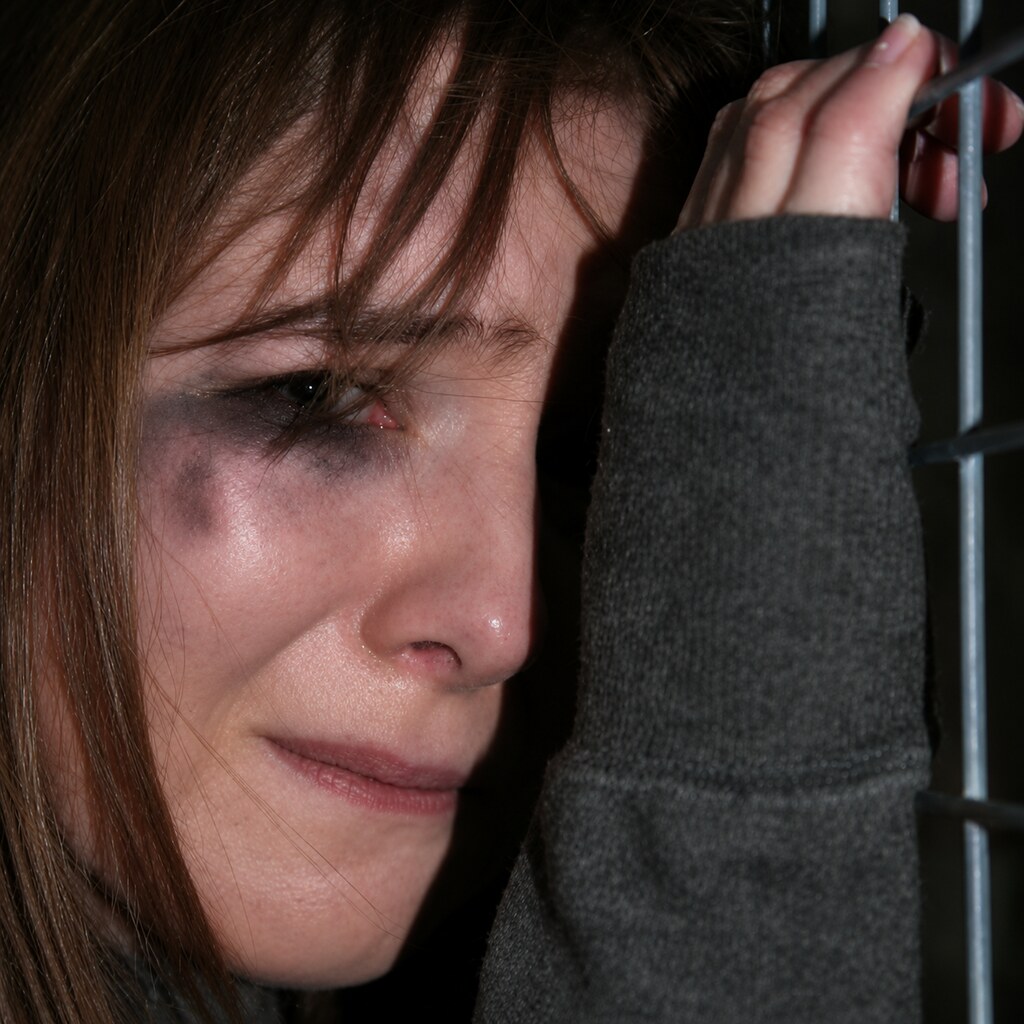
W is for Wept

Wept is the past tense of weep. If someone wept, it means they were crying.

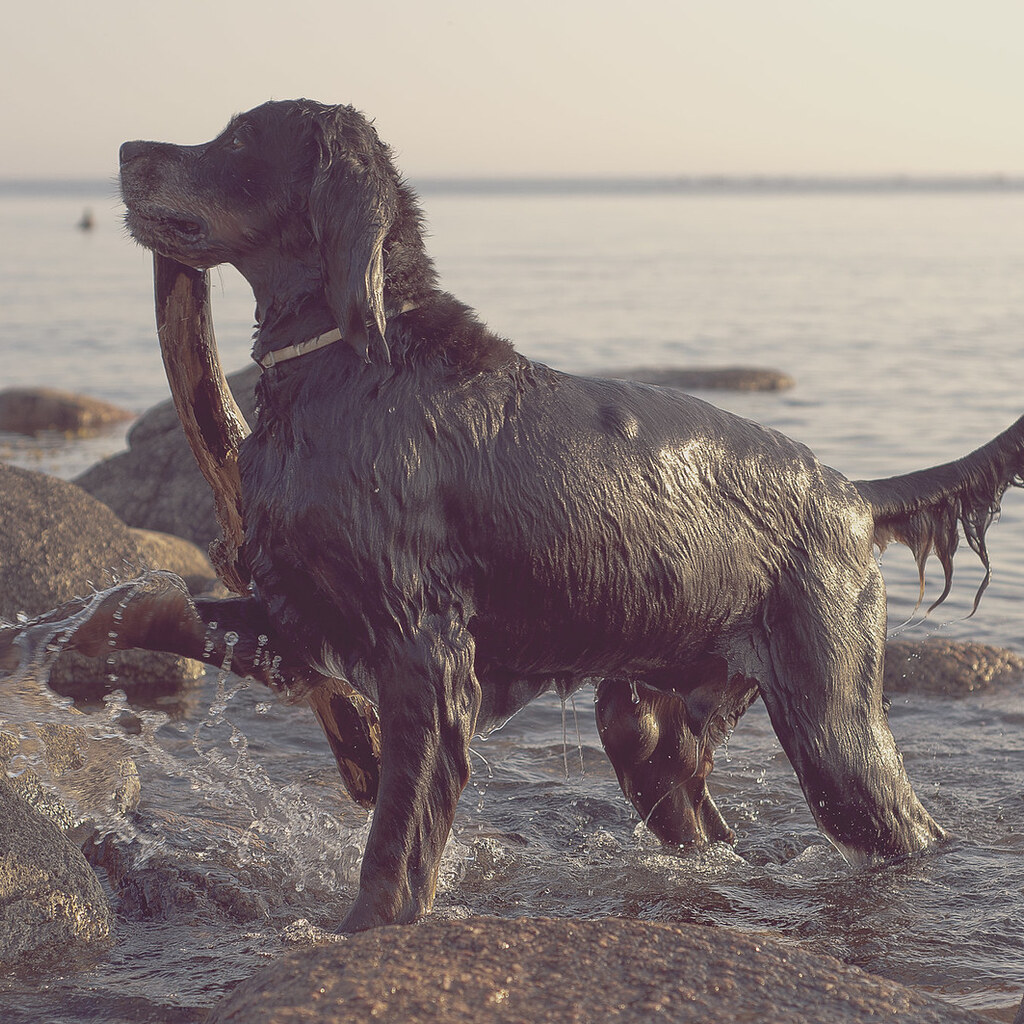
W is for Wet

Something is wet if it is covered with a liquid, like water. When you come out of a shower or bath or if you get caught in the rain, you are wet. If you are very, very wet, you are soaked. The opposite of wet is dry.

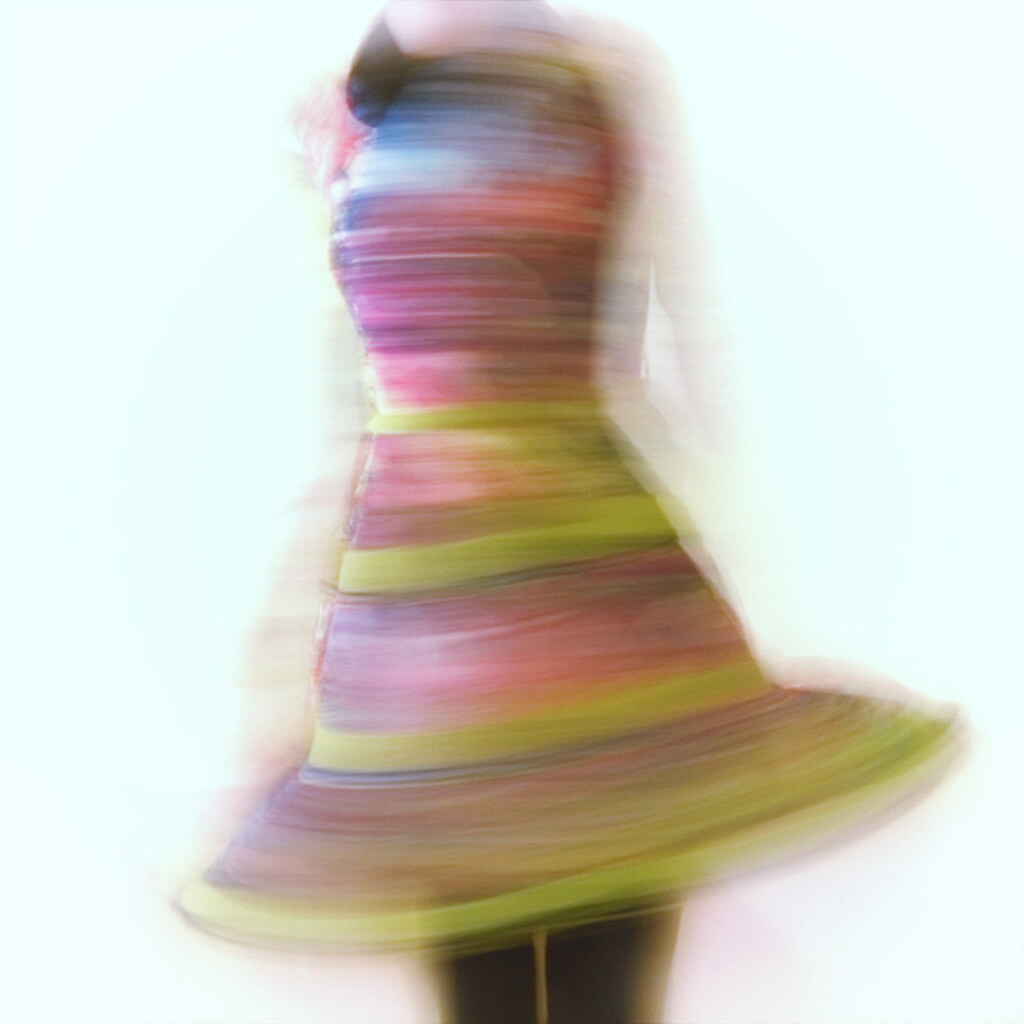
W is for Whirl

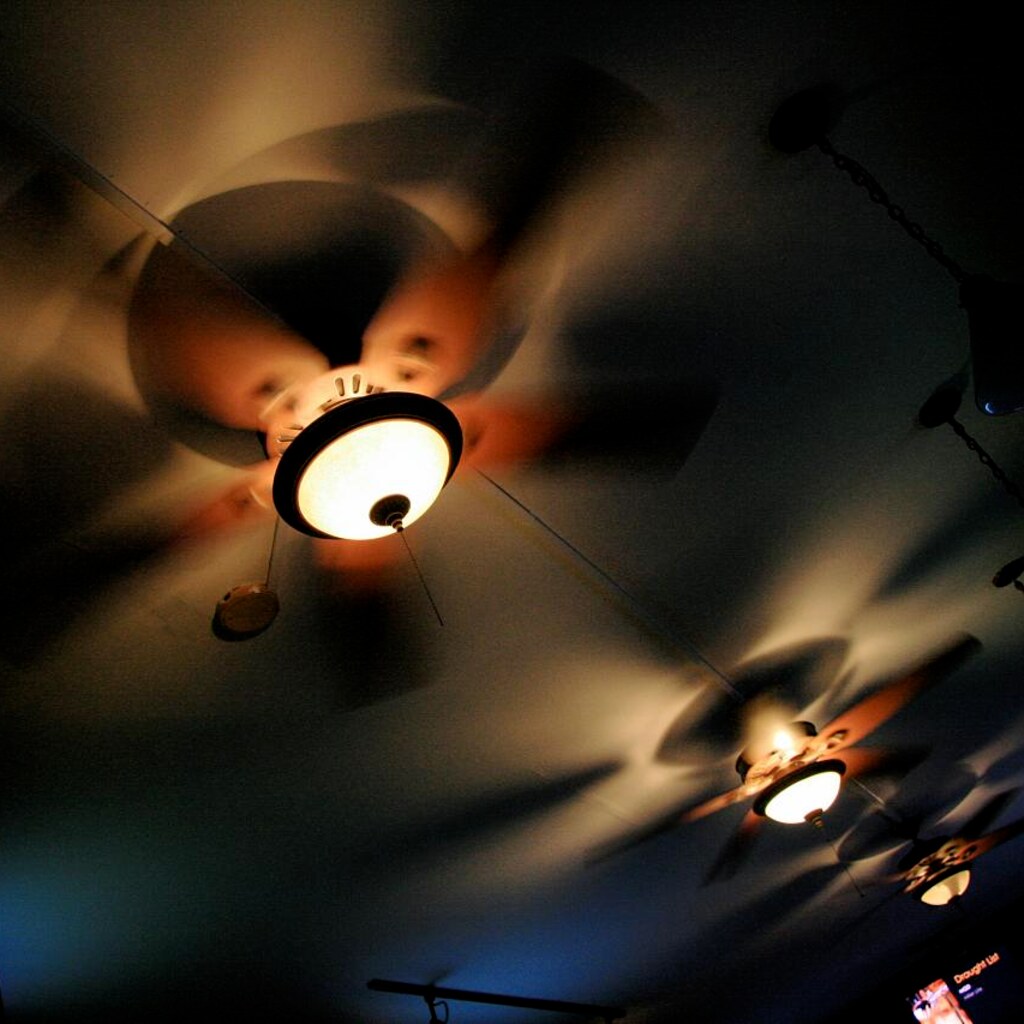
You whirl around when you turn around quickly. Things that whirl can be fans or dancers, like the woman in the picture.

W is for Whirred

Whirred is the past tense of whir.

W is for Whitewash

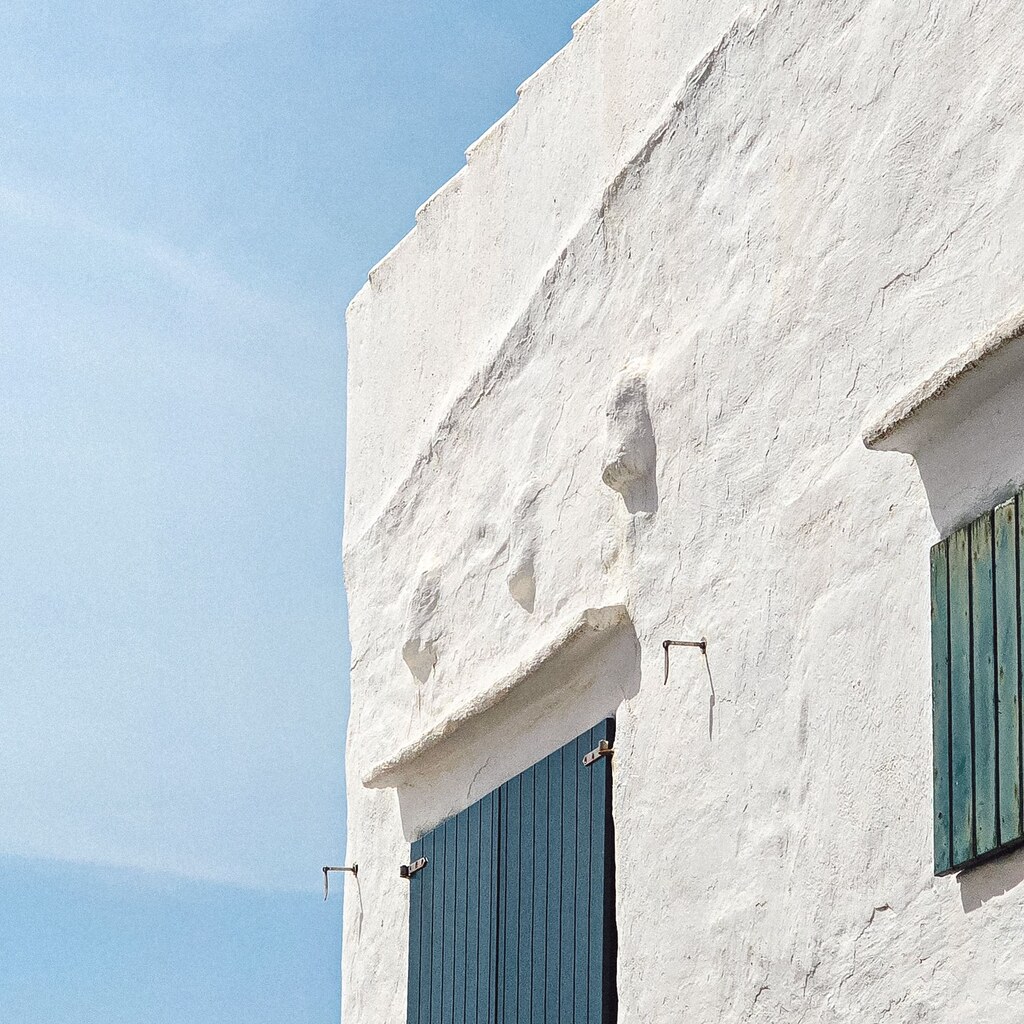
Whitewash is a thin, pale liquid made from lime, water, and sometimes salt or other materials. It is painted onto walls and other surfaces to make them white. After it dries, it leaves a simple, chalky coating. Whitewash was used before modern paints, and it made buildings look more attractive.

The word can also mean hiding faults or bad facts by making something seem better than it really is. For example, a report might be called a whitewash if it ignores the truth about a problem.
W is for Whittle

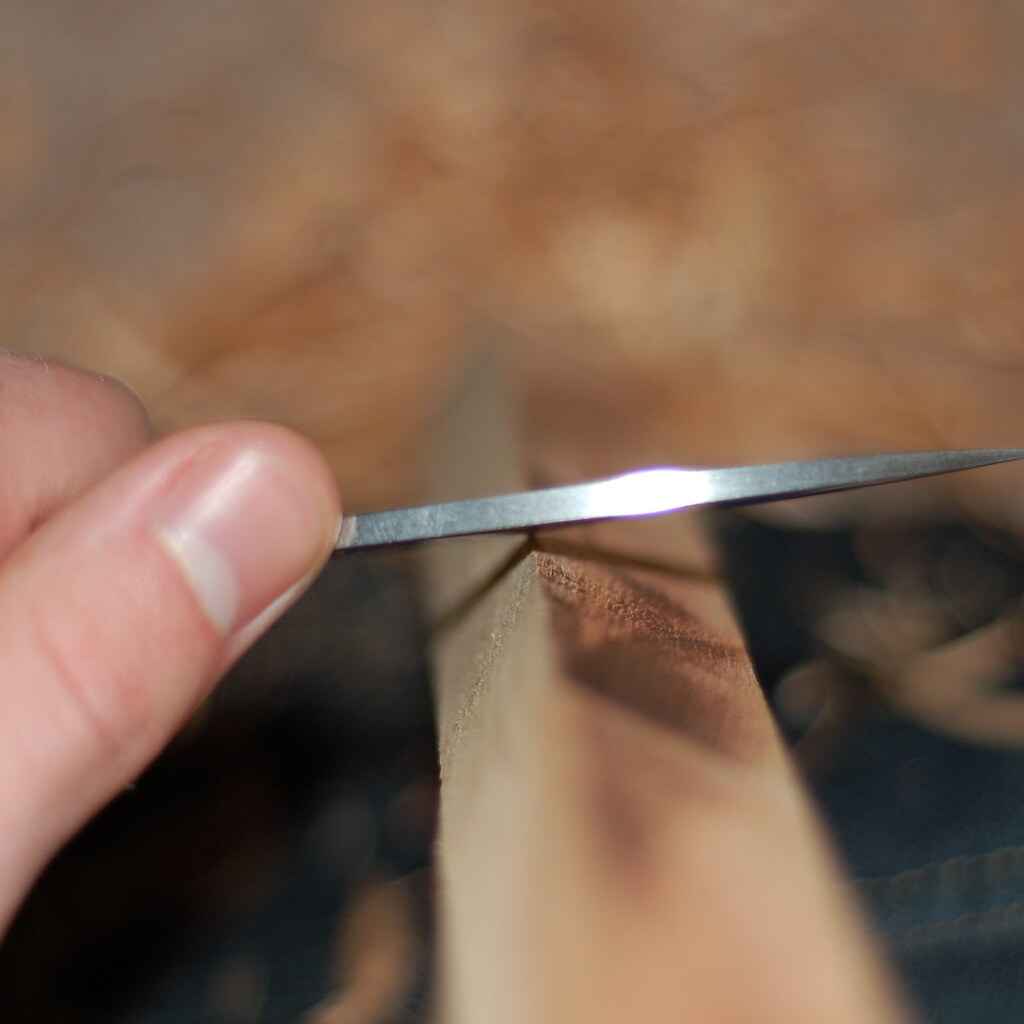
Whittling is the process of making something out of a piece of wood by cutting off thin strips with a knife. The most common thing you make by whittling is simply making a point on the end of a piece of wood to turn it into a stake, but you can also whittle quite complex shapes.
Whittling is similar to carving.

W is for Wholesome

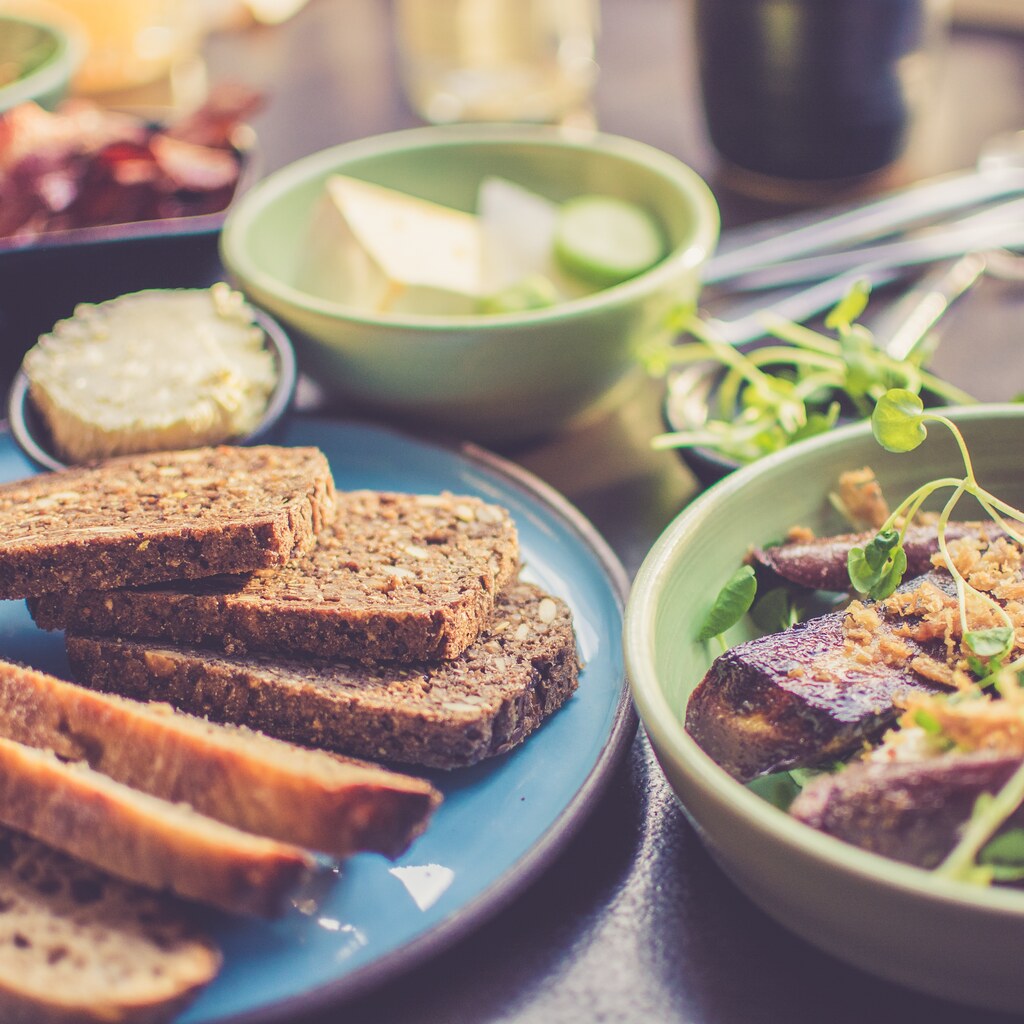
Wholesome is another word for healthy. Wholesome food is good for your body.

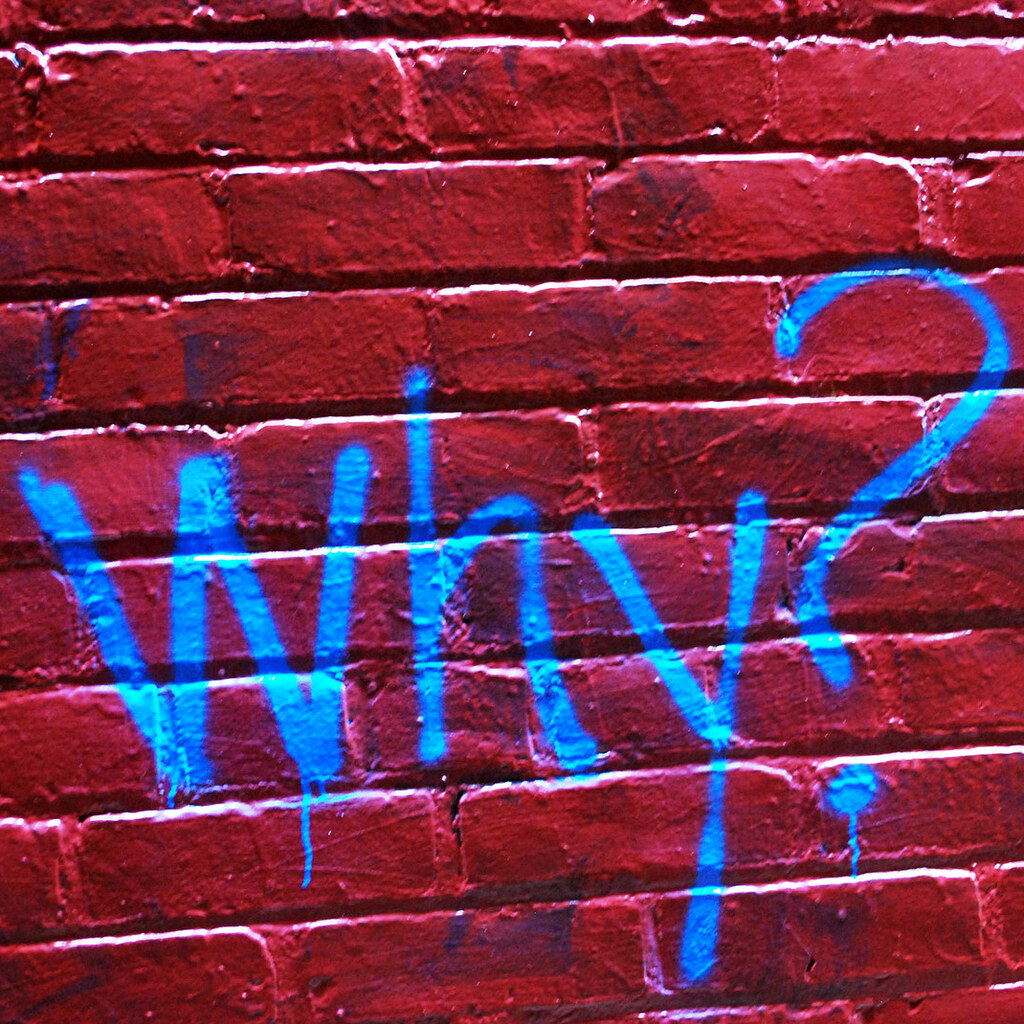
W is for Why

Why is the reason or purpose behind something. If you ask why something happened, you want to know the cause.

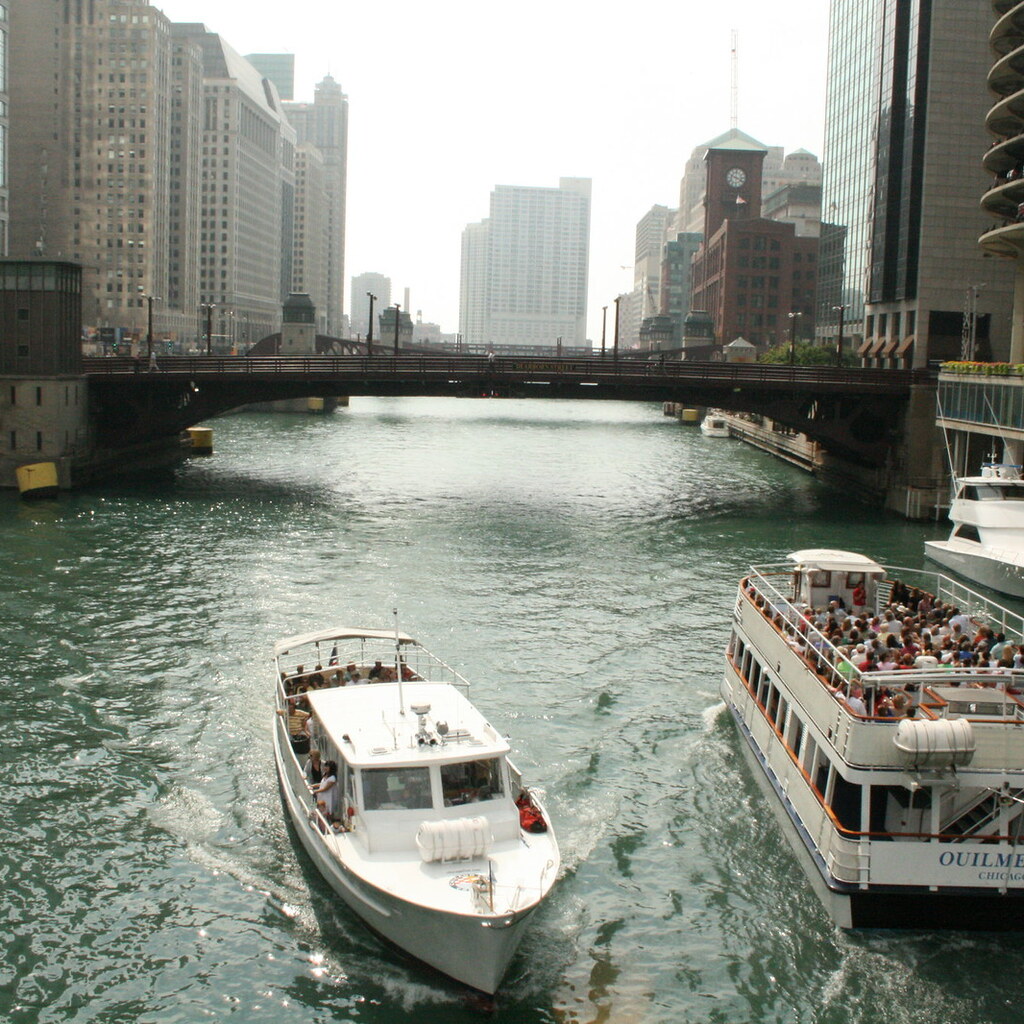
W is for Wide

Something is wide if there is a long distance from one side of it to the other. The river in the picture is wide. The opposite of wide is narrow.

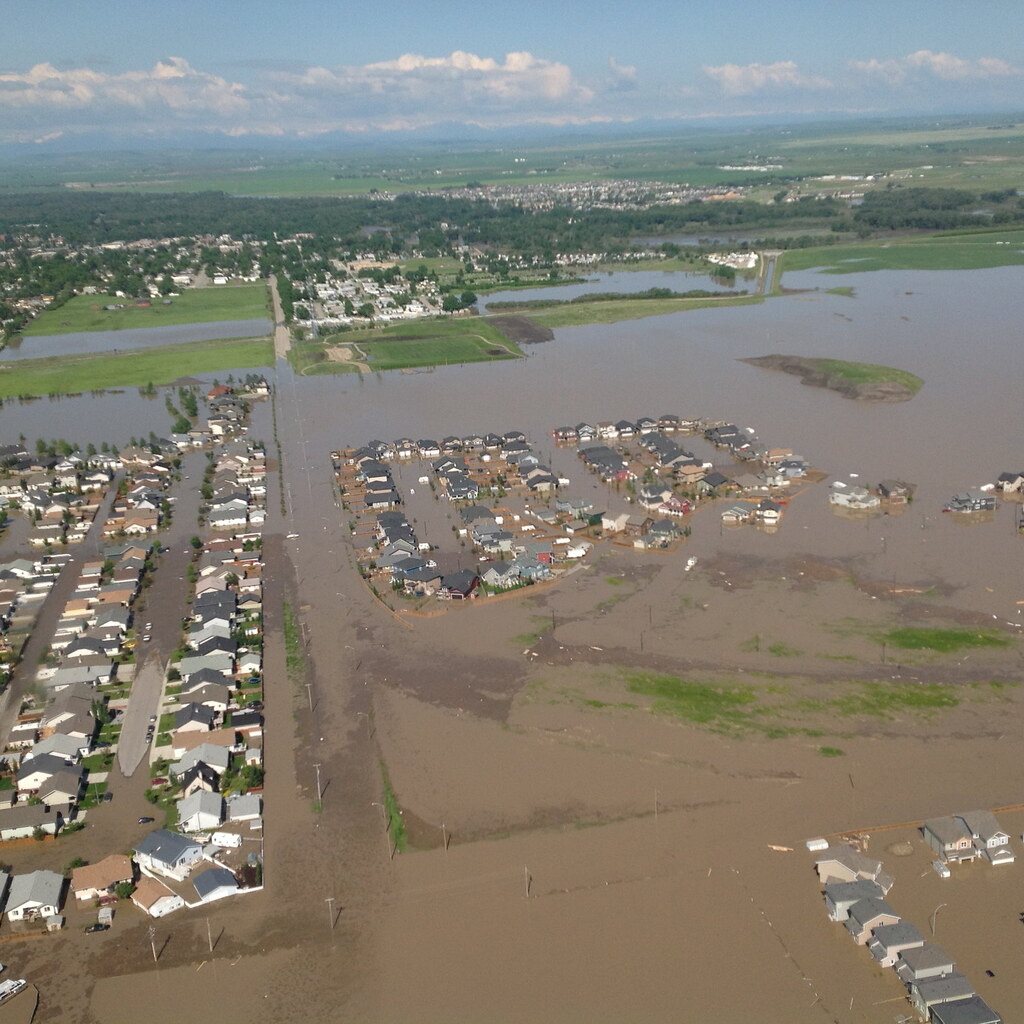
W is for Widespread

Widespread means that something is covering a large area. Weather patterns such as flooding are often widespread.

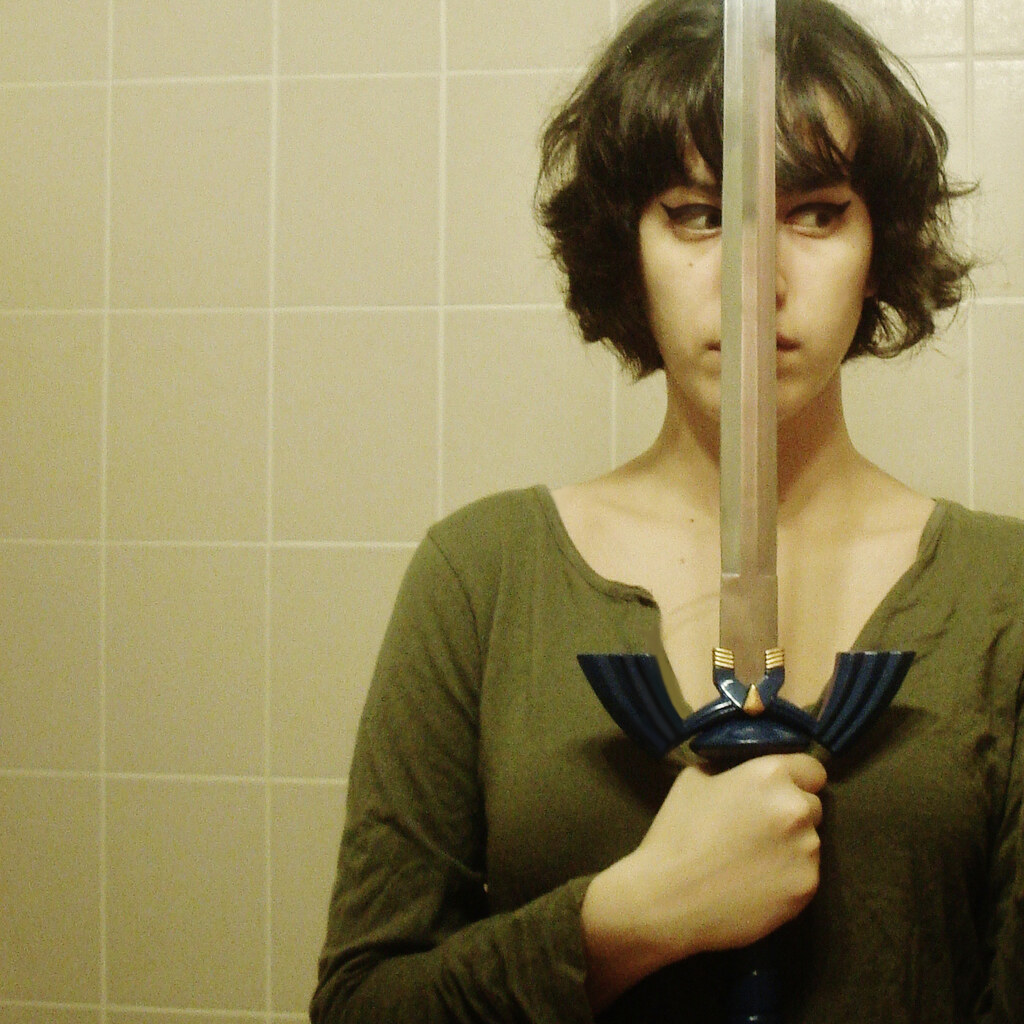
W is for Wield

You wield something if you hold it and use it. You most commonly wield weapons and tools.
People can also wield power.

W is for Wild

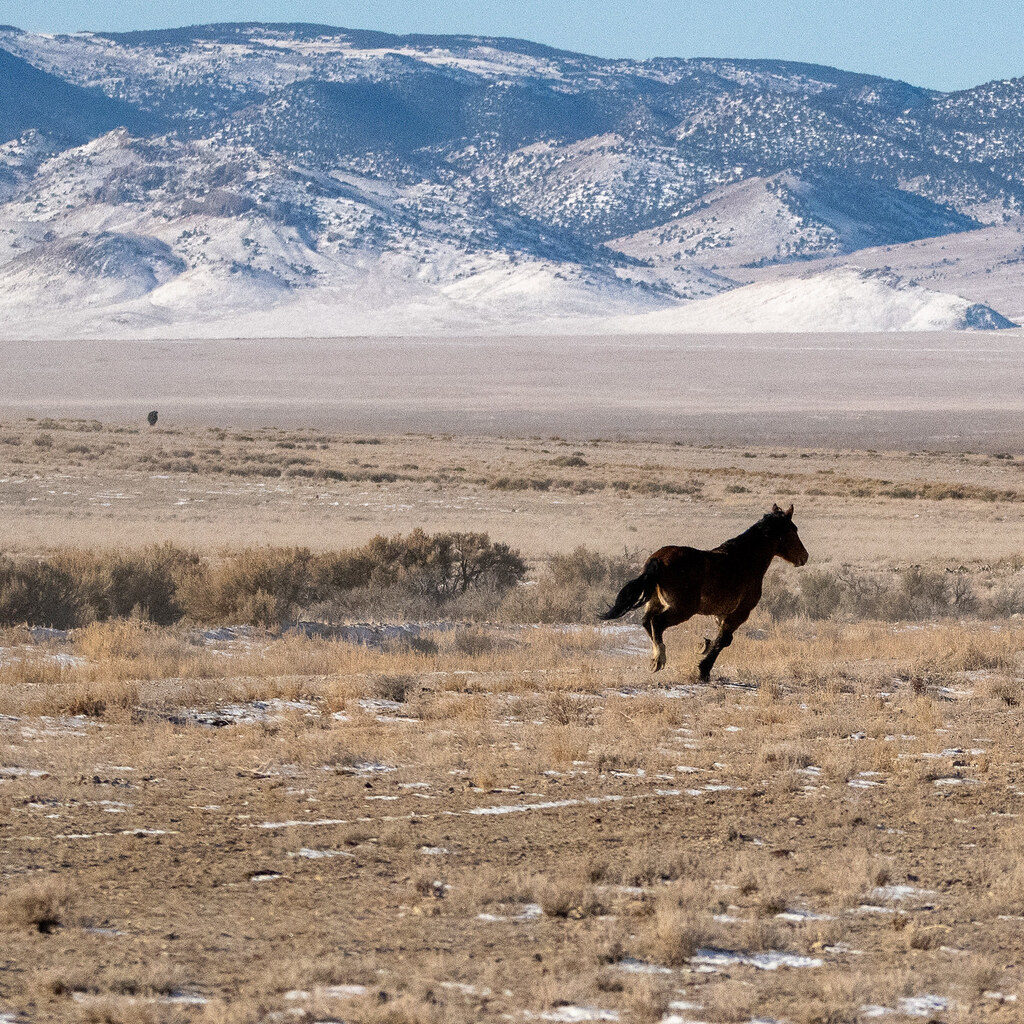
Something is wild if people haven't changed it to suit their own needs. Wild animals and plants live or grow anywhere they are able, and don't rely on people to feed them and look after them. The opposite of wild is domesticated. Wild versions of household flowers, fruits and vegetables generally have much smaller fruits or flowers than their domestic varieties.
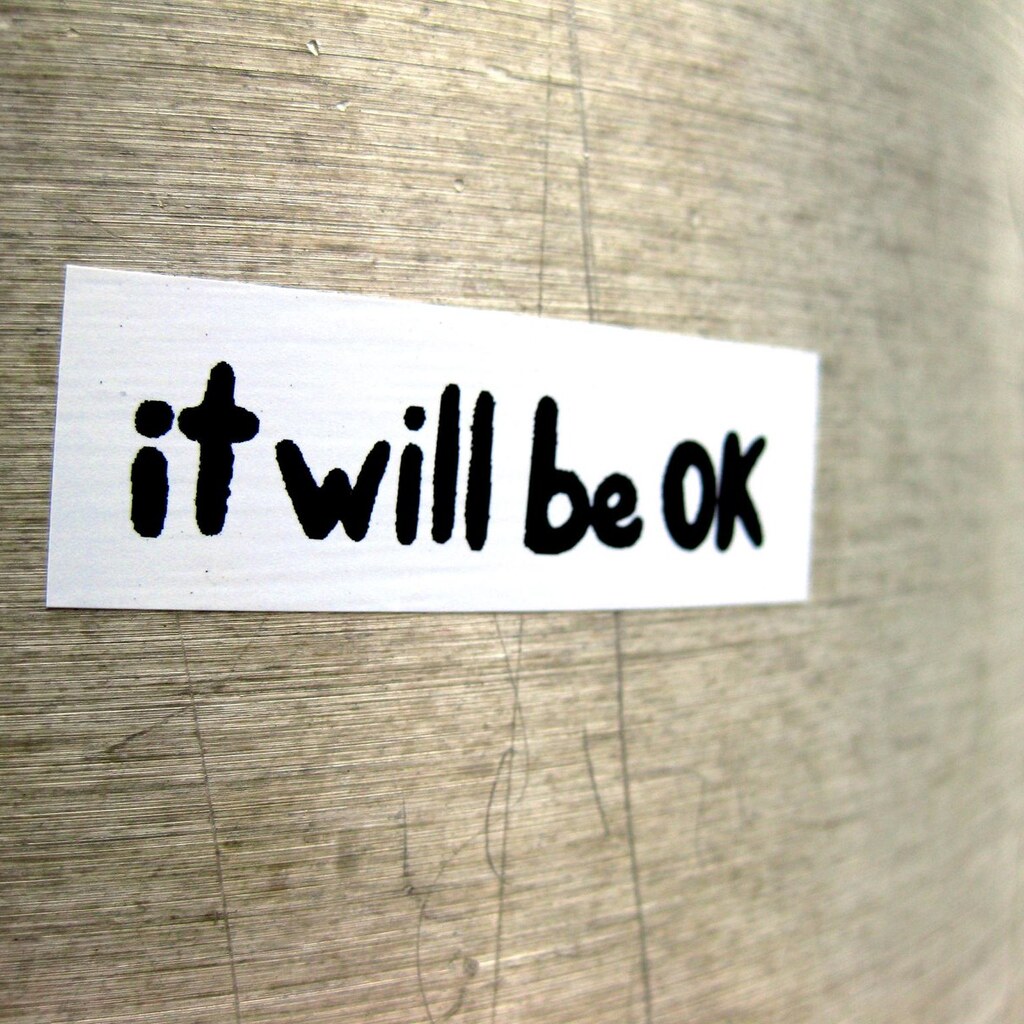
You use the word will when you are talking about something that should happen or is about to happen. Using will often implies some force, especially if you are giving an order. Some examples are:
"You will clean your room"
"I will see you tomorrow"
"You will stop doing that"
W is for Wilt

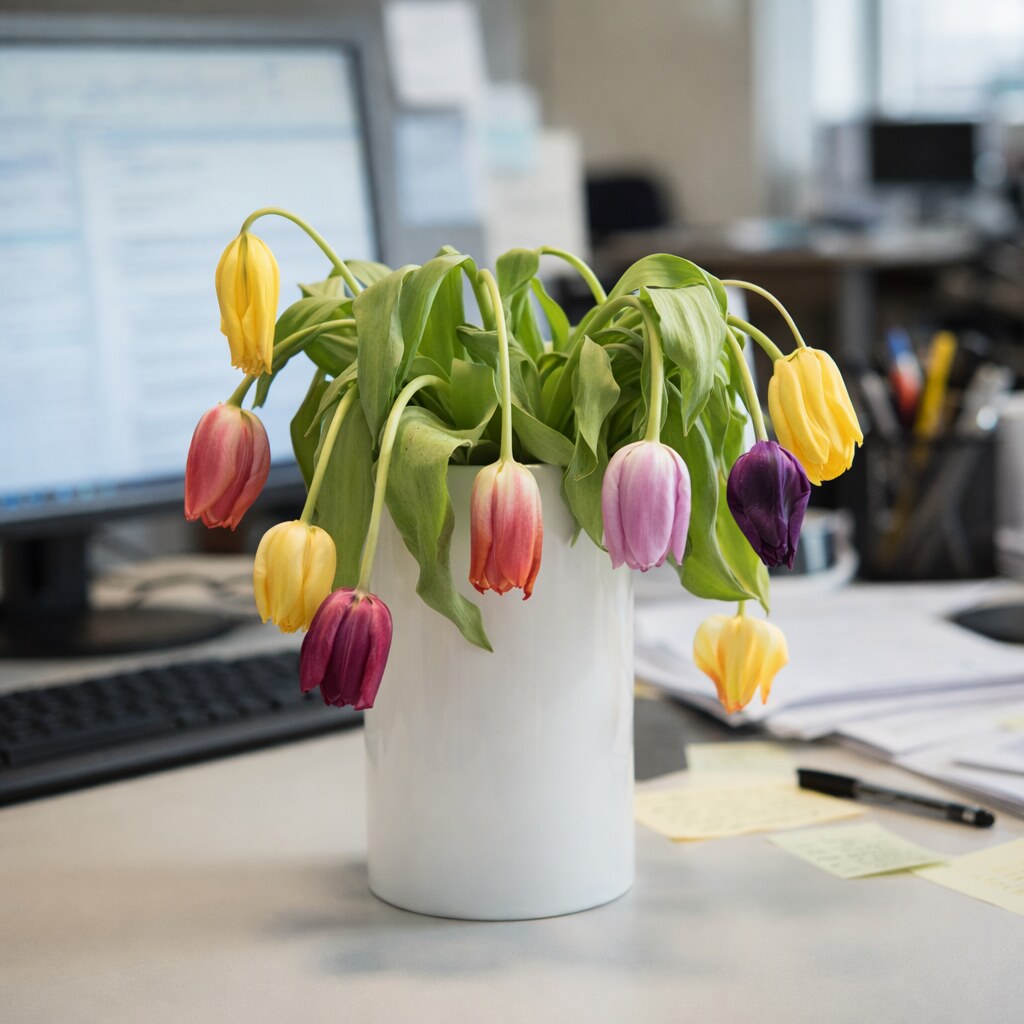
Wilting is the process by which something becomes wilted.

W is for Wilted

Something is wilted if it becomes soft and droops downward. Cut flowers in a vase or plants growing in the ground will wilt if they do not get enough water. Some plants will wilt in the heat even if they have enough water, as the heat is just too much for them.

W is for Windswept

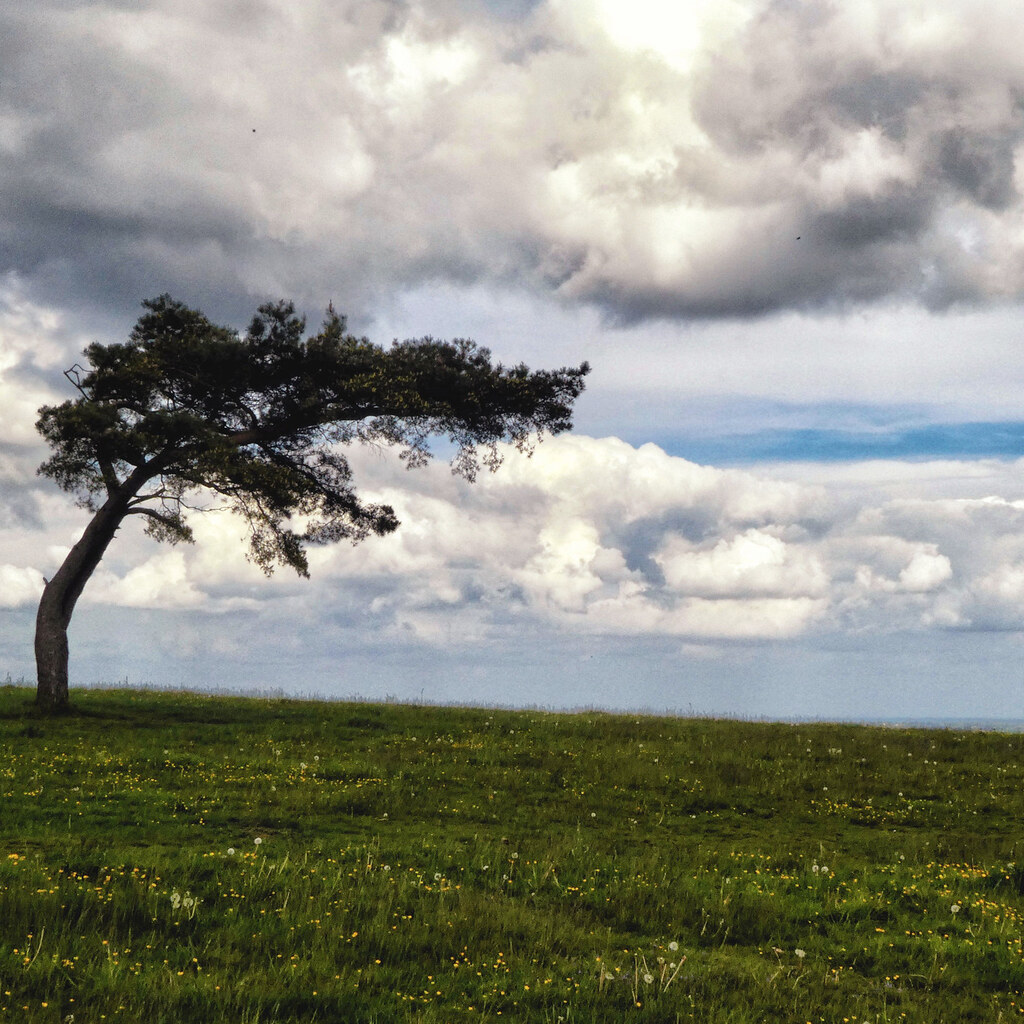
Windswept describes something that has been damaged or changed by strong winds.

W is for Winged

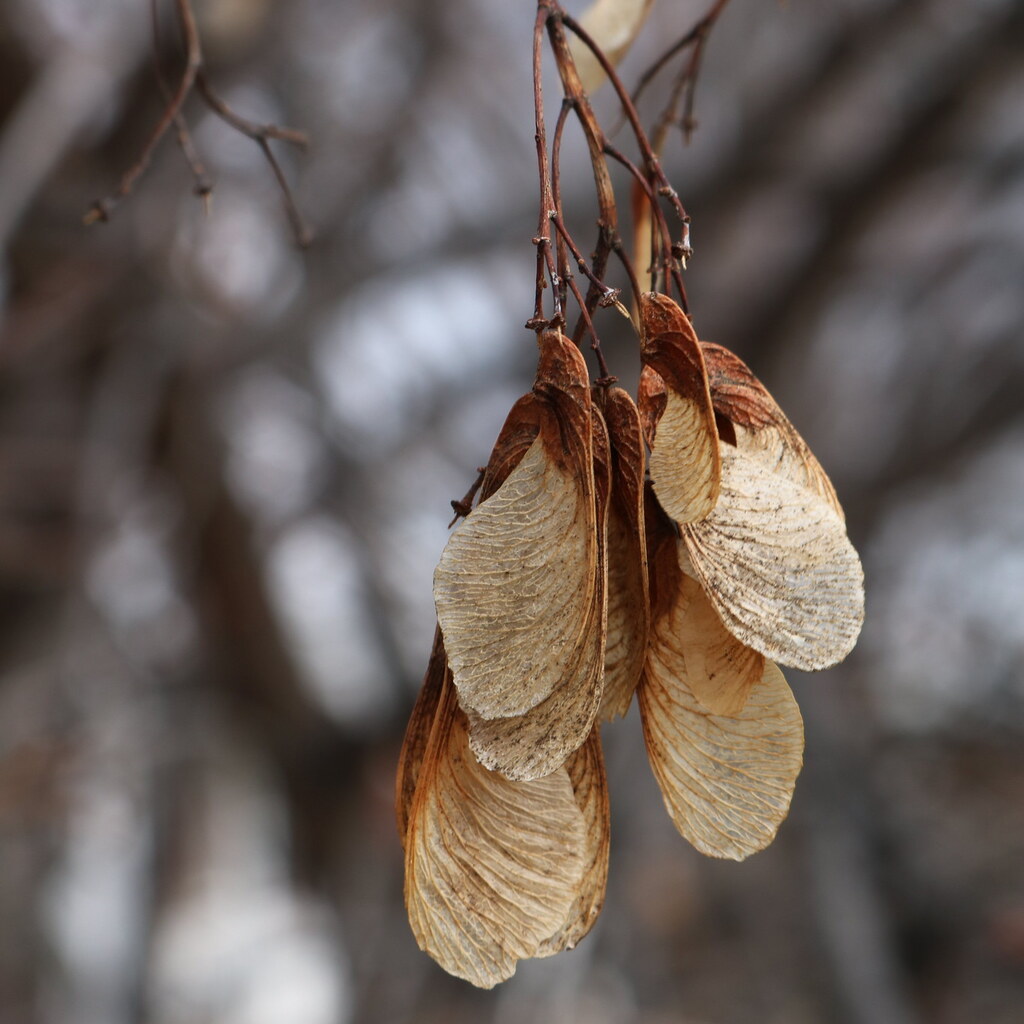
Winged means something that has wings, or looks like it has wings. The picture is of some winged seed pods.