Showing 21-40 of 155
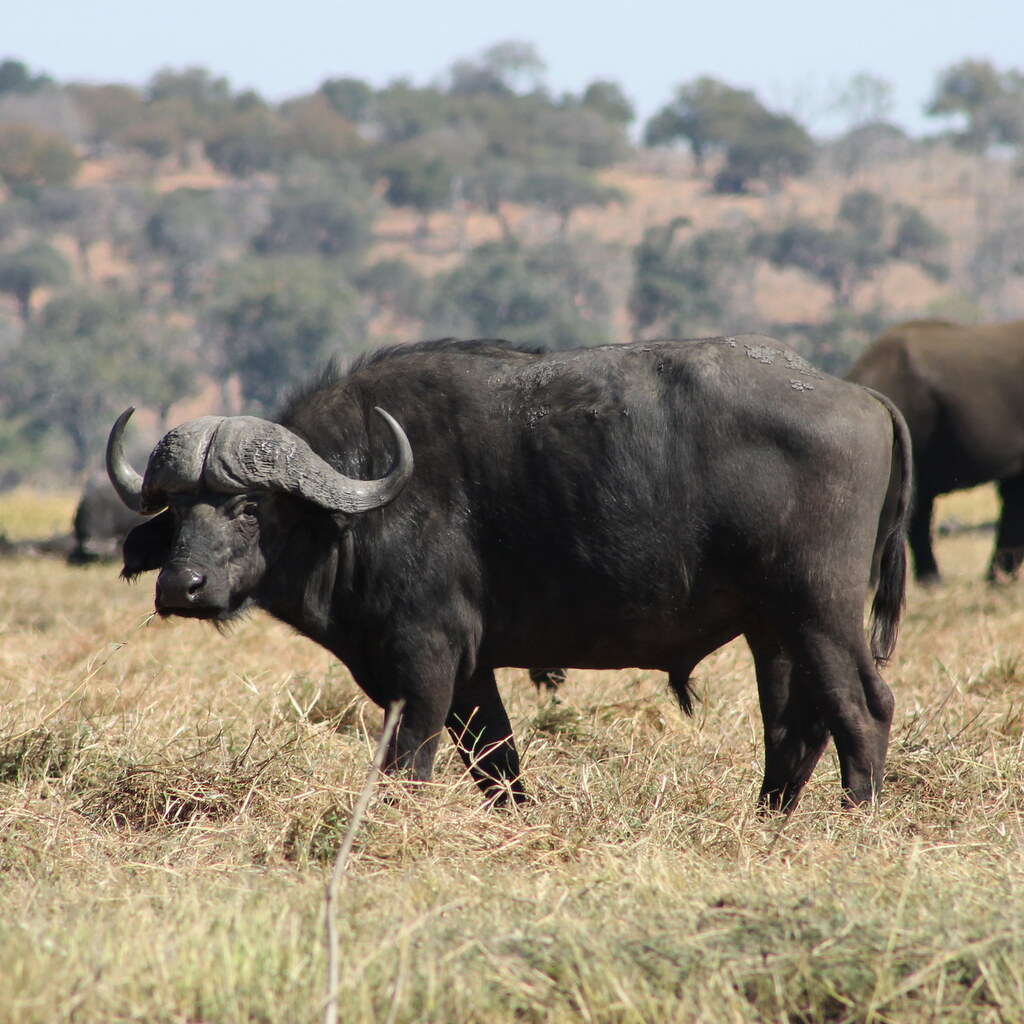
The African buffalo is a type of large cow. It has a bad temperament and has never been domesticated. There are still large herds of buffalo throughout Africa.
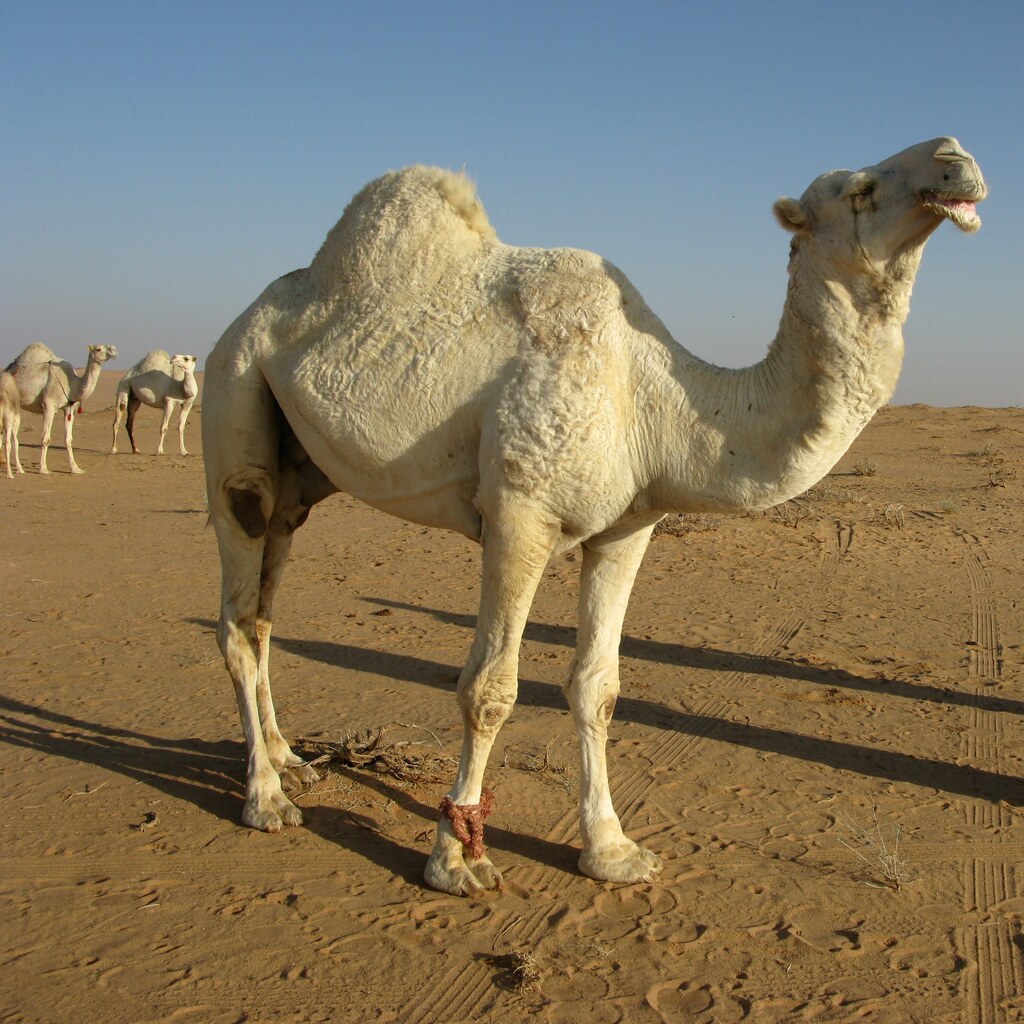
Camels are a large animal that is very well adapted for hot, dry weather. They can survive longer without water than any other animal. Camels have a big, fatty hump on their backs that stores food for times when they can't find enough to eat. They are taller than an adult man and are used to ride on or to pull carts.
There are two types of camel, dromedary camels like in the picture that only have one hump, and the bactrian which has two. There are a lot more dromedaries than bactrians in the world.
Camels are related to llamas and alpacas.
There are two types of camel, dromedary camels like in the picture that only have one hump, and the bactrian which has two. There are a lot more dromedaries than bactrians in the world.
Camels are related to llamas and alpacas.
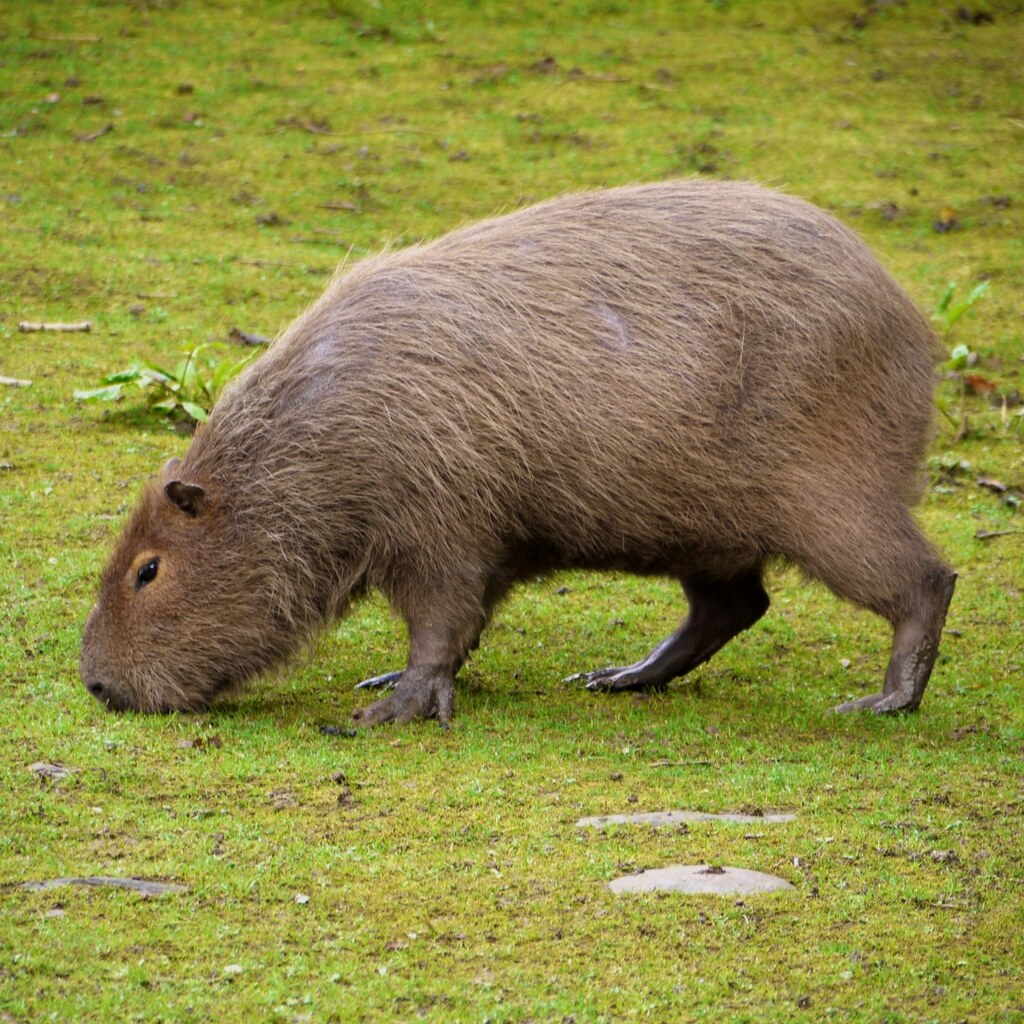
The capybara is the world's largest living rodent, with a stocky body, short brown fur, and webbed feet that help it move through water. It lives in South America, especially near rivers, lakes, and wetlands. Capybaras are good swimmers and often spend time in the water to stay cool and safe. They graze on grasses and plants and usually live in small groups.
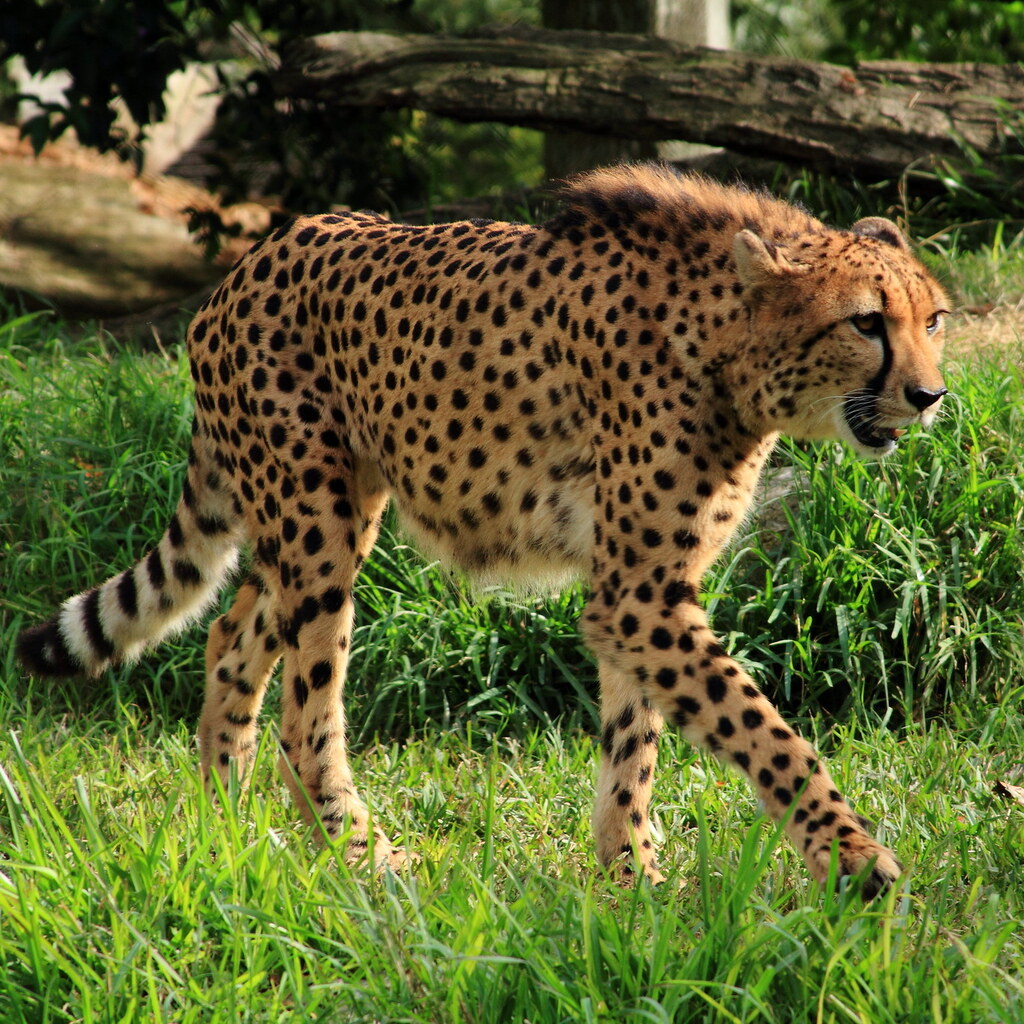
The cheetah is the only cat that cannot climb trees. The cheetah also can run much faster than any other kind of cat. Cheetahs eat mainly small antelopes and the young of larger animals like baby zebras and baby wildebeast.
The cheetah is the fastest land animal, reaching speeds between 112 and 120 km/h (70 and 75 mph) in short bursts covering distances up to 460 metres (1,500 feet), and has the ability to accelerate from 0 to 110 km/h (68 mph) in three seconds, faster than most supercars.
The cheetah is the fastest land animal, reaching speeds between 112 and 120 km/h (70 and 75 mph) in short bursts covering distances up to 460 metres (1,500 feet), and has the ability to accelerate from 0 to 110 km/h (68 mph) in three seconds, faster than most supercars.
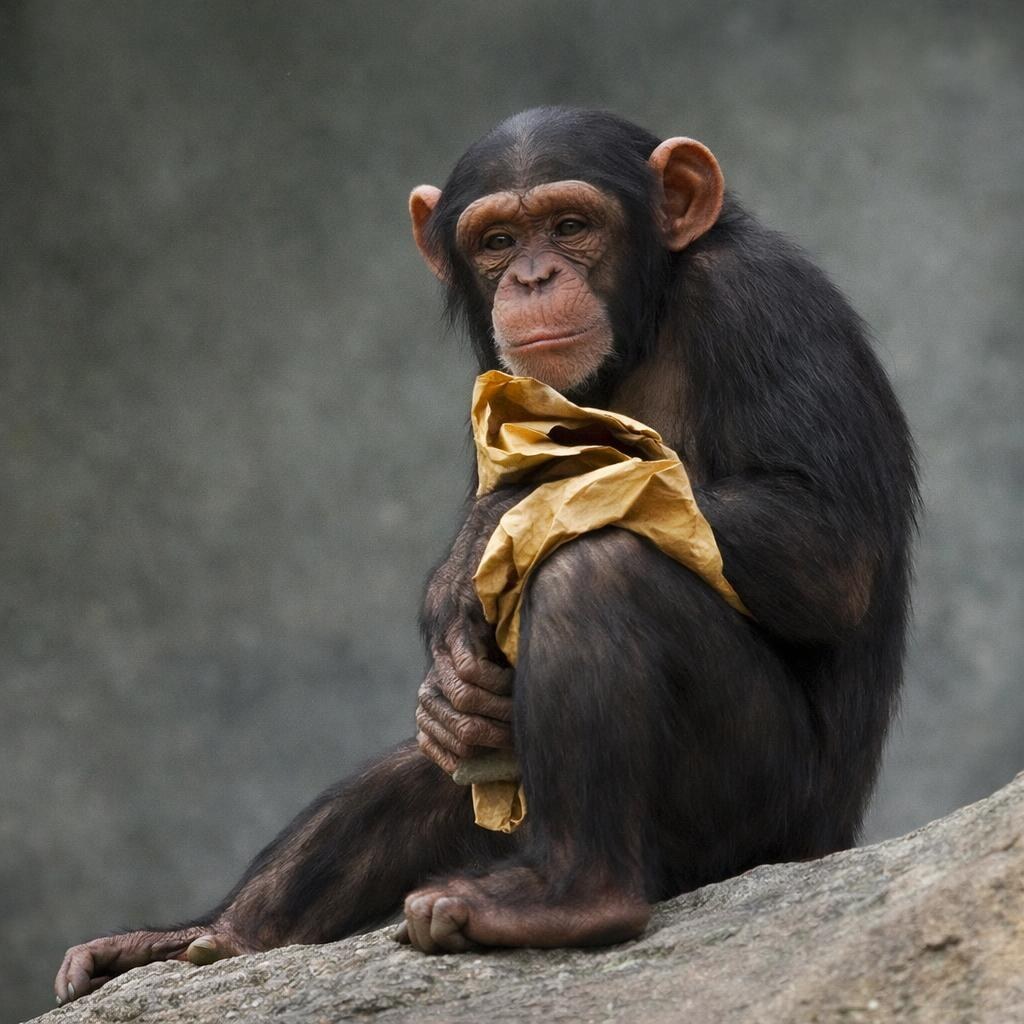
C is for Chimpanzee
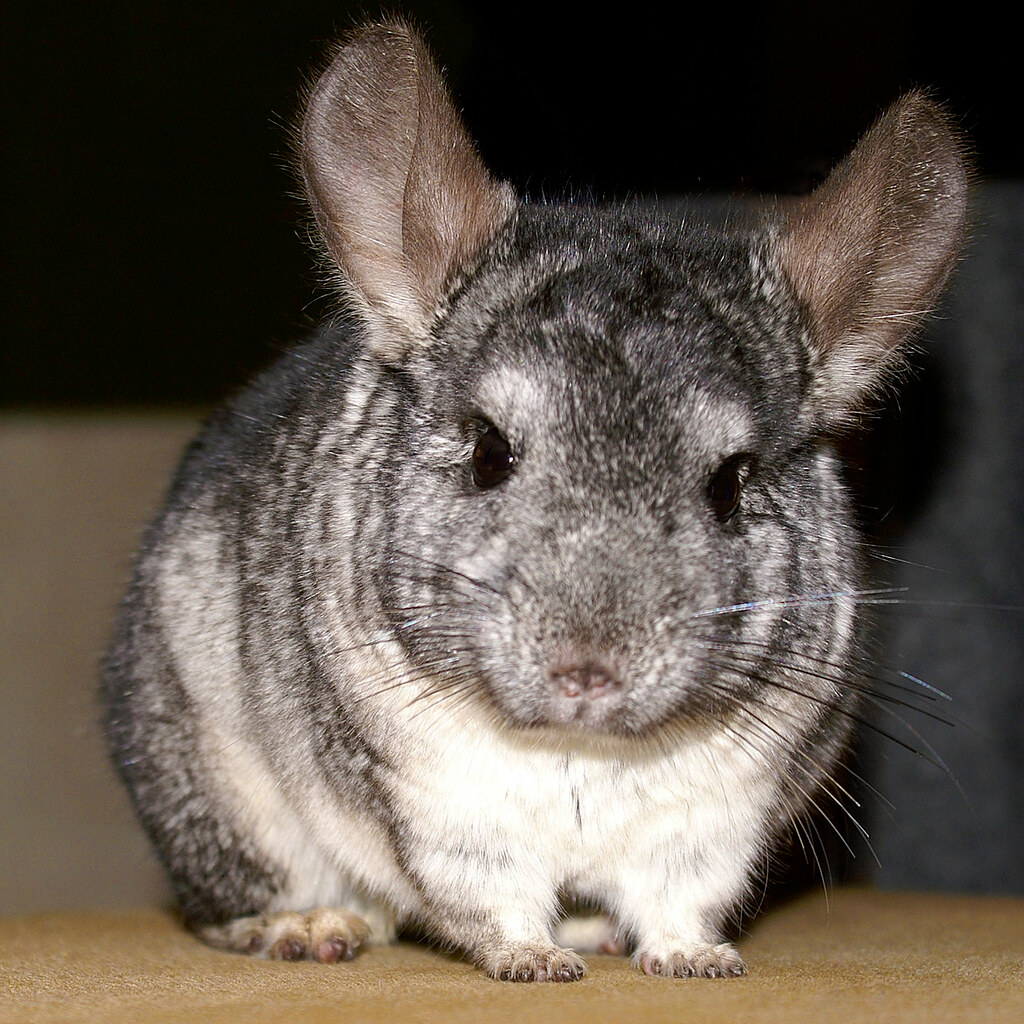
C is for Chinchilla
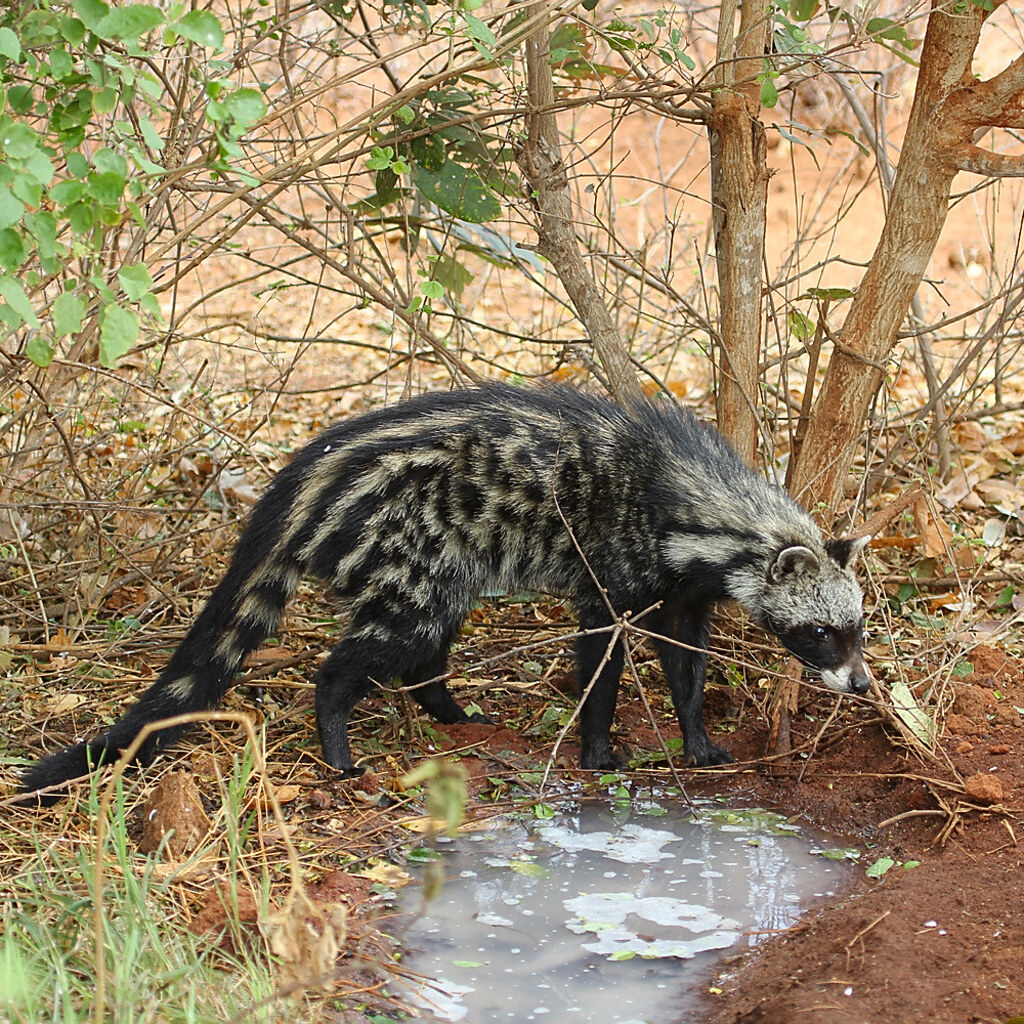
A civet is cat-like or weasel-like small animal. Some civets have spotted or striped fur and a pointed face.
Civets live in forests and other warm places in Asia and Africa. They search for food at night, eating fruits, insects, and small animals. Civets are sometimes known for a strong-smelling scent they release to protect themselves.
Civets live in forests and other warm places in Asia and Africa. They search for food at night, eating fruits, insects, and small animals. Civets are sometimes known for a strong-smelling scent they release to protect themselves.
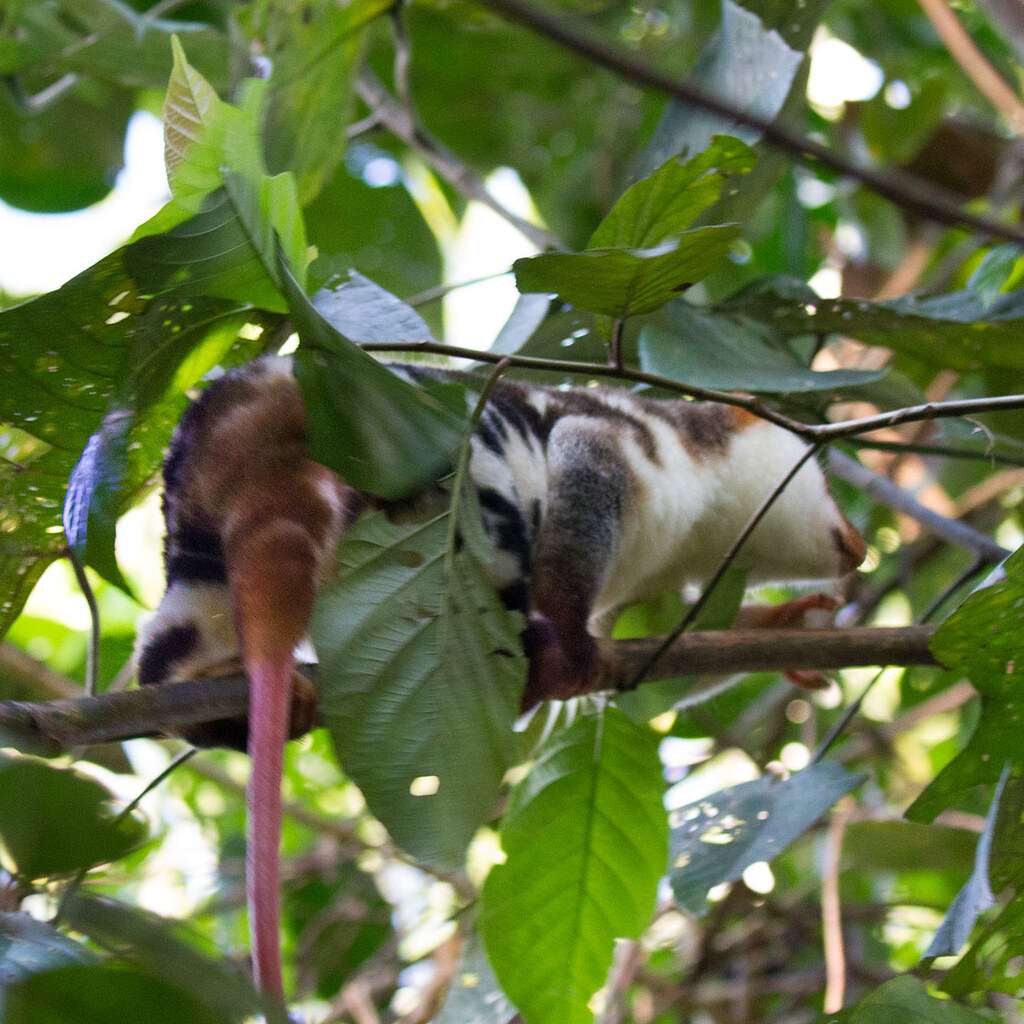
Cuscus are very shy, solitary marsupials in the possum family. They are slow moving, and behave more like sloths or slow loris.