
Showing 1-20 of 44
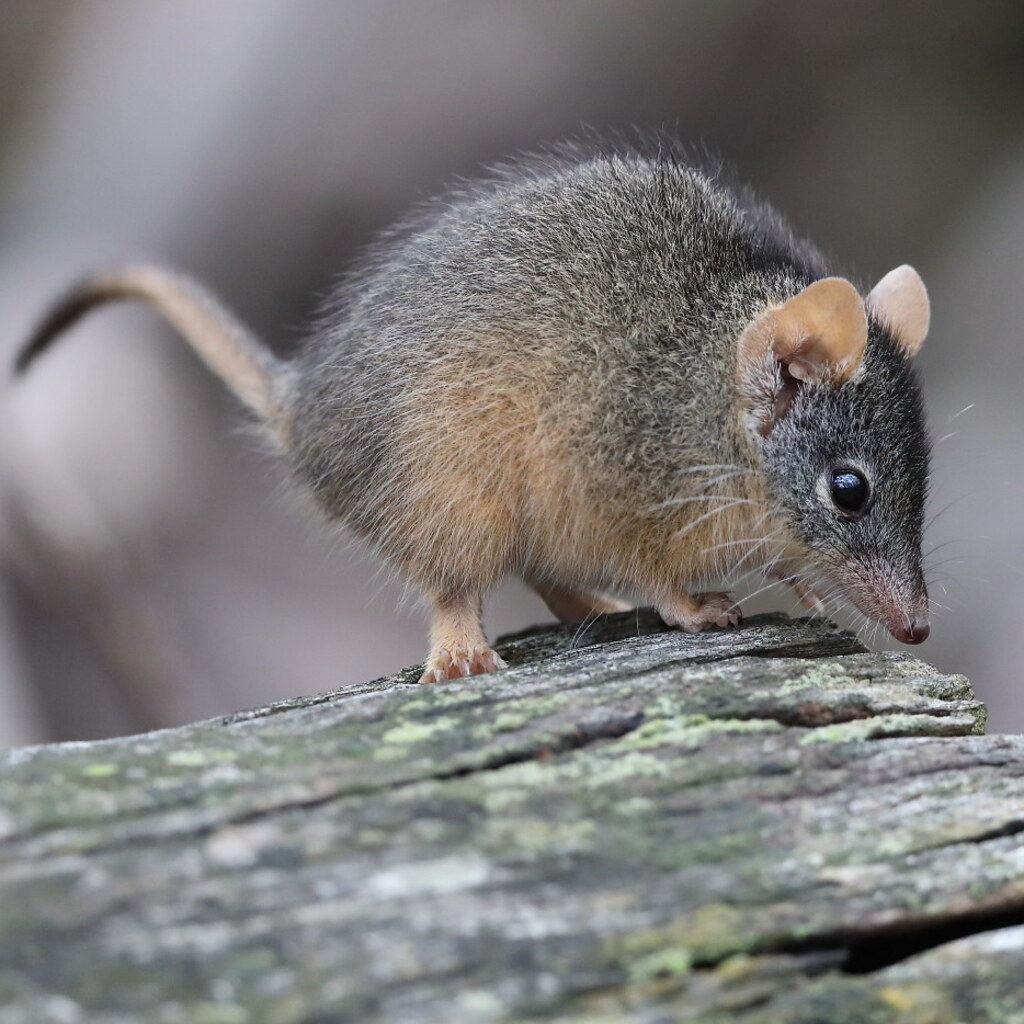
A is for Antechinus
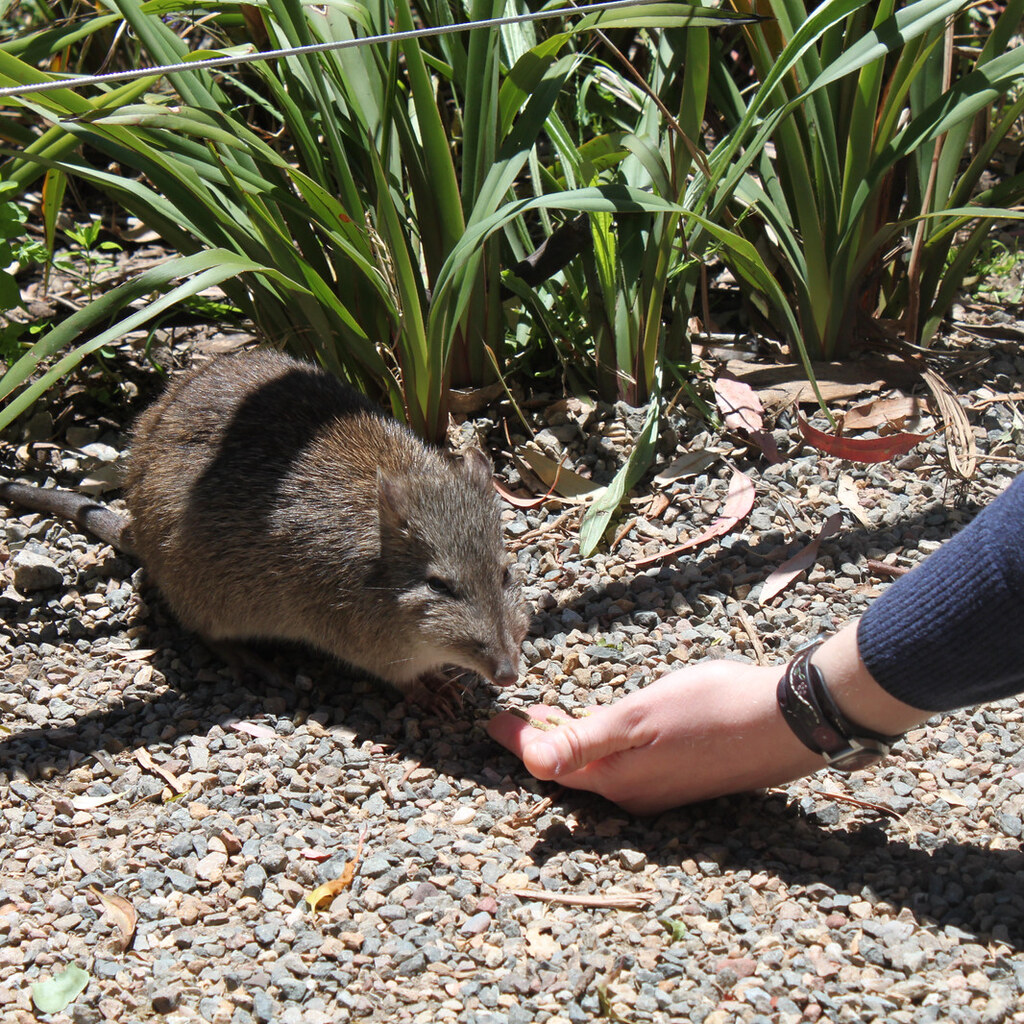
Bandicoots are small marsupials from Australia. Most bandicoots are about the same size as a rabbit. They eat plants as well as insects and small animals. There are around 20 different species of bandicoot.
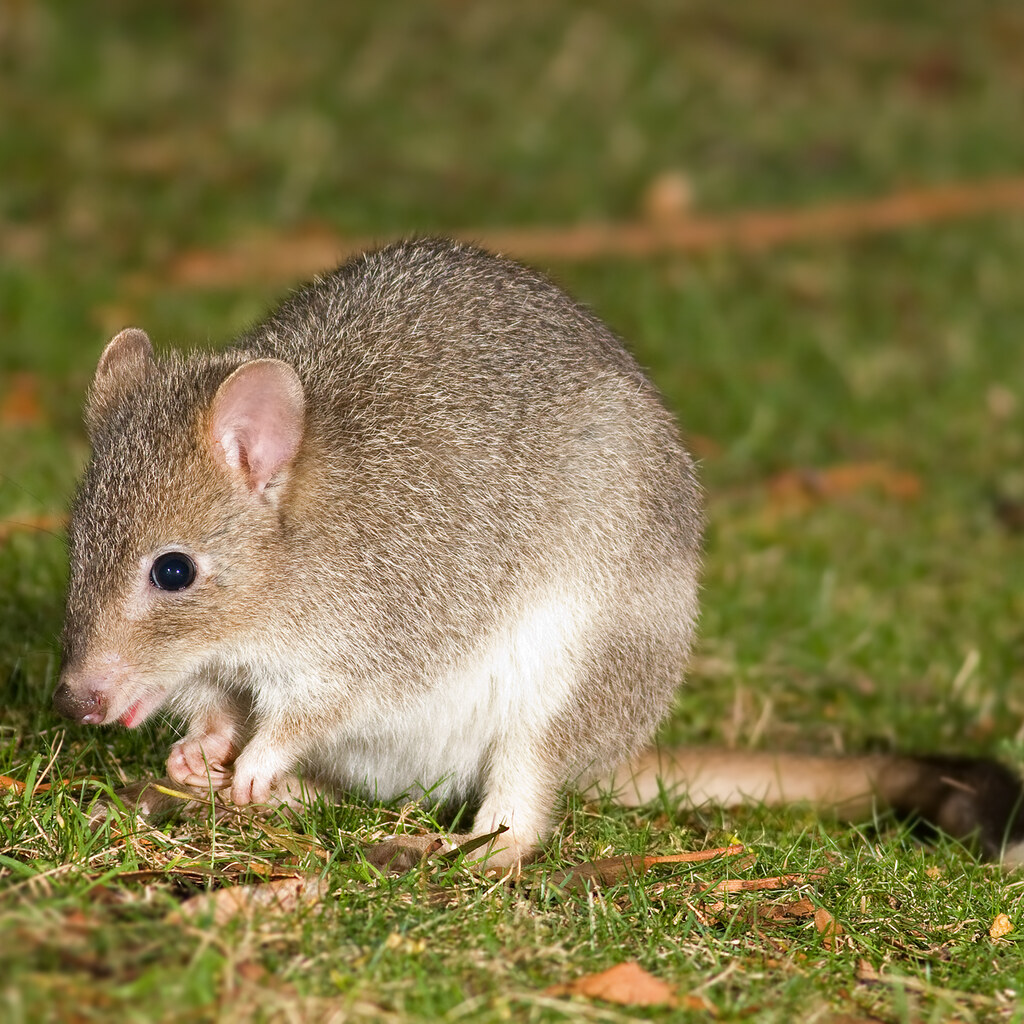
A bettong is a small marsupial from Australia. Many people also call it a kangaroo rat because it looks a bit like a small rodent.
Bettongs hop on long back legs and have a pouch like other marsupials. They dig in the ground to find food, such as roots and insects. You can find them in dry areas and grasslands.
Bettongs hop on long back legs and have a pouch like other marsupials. They dig in the ground to find food, such as roots and insects. You can find them in dry areas and grasslands.

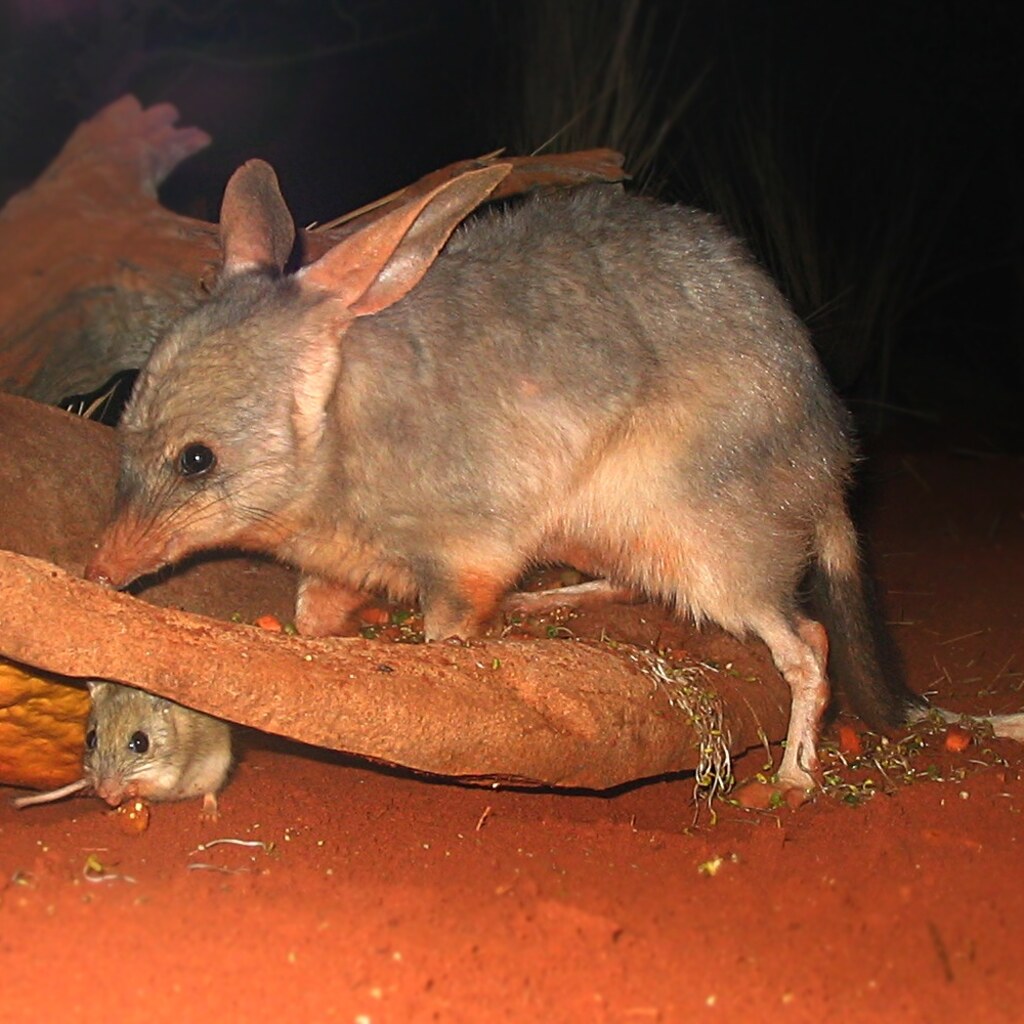
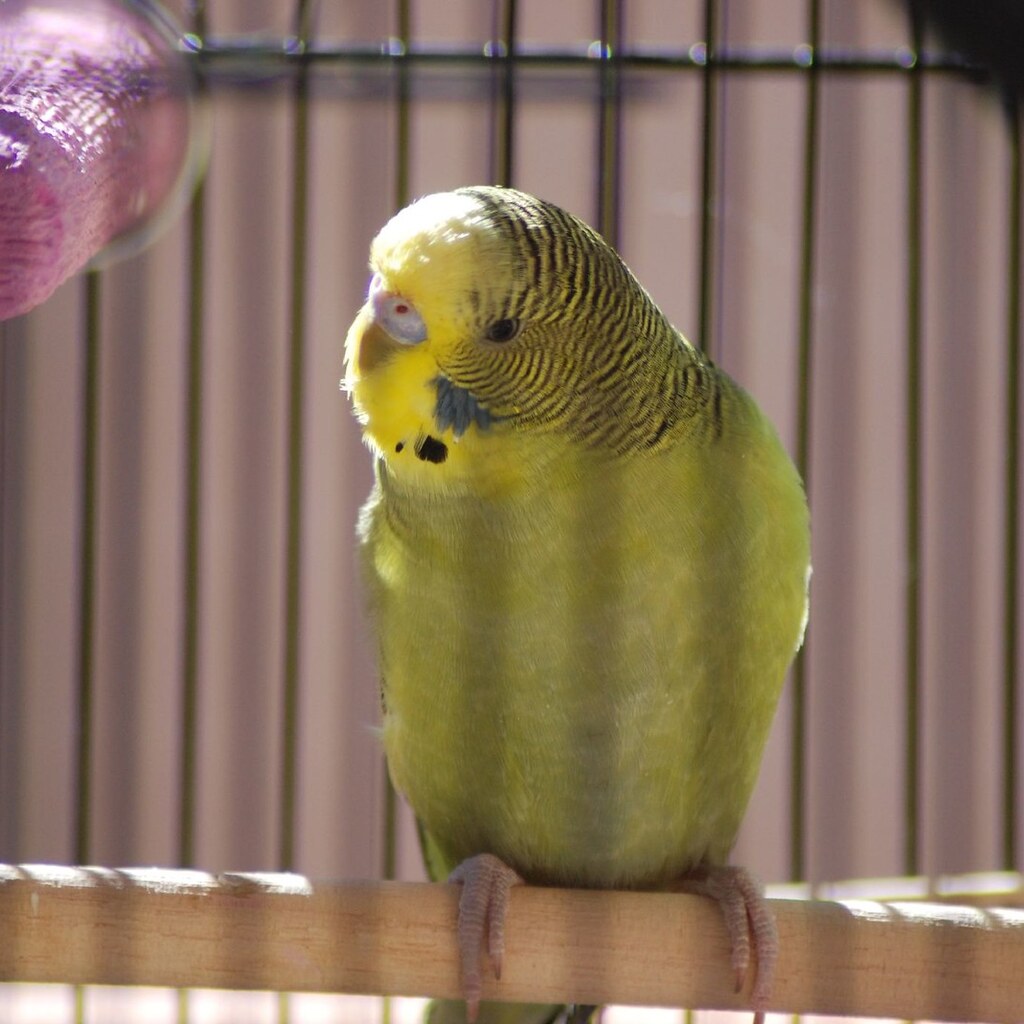
B is for Budgerigar
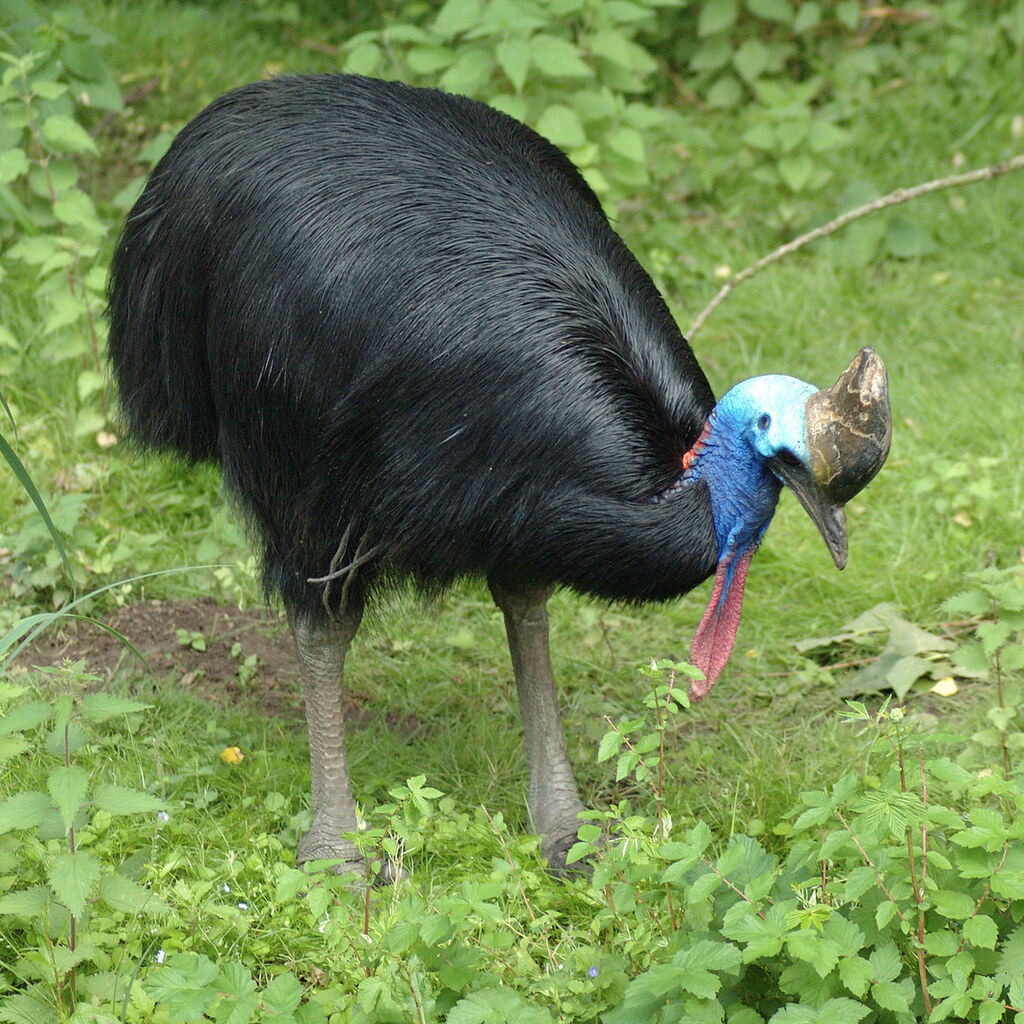
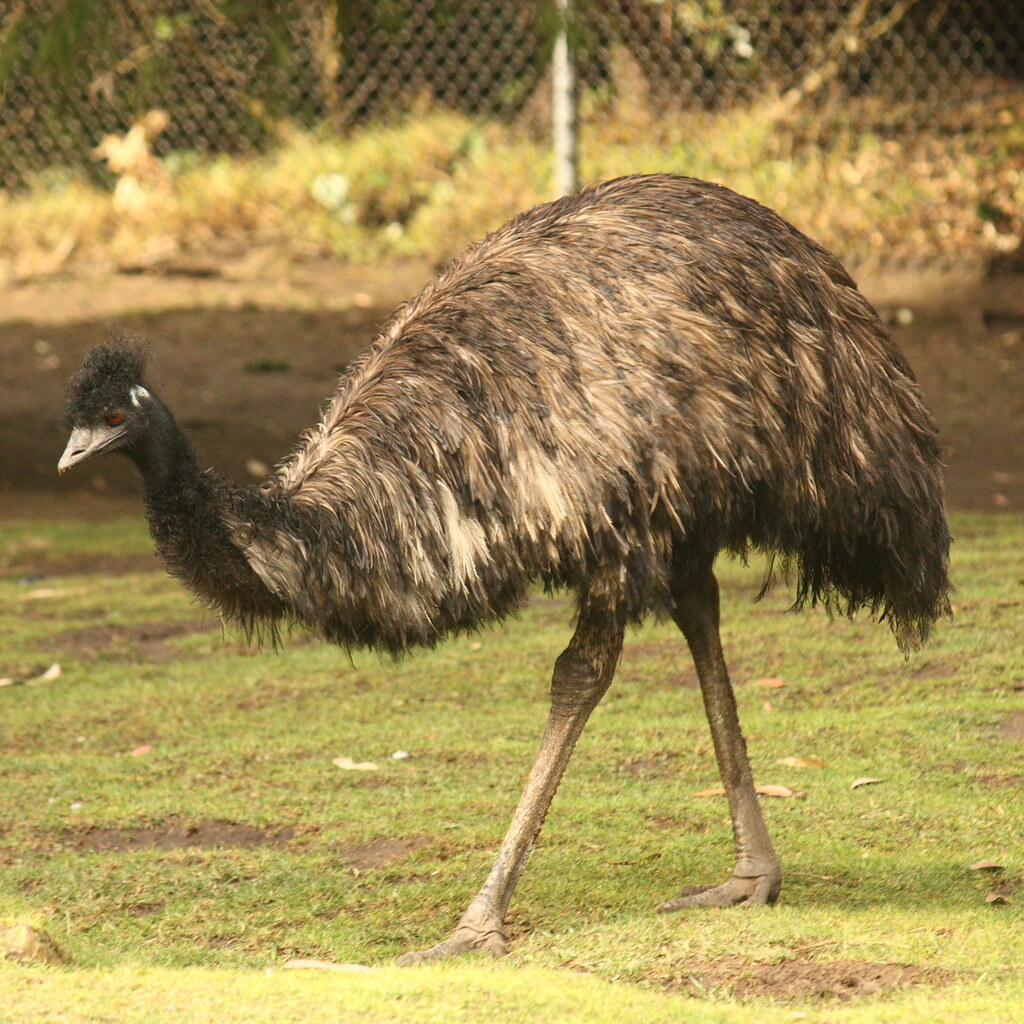
Cassowaries are very large flightless birds that live in tropical forests of New Guinea and northeastern Australia. The only birds bigger than the cassowary are the ostrich and emu.
Cassowaries mainly eat fruit, but will also eat new shoots, seeds and fungi, insects and small animals. Cassowaries usually travel around on their own except when it is time to find a mate and lay eggs.
The booming noise the cassowary makes is the lowest known bird call, and is so low humans can only just hear it.
Cassowaries mainly eat fruit, but will also eat new shoots, seeds and fungi, insects and small animals. Cassowaries usually travel around on their own except when it is time to find a mate and lay eggs.
The booming noise the cassowary makes is the lowest known bird call, and is so low humans can only just hear it.
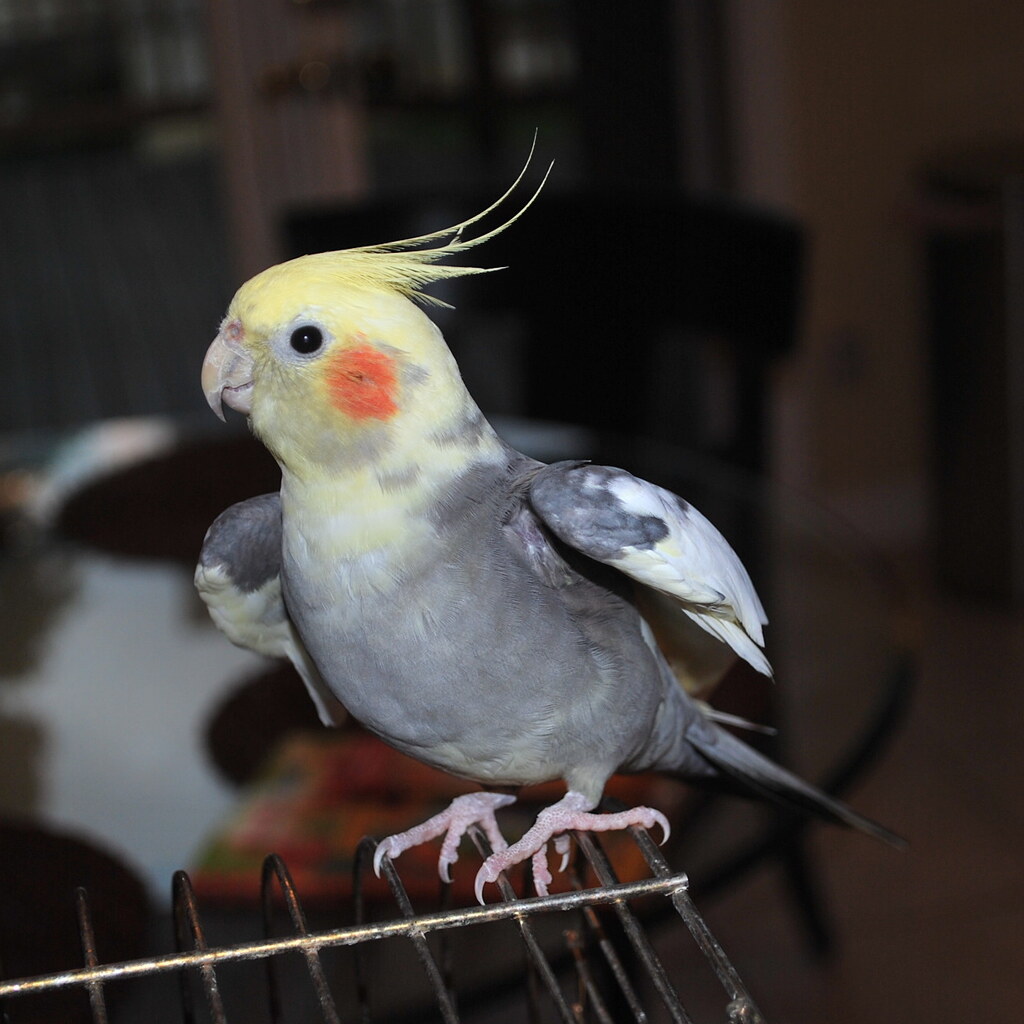
A cockatiel is a small parrot with a raised crest on its head and a yellow face with orange cheeks and grey wings. Cockatiels live in Australia in dry areas and grasslands, and they feed on seeds and grasses. Many people keep them as pets.
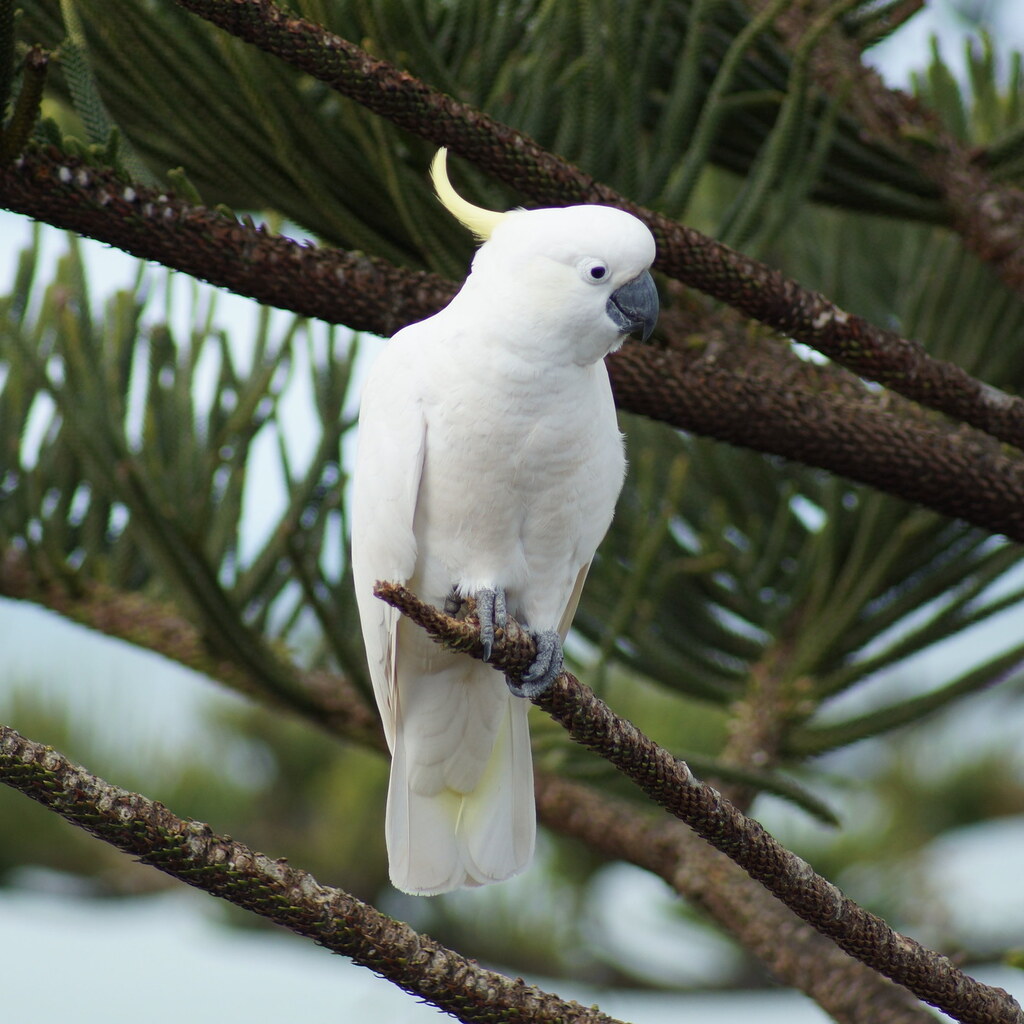
A cockatoo is a type of parrot with a head crest that can be raised or lowered. Different kinds of cockatoos live in Australia, New Guinea and nearby islands. They are known for being loud and smart.
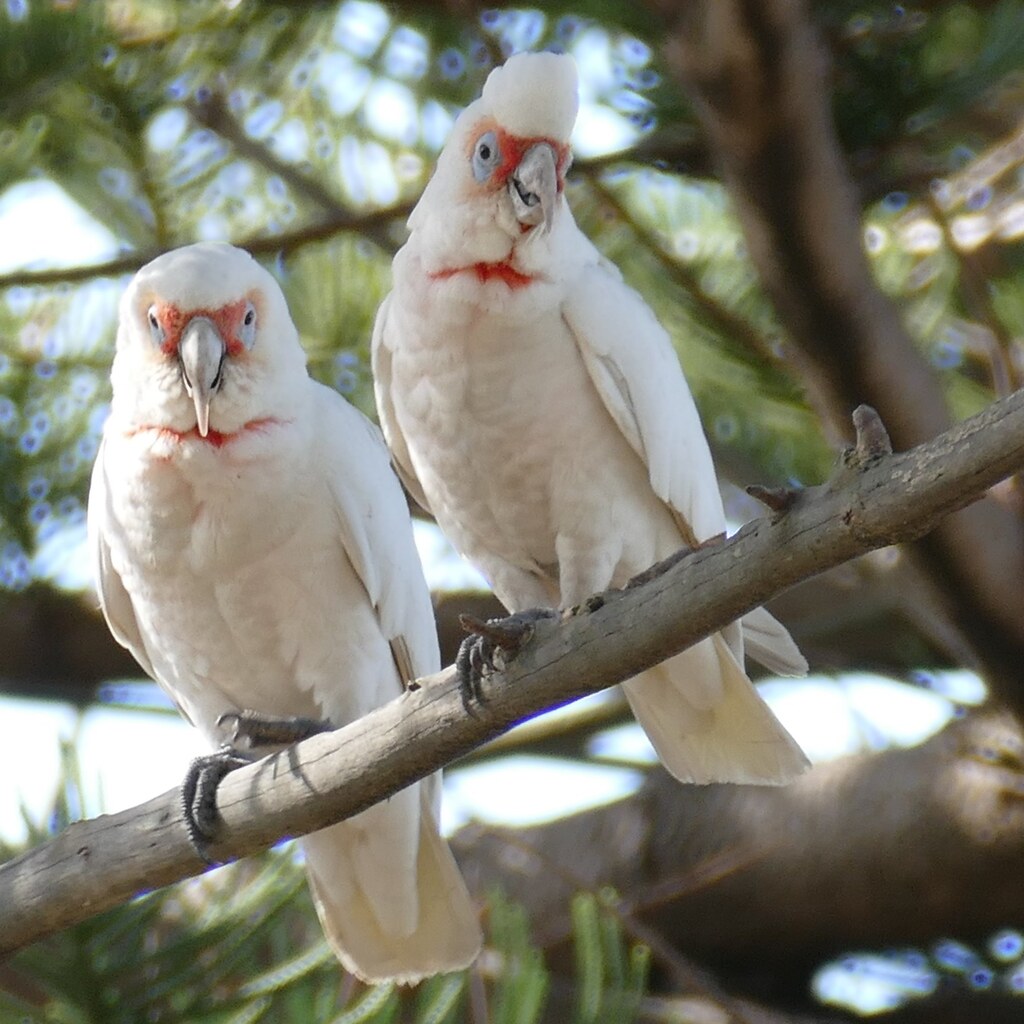
Corellas are medium sized parrots that live in Australia and nearby islands. They eat seeds, nuts and fruit and travel in large groups.
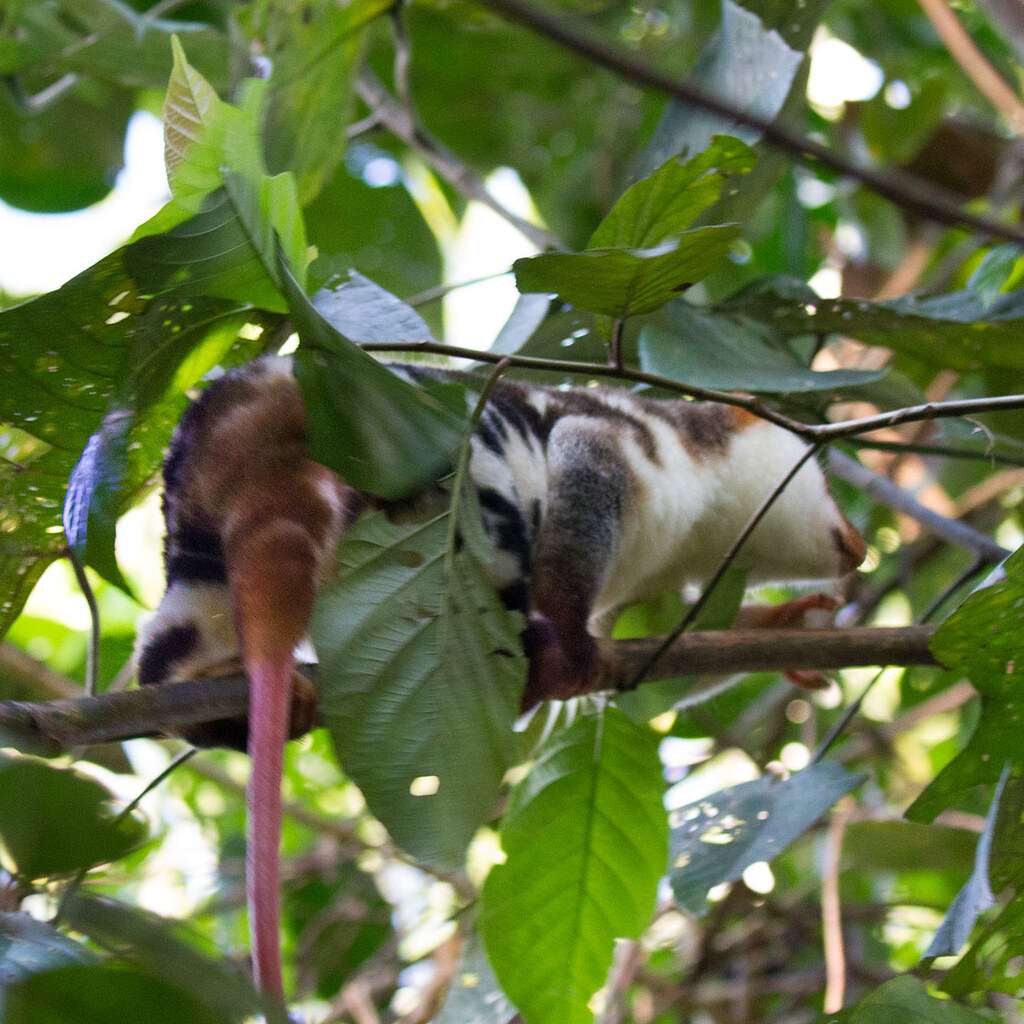
Cuscus are very shy, solitary marsupials in the possum family. They are slow moving, and behave more like sloths or slow loris.

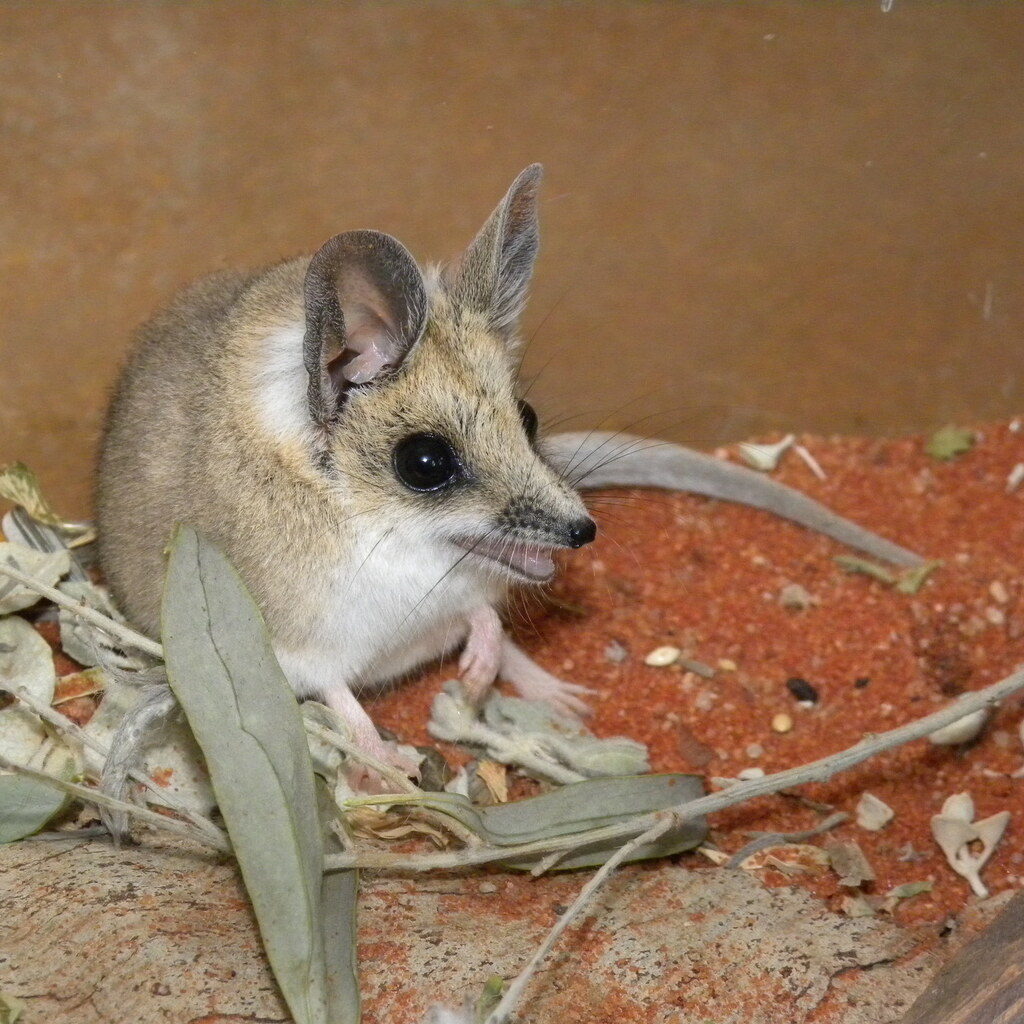
A dunnart is a mouse sized marsupial that eats mostly insects.
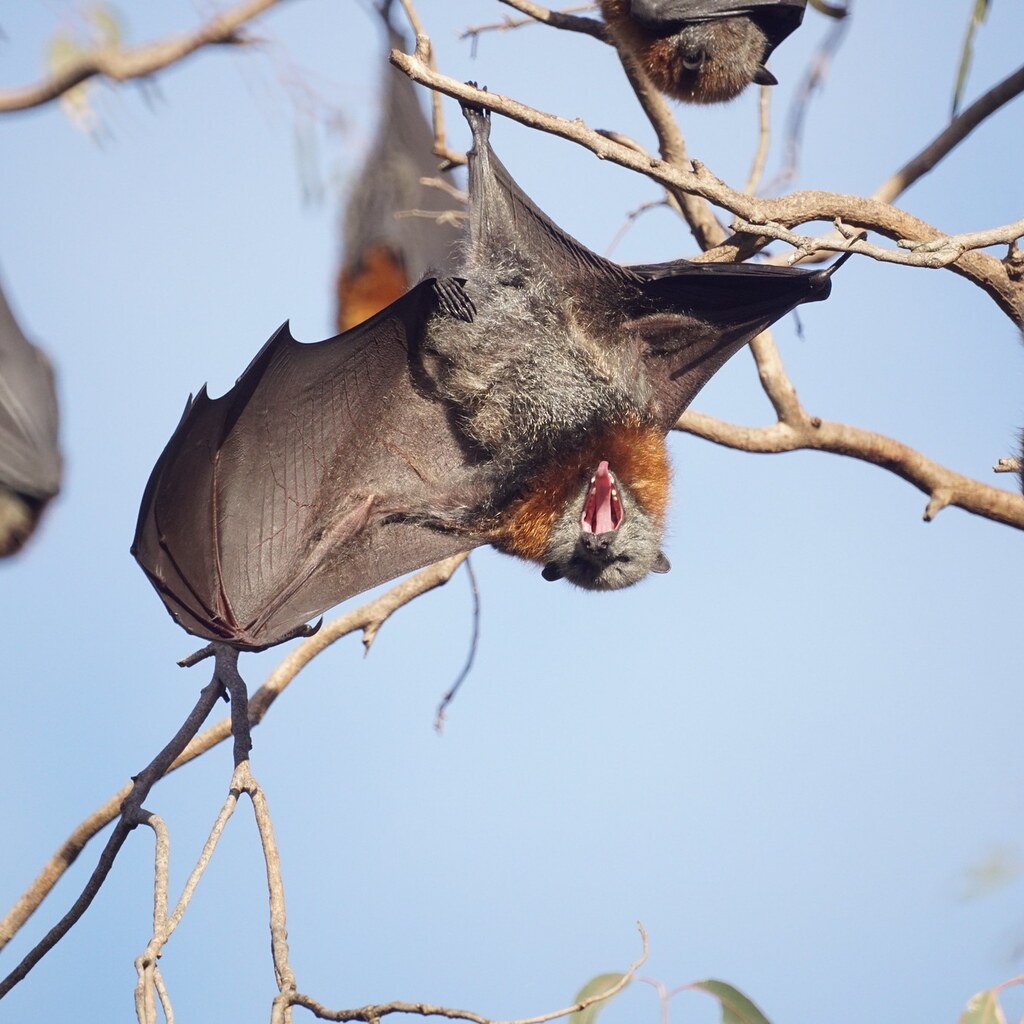
F is for Flying fox
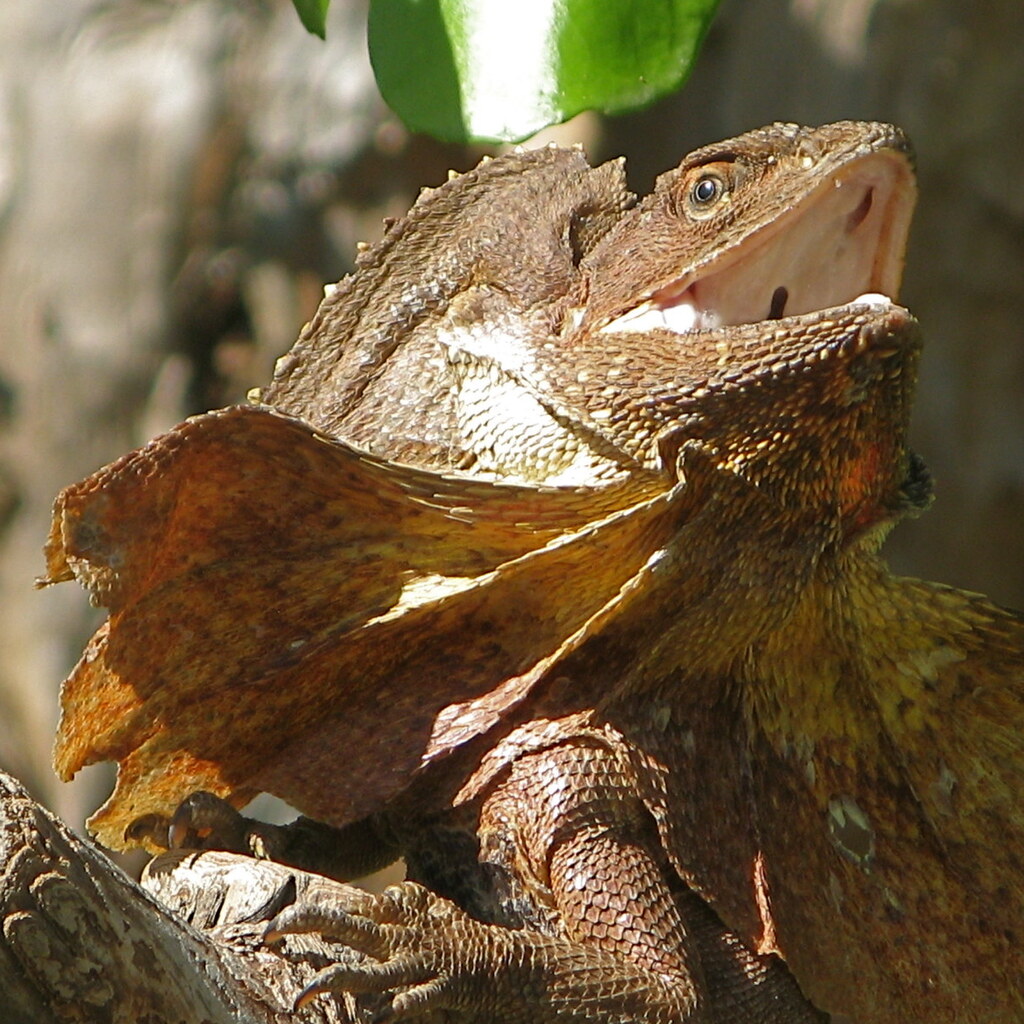
F is for Frill necked lizard
Frill neck lizards eat insects and small lizards.

Galahs, also called the rose-breasted cockatoo, are an extremely common parrot found in large flocks all over Australia. It has risen to pest proportions in some areas.
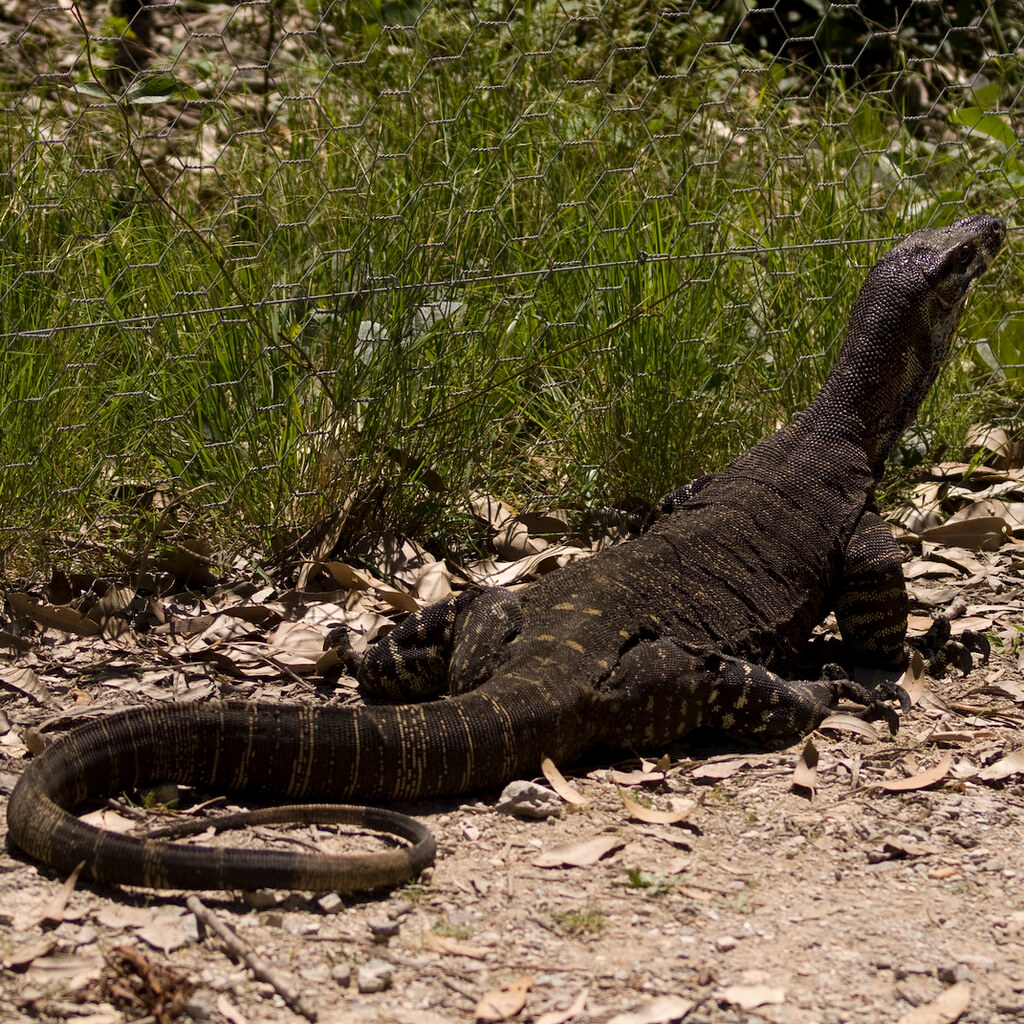
Goannas are large monitors that live in Australia. Some of them are quite small, but some can grow up to two metres long. Goannas eat insects and small animals, and will also eat rotting meat from dead animals they find.
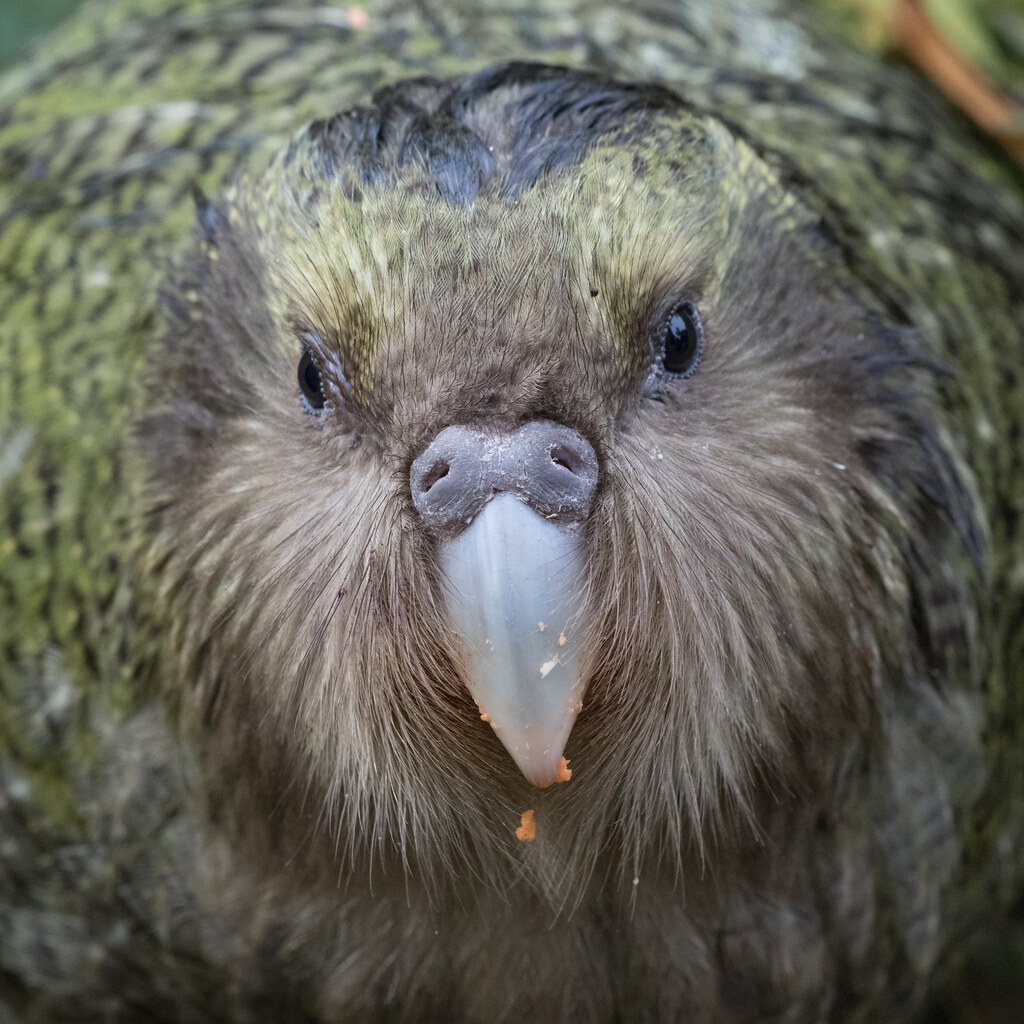
The kakapo is a kind of parrot that lives in New Zealand. It is a large, slow-moving bird.
It is known for its soft, sweet smell and its unusual habit of moving on the ground. The kakapo cannot fly well, so it climbs and walks instead.
It is known for its soft, sweet smell and its unusual habit of moving on the ground. The kakapo cannot fly well, so it climbs and walks instead.
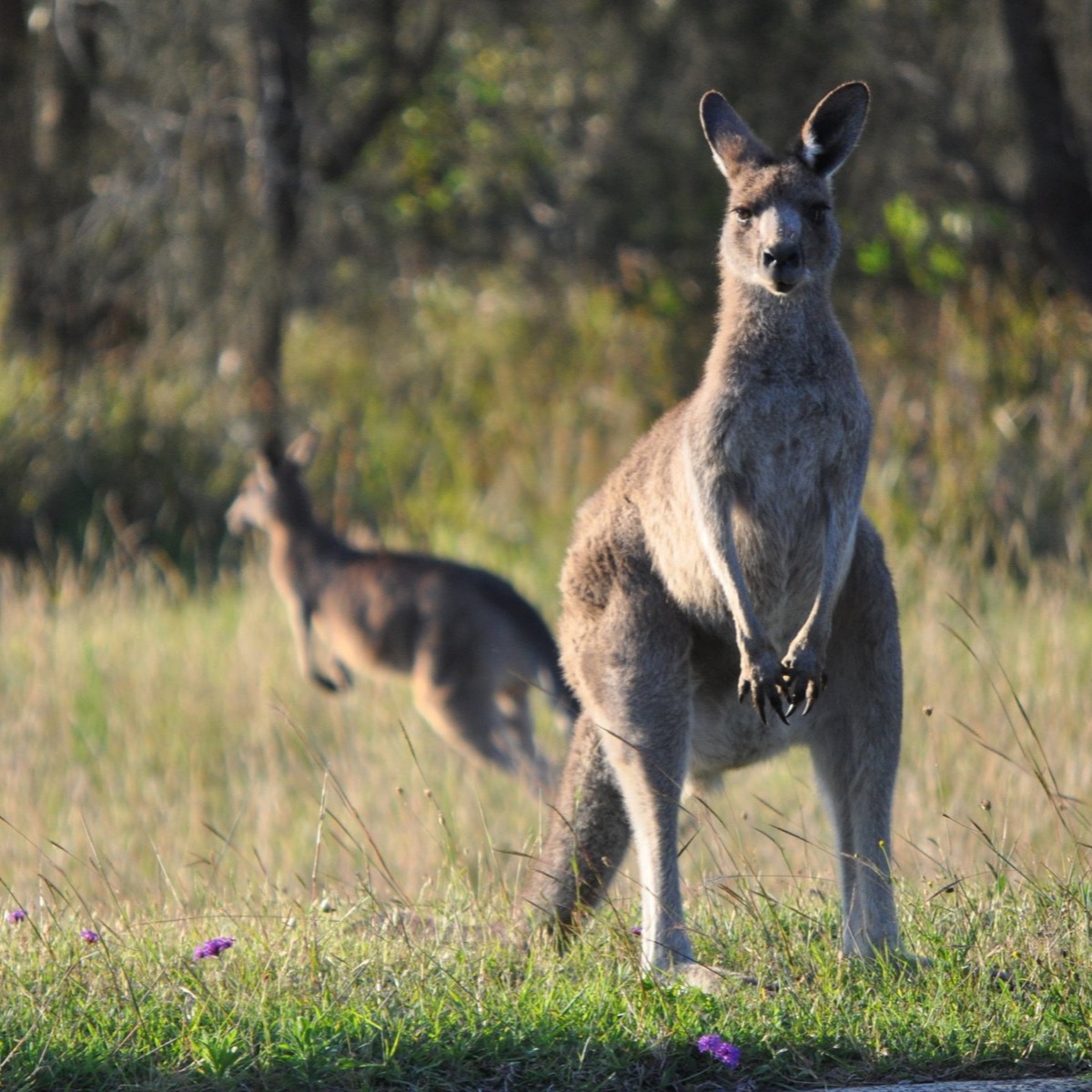
Kangaroos (Macropus rufus) are a marsupial that lives in Australia. Marsupials are animals that keep their babies their pouches. Kangaroos eat mostly grasses and small shrubs.
Kangaroos travel by hopping along on their hind legs, using their tail to balance themselves. They can travel very fast, and can grow to be taller and heavier than an adult man. A baby kangaroo is called a joey.
Kangaroos travel by hopping along on their hind legs, using their tail to balance themselves. They can travel very fast, and can grow to be taller and heavier than an adult man. A baby kangaroo is called a joey.