up to Animals

Mammals

Warm blooded, mostly furry animals.

Subcategories: Canids (6), Felids (16), Feliforms (4), Marsupials (21), Monotremes (2), Primates (11), Rodents (20), Sea mammals (9), Weasels (12)

Showing 141-155 of 155
U is for Unicorn

A unicorn is a mythical creature that resembles a white horse with a horn in the center of its forehead. Unicorns were said to have many powers, such as being able to cure disease and purify water.
It is said that unicorns could only be captured by a virgin.

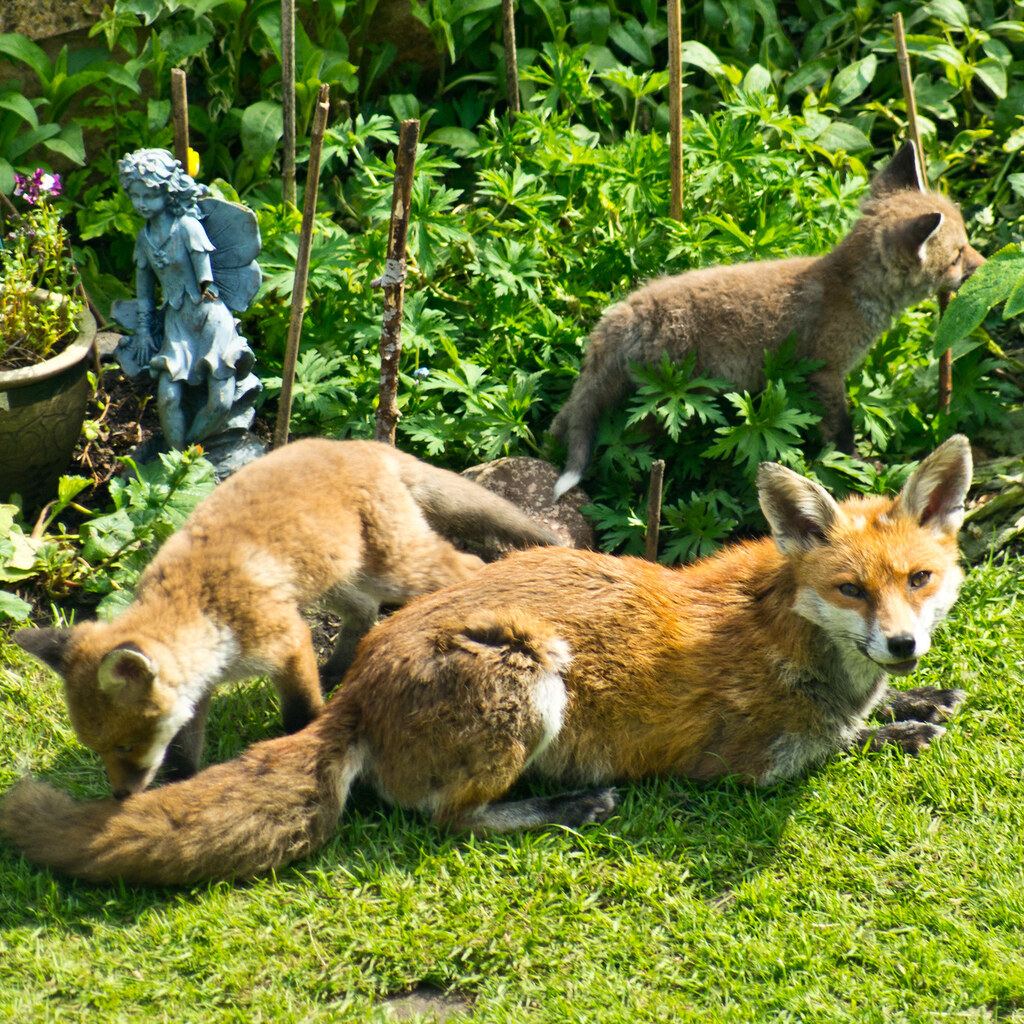
V is for Vixen

A vixen is a female fox.

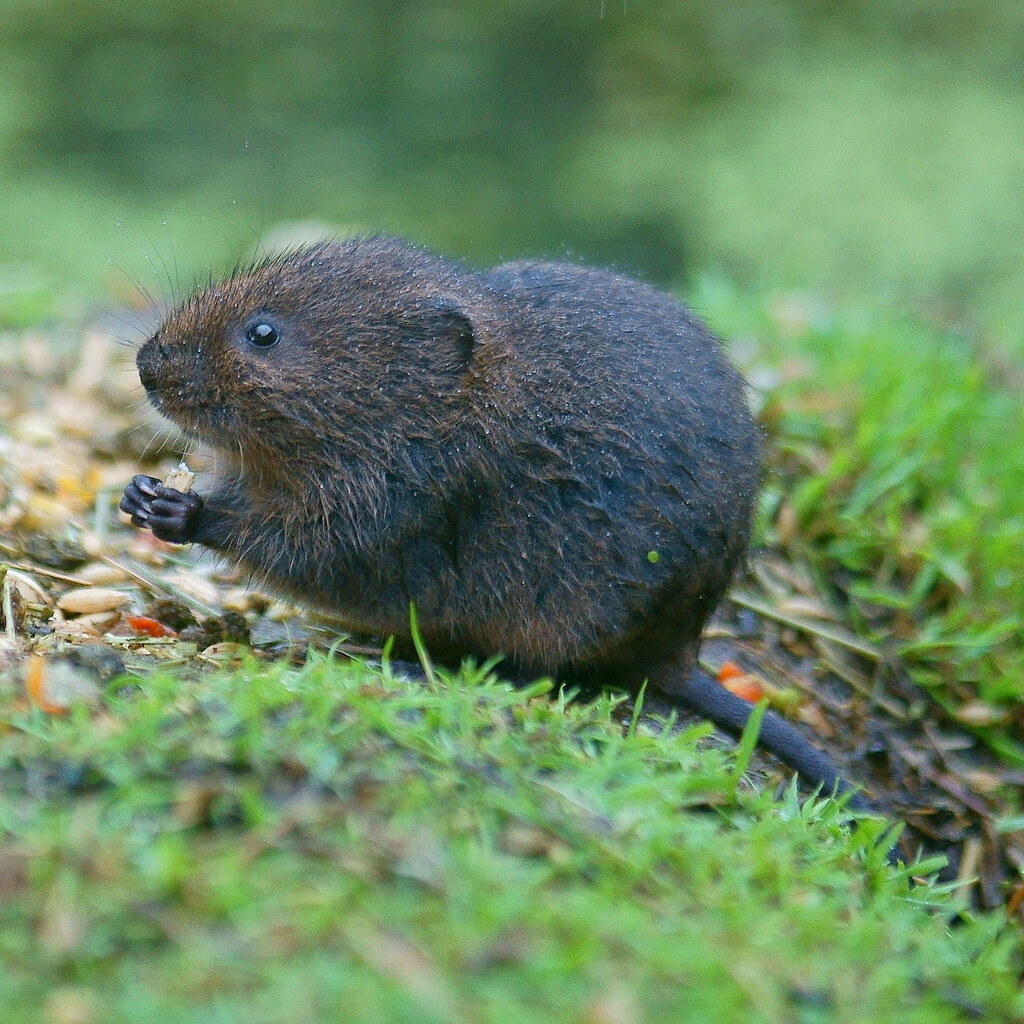
V is for Vole

A vole is similar to a mouse or small rat. Voles have shorter legs and tails.

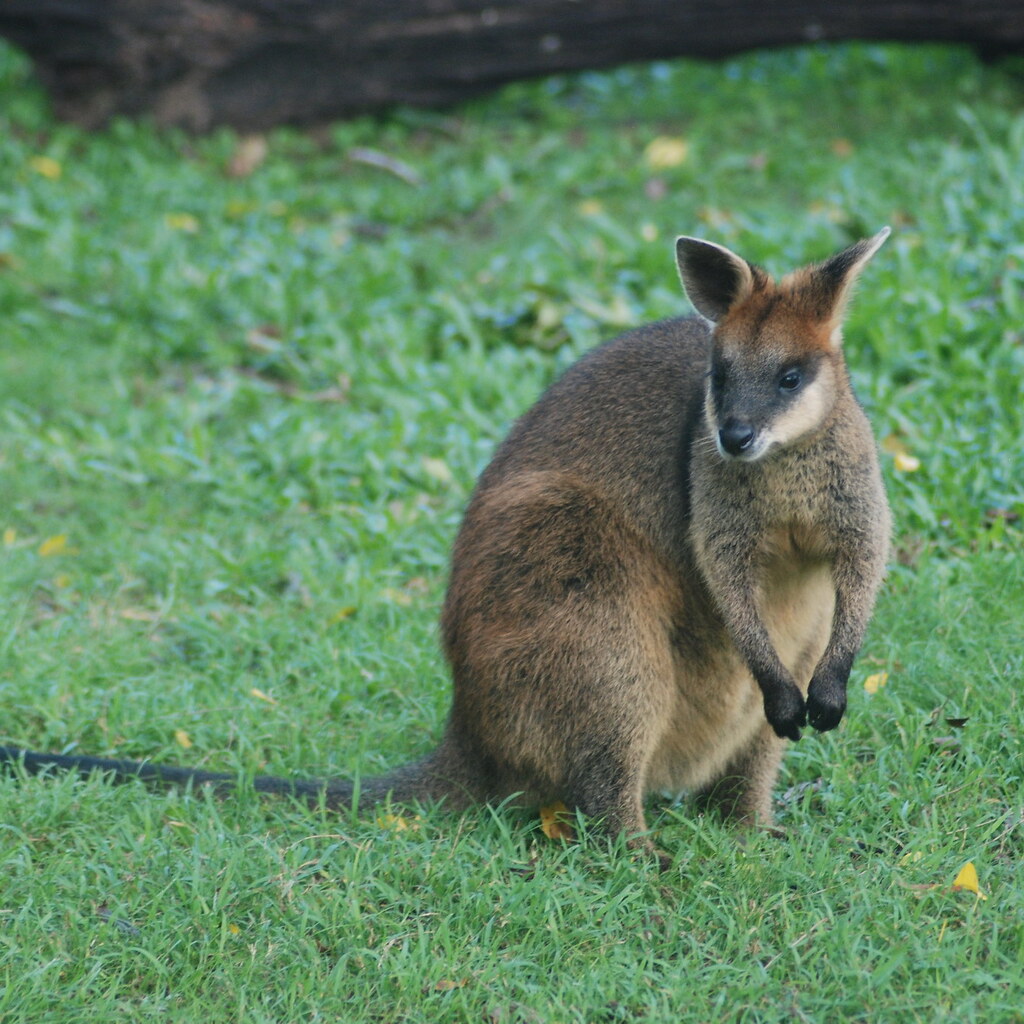
W is for Wallaby

A wallaby is a name given to any small kangaroo. Both wallabies and kangaroos are from Australia. They can survive in very dry climates, and hop along on their back legs using their tail as a balance.

W is for Walrus

A walrus is a large animal that spends most of its time in the sea. They eat clams, sea snails and other animals from the bottom of the sea. They can live to about 50 years old, and a male walrus can grow to weigh between 1,600 and 1,900kg, and get 10-12 feet long. They are distantly related to the seal.
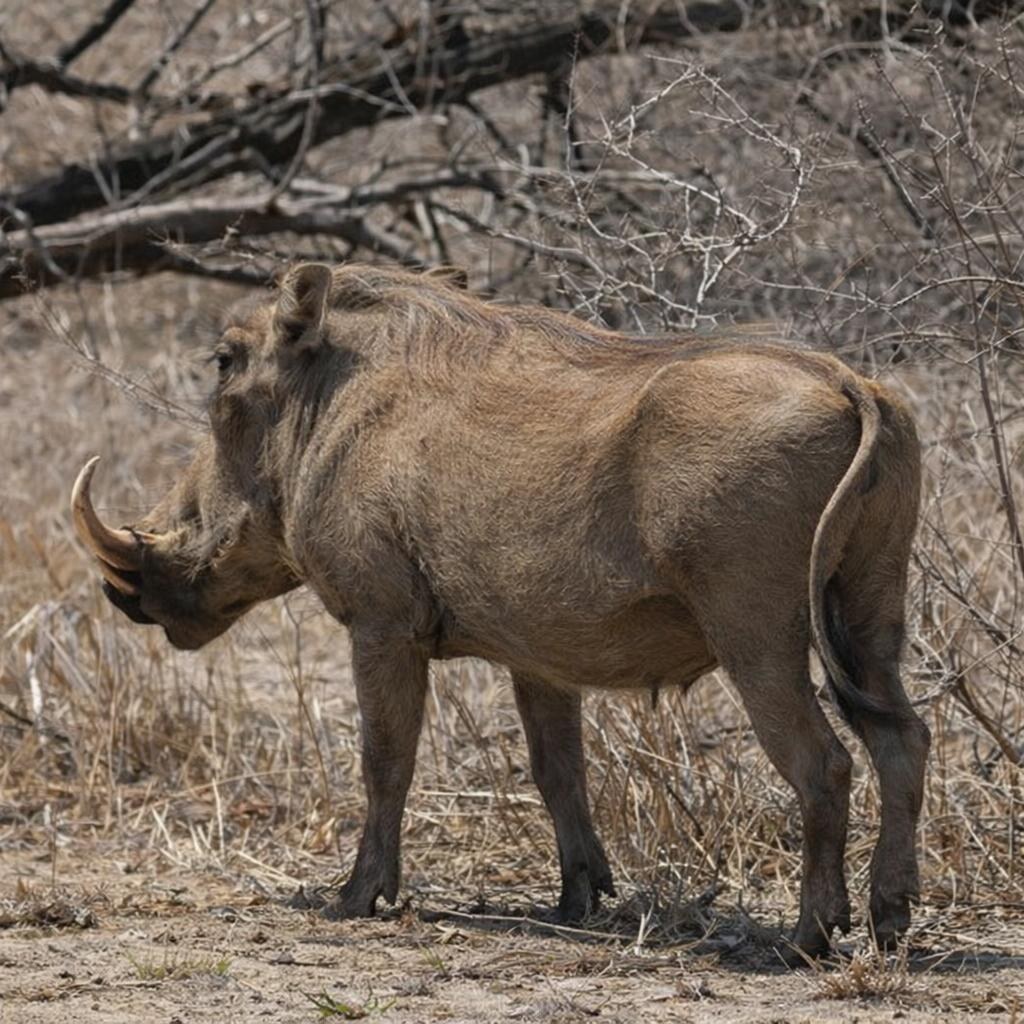
W is for Warthog

The warthog is a king of pig that lives in Africa. It has a lumpy face, hence the name warthog. Warthogs have two pairs of tusks which they use to fight and dig for food.
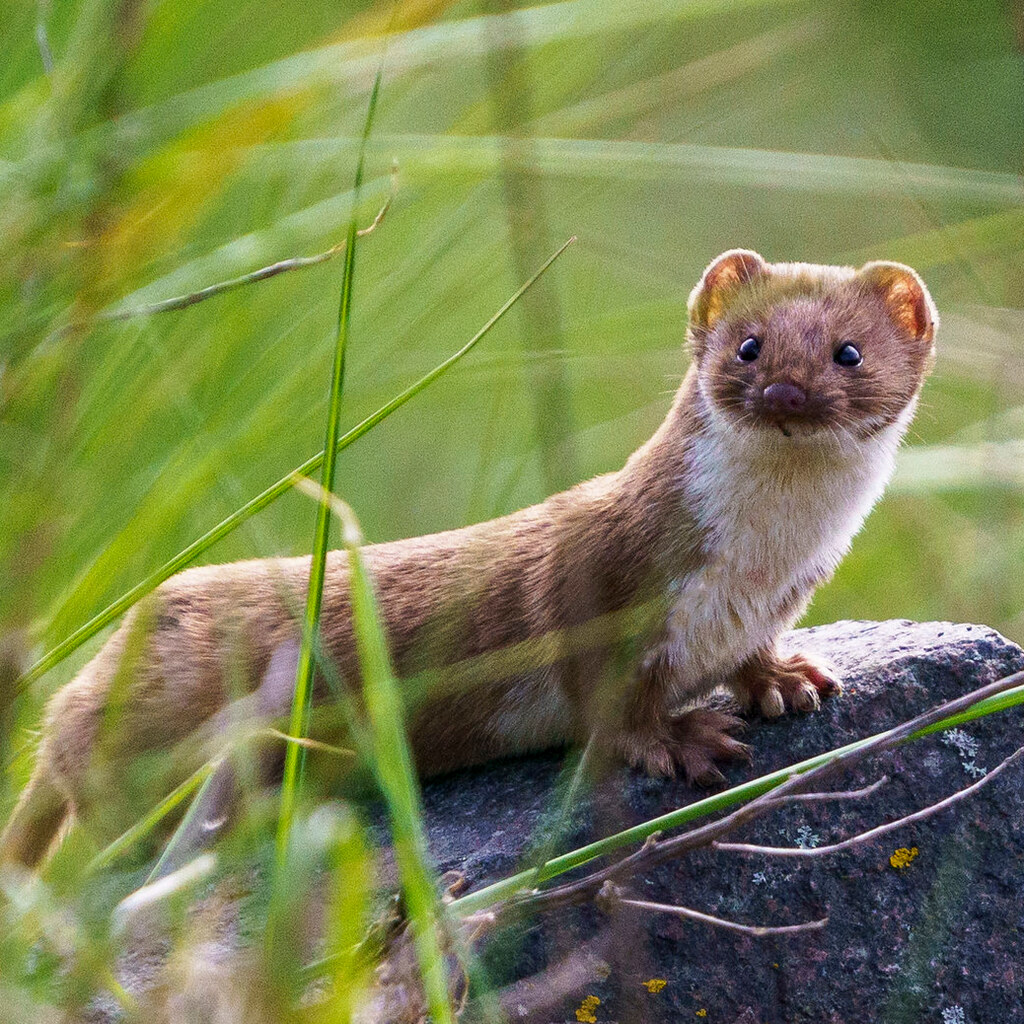
W is for Weasel

A weasel is a small animal related to the ferret and otter, and are found mainly in Europe. Weasels eat smaller animals like mice, rats and sometimes rabbits. They sometimes will eat chickens. Weasels are long and thin so they can go down small holes and eat animals that live underground.

W is for Whale

Whales are a large animal that lives in the sea. They are not fish, as they need to come to the surface to breathe, the same as we do when we are swimming. There are many different varieties of whale. Some eat fish, penguins and seals, but the majority of whales have a large mouth full of tiny bristles that they use to filter tiny sea animals out from the water to eat.
The whale is closely related to the dolphin.
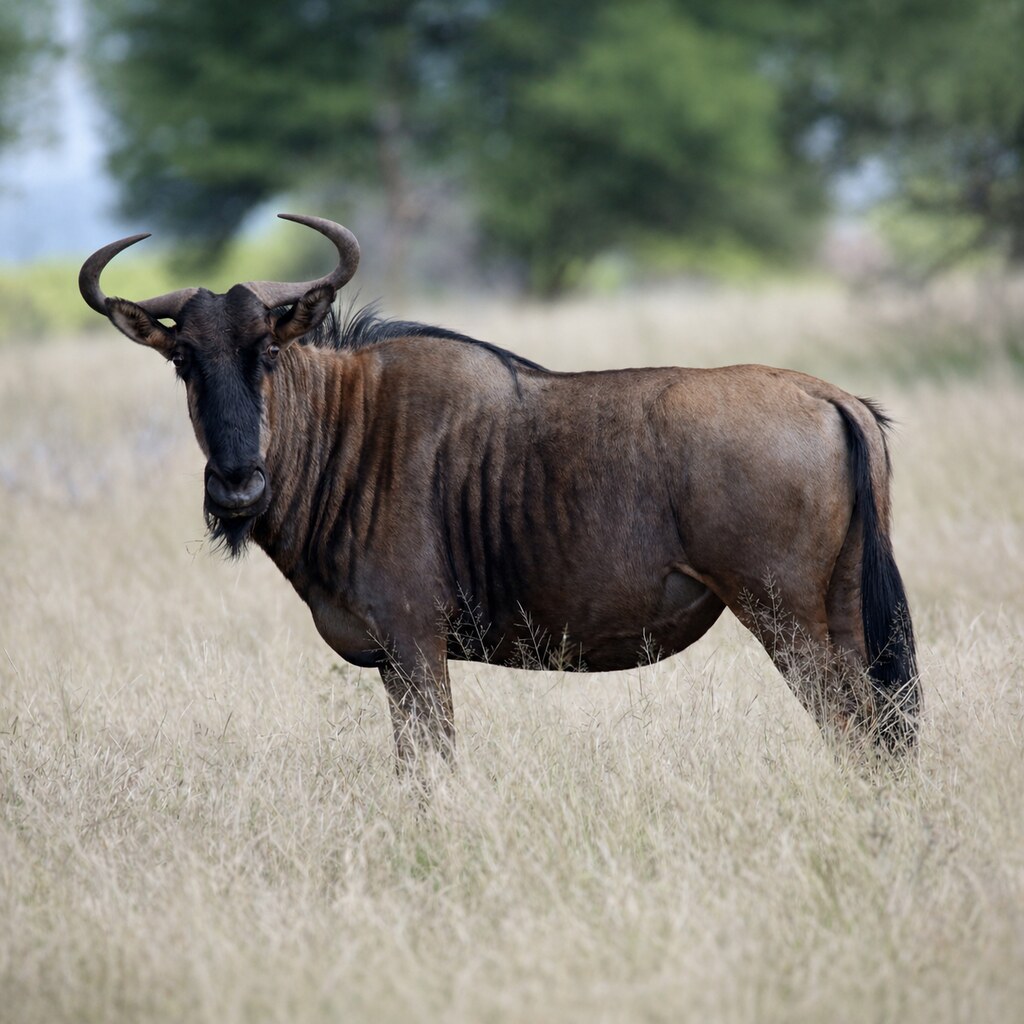
W is for Wildebeest

Wildebeast, or gnu, are a type of antelope. They live in Africa, and are best known for migrating in large herds each year. Wildebeast are prey to lions, hyenas, cheetahs, and leopards.

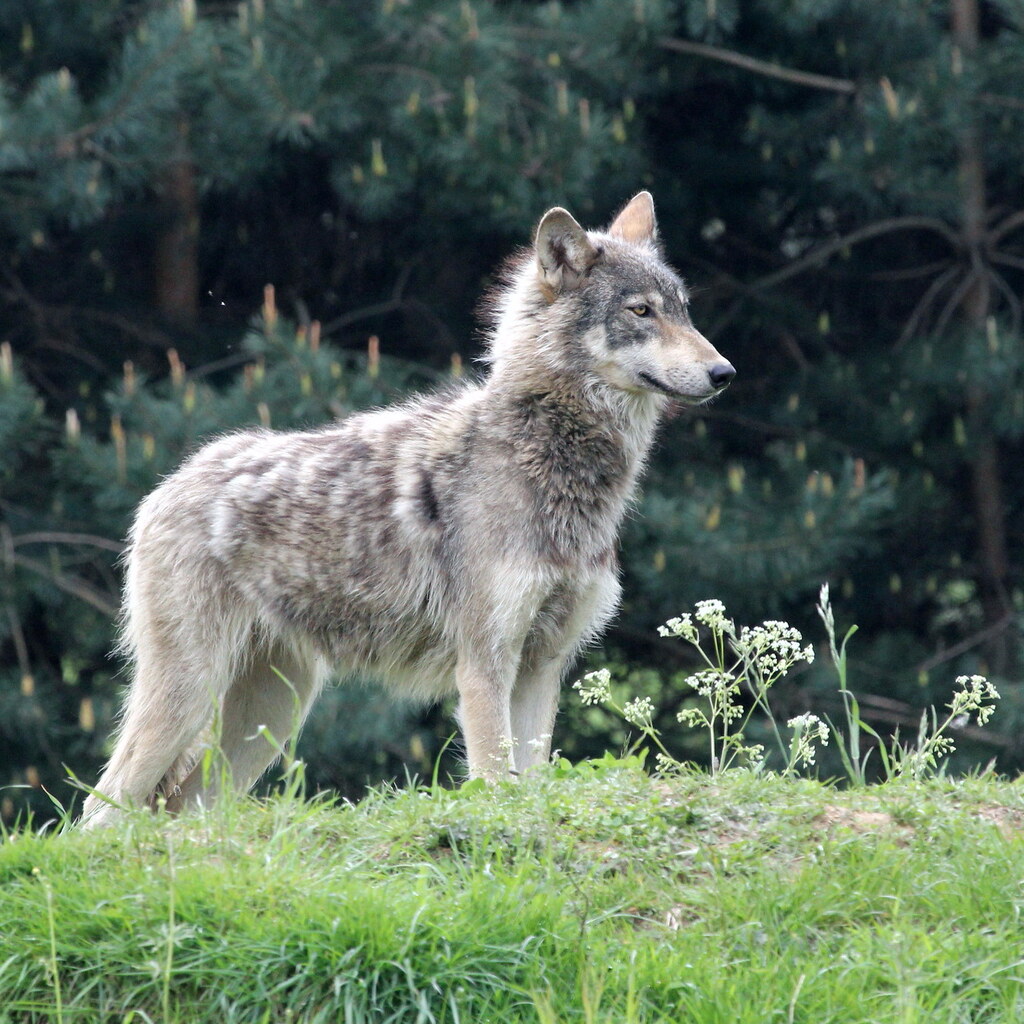
W is for Wolf

The wolf is the wild relative of the dog. They live in forests and sometimes grasslands. Wolves generally hunt deer or any other available animal. A baby wolf is called a puppy.

W is for Wolverine

The wolverine is the largest member of the weasel family, although they look like small bears. They are found mostly in the northern, cold regions of the world like Alaska and Siberia. They are ferocious hunters and can kill things much larger than they are.

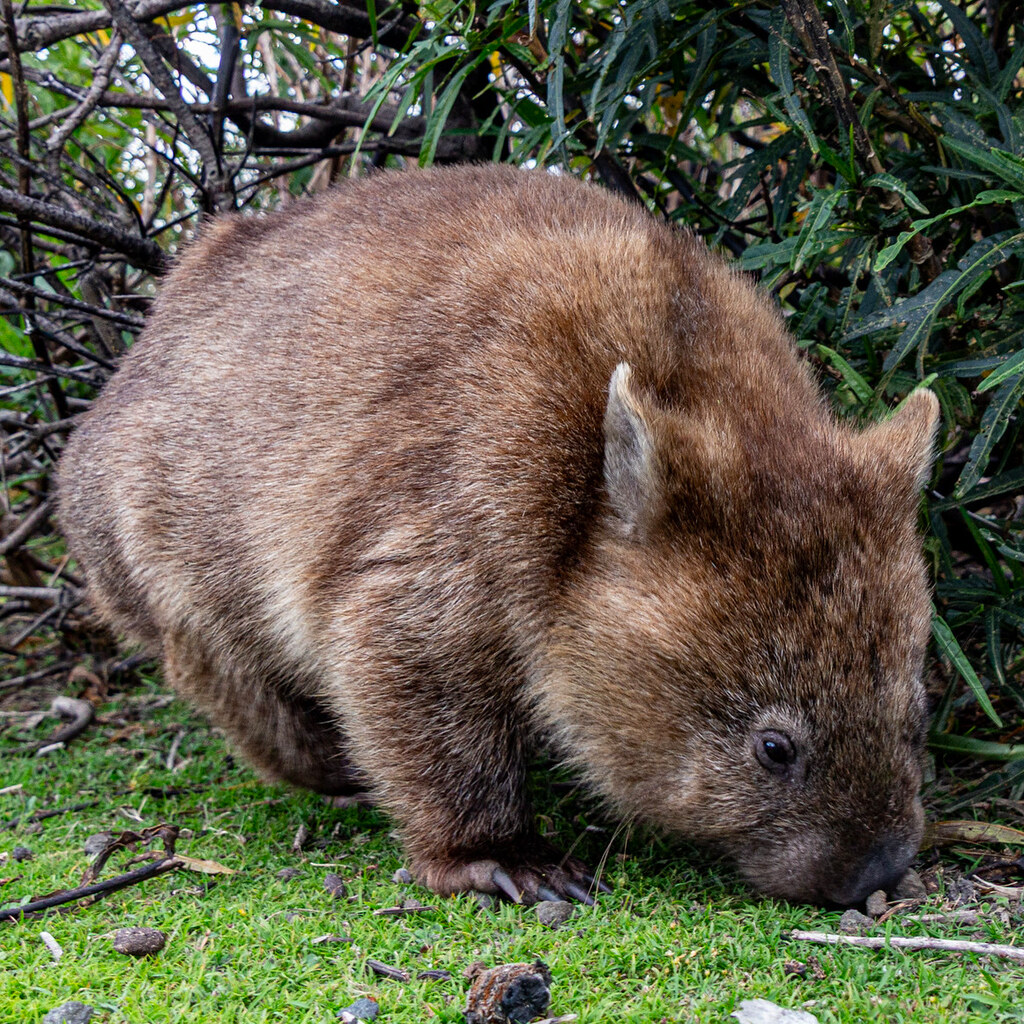
W is for Wombat

Wombats are a marsupial that lives in Australia. Marsupials are animals that keep their babies in pouches. The wombat's pouch faces backwards so it doesn't fill up with dirt while the mother wombat is digging. Wombats dig large systems of burrows, both to live in and while looking for roots to eat. The closest relative of the wombat is the koala.
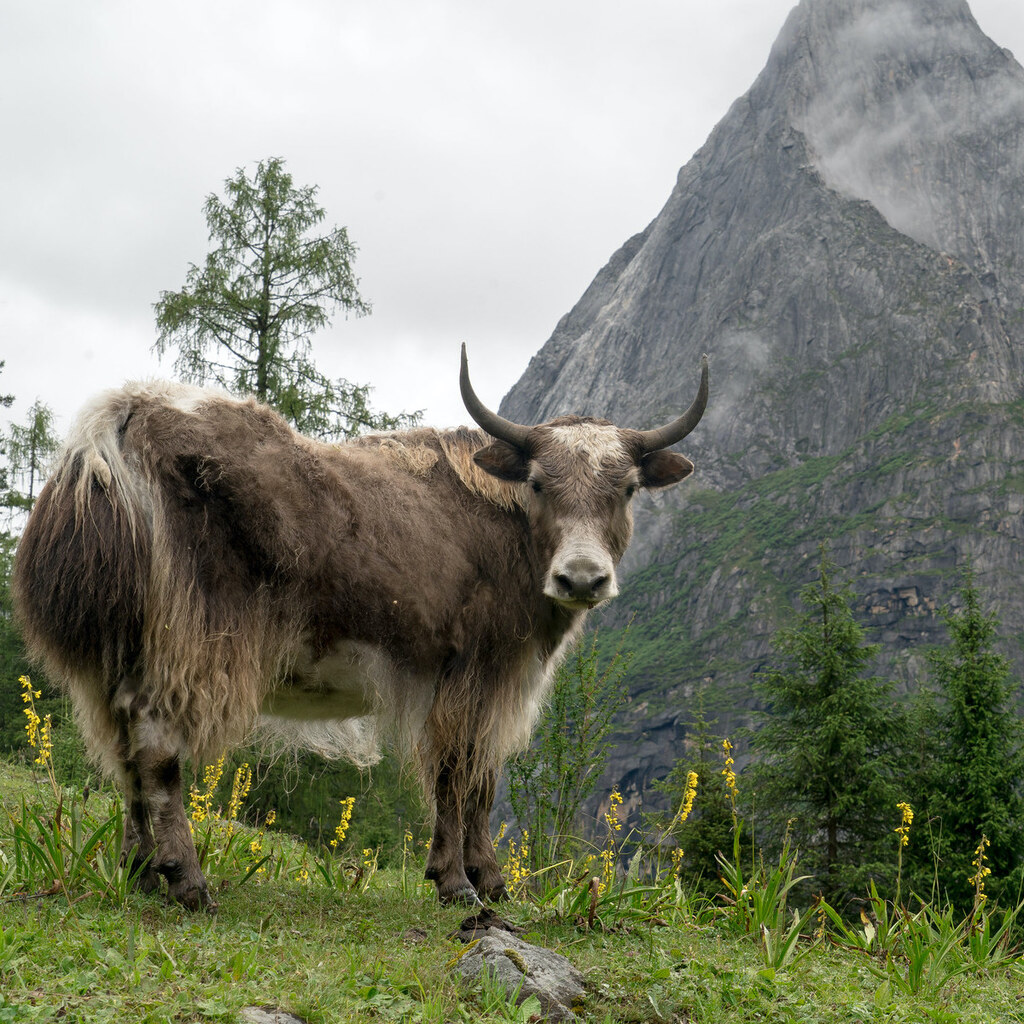
Y is for Yak

A yak is a relative of the cow. Yaks live in high mountains, and have long shaggy hair to keep out the cold.

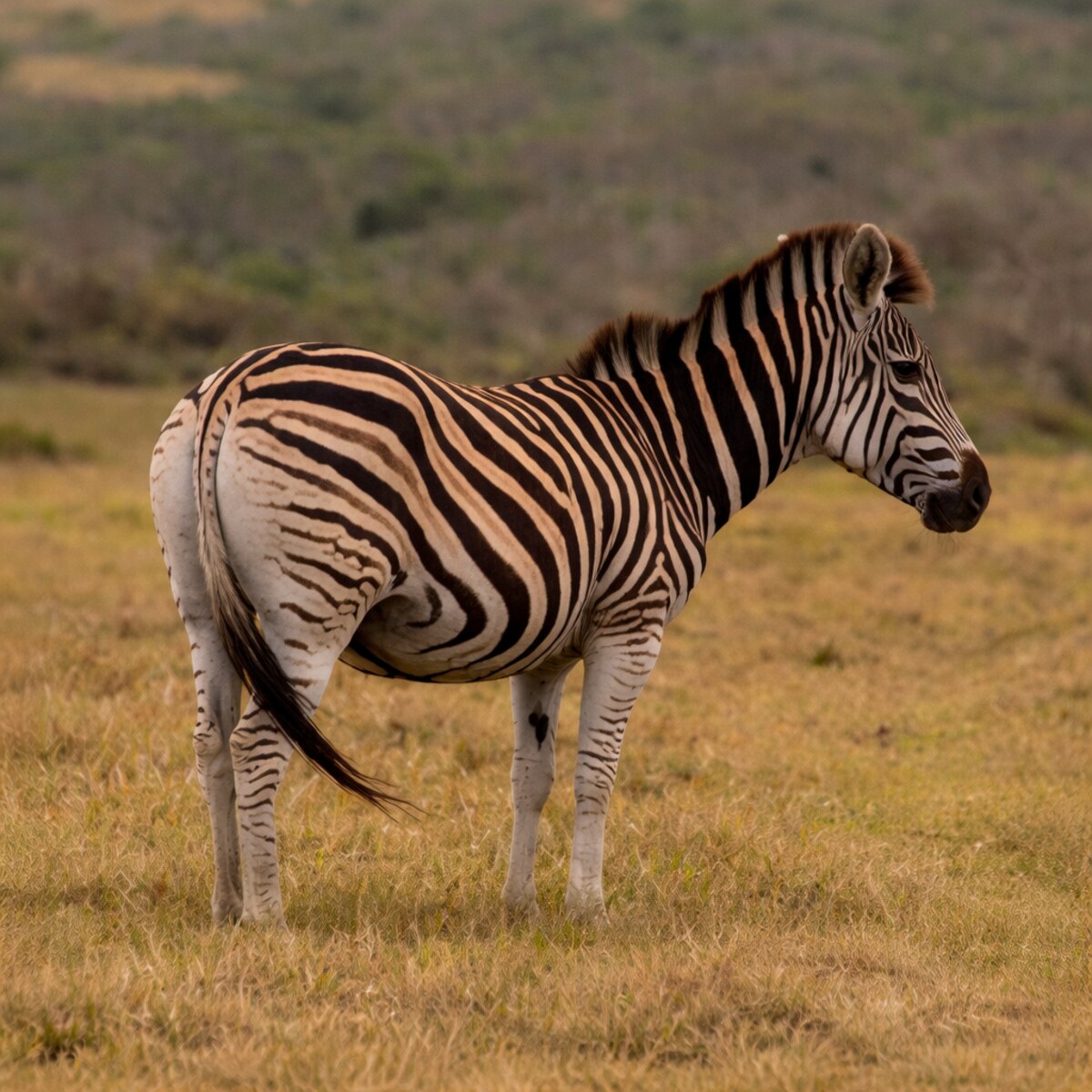
Z is for Zebra

Zebras are a relative of the horse, and they live in Africa. They travel around in large groups called herds. All zebras are black and white striped.

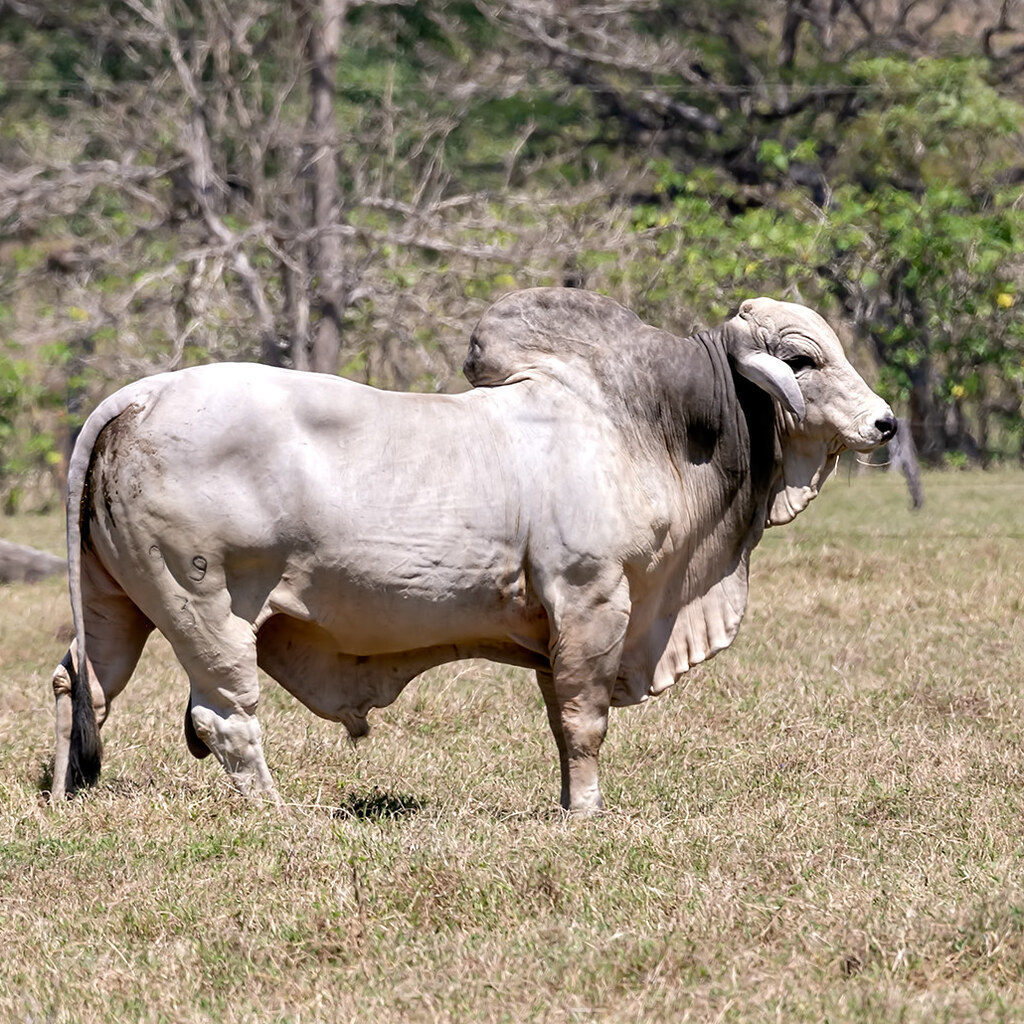
Z is for Zebu

A zebu is a type of cow that has a big hump on its shoulders. They are better suited to hot climates than other kinds of domestic cattle.