Showing 161-180 of 416
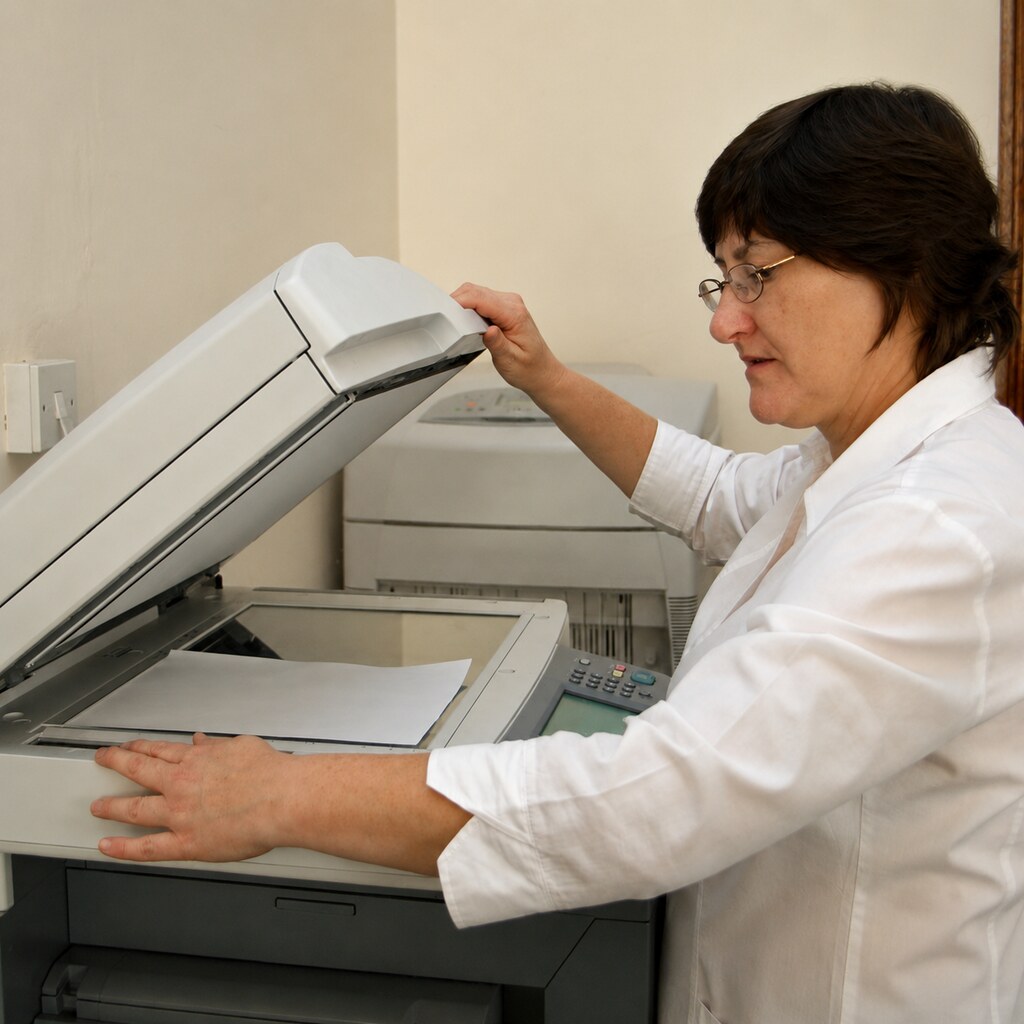

P is for Photographer

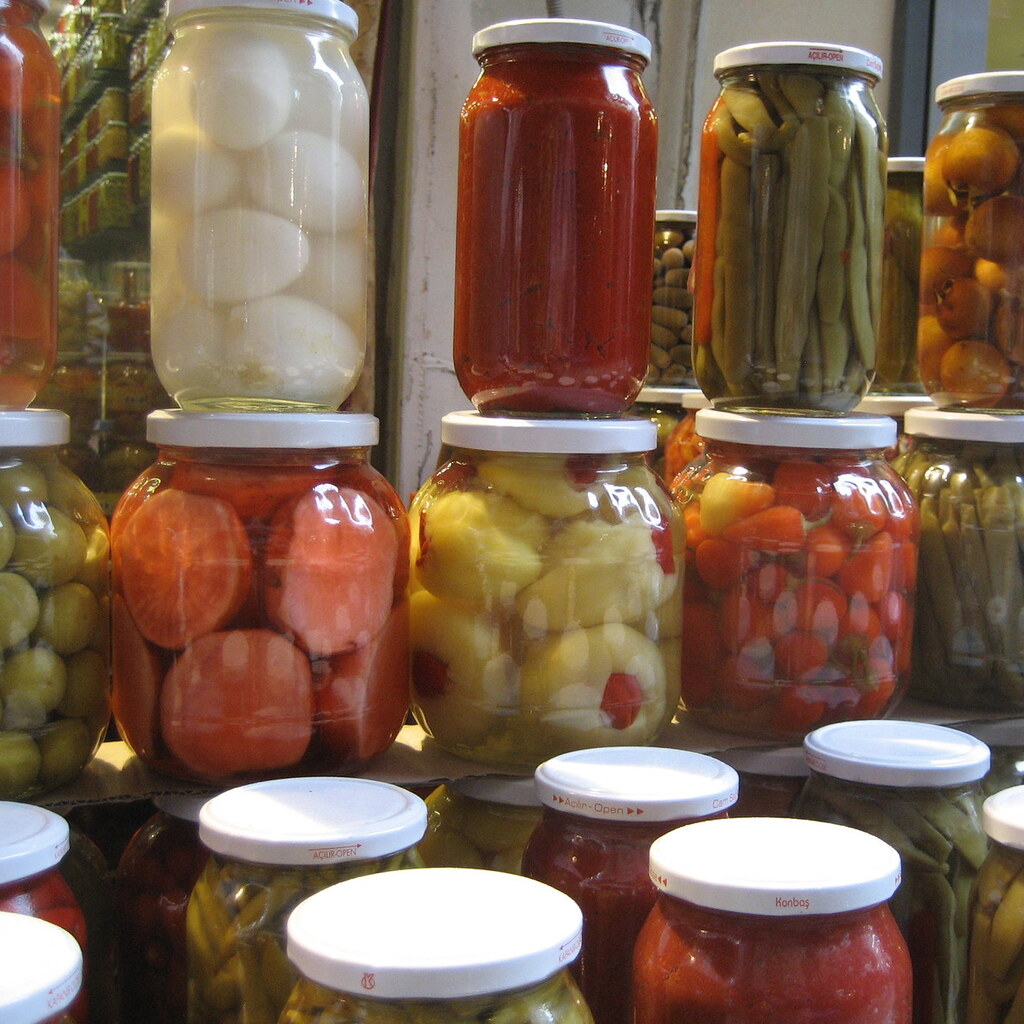
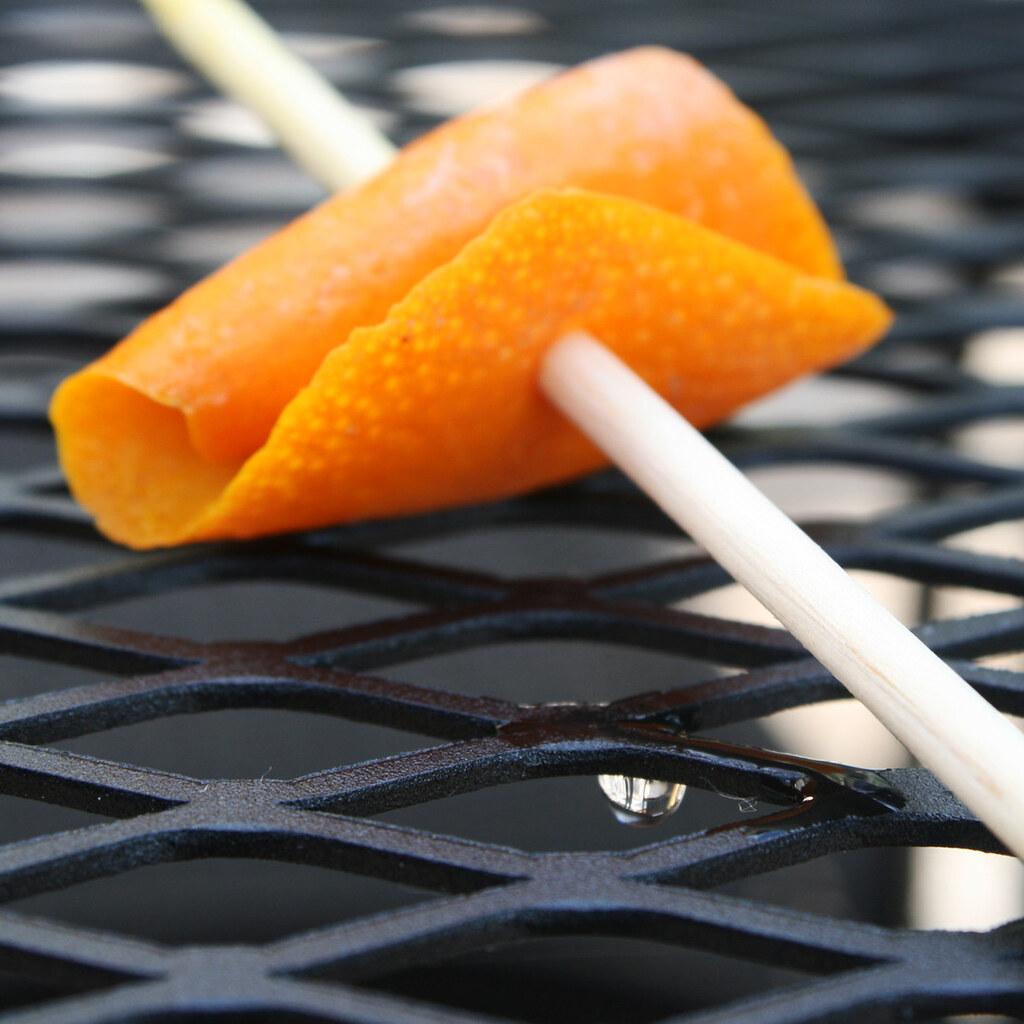
Pickling is a way of preserving food. The most common vegetables pickled today are cucumbers, olives and onions.
Pickling is a way of preserving food by storing it in acid, either directly by using vinegar or by fermenting food in salty water to make lactic acid. Herbs like garlic and mustard are often added to pickles both for flavour and to help keep germs at bay.
Pickling is a way of preserving food by storing it in acid, either directly by using vinegar or by fermenting food in salty water to make lactic acid. Herbs like garlic and mustard are often added to pickles both for flavour and to help keep germs at bay.


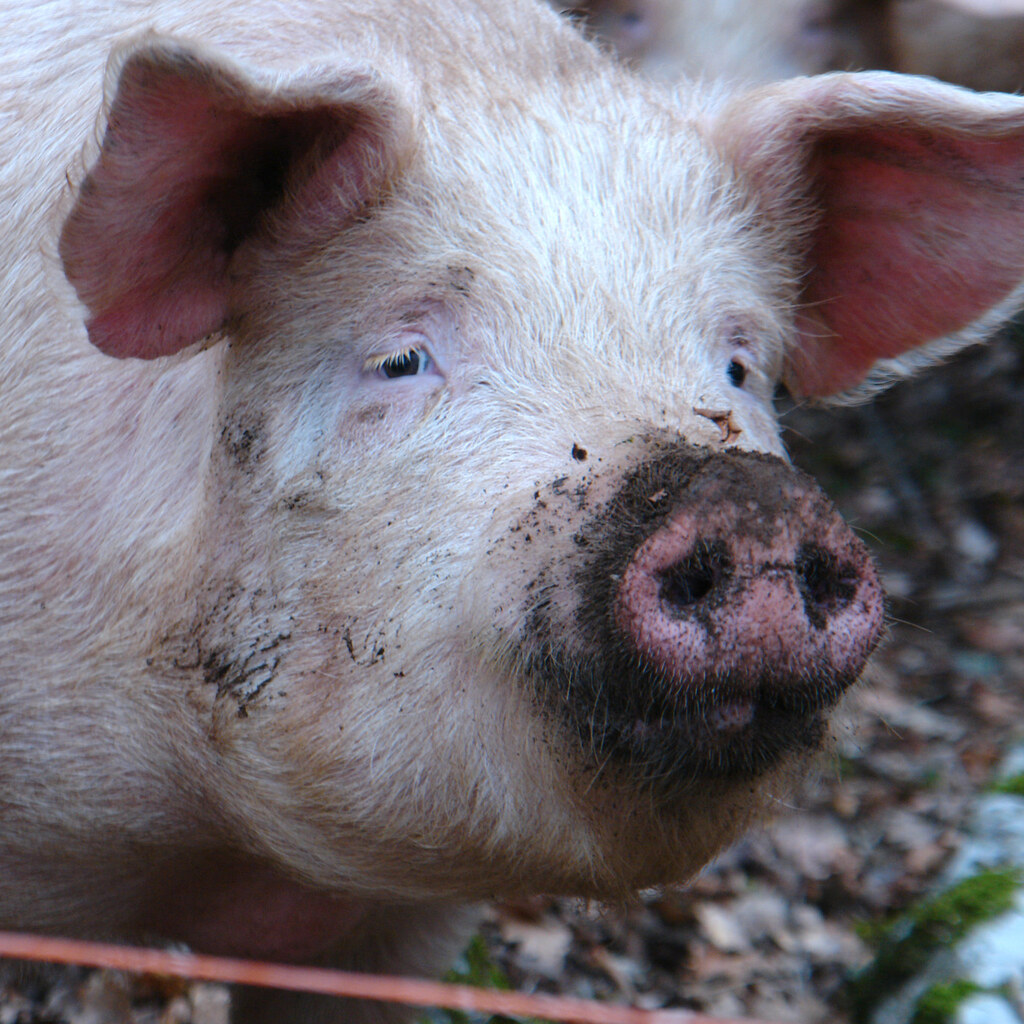
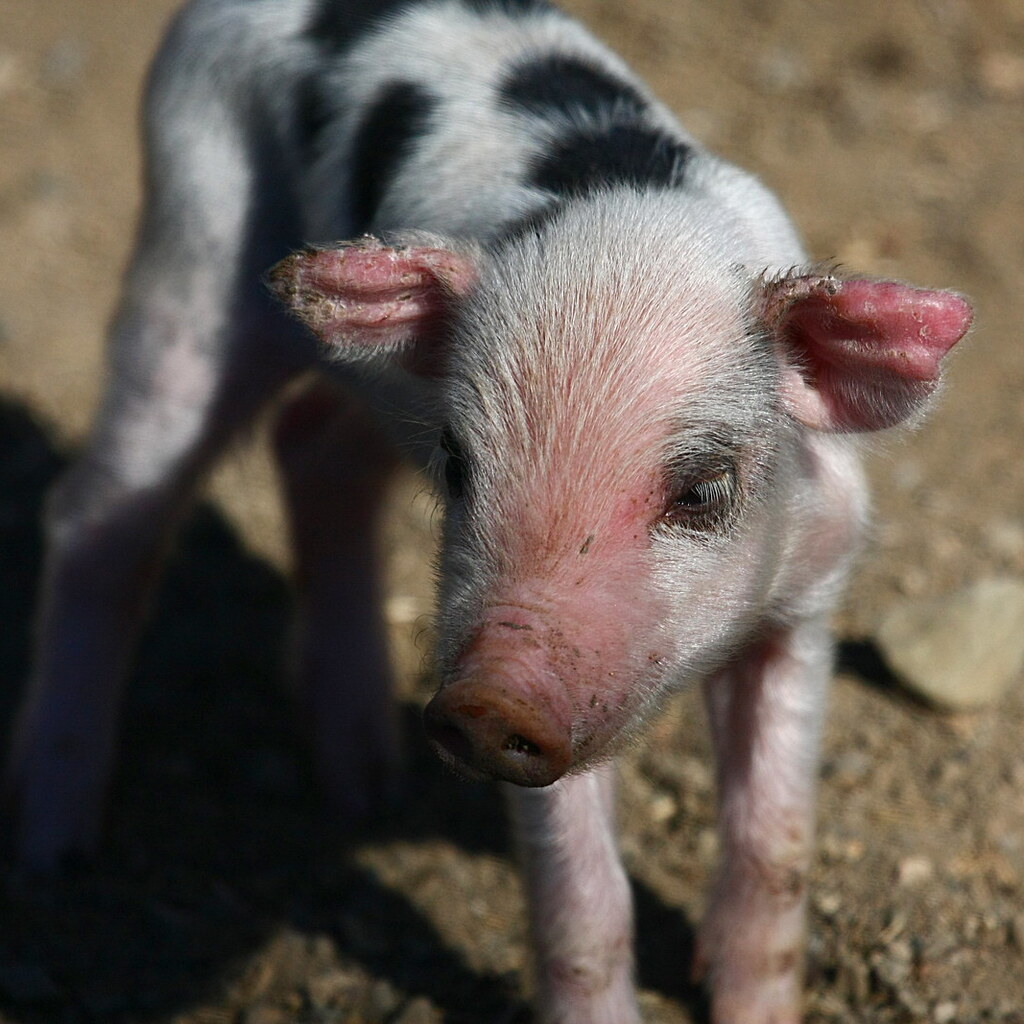
Pigs have a large head, short legs and a large body. They eat almost anything, and spend most of their time digging through the ground with their snout looking for food. A male pig is called a boar, a female pig is called a sow and a baby pig is called a piglet. Pigs are generally kept for their meat, which is called pork.
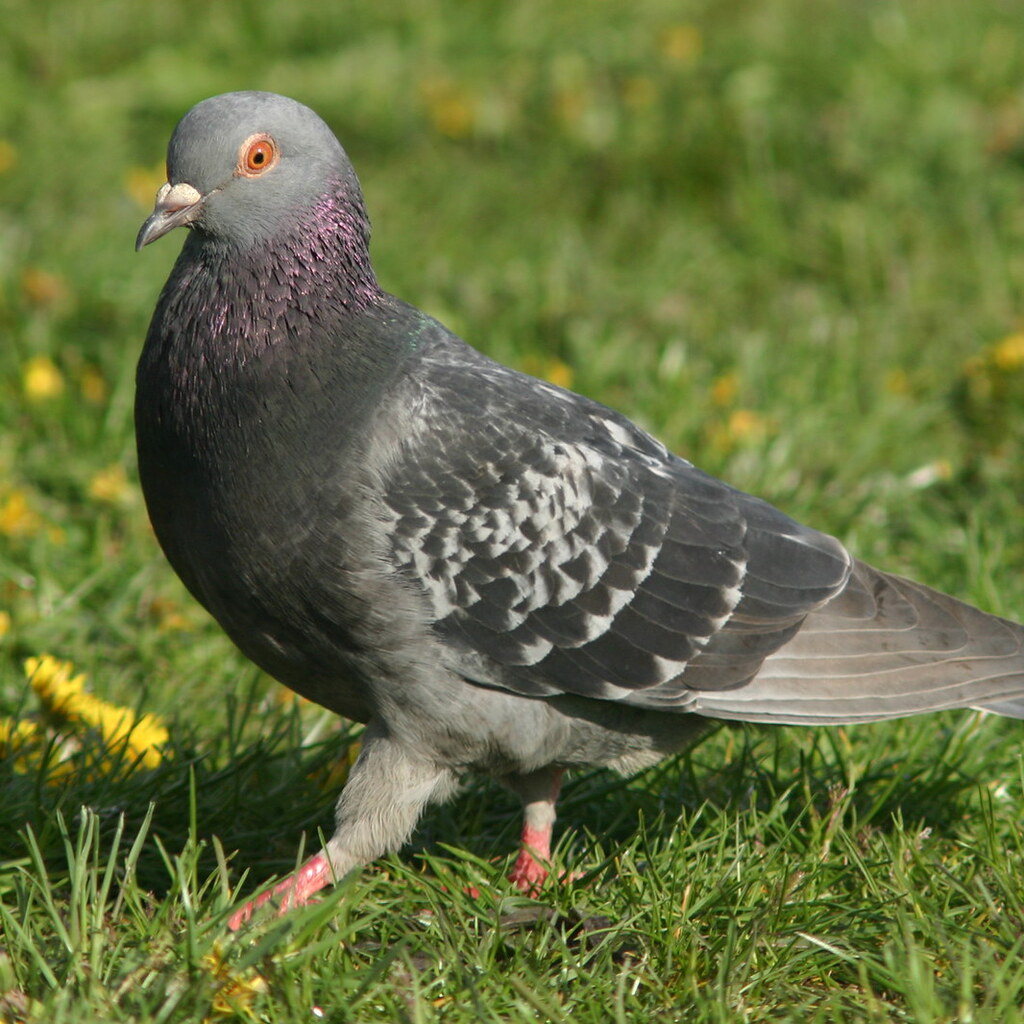
The common pigeon, or rock pigeon, is found mostly in cities all over the world. They scavenge for food in trash where people live, and people feed them too. The wild version of the rock pigeon used to live on cliffs by the sea. In cities, they are often found high up on buildings, which isn't far removed from their natural habitat.

P is for Piggy bank


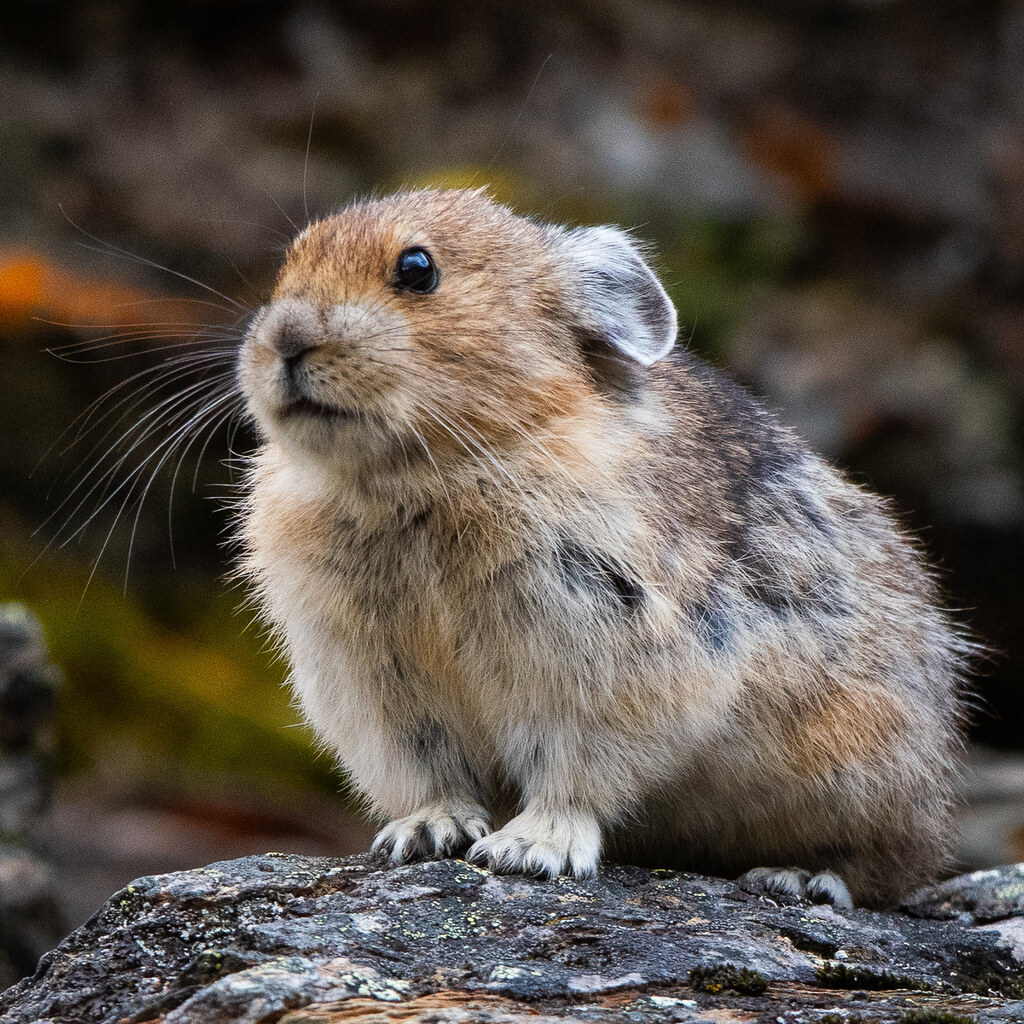
A pika is a small, furry animal with short ears and a rounded body, often colored brown or gray. It lives in rocky mountain areas. Pikas dry and store plants as "hay" for winter. They look like rodents, but are more closely related to rabbits and hares.