up to Plants

Plants that start with P

The most well-known plants and fungi, listed by their common names.

Showing 21-32 of 32

P is for Pith

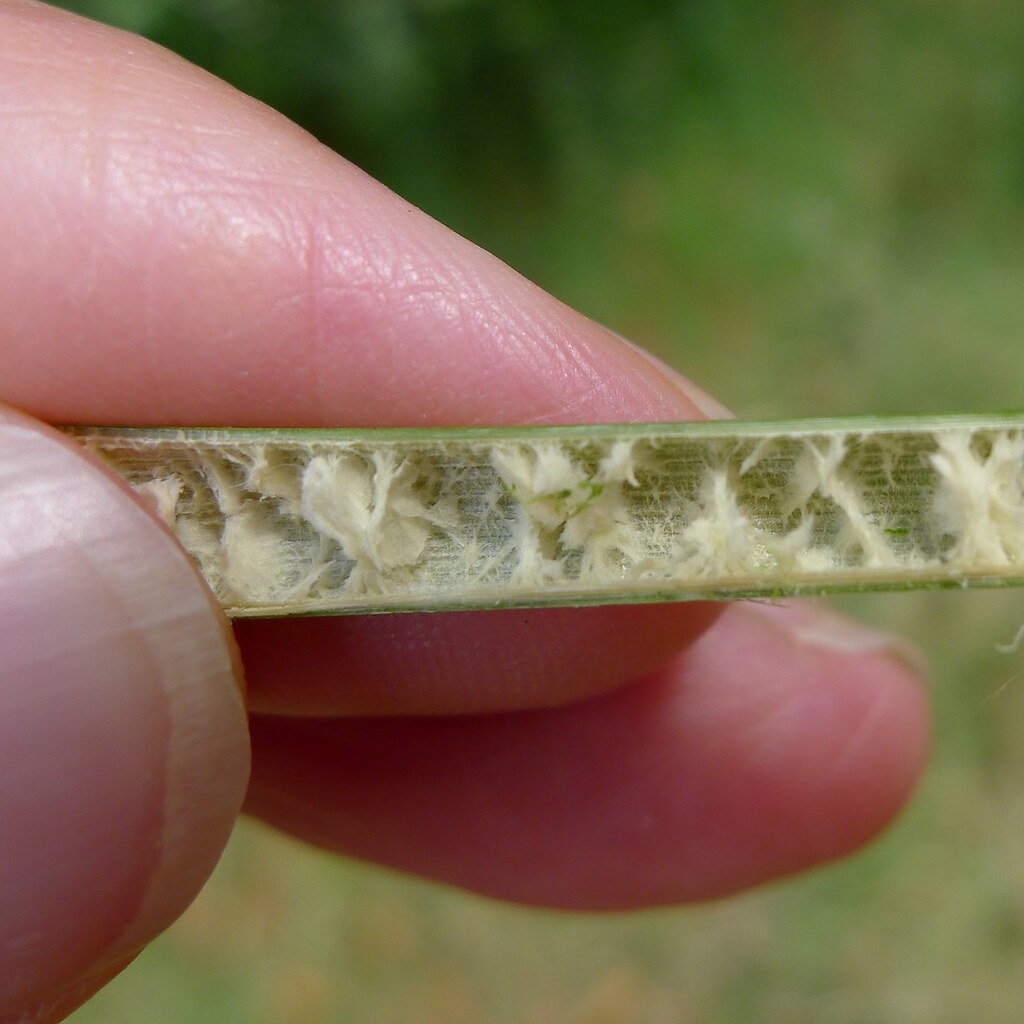
Pith is the spongy material found inside plant stems. When you are talking about citrus fruit, pith is the bitter white layer surrounding the sweet flesh of the fruit.

P is for Plantain

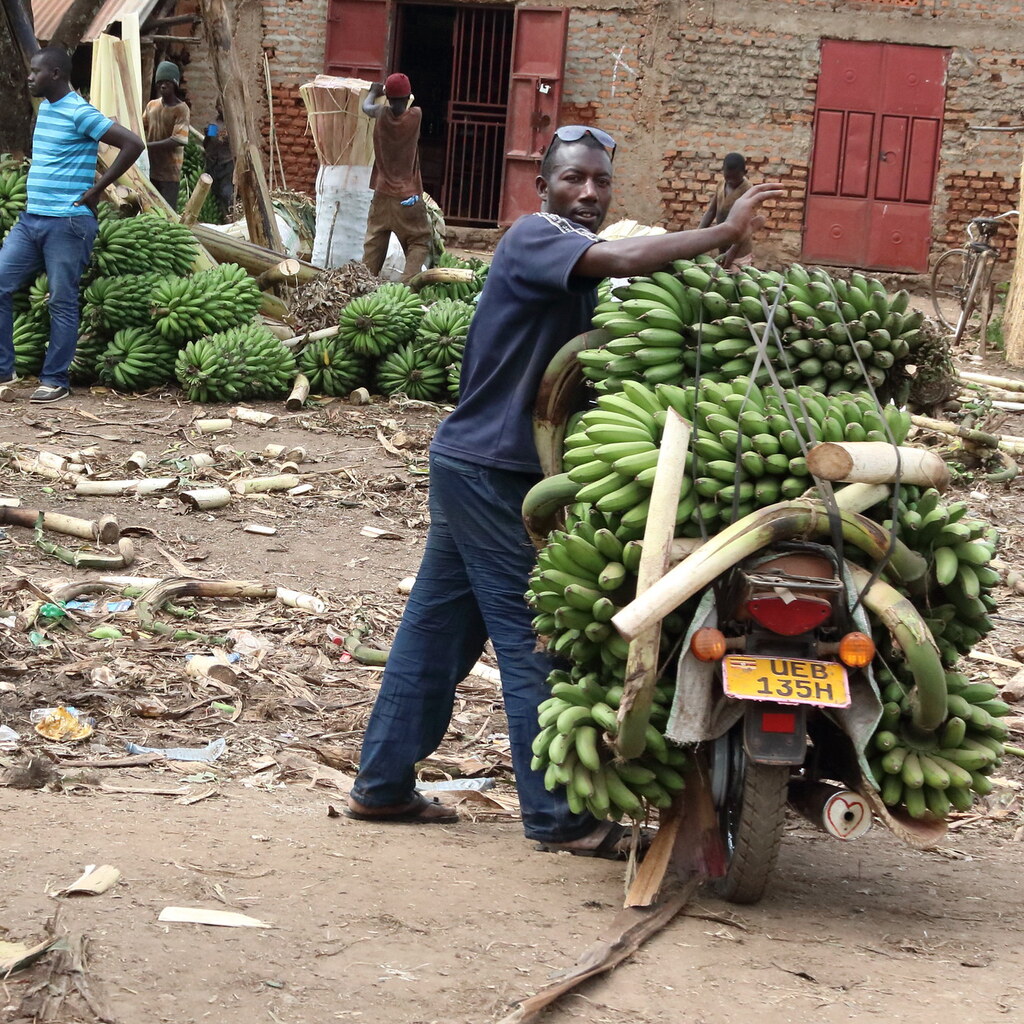
The plantain is a kind of fruit that looks like a banana, but it can be longer and firmer.

Plantains are common in Africa, the Caribbean, and Latin America. They can be fried, boiled, or baked.
P is for Plum

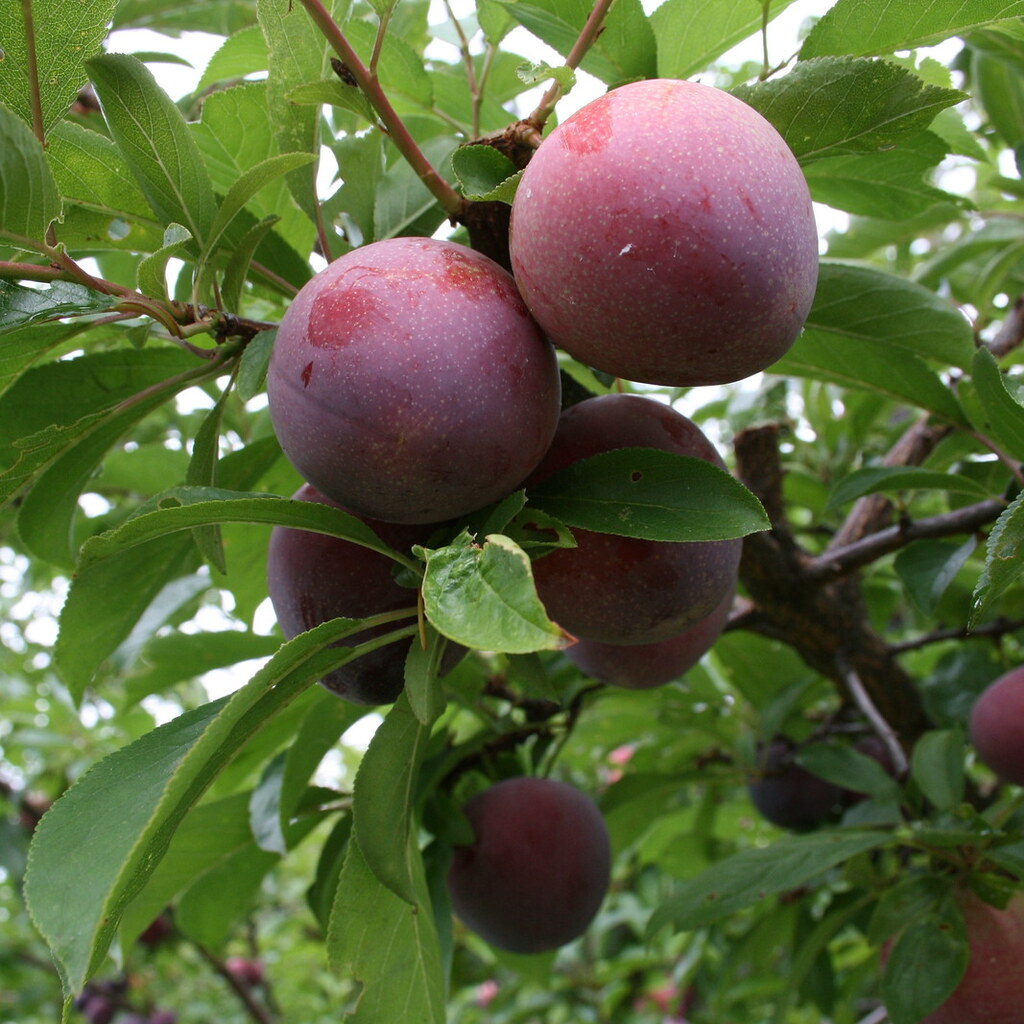
The plum is a small, dark red fruit related to peaches and cherries. Dried plums are sometimes called prunes. Plums can be eaten raw or used to cook puddings.

P is for Pod (Pea)

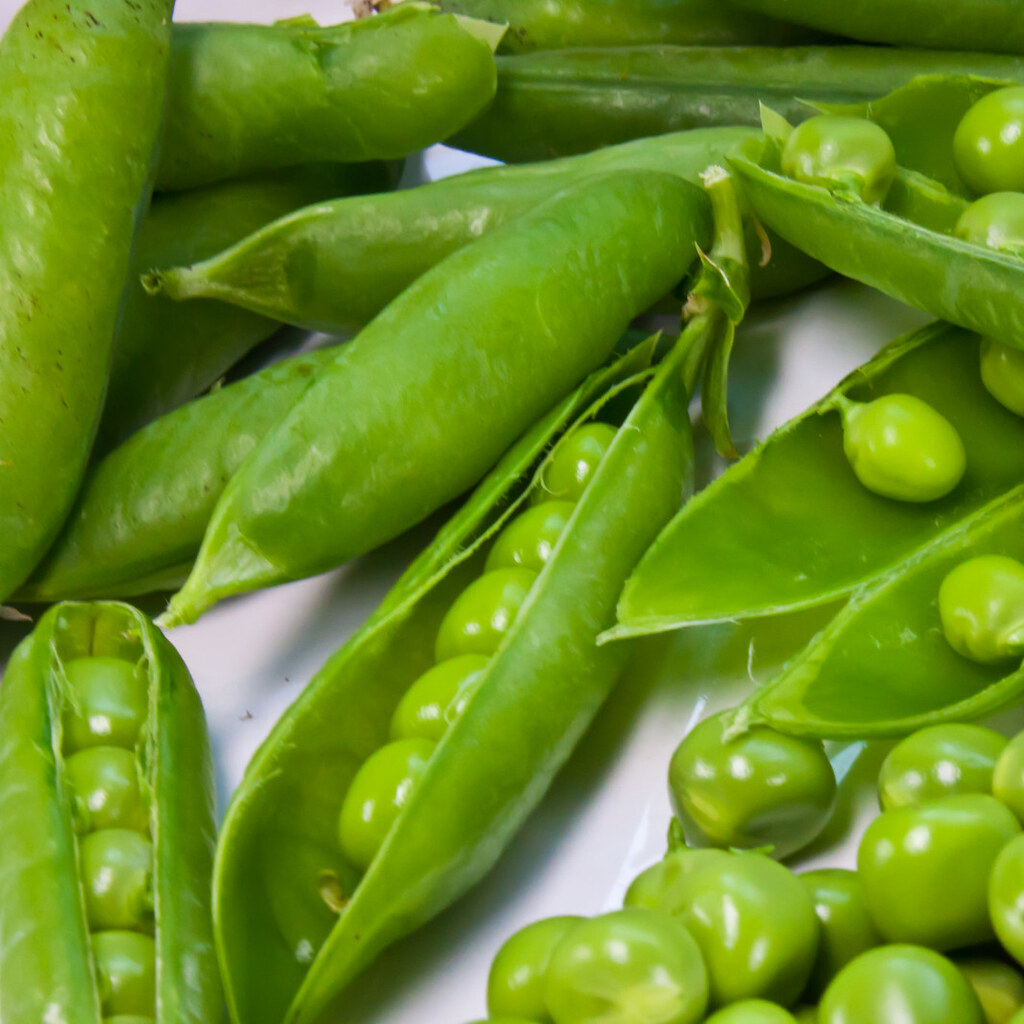
A pod is a long, thin seed casing found on plants like peas and beans. Pods are made from two halves joined together, and when the seeds inside are ripe they split open.
The pods of many kinds of peas and bean can be eaten along with the seeds inside if they are picked early enough.

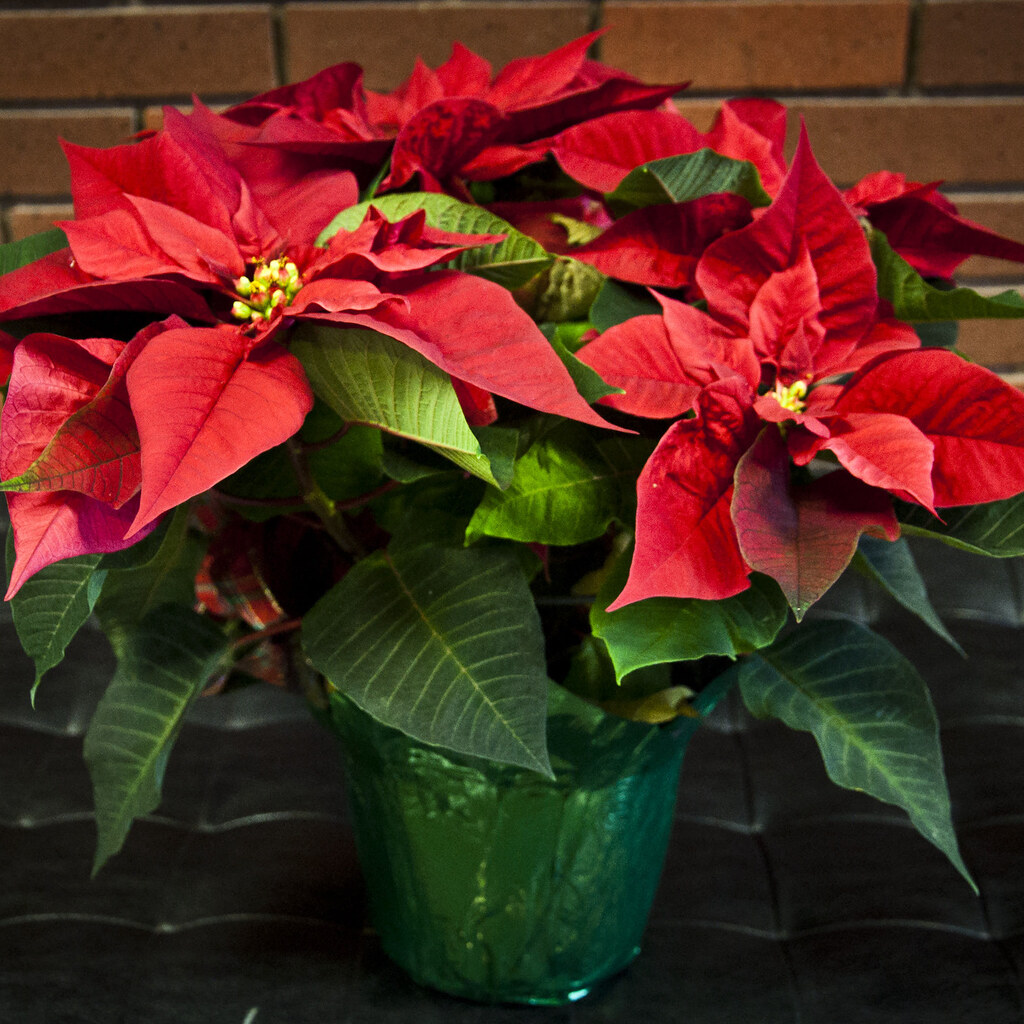
P is for Poinsettia

The red 'petals' of the flowers are actually red leaves, the real flowers are the tiny yellow part in the centre.

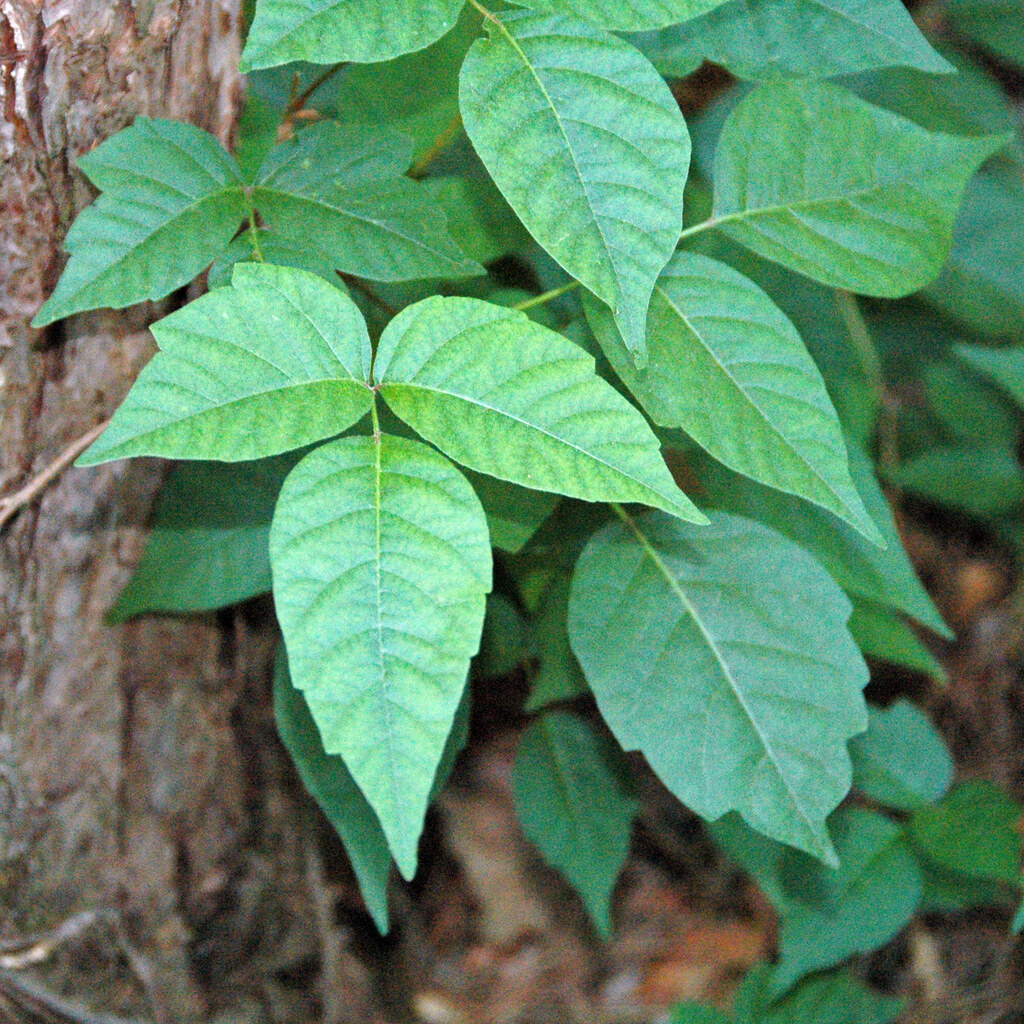
P is for Poison ivy

Poison ivy is a vine that grows throughout North America. It is not a true ivy. Poison ivy contains urushiol, a type of oil that causes an itchy rash in most people.

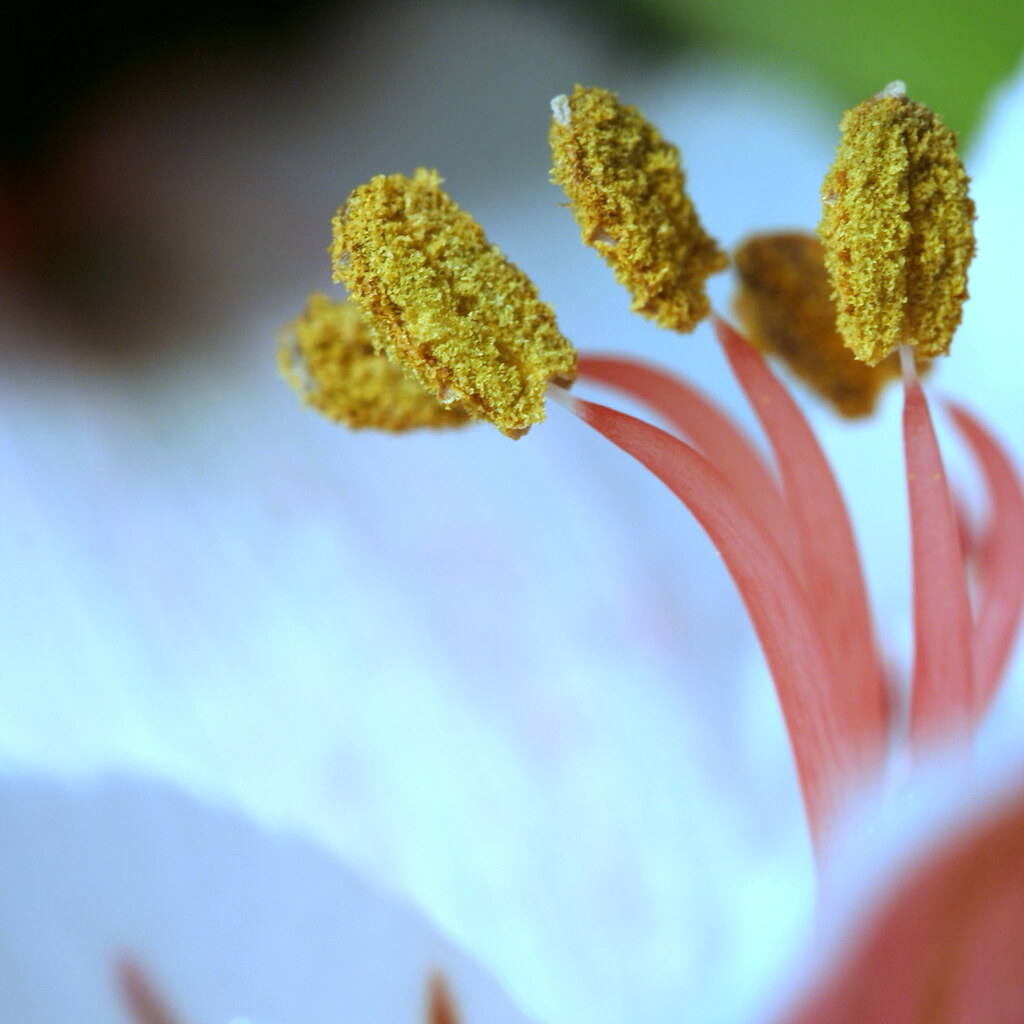
P is for Pollen

Pollen is made up of fine grains of male genetic material. Bundles of pollen are held inside flowers on the end of stamens, which you can clearly see in the picture. As insects or birds come to the flowers to eat nectar, they brush against the pollen and carry it to the stigma of another flower.

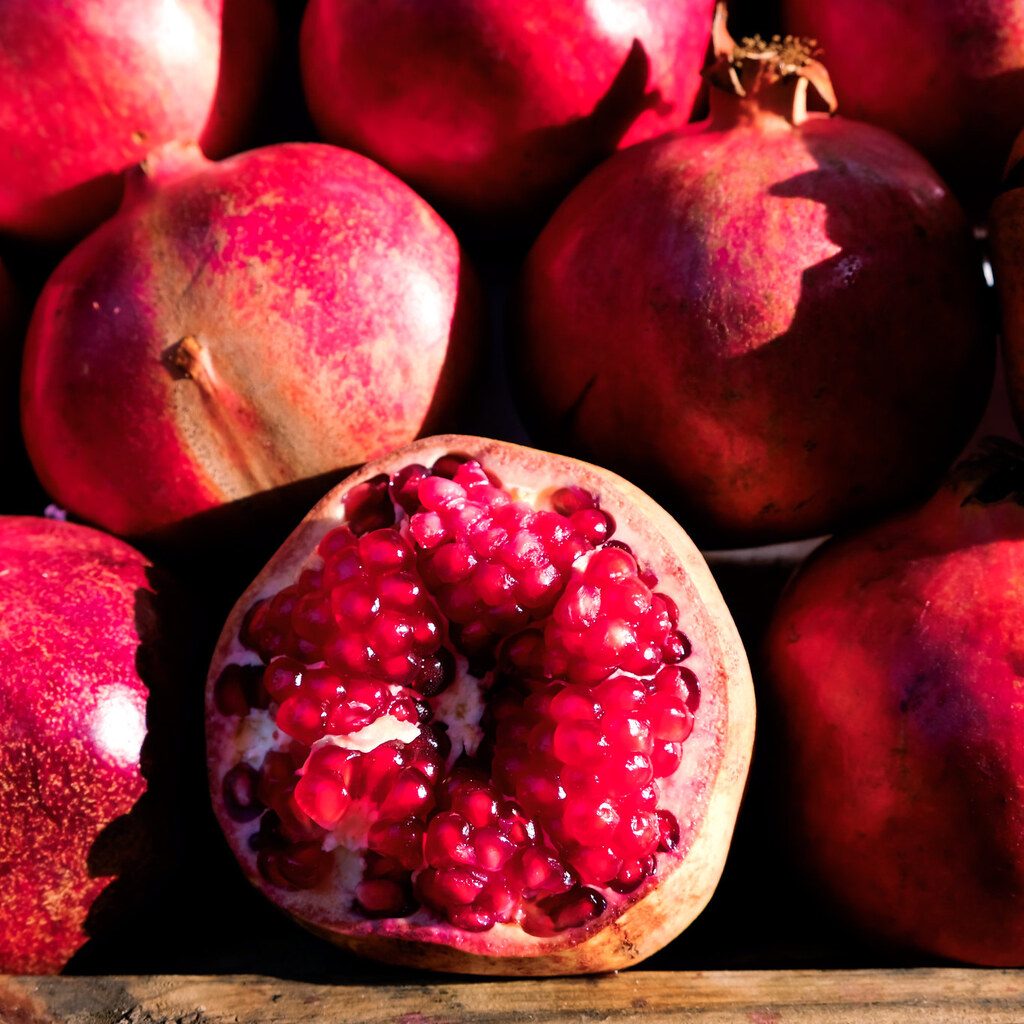
P is for Pomegranate

The pomegranate is originally native to Asia but has been grown around the Mediterranean area for centuries. It is the fruit of a deciduous shrub. The name means "seeded apple". Pomegranates have a hard outside layer that you cannot eat. The part of the pomegranate you eat is the juicy seeds. You can eat them raw, make them into juice, or use them in desserts or other dishes.

P is for Poppy

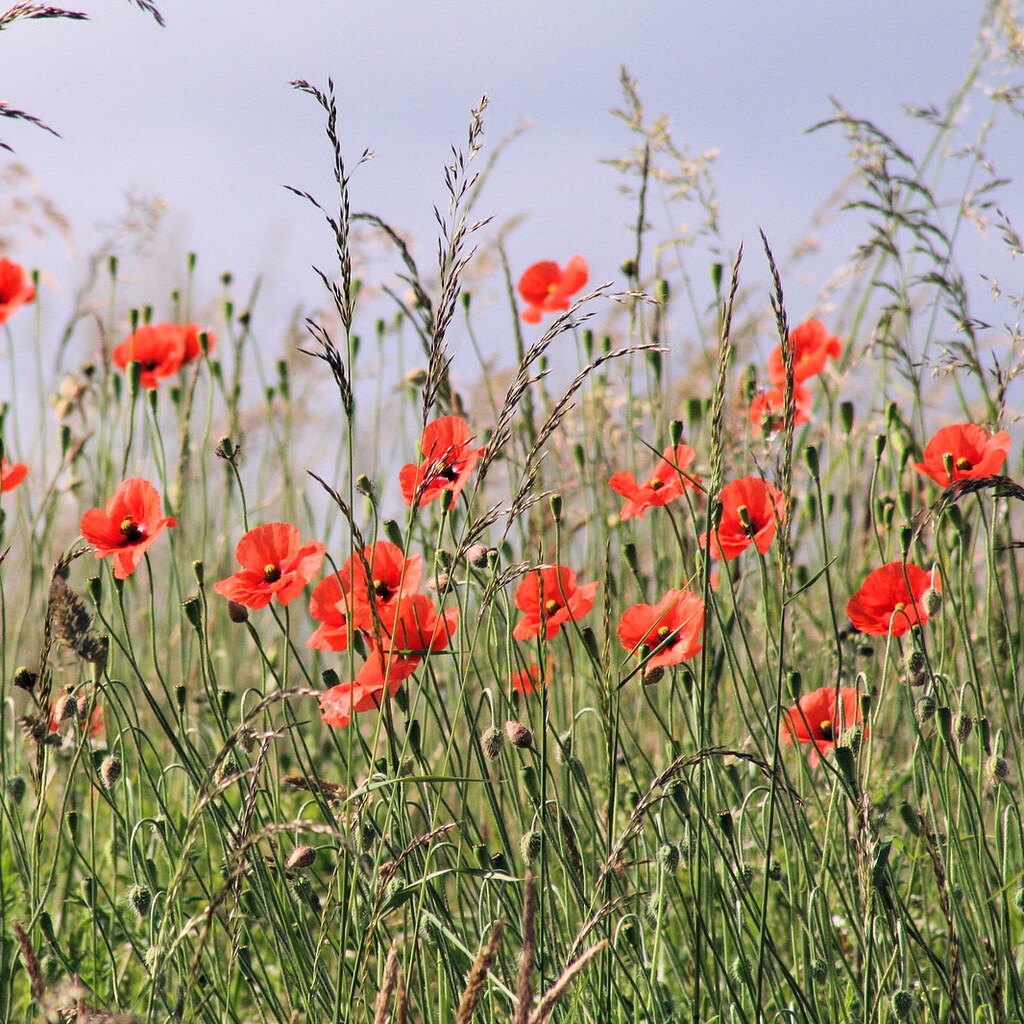
Poppies are small flowers that are grown mainly because they look pretty. The most well-known poppy is the opium poppy, which is grown for its seeds that are often found on top of bread rolls, and because it contains a substance that can be used to make a very powerful painkiller.
Most poppies will grow in very cold climates. Some kinds of poppies grow almost in arctic conditions, and are one of the most northerly growing plants in the world.
P is for Potato

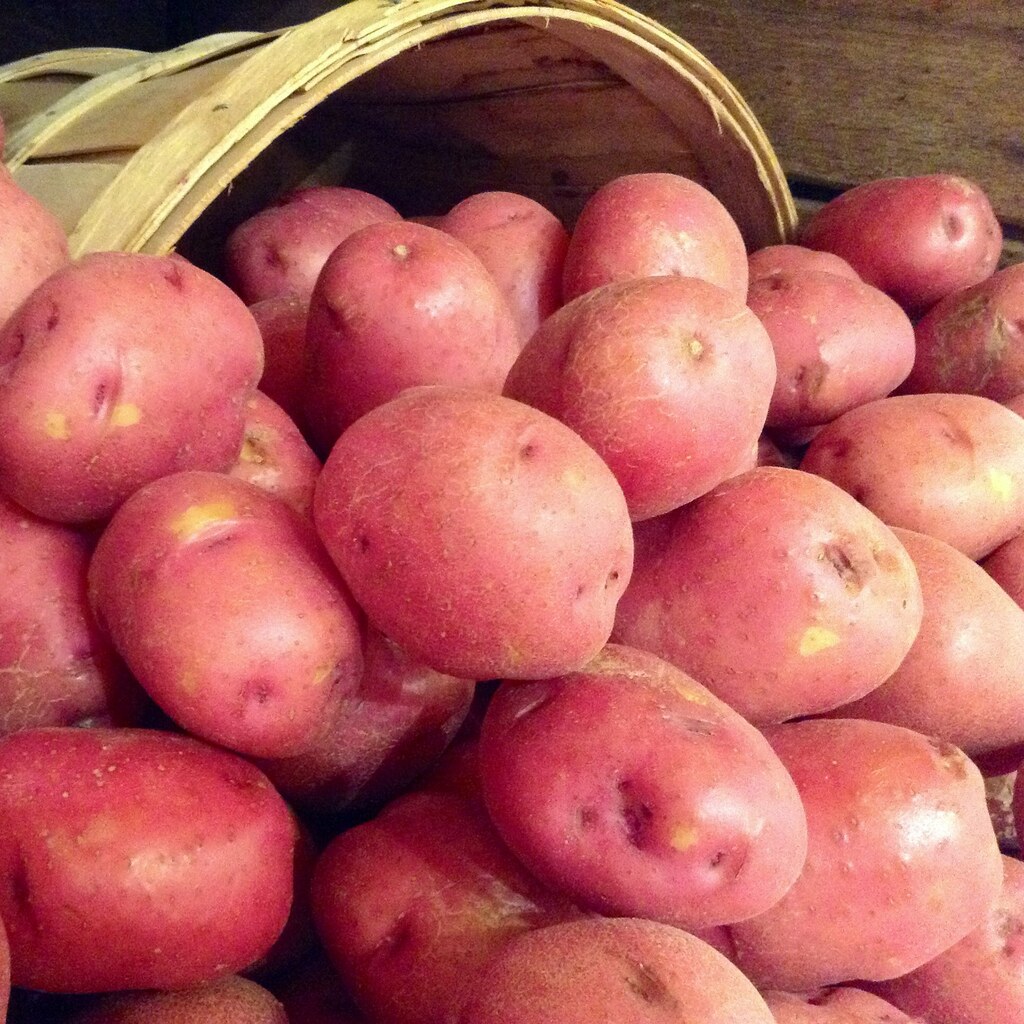
Potatoes are tubers - they grow underground but are not the central root of the plant like a carrot or turnip. One potato plant can make many potatoes. Potatoes originally came from Peru but are now grown world wide, and are the fourth biggest crop after rice, wheat, and maize.
Potatoes are best known in the form of french fries (chips) or crisps. Potato can be eaten in a huge variety of ways. It can be an ingredient in soups and stews, mashed and eaten with butter, baked, fried, boiled and in a huge variety of other dishes.
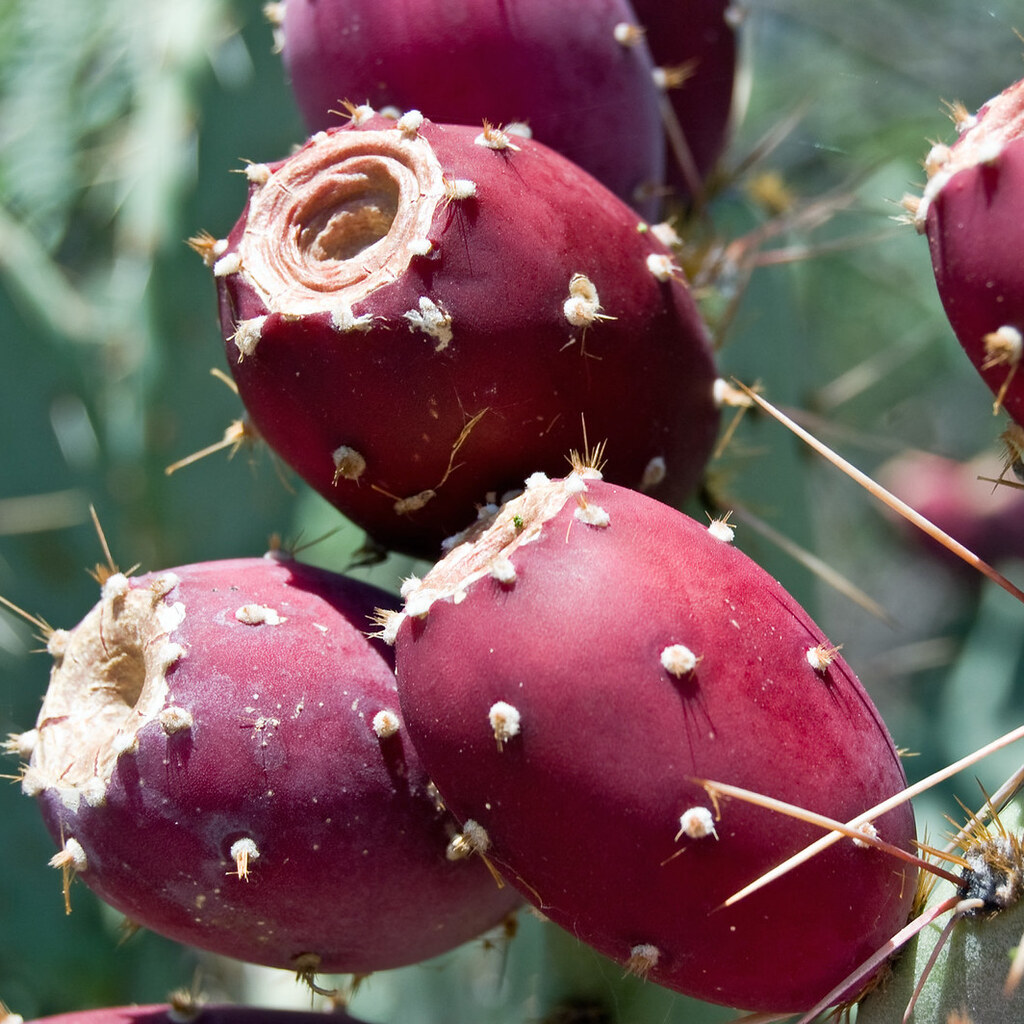
The prickly pear is a kind of cactus. When you eat the fruit of the cactus, you have to be very careful to remove the thorns from the fruit. The entire cactus including the fruit is covered in thorns.

P is for Pumpkin

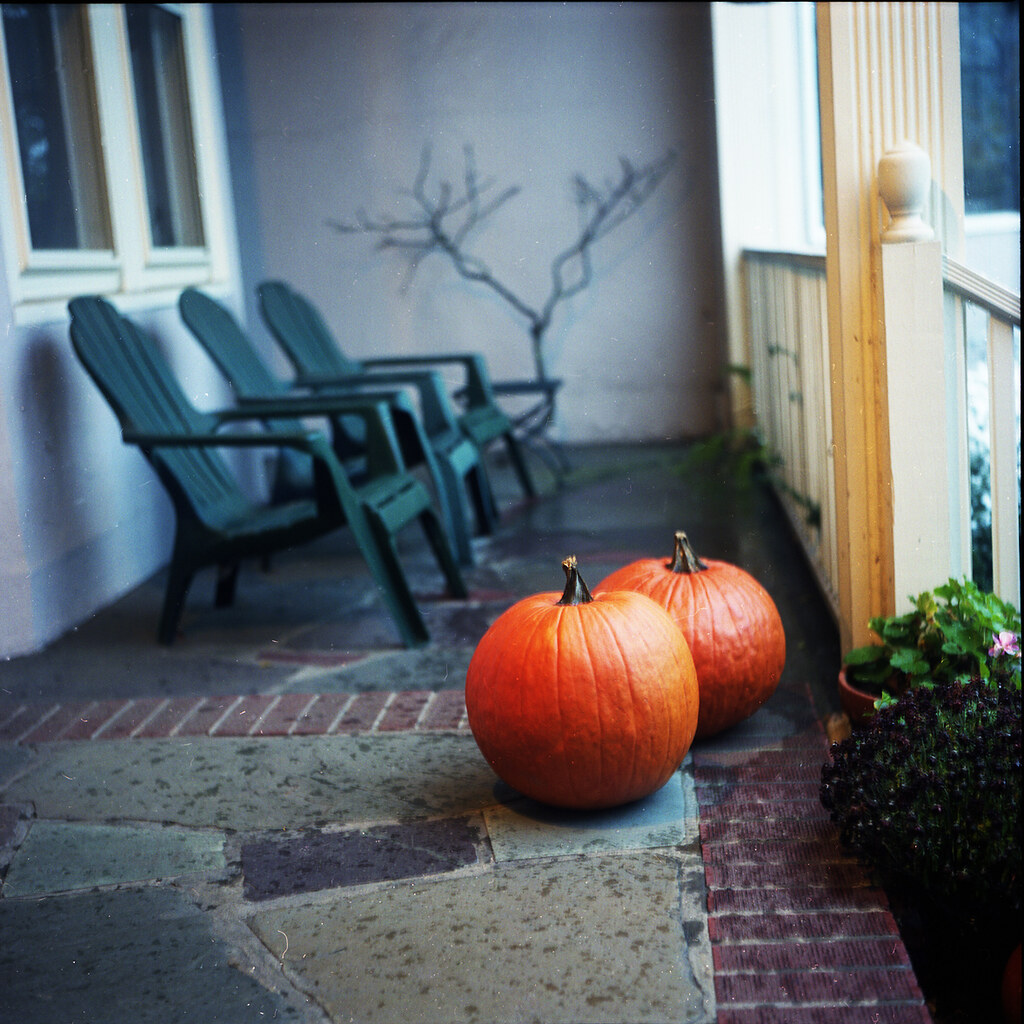
Pumpkins are a large vegetable that grows on a vine that normally covers the ground. Pumpkins can grow very, very big, weighing over 100 kilograms. They usually are bright orange inside. They can be made into soup, pies, roasted or simply have a face cut into it and used as a lantern at Halloween.