
Showing 1-20 of 32

There are many, many different kinds of palm tree. Most have one long trunk with a tuft of fronded leaves at the top. Some branch into a few stems. Palm trees usually grow in warm, wet areas of the world but are also found in deserts. They are not found in really cold places.
Some kinds of palm tree grow fruit that people eat, like the coconut palm and the date palm.
Some kinds of palm tree grow fruit that people eat, like the coconut palm and the date palm.
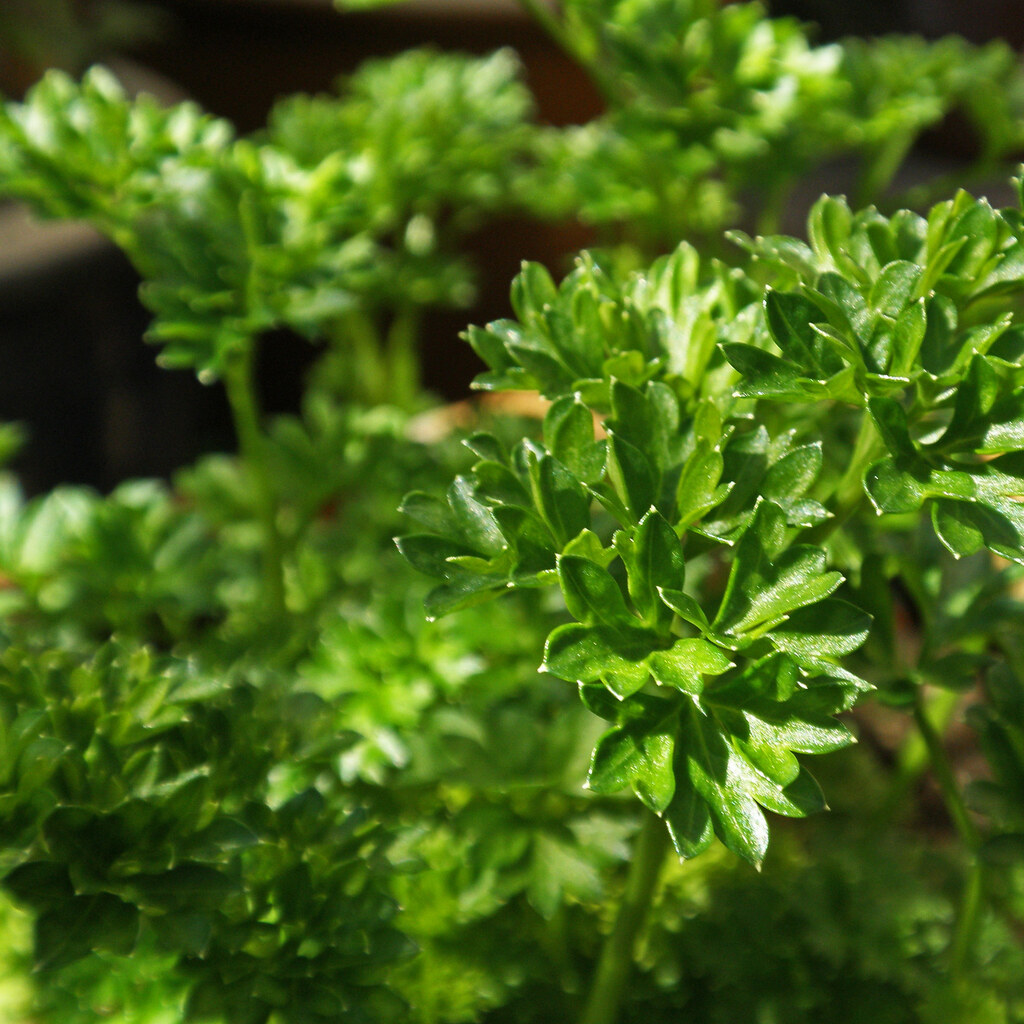
Parsley is a herb, which means it is not eaten as a food on its own, but it is added to other dishes for flavour. Parsley is used mostly as a garnish, cut up and sprinkled onto food to make it look nicer. You often find a sprig of parsley being used to decorate food from a restaurant.
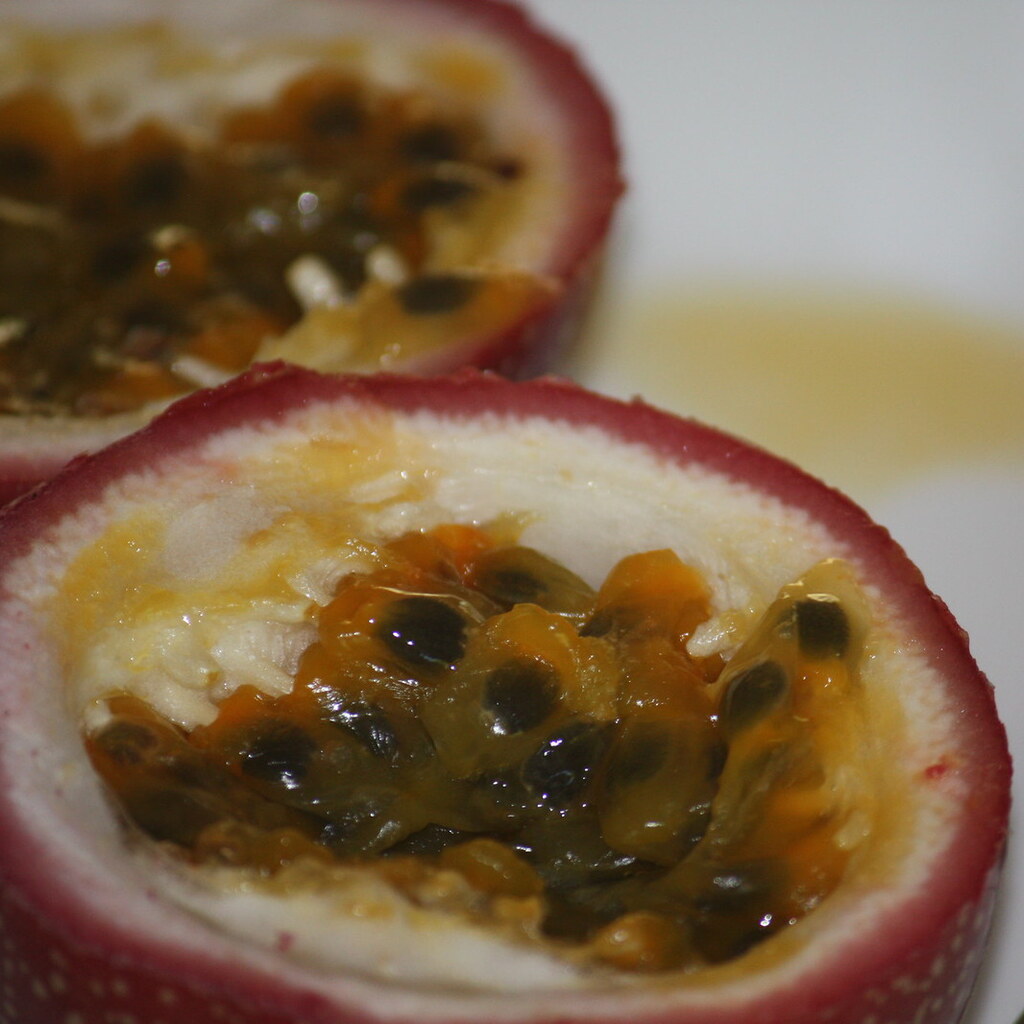
P is for Passionfruit
Passionfruit is added to pies, desserts, fruit salad and some drinks.
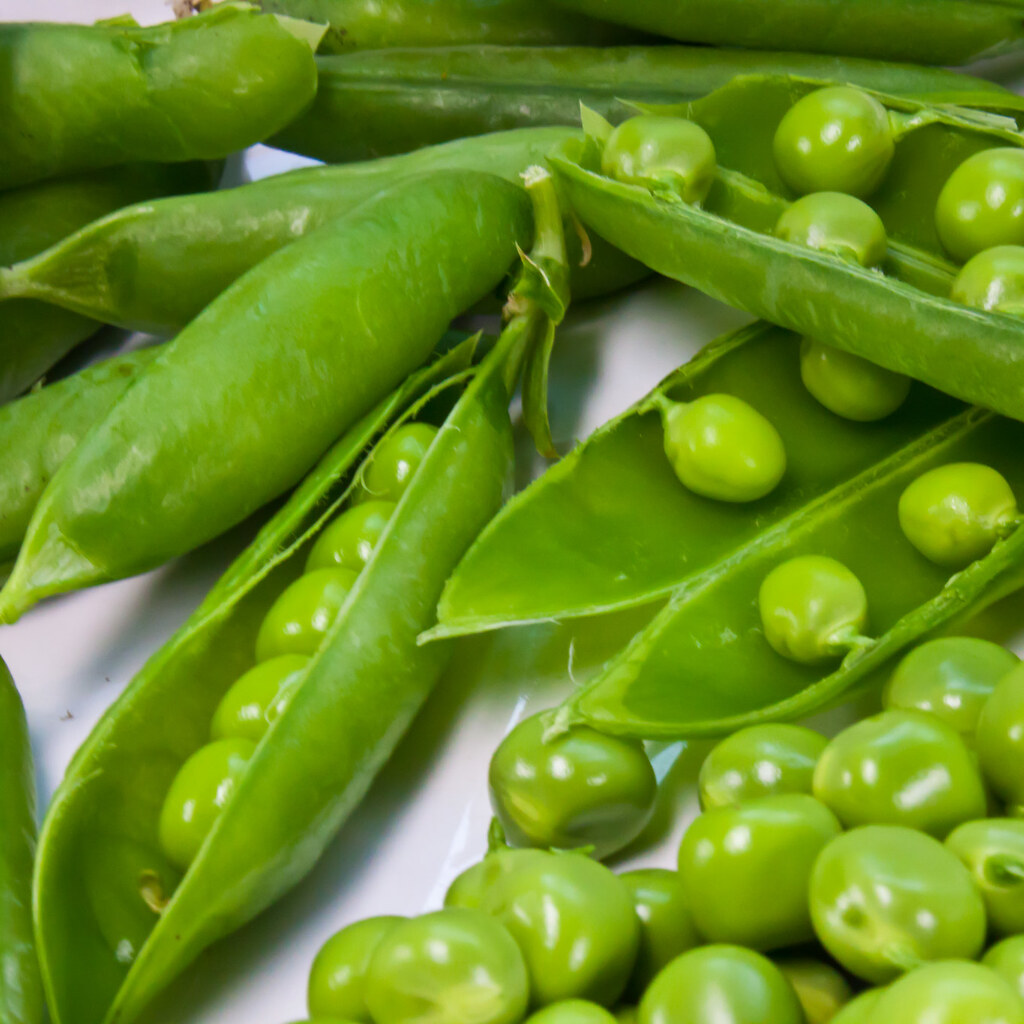
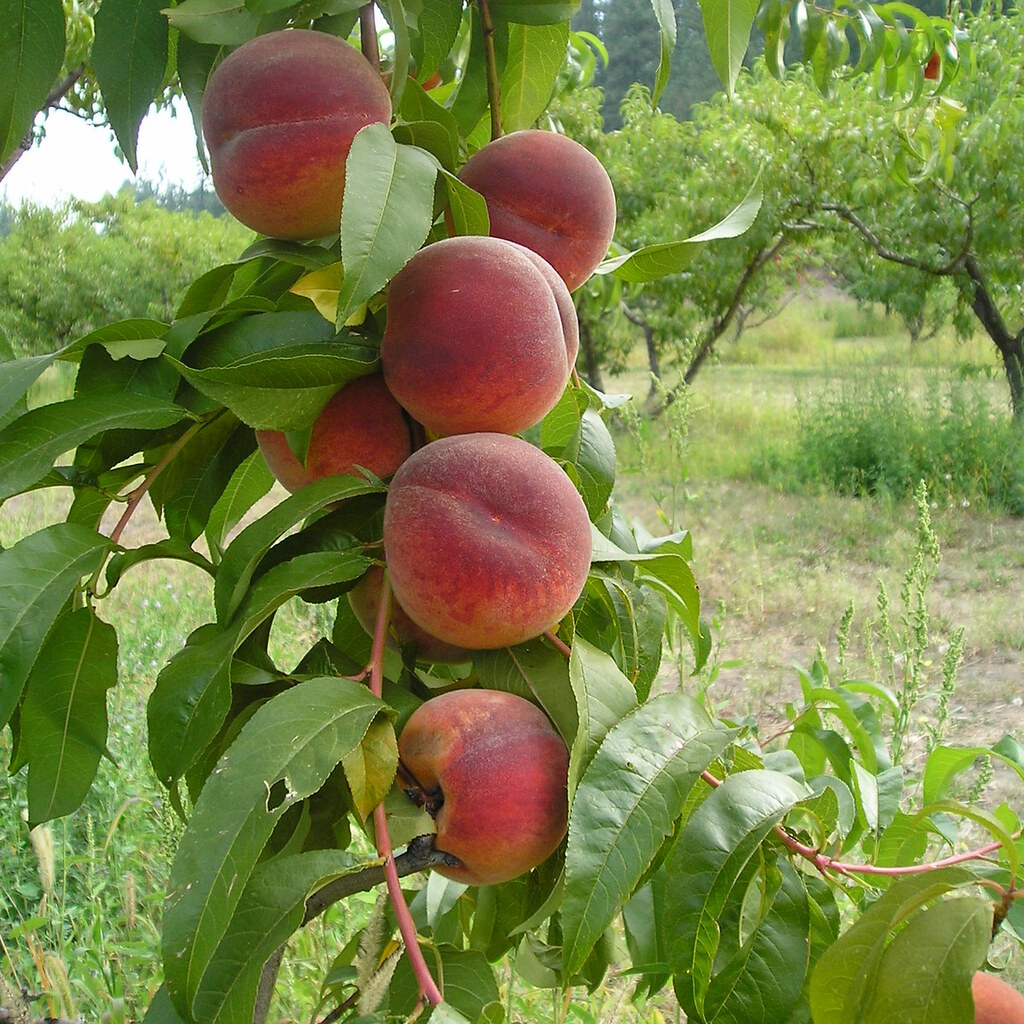
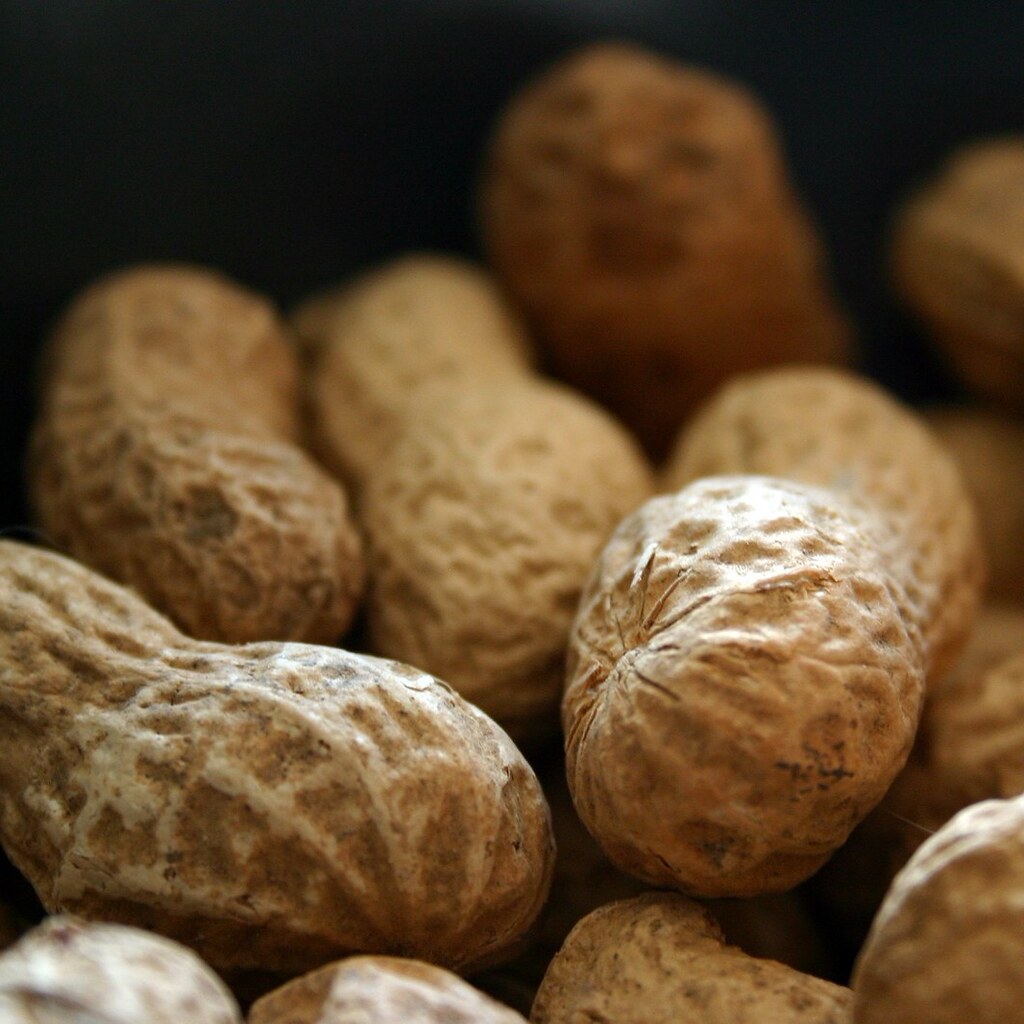
The peanut is not a true not and, in fact, related to the pea - they are both legumes. Peanuts develop in a pod, like peas, with 1-4 peanuts in each pod. The pods force themselves underground to mature. Peanuts are usually sold in shops removed from their shell, roasted and salted. Peanuts are also frequently ground into a fine paste called peanut butter which is good to eat on sandwiches with jam or jelly.
Some people get a violent allergic reaction to eating peanuts, called anaphylactic shock, which can kill them. As this allergy is more common in children and more children each year are being found to have it, peanuts are often banned in schools.
The peanuts in the picture are unopened, still in their shells.
Some people get a violent allergic reaction to eating peanuts, called anaphylactic shock, which can kill them. As this allergy is more common in children and more children each year are being found to have it, peanuts are often banned in schools.
The peanuts in the picture are unopened, still in their shells.
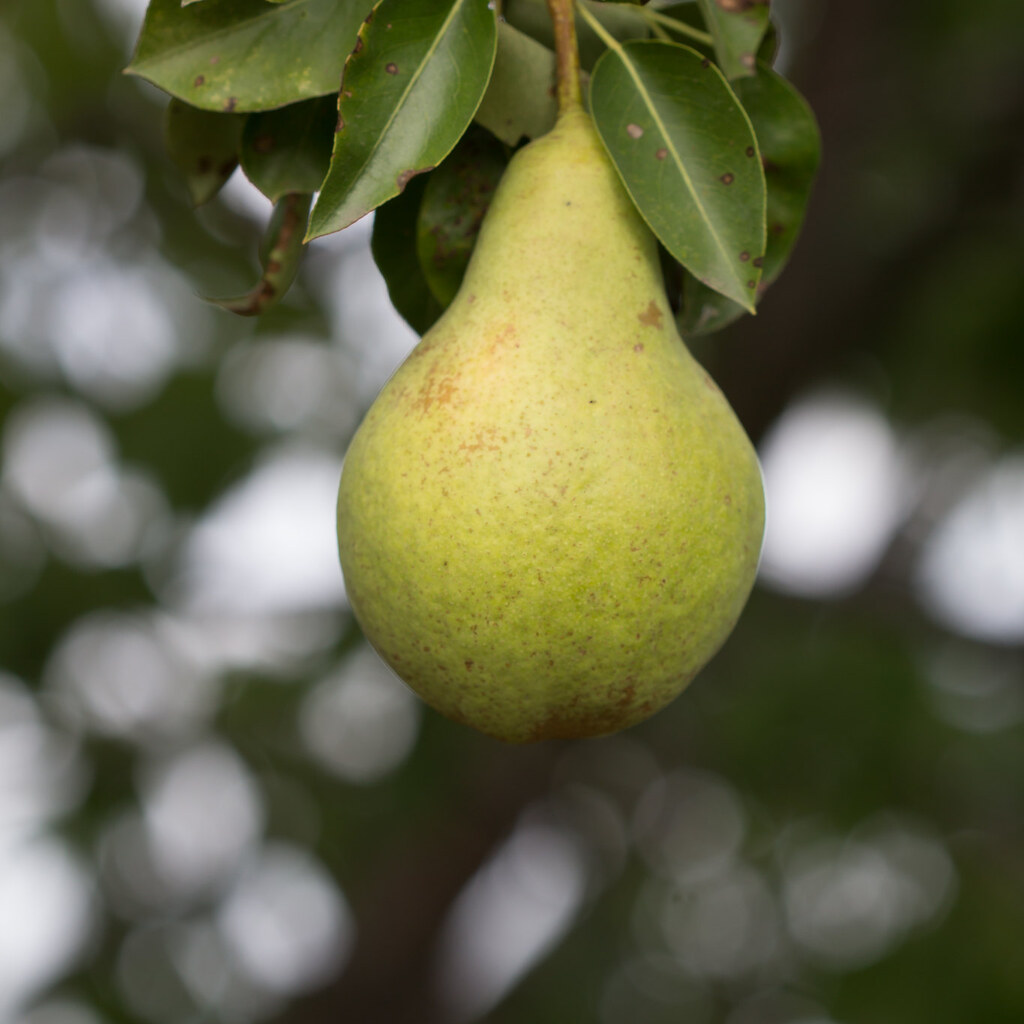
The pear is the fruit of the pear tree. Pear trees are small deciduous trees growing to around 5-12 metres high. Pears may be green or yellow. Pears are closely related to apples but are softer, juicier and a different shape. You can eat all of the pear except the core in the middle, which is full of seeds.
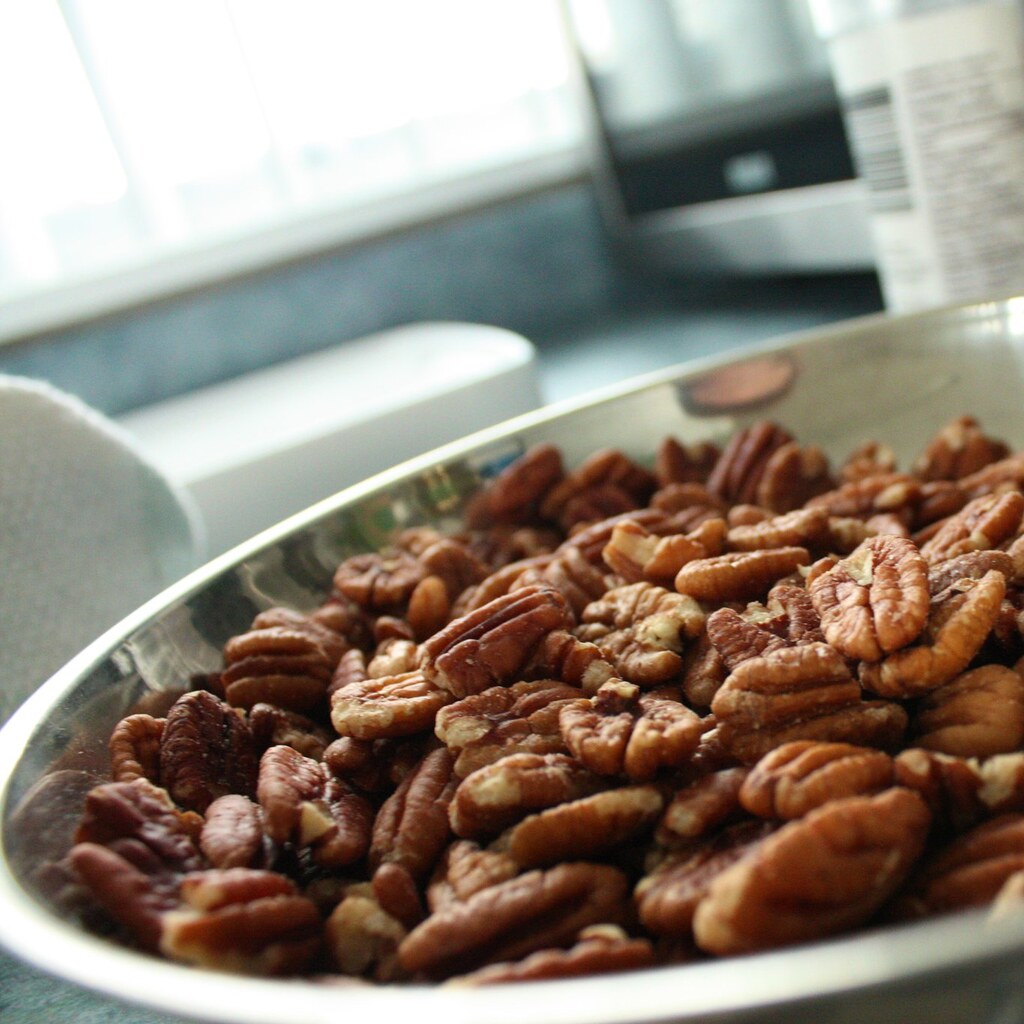
Pecans are the fruit of a kind of hickory tree, native to North America and Mexico. They have a rich taste, and are most commonly used in sweets and desserts.

Persimmons are an orange fruit with a sweet, tangy flavour. The variety most commonly grown is native to China. They must be completely ripe before they can be eaten, as the immature fruit is very bitter. They can be eaten fresh, dried, or used to make foods like desserts or even fermented to make vinegar.
The main variety now grown commercially and in home gardens in New Zealand is Fuyu. This is a non-astringent variety and is best eaten while it is still crisp - like an apple.
The main variety now grown commercially and in home gardens in New Zealand is Fuyu. This is a non-astringent variety and is best eaten while it is still crisp - like an apple.
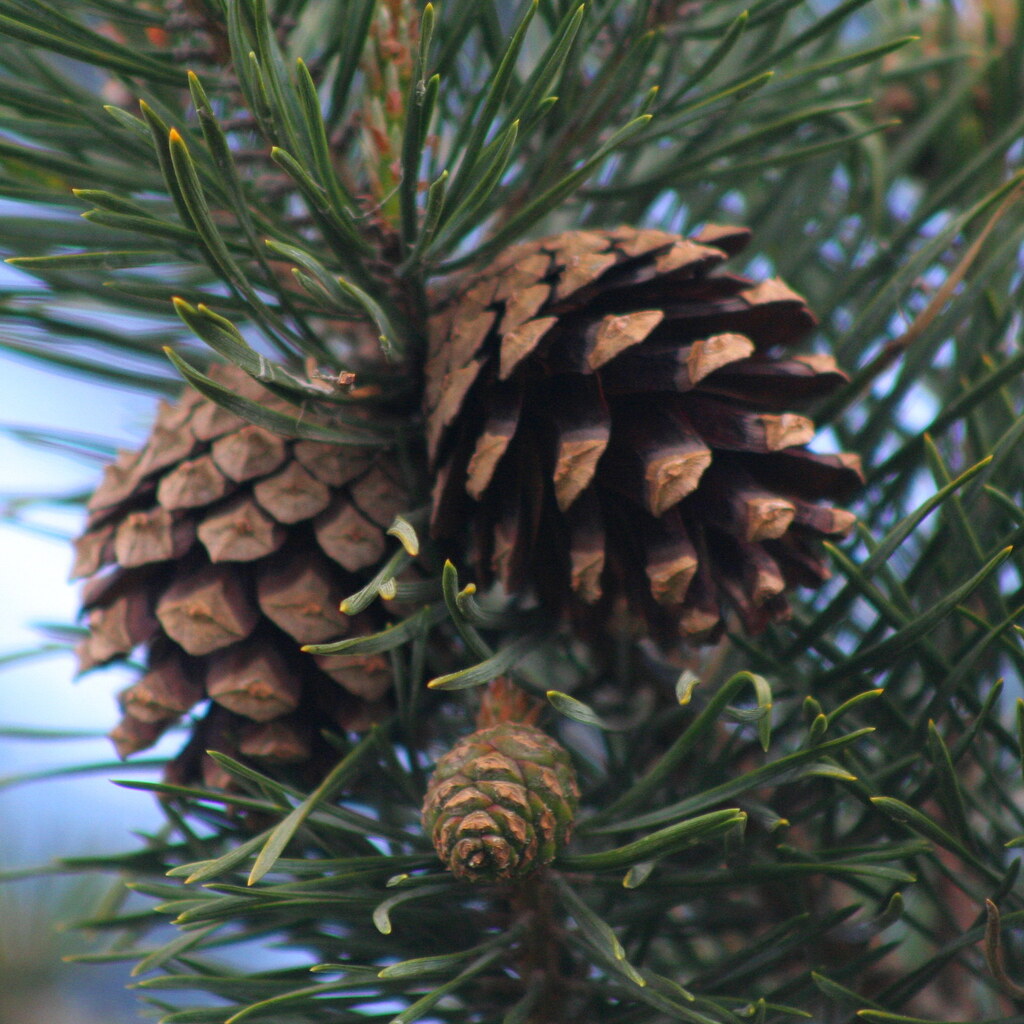
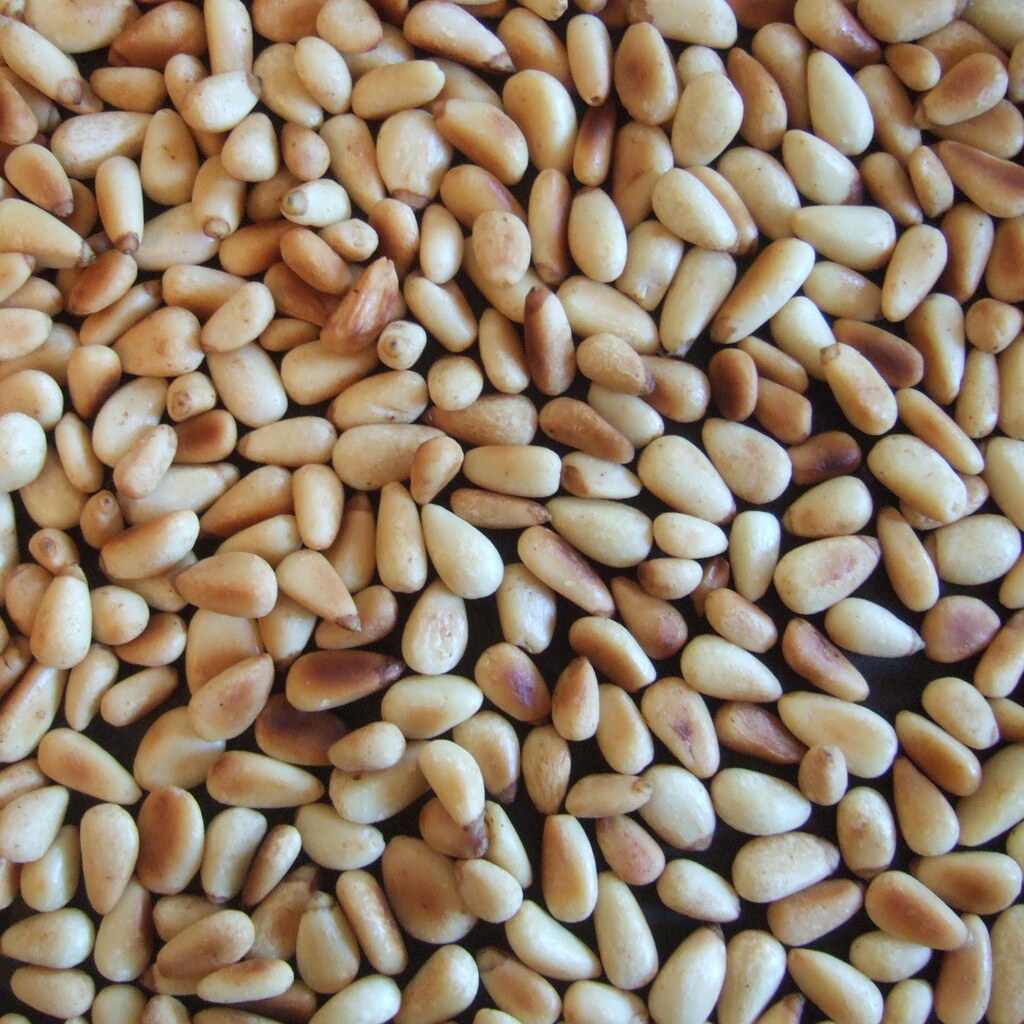
Pine nuts are the seeds of pine trees, most notably the stone pine. All pine tree seeds are edible, but only some varieties are big enough to be worth harvesting. Most pine nuts you buy in shops come from stone pines.
Pine nuts are a major ingredient of pesto.
Pine nuts are a major ingredient of pesto.
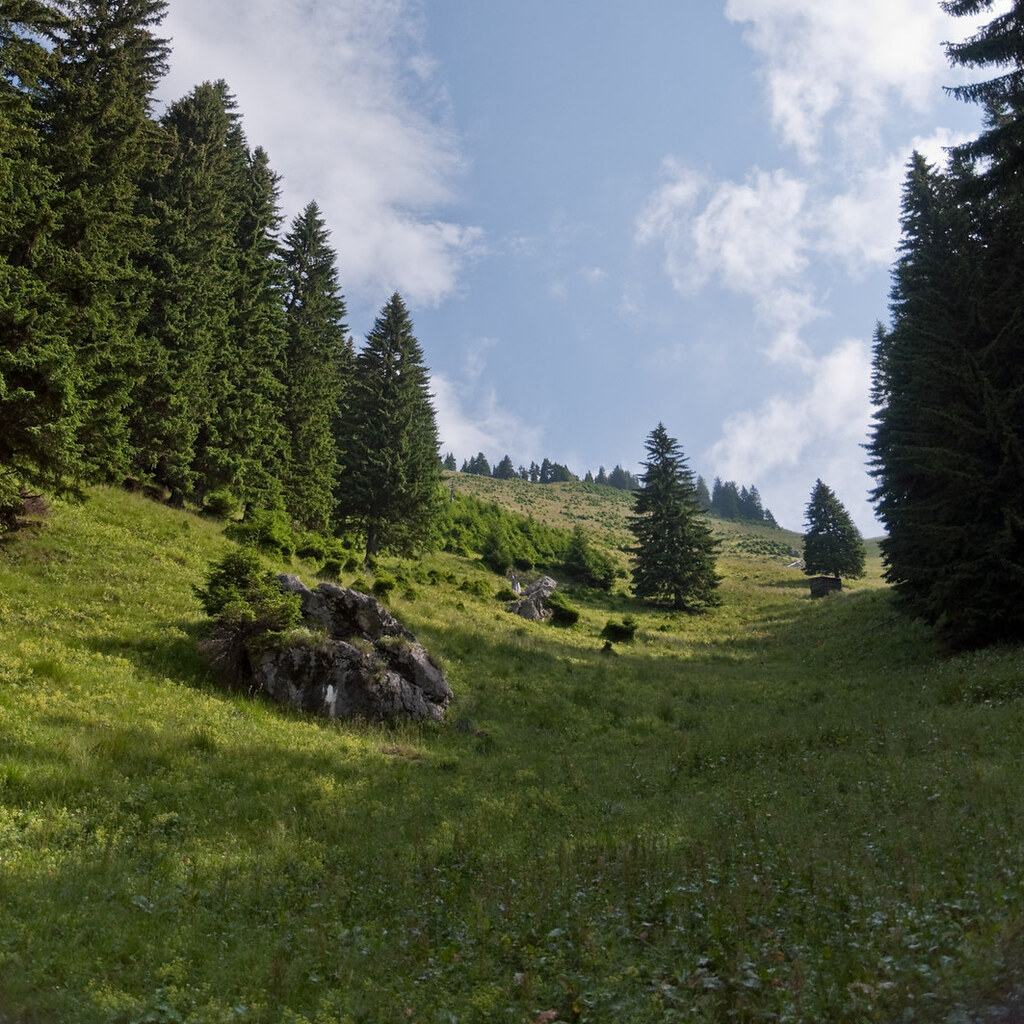
Pine trees or conifers come in all shapes and sizes, although most are quite large trees. They all have some features in common. They all have cones instead of flowers. They all have leaves that look like thin green needles. Most pine trees grow from one central point at the top of the tree only and do not branch, which gives most pine trees a distinctive cone shape. Some species do branch, but not as much as most other trees do.
Because pine trees usually grow tall and straight without branching they are commonly grown as plantation timber to harvest their wood for building houses and furniture out of.
Because pine trees usually grow tall and straight without branching they are commonly grown as plantation timber to harvest their wood for building houses and furniture out of.
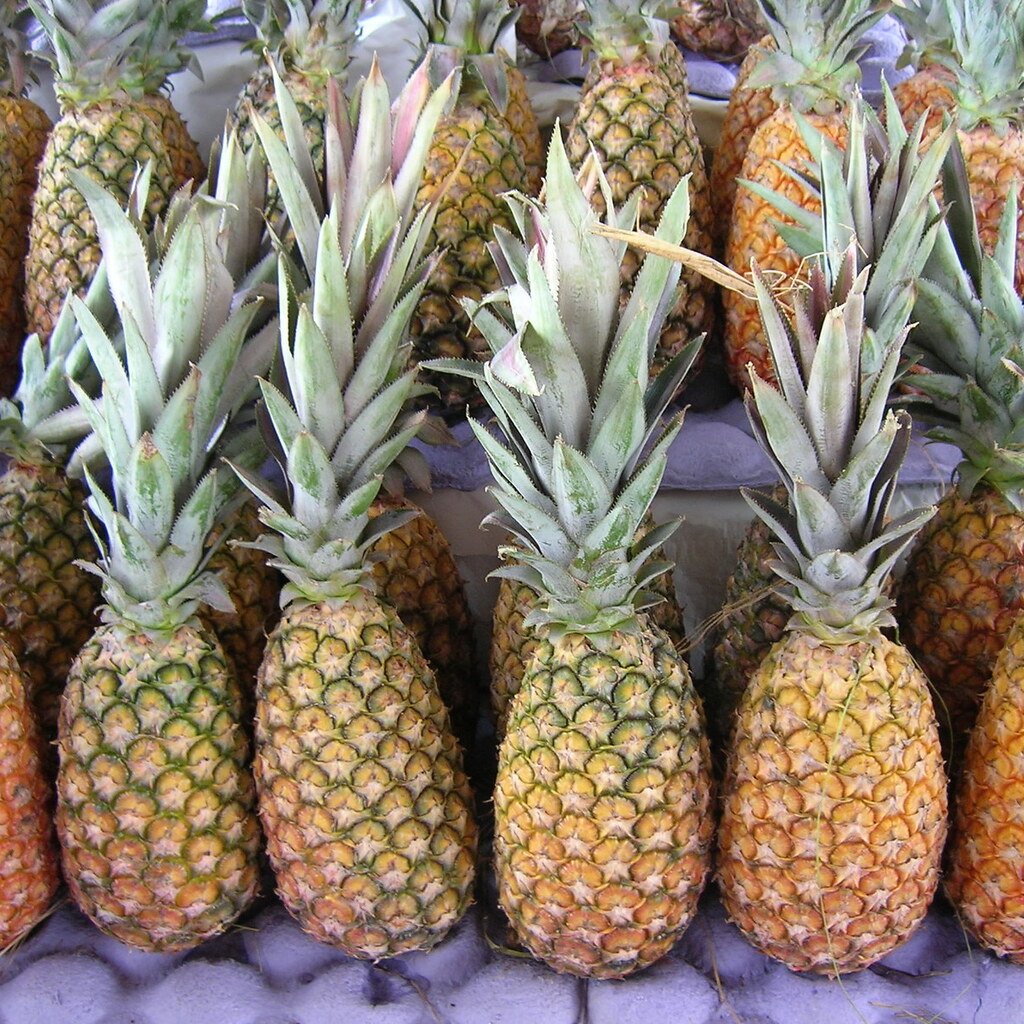
Pineapples are a type of very sweet tropical fruit. Pineapples are eaten fresh, used in desserts, cakes and their juice is used in many drinks. You need to take off the prickly outside of the fruit before you can eat it.
Pineapple flowers are most often pollinated by the hummingbird.
Pineapple flowers are most often pollinated by the hummingbird.
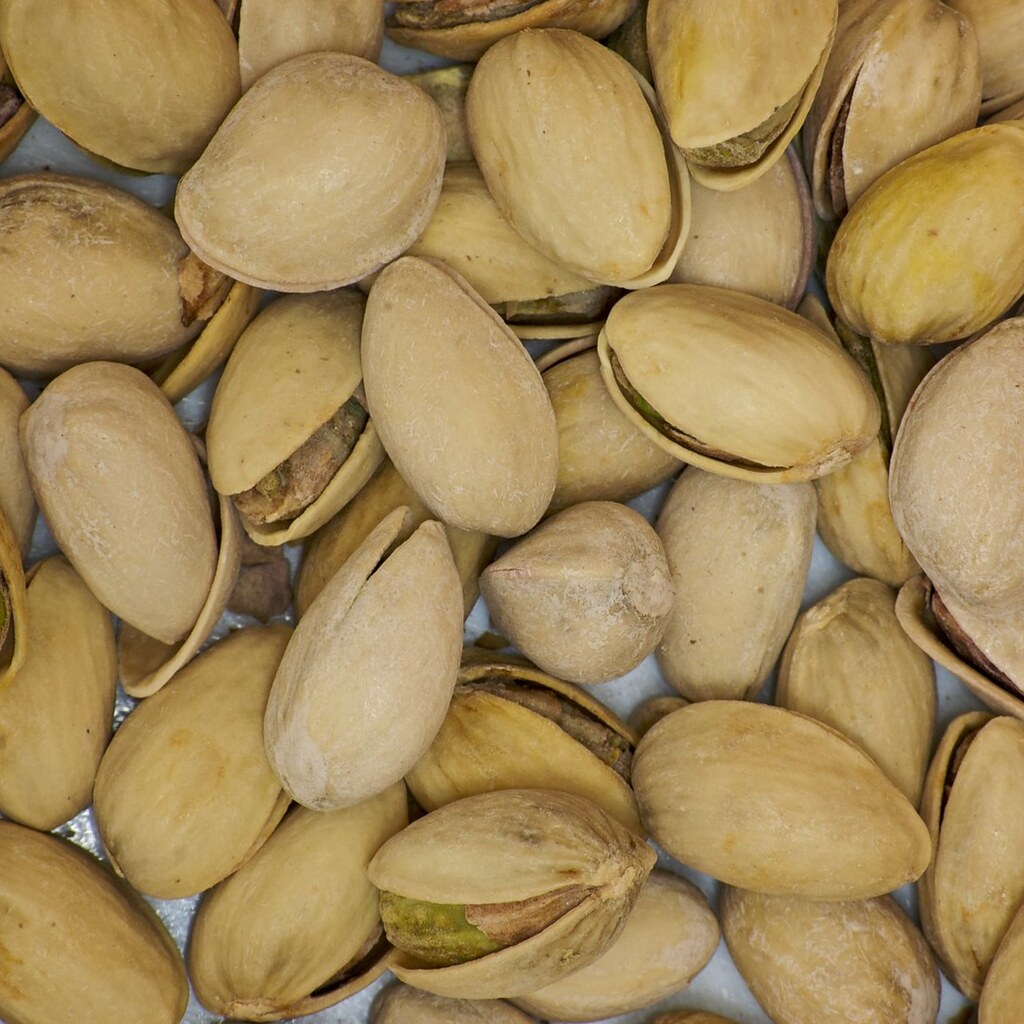
Pistachios are the seeds of a medium sized tree native to Iran, Syria, Greece, Turkey, Pakistan, and Afghanistan. They are also called the green nut. The trees are slow to mature and are most productive at 20 years old. The trees grow best in desert areas, and tolerate very salty soil.
Pistachio shells pop open when they are ripe. They are most often sold roasted and salted and just eaten plain, but they can also be used in desserts and some other types of food.
Pistachio shells pop open when they are ripe. They are most often sold roasted and salted and just eaten plain, but they can also be used in desserts and some other types of food.
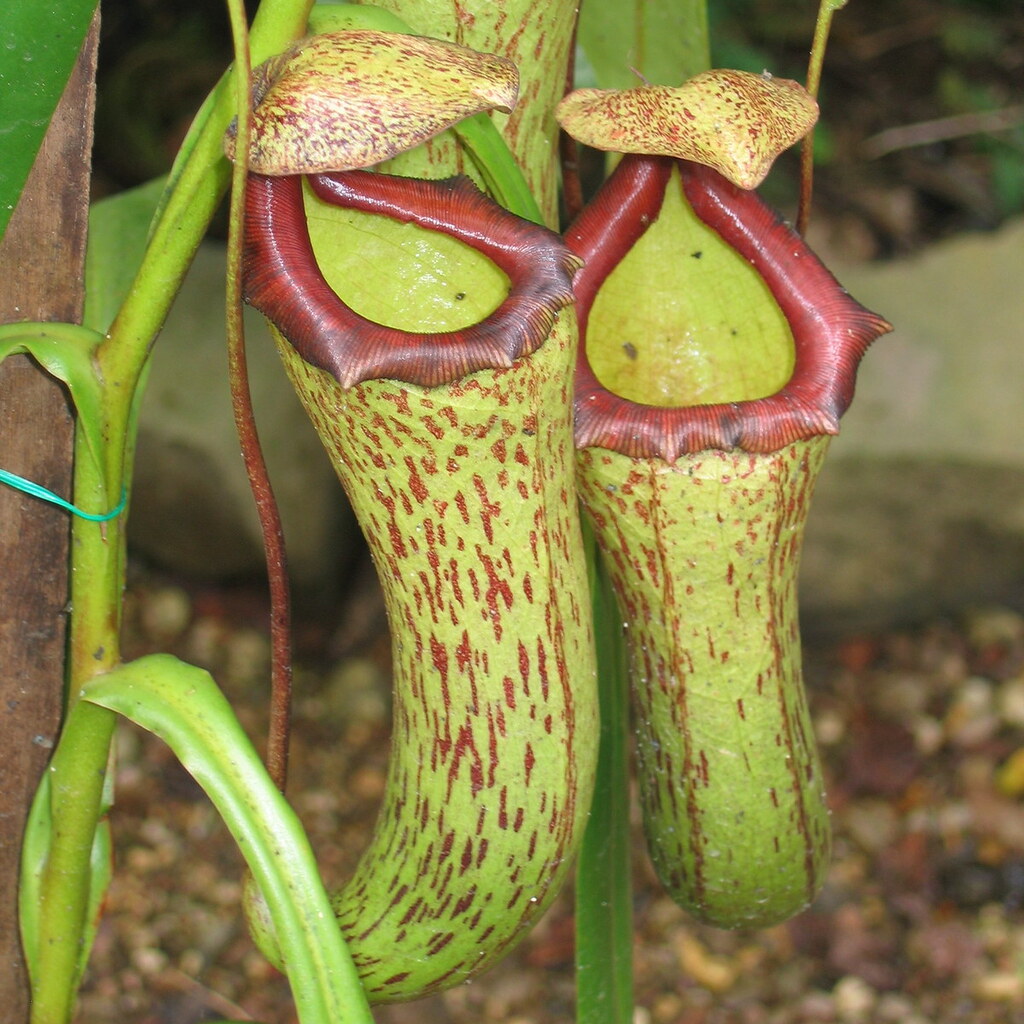
P is for Pitcher plant
Pitcher plants catch insects in deep pitchers that have smooth sides and something sweet at the bottom to attract insects. When an insect is caught inside, the lid of the pitcher closes. Some pitcher plants grow large enough to catch small animals.