Like this site? Pledge support via Patreon!
Plants that start with S

Plants that start with S

The most well-known plants and fungi, listed by their common names.
Photo of snapdragons
Attribution-Sharealike
Scientific name: antirrhinum majus
Snapdragons are an old-fashioned flower. The flower can be squeezed to make it open like a dragon's mouth, which is why they are called snapdragons. They should be planted in well-drained soil in full sun. They can be planted at any time of year, and take about 8-10 weeks to flower. They come in a big range of colours, but shades of pink and white are most common.

Sis forSoybean

Scientific name: glycine max
Soybeans, or soya beans are a type of legume that are used for many, many purposes. Soy beans can be used to make soy sauce, tofu, soy milk and a great many other things. They can also be cooked and eaten when they are still green and fresh. Soy beans must be cooked before they can be eaten. Soy beans contain protein that is close to exactly what humans need, and are a great food source for vegetarians.
Scientific name: chlorophytum comosum
Spider plants are a very common, easy to grow plant. They will grow in a wide range of conditions, and will grow indoors too. They can remove air pollution from inside your house or office. New spider plants are easy to grow by pinning down into some soil the baby plants that grow on the end of long spikes on the adult plant, and then cutting them off when they have roots.
Photo of spinach
Attribution-Sharealike

Sis forSpinach

Scientific name: spinacia oleracea
Spinach is an edible green leafy plant that grows to about a foot tall. It is from Nepal and southeast Asia. Spinach can survive very severe frosts. It is usually eaten cooked, on its own or with other food. Spinach goes well with cheese and garlic.

Sis forSpinifex

Scientific name: genus: triodia
Spinifex is the common name for a type of tussocky grass that grows in arid regions of Australia. It has very sharp leaves. As spinifex ages it grows outwards and dies in the centre and will form a circle that can be several metres across.
Photo of fern spores
Attribution-Sharealike

Sis forSpore

Spores are the way some bacteria, fungi, ferns and algae reproduce. One spore can grow into a whole new organism. Spores are similar to seeds but they only need one parent not a male and a female parent like is needed to make seeds. Spores are also much smaller than seeds and do not have food reserves inside them.

Sis forSprig

A sprig is a small part of a plant, with some leaves, flowers or both attached.
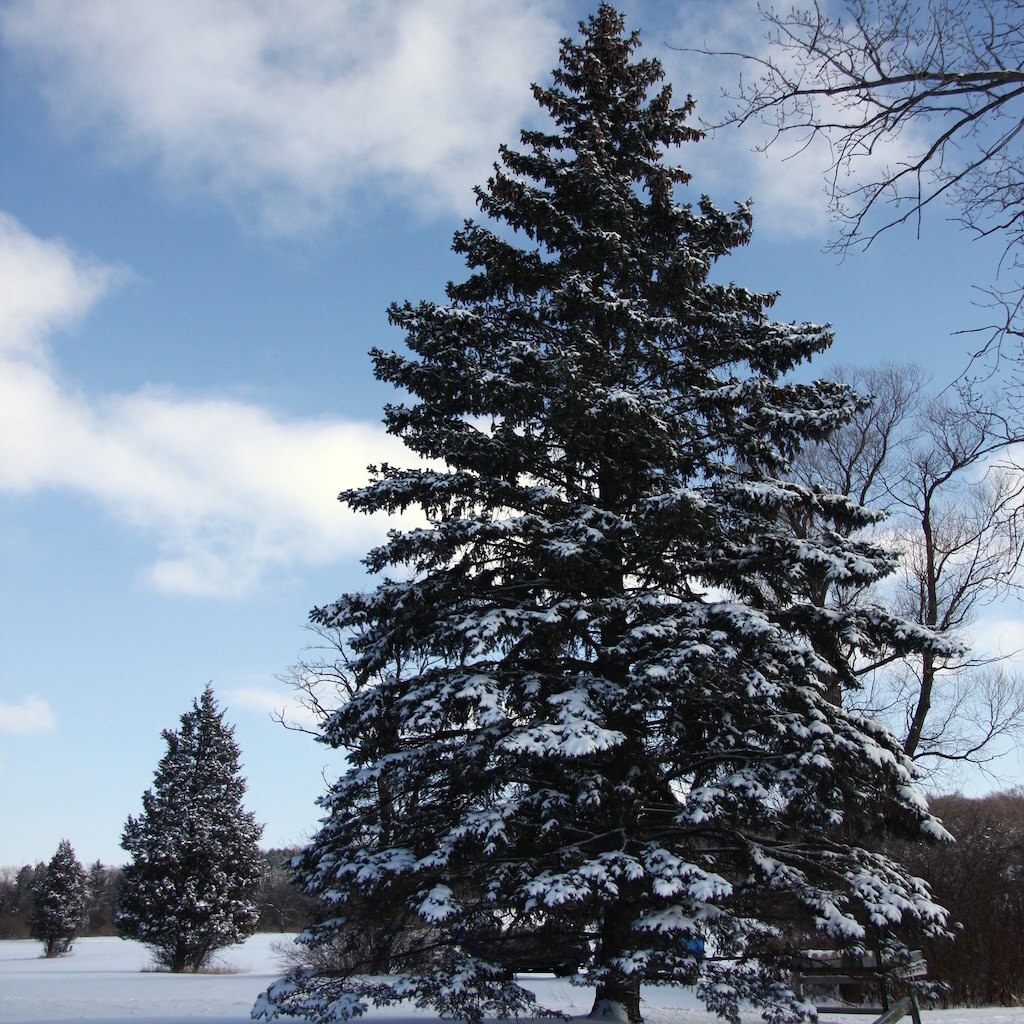
Photo of a spruce tree
Attribution-Sharealike

Sis forSpruce

Scientific name: genus: Picea
Spruce are large conifers, found in cooler regions of the world. Some kinds of spruce can grow to be 200 feet tall.

Sis forSquash

Scientific name: genus: cucurbita
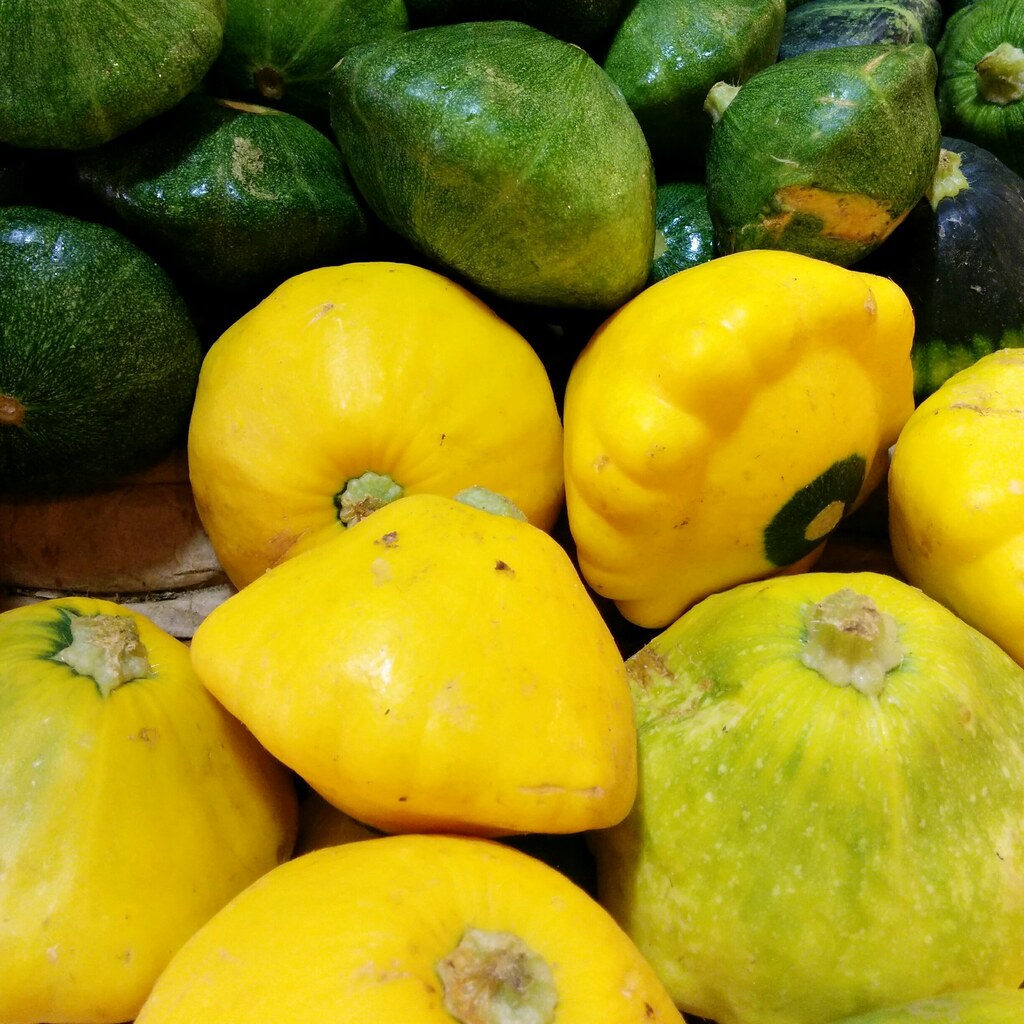
Squash are a group of plants that are sometimes called pumpkins and sometimes called marrows. Some people think of the yellow squash in the picture when they hear the word "squash", others think of butternut squash.
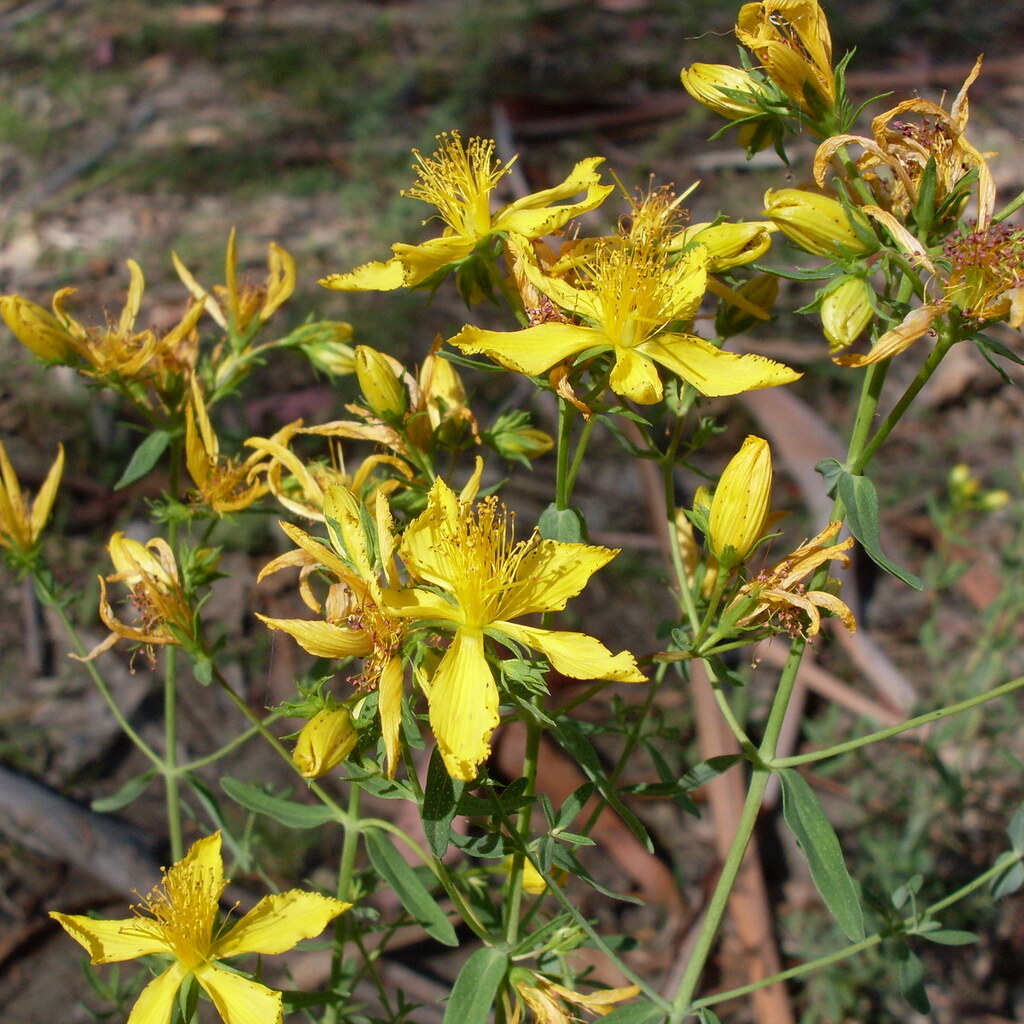
Photo of St John's wort
Attribution-Sharealike
Scientific name: hypericum perforatum
St John's wort is a small plant that is widely used as an effective treatment for depression. It has escaped in many countries and is listed as a noxious weed. The effects that make it so useful against depression are bad when eaten by livestock, as it affects the nervous system, causes light sensitivity and can cause miscarriage and even death in large enough doses.