up to People

People use ...

Tools for making things, for getting things done, and for going places.

Subcategories: Heavy machinery (12), Vehicles (70)

Showing 121-134 of 134
T is for Tweezers

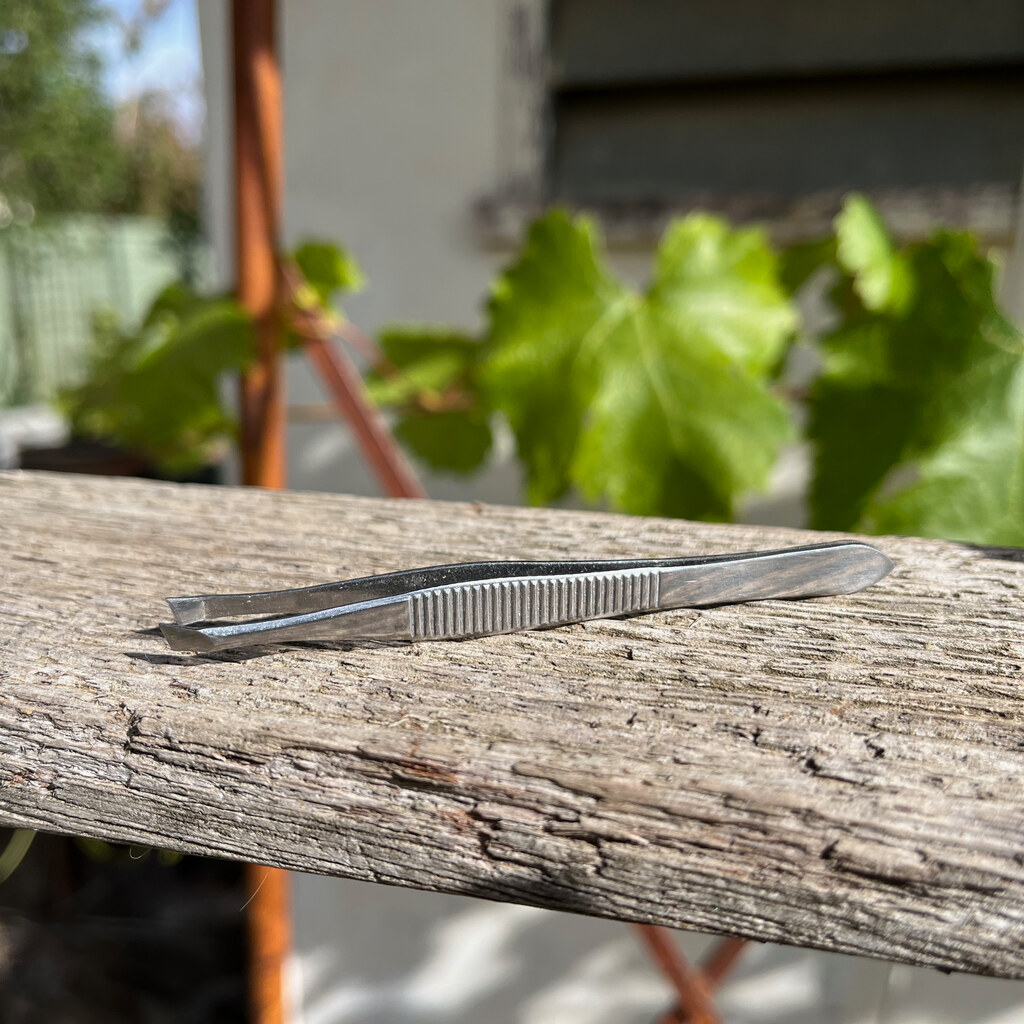
Tweezers are a small tool designed to grip things that are too small to grip with your fingers. They are often used for pulling out hairs or splinters.

U is for UFO

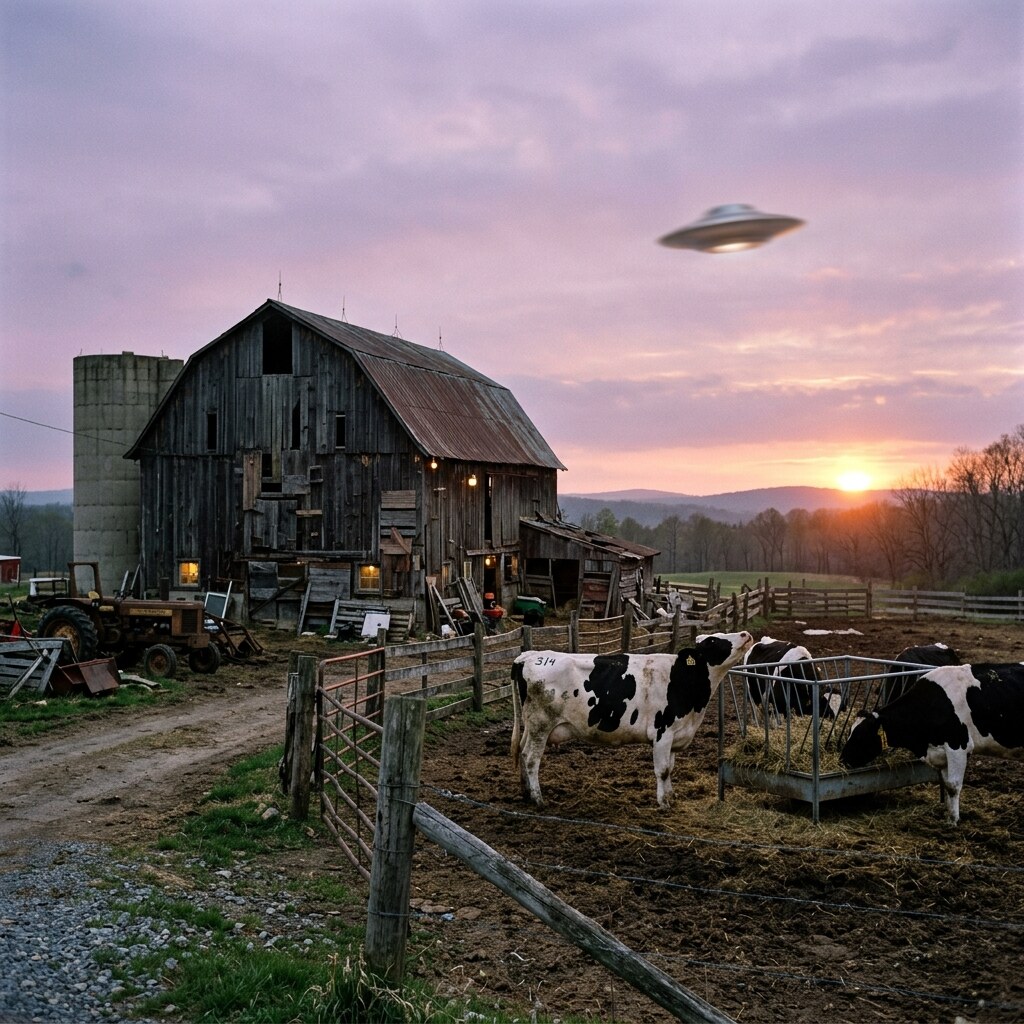
UFO stands for unidentified flying object. Usually when people say UFO or flying saucer they mean a visiting alien spaceship. Most UFO sightings are eventually identified to be something ordinary, like a weather balloon, an ordinary airplane or a strange cloud.

U is for Unicycle

A unicycle is a bicycle with only one wheel. The "uni" at the start of the word means one, just like the "bi" on bicycle means two, and the "tri" on tricycle means three.
Because unicycles only have one wheel they are hard to ride and hard to steer, and they are not seen very often outside of circuses.
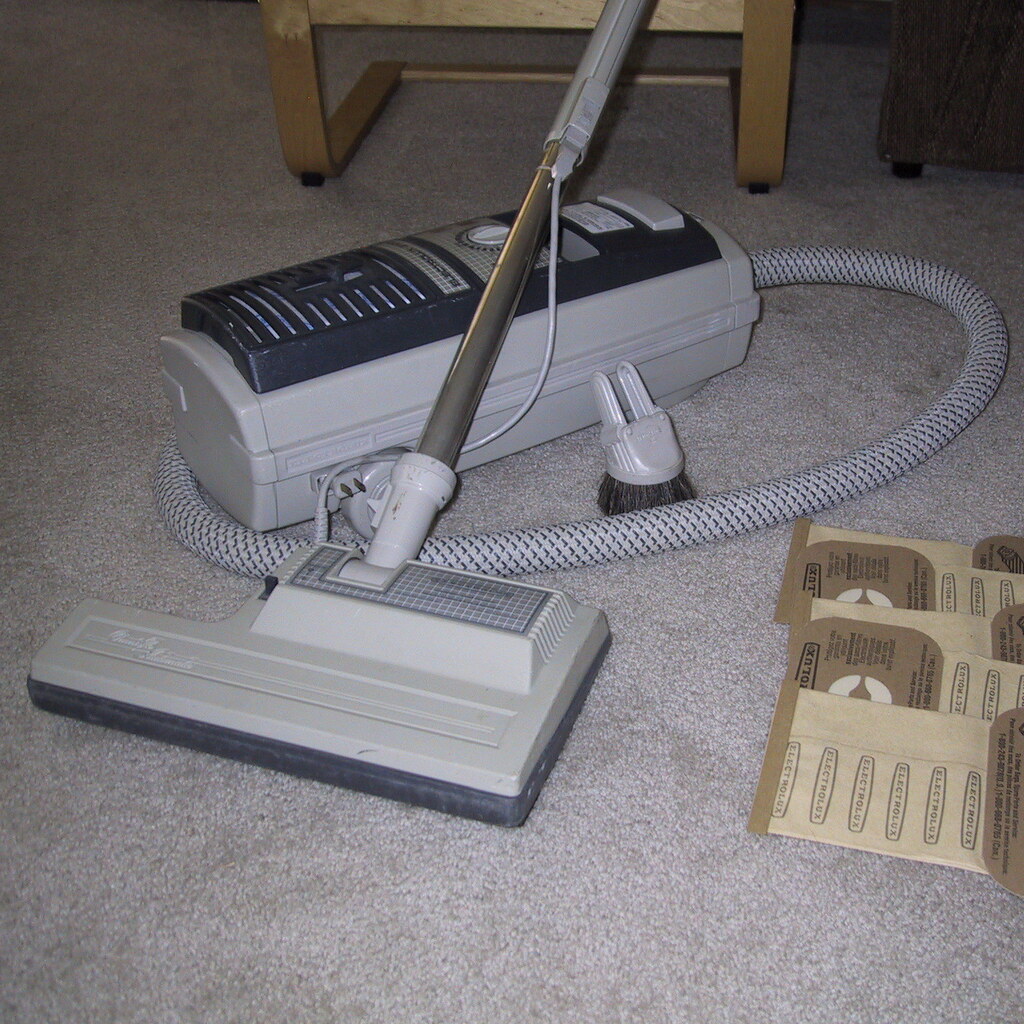
A vacuum cleaner, or sometimes a hoover, is a machine that is used to suck dirt and dust from floors inside your house. It works by making a vacuum inside it by pumping the air out of a chamber inside the cleaner, so that air from outside rushes in to fill up the space that is left. The dust is removed from the air by filtering it, usually through some cloth.

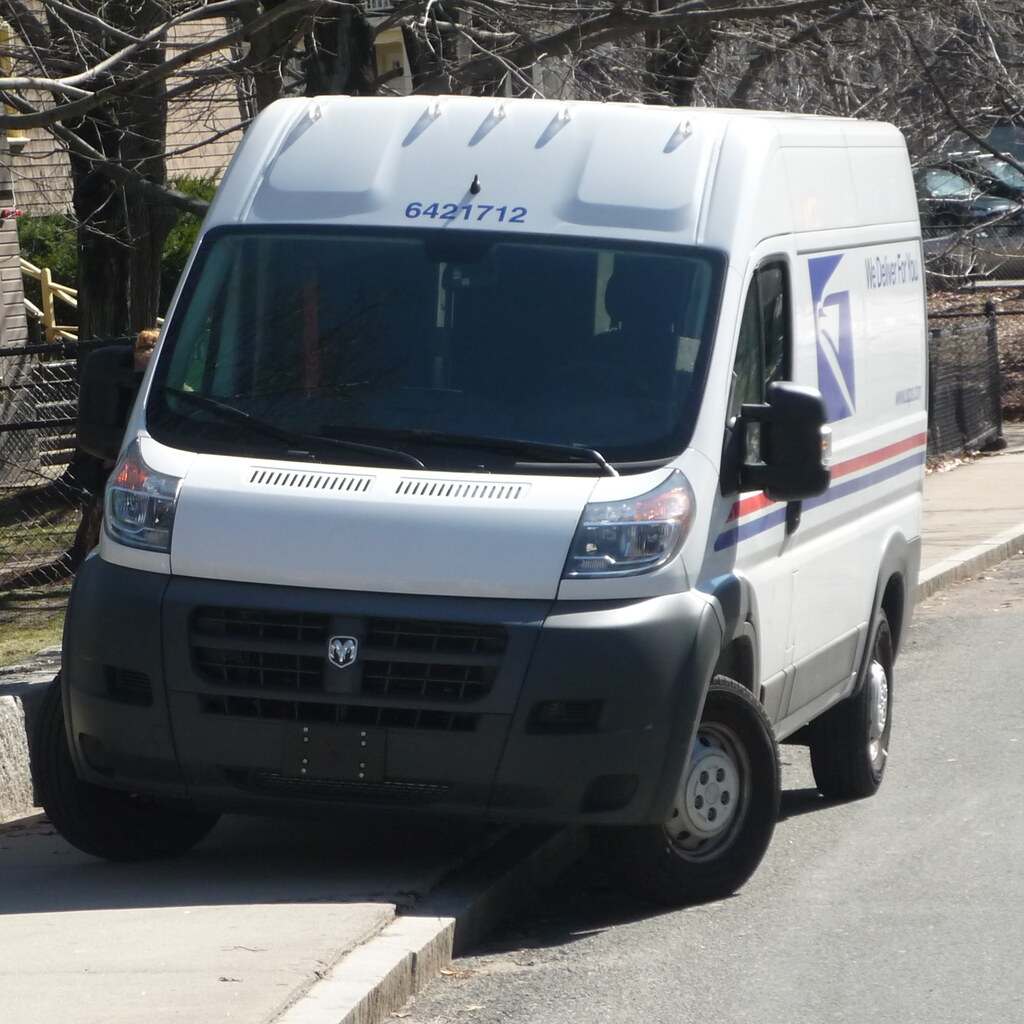
V is for Van

A van is a type of small truck that is used to carry small, covered loads around. Vans are often used by tradespeople like electricians and to deliver small furniture.
V is for Vehicle

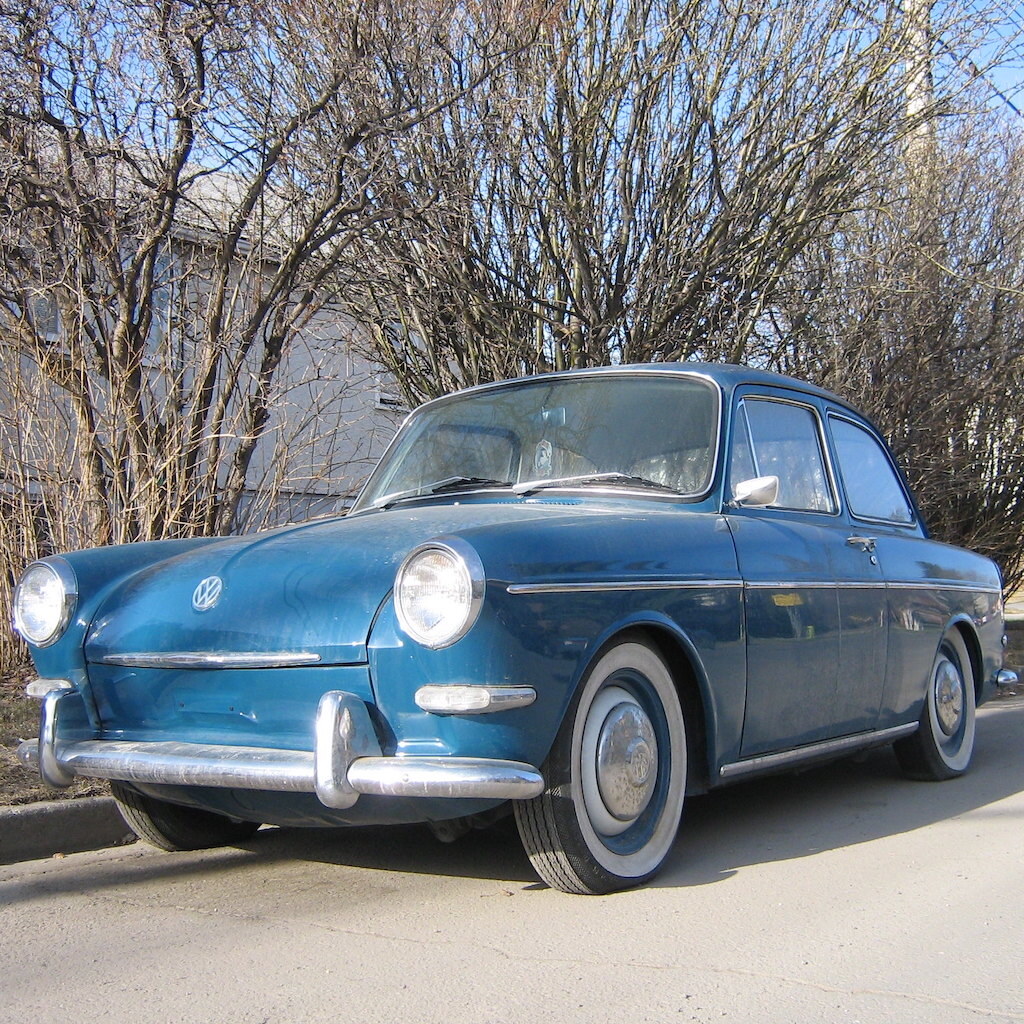
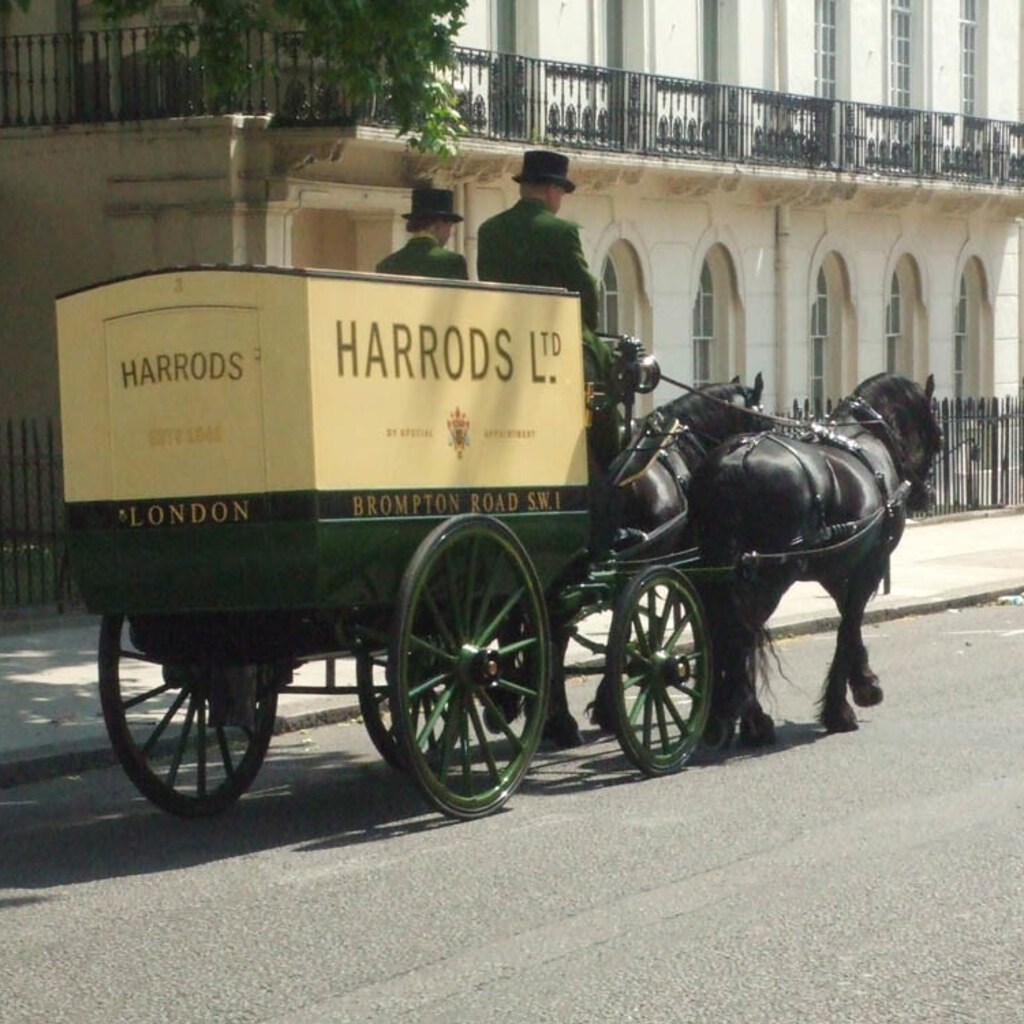
A vehicle is any non-living means of being moved around. A horse that you can ride is not a vehicle. Examples of vehicles are boats, planes, trucks and trains.

W is for Wagon

A wagon is a heavy vehicle with 4 wheels that used to be pulled by a team of horses or oxen to move large loads around. Today, wagons are usually used on farms and pulled by tractors.
In some countries the separate parts of a train that are used to carry goods are called wagons.

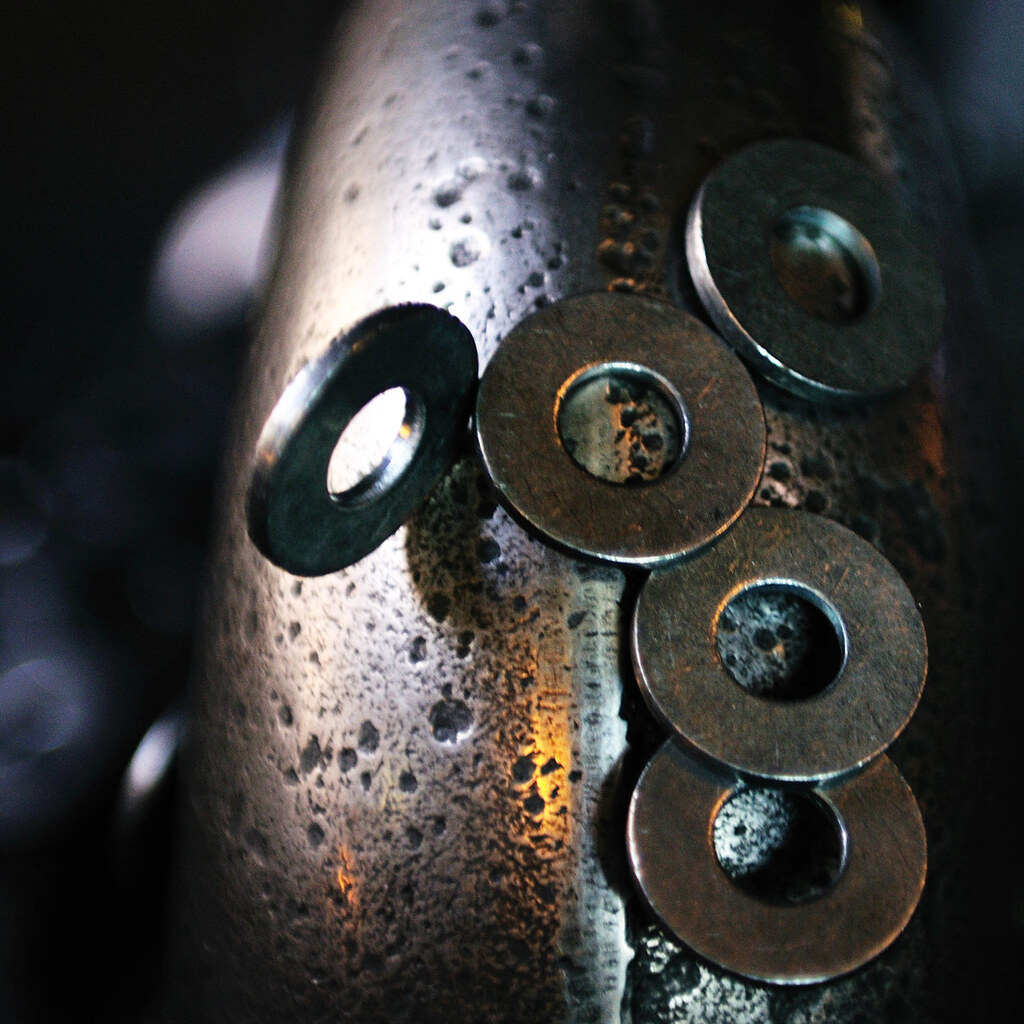
W is for Washer

A washer is usually put on the threaded side of a bolt to spread the force of the tightened bolt. Washers can also be used for spacing, and even for making jewelry from.

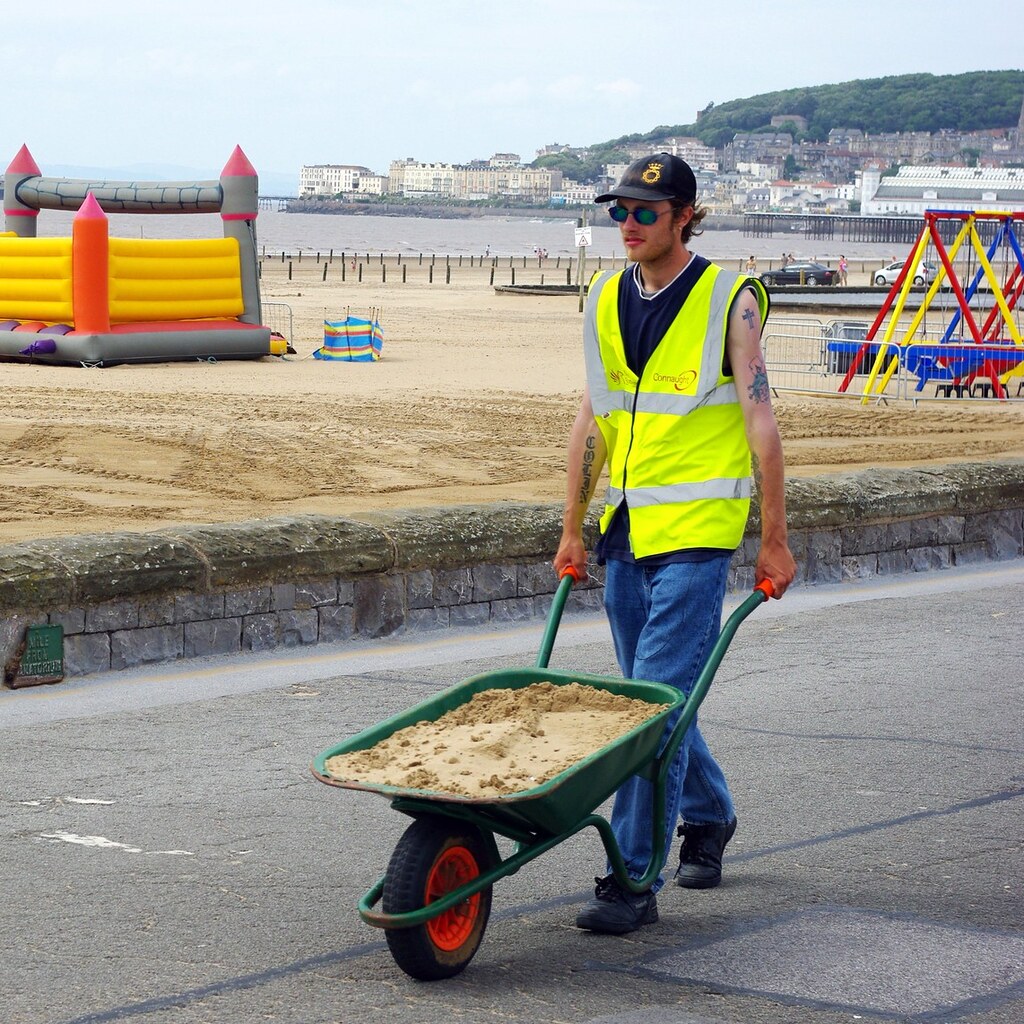
W is for Wheelbarrow

A wheelbarrow is something you use in the garden or on a building site to move things around that are too heavy to carry yourself. They have handles at one end to push and a wheel at the other end. Wheelbarrows only have one wheel so they are easy to steer, and so you can tip them up and drop whatever is in the wheelbarrow into a pile on the ground. Wheelbarrows are very good for moving dirt, soil and gravel.

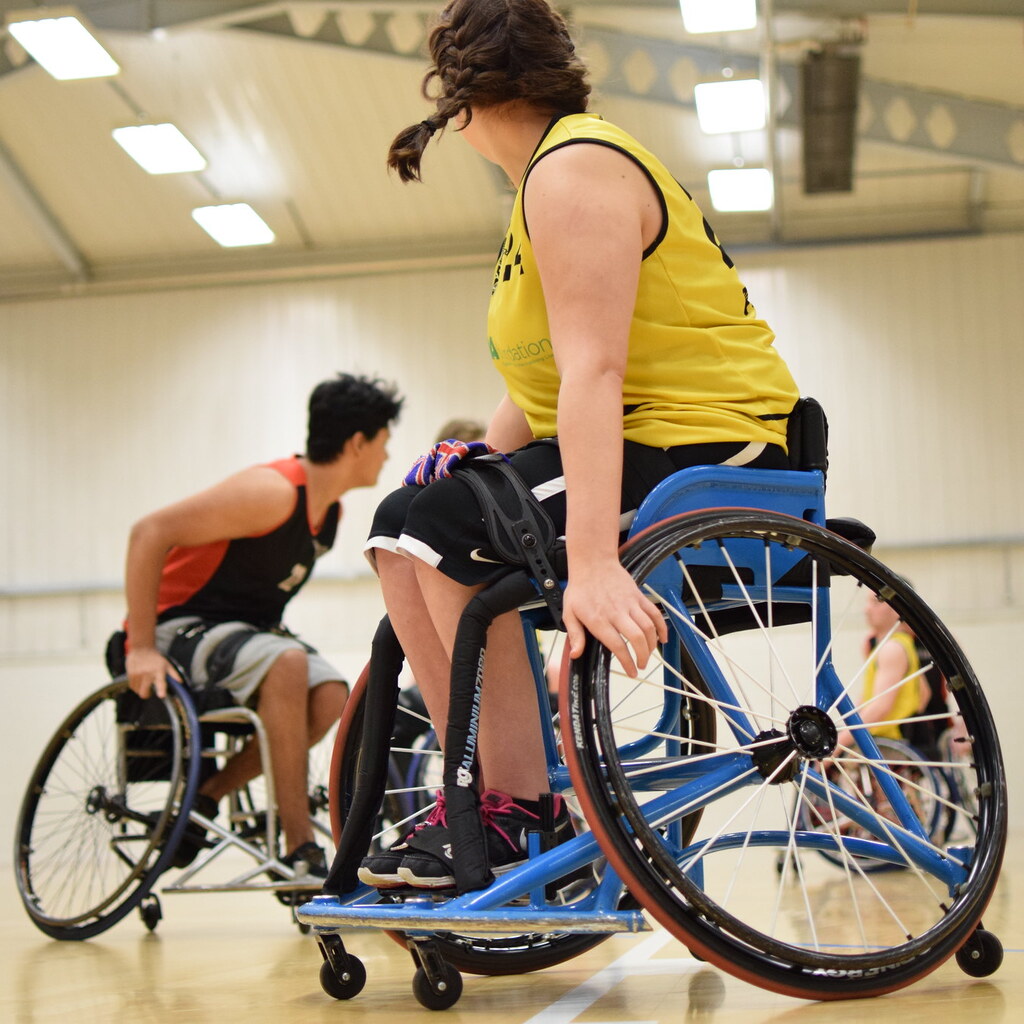
W is for Wheelchair

A wheelchair is, as the name suggests, a chair with wheels. The back wheels are very big and usually have a handle running around the edge of them so you can push the chair along using your hands.
Some wheelchairs are powered by a small motor, for people who don't have strong enough arms to push them along themselves. They have a little steering stick on one of the arms of the chair.
Other wheelchairs are just for moving people around short distances like in a hospital, and the person sitting in the chair can't move them at all. These wheelchairs have handles on the back so someone like a nurse is needed to push them around.
W is for Whip

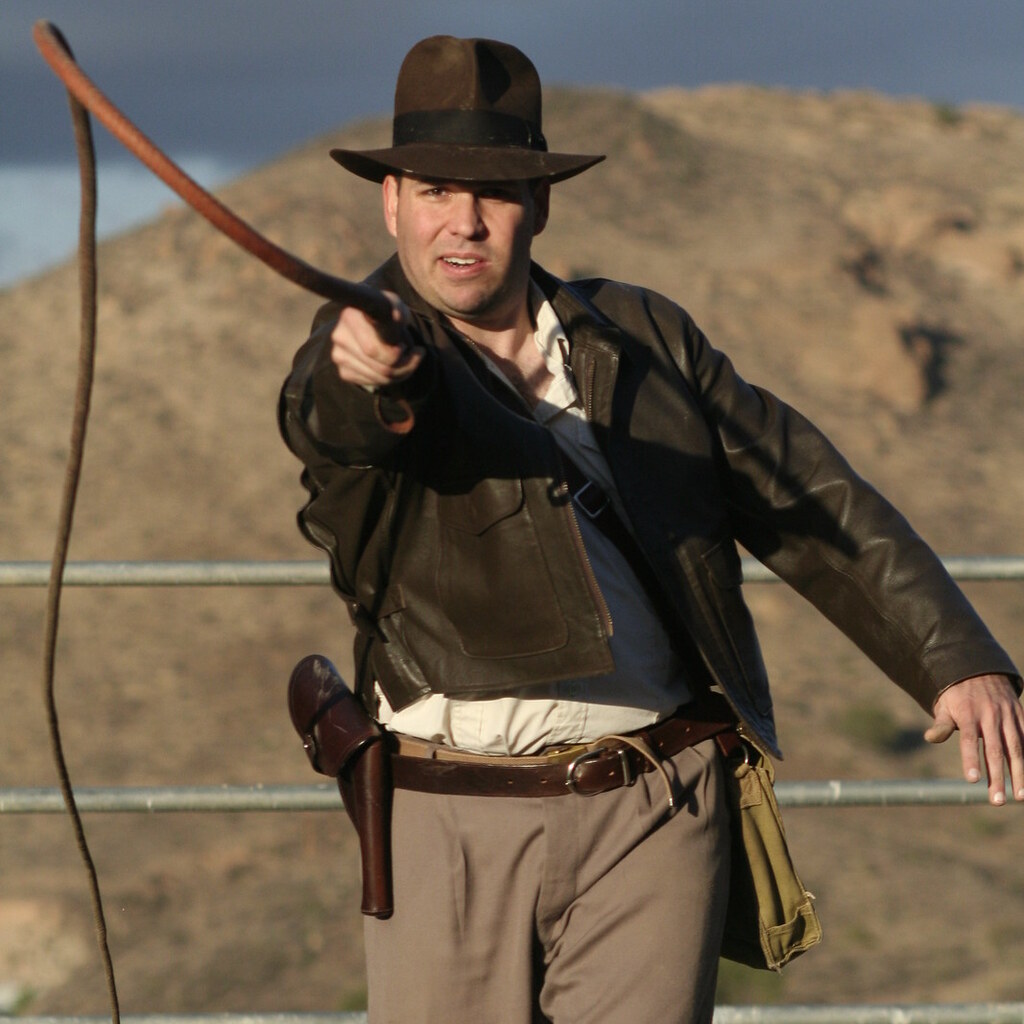
A whip is usually made from a short stick with a thin strip of leather at the end, although some whips are just made from a flexible rod.
Whips are usually used for training animals, as an extension of your arm. Whips can be cracked with a loud noise, which will scare an animal and make them change direction.
W is for Wrench

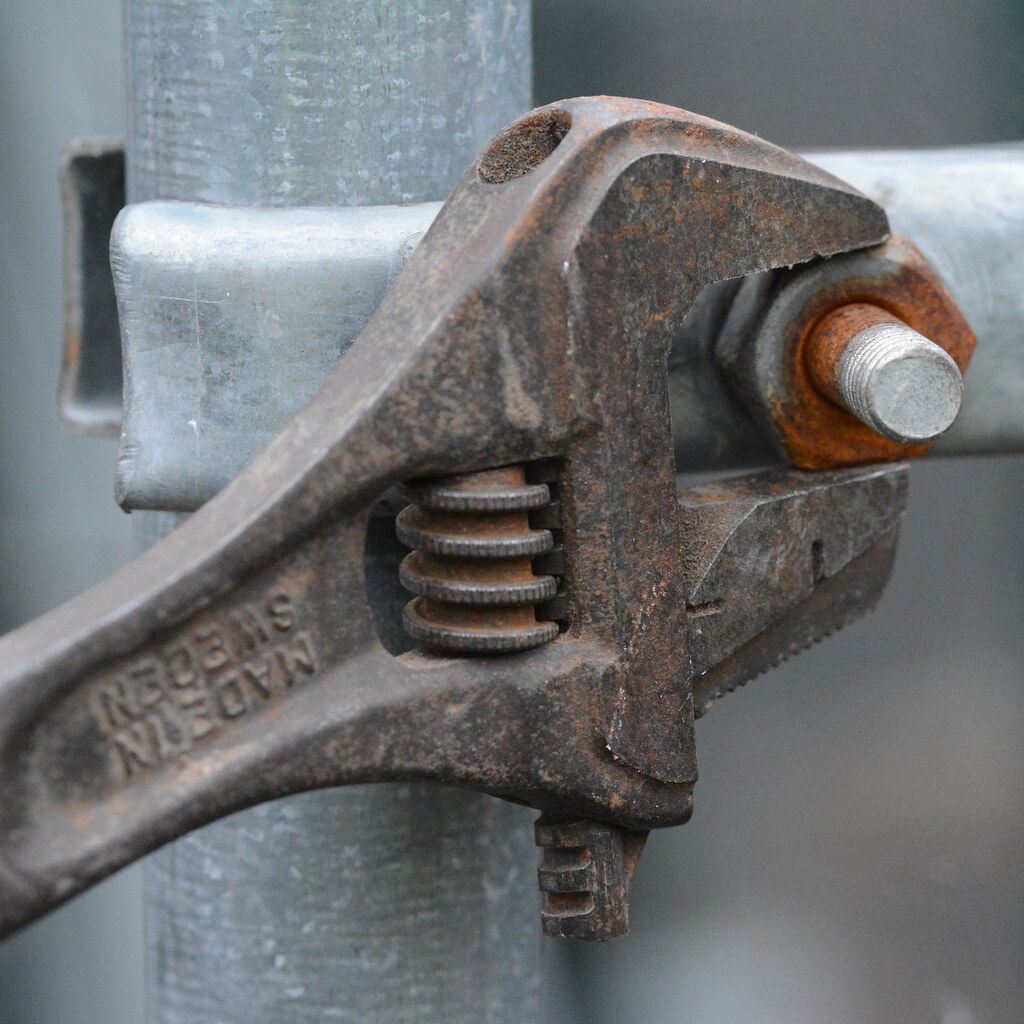
A wrench, or spanner, is used for tightening and loosening bolts, nuts, or anything else that is stuck and hard to turn. Like screws, bolts come in different shapes and sizes and spanners come in a range to match.

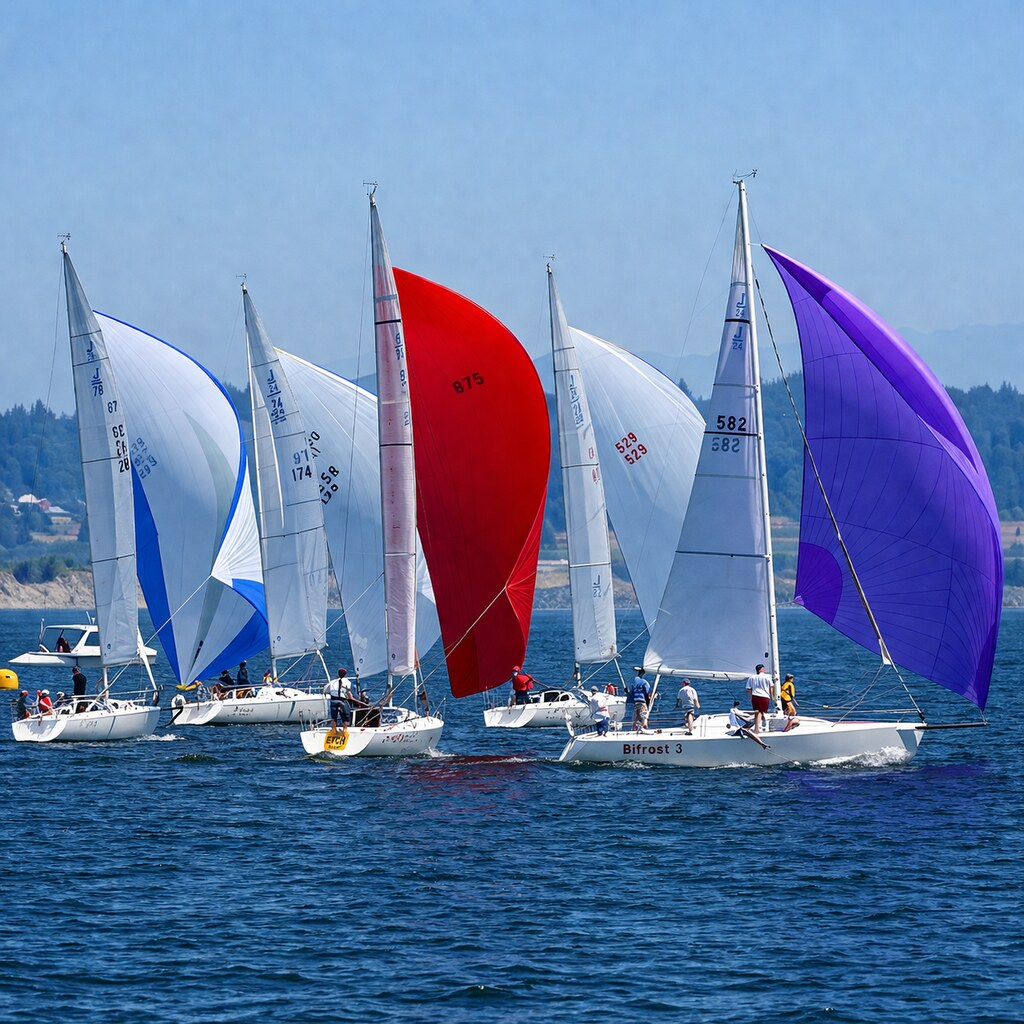
Y is for Yacht

A yacht is a type of fast sailing boat. Sailboats do not have engines or motors, they move because the wind blows them along.

Z is for Zeppelin

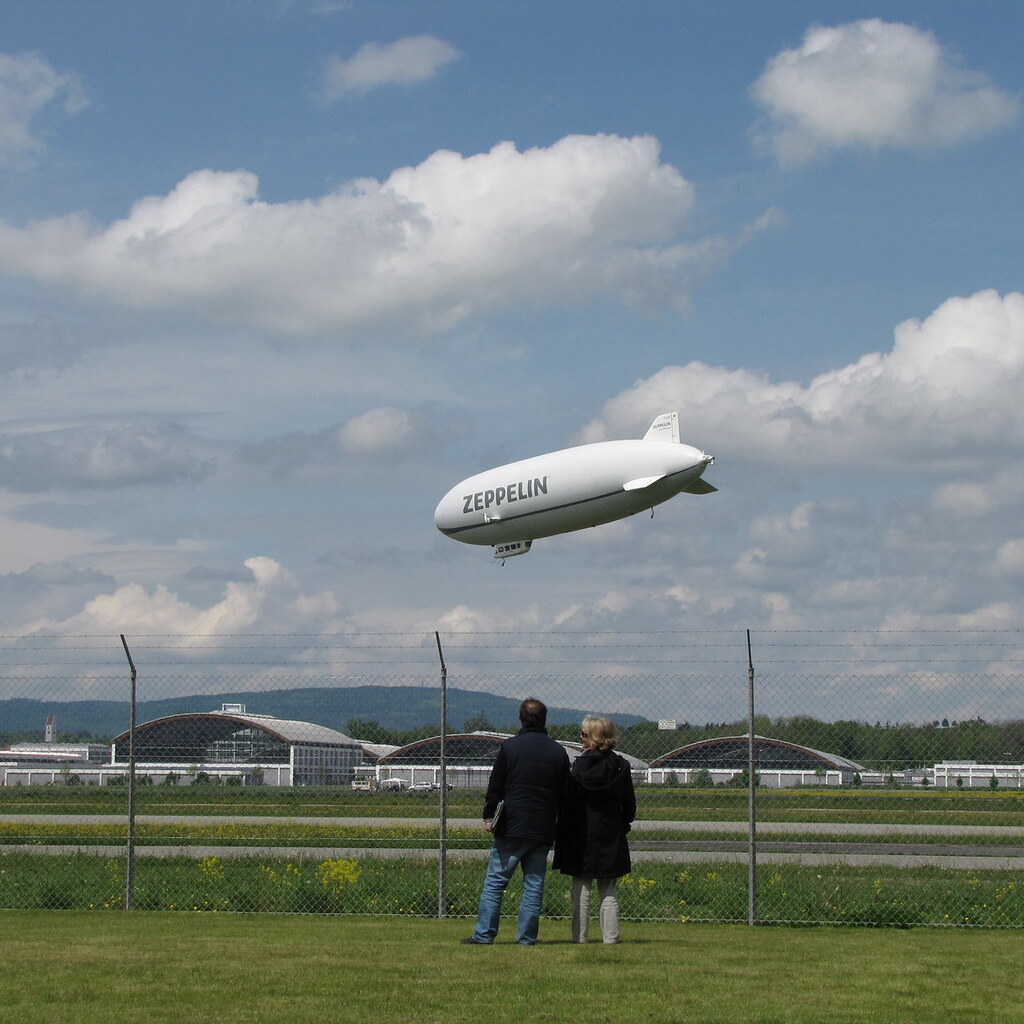
A Zeppelin is a type of rigid airship originally designed by German Count Ferdinand von Zeppelin in the early 20th century. The Zeppelin design was so popular the name became used for all rigid airships.
The most famous Zeppelin was the Hindenburg, which crashed spectacularly in 1937.