
Showing 21-40 of 41
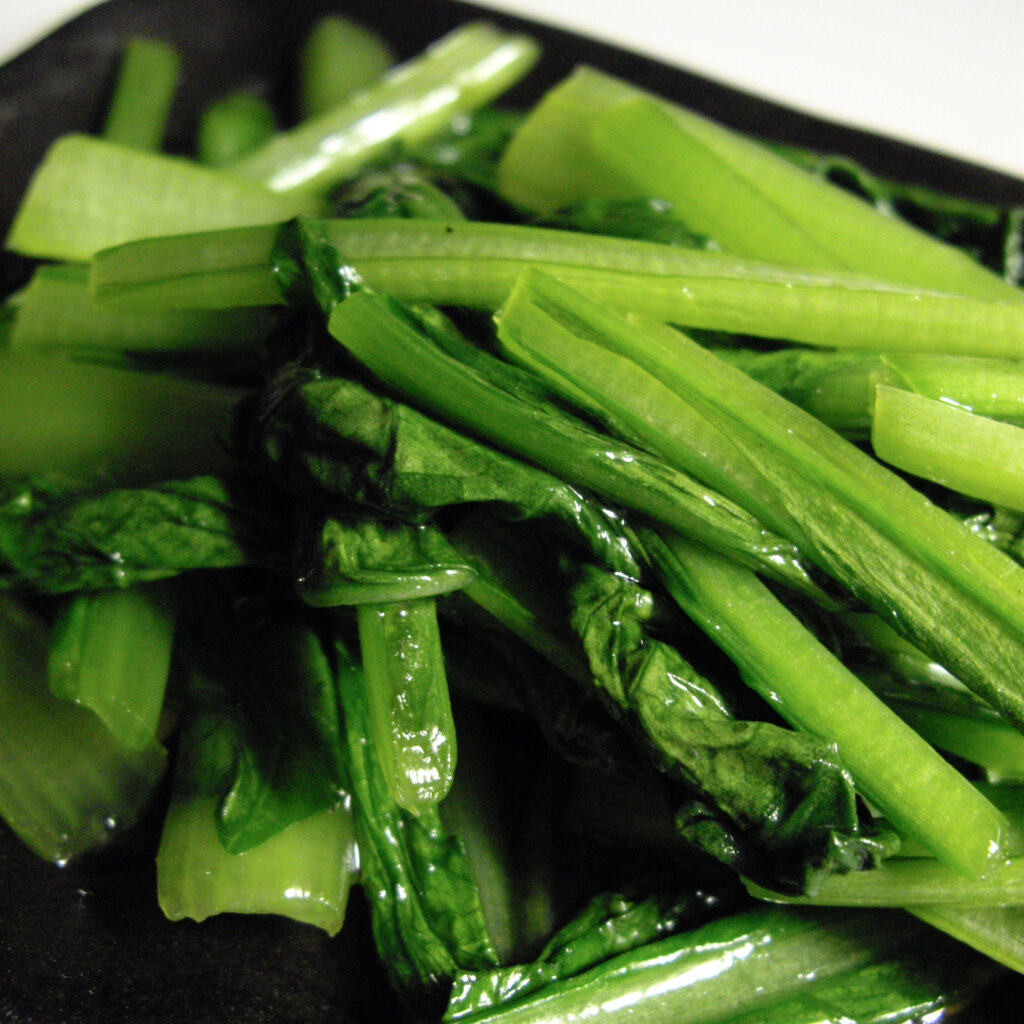
Komatsuna is a kind of leafy green vegetable. It is also called Japanese mustard spinach or Asian greens. It looks like small, tender leaves and stems.
People often use komatsuna in salads, soups, and stir-fry dishes. It is popular in Japan and is sold in many Asian markets. The leaves can be eaten raw or cooked, and they taste mild and slightly peppery.
People often use komatsuna in salads, soups, and stir-fry dishes. It is popular in Japan and is sold in many Asian markets. The leaves can be eaten raw or cooked, and they taste mild and slightly peppery.
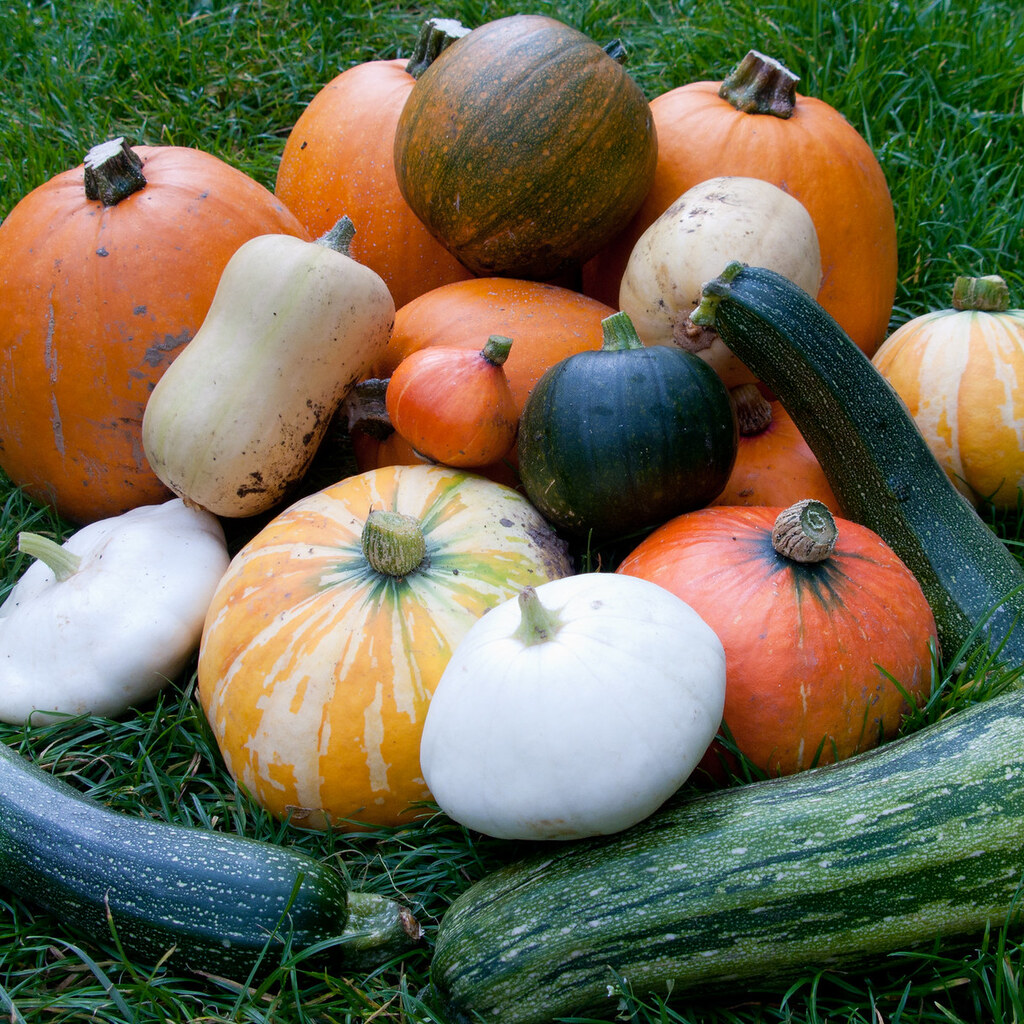
M is for Marrow (Vegetable)
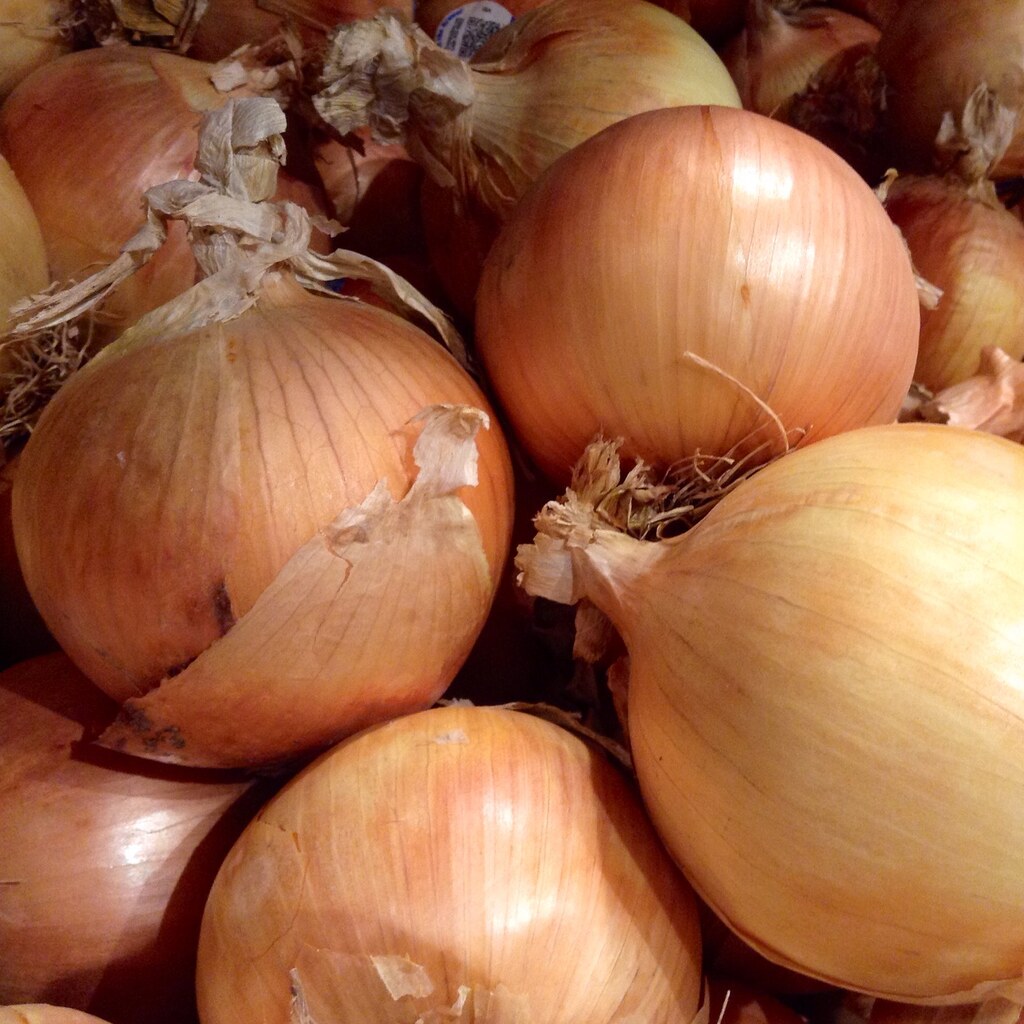
Onions are a vegetable. There are many different kinds of onions, ranging in size and colour from purple to red to white to green.
Onions are used in almost every kind of food, raw or cooked. They can be very sharp when they are raw and many children do not like raw onions, but when they are cooked they are quite sweet.
Onions are used in almost every kind of food, raw or cooked. They can be very sharp when they are raw and many children do not like raw onions, but when they are cooked they are quite sweet.
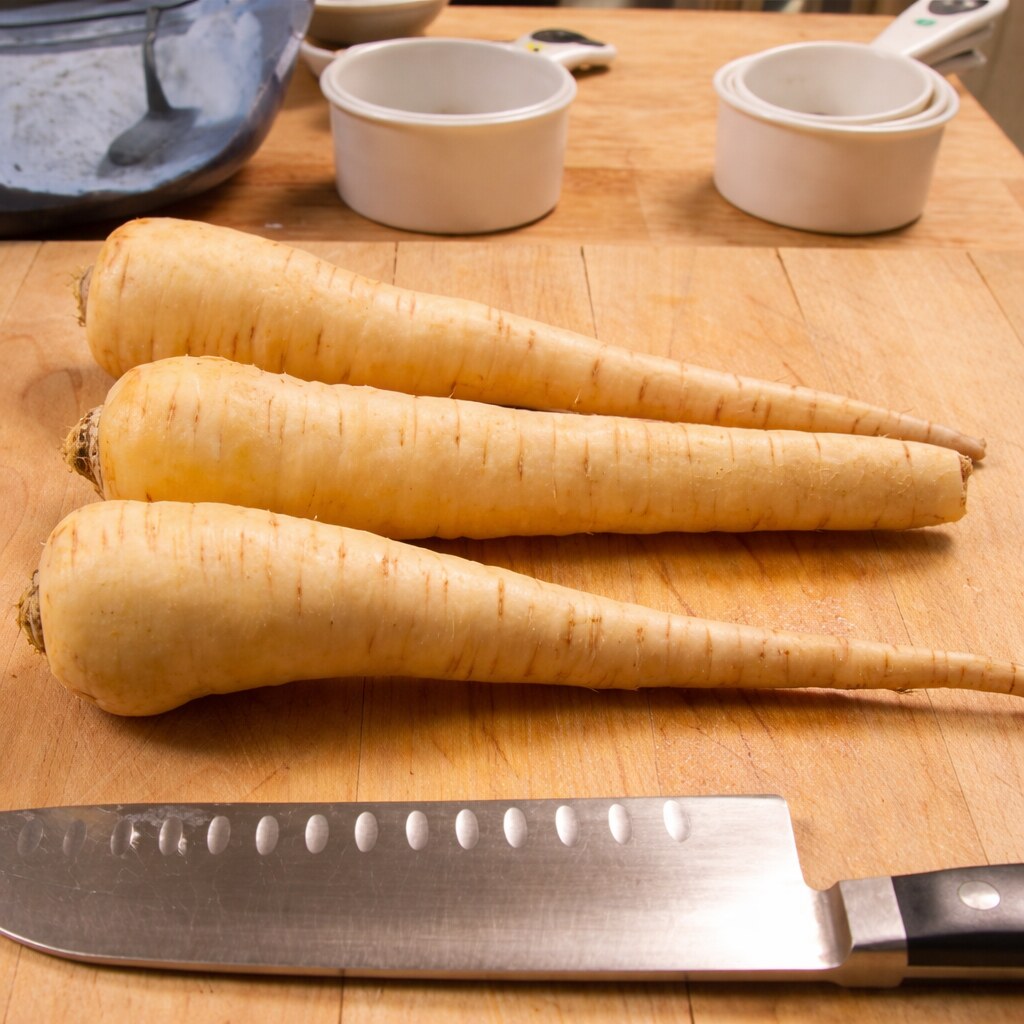
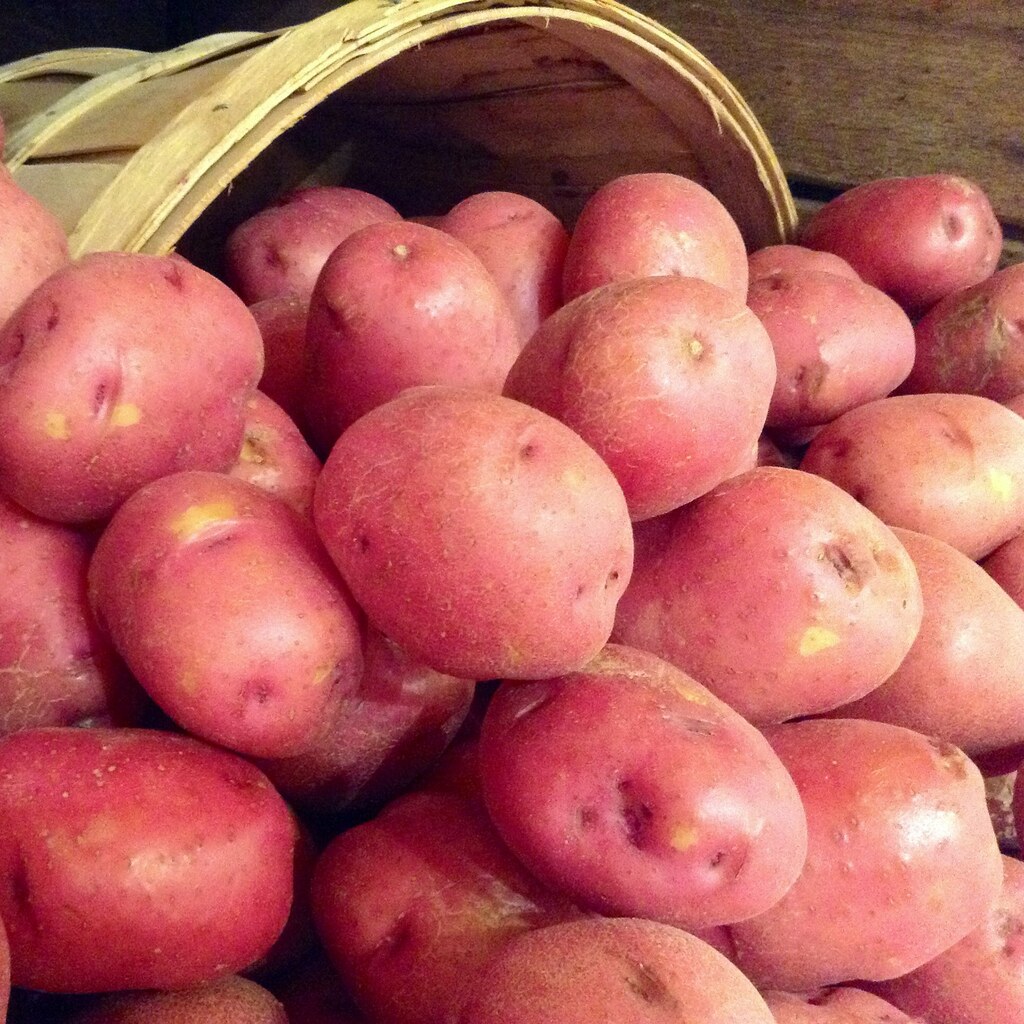
Potatoes are tubers - they grow underground but are not the central root of the plant like a carrot or turnip. One potato plant can make many potatoes. Potatoes originally came from Peru but are now grown world wide, and are the fourth biggest crop after rice, wheat, and maize.
Potatoes are best known in the form of french fries (chips) or crisps. Potato can be eaten in a huge variety of ways. It can be an ingredient in soups and stews, mashed and eaten with butter, baked, fried, boiled and in a huge variety of other dishes.
Potatoes are best known in the form of french fries (chips) or crisps. Potato can be eaten in a huge variety of ways. It can be an ingredient in soups and stews, mashed and eaten with butter, baked, fried, boiled and in a huge variety of other dishes.
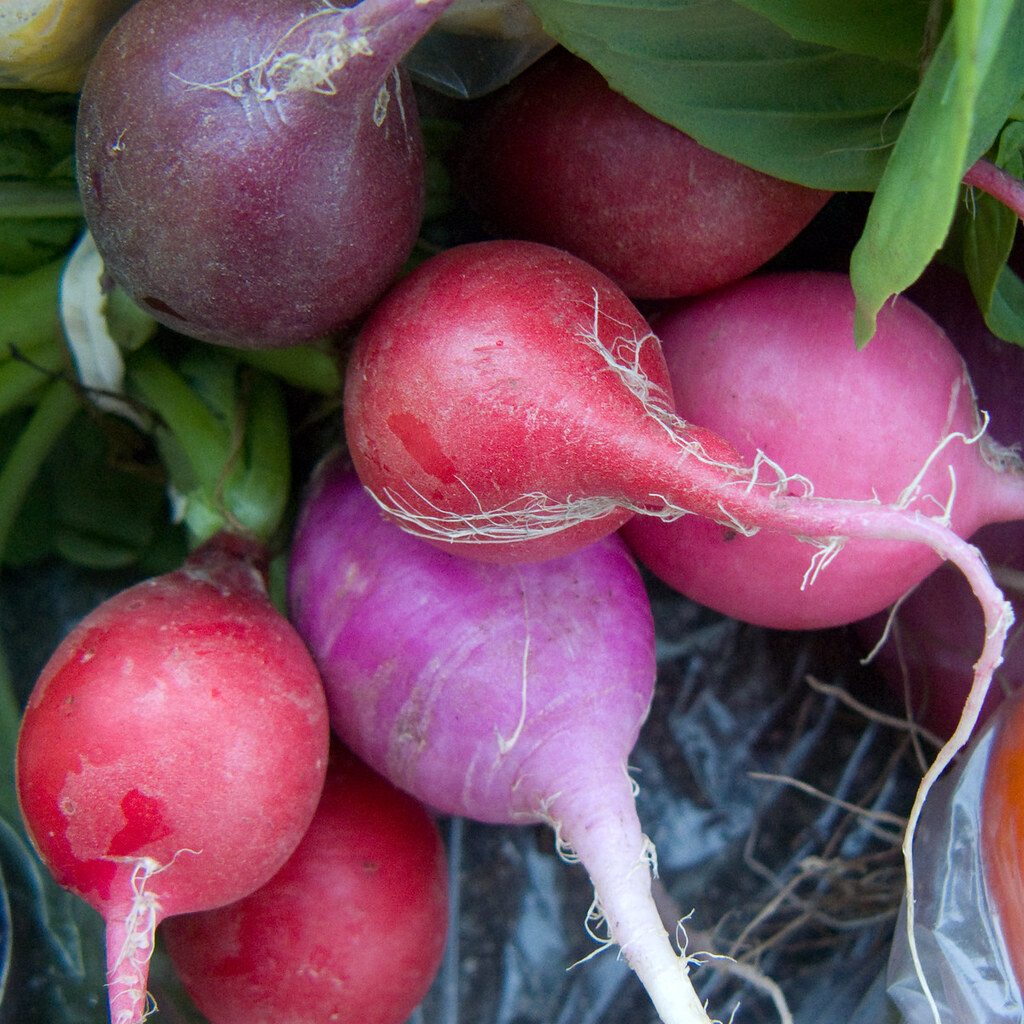
Radishes are an edible root vegetable. They come in a variety of colors, with the most common being red and white. The root of the radish is crisp and has a sharp peppery flavour, with some radish varieties being hotter than others.
Radishes are most commonly used in salads, and can be preserved by pickling them. Radish leaves and seeds are also edible but not as many people eat them as eat the root.
Radishes are most commonly used in salads, and can be preserved by pickling them. Radish leaves and seeds are also edible but not as many people eat them as eat the root.
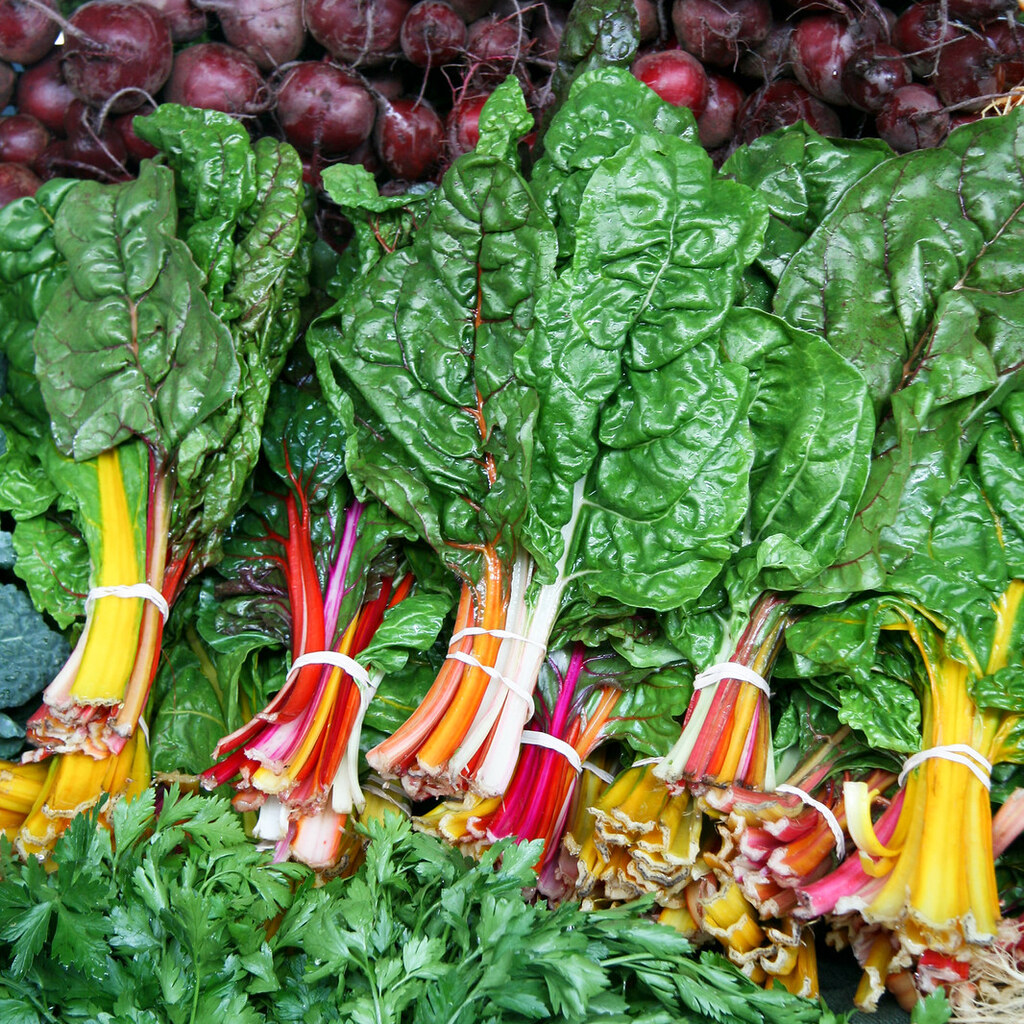
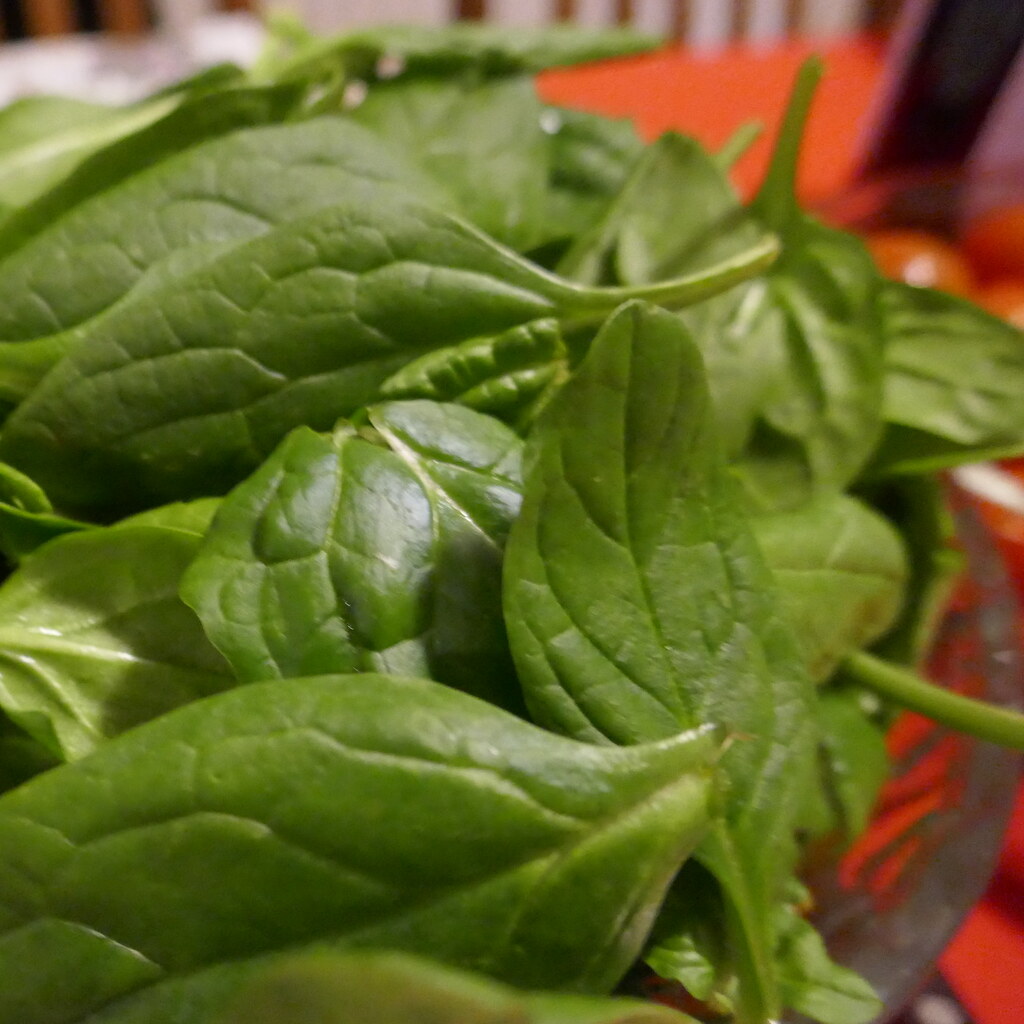
S is for Silverbeet
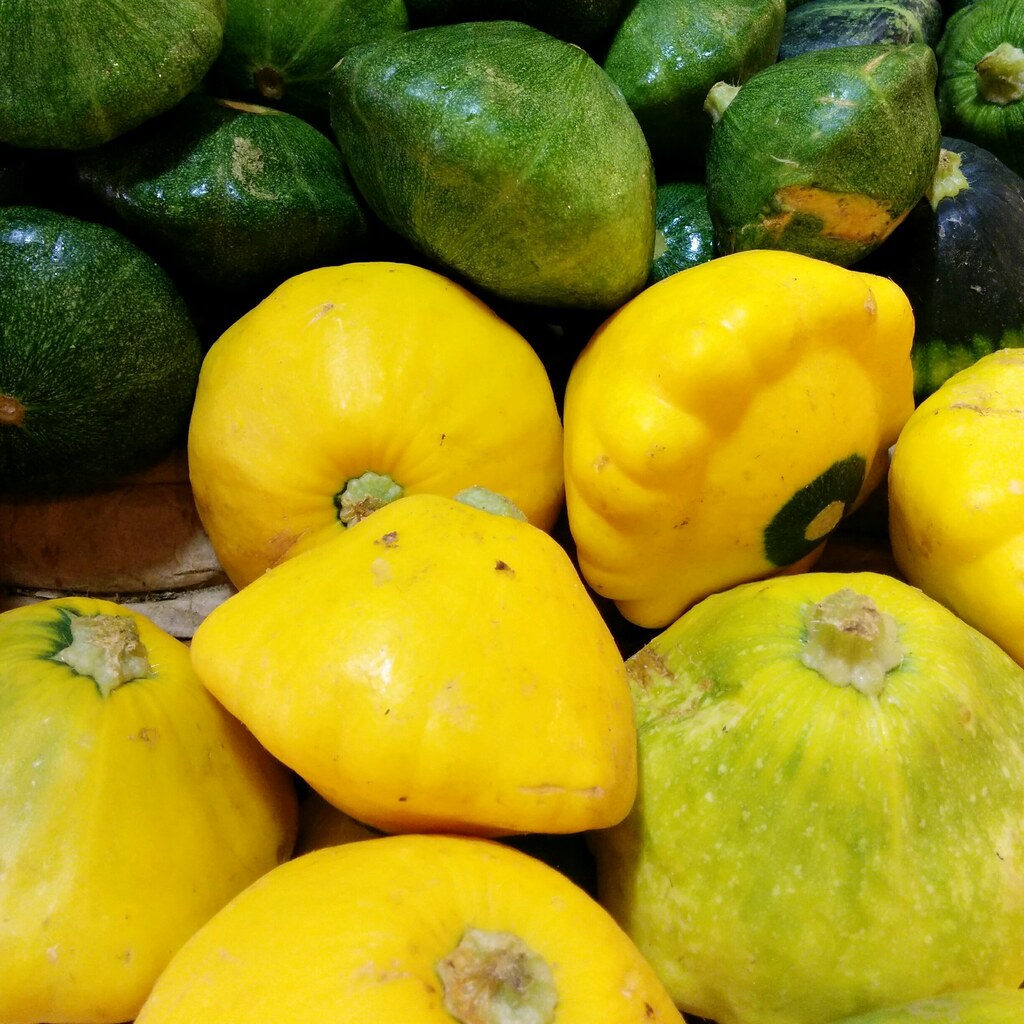
Squash are a group of plants that are sometimes called pumpkins and sometimes called marrows. Some people think of the yellow squash in the picture when they hear the word "squash", others think of butternut squash.
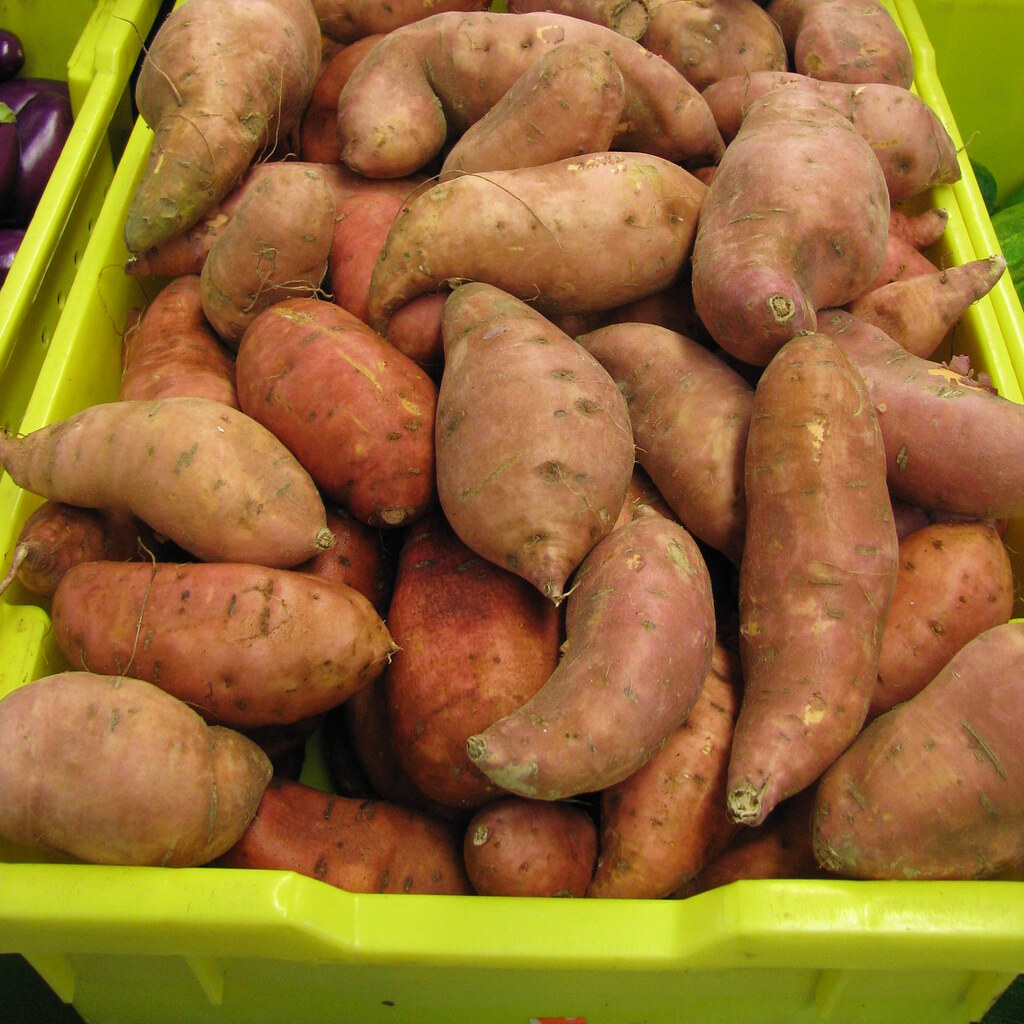
S is for Sweet potato
They can be eaten roasted, mashed, fried or cooked into stews. They are much softer than regular potatoes when they are cooked.
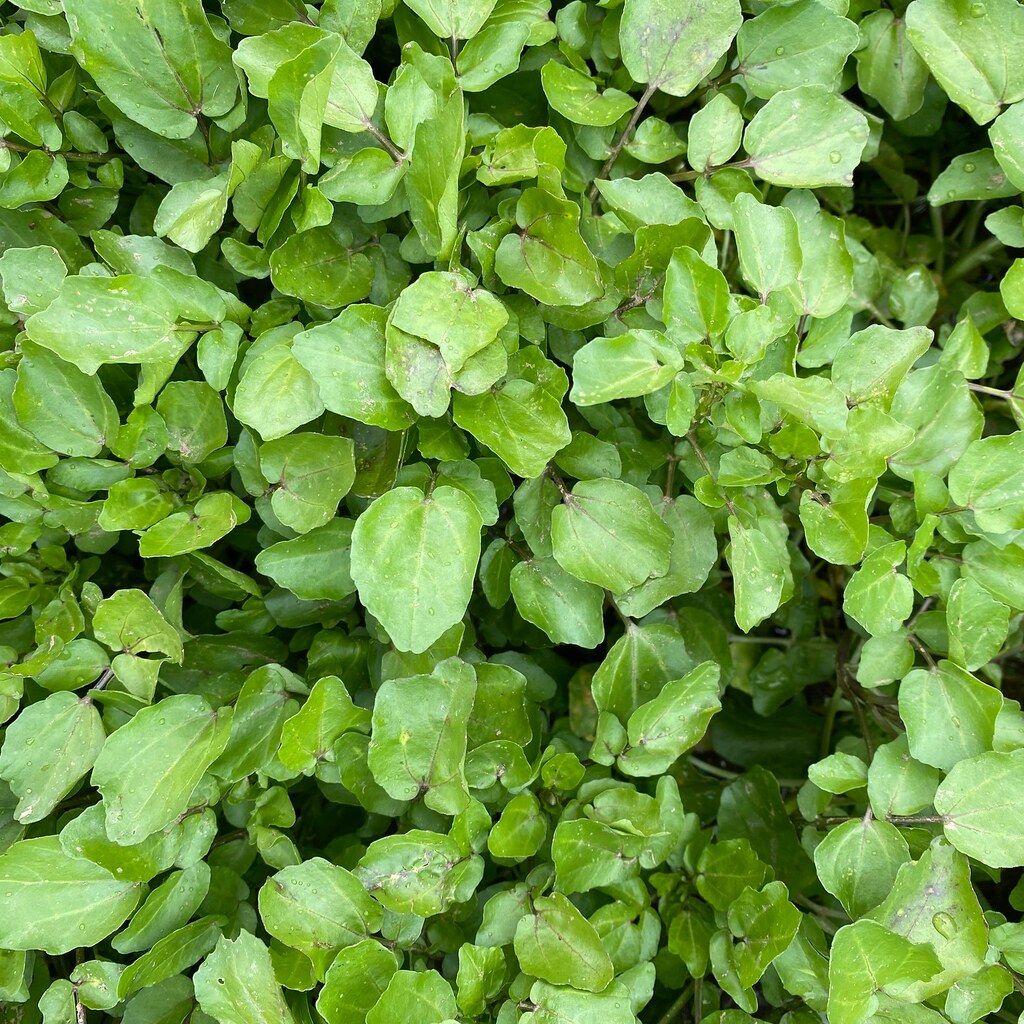
W is for Watercress
People use watercress in salads and sandwiches, and sometimes in soups. It grows in clean, flowing streams and rivers, and it may also be grown in gardens or farms on wet ground.

A yam is the tuber of a vine, found in many countries around the world. Yam tubers can grow very big - up to 70kg. Yams have a rough skin that is hard to peel, but much softer flesh inside.
Many people call sweet potatoes yams or sweet yams, but they are actually different vegetables.
Some variety of yam can be eaten raw, but most need to be cooked. Yams can be fried, boiled, pounded down and made into a dough. They can also be dried and powdered and used to make something similar to instant mashed potato.
Many people call sweet potatoes yams or sweet yams, but they are actually different vegetables.
Some variety of yam can be eaten raw, but most need to be cooked. Yams can be fried, boiled, pounded down and made into a dough. They can also be dried and powdered and used to make something similar to instant mashed potato.