
Showing 561-574 of 574


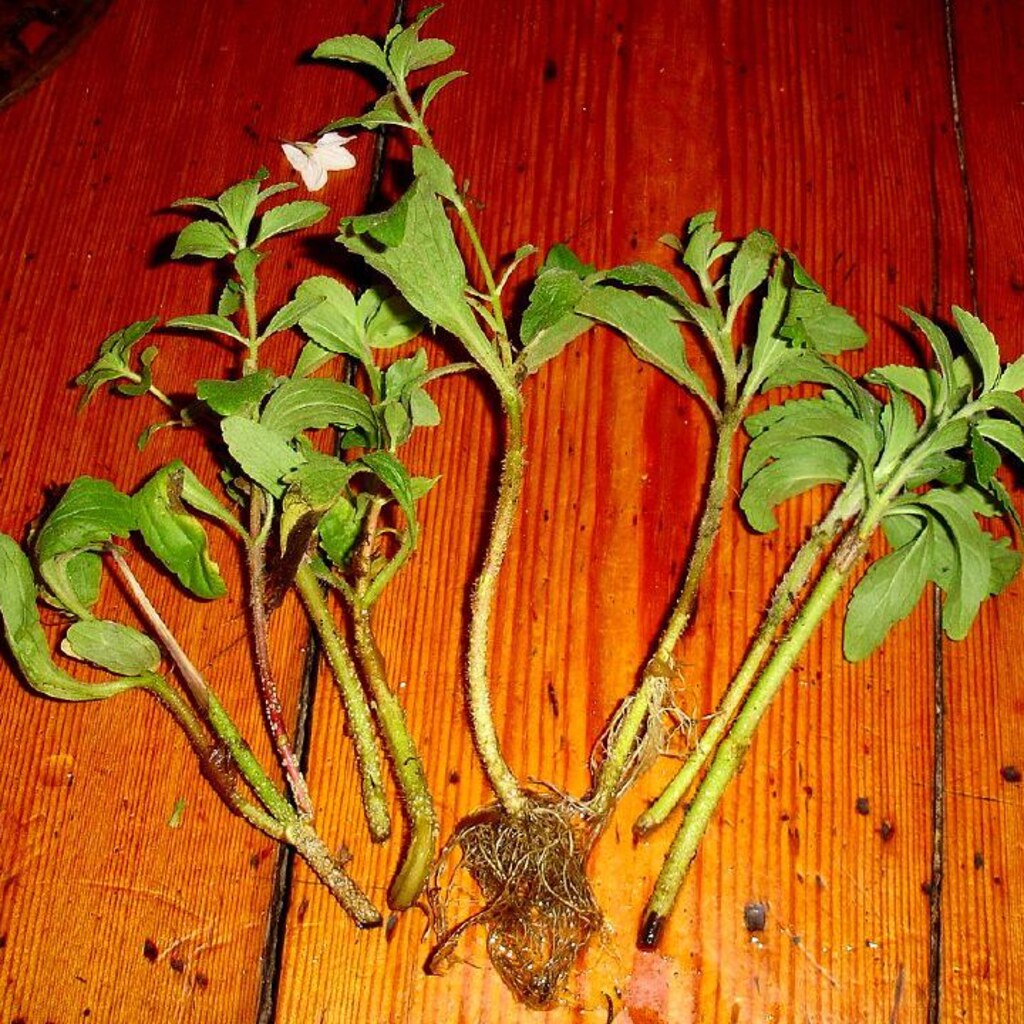
Taking cuttings and striking them is a way of growing a new plant from a piece cut off from another plant.
The most successful way of taking cuttings varies widely depending on the type of plant. Some cuttings need to be of soft new growth, some hard, some taken in winter while the plant has no leaves, some in spring when it is vigorously growing, still other plants can be grown from only a piece of root or a leaf. Some need to be let dry a little first (hardened), some need special hormones, but as a general rule all cuttings need to be kept slightly moist so they do not die before they have their own root system.
The cuttings in the photo have been left to stand in water and have grown roots.
The most successful way of taking cuttings varies widely depending on the type of plant. Some cuttings need to be of soft new growth, some hard, some taken in winter while the plant has no leaves, some in spring when it is vigorously growing, still other plants can be grown from only a piece of root or a leaf. Some need to be let dry a little first (hardened), some need special hormones, but as a general rule all cuttings need to be kept slightly moist so they do not die before they have their own root system.
The cuttings in the photo have been left to stand in water and have grown roots.
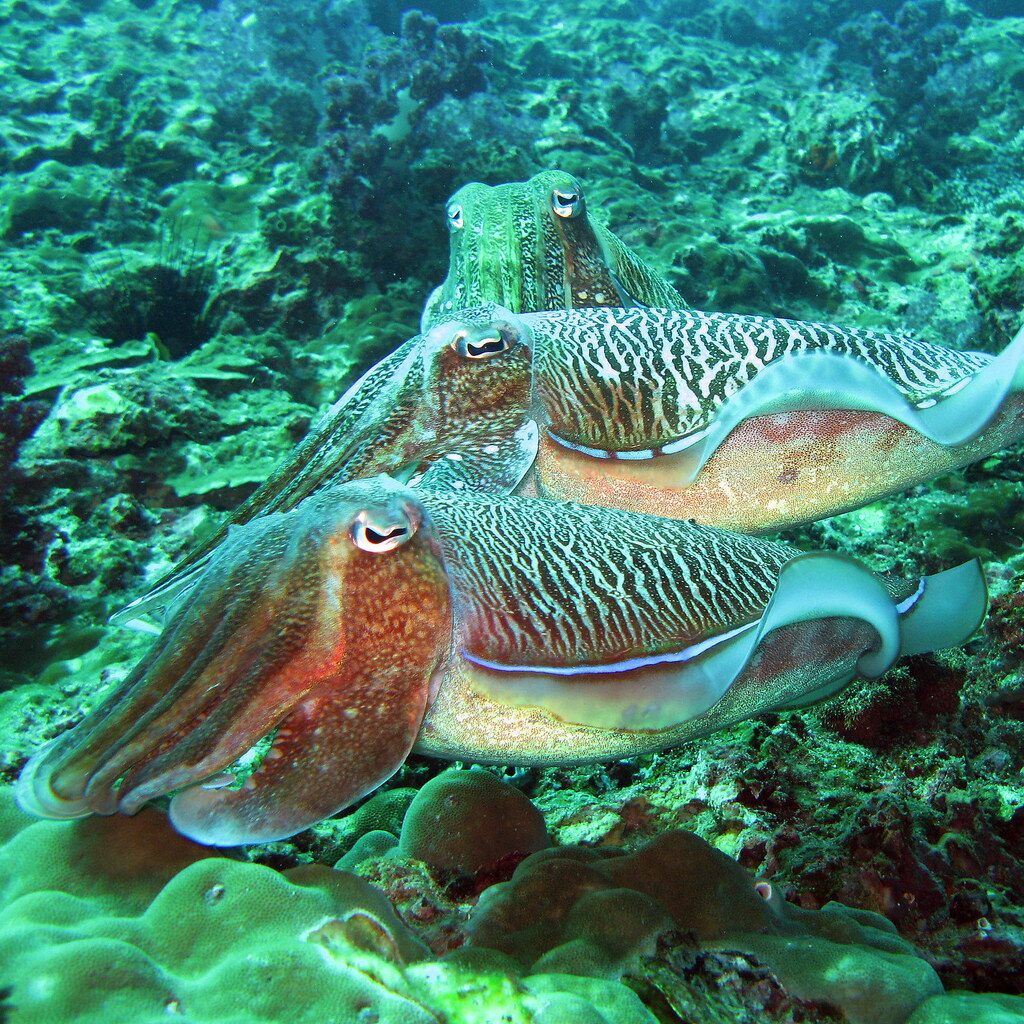
C is for Cuttlefish
Cuttlefish are caught as food and prepared in a similar way to squid.

Cyan is a bright, blue-green colour. Cyan is also called aqua.

A cycad is an ancient family of plants that look similar to a palm tree or a fern but is not actually related to either of them. Cycads grow seeds in large cones. They are extremely hardy plants, and many people keep them in pots in their houses. The cycad's cones are very easy to see in the picture.

Cyclamen are small, pretty plants originally native to the area around Spain to Iran. They grow leaves from an underground tuber, and they die down over summer in hot areas. Cyclamen are frost tolerant. They have very attractive plants and are usually kept as decorative indoor plants. They are edible, and in some areas of the world are considered a delicacy.

A cyclist is someone who rides a bicycle.
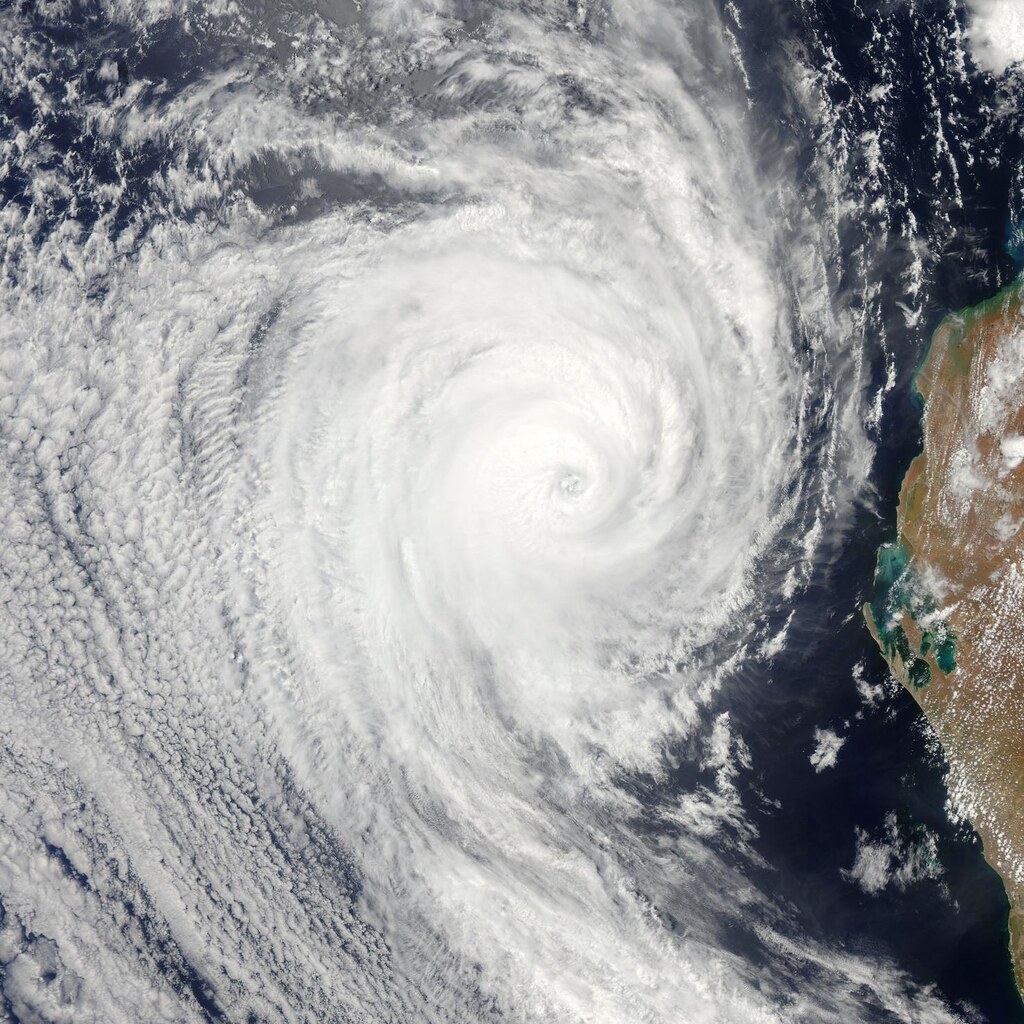
A cyclone is a very large weather event, which has low pressure at the center with winds that go around the center point. Cyclones turn anticlockwise in the northern hemisphere and clockwise in the southern.

A cylinder is a long, thin shape where the ends are circles. Any cross-section of a cylinder at right angles to its outer surface is also a circle.
Long cylinders are also known as tubes. Pipes are also cylinders. The cylinder you see the most often is, of course, the cardboard tube at the centre of a roll of toilet paper.
Long cylinders are also known as tubes. Pipes are also cylinders. The cylinder you see the most often is, of course, the cardboard tube at the centre of a roll of toilet paper.

Cymbals are a modern percussion instrument. They are found on every modern drum kit, and you can clearly hear them in rock and pop music made any time in the last 50 years. Cymbals are made from thin pieces of metal shaped like a flattened cone. You can either hit two cymbals together to make a noise, or you can hit them with a drumstick.
