
Showing 21-40 of 60
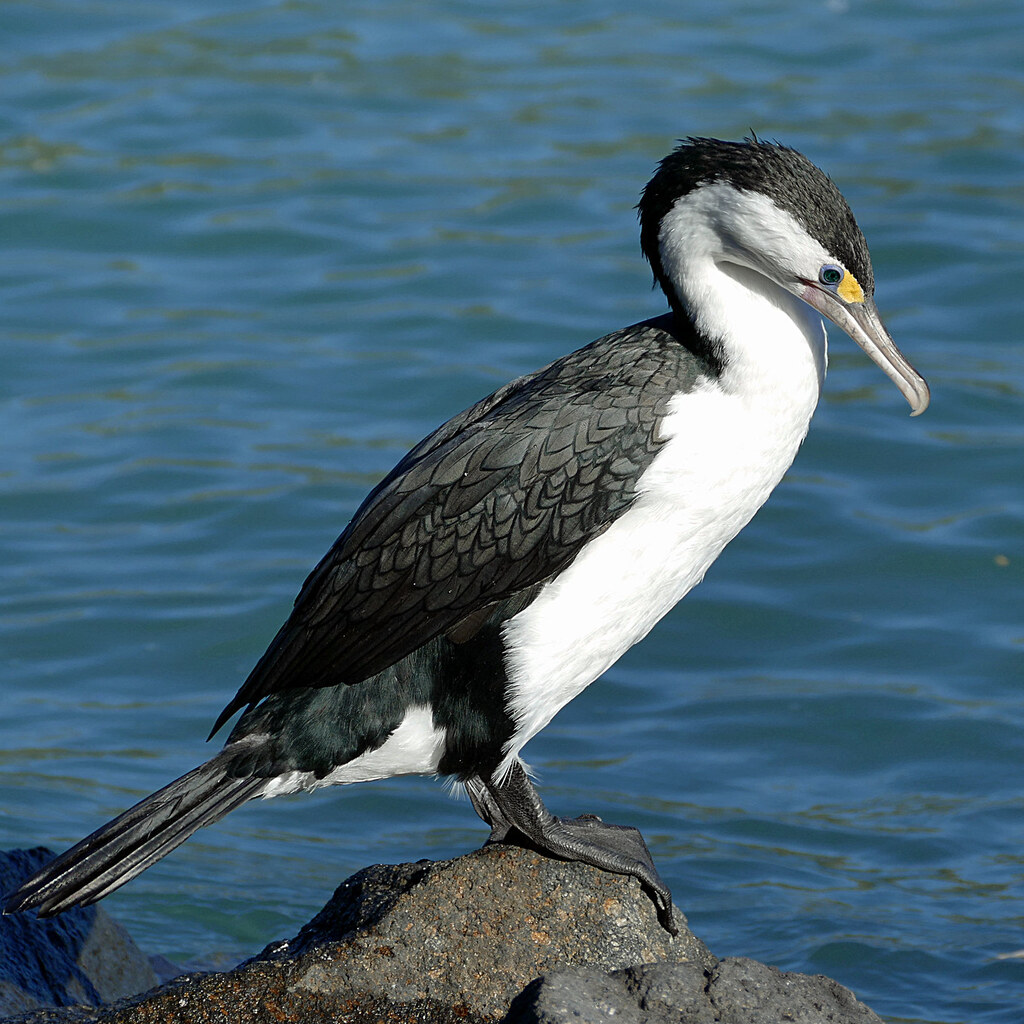
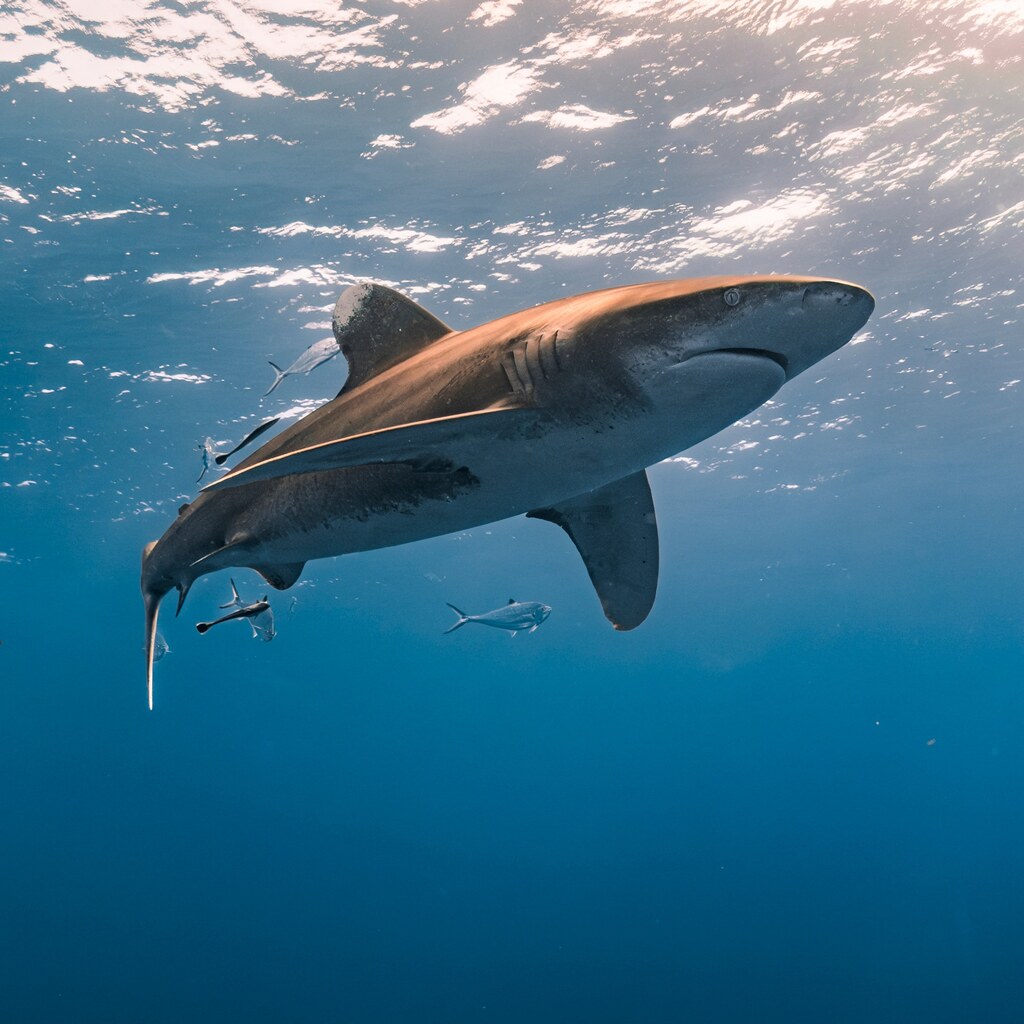
Sharks are a type of large fish that live in the sea. There are many different varieties of shark. Some eat smaller fish, some eat penguins and seals, and others eat the same way as large whales, by sifting out tiny sea animals from the water.
Sharks constantly grow new teeth, and can lose thousands in their lifetime. Their skeleton is not made of bone, unlike most fish and animals, but is made from something softer and more flexible called cartilage. In people, cartilage is found around the ends of our bones to make our joints easier to move.
Sharks constantly grow new teeth, and can lose thousands in their lifetime. Their skeleton is not made of bone, unlike most fish and animals, but is made from something softer and more flexible called cartilage. In people, cartilage is found around the ends of our bones to make our joints easier to move.
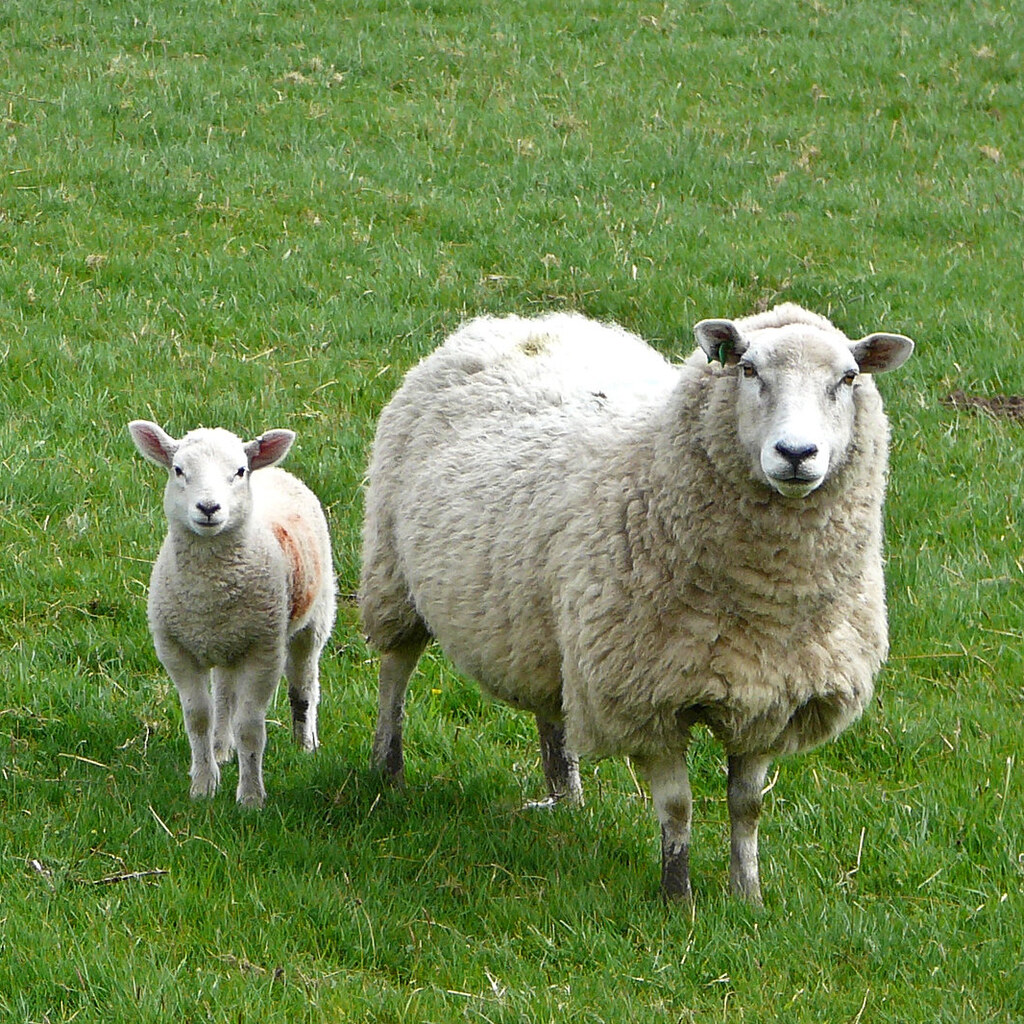
Sheep are closely related to goats. People keep sheep for their wool and their meat. Every year the wool must be cut off the sheep so it can be used to make clothes - people who do this are called shearers.
Male sheep are called rams, female sheep are called ewes and baby sheep are called lambs. Rams grow big, curled horns as they get older.
Male sheep are called rams, female sheep are called ewes and baby sheep are called lambs. Rams grow big, curled horns as they get older.
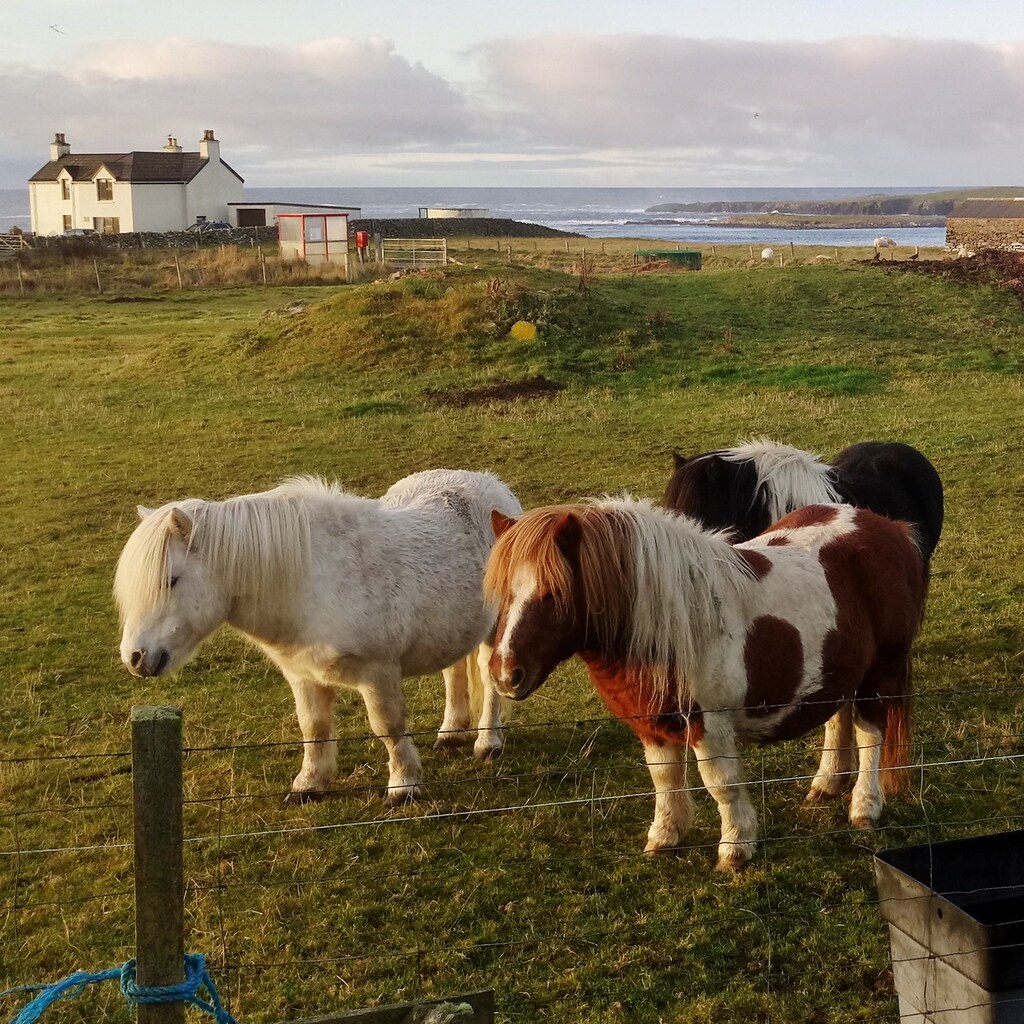
S is for Shetland pony

Shih tzu are an ancient breed of companion dog, bred to be a lap dog for Chinese royalty. They were bred to look like the lions in traditional oriental art. Their fur will grow into a long, silky coat if looked after, but most people keep their fur clipped short. They are a sweet, devoted, playful dog.
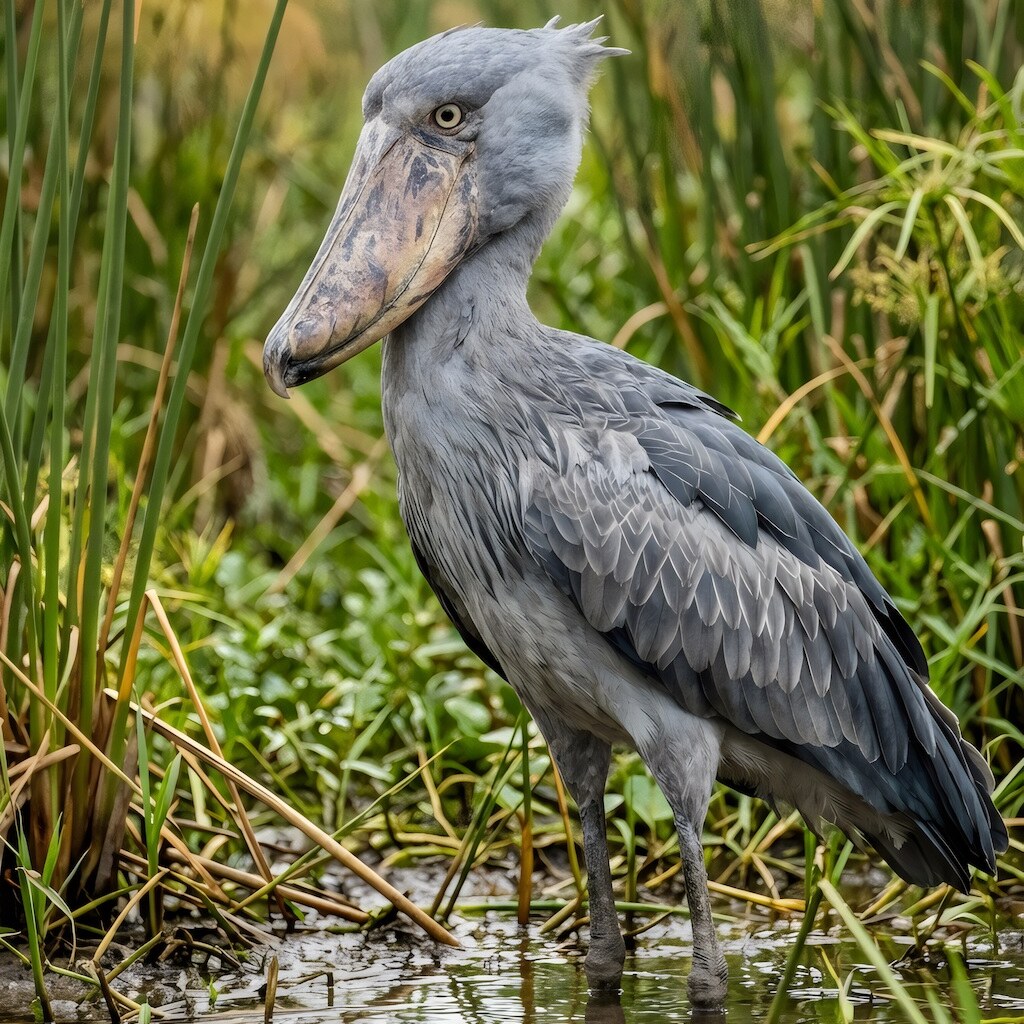
The shoebill is a large wading bird with a very big, flat bill shaped like a shoe, and gray-blue feathers. It lives in swampy wetlands in parts of Africa.
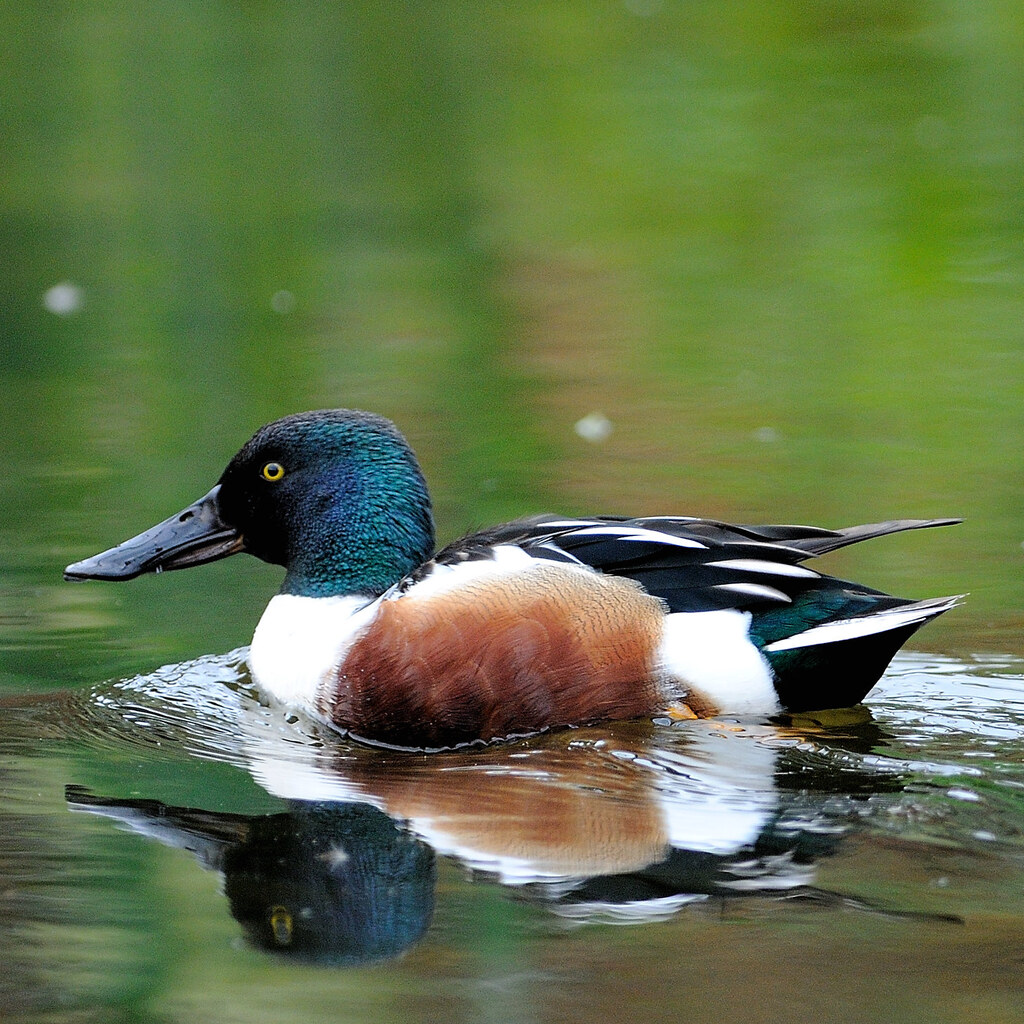
Shoveler ducks are a common variety of dabbling duck.
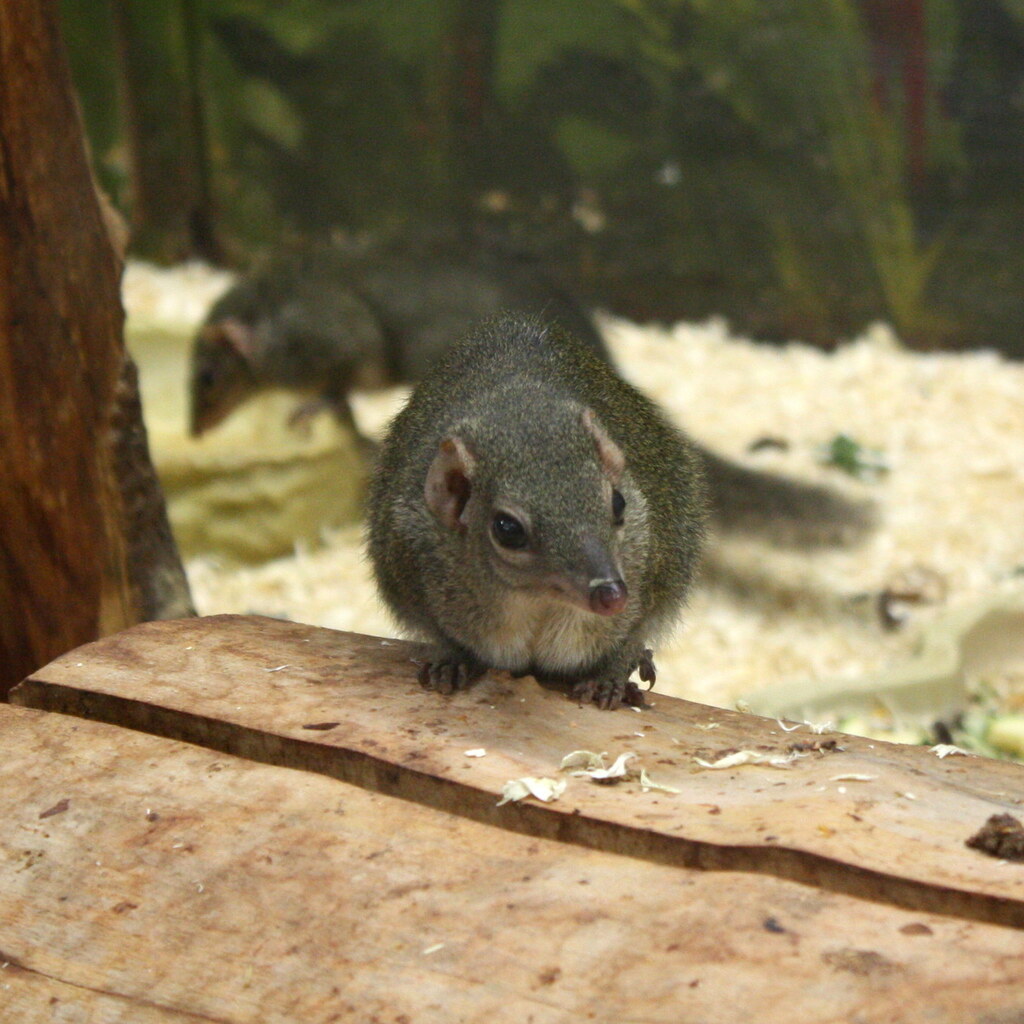
A shrew is a small mammal with a pointed snout, tiny eyes, and a long tail. It lives in places such as forests, grasslands, gardens, and wetlands. Shrews are active hunters that mainly eat insects, worms, and other small animals.
Shrews are more closely related to hedgehogs and moles than rats and mice.
Shrews are more closely related to hedgehogs and moles than rats and mice.
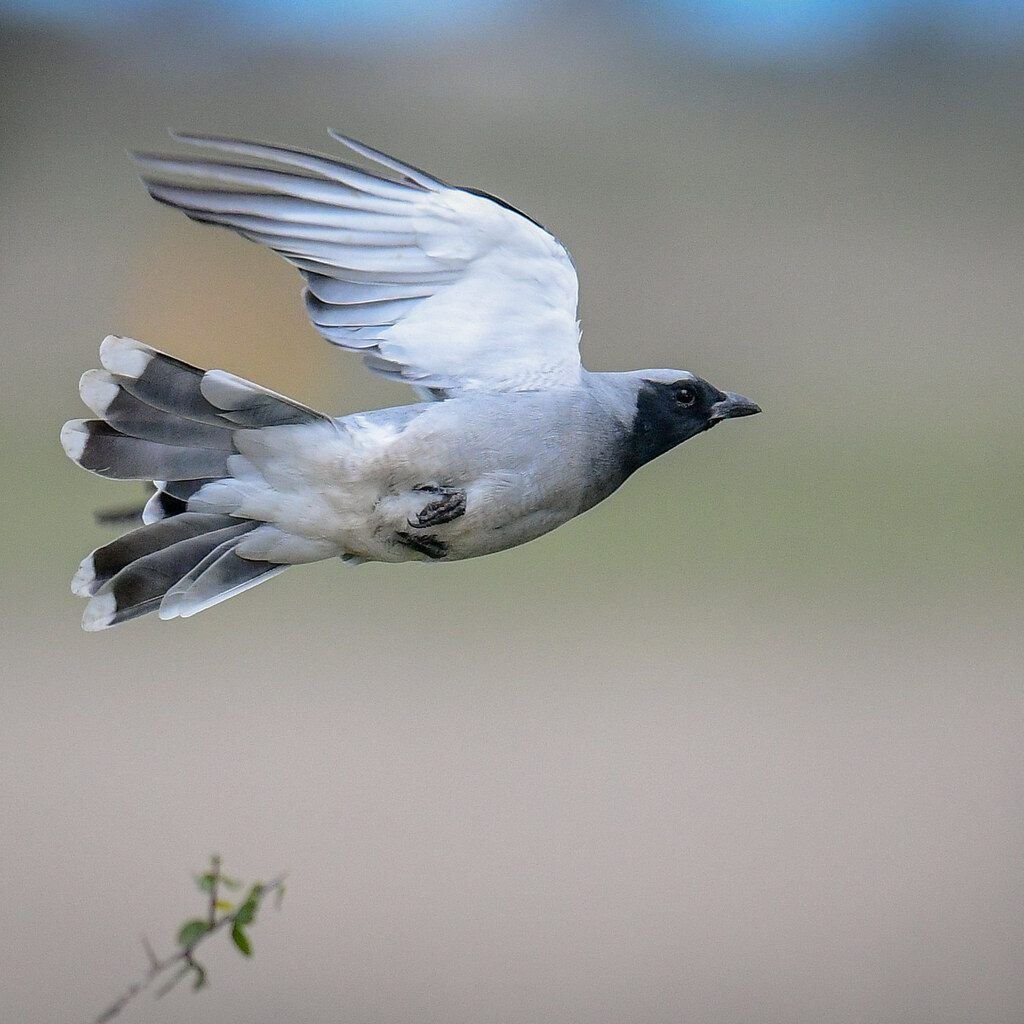
Shrikes are a family of small birds. They hunt for insects and some small animals. Shrikes live in parts of North America, Europe, and Asia, usually in fields, hedgerows, and woodland edges. They have a habit of storing prey on thorns or barbed wire.
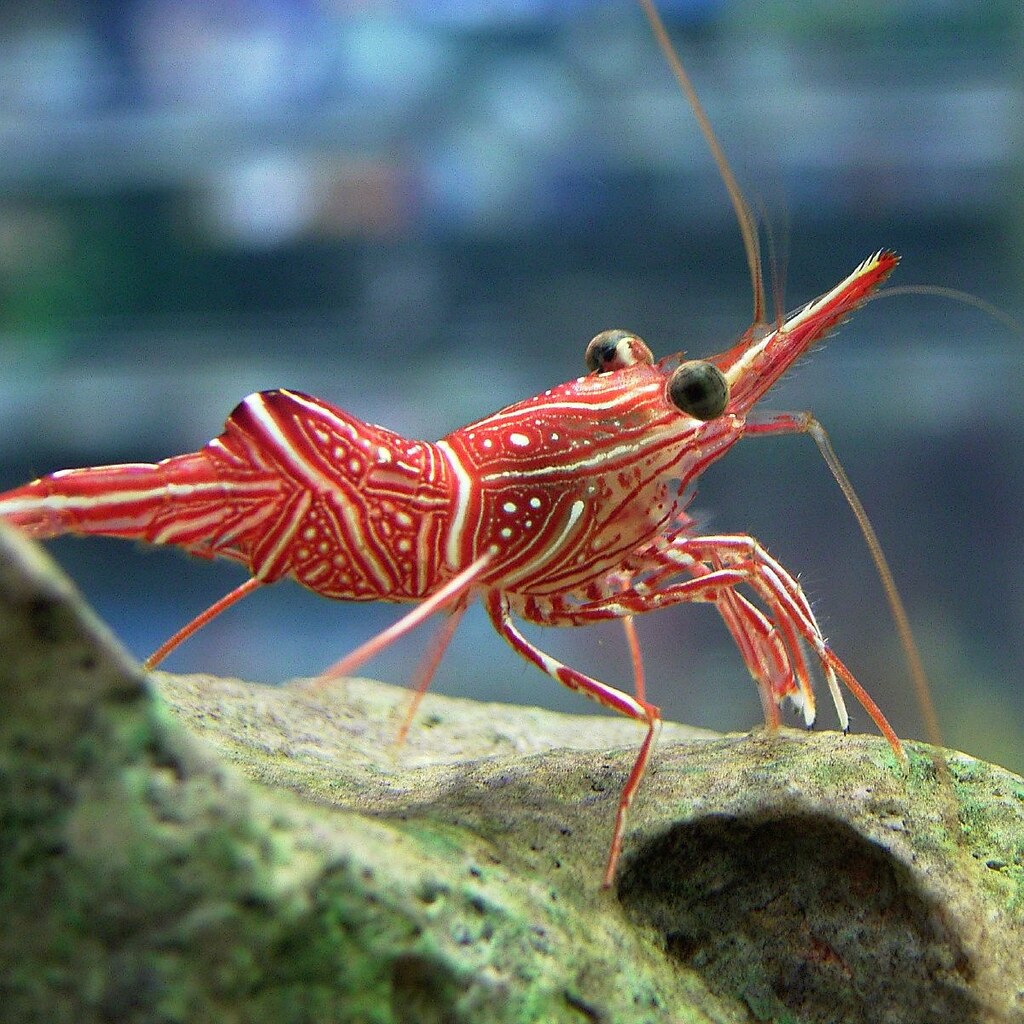
A shrimp, also called a prawn in many countries, is a sea creature that usually grows to a few inches long. They are a very popular food, and can be eaten boiled, fried, barbequed and many other ways, plain or with a sauce. They are quite often cooked whole and you have to remove the head, legs and other inedible parts yourself.
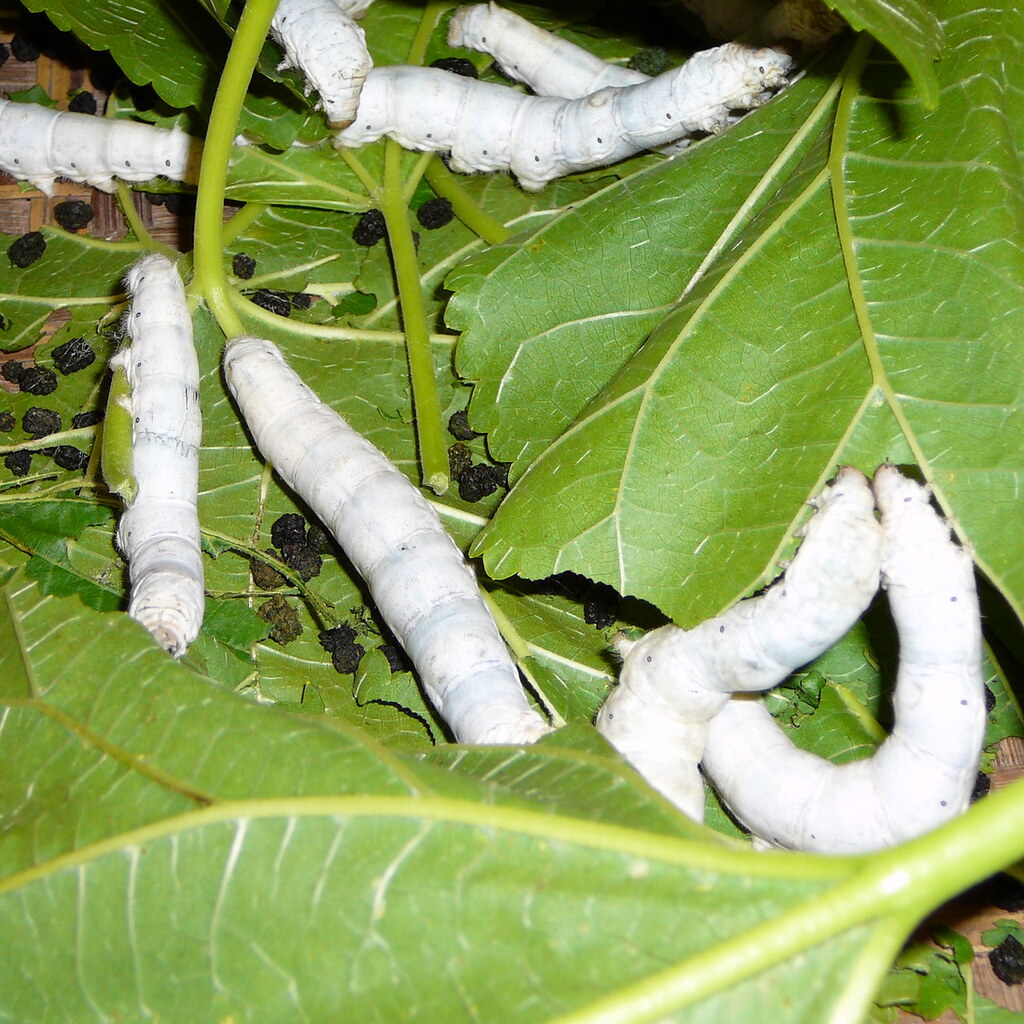
Silkworms are caterpillars that grow up into silkmoths. They live almost entirely on mulberry leaves. The cocoon they make can be used to make silk, a very attractive cloth that has been valued for thousands of years. A silkworm cocoon is made from a single strand of silk 1000 to 3000 feet long, and it takes 2000-3000 cocoons to make a pound of silk. The caterpillar in the cocoon is not allowed to emerge by itself, as this would damage the silk. The cocoons are boiled with the caterpillar inside.
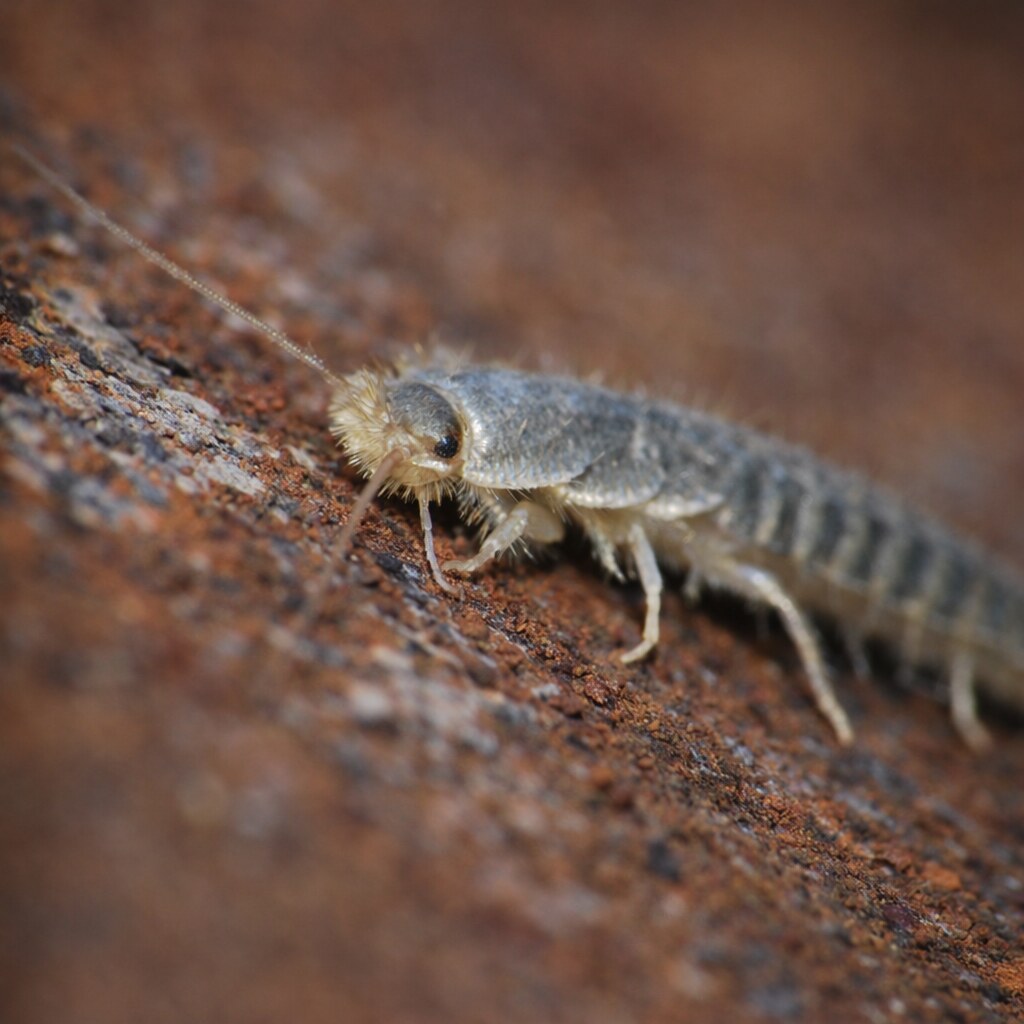
S is for Silverfish
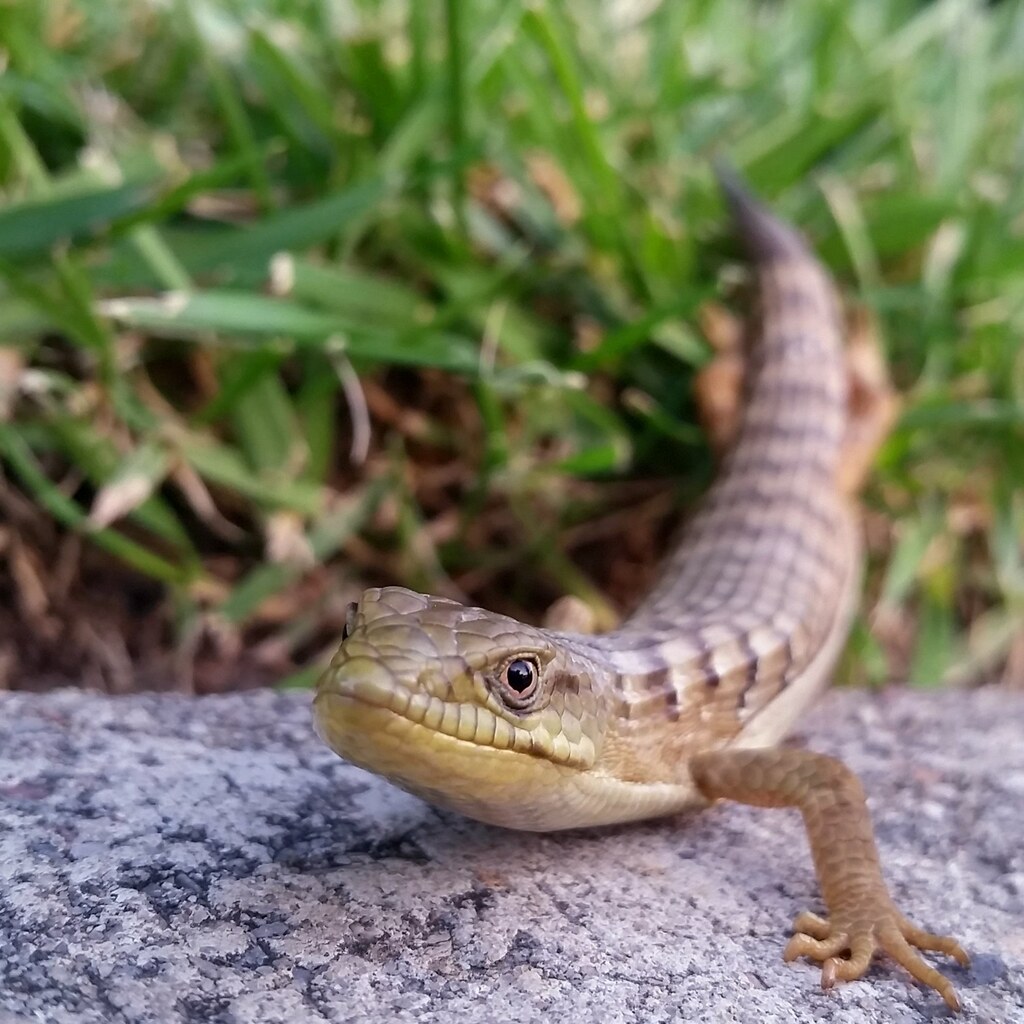
A skink is a small, sleek lizard that looks like a tiny, fast-moving snake with four little legs. They are famous for being able to drop their tails to trick predators, allowing the lizard to dash away while the tail stays behind and keeps wriggling!
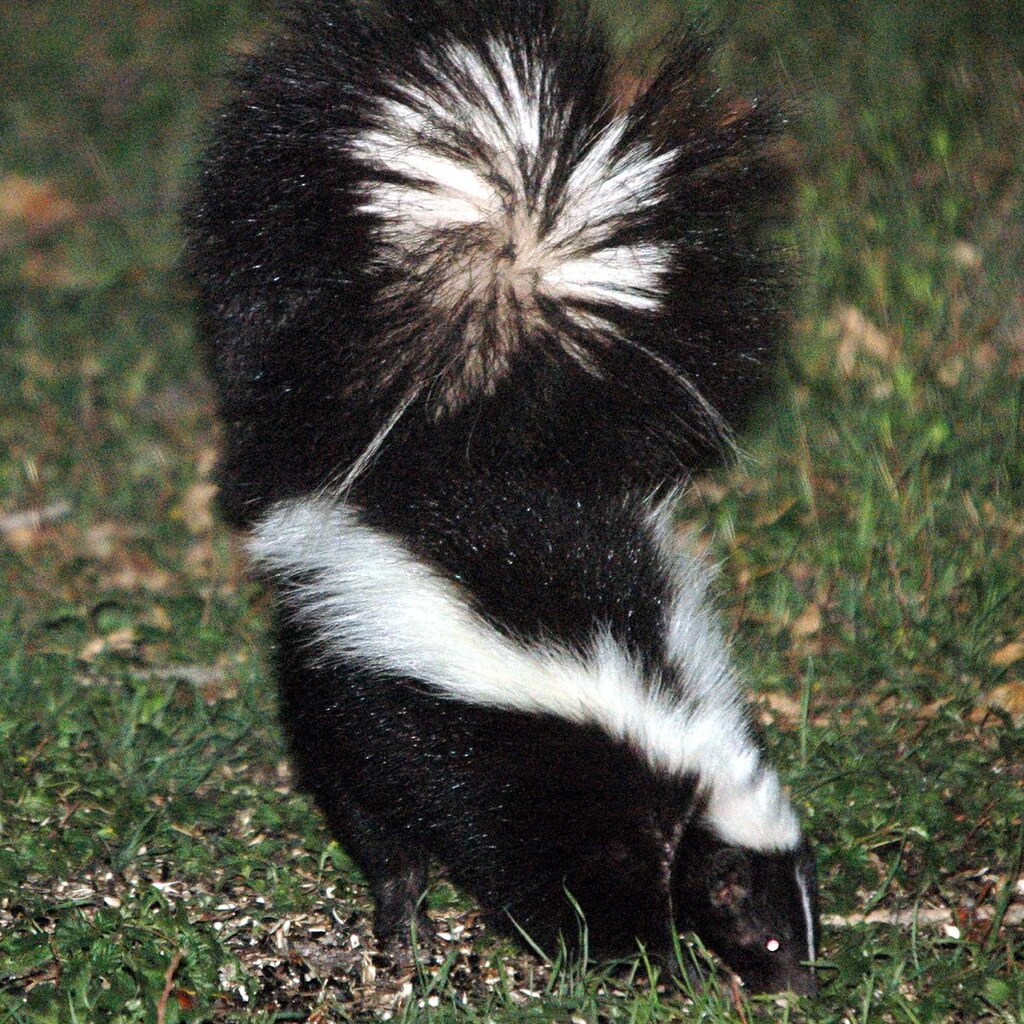
Skunks are medium sized animals best known for their ability to make a really bad smell. They can squirt their stinky substance several feet with great accuracy. The smell is bad enough to scare even a bear away, and a person can smell it from a mile away. The smell is almost impossible to wash out of anything it has touched.
Skunks sleep during the day and night and come out at dawn and dusk to look for food. Skunks eat insects, mice, small lizards, salamanders, frogs, snakes, birds, moles, and eggs. They also eat berries, roots, leaves, grasses, mushrooms, and nuts.
There is some debate about whether skunks are related to weasels or if they are alone in their own family.
Skunks sleep during the day and night and come out at dawn and dusk to look for food. Skunks eat insects, mice, small lizards, salamanders, frogs, snakes, birds, moles, and eggs. They also eat berries, roots, leaves, grasses, mushrooms, and nuts.
There is some debate about whether skunks are related to weasels or if they are alone in their own family.
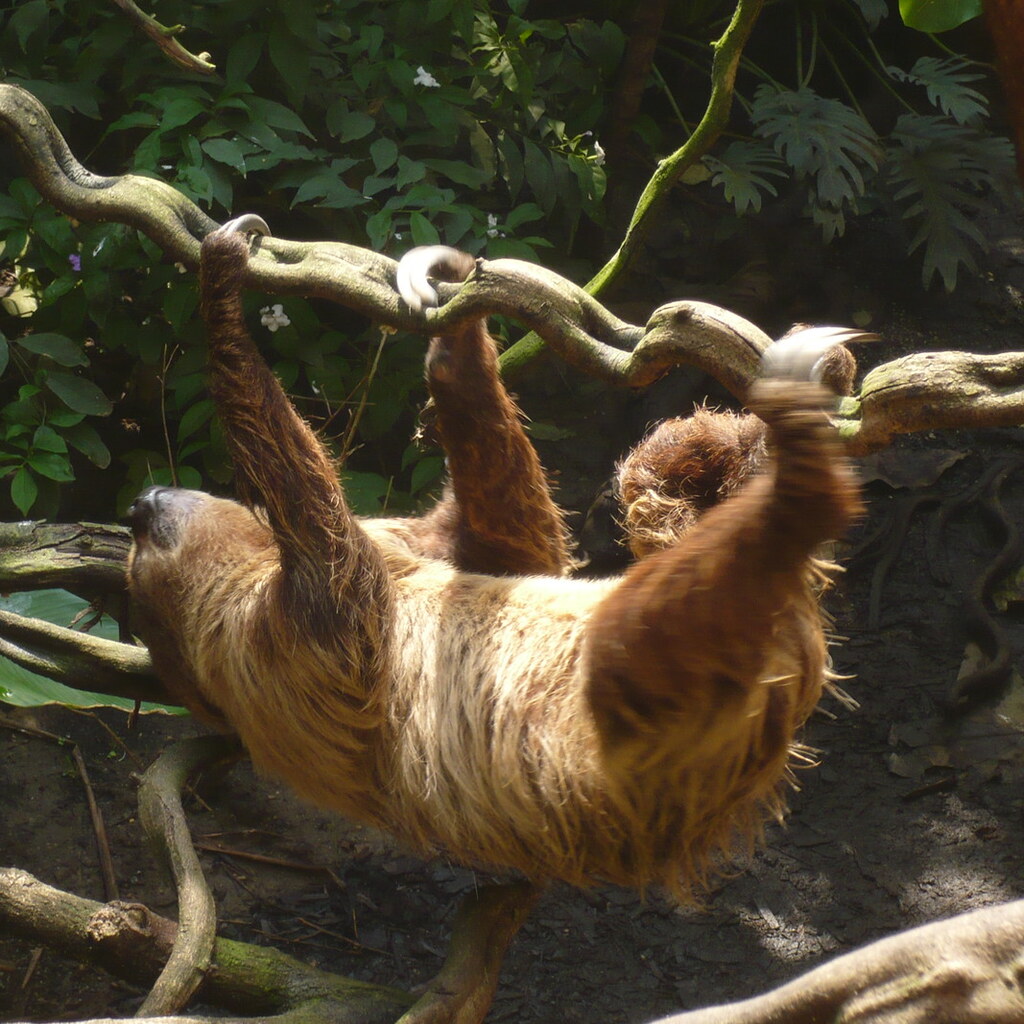
S is for Sloth (Animal)
They are related to armadillos and anteaters.
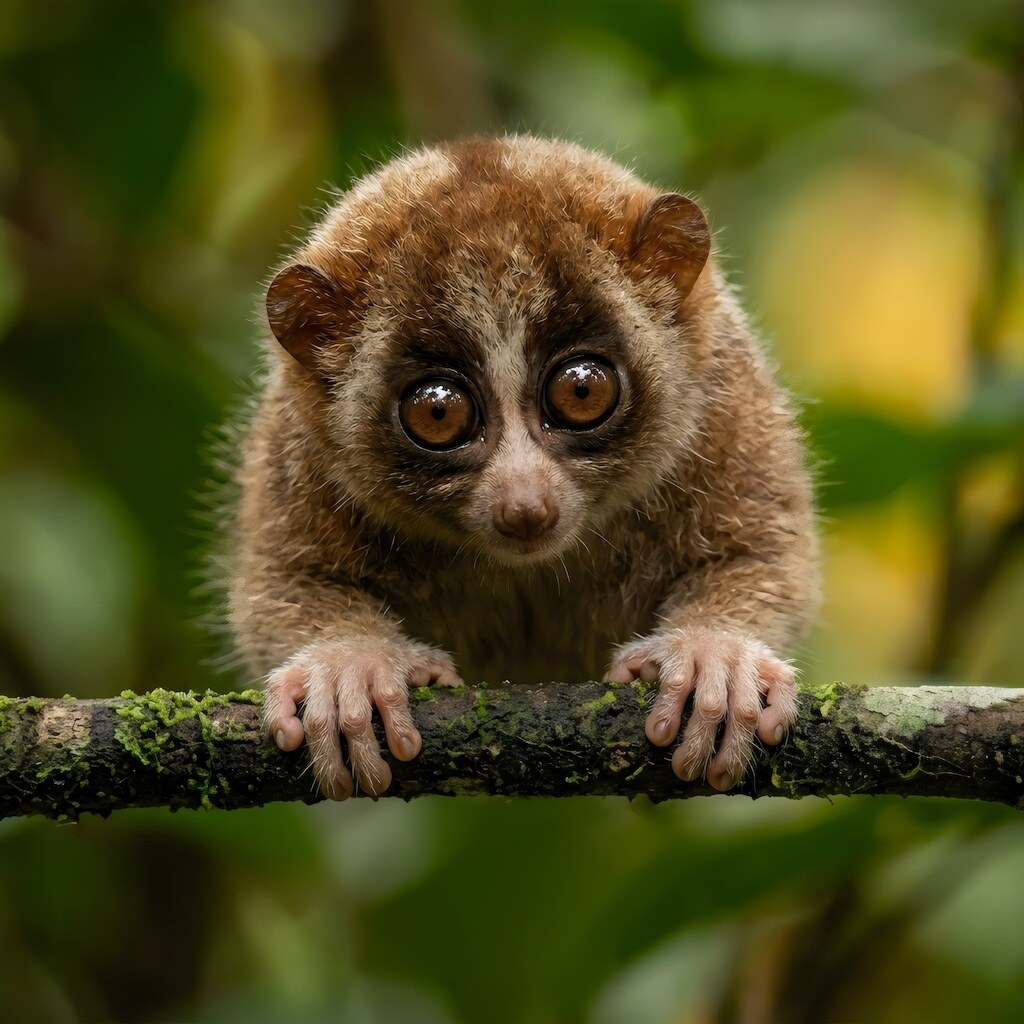
S is for Slow Loris
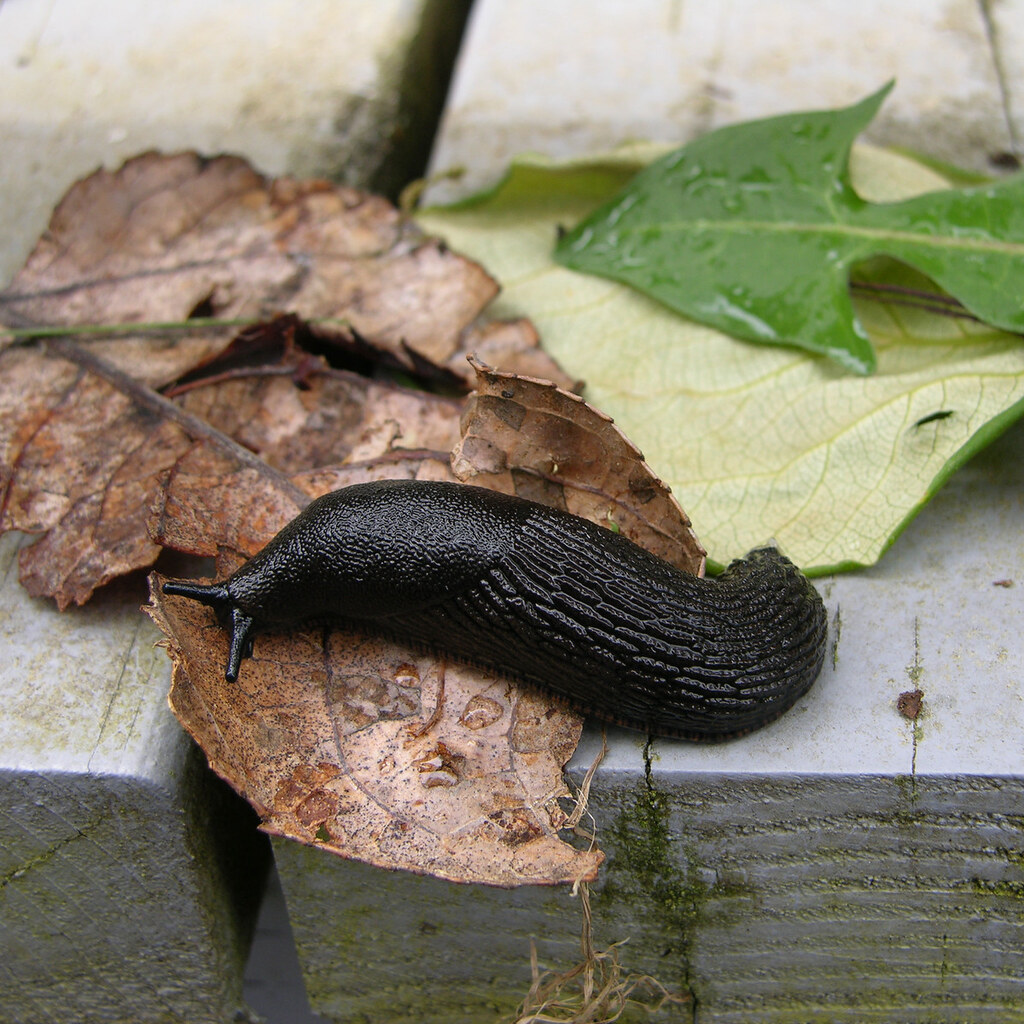
Slugs can be found on land and in the water, both freshwater and the sea. They are very similar to snails but slugs don't have a shell, and in fact any land mollusc without a shell can be called a slug. Since they have nowhere to hide inside and can dry out, slugs usually live in moist or wet places.
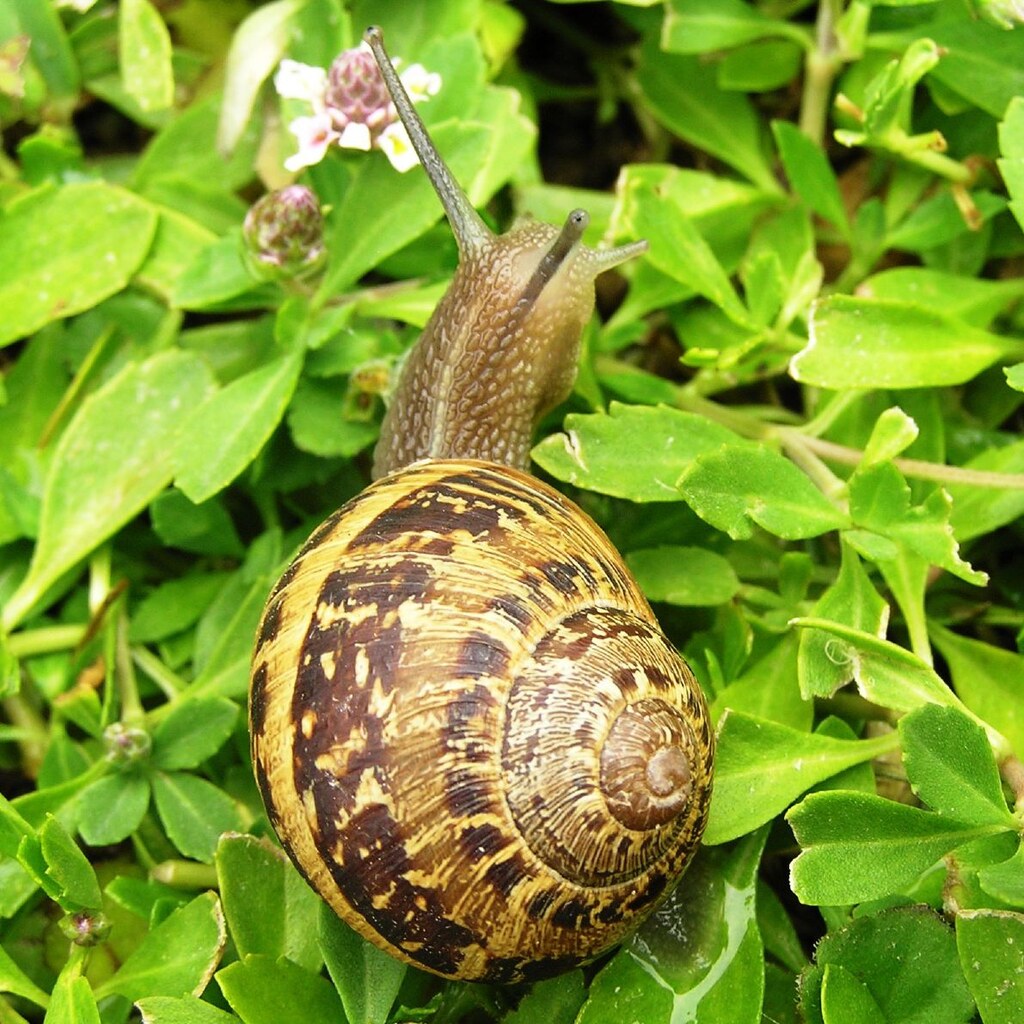
Snails can be found on land and in the water, both freshwater and the sea. A snail without a shell is called a slug. Snails range in size from smaller than your little fingernail to a sea snail that can grow to 30 inches long. The biggest land snail is only grows to 12 inches long. They come in a wide variety of colours and patterns.
Snails have a pair of eyes on stalks and a pair of feelers below them, to stop it bumping into things. It can suck both its feelers and eyes into its body for safety, and it can hide in its shell if it is disturbed. Snails have one foot that they "walk" with. They eat by scraping the top layer of their food with their tongue, which is covered in tiny sharp teeth. If you listen hard to a snail when it is eating, you can hear it scraping.
Snails have a pair of eyes on stalks and a pair of feelers below them, to stop it bumping into things. It can suck both its feelers and eyes into its body for safety, and it can hide in its shell if it is disturbed. Snails have one foot that they "walk" with. They eat by scraping the top layer of their food with their tongue, which is covered in tiny sharp teeth. If you listen hard to a snail when it is eating, you can hear it scraping.
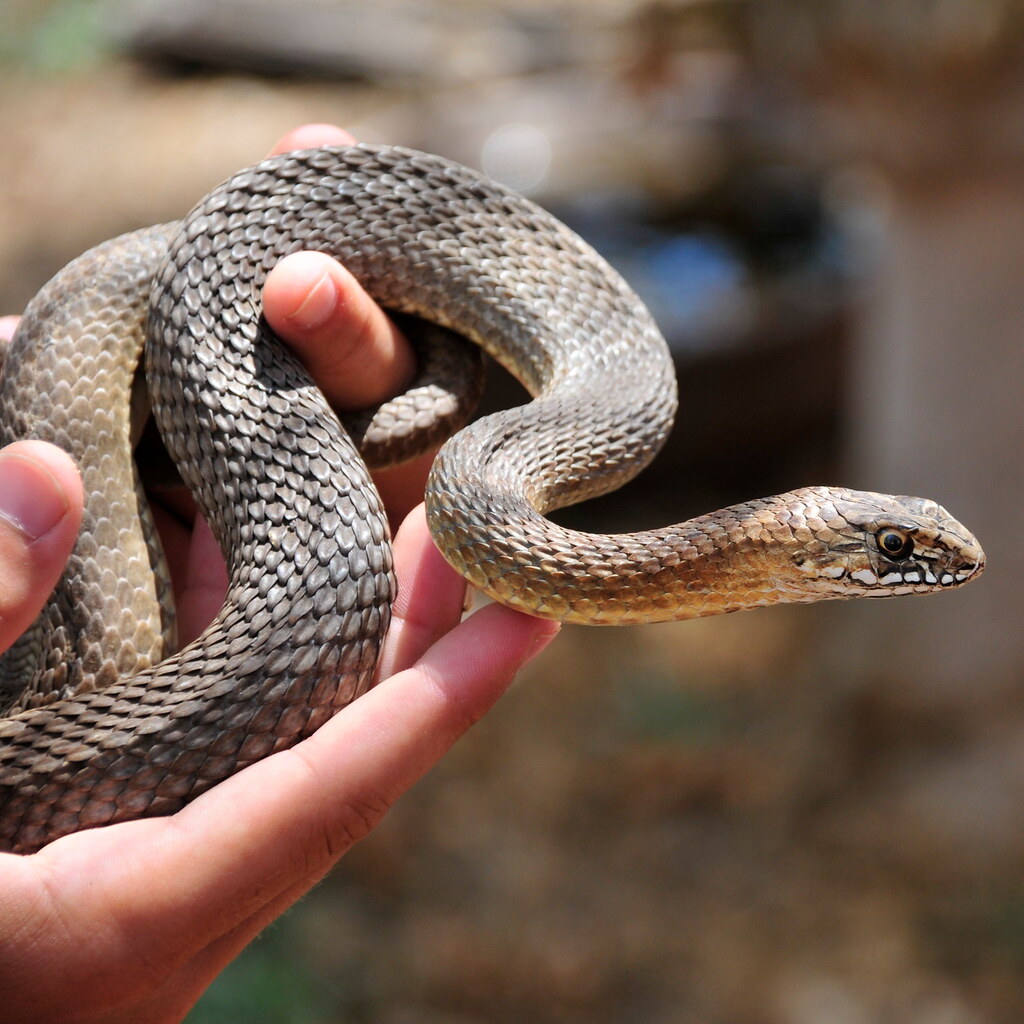
Snakes are a type of reptile that has no legs. They come in many colours and patterns, and some kinds of snake can grow to be several metres long.
Snakes jaws do not lock open like ours do, but can open a huge way. They can swallow small animals that are much bigger than their heads. Snakes only need to eat every few days. Some snakes are very poisonous and can kill a person in one bite. Other snakes kill their prey by wrapping themselves around it and suffocating it. You should always be careful around snakes.
Some kinds of non-venomous snake are sold as pets, but often a special license is needed and pet snakes should still be treated with care as they might eat other household pets and have been known to kill very small children.
Snakes jaws do not lock open like ours do, but can open a huge way. They can swallow small animals that are much bigger than their heads. Snakes only need to eat every few days. Some snakes are very poisonous and can kill a person in one bite. Other snakes kill their prey by wrapping themselves around it and suffocating it. You should always be careful around snakes.
Some kinds of non-venomous snake are sold as pets, but often a special license is needed and pet snakes should still be treated with care as they might eat other household pets and have been known to kill very small children.