
Showing 141-160 of 184


S is for Scales (Device)
Today, scales are often digital and need batteries to work. There are scales you stand on so you know how much you weigh, kitchen scales like in the picture so you can weigh food, and really big industrial scales to weigh trucks full of grain so it can be sold by weight.

A scarecrow is a human-shaped device that people put near crops to scare off birds. The idea is that the birds think the scarecrow is a real person and will stay away from it.
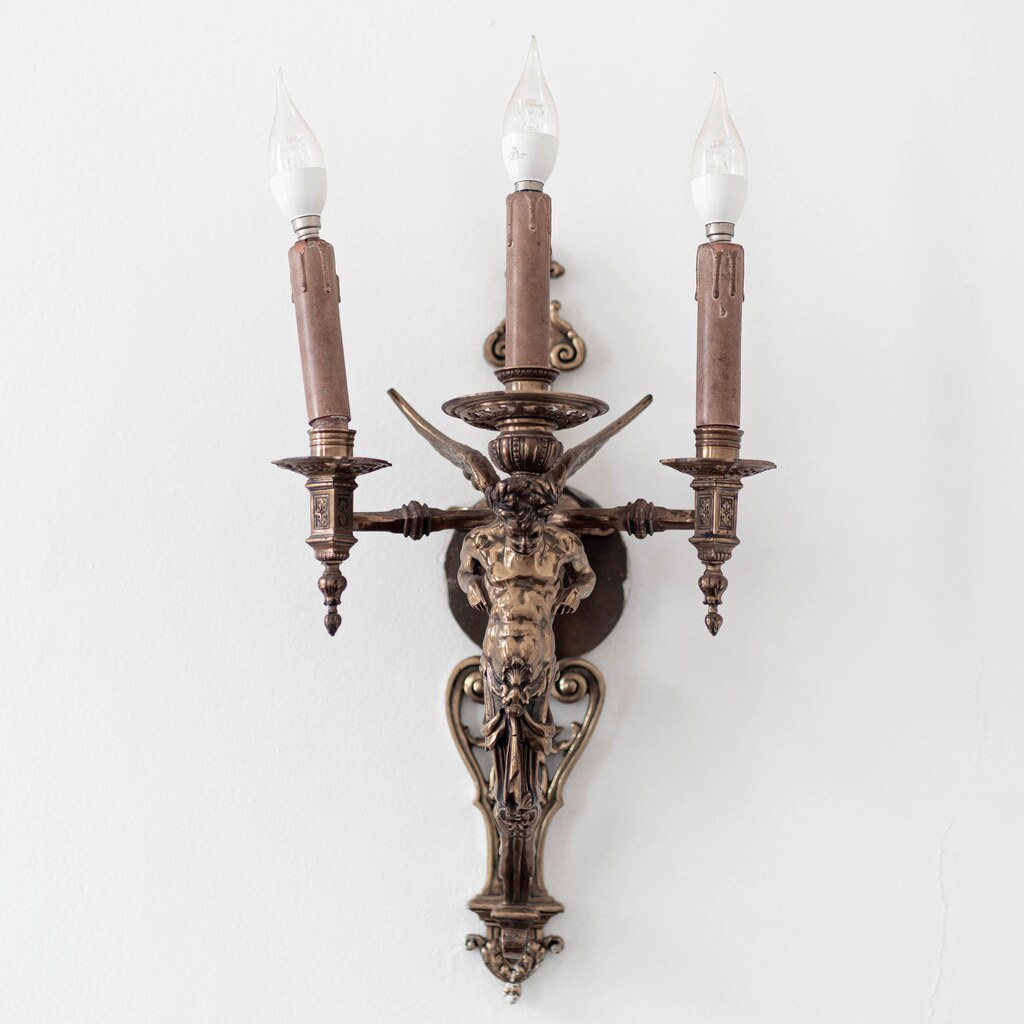

S is for Searchlight

S is for Sewing machine

A shutter is a device found inside a camera that lets light through for a short time. The longer the shutter is open, the more exposed the resulting photograph is. You need to have the shutter open longer when there isn't much light.

A speaker, or loudspeaker, is a device that converts electrical signals into sound. They do this by using that electrical signal to vibrate a cone-shaped device at particular frequencies that are encoded by the signal, which produces sound. Larger cones are better at making low sounds, smaller ones are better at making high sounds.

S is for Spinning wheel
Today, yarn is made on a much larger scale by machines, powered by motors.


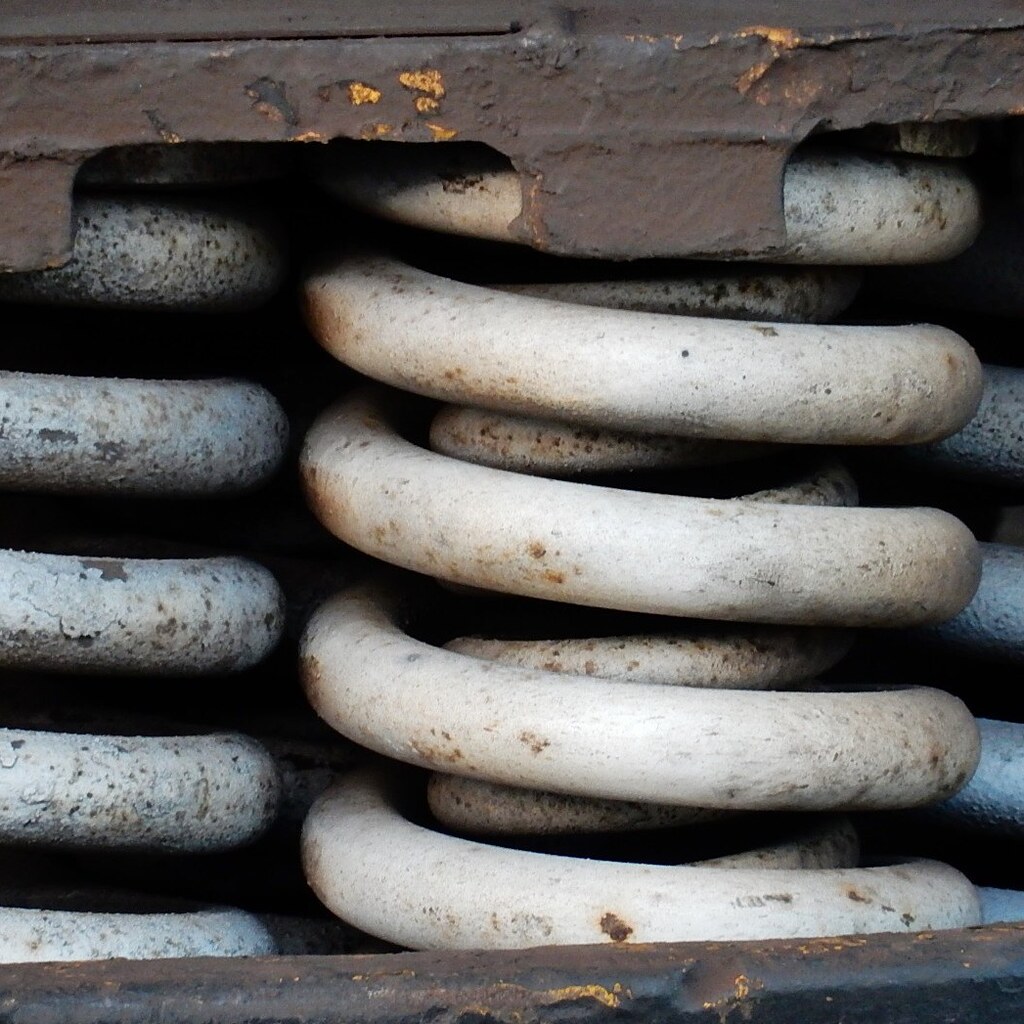
S is for Spring (Device)


S is for Stethoscope


A stopwatch is a special type of watch that counts the passing of time rather than telling you what time it is. It has buttons to start, stop, and zero the count. It is used to time races and competitions.
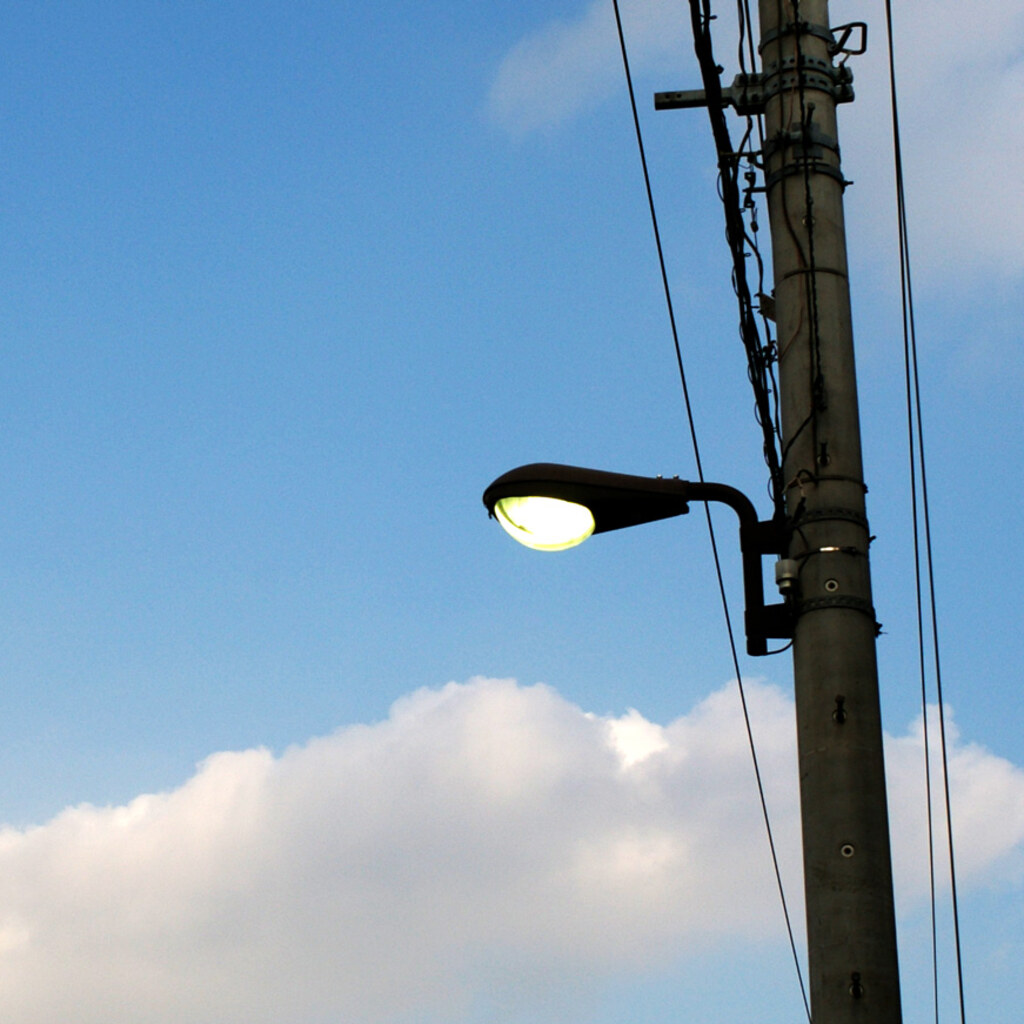
S is for Streetlight
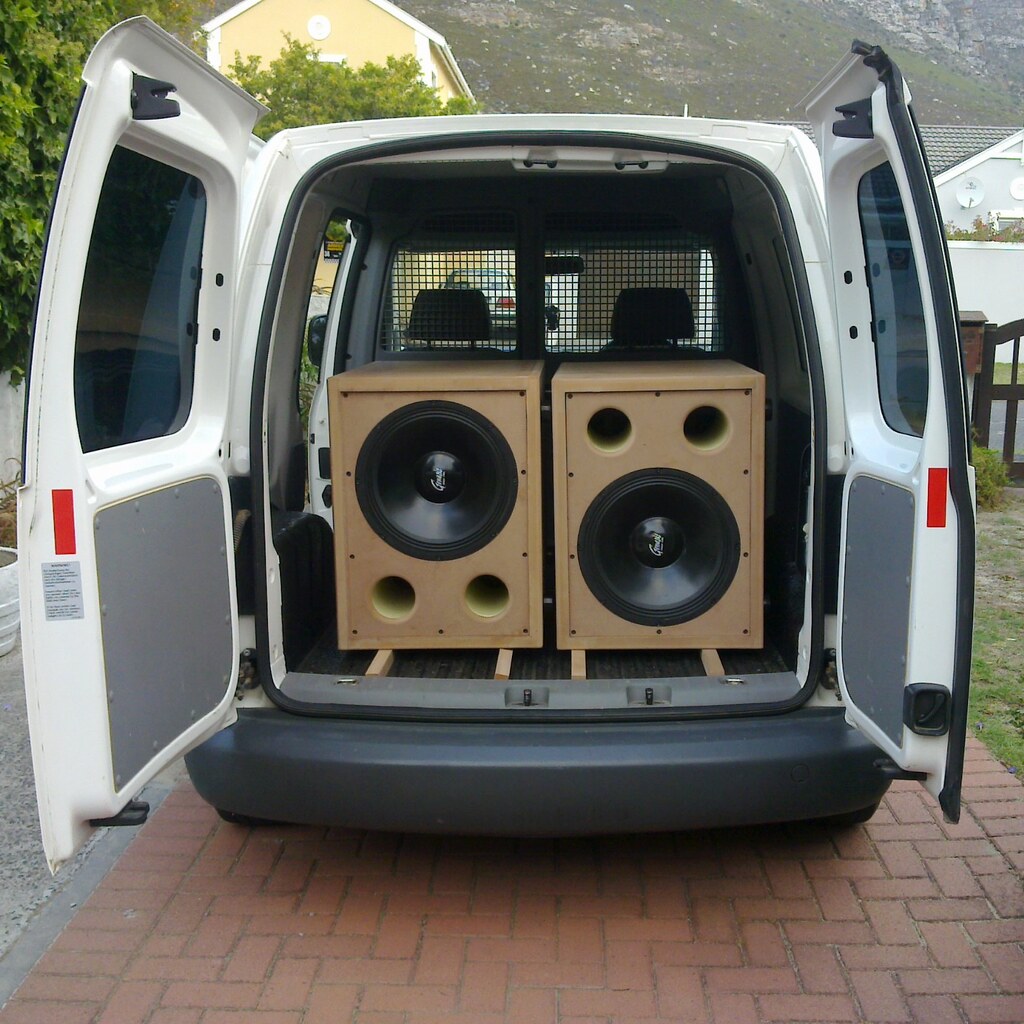
A subwoofer is type of speaker that produces very low sounds, called bass. It is usually larger than other speakers. and may have a large cone that moves back and forth. Subwoofers make deep sounds such as drum beats, explosions, and the rumble of an engine easier to hear and feel. They are usually used in conjunction with other speakers that handle the higher sounds.
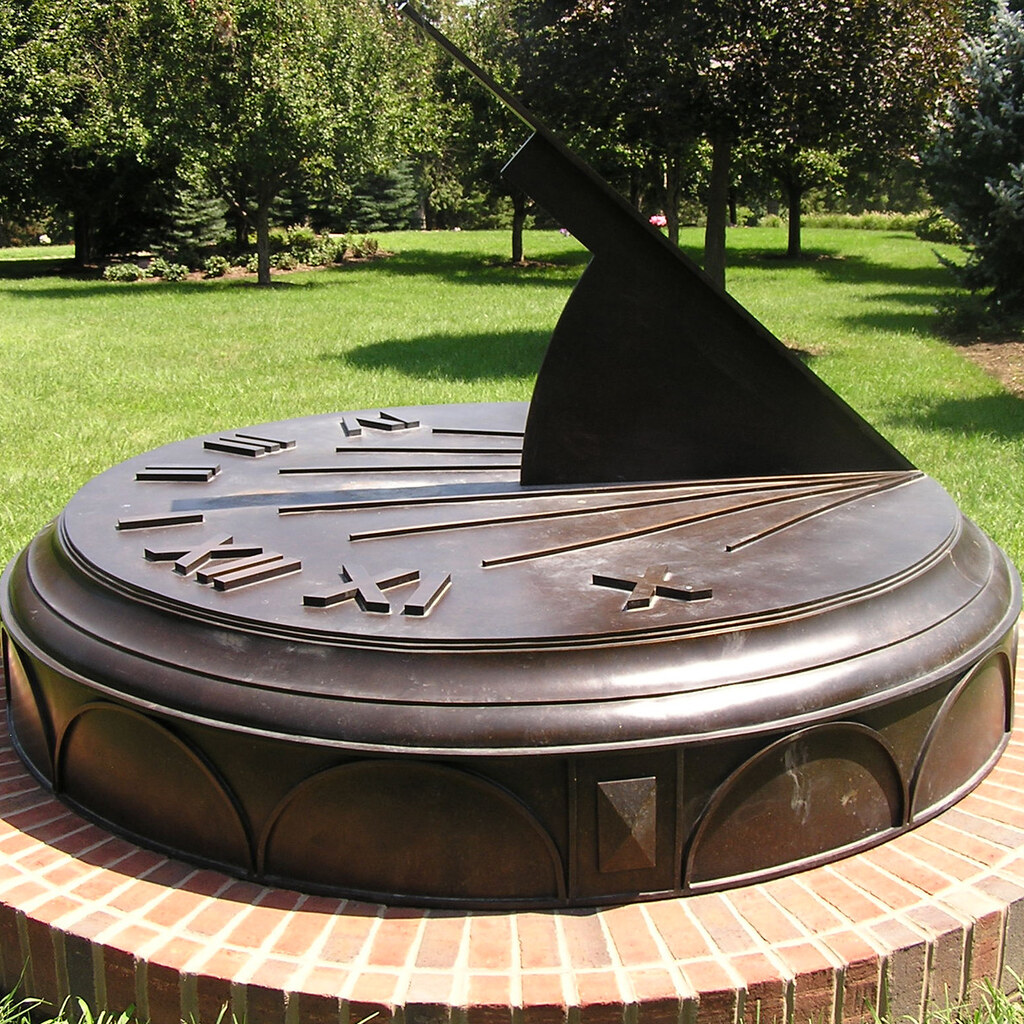
Sundials are a device that uses the sun to tell the time. A sundial is made up of a horizontal dial plate with numbers on it, and a vertical upright called a gnomon. As the sun moves, the shadow cast by the gnomon moves around the dial plate, and you can read the time off what numbers it points to.
Some sundials use a shaft of light rather than a shadow, and the dial plate may be curved not flat. Some sundials have enough information on the dial plate to be able to tell the date as well as the time.
Some sundials use a shaft of light rather than a shadow, and the dial plate may be curved not flat. Some sundials have enough information on the dial plate to be able to tell the date as well as the time.