up to Vocation

Financial

Financial words. All sorts of words that relate to money and finances.

Showing 1-20 of 35

Ais forATM

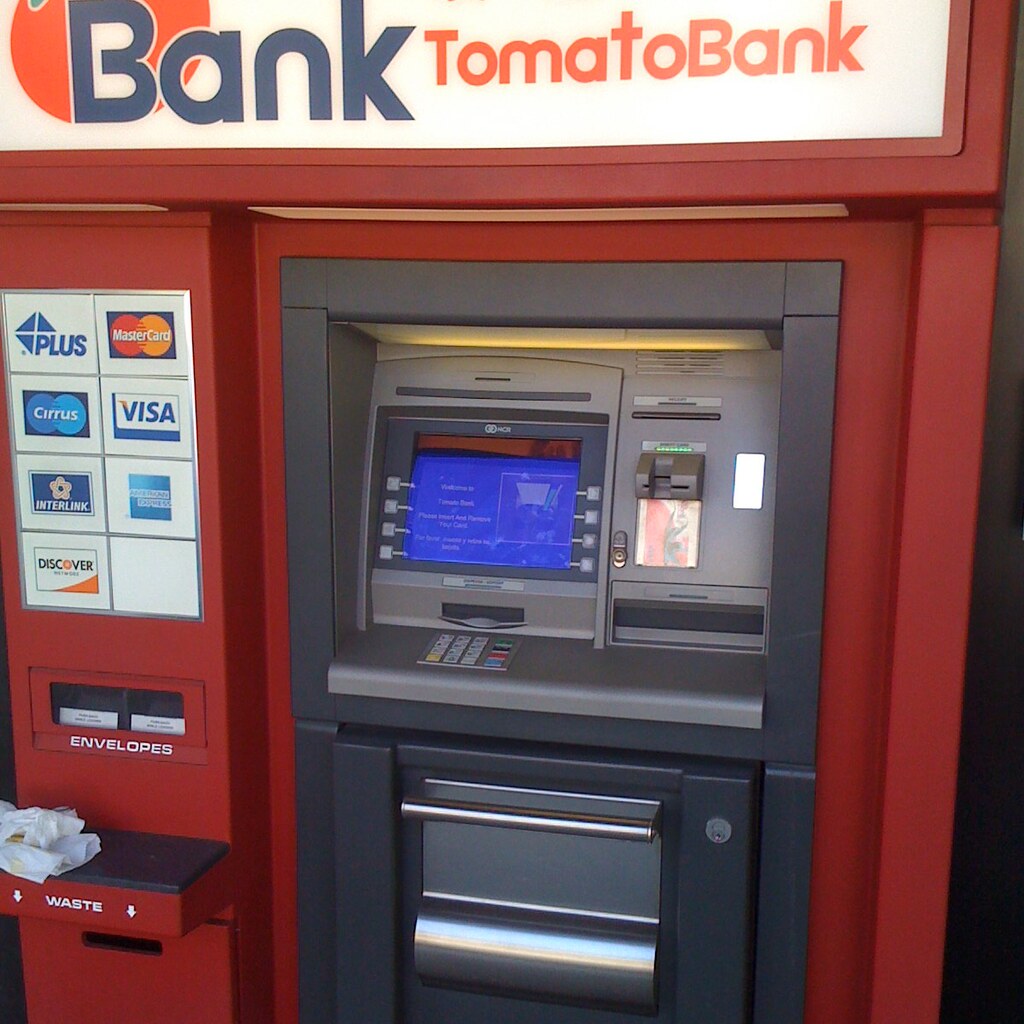
An ATM is an Automatic Teller Machine. You put your keycard or credit card into it to deposit or withdraw money.
Bis forBank

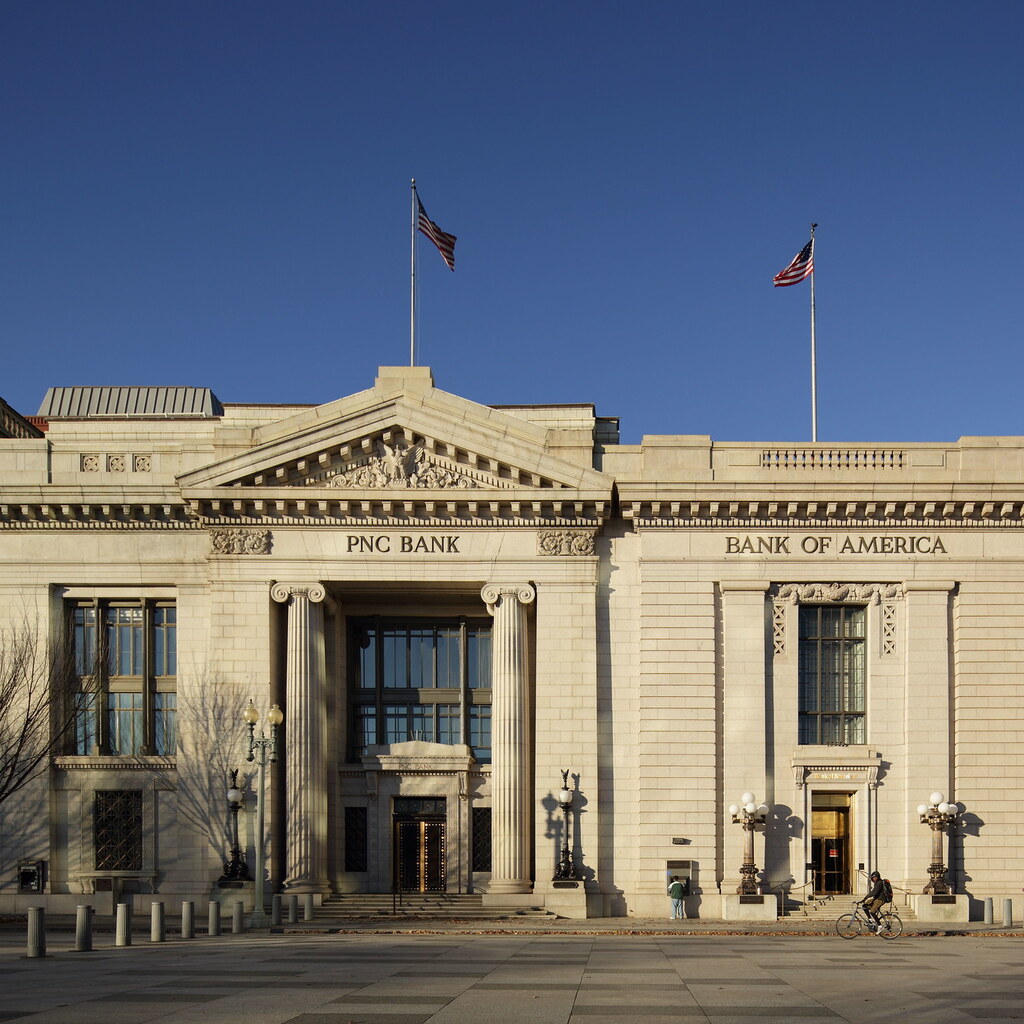
A bank is a place you go to deposit or withdraw money, or ask for a loan to buy a house or car. Bank buildings are not as common as they used to be, as you can now do a lot of banking via an ATM or over the Internet.
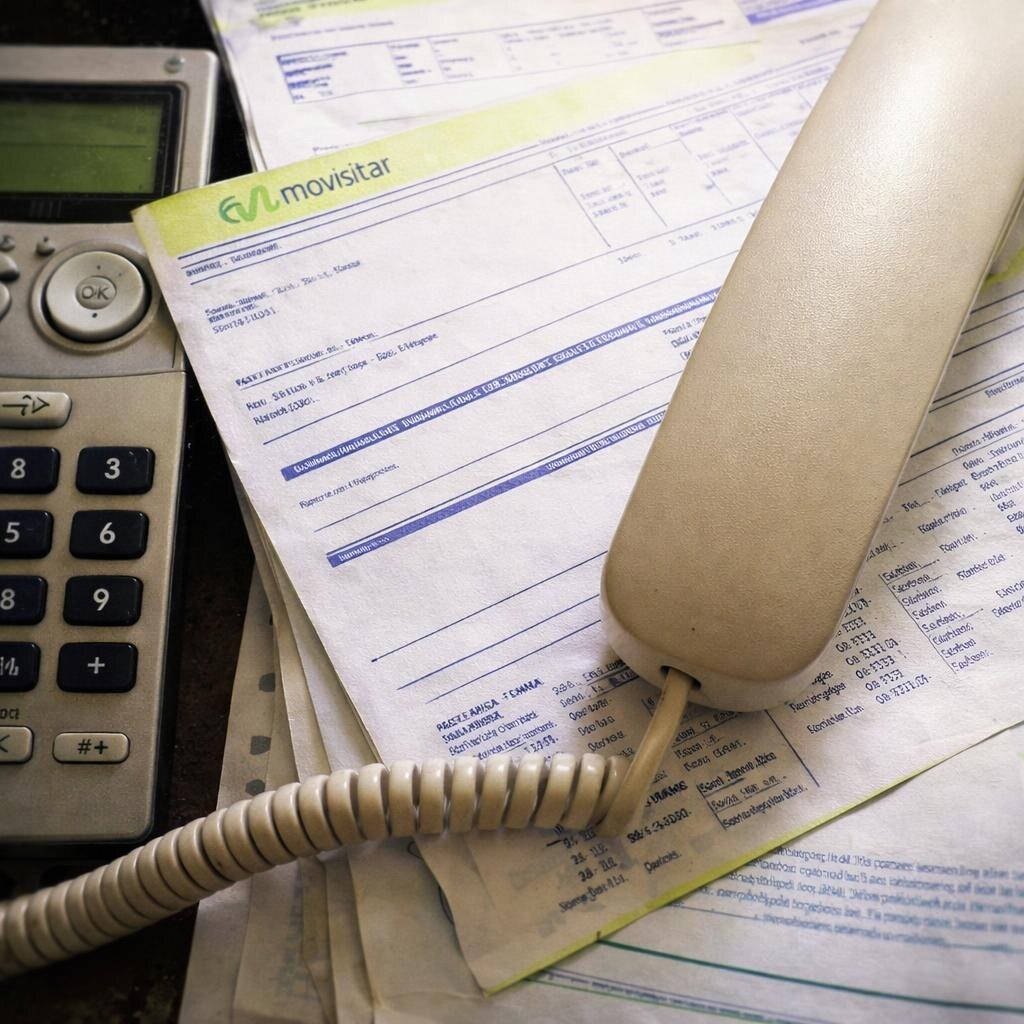
A bill is a document that says how much money needs to be paid for some goods or services.
It might also mean paper money, like a twenty dollar bill.
It might also be another word for a bird's beak.
It is also a shortened form of the name William.

Bis forBorrow

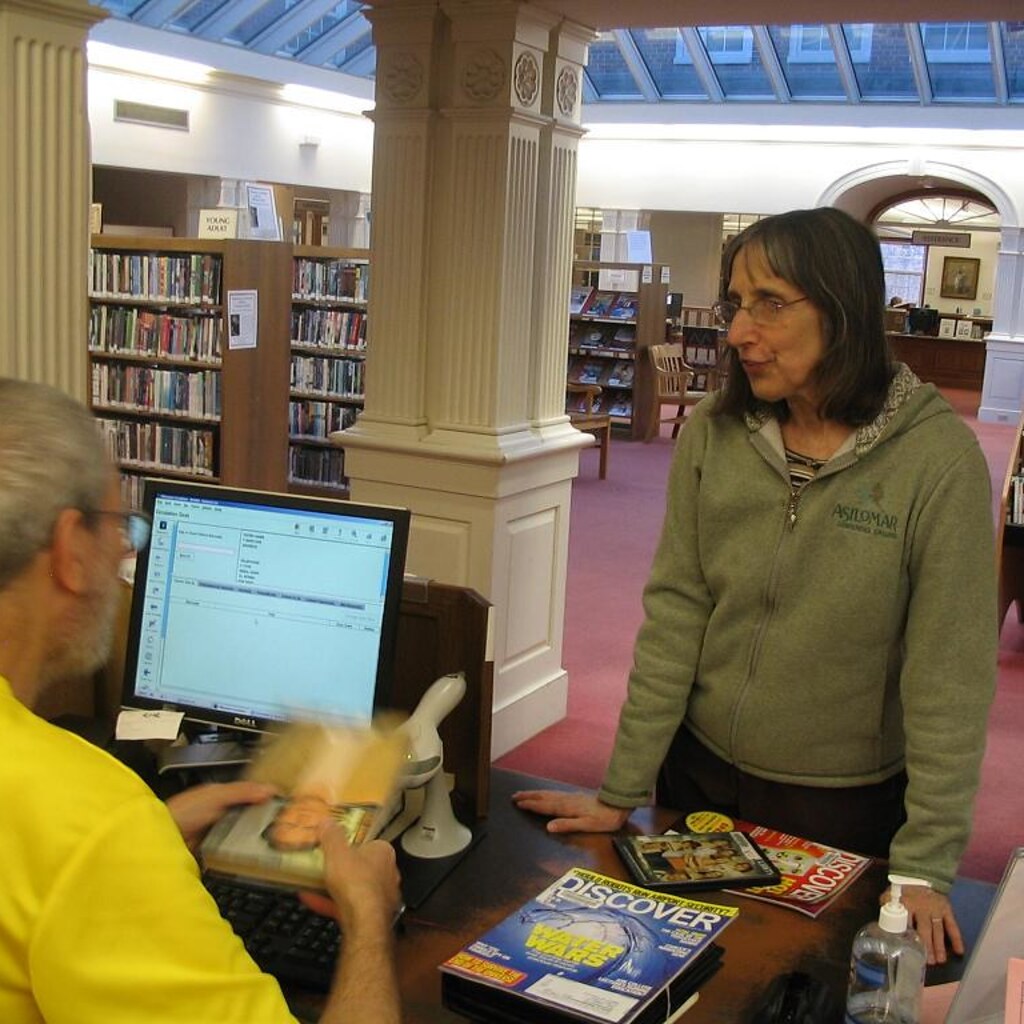
You borrow something when you take it from someone else with their permission and return it to them when you have finished with it.

People often borrow books from a library.
Bis forBudget

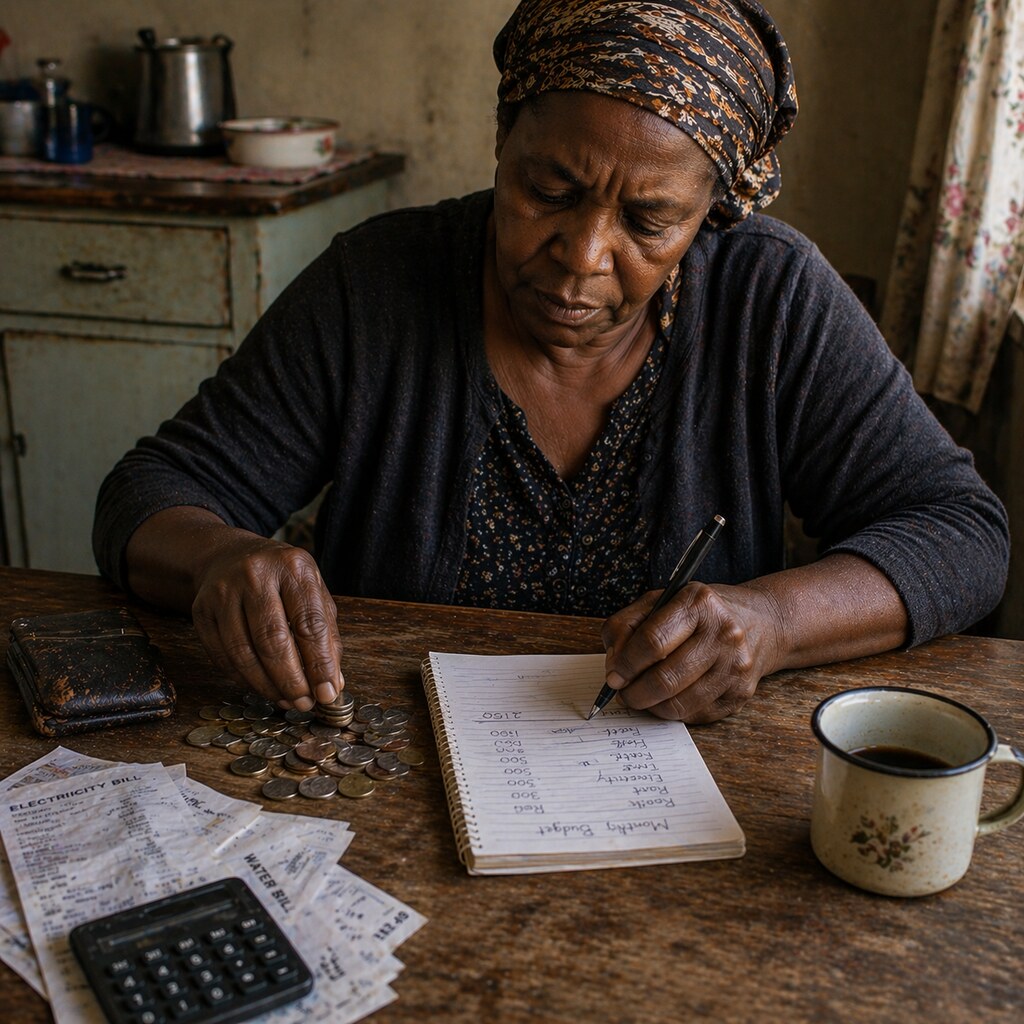
A budget is a document where you keep track of the amount of money you have coming in and going out.

You might make a budget to keep track of your expenses when you are trying to save up to buy something.

Bis forBuy

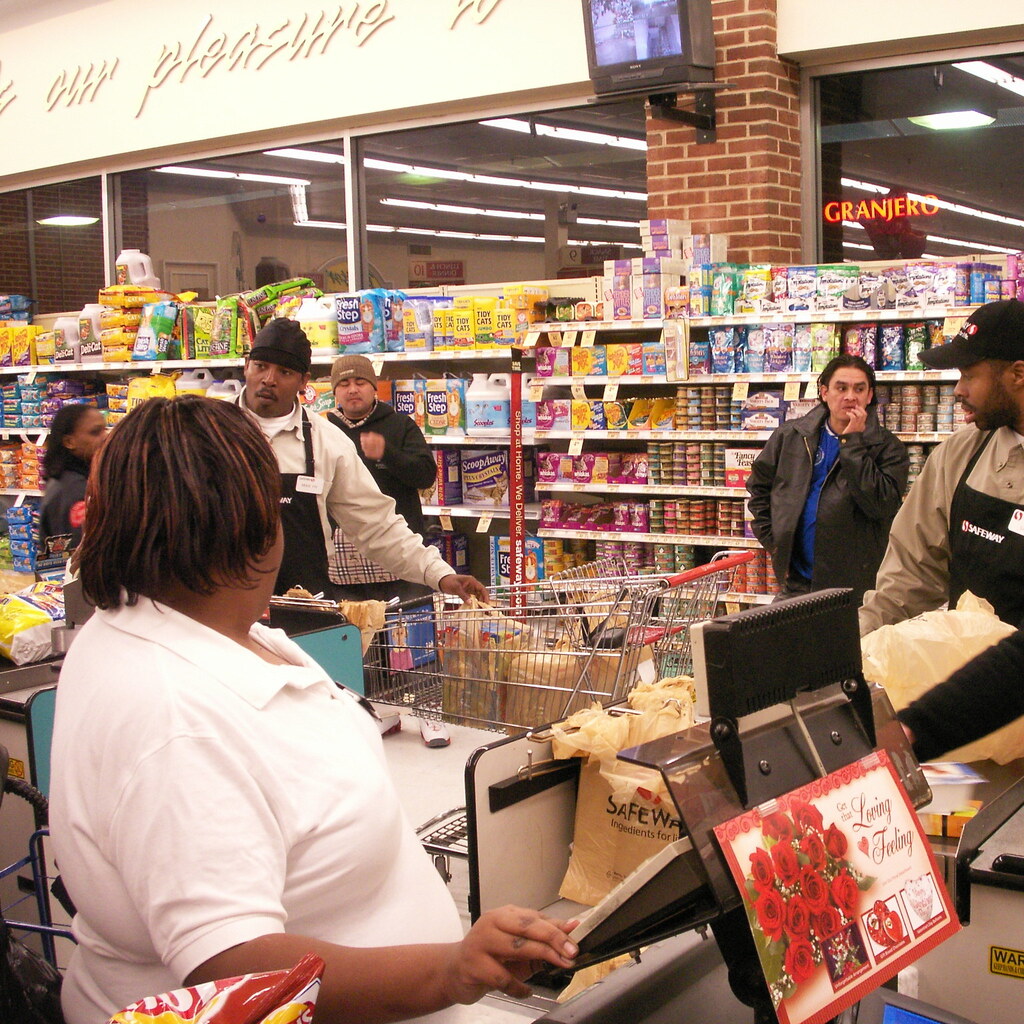
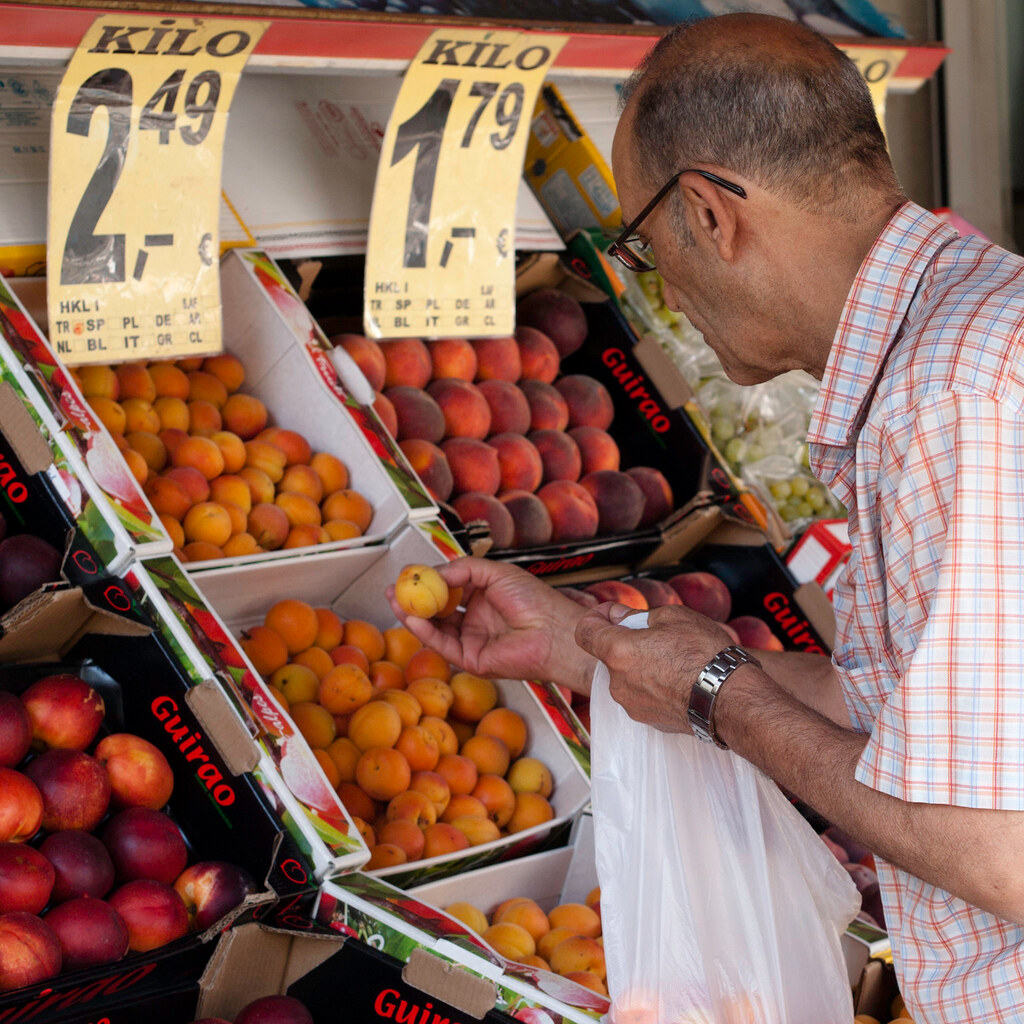
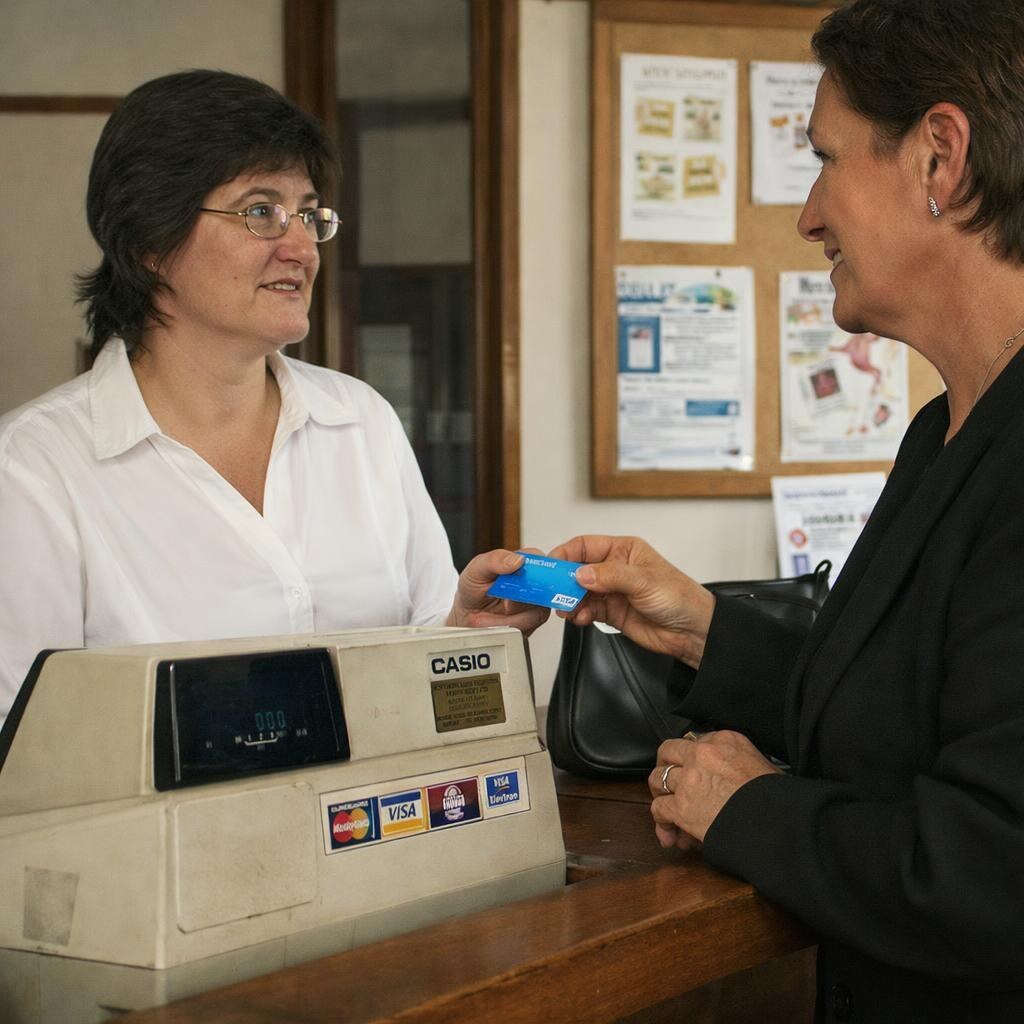
You buy something when you give someone else some money in exchange for it. The man in the picture is in a shop buying some goods.
The opposite of buy is sell. The past tense of buy is bought.

Cis forCash

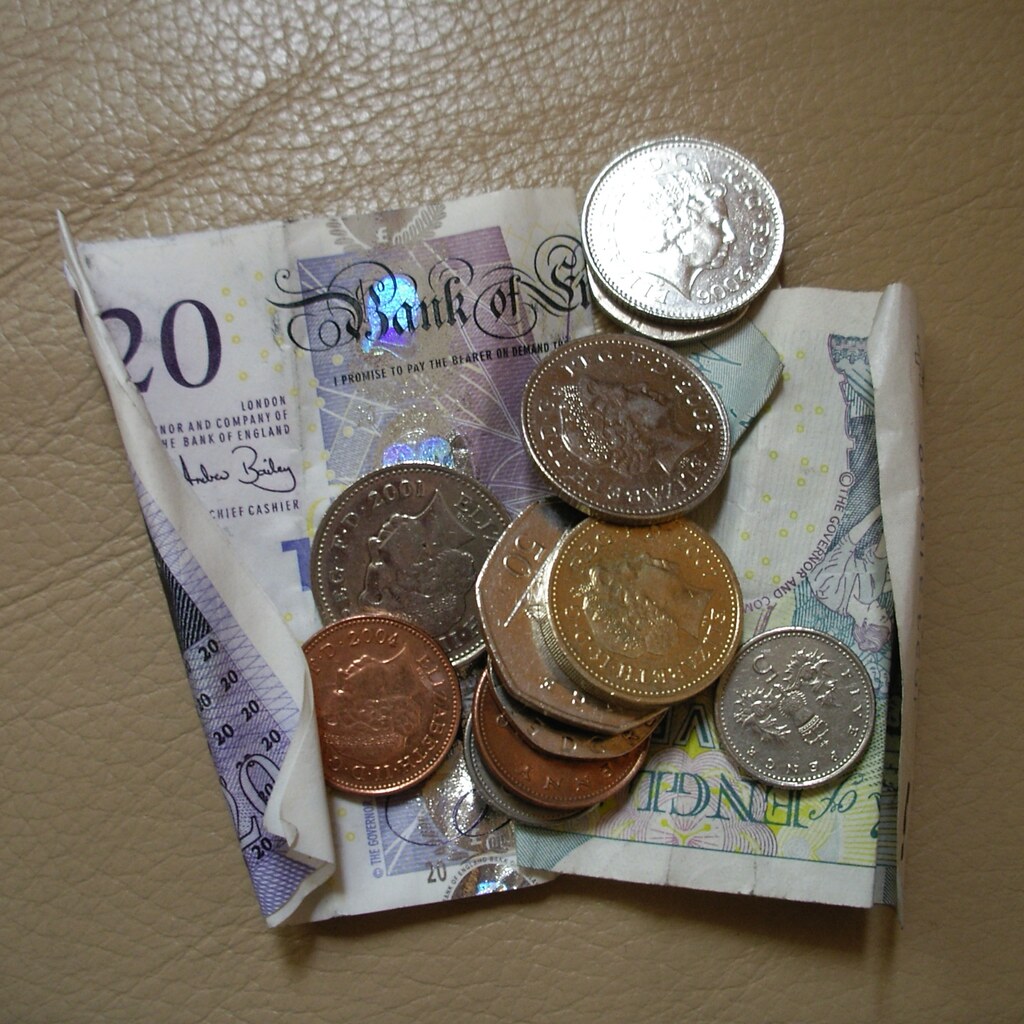
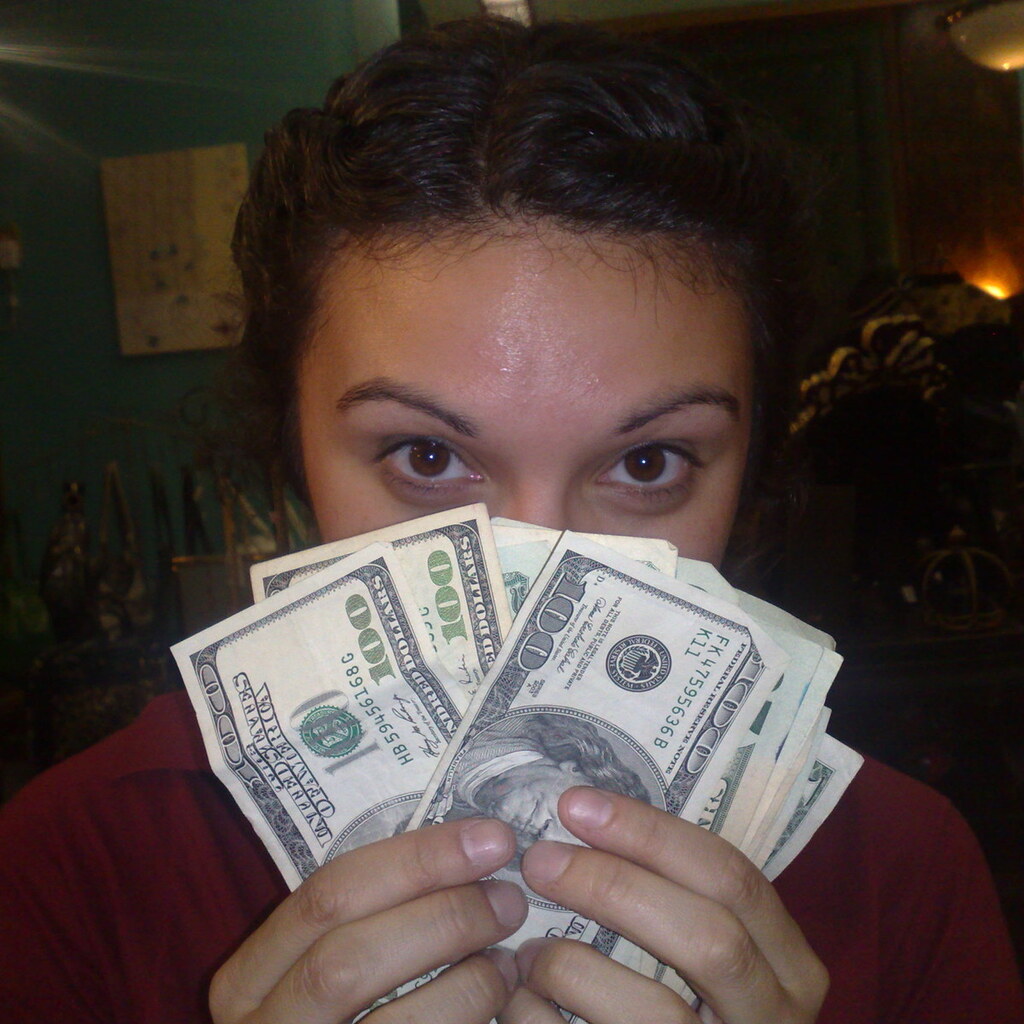
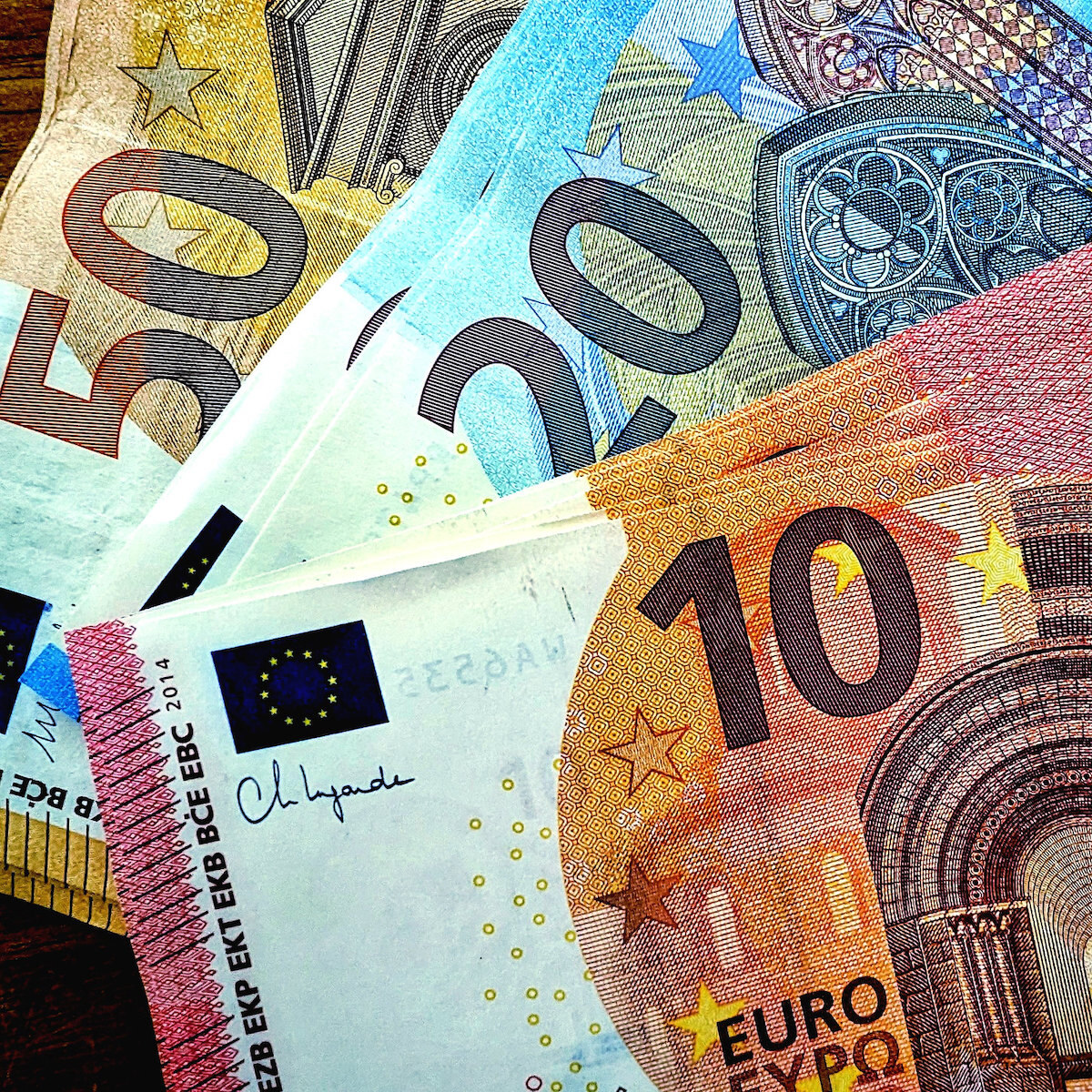
Cash is money in the form of coins and notes that you can hold in your hand.

Cis forCent

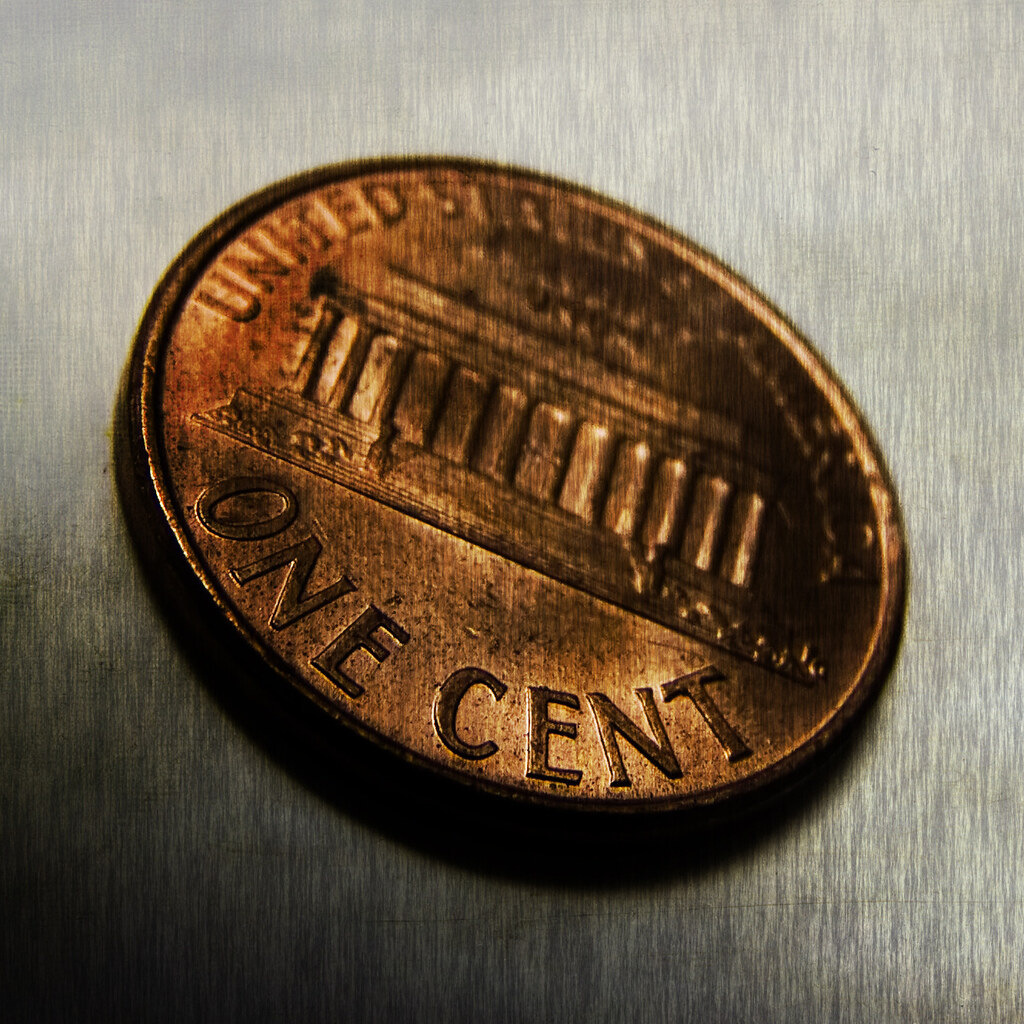
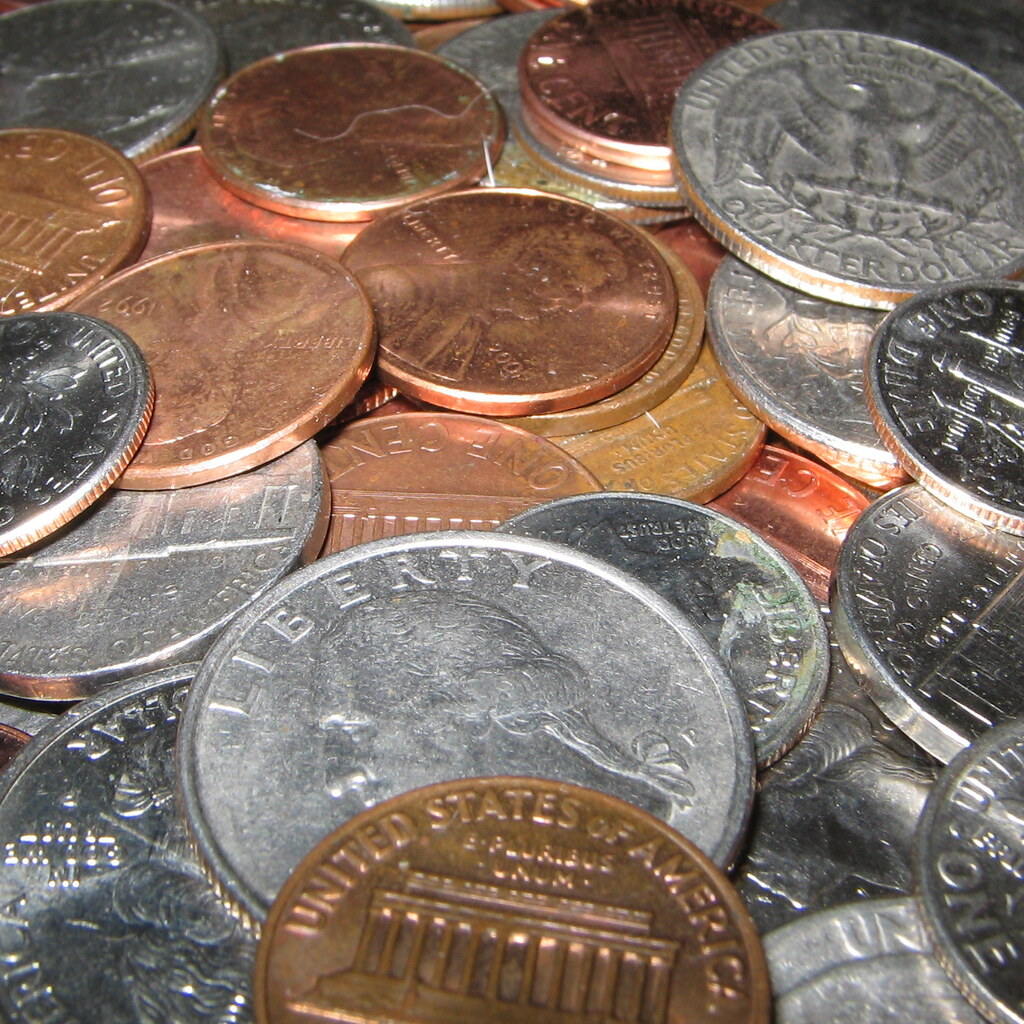
A cent, also called a penny in some countries, is one hundredth (1/100th) of a dollar.

Cis forCheque

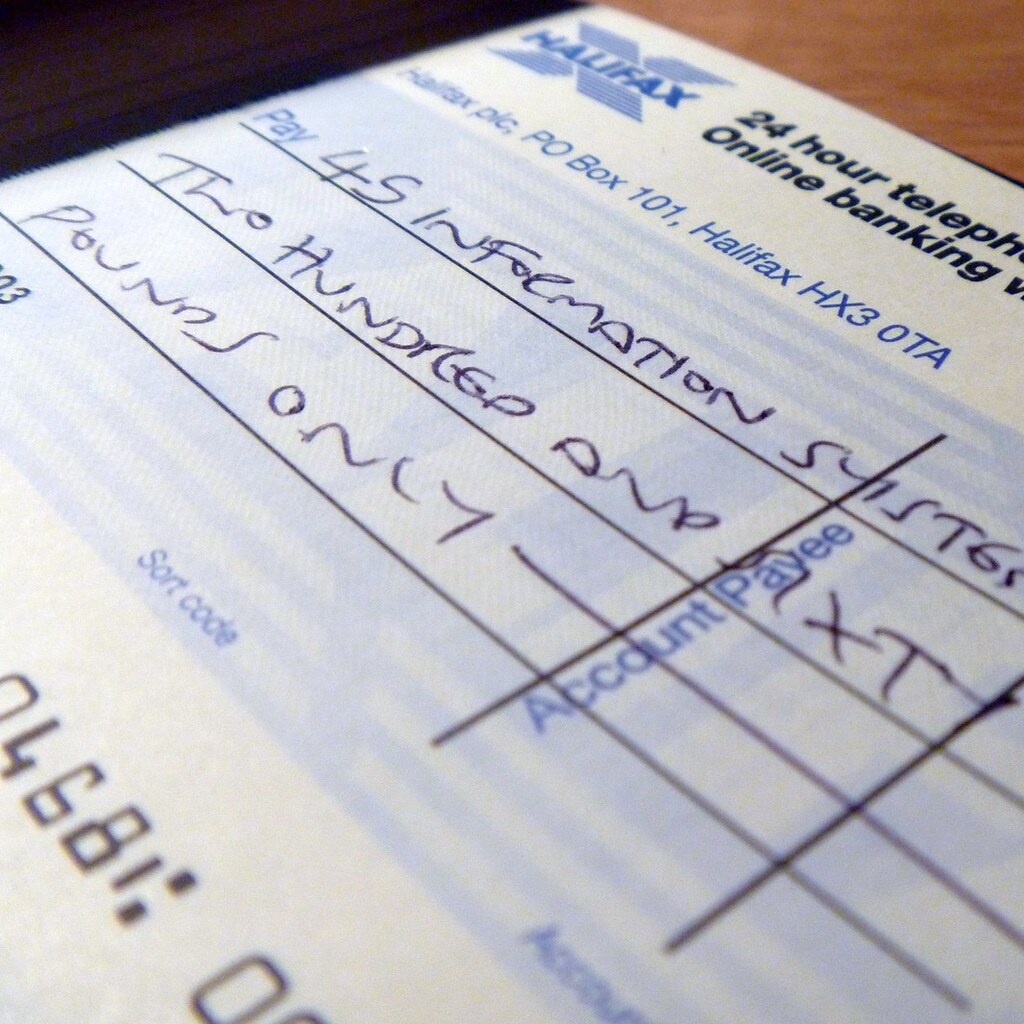
A cheque, also spelt check in some countries, is a special piece of paper that represents an amount of money. It has information on it saying which bank account the money comes from, who owns the account and how much money it represents.

Cis forCoin

Coins are a type of money that are round and made from metal. Coins usually have the date they were made, the country they are currency of, the amount of money they are worth and some pictures of people or animals stamped on the sides.

Cis forCost

The cost of something is the price you are willing to pay for it.
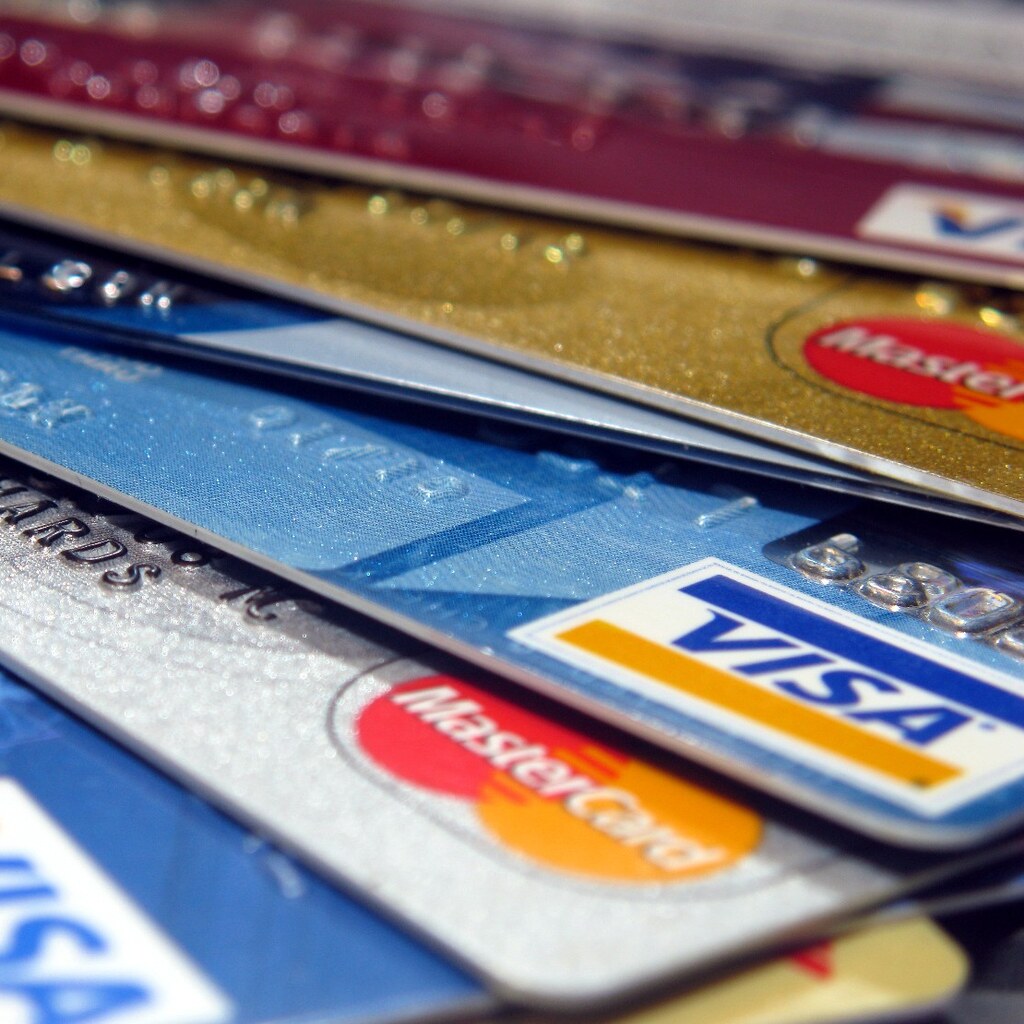
A credit card is something you can use to buy things if you do not have any money of your own. You then pay the money back in instalments, or all at once if you want. If you take a long time to pay it back, you get charged extra money in the form of interest.

Cis forCustomer

A customer is someone who buys some kind of product or service from a business. Customers are the people you see in shops buying clothes.

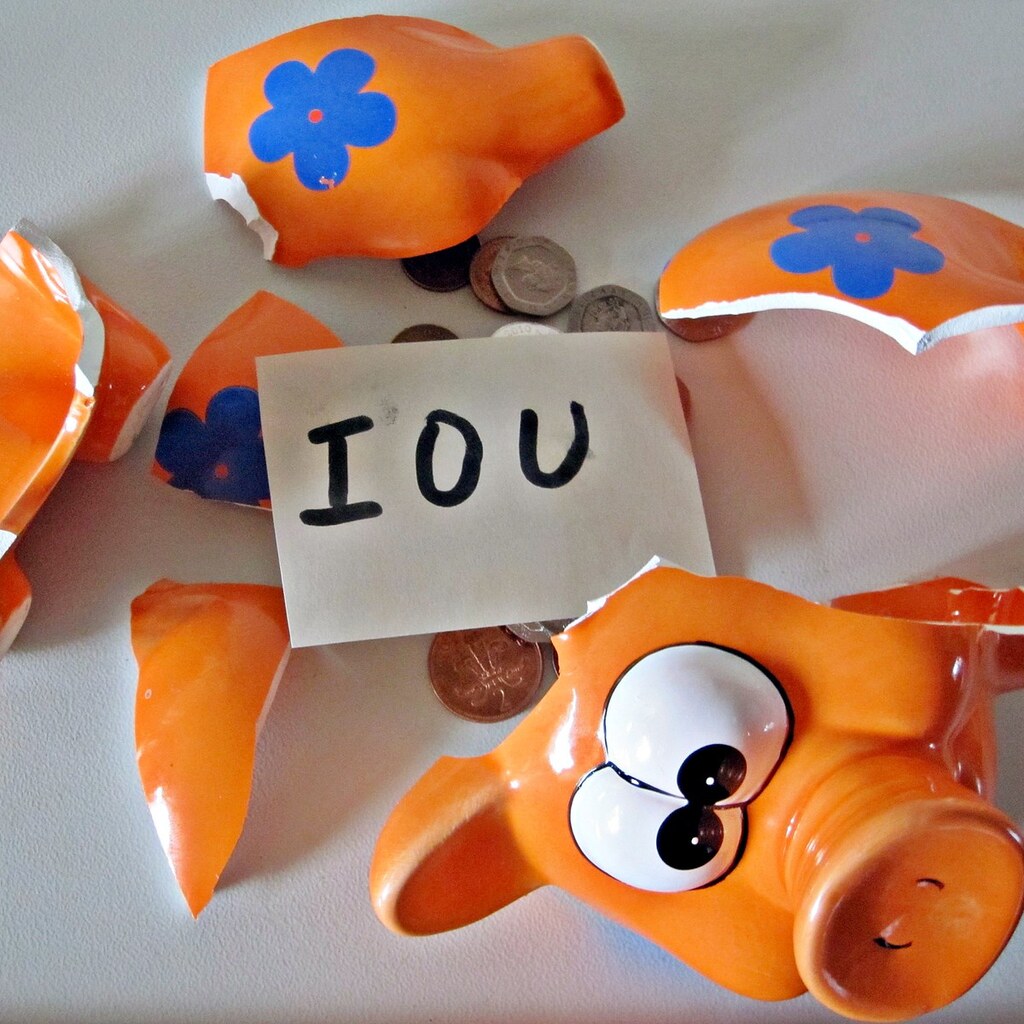
Dis forDebt

A debt is an obligation to return something, usually money, that you have borrowed from someone else. Debts are usually repaid with interest, which means that you pay back more than you have borrowed.
Dis forDime

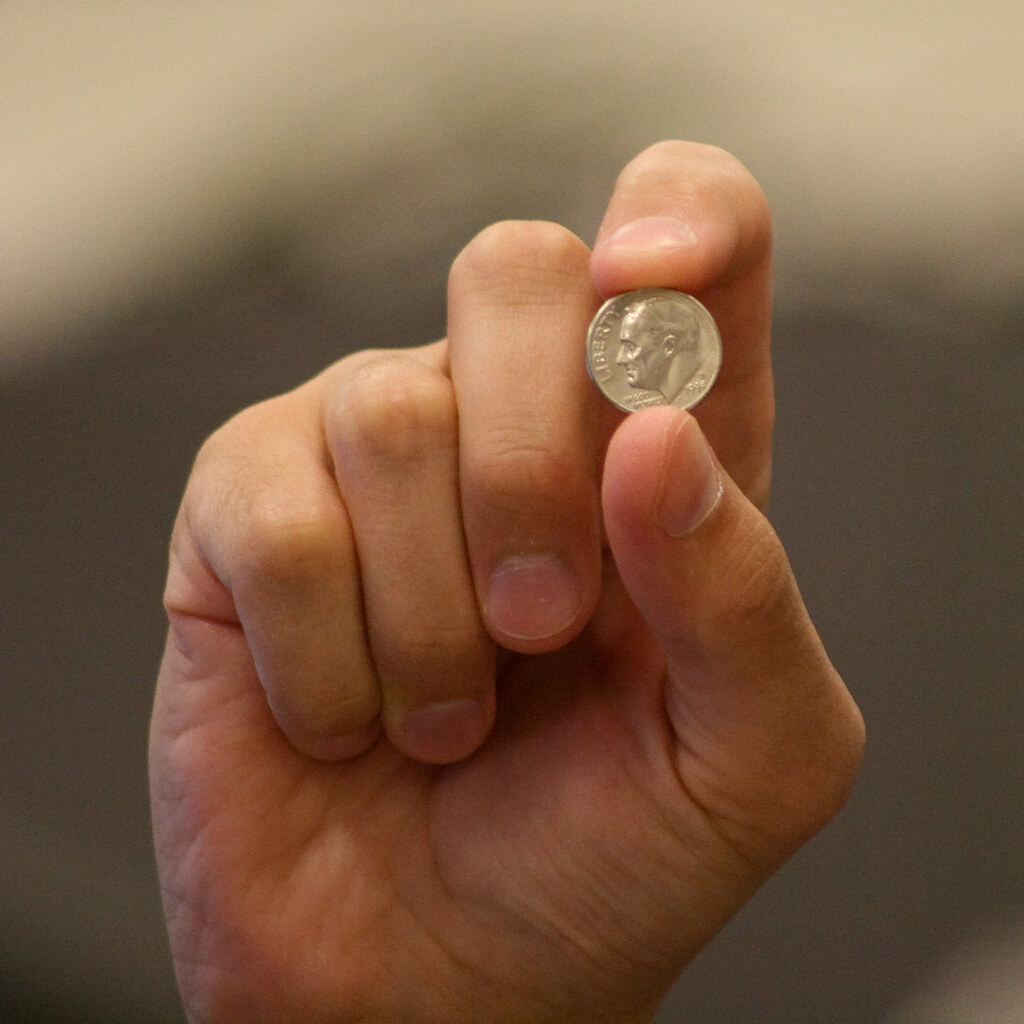
A dime is a coin from America or Canada, equivalent to one tenth of a dollar, or ten cents.
Dis forDollar

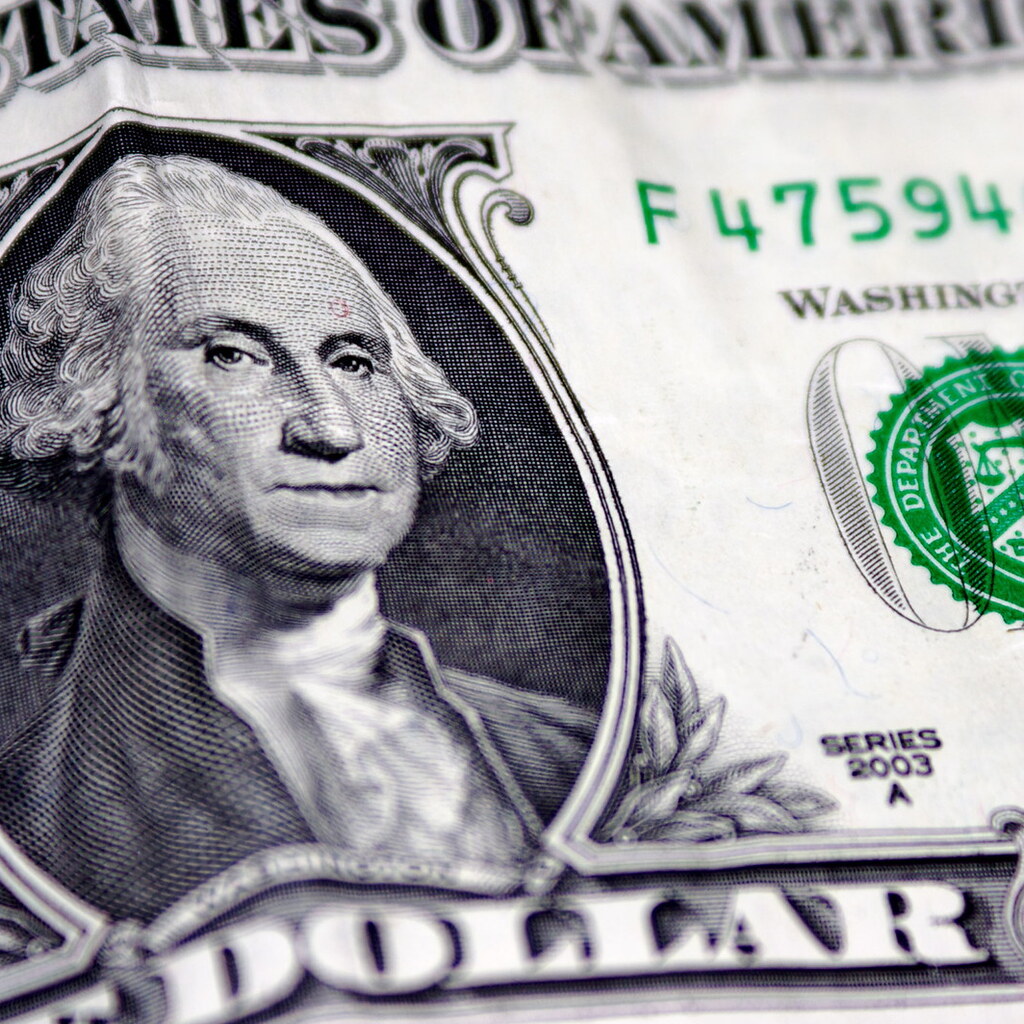
A dollar is a unit of money, equal to one hundred cents.

Eis forEarn

You earn something when it is given to you in exchange for your work. Most people earn money by working in their regular jobs. You can also earn someone's respect, or earn a medal because of your actions.
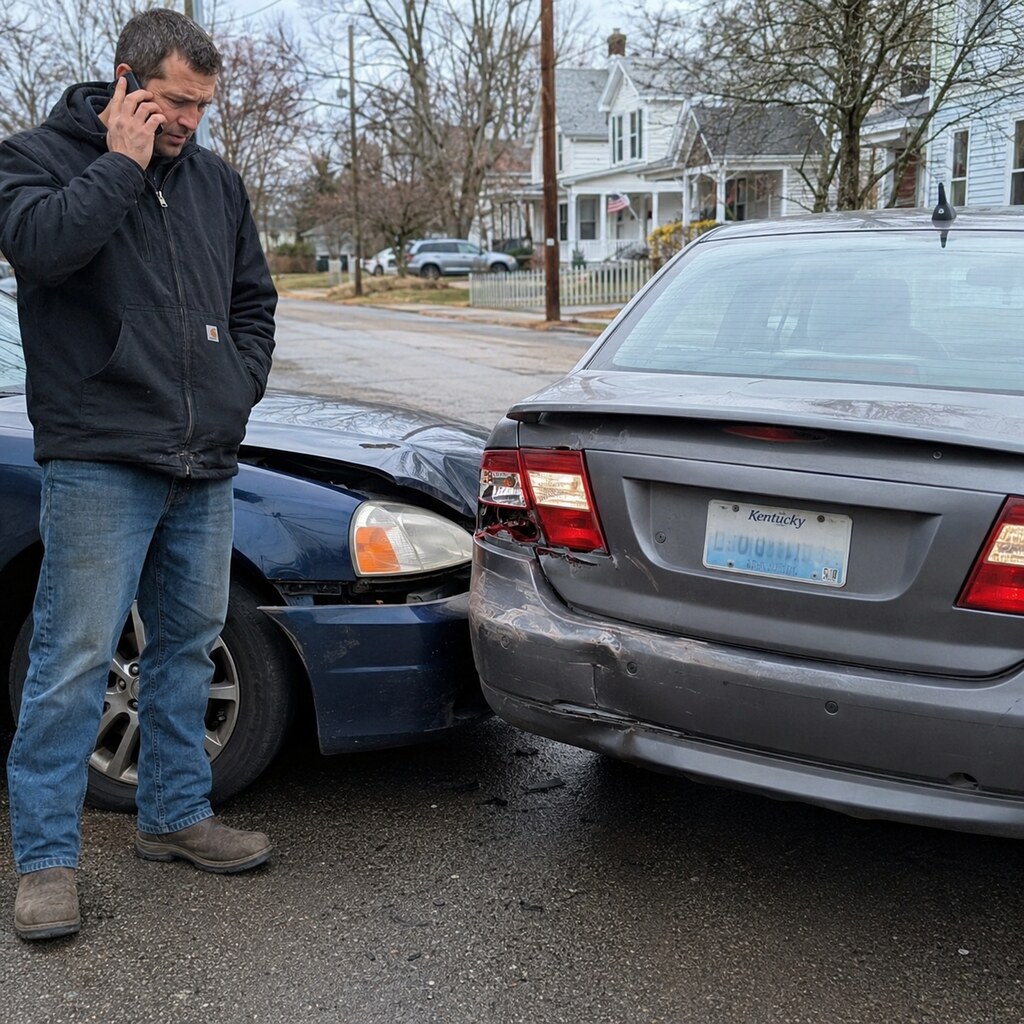
Insurance is something that you pay or put aside, usually to an insurance company, so that if something bad happens you are reimbursed for an agreed amount. For example, you might have an insurance policy on your car, so that if it is damaged beyond repair the insurance company gives you a new one.

Mis forMoney

Money is something you can carry around with you and exchange for goods and services. You can use money to buy food, or a car, or a house. Money that you can carry around with you can be either notes or coins. Notes and coins have the amount they are worth and the country they are useable in written on them.
Mis forMortgage

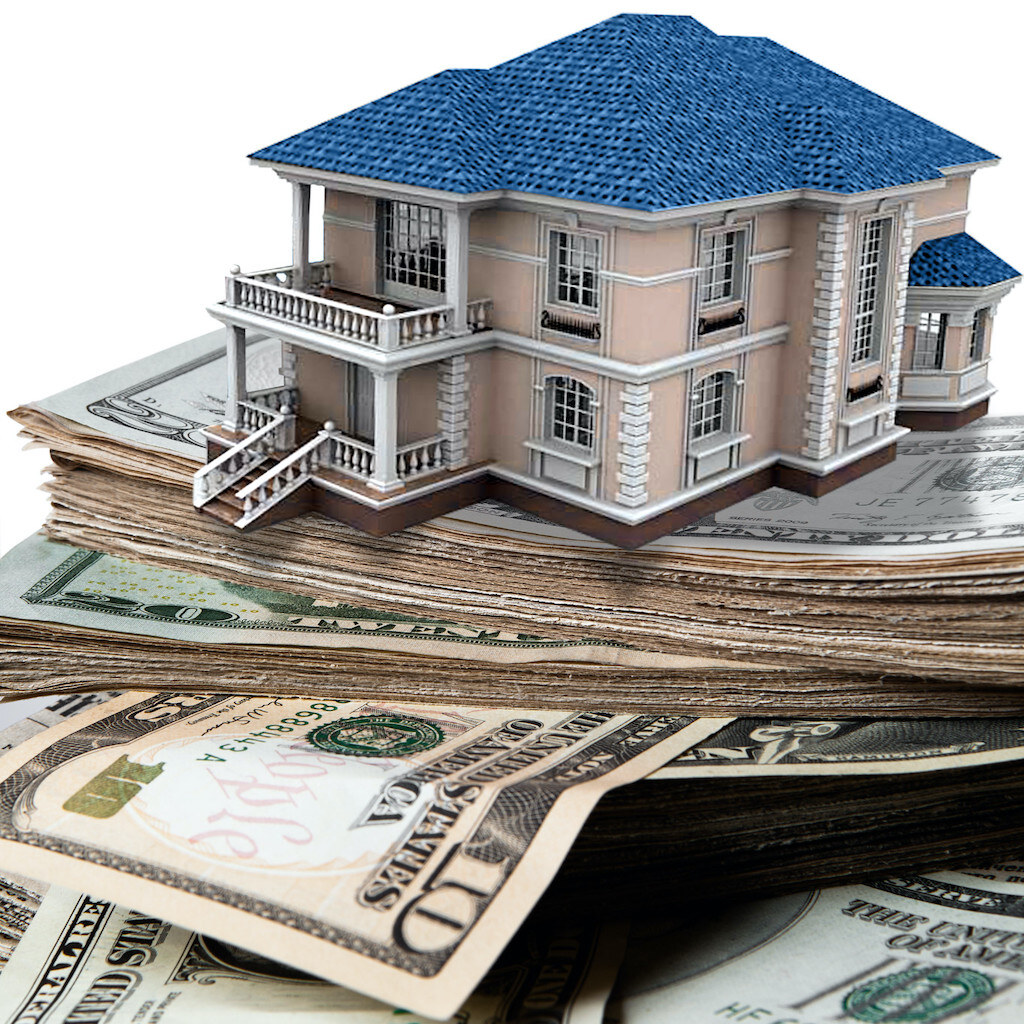
A mortgage is a debt that you repay to a financial institution such as a bank when you buy a house, if you do not have enough money to pay for it yourself. Mortgages are typically paid back over many years.
Mortgages are secured by your house, which means the bank has an interest in the house and you cannot sell it and keep the money yourself, you have to pay the bank back first.