Hobbies

Things that you do in your spare time for fun.

Subcategories: Arts & crafts (46), Fishing (14), Gardening (37), Sewing (43)

Showing 81-100 of 132
P is for Pen (Write)

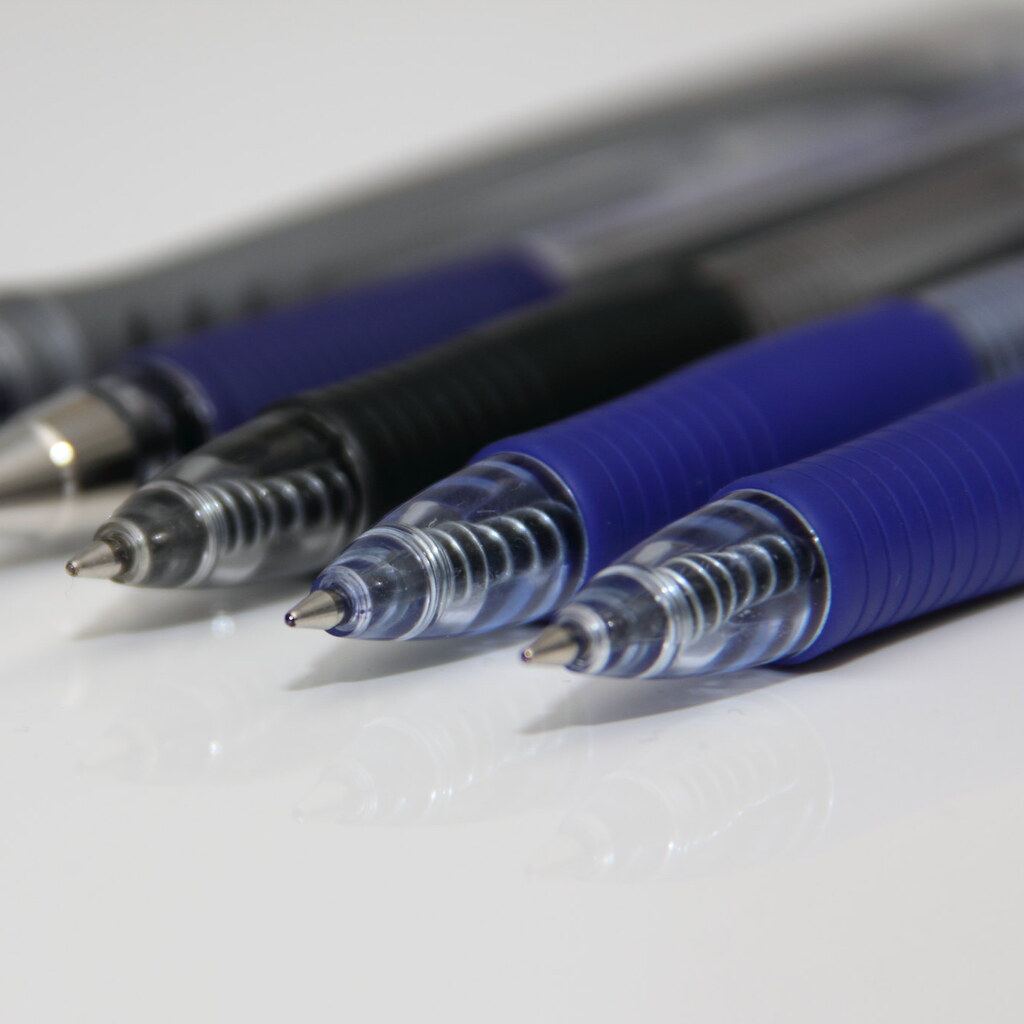
A pen is something that you use to write or draw with. Pens are filled with ink. Generally once you have drawn or written something in pen, you can't rub it out. You can rub out drawings in pencil.

P is for Pencil

A pencil is something that you use to write or draw with. Pencils are usually made from wood, with a thin strip of graphite (in a lead pencil) or waxy coloured material. The end of the pencil will wear out as you use it, and you will need to sharpen it. Pens do not need sharpening.
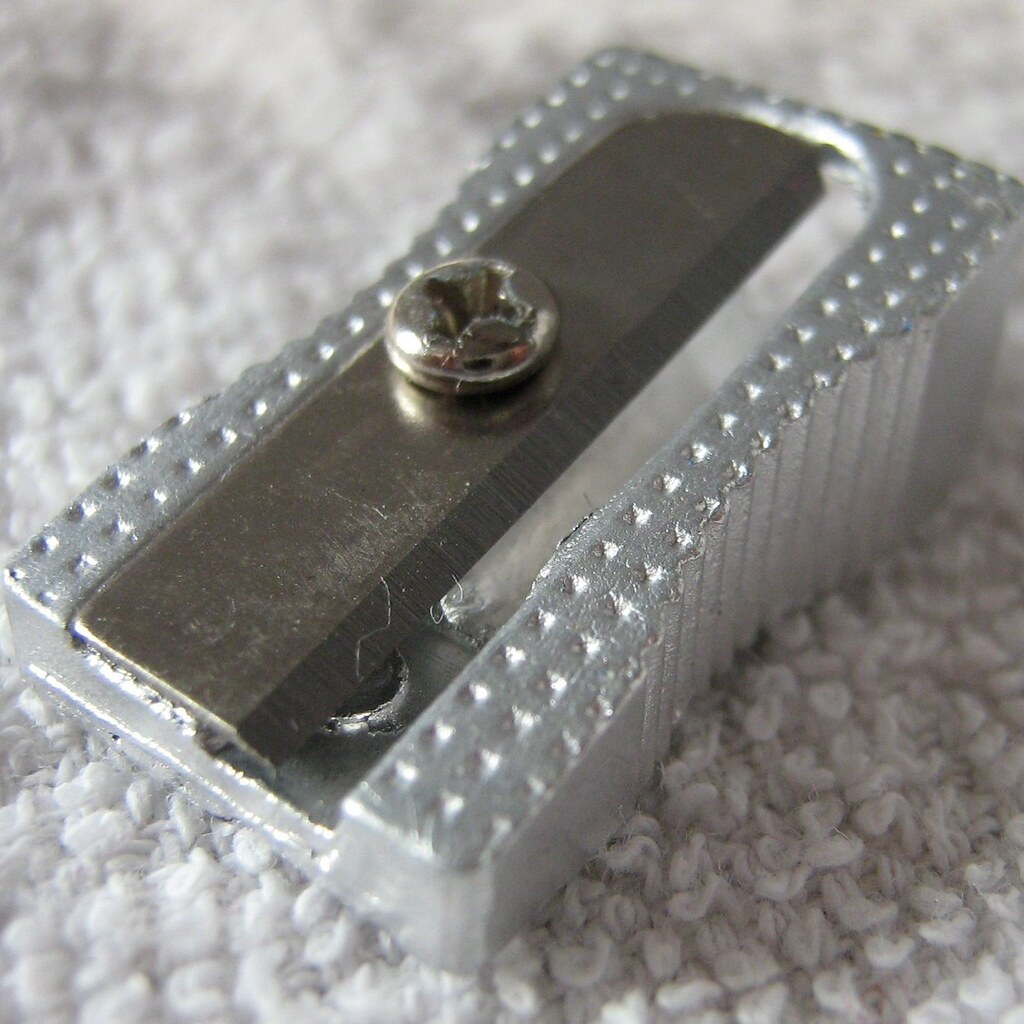
A pencil sharpener is a small device with a sharp blade in it that is used for sharpening pencils. When a pencil has been sharpened, the tip is pointy again and you are left with pencil shavings.

P is for Photograph

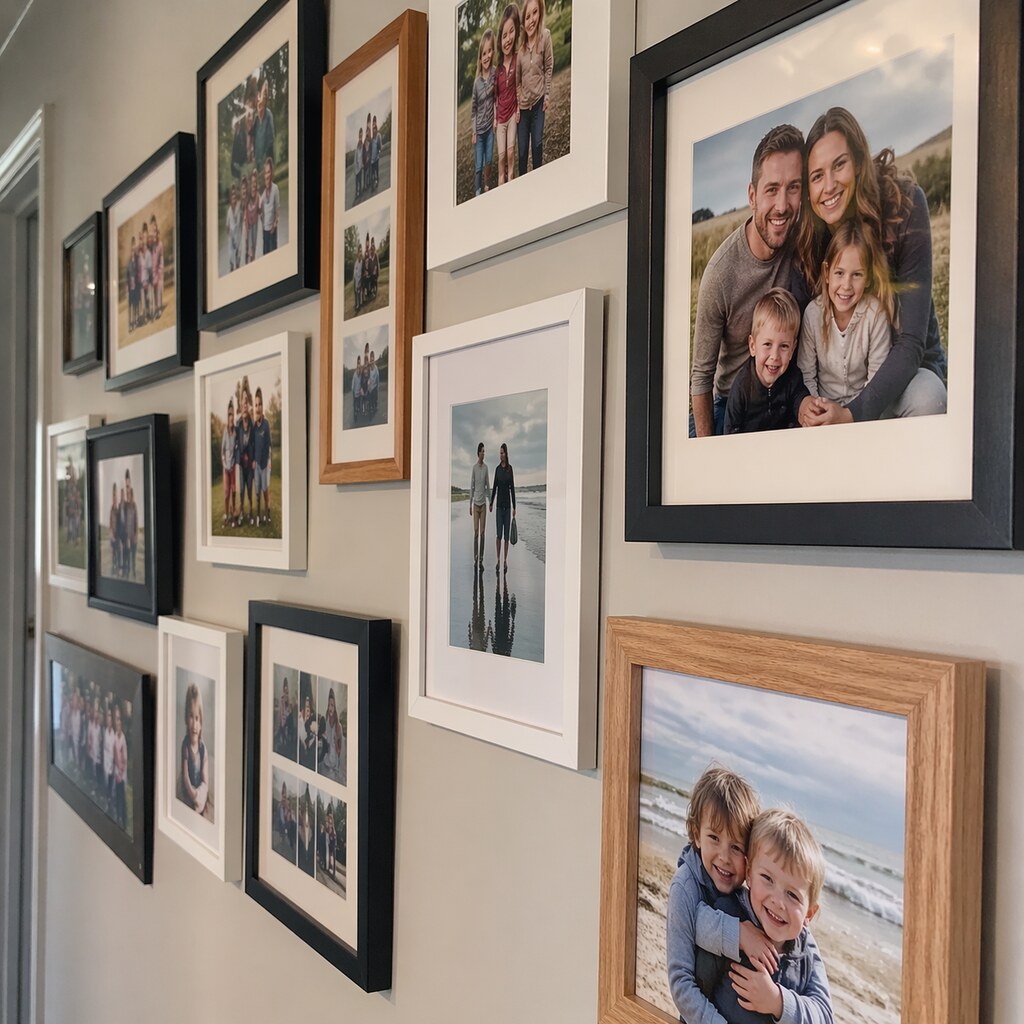
People use a camera to turn something you can see into a photograph. A photograph is a picture of one tiny moment in time. People like to take photos of their family and pretty things that they see.

P is for Pigment

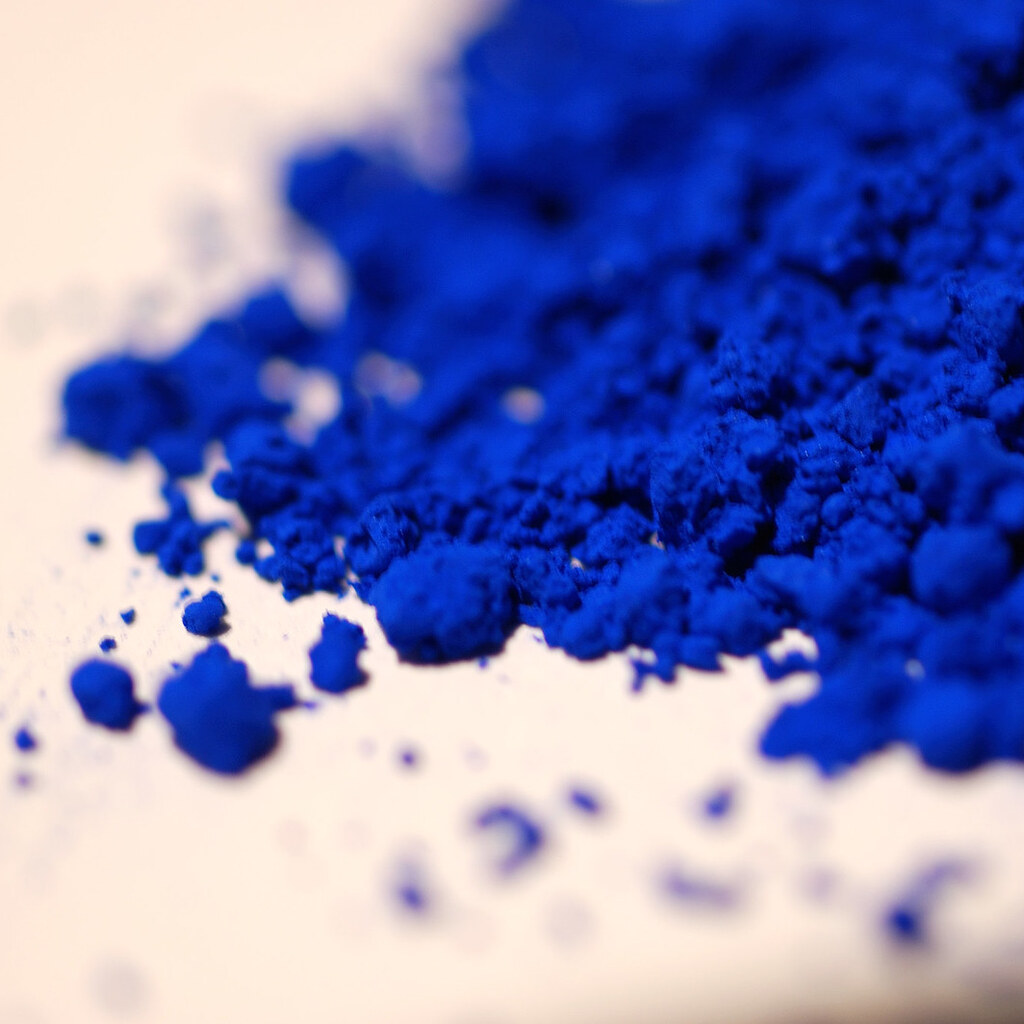
Pigment is a substance that is so strongly colored that it can be used to change the color of other things too. Pigments are used to tint paint. The best kinds of pigment are ones that are permanent.

P is for Pin

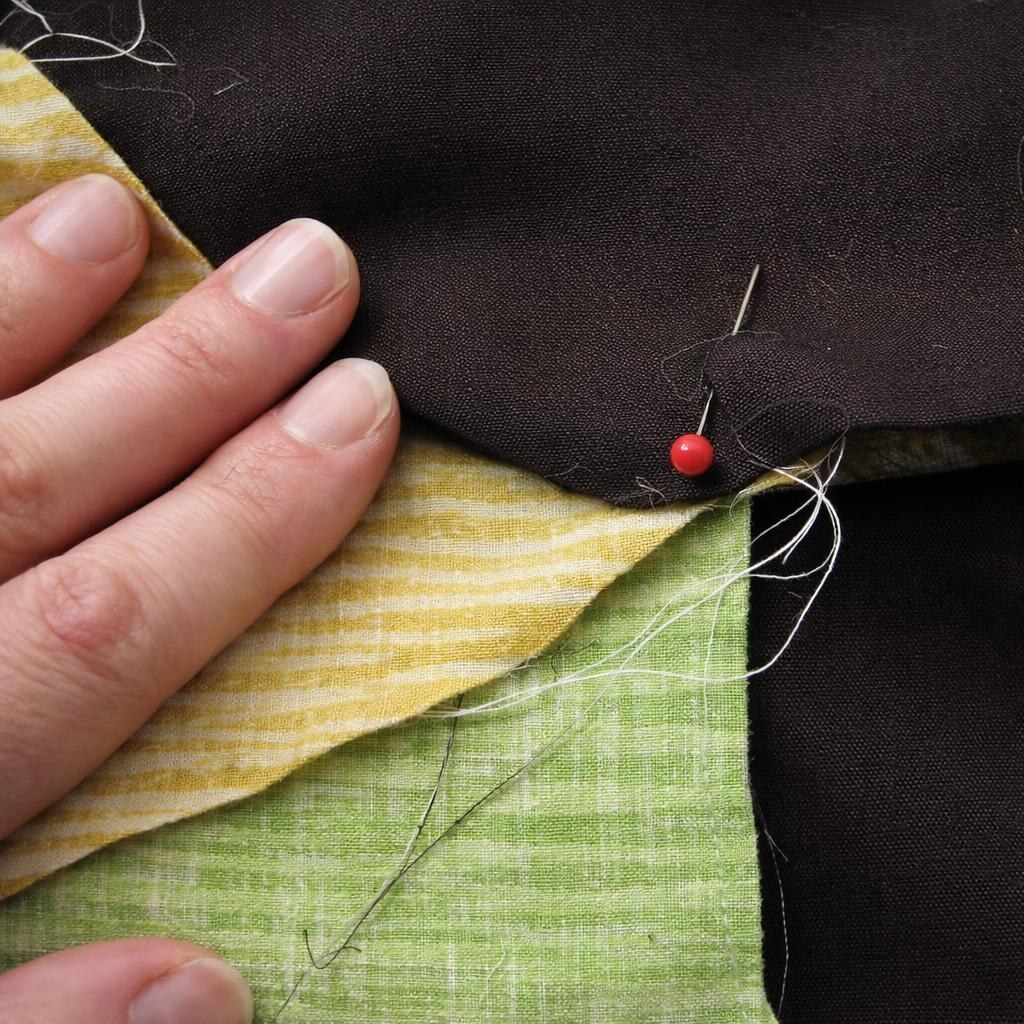
A pin is a small piece of metal that is sharp at one end and has a small bump at the other end. It is used for holding pieces of cloth together when you are making something, but before they are properly stitched together.
P is for Pin cushion
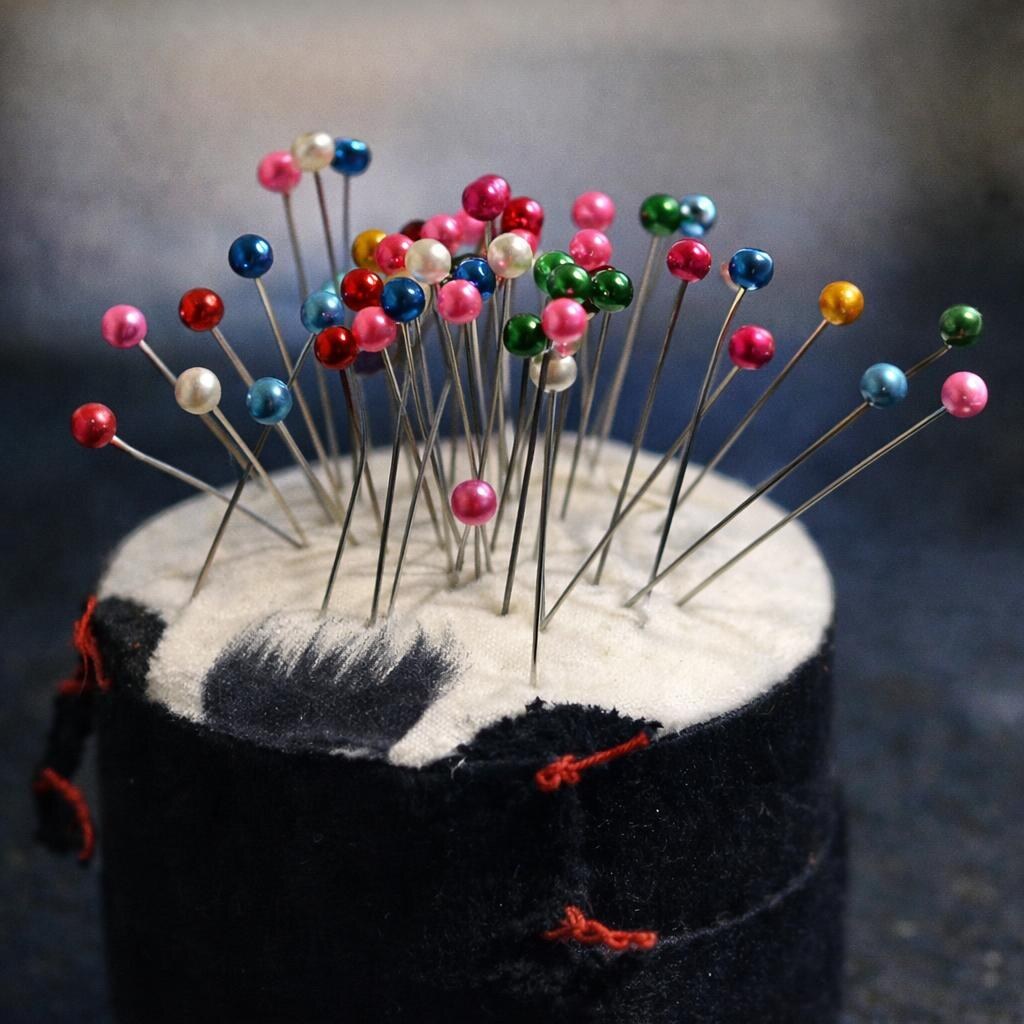
A pincushion is somewhere you store pins. Putting pins in a pin cushion keeps the sharp end of the pins safely hidden, stops pins from getting lost and makes them easy to pick up.

P is for Plant

Plant is a word that covers an enormous number of living things in the world. Plants can be divided up into several groups, namely algae (that green slime you find in ponds), bryophytes (non vascular plants, or mosses and lichens - the small, often fuzzy plants that you see growing on rocks or on the ground in damp corners) and tracheophytes.
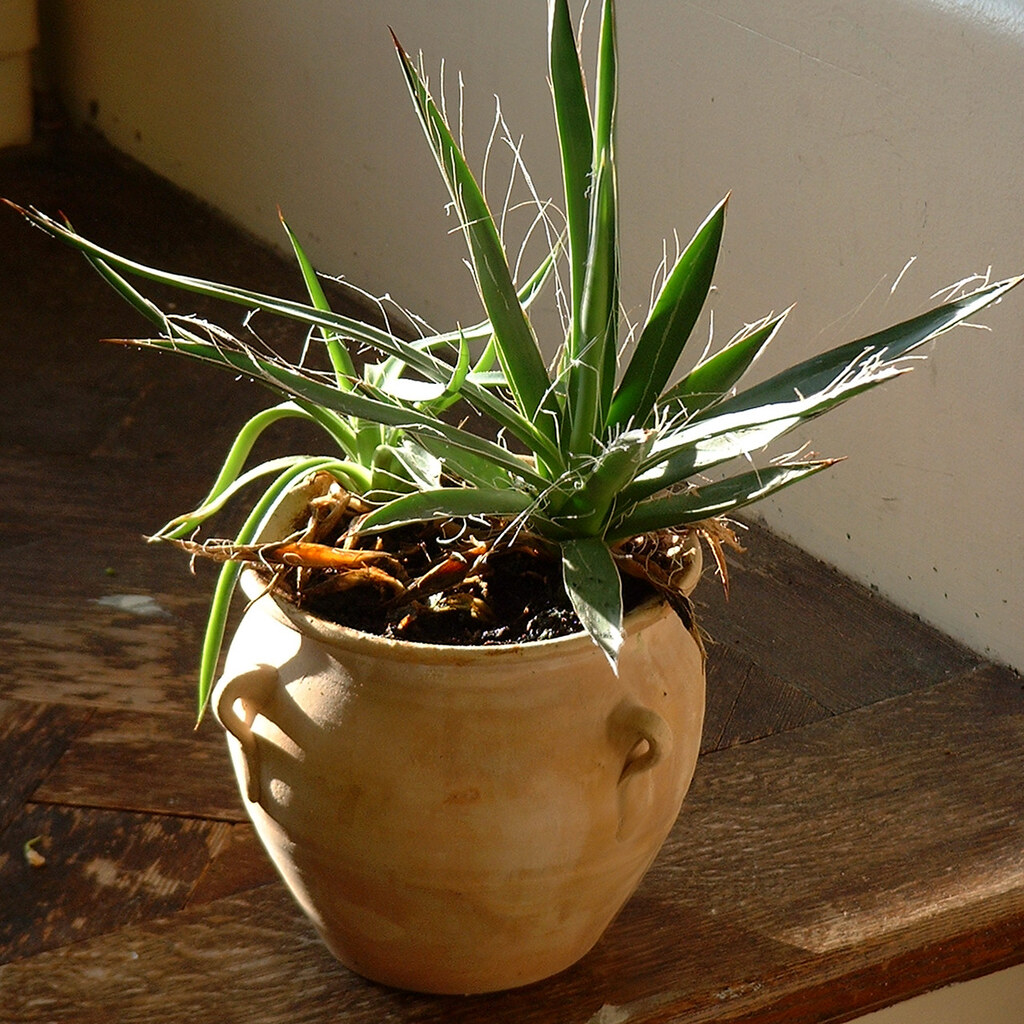
Tracheophytes, or vascular plants, are the most familiar. They include all the trees, ferns, grass and flowers you see around your neighbourhood. The plant in the picture is a vascular plant, growing in a pot.
P is for Pleat

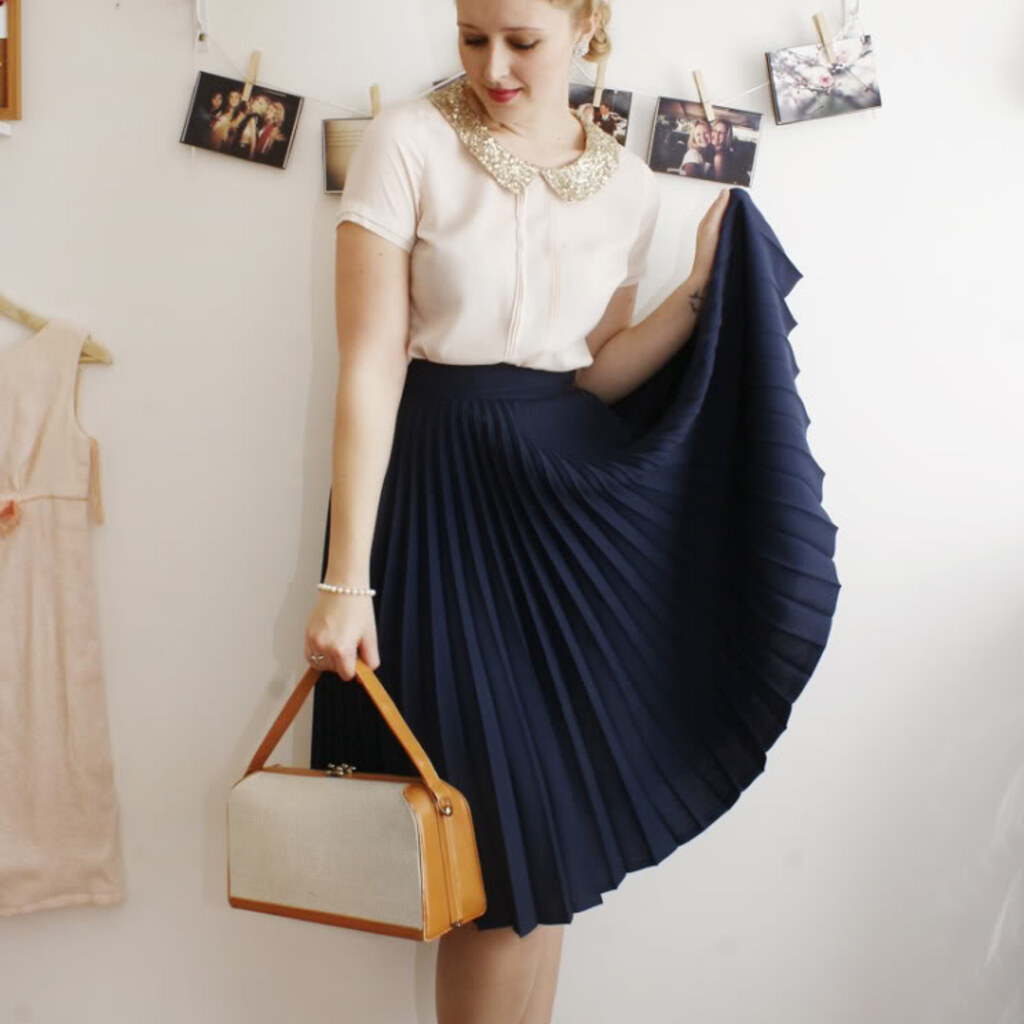
A pleat is a type of fold made in fabric. A garment, usually a skirt or dress that is pleated tends to have many pleats of equal size. Pleats make a garment thicker, warmer and with more room to move.

P is for Pocket

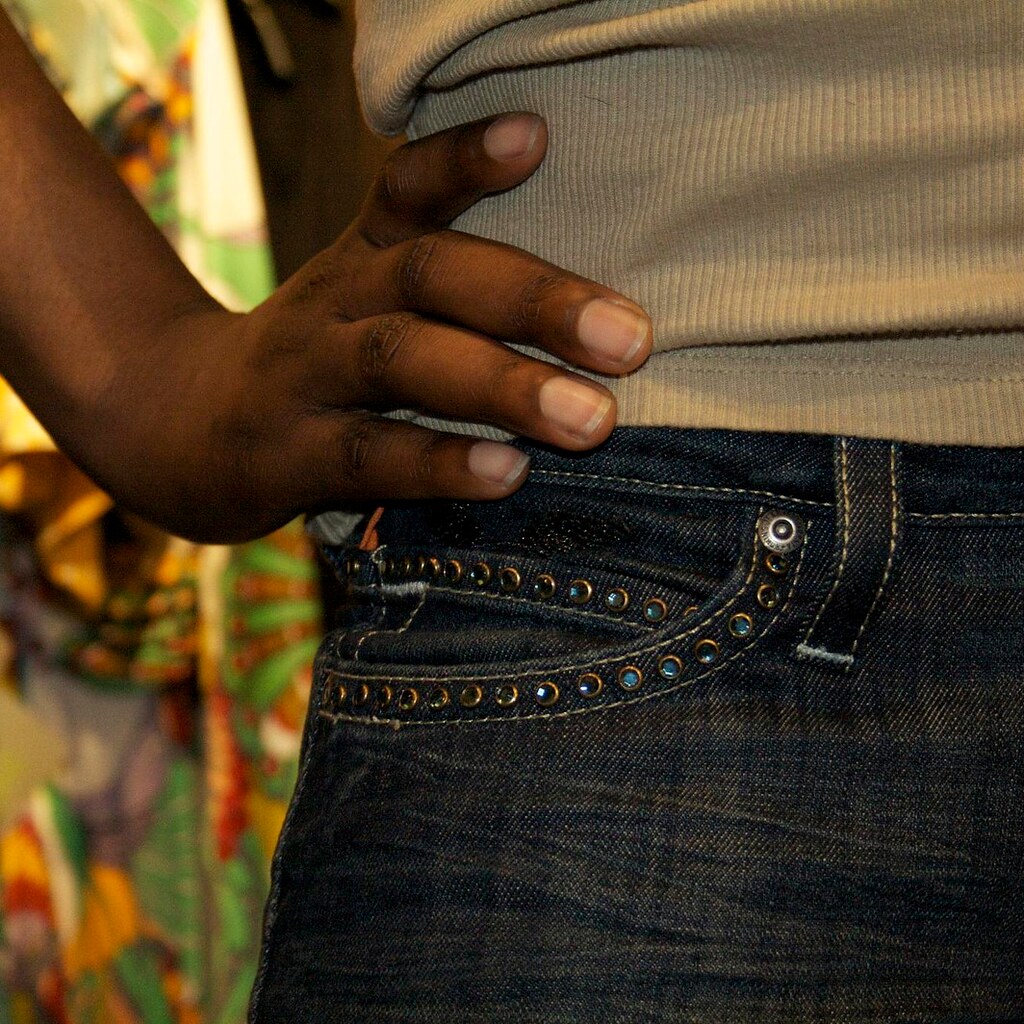
A pocket is like a small bag that is sewn into your clothes. You can store things like your keys or your mobile phone in your pockets, or just put your hands in your pockets to keep them warm.

P is for Portrait

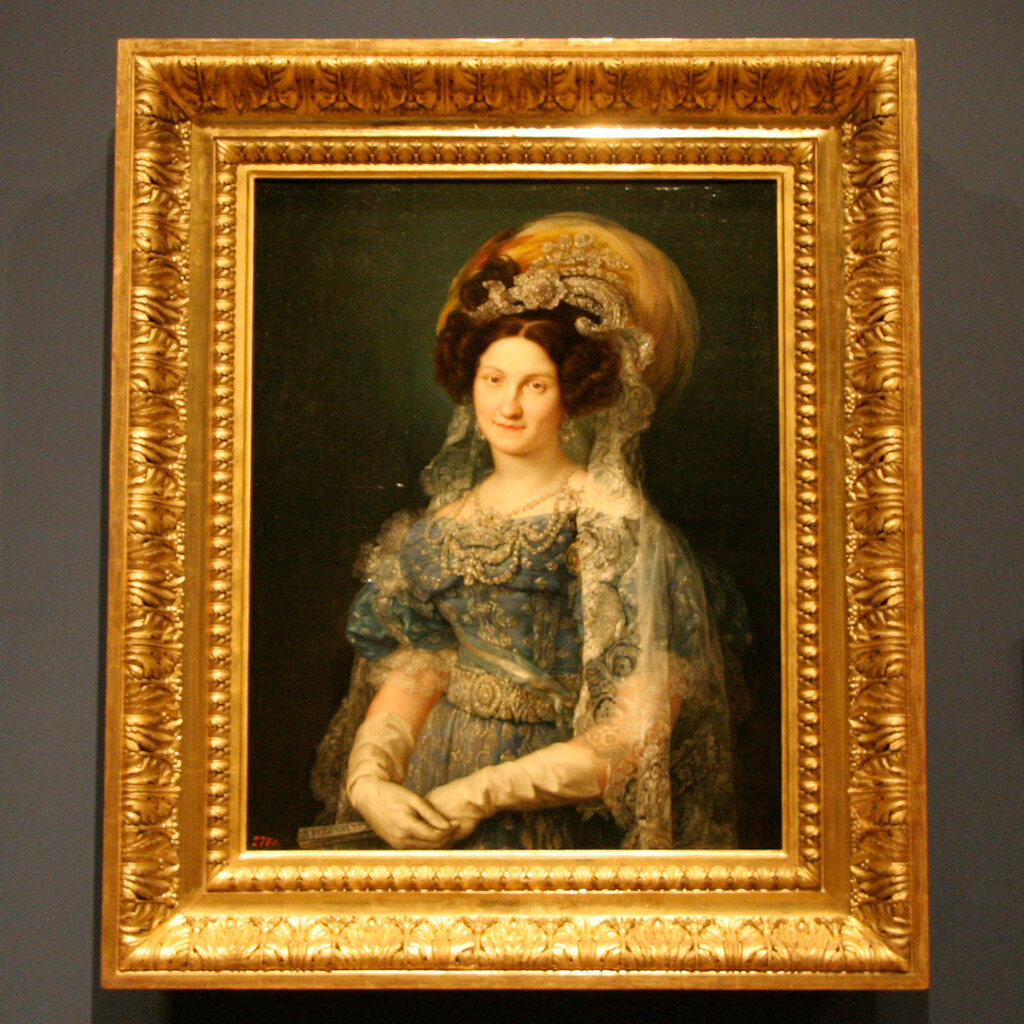
A portrait is a painting, drawing or photo of someone. A portrait is often just of someone's head and shoulders, or from their waist up.
Portrait can also refer to any picture or a blank canvas or piece of paper that is vertical, that is with the long sides on the left and right, which is the best way to put your paper to draw a portrait of someone. The opposite of portrait in this case is landscape, which is the best way to put a piece of paper to draw a landscape.

P is for Pottery

Pottery is anything made from clay, usually by hand. Pottery includes pots, plates, vases and sculptures.
Pottery is also what you do when you make pots, the art of pottery.

P is for Protractor
A protractor is a device used for measuring angles. You can get protractors as both half and full circles. Protractors are also useful for drawing angles.
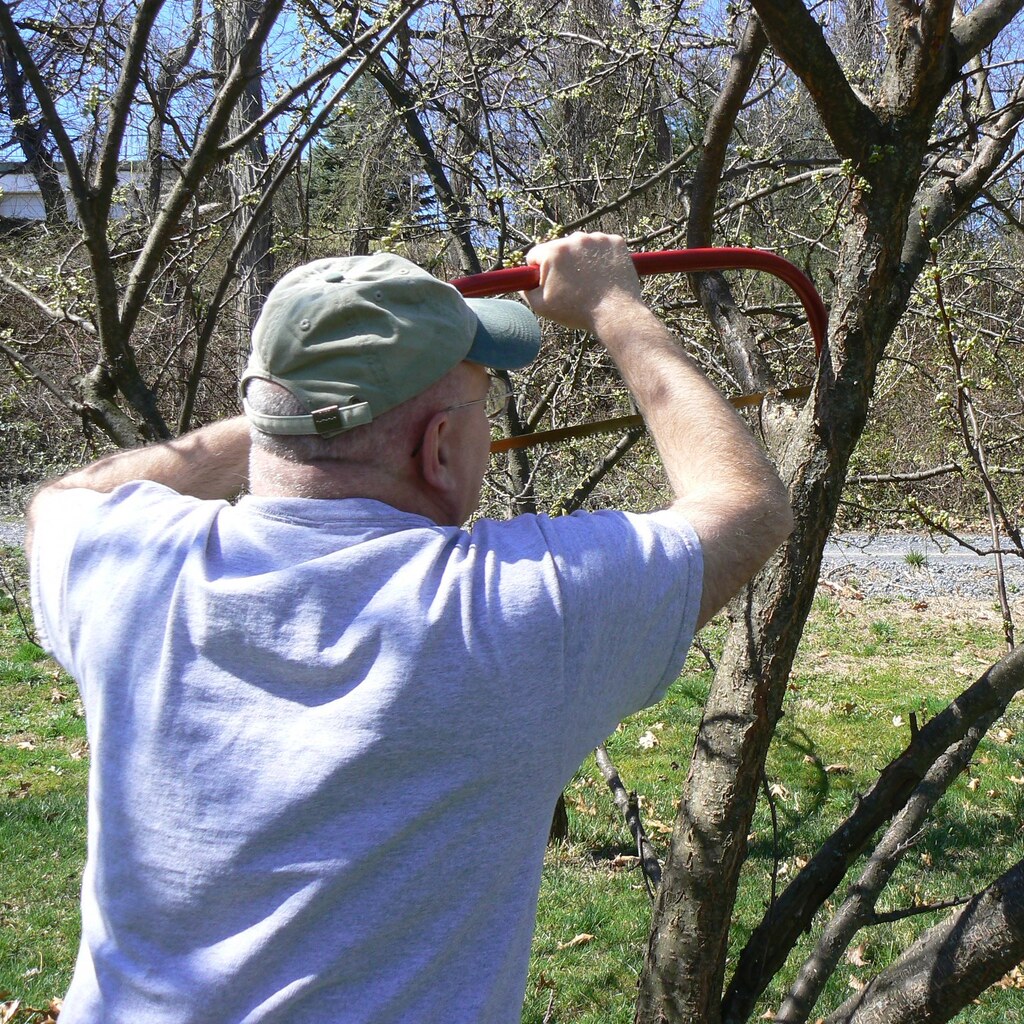
Pruning is a way of removing parts of a plant with a pruning saw or secateurs. Pruning can be done to improve the shape of a plant, to encourage new growth or to remove dead or diseased branches.

Q is for Quill

A quill is a pen made from a feather, usually the wing feather of a goose. The end of the pen was dipped into a pot of ink and used for writing with.

R is for Rake

A rake is a set of metal or plastic teeth on the end of a long stick that is used for raking up large bits of trash on the ground. Rakes are most often used for raking fallen leaves into piles when they fall in autumn.

R is for Ribbon

Ribbons are thin strips of fabric. They are usually for decoration, so they are usually very pretty. Most ribbons are shiny and are only one color, but some ribbons have patterns, sparkles or are made of lace.

R is for Rockery

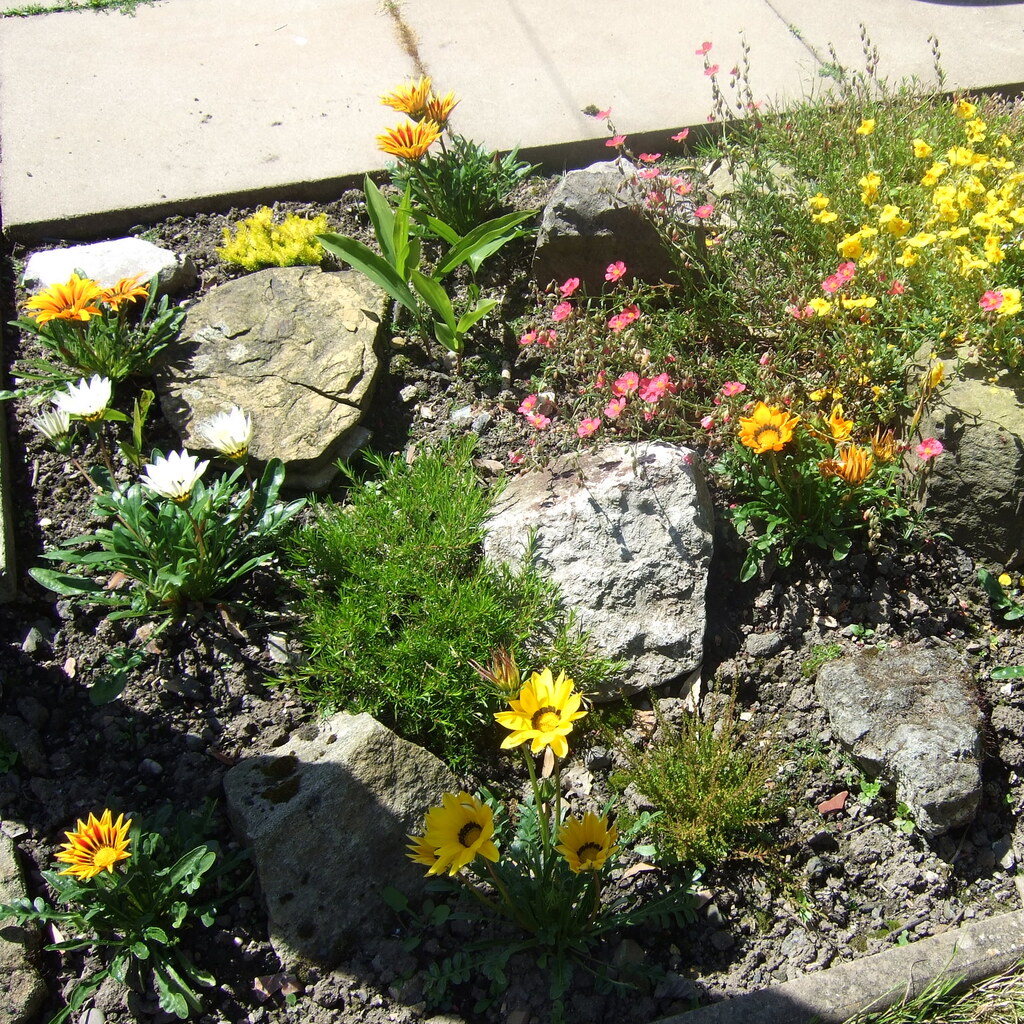
A rockery is a type of garden that has a lot of rocks in it as a feature. Rockeries are often built on a slope in a sunny area. Rockery plants are typically small, sun-loving drought tolerant plants like thyme and gazanias.

R is for Ruler

A ruler is a thin, hard, straight piece of plastic or wood with numbers written on the edges at even spacings. Rulers are used both for drawing straight lines, and for measuring how long things are.

S is for Safety pin

A safety pin is a type of pin that has an extra loop of wire that covers the sharp end of the pin as well as stopping it from slipping out. Safety pins are often used to hold diapers or nappies together, or replace a missing button on your clothes until it is mended.