up to Animals

Mammals

Warm blooded, mostly furry animals.

Subcategories: Canids (6), Felids (16), Feliforms (4), Marsupials (21), Monotremes (2), Primates (11), Rodents (19), Sea mammals (9), Weasels (12)

Showing 121-140 of 154

Ris forReindeer

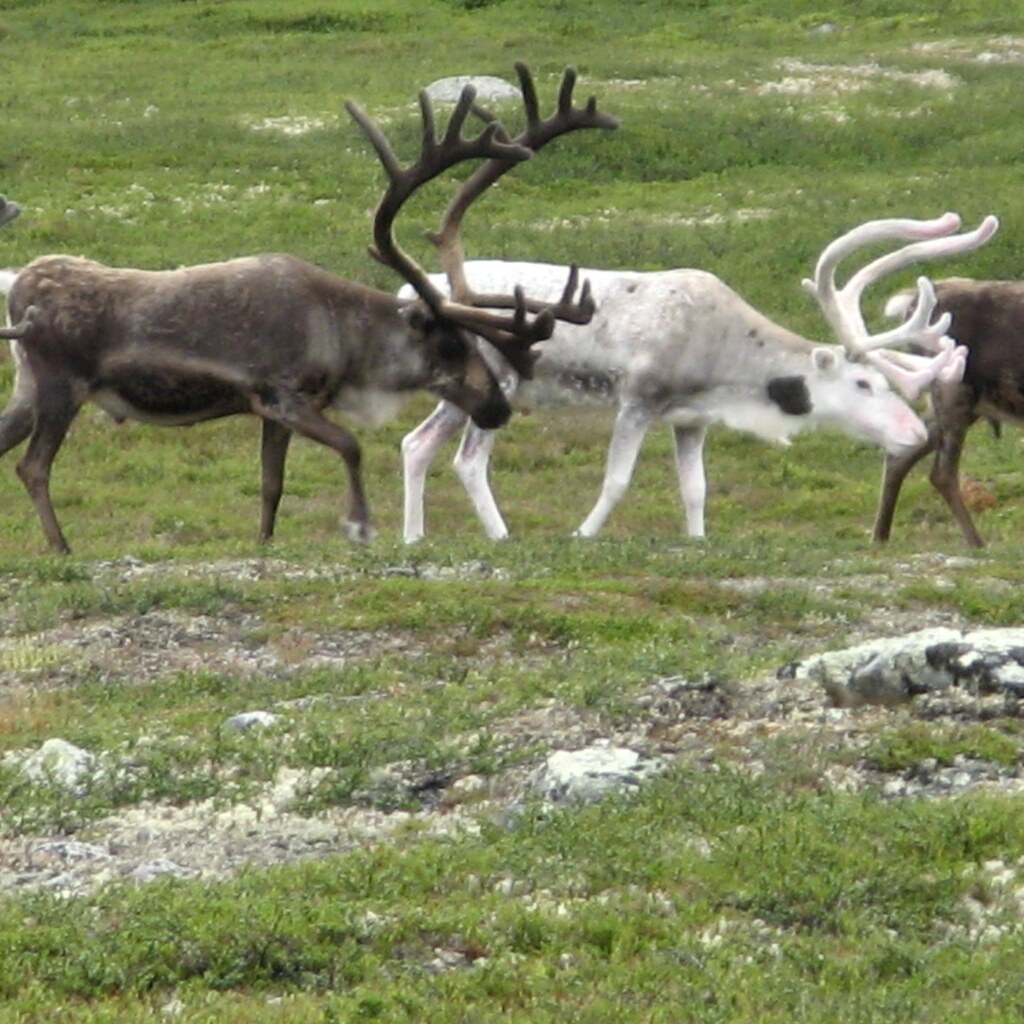
Reindeer, also known as caribou, are a kind of deer that can be used for pulling sleds. Traditionally, Santa Claus' sled is pulled by flying reindeer.
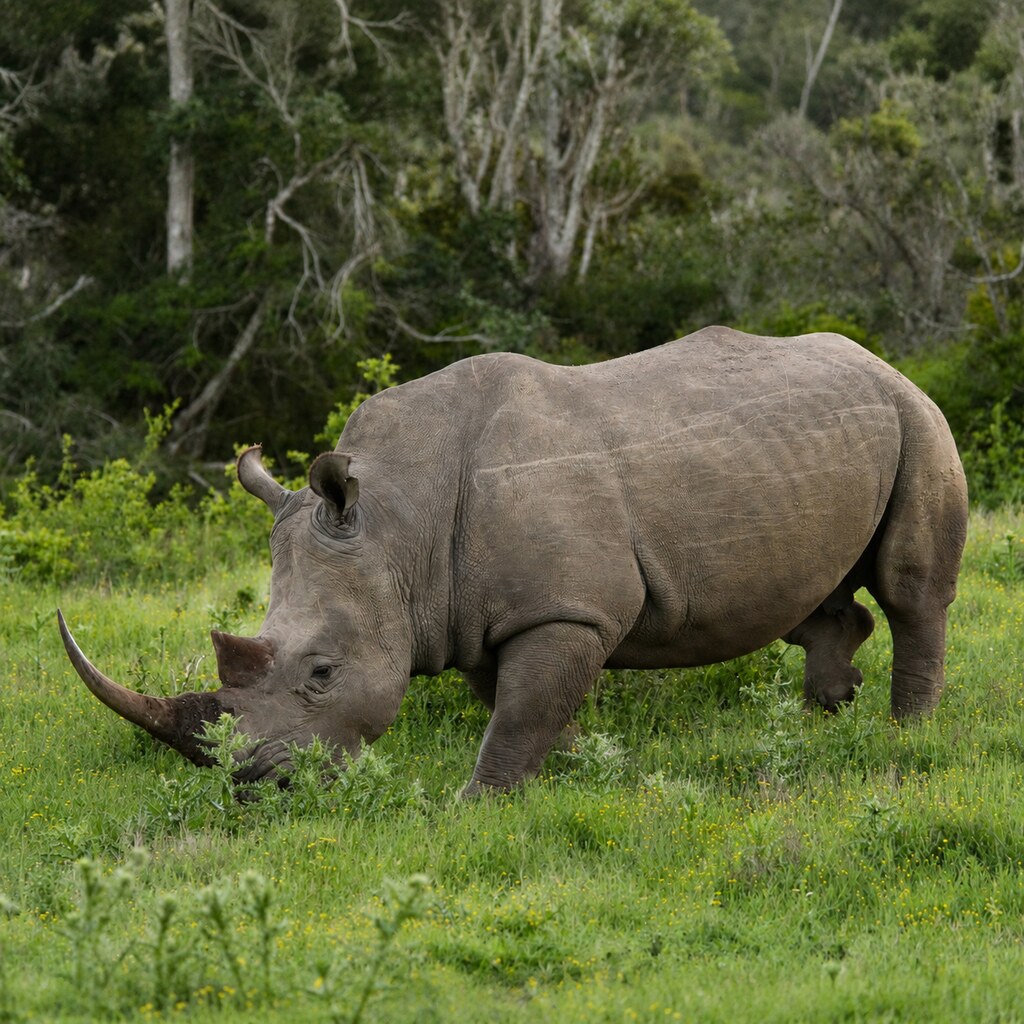
Rhinoceros (or rhino for short) are a very large animal found in Africa, the Middle East and southern Asia. They have one or two horns in the middle of their head. They have very thick skin, and can live to be 50 years old. A male rhino is called a bull, a female rhino is called a cow and a baby rhino is called a calf.
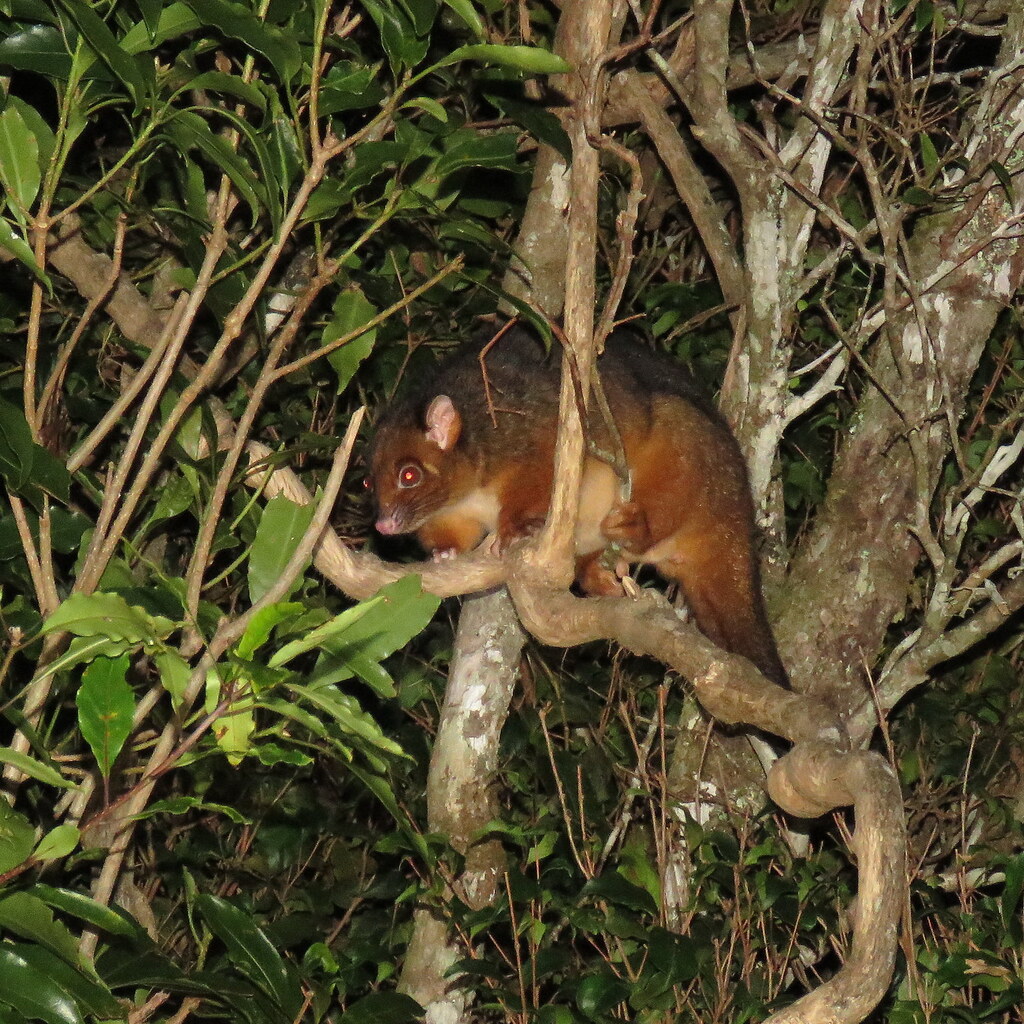
A ringtail possum is a small tree-dwelling marsupial, like an animal with a pouch, found in Australia and New Guinea. It has a long, ringed tail that helps it balance.

It lives in forests and woodlands and often looks for leaves, fruit, and insects. At night, it can move along branches and may use its tail to grip.
Ris forRuminant

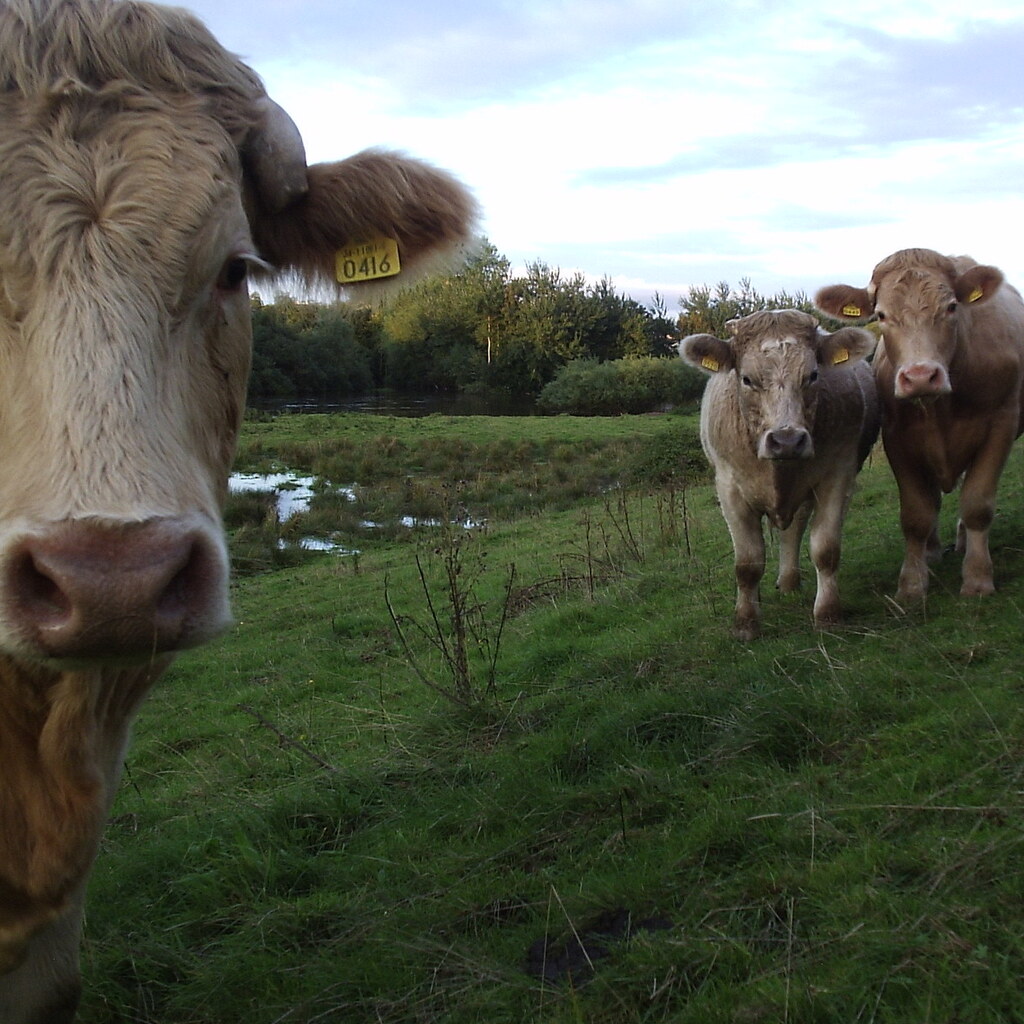
Ruminants are animals that chew their cud. Ruminants include animals like cows both domestic and wild, sheep, goats, giraffes, members of the deer family, camels, alpacas, llamas and members of the antelope family.

Sis forSable

Sables are medium sized animals that are bred and hunted for their fur. They eat berries, small animals, fruit and eggs. They are found in northern Europe.

Sis forSeal

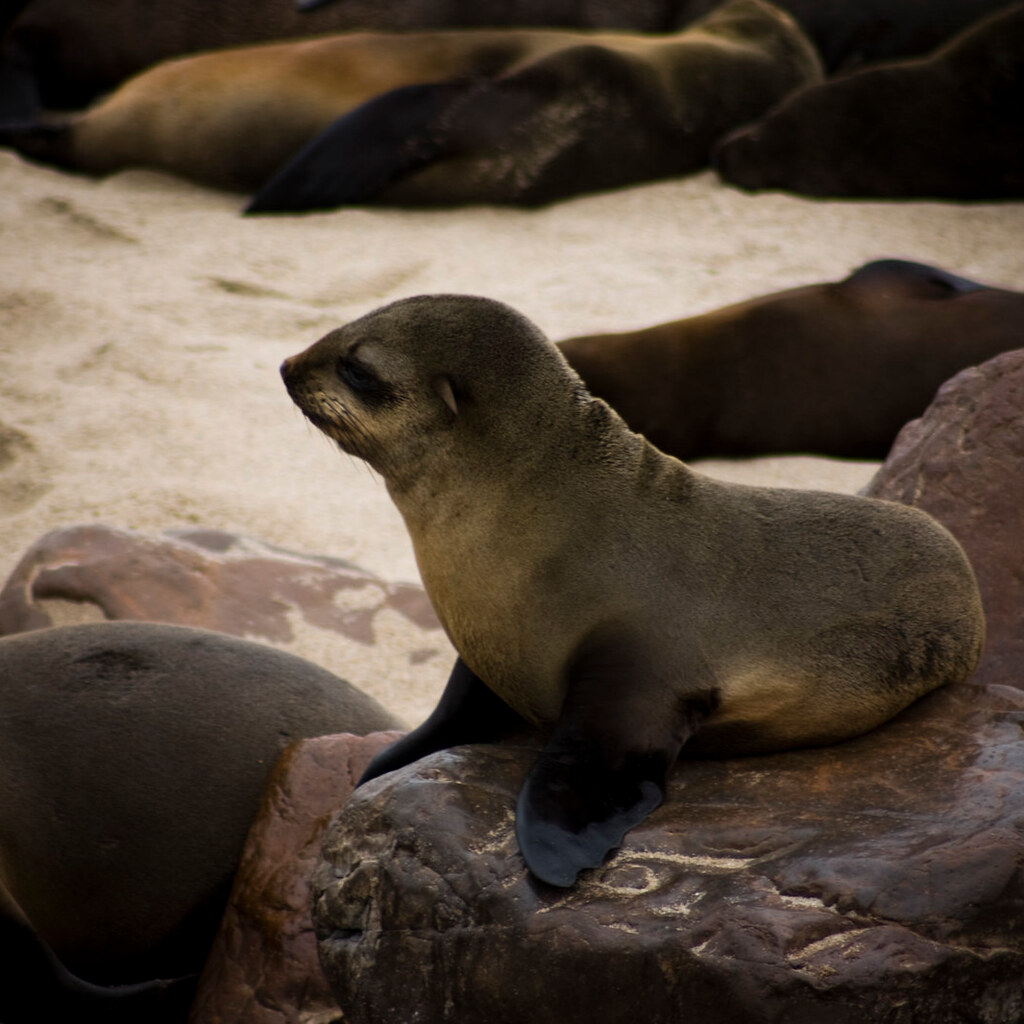
Seals are a large animal that spends most of its time in the sea. Seals eat fish, and come up onto the beach to rest and have baby seals. The closest land relative to the seal is the bear, and their closest relatives in the water are walruses.

Sis forServal

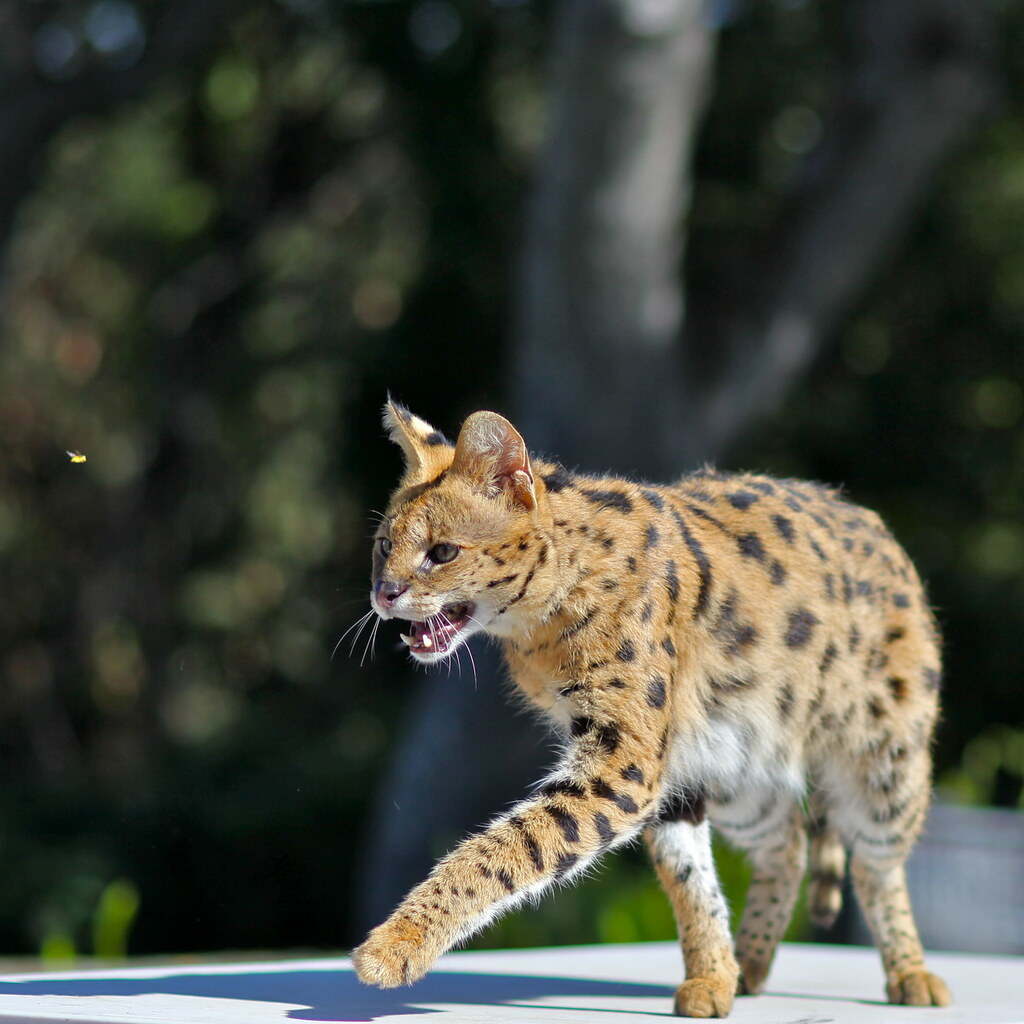
A serval is a medium sized cat closely related to the caracal. Servals are from Africa, and have relatively the longest legs of any cat. They have a fairly short tail. Servals are spotted and look similar in some ways to cheetahs. Cheetahs are thought to have descended from an ancient serval.

Sis forSkunk

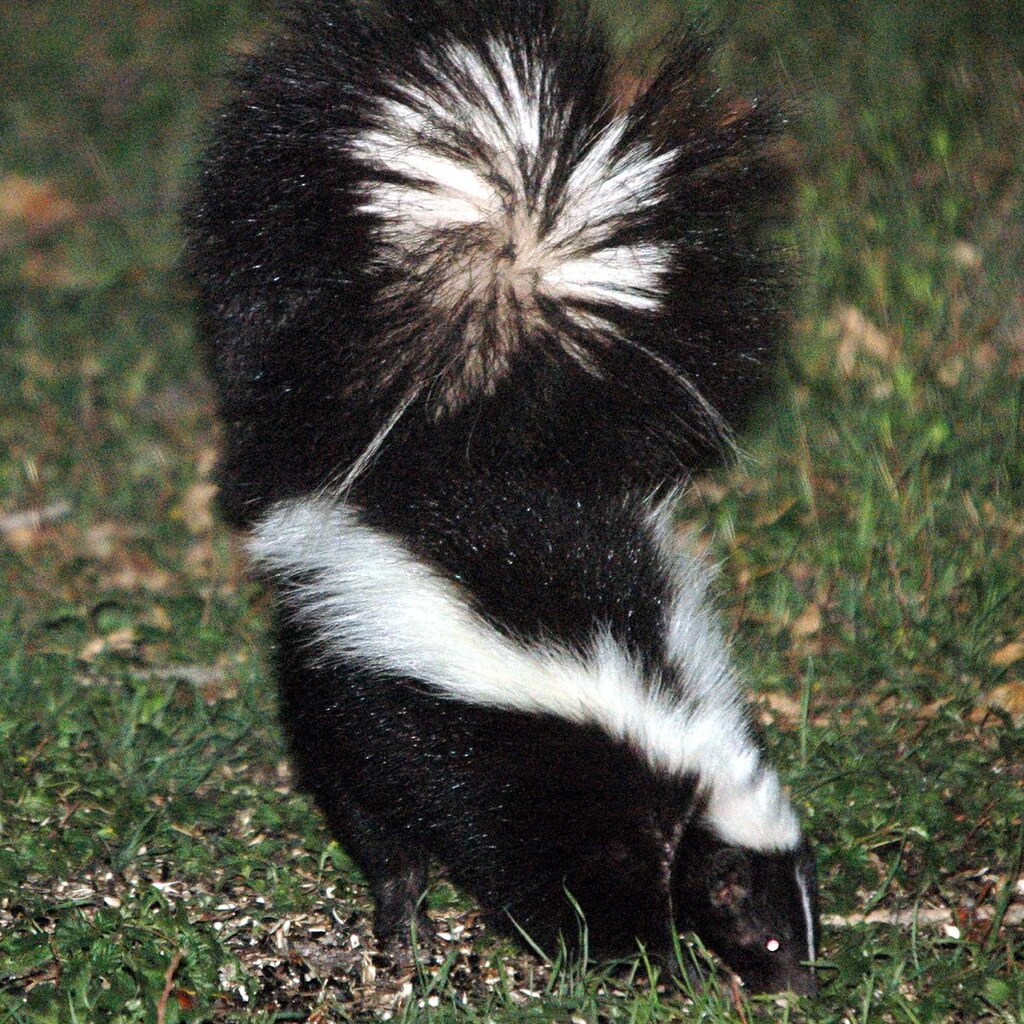
Skunks are medium sized animals best known for their ability to make a really bad smell. They can squirt their stinky substance several feet with great accuracy. The smell is bad enough to scare even a bear away, and a person can smell it from a mile away. The smell is almost impossible to wash out of anything it has touched.
Skunks sleep during the day and night and come out at dawn and dusk to look for food. Skunks eat insects, mice, small lizards, salamanders, frogs, snakes, birds, moles, and eggs. They also eat berries, roots, leaves, grasses, mushrooms, and nuts.
There is some debate about whether skunks are related to weasels or if they are alone in their own family.
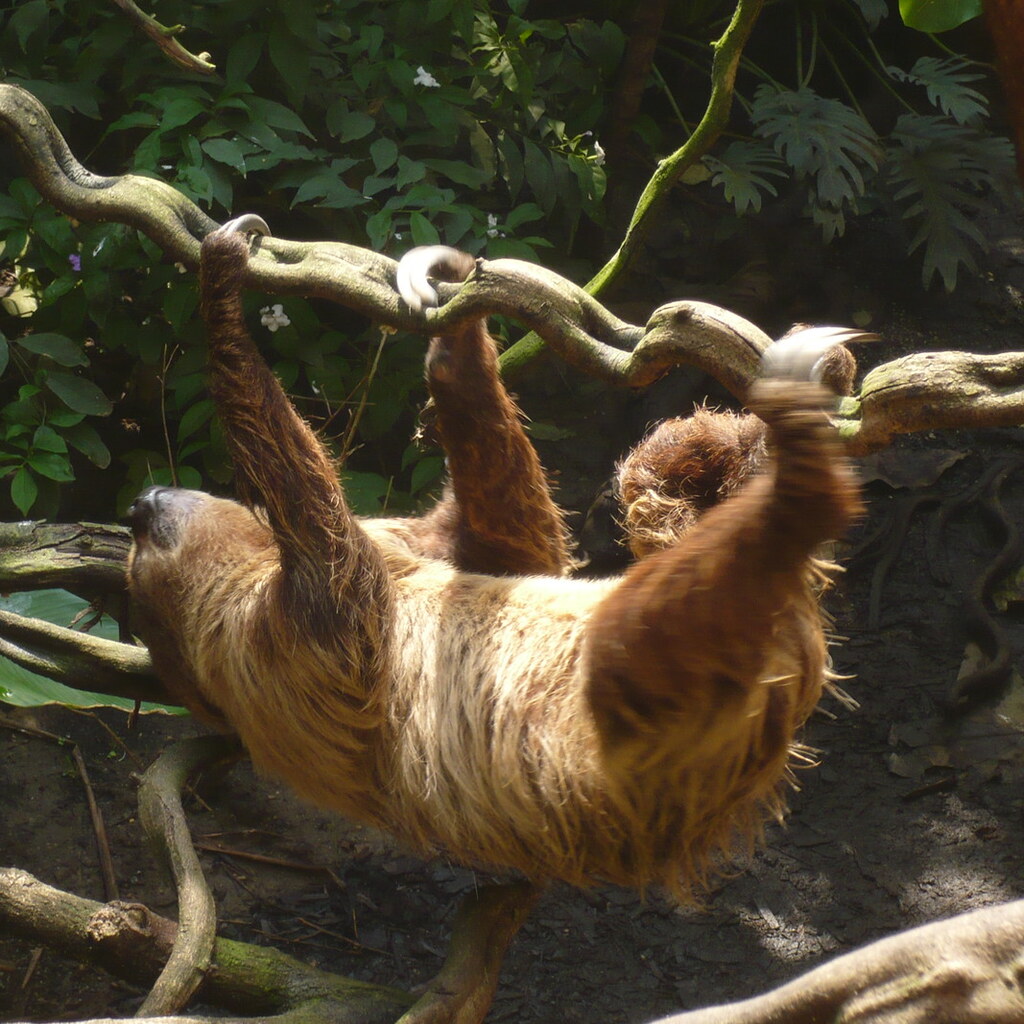
Sloths are a large animal that spends almost all of its time up trees, hanging from branches by its large curved claws. Sloths sleep for around 18 hours a day. They move very slowly - around 1-5 feet per minute.
They are related to armadillos and anteaters.
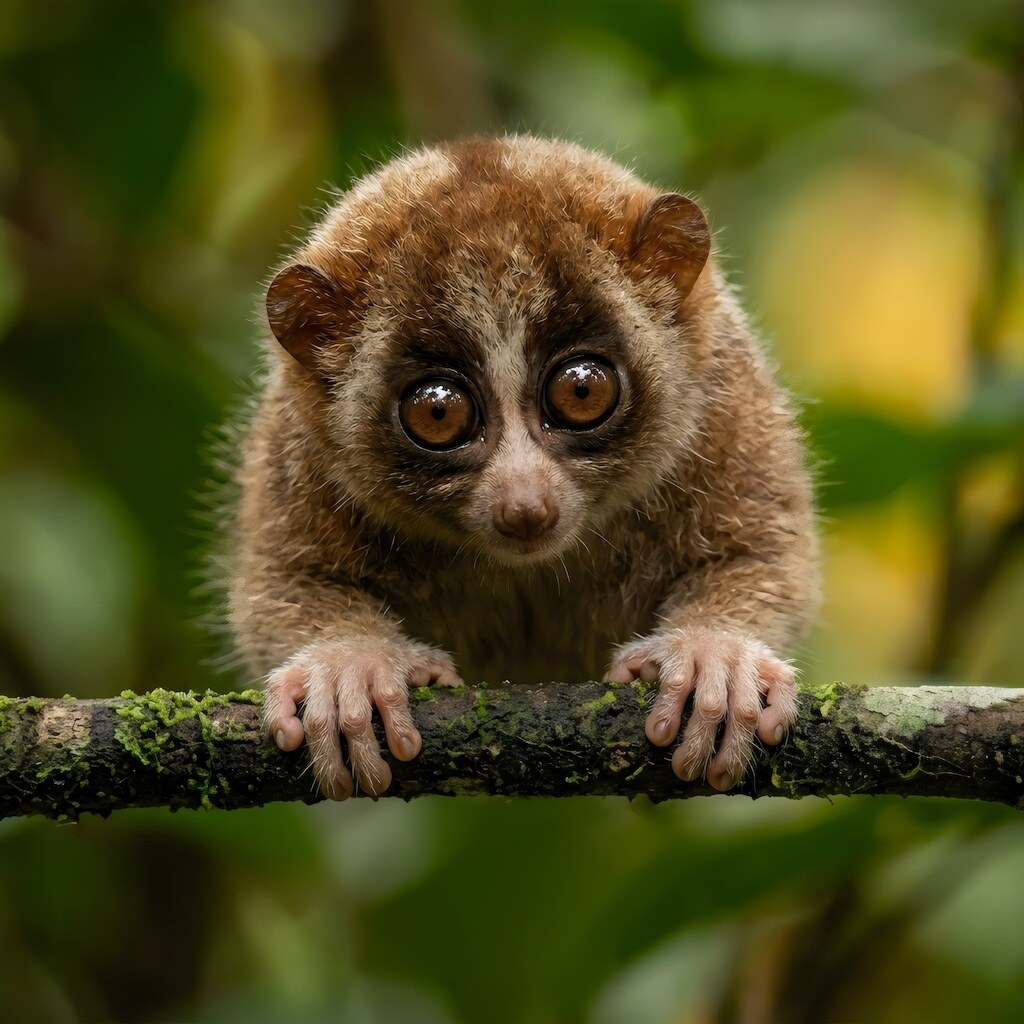
The slow loris are a group of nocturnal primates. They move slowly, and live in forests in parts of Southeast Asia. They are the only primate with a toxic bite.
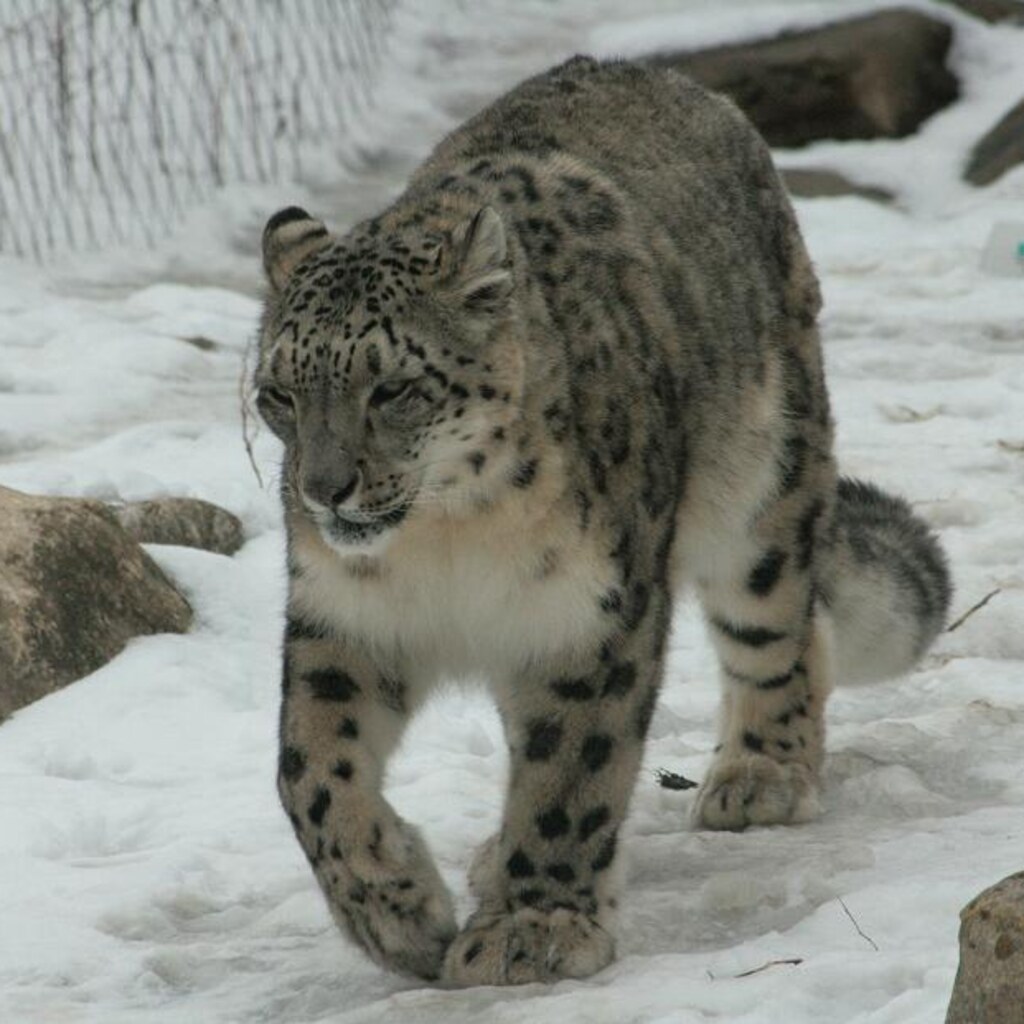
A snow leopard is a kind of cat more closely related to the tiger than the leopard. They live in mountains around the snow line in central and south Asia.

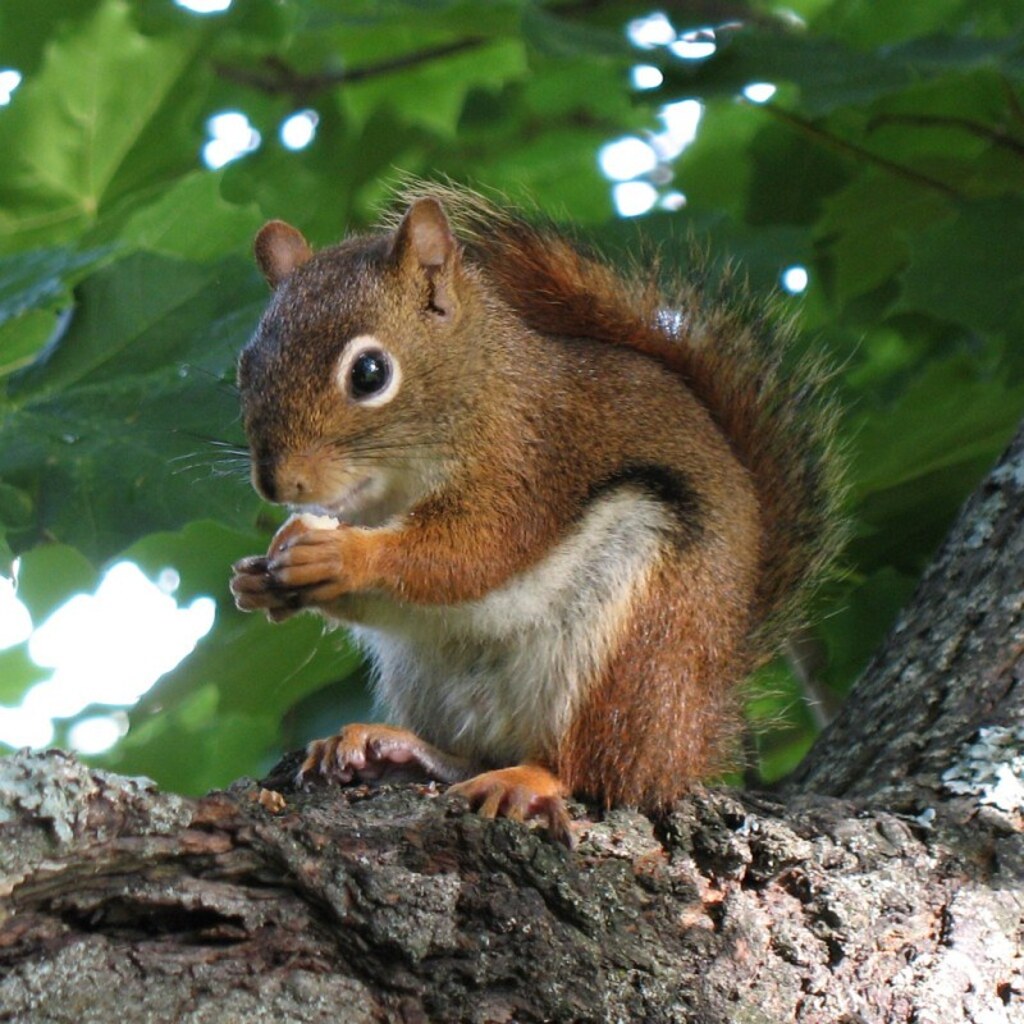
Sis forSquirrel

A squirrel is a medium-sized rodent found in the Americas, Asia and Europe. Squirrels eat nuts, seeds, pine cones, fruit, fungi and young leaves.

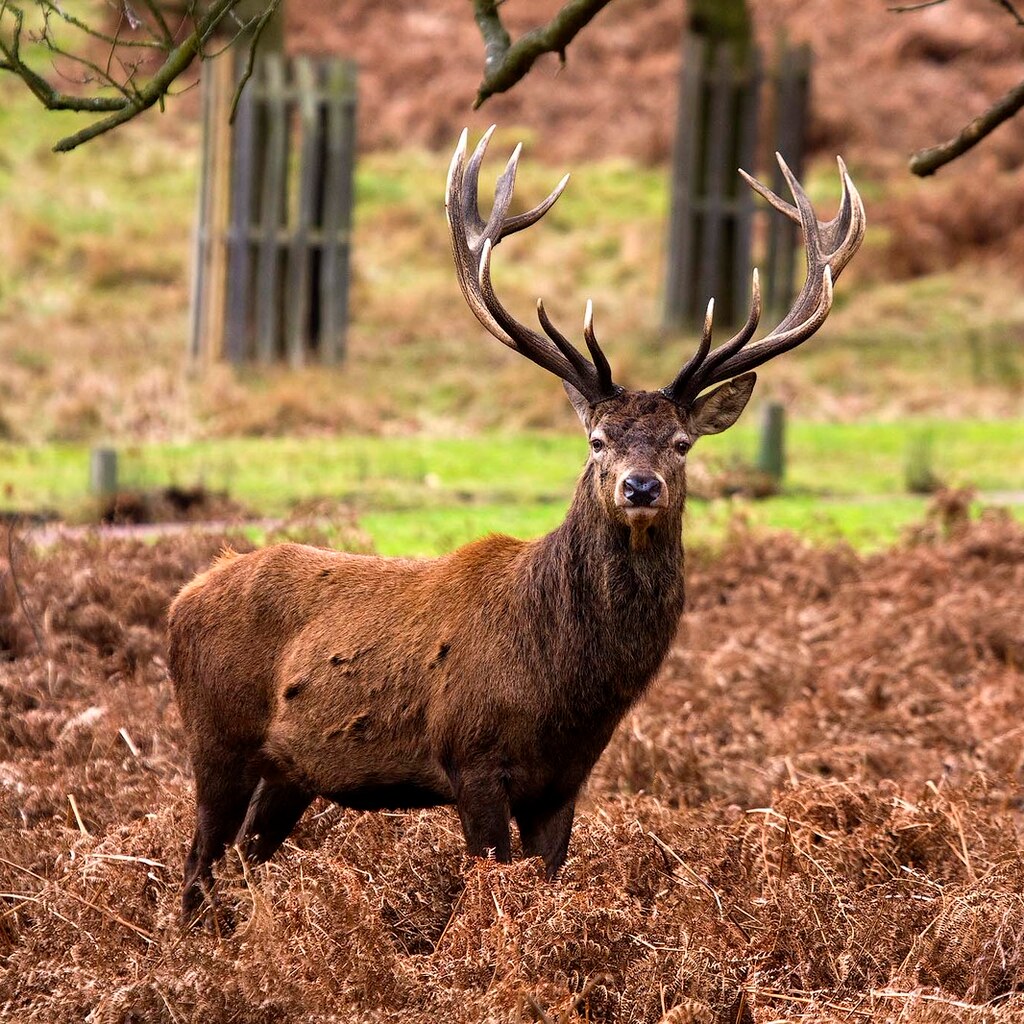
Sis forStag

A stag is a male deer. Stags can grow a very large set of antlers, which they shed each year.

Sis forStoat

A stoat, also called an ermine, is a kind of small weasel. Its coat changes from brown in summer to white in winter in cold areas. Sometimes only a white stoat is called an ermine. Stoats, like other weasels, are quick hunters and eat small animals and insects.
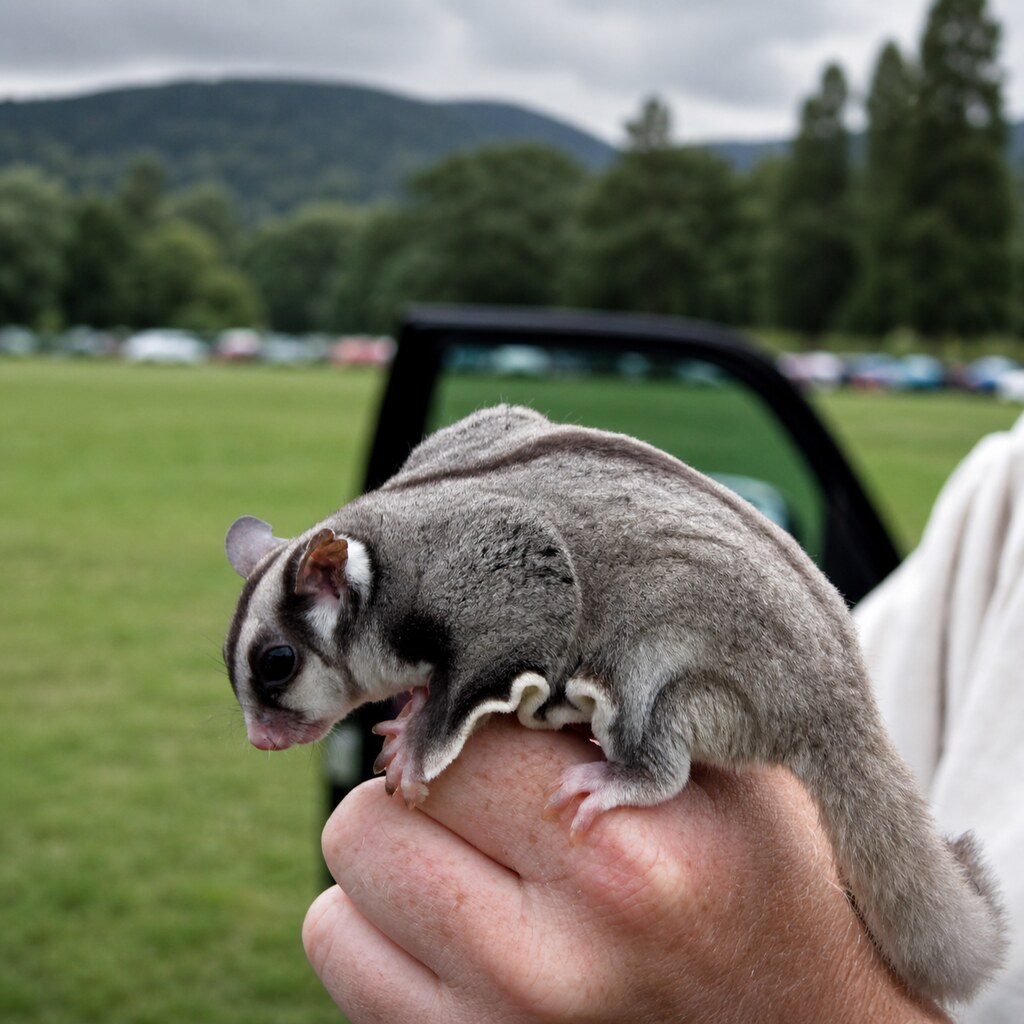
The sugar glider is a small marsupial found in Australia and New Guinea that looks like a tiny possum. Sugar gliders have a flap of skin between their front and back legs on both sides that they can stretch out and use to glide. Sugar gliders can jump out of trees and glide through the air to another tree, like a flying squirrel.
Sugar gliders eat the sweet sap of some trees, and some types of nectar.
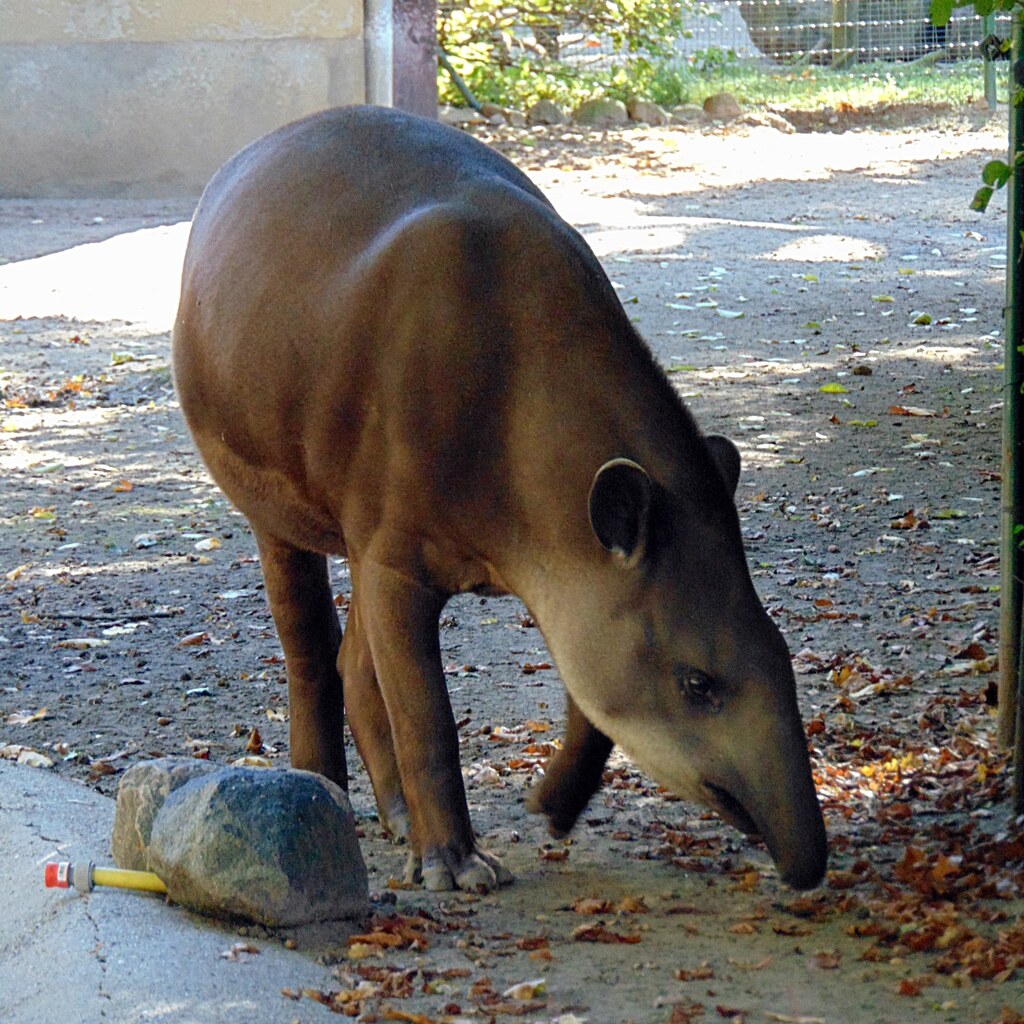
Tis forTapir

A tapir is an animal about the same size and shape as a pig. Tapirs live in jungles and forests in South and Central America and Southeast Asia. Their closest relatives are the rhinoceros and horse. Tapirs have a long, flexible nose that they use for grabbing leaves off trees with.
The Tasmanian devil is a marsupial that lives in Tasmania. Marsupials are animals that keep their babies in a pouch. Tasmanian devils eat other animals, and are very ferocious hunters. They are about the size of a small dog, but have a heavier build.

Tis forTiger

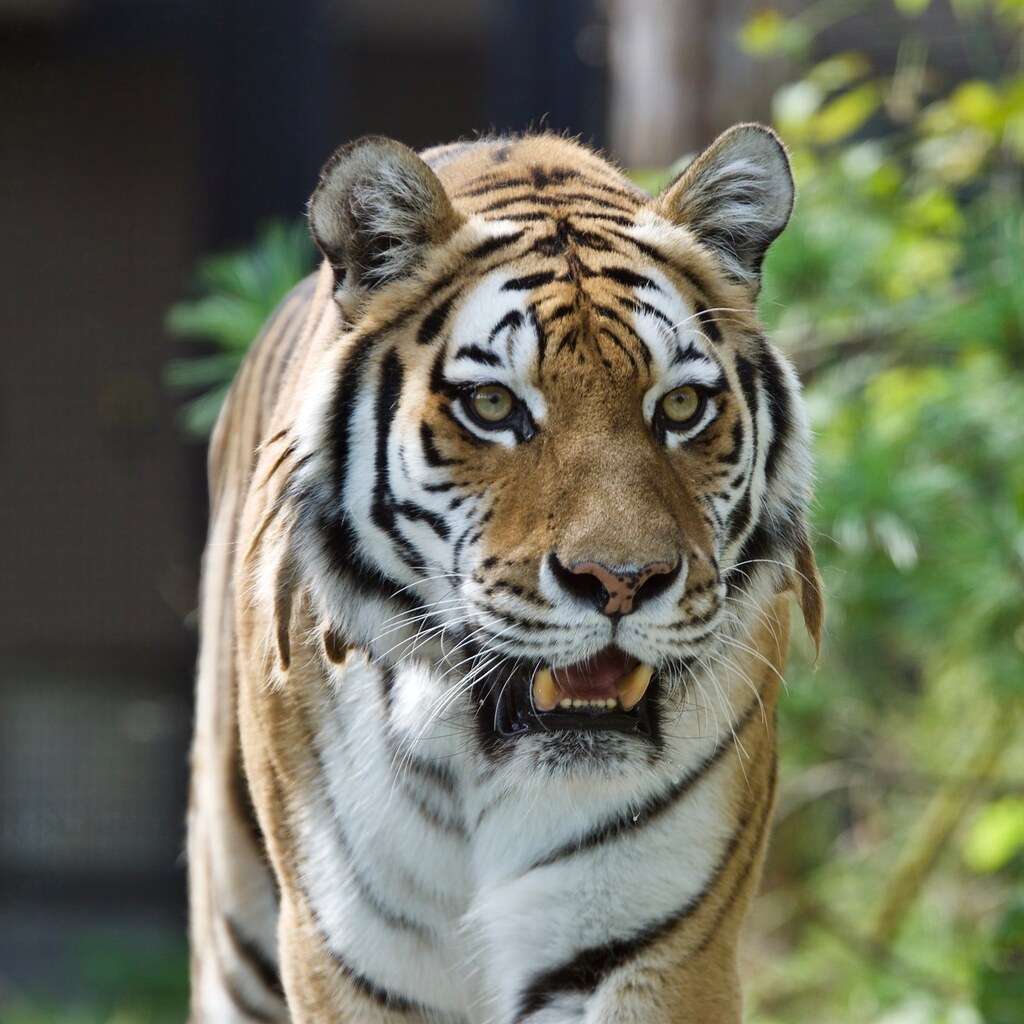
A tiger is the largest wild cat. They live in forests and grasslands, and they hunt animals like deer and buffalo to eat. Tigers can jump up to five metres high. A female tiger is a tigress and a baby tiger is a cub.
Tree kangaroos are very distant relatives of the kangaroo. They have adapted to life in trees, eating leaves, fruit and bark. Tree kangaroos are endangered, and are only found in the rainforests in mountainous areas of far north-eastern Australia, New Guinea and some islands in the same area.

Uis forUnicorn

A unicorn is a mythical creature that resembles a white horse with a horn in the center of its forehead. Unicorns were said to have many powers, such as being able to cure disease and purify water.
It is said that unicorns could only be captured by a virgin.