Showing 101-120 of 155
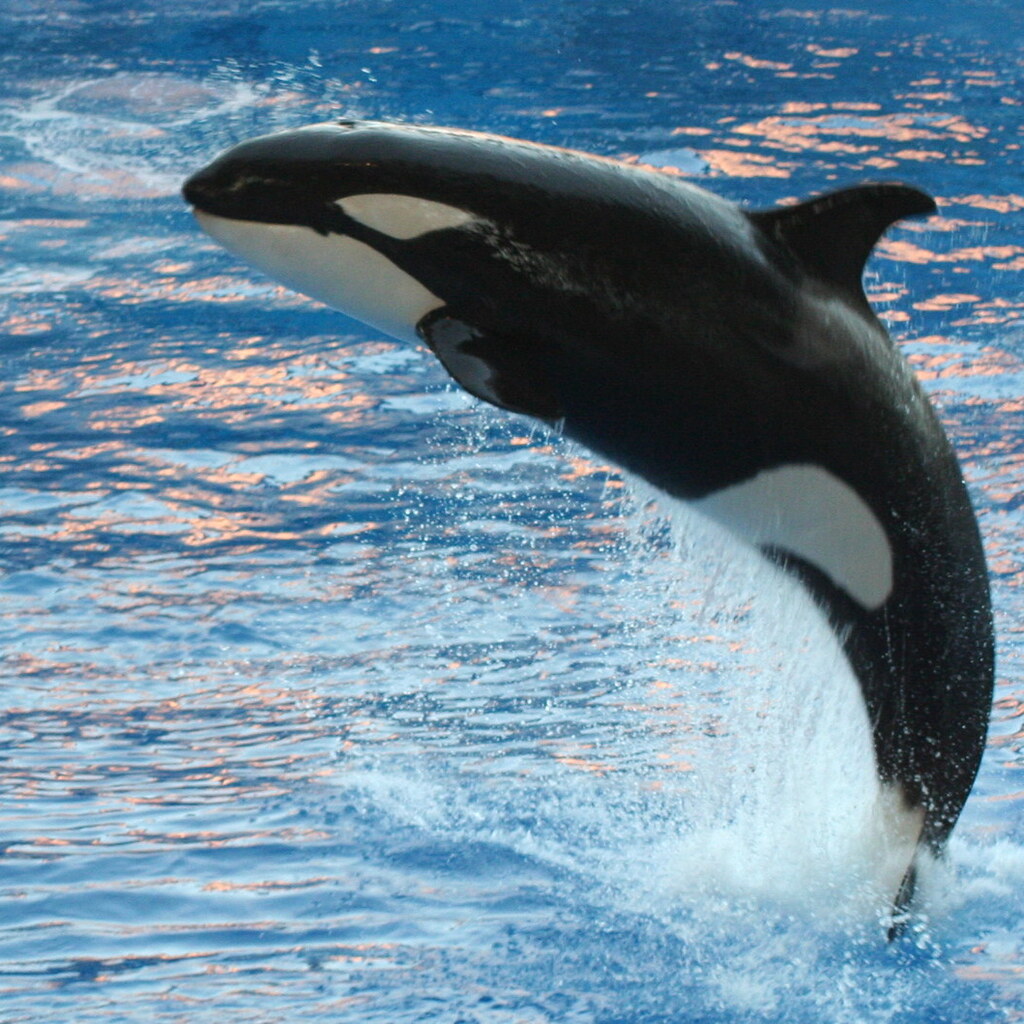
The orca, or killer whale, is the largest member of the dolphin family. They are found in oceans all over the world. Orcas are hunters, and will eat fish, sharks, seals and even whales. They grow to around 6-8 metres long, and can live to be 80 years old, although most males only get to be 30 and females 50. A female orca will have one calf every 5 years.
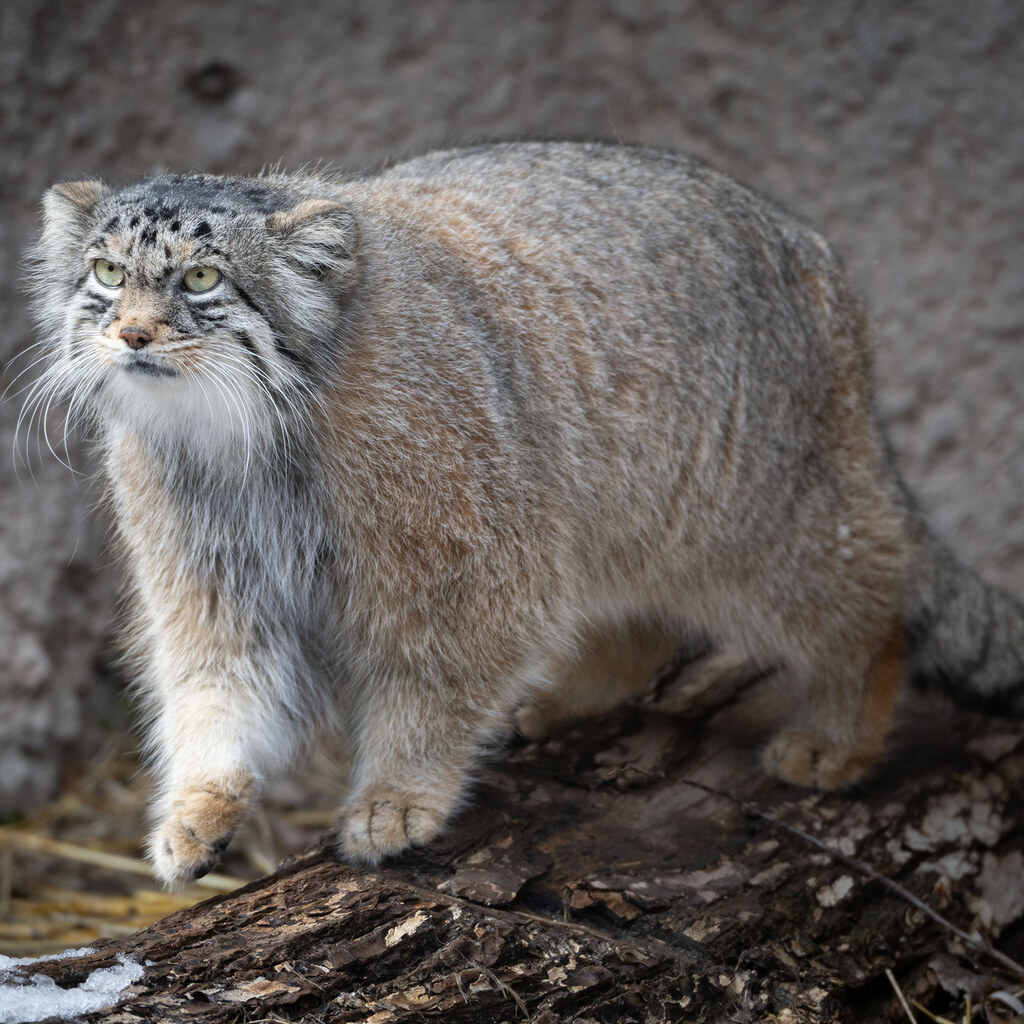
P is for Pallas's cat
Pallas's cats have thick fur and a flat face, which help them survive in harsh weather.
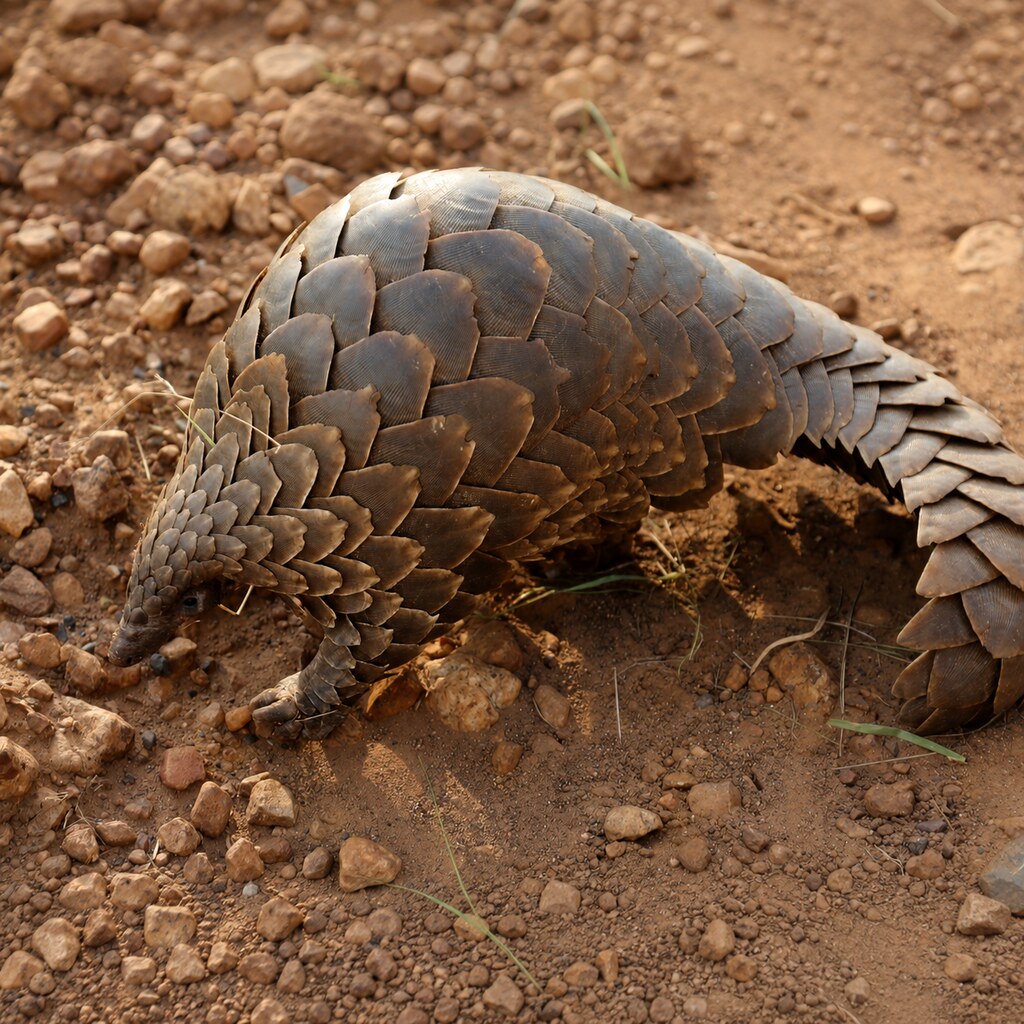
The pangolin is a mammal covered in overlapping scales made of keratin, which is the same material as hair and nails. It lives in parts of Africa and Asia. When it feels threatened, it can curl up into a tight ball to protect itself. Pangolins feed mainly on ants and termites using a long, sticky tongue.
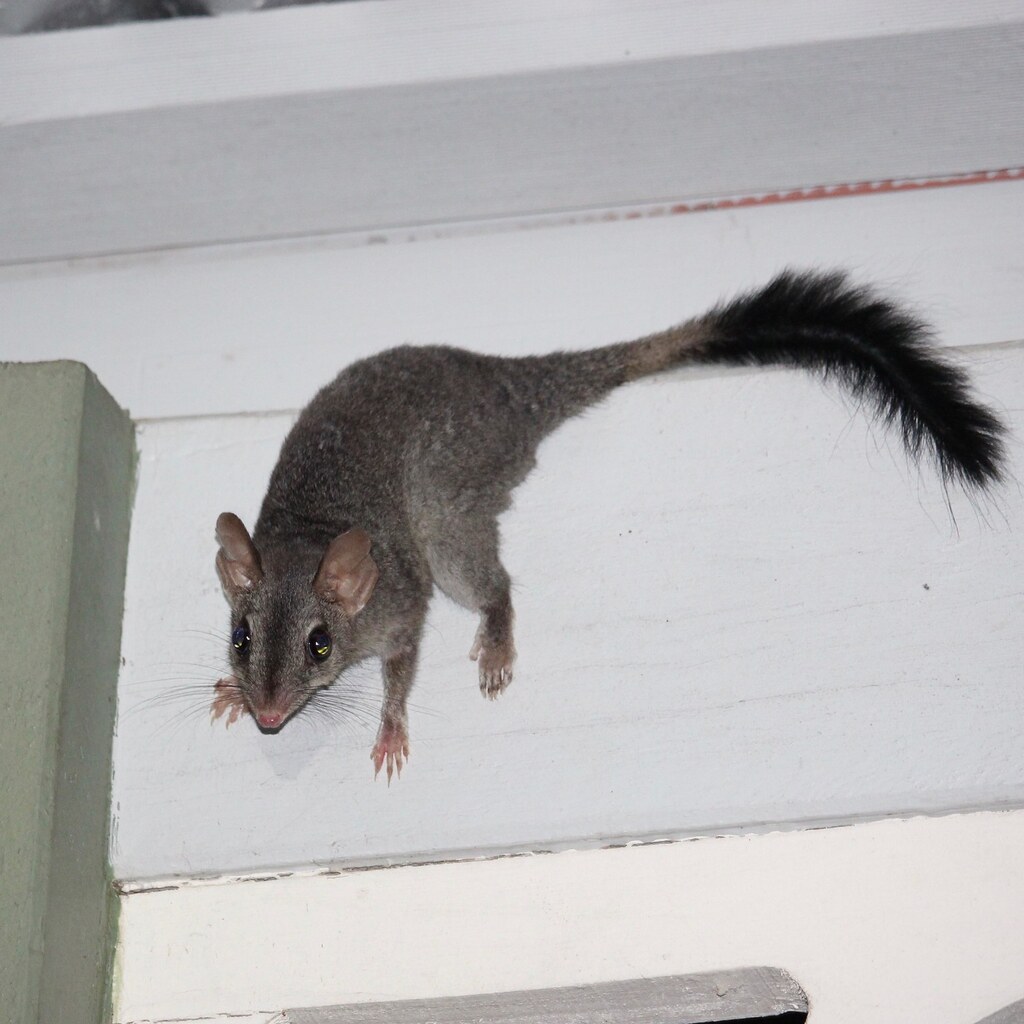
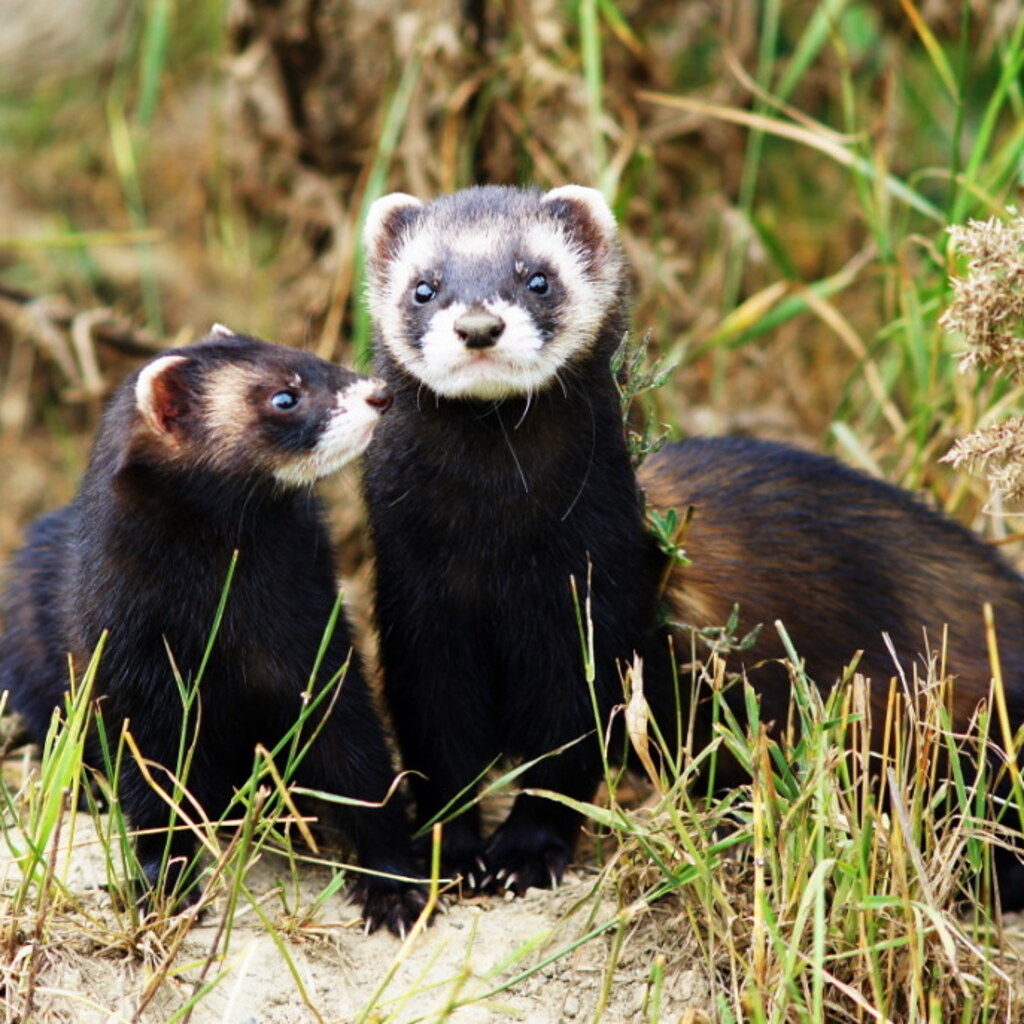
P is for Phascogale
It hunts at night, using its sharp teeth and claws to catch insects and small animals. It sleeps during the day.
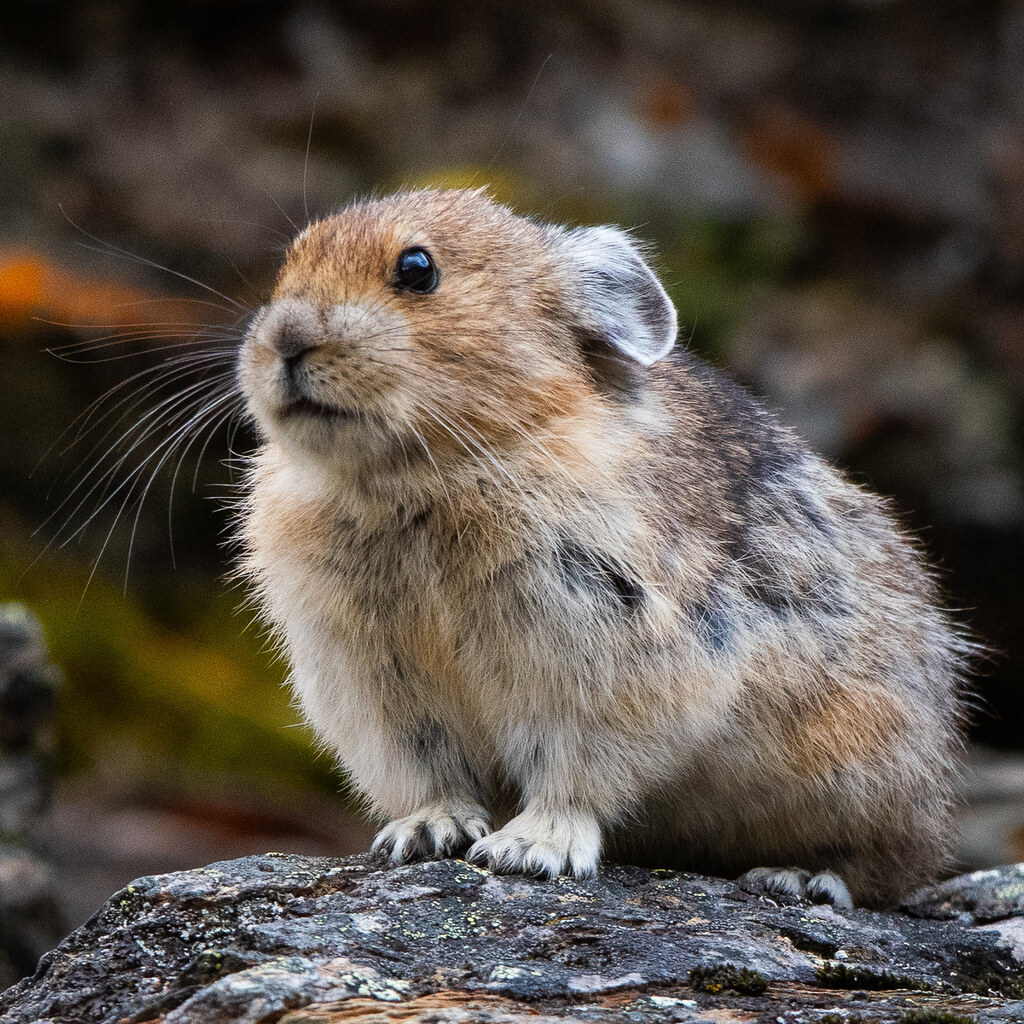
A pika is a small, furry animal with short ears and a rounded body, often colored brown or gray. It lives in rocky mountain areas. Pikas dry and store plants as "hay" for winter. They look like rodents, but are more closely related to rabbits and hares.
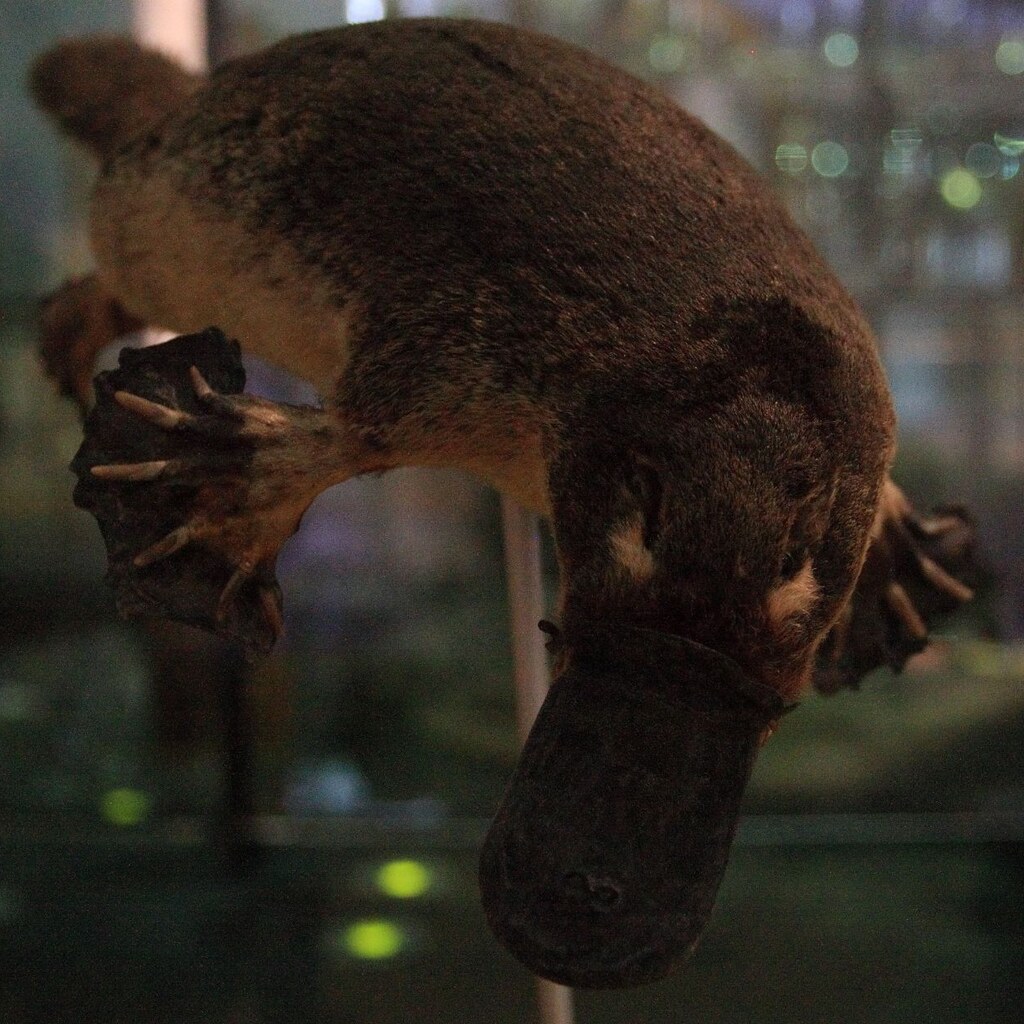
The platypus is a very unusual animal found only in Australia. It lays eggs, but it is not a bird. Platypus and echidnas are the only two animals that lay eggs. The male platypus can inject you with venom from a spur on its hind leg, but it is not related to the snake.
Platypus are found in waterways, and are very good swimmers. They grow to about half a metre long, and are dark brown with a rubbery snout, very much like a duck's beak.
Platypus are found in waterways, and are very good swimmers. They grow to about half a metre long, and are dark brown with a rubbery snout, very much like a duck's beak.
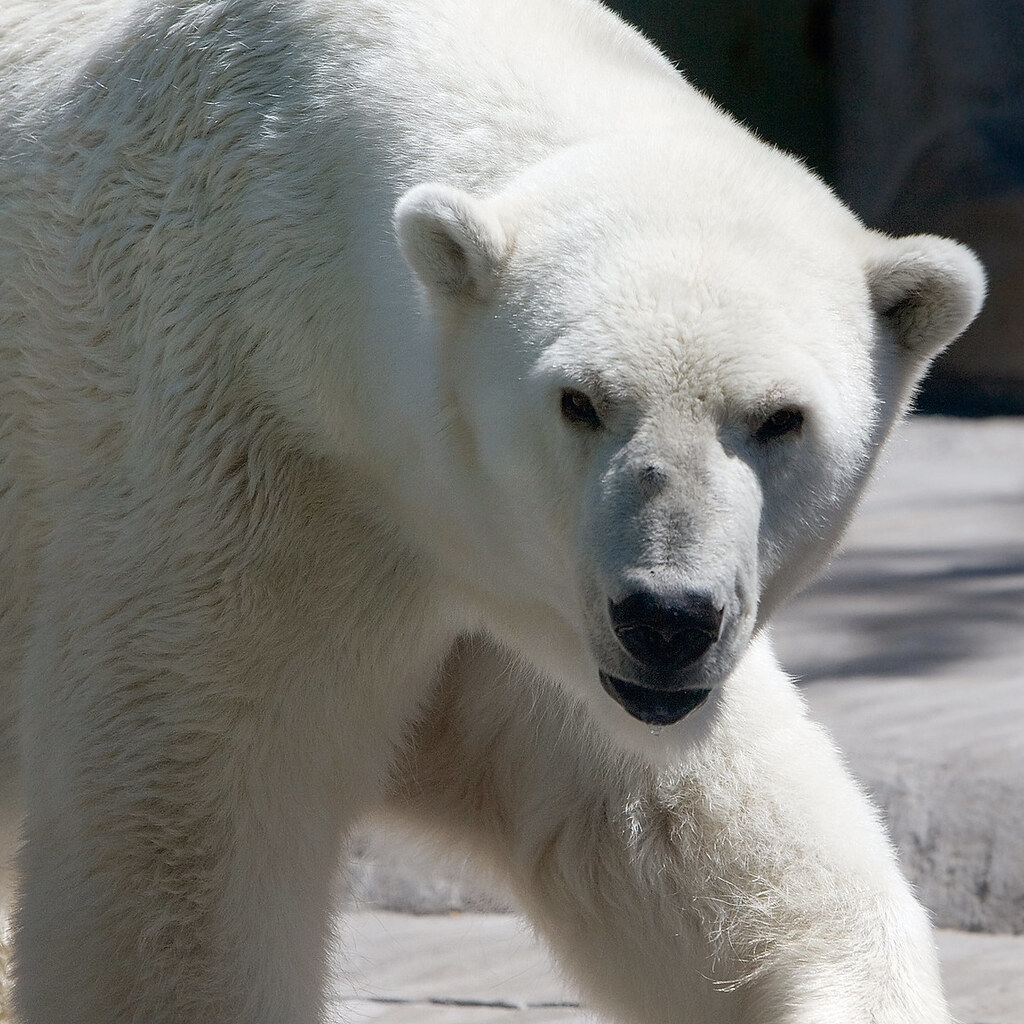
P is for Polar bear
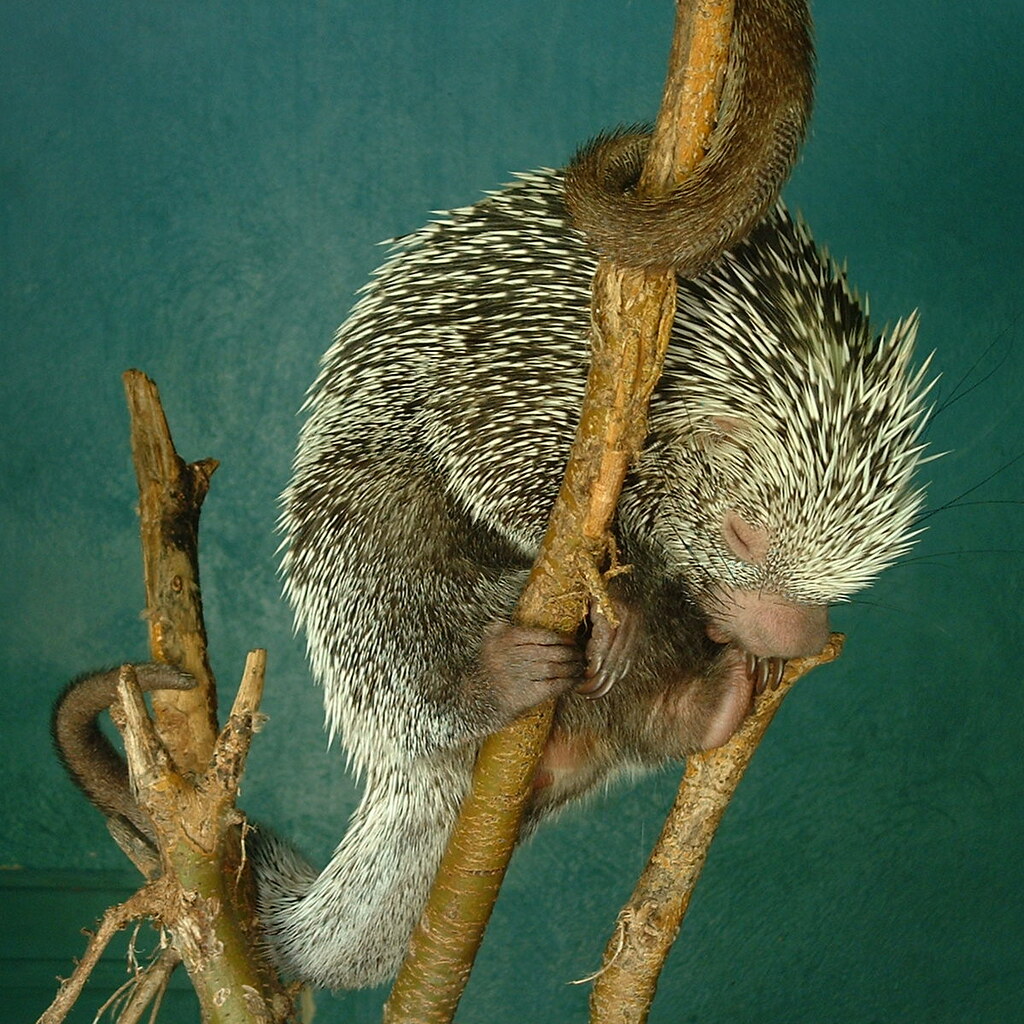
Porcupines are a large rodent related to the beaver. They are spiny like hedgehogs and echidnas but are not related to either of them.
Porcupines come in many shapes and sizes, but all have sharp quills. Porcupines can lose their quills, so if something bites a porcupine they get a mouthful of spikes.
Porcupines come in many shapes and sizes, but all have sharp quills. Porcupines can lose their quills, so if something bites a porcupine they get a mouthful of spikes.

Possums are fairly small creatures that live in trees in Australia, New Guinea, and Sulawesi. Possums usually sleep during the day and come out at night. Possums eat leaves, flowers and sometimes insects, eggs and meat.
The possums in the photo are trichosurus vulpecula, the common brush-tailed possum.
The possums in the photo are trichosurus vulpecula, the common brush-tailed possum.
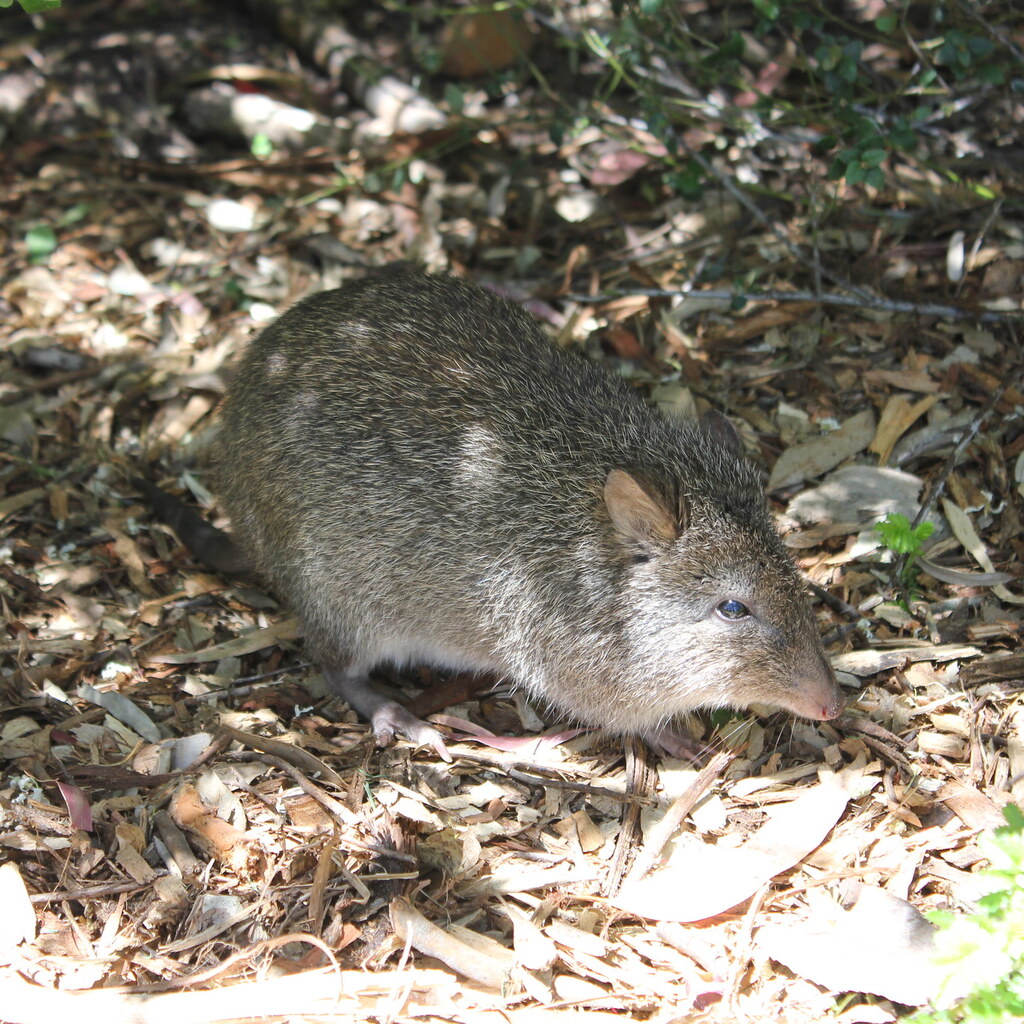
A potoroo is a small, plant-eating marsupial found in Australia. It looks like a rodent with a long nose and has strong back legs for jumping.
Potoroos use their nose to dig for roots, bulbs, and other plants.
Potoroos use their nose to dig for roots, bulbs, and other plants.
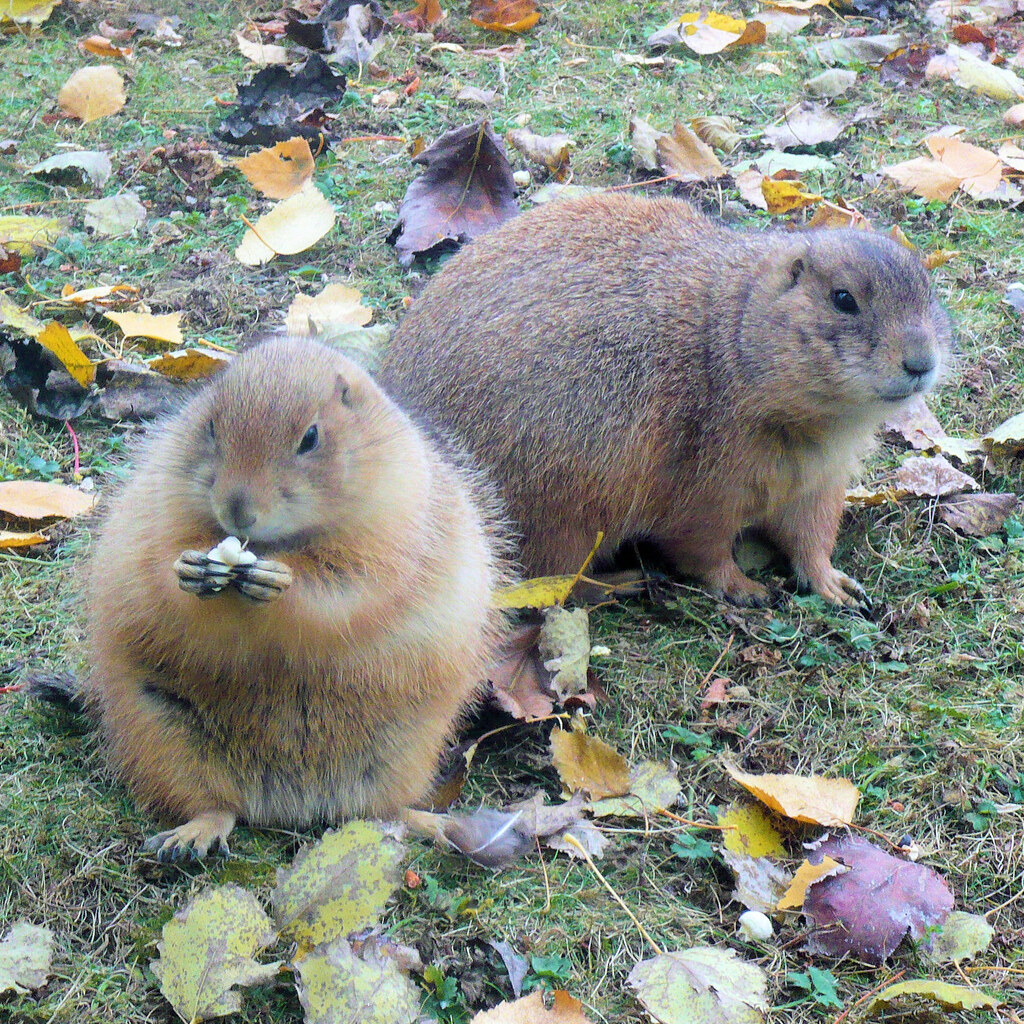
P is for Prairie dog
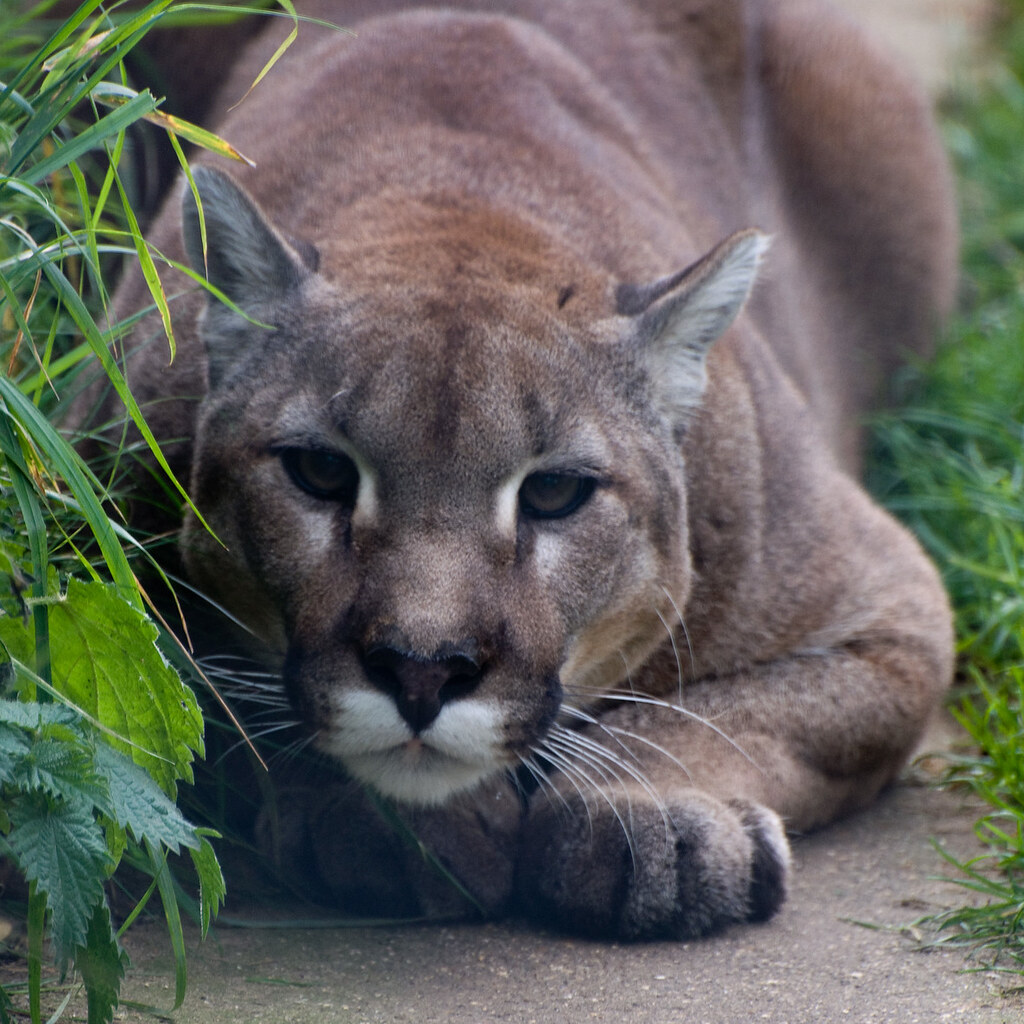
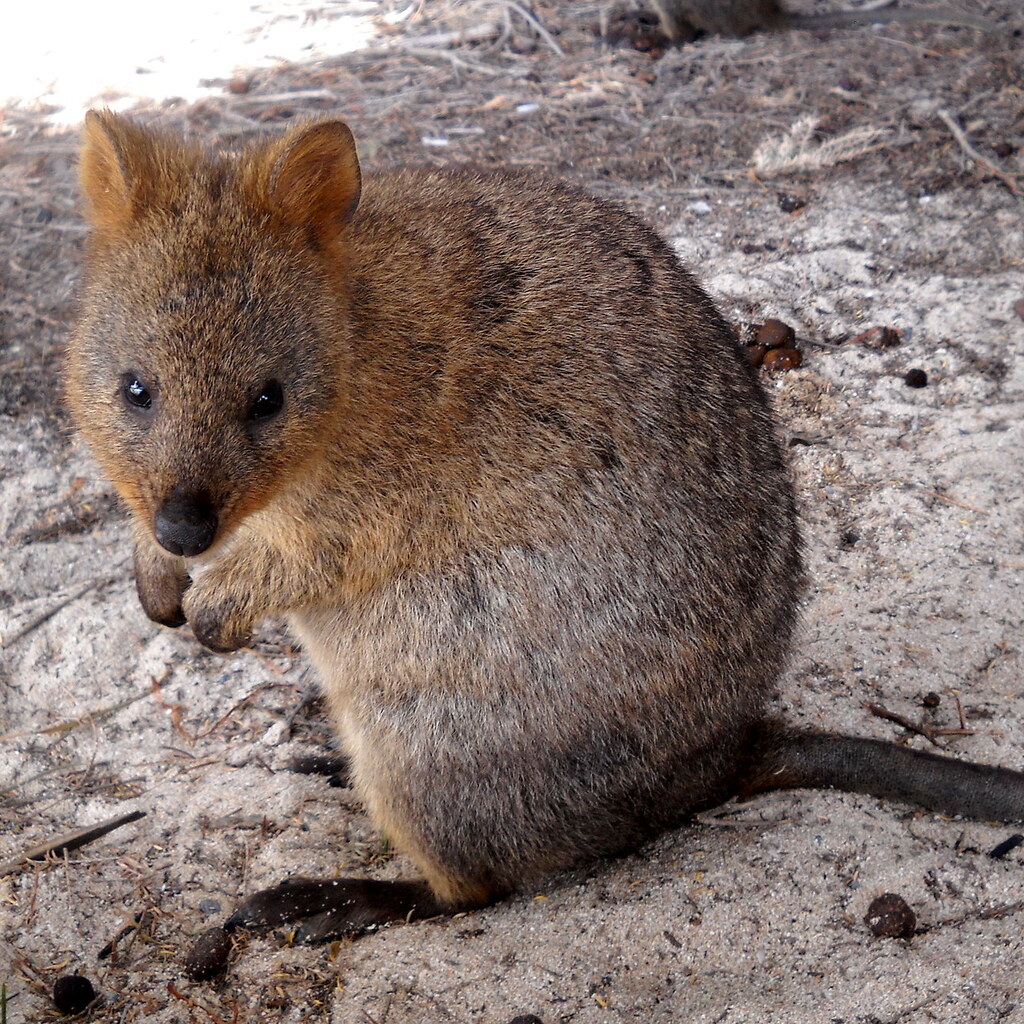
Imagine a tiny kangaroo, about the size of a cat, that always looks like it's smiling for a selfie! That's a quokka.
They live on a few islands in Australia, mostly one called Rottnest Island. Because they don't have many natural predators there, they aren't very scared of people and are famous for being super friendly.
They live on a few islands in Australia, mostly one called Rottnest Island. Because they don't have many natural predators there, they aren't very scared of people and are famous for being super friendly.
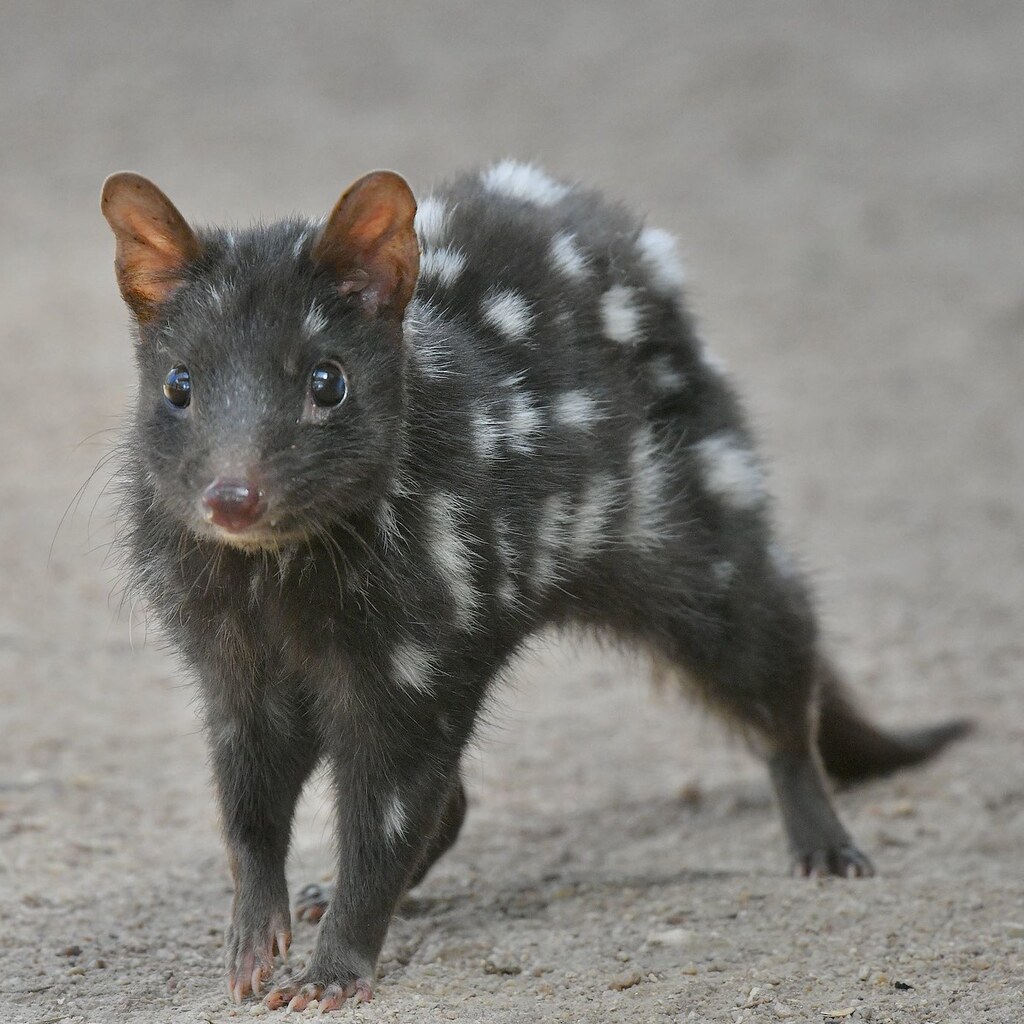
Quolls are carniverous marsupials found in Australia and Papua New Guinea. Like all marsupials, they have a pouch where their young stay. A quoll's pouch faces backwards.