Showing 1-20 of 47
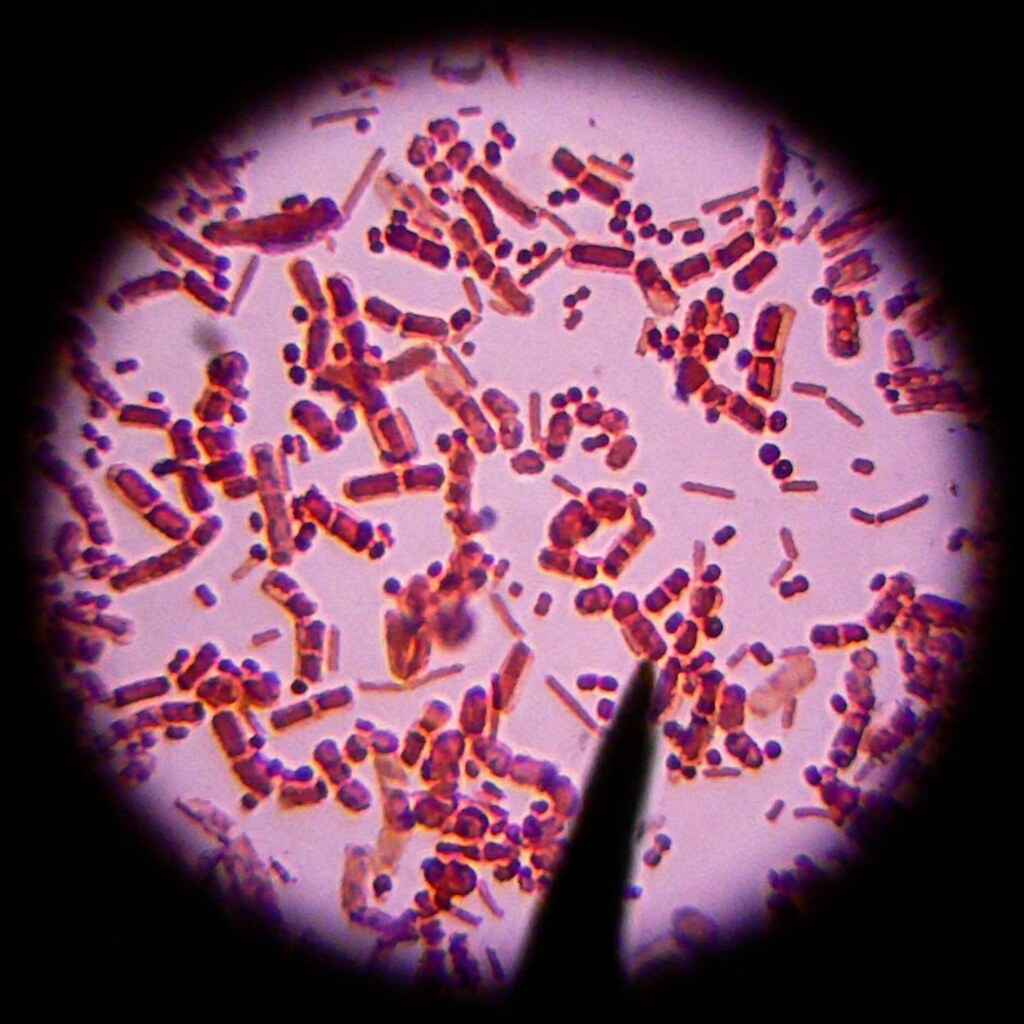
Bacteria are organisms that have only one cell. In contrast, humans are made up of millions of cells. Bacteria are so small they cannot be seen, but if enough of them are in the same place you will be able to see them.
Most bacteria are harmless or even beneficial, but some can cause food poisoning, infection and disease.
Most bacteria are harmless or even beneficial, but some can cause food poisoning, infection and disease.

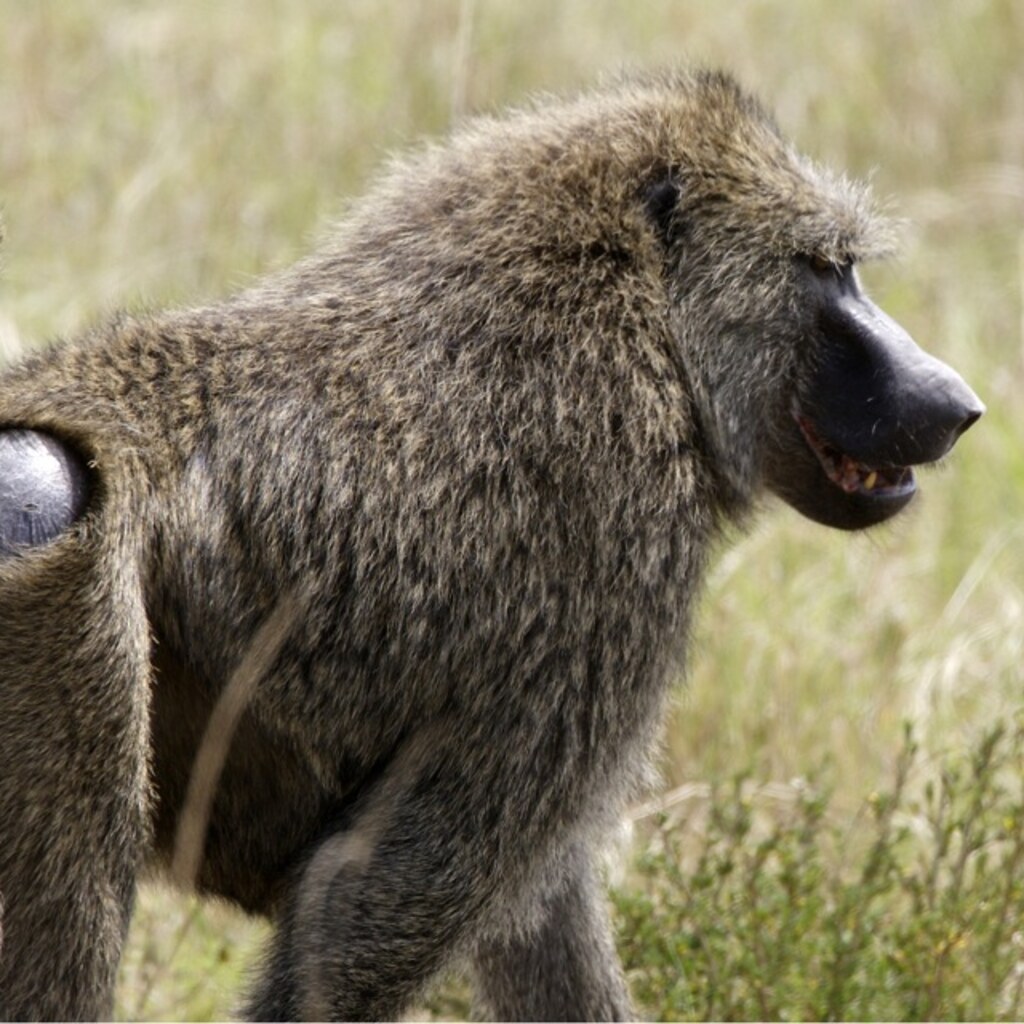
B is for Bactrian camel
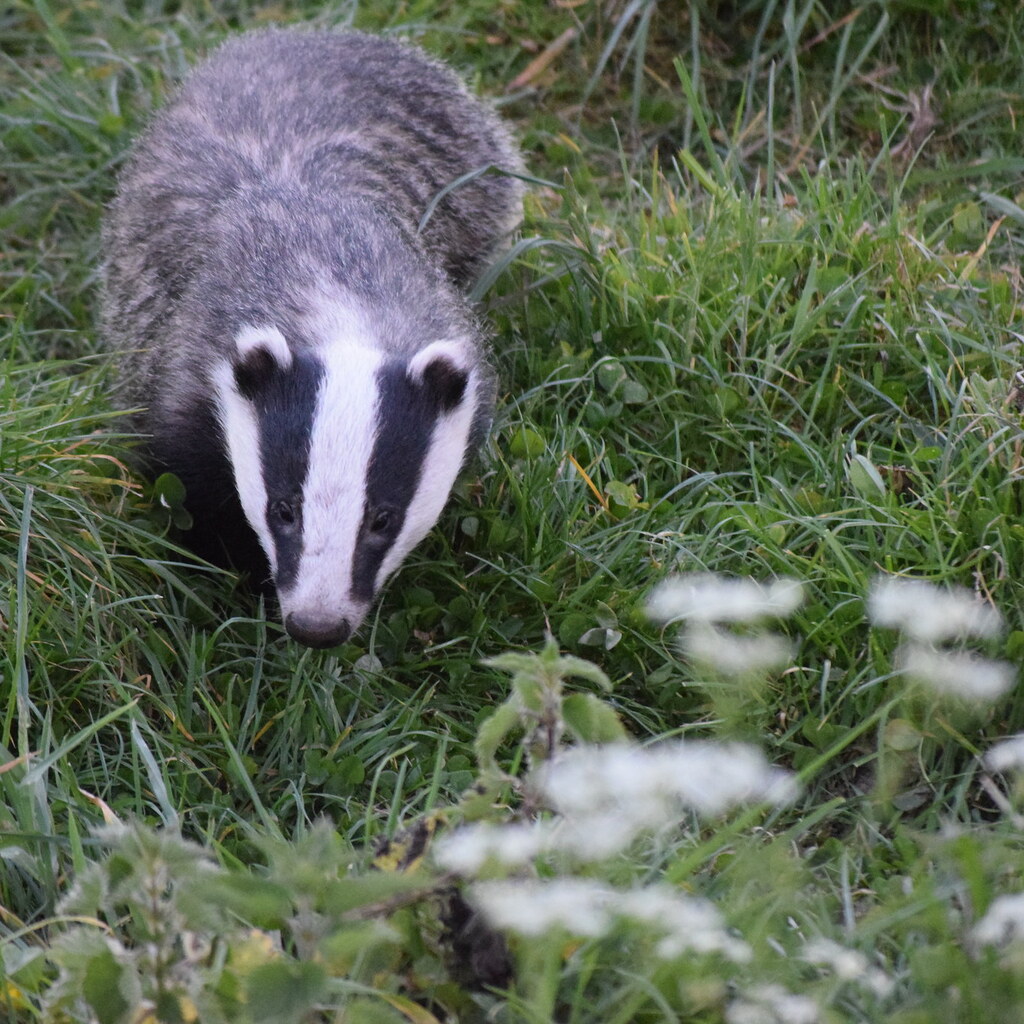
Badgers are related to weasels, otters, wolverines and ferrets. They eat small animals and sometimes insects. Badgers come from Europe. They are excellent diggers, and make themselves burrows called setts.
A male badger is a boar, a female badger is a sow and a baby badger is a cub. The collective name for a group of badgers is a cete.
A male badger is a boar, a female badger is a sow and a baby badger is a cub. The collective name for a group of badgers is a cete.
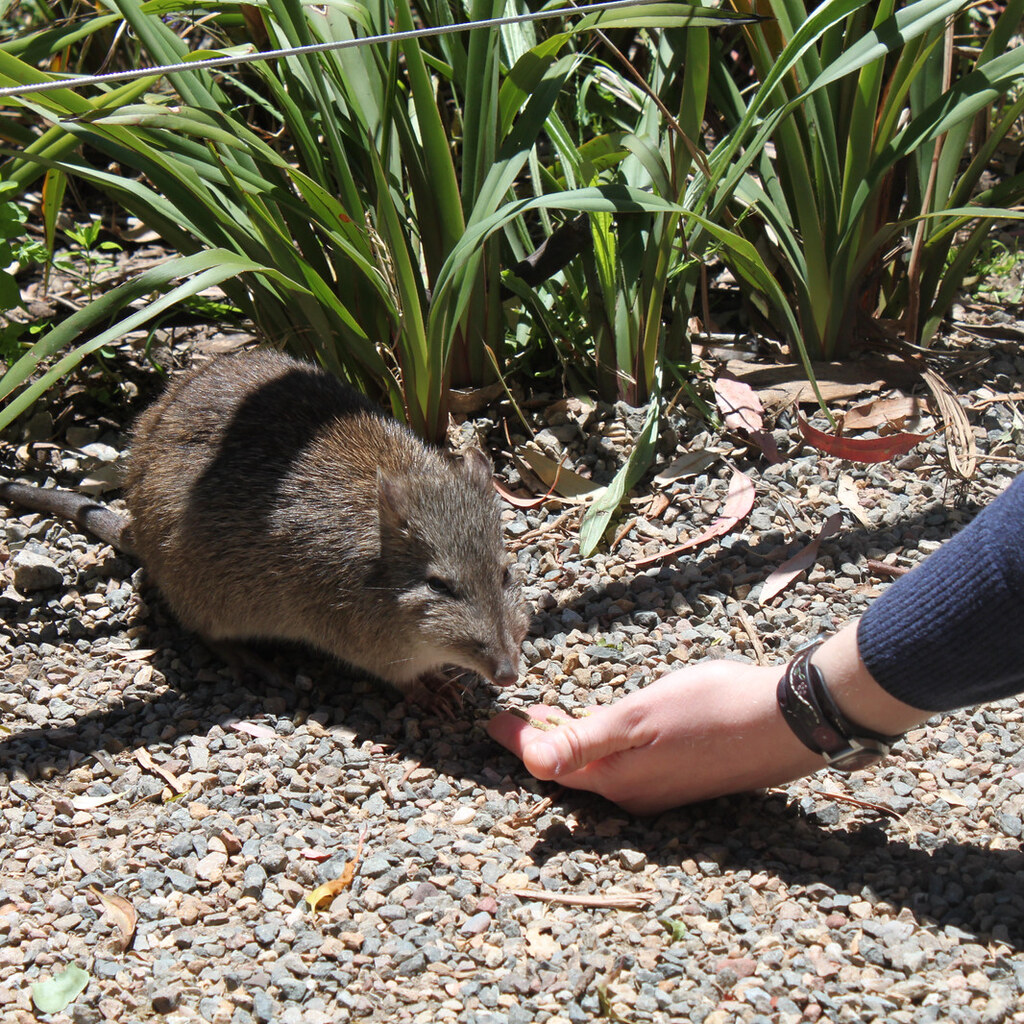
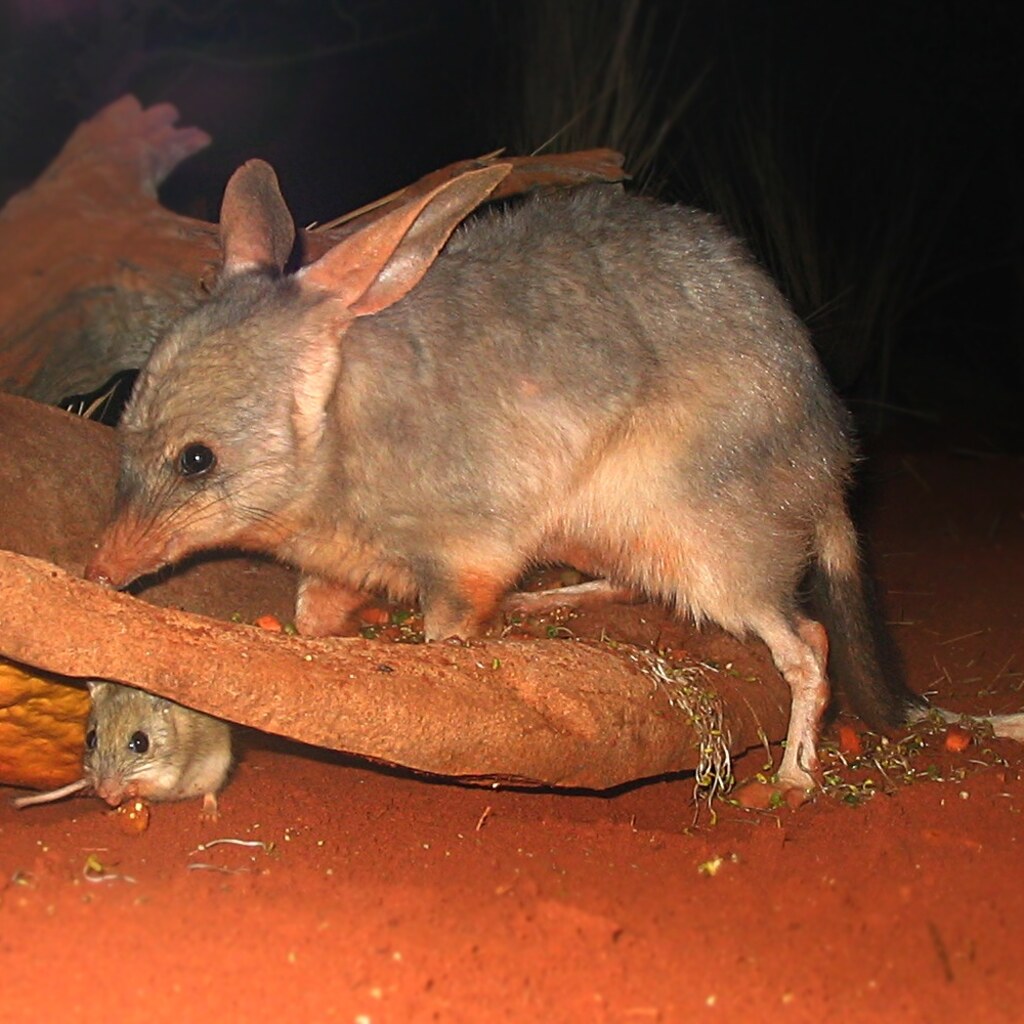
Bandicoots are small marsupials from Australia. Most bandicoots are about the same size as a rabbit. They eat plants as well as insects and small animals. There are around 20 different species of bandicoot.
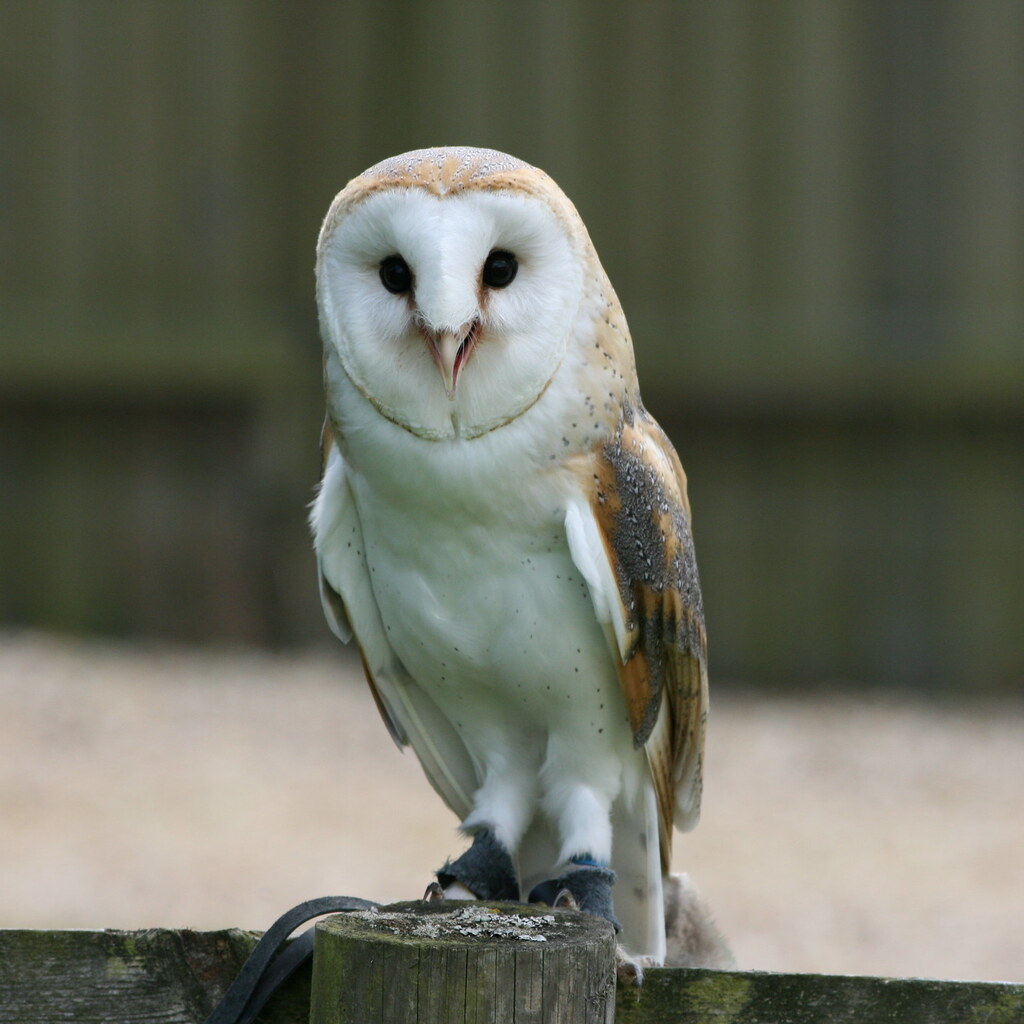
The barn owl is a medium-sized owl with a white heart-shaped face. It is often seen in farmland, especially in barns and old buildings - hence its name!
At night it hunts small animals like mice. Its distinctive call is a soft, repeated screech.
At night it hunts small animals like mice. Its distinctive call is a soft, repeated screech.
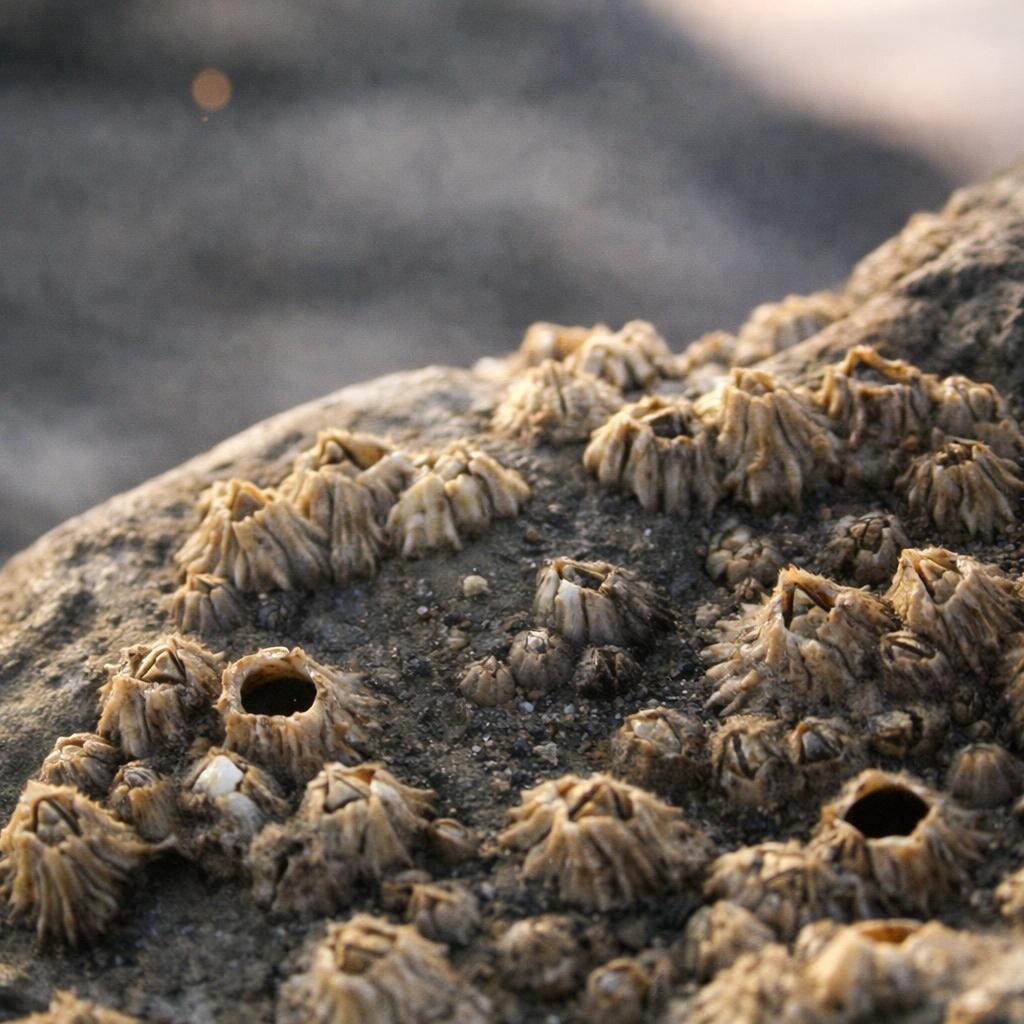
Barnacles live only in the sea. They are related to crabs and lobsters.
Barnacles stick themselves to a surface and live there in the same place for their entire adult lives. You usually see them on the beach stuck to rocks, or stuck to the bottom of boats. They eat small sea creatures that drift past them in the water.
Barnacles stick themselves to a surface and live there in the same place for their entire adult lives. You usually see them on the beach stuck to rocks, or stuck to the bottom of boats. They eat small sea creatures that drift past them in the water.
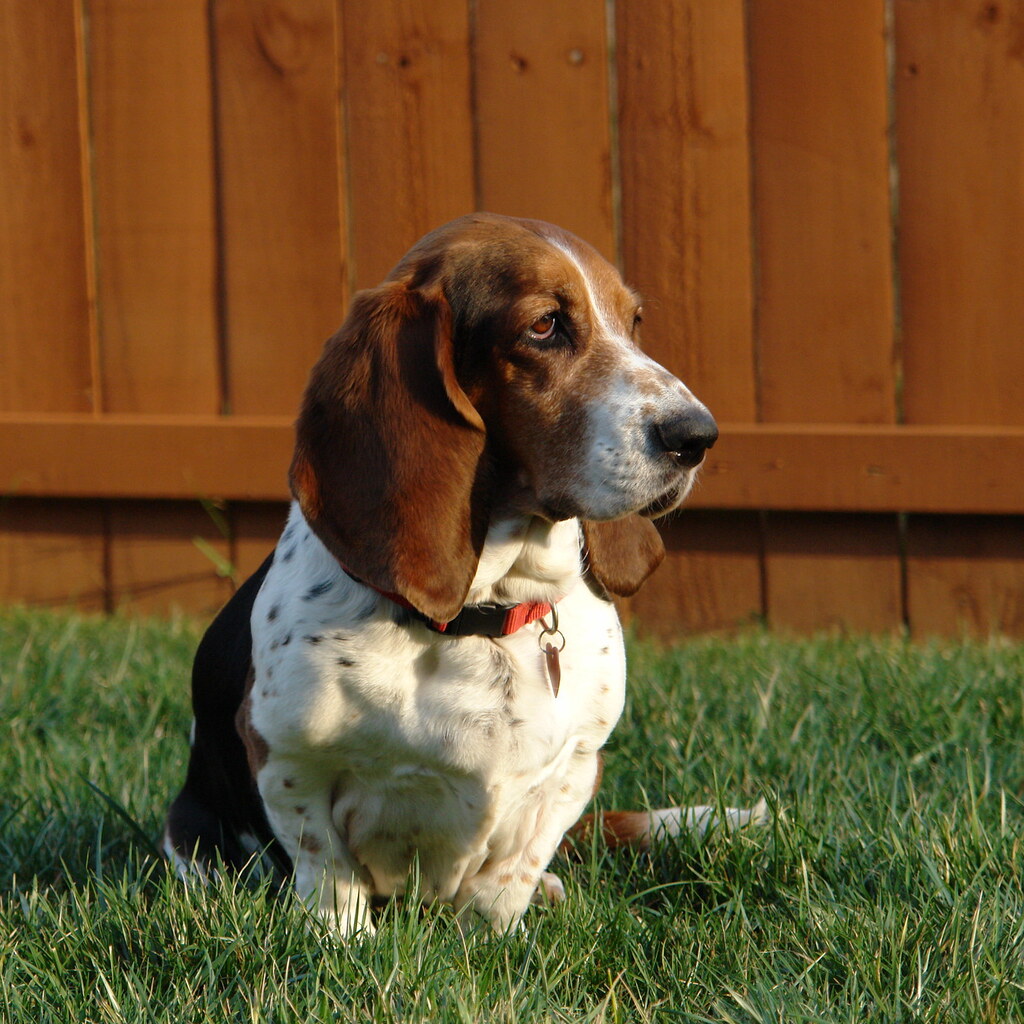
B is for Basset hound

Beagles are a small to medium sized breed of dog developed in Great Britain. They were originally bred as a hound that tracks game like rabbits by following their smell. Today they are often used at Customs for sniffing out illegal goods.
They have an even temperament and are popular pets.
They have an even temperament and are popular pets.
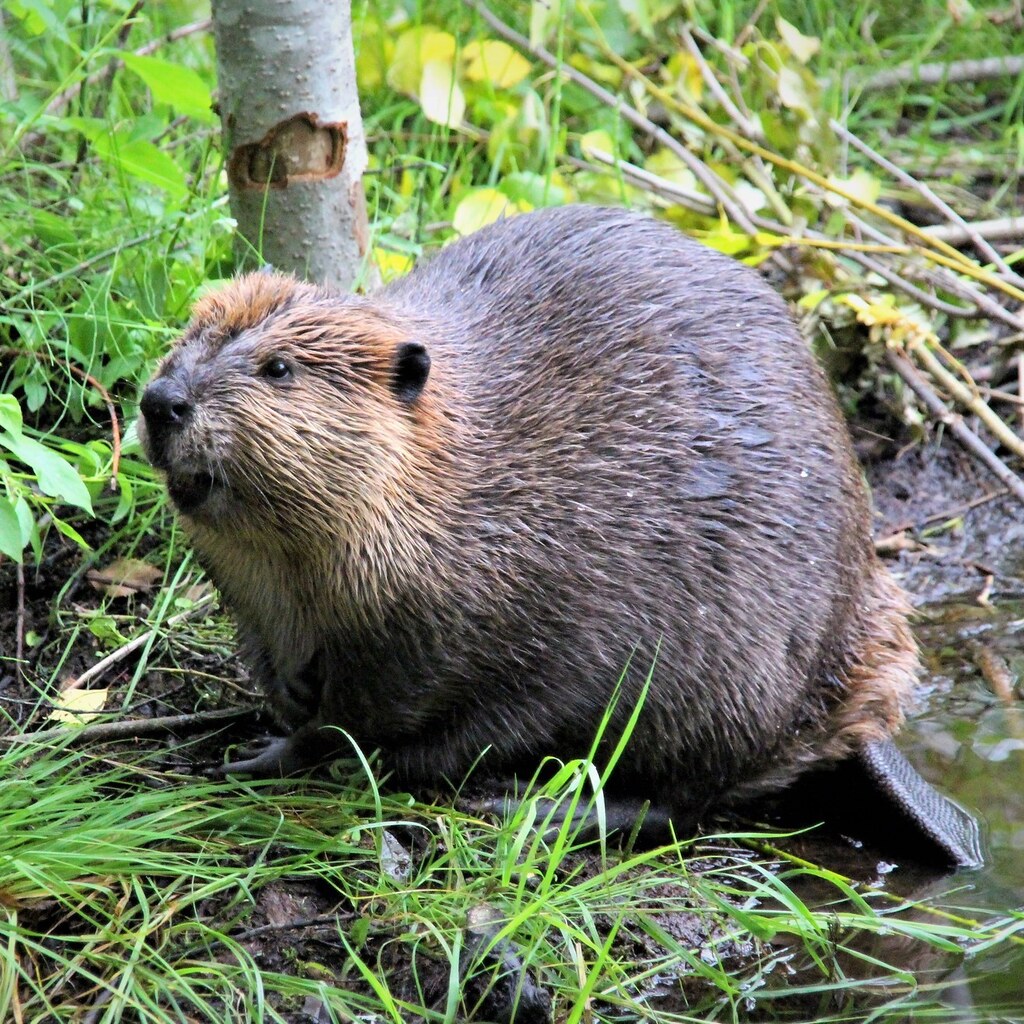
Beavers are a small, brown animal related to the squirrel. They are found in America and Europe. They spend their time in and around water, and are excellent swimmers.
Beavers are best known for their ability to build dams. They cut down trees with their sharp teeth and drag the logs to where they need them, and stack them up to make a dam. They end up with their own ponds that they tend to, which protects their den. Beavers eat waterlilys.
Beavers are best known for their ability to build dams. They cut down trees with their sharp teeth and drag the logs to where they need them, and stack them up to make a dam. They end up with their own ponds that they tend to, which protects their den. Beavers eat waterlilys.
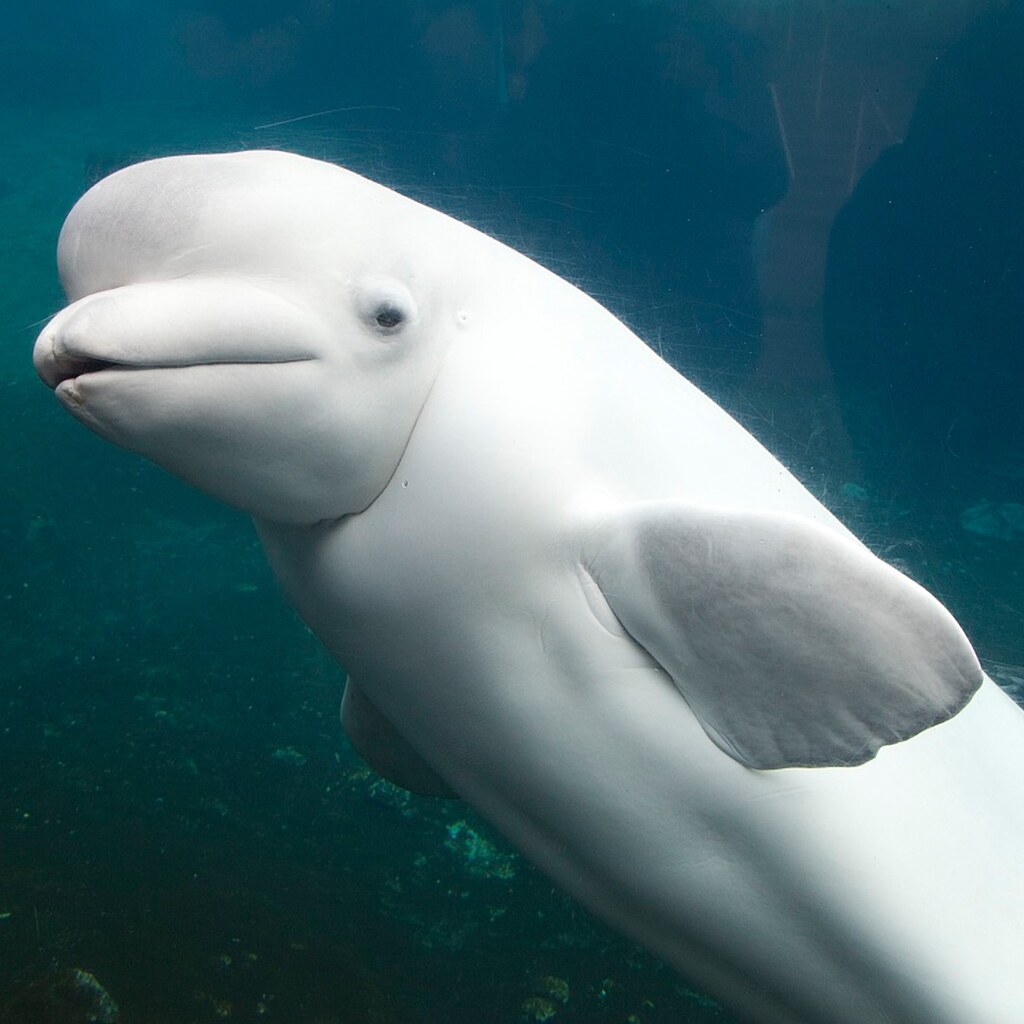
A beluga is a type of whale with a smooth, white body and a rounded forehead, called a melon. It lives mainly in cold Arctic and subarctic waters.
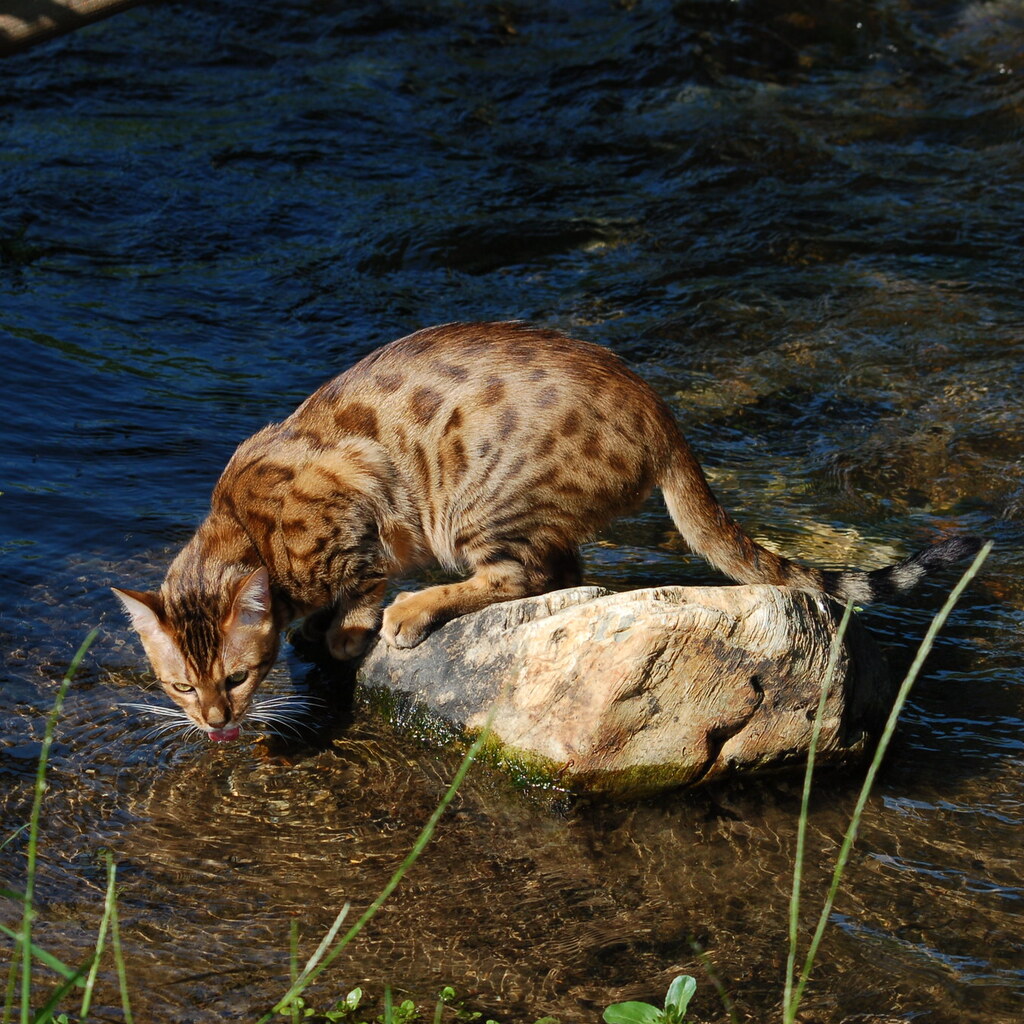
The Bengal cat is a domestic cat with a spotted or marbled coat that often looks like a wild leopard. It usually has a muscular body, a broad face, and a rosette-like pattern in shades of brown, gold, or gray. Bengals can live indoors with people, but they are active and curious, enjoying playing and climbing. They are known for being smart and energetic and can be taught tricks.
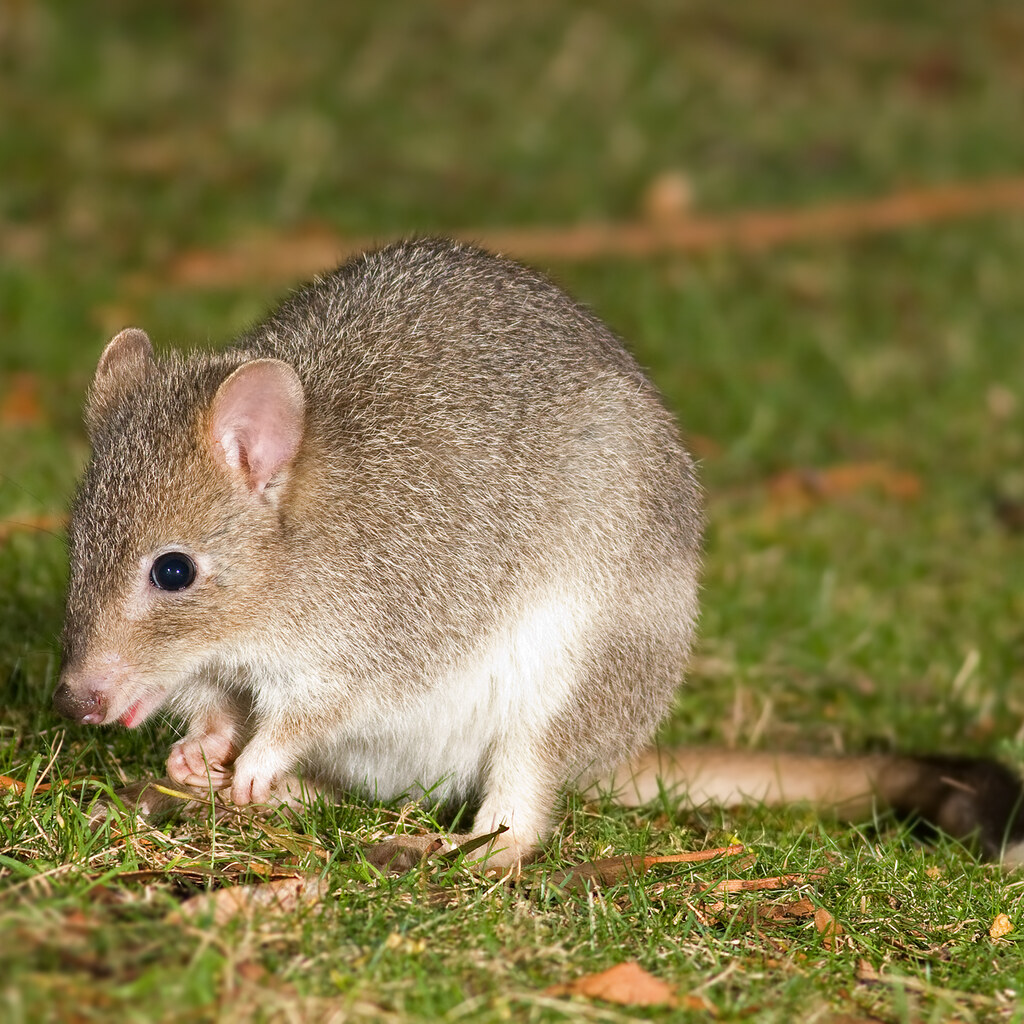
A bettong is a small marsupial from Australia. Many people also call it a kangaroo rat because it looks a bit like a small rodent.
Bettongs hop on long back legs and have a pouch like other marsupials. They dig in the ground to find food, such as roots and insects. You can find them in dry areas and grasslands.
Bettongs hop on long back legs and have a pouch like other marsupials. They dig in the ground to find food, such as roots and insects. You can find them in dry areas and grasslands.