
Showing 1-16 of 16
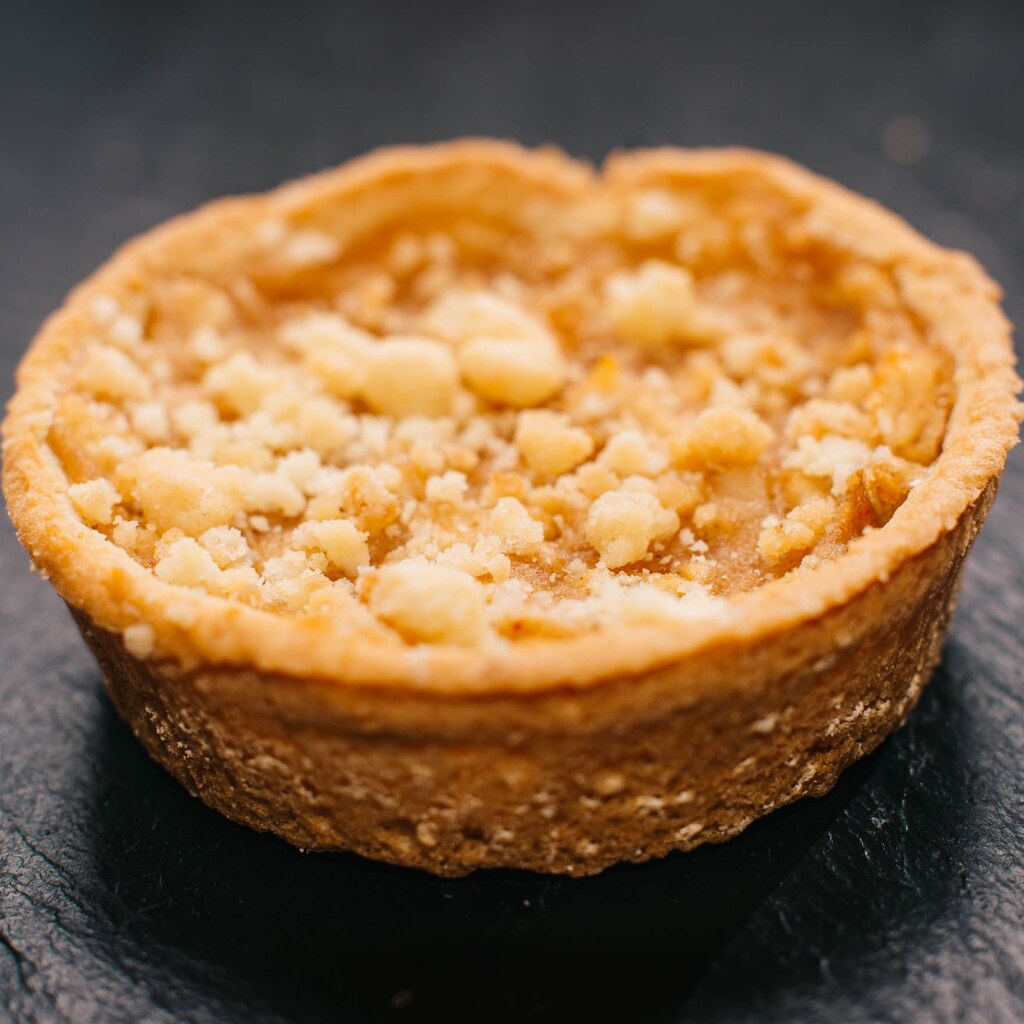
A is for Apple crumble
It originated in Britain during World War II, when pastry ingredients were limited. It is often served warm with custard, cream, or ice cream. Oats may be added to the topping in some recipes.
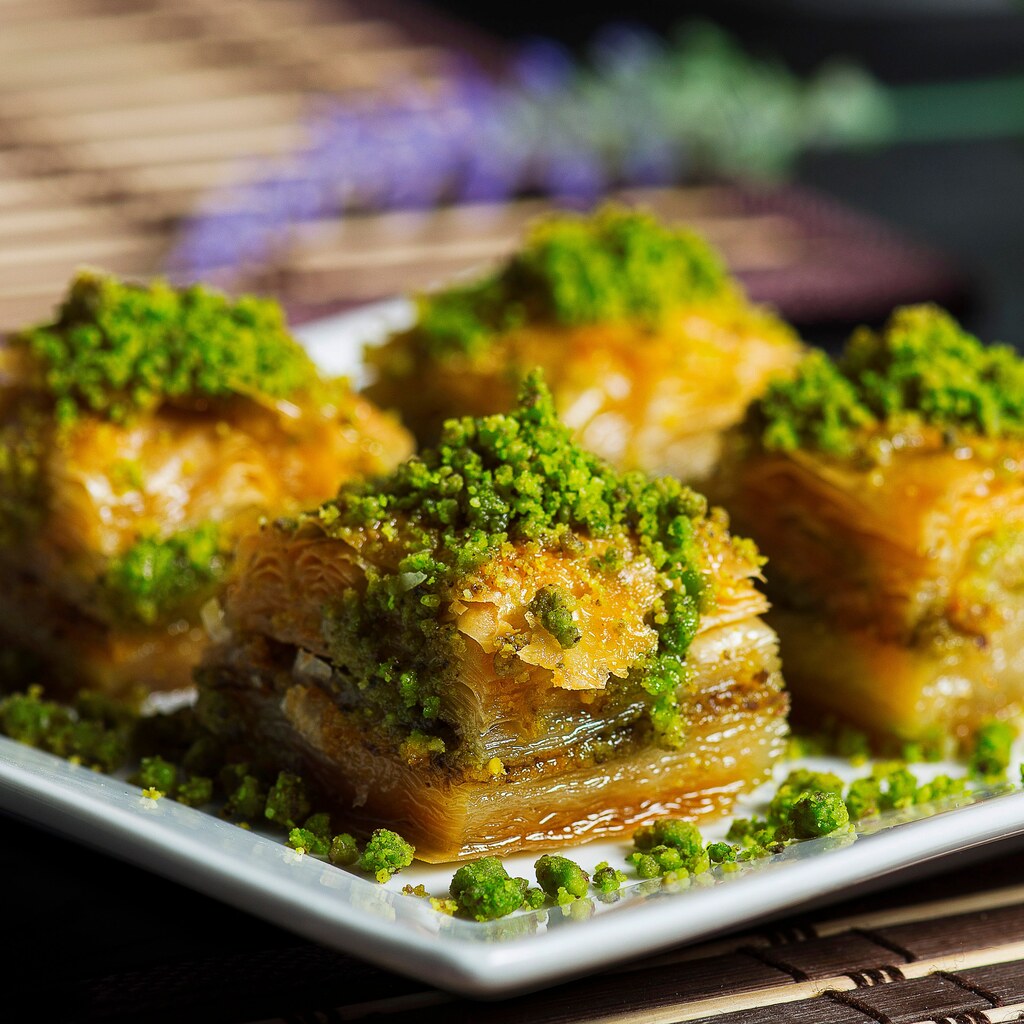
Baklava is a sweet pastry made from thin layers of filo dough, butter, and chopped nuts. The layers are baked until crisp, then soaked with sweet syrup or honey. Recipes vary by region - pistachios, walnuts, or almonds may be used.
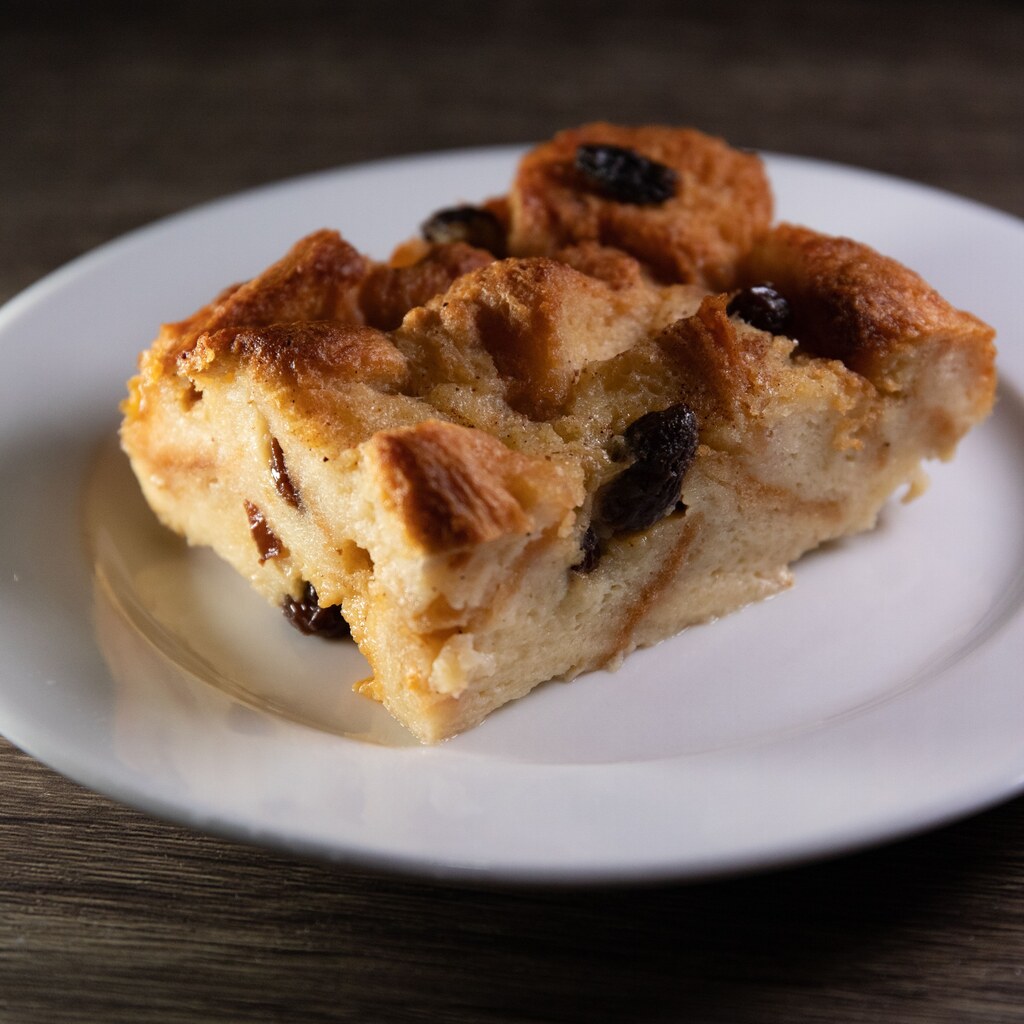
B is for Bread and butter pudding
It originated in England and was traditionally made to use up stale bread. It is usually served warm, sometimes with cream, custard, or a sweet sauce.
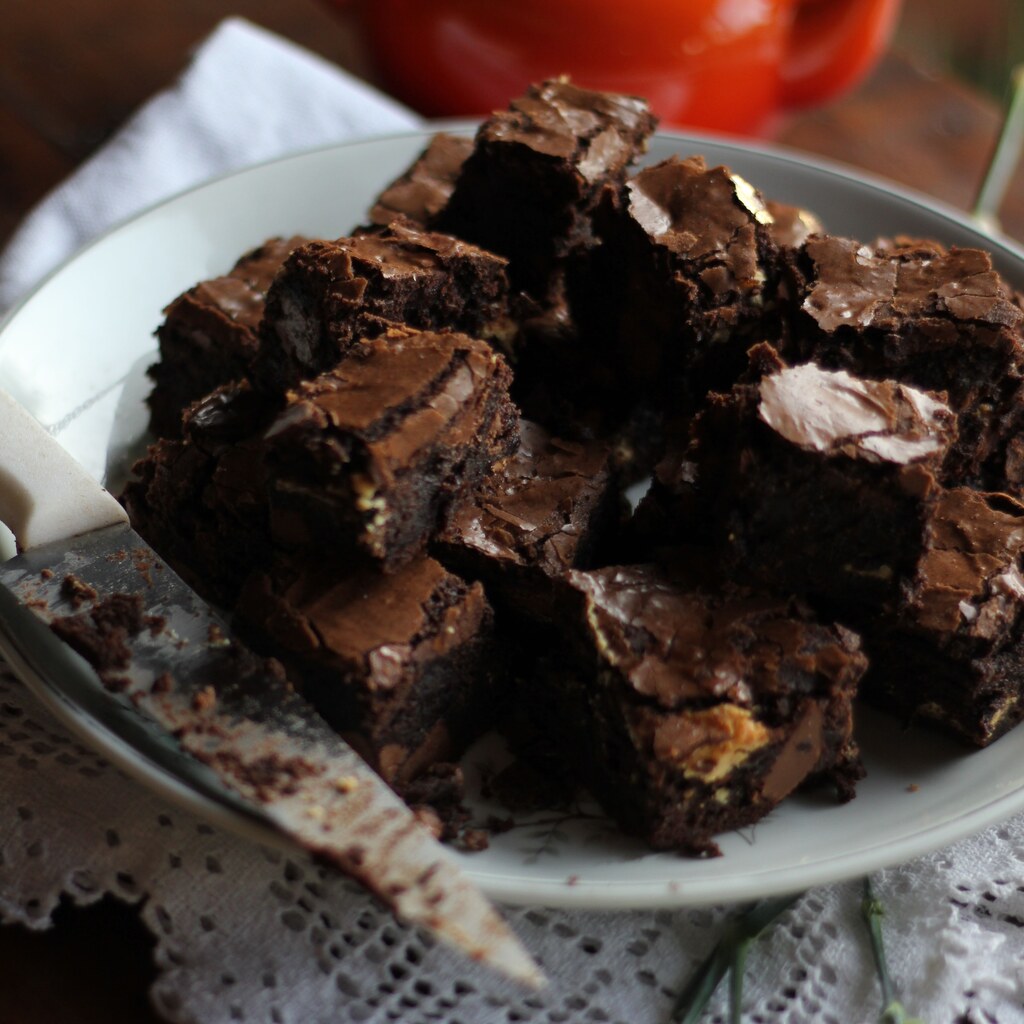
Brownies are small, flat cakes made with chocolate or cocoa, flour, sugar, eggs, and butter. They are baked in a square or rectangular pan and usually have a soft, chewy texture.
Brownies originated in the United States in the late 1800s. They are often cut into squares and eaten as a dessert or snack. Some brownies contain nuts, chocolate chips, or frosting.
Brownies originated in the United States in the late 1800s. They are often cut into squares and eaten as a dessert or snack. Some brownies contain nuts, chocolate chips, or frosting.

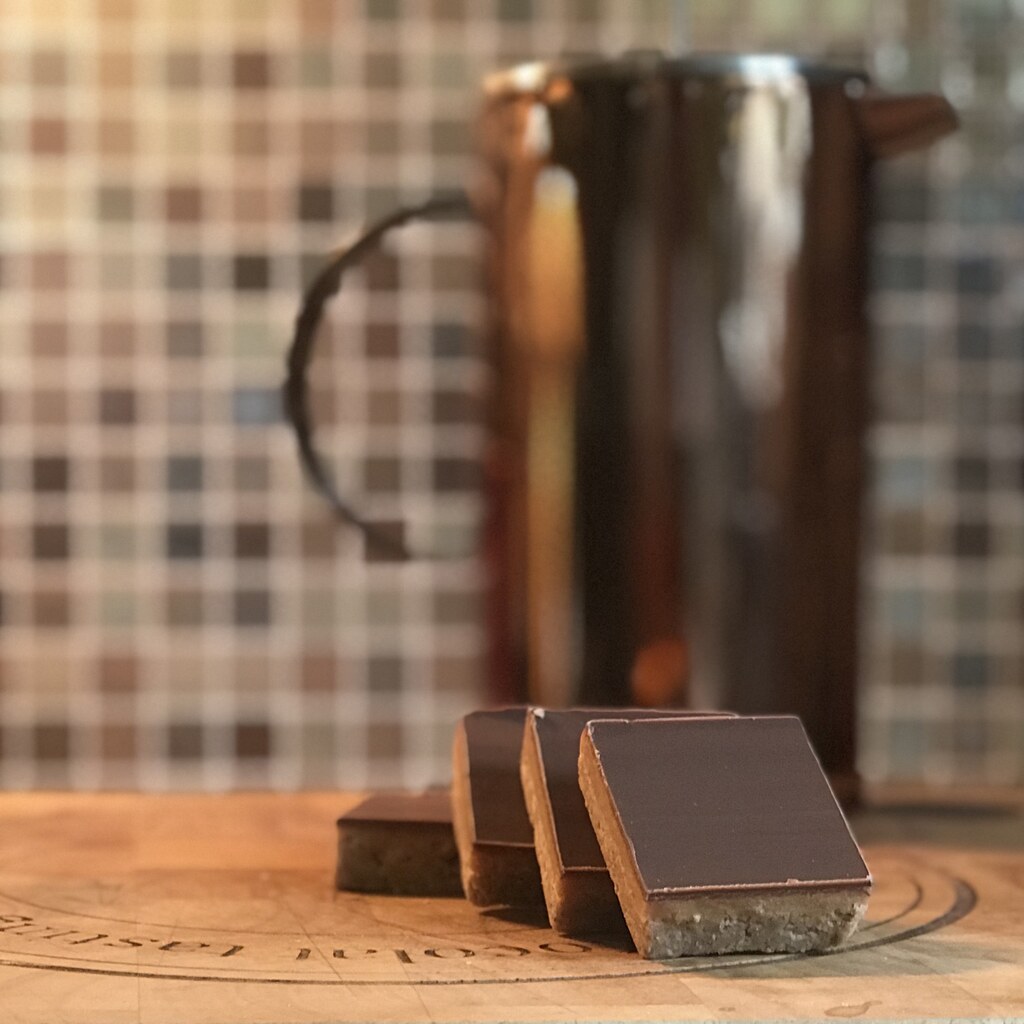
C is for Caramel slice
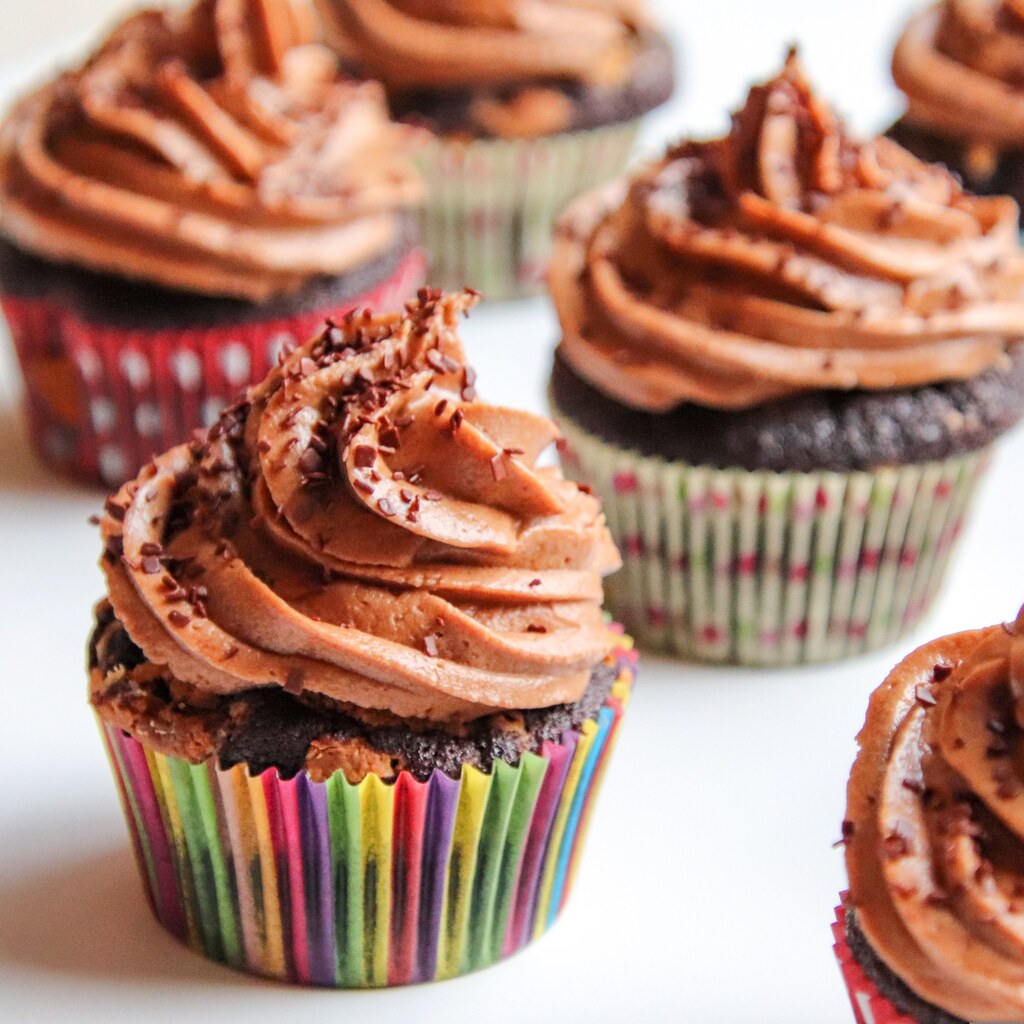
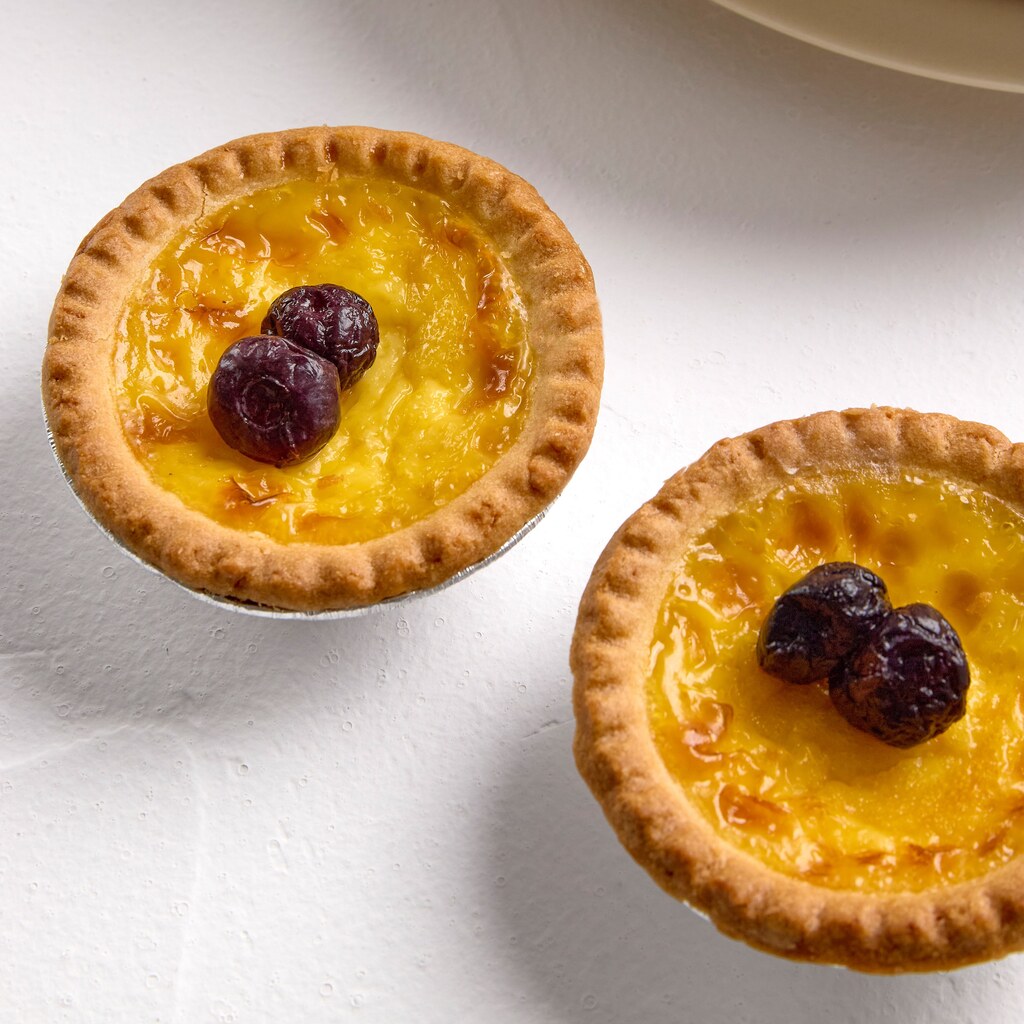
C is for Custard tart
Custard tarts have been made in Britain since at least the Middle Ages. Portuguese pastel de nata is a small regional version made with flaky pastry and a browned top.
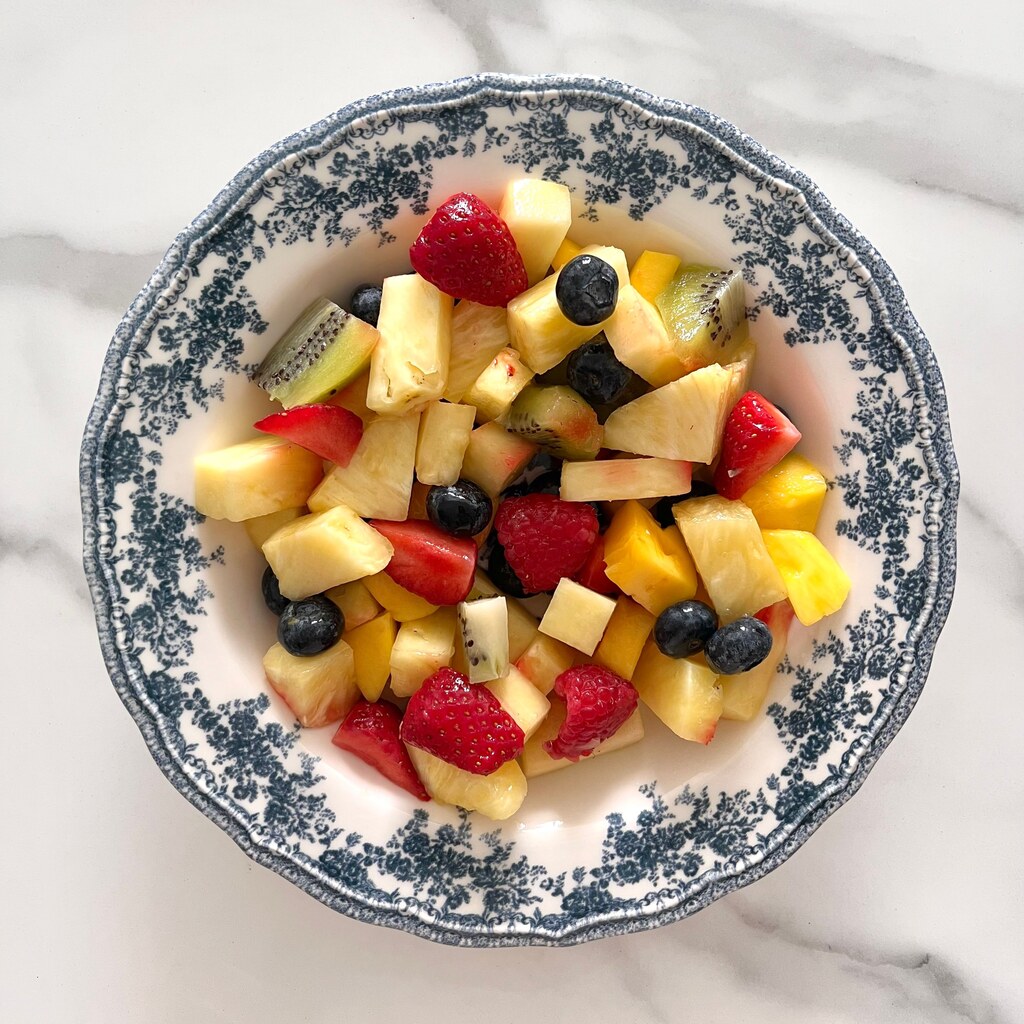
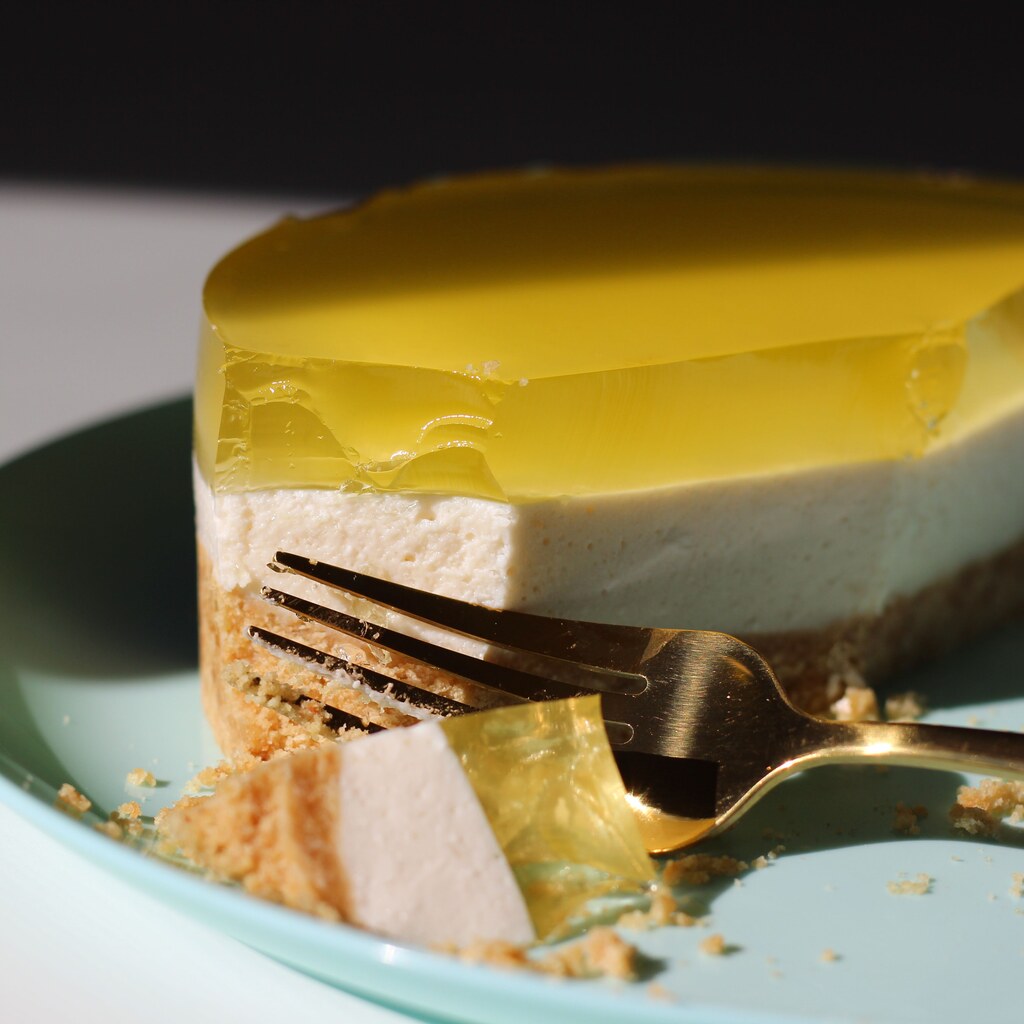
J is for Jelly slice
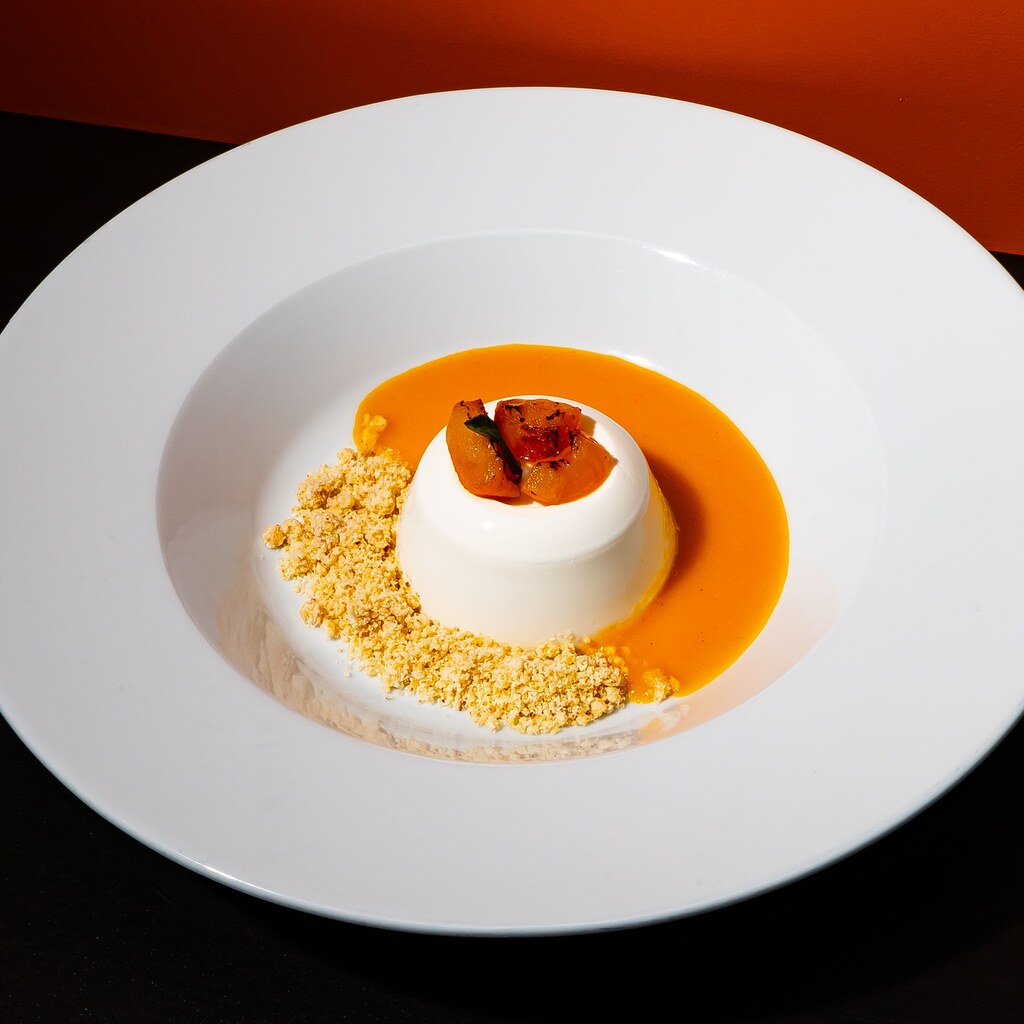

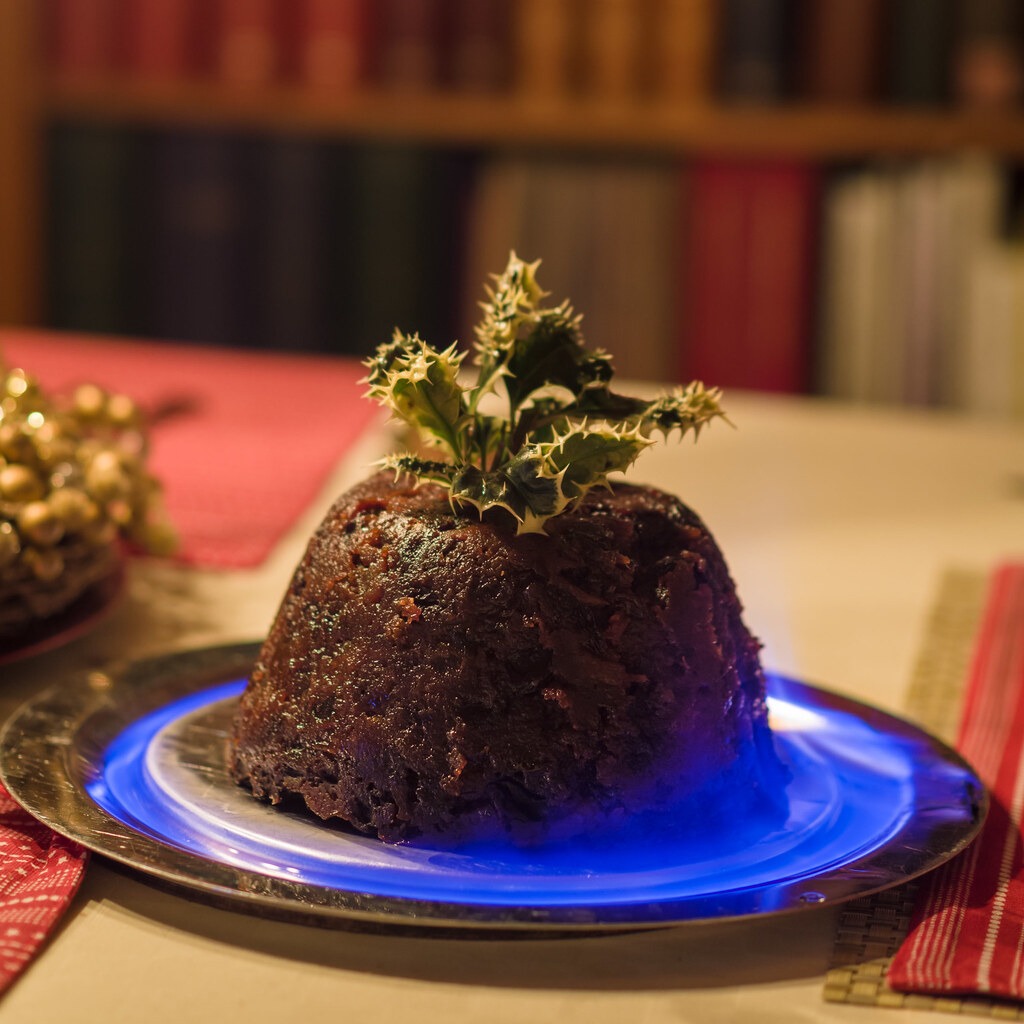
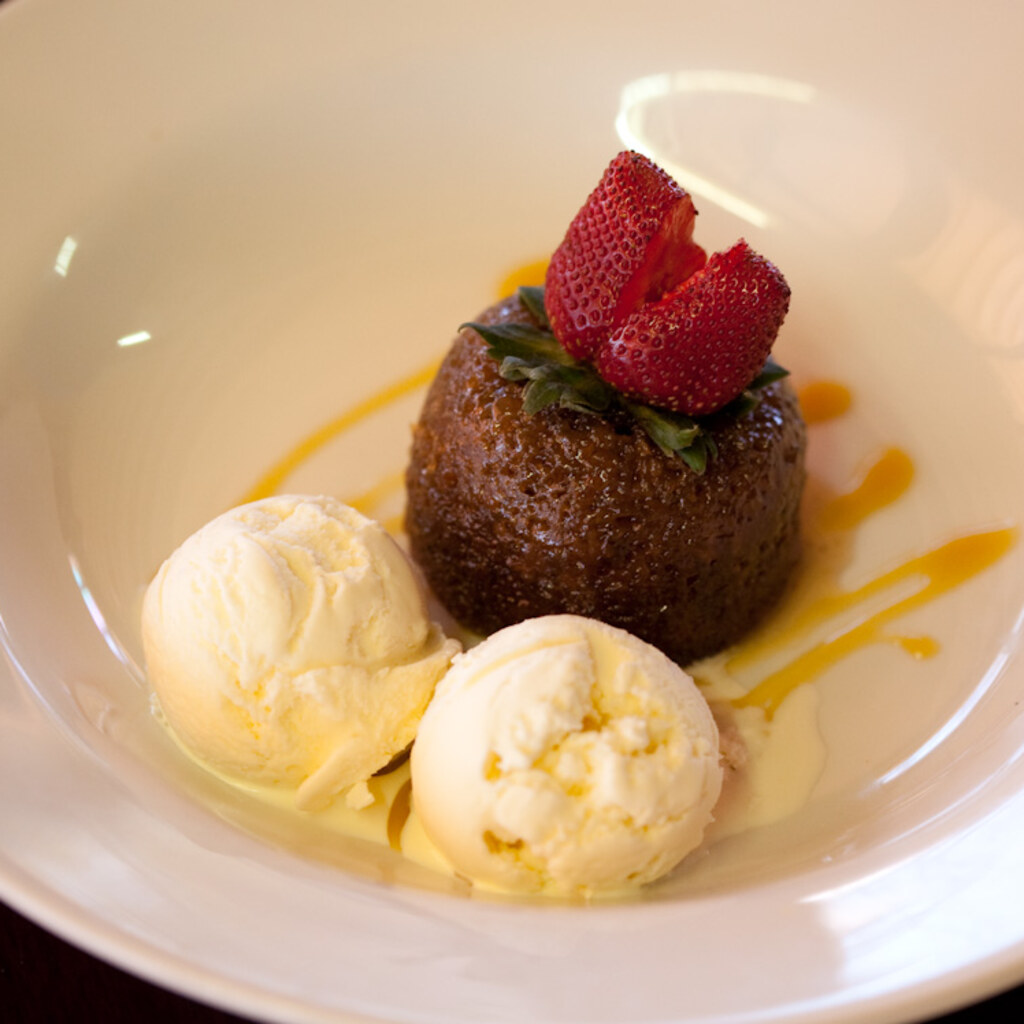
S is for Sticky date pudding
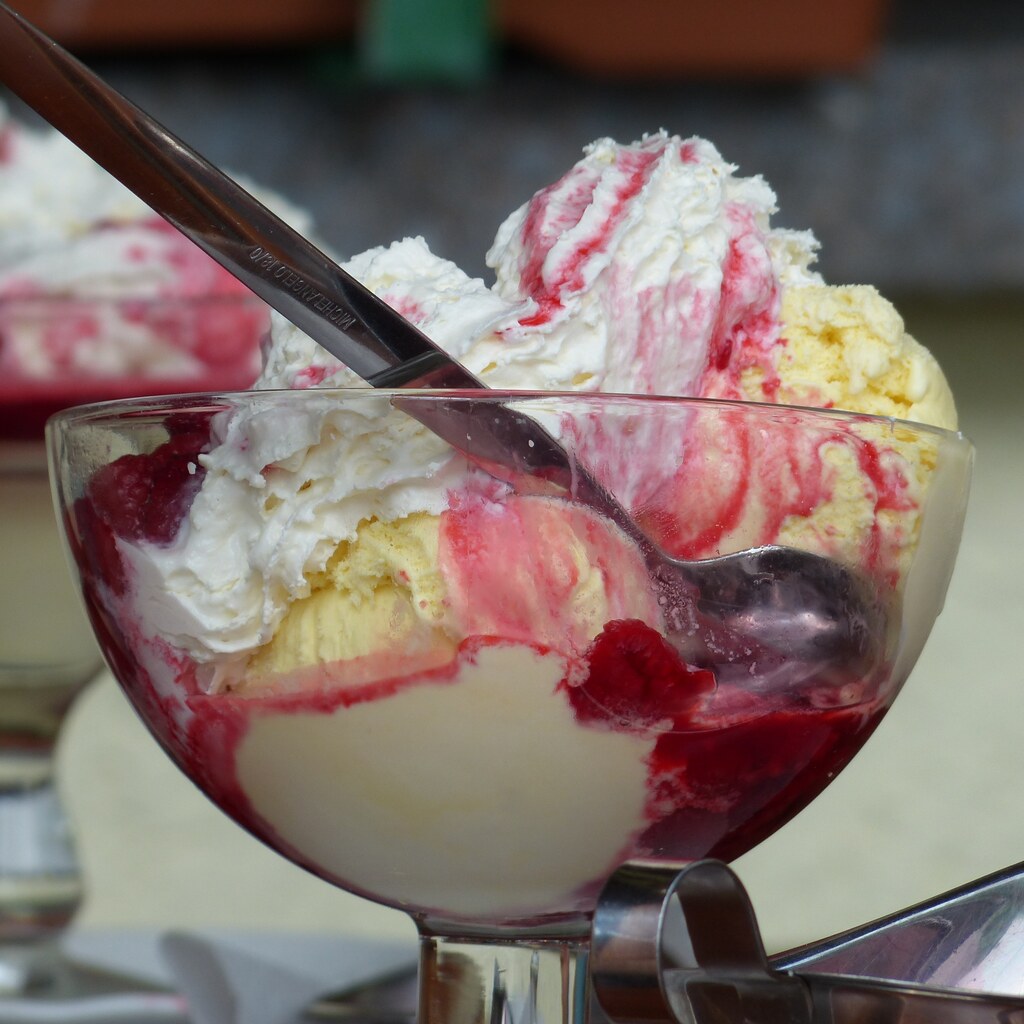
A sundae is a dessert made from one or more scoops of ice cream. It is usually served in a bowl or tall glass with sweet sauce, such as chocolate or fruit syrup, and may have whipped cream, nuts, or a cherry on top.
The sundae first appeared in the United States in the late 1800s, but its exact place of origin is disputed.
The sundae first appeared in the United States in the late 1800s, but its exact place of origin is disputed.
