Showing 21-34 of 34
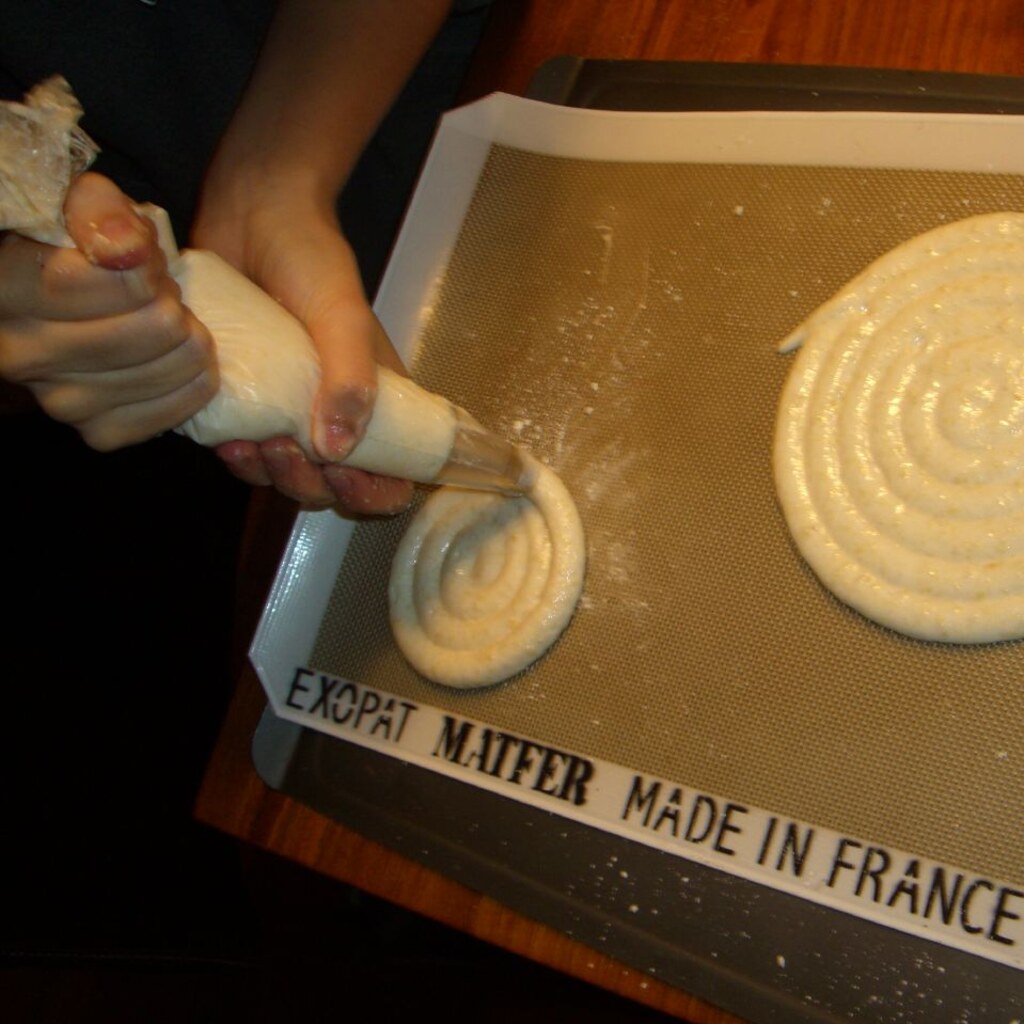
Piping is a method of cooking or baking where an ingredient such as dough or frosting is put in a bag and pushed out of a narrow hole that allows the cook to make pretty shapes or decorations.
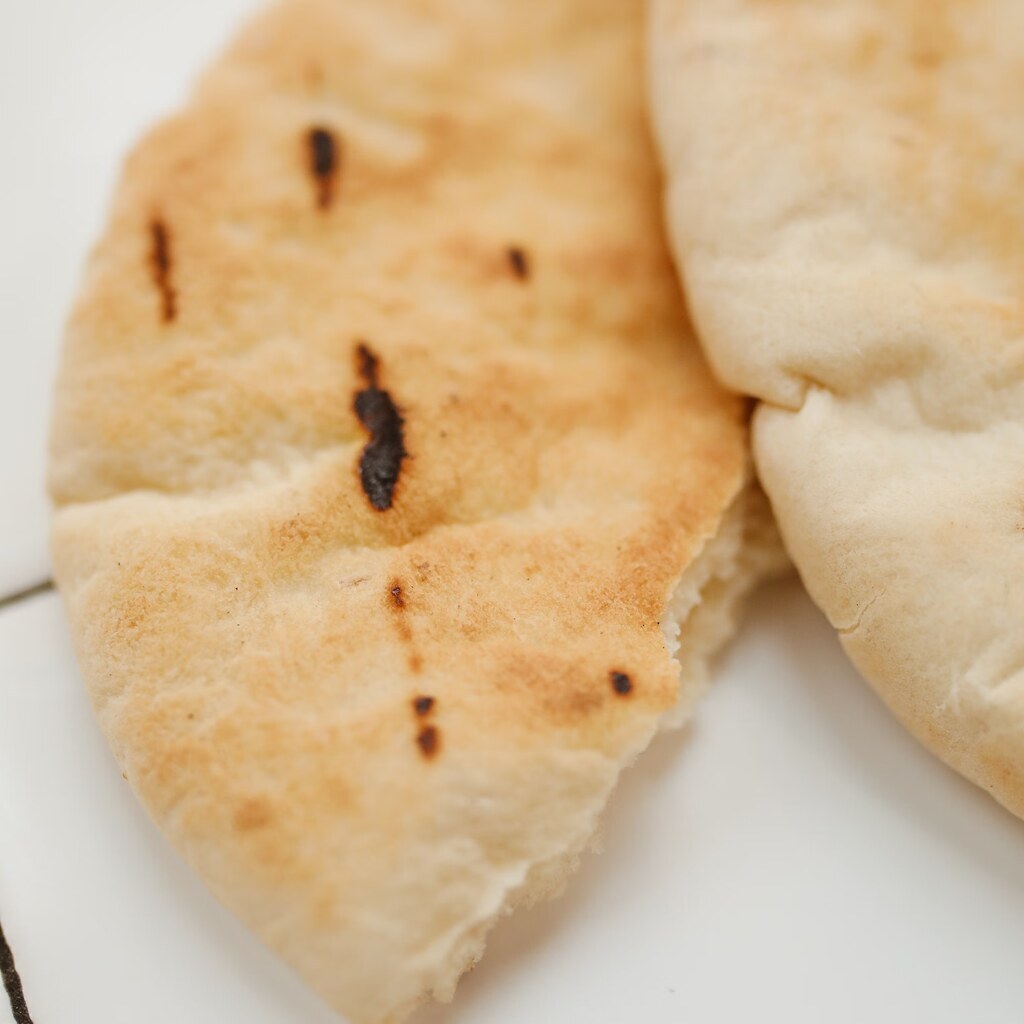
Pita bread is a round, flat bread made from flour, water, yeast, and salt. It is baked at high heat, which can make a hollow pocket inside. Its soft, slightly chewy texture makes it easy to fold or fill.
Pita has roots in the Middle East. It is often used to hold foods such as meat, vegetables, or falafel, and it may also be cut into pieces and served with dips.
Pita has roots in the Middle East. It is often used to hold foods such as meat, vegetables, or falafel, and it may also be cut into pieces and served with dips.
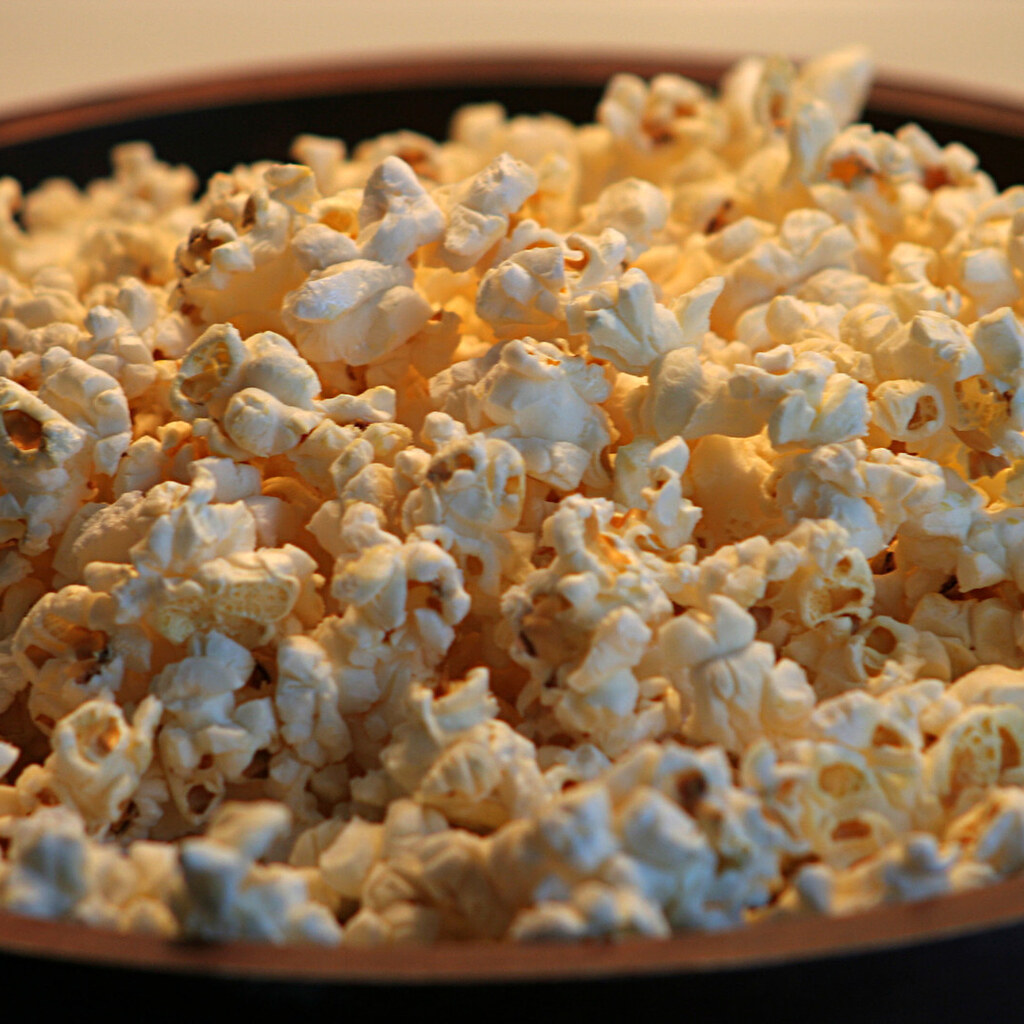
Popping corn is special breed of corn that is designed to pop. Popcorn is what you get when you heat popping corn and the kernels explode and turn inside-out.
Popping corn pops because the corn kernels have a hard shell and are completely sealed. When they are heated, the water inside the kernel turns to steam but the steam can't get out. As you continue to heat them, the pressure of the steam continues to build up until the shell can't hold it anymore and the kernel explodes with a loud pop. As the steam is all through the starch inside of the kernel, the explosion makes the popped corn much larger than the unpopped kernel, and as it cools down so fast after the explosion the texture is that of a crispy puff.
Popping corn pops because the corn kernels have a hard shell and are completely sealed. When they are heated, the water inside the kernel turns to steam but the steam can't get out. As you continue to heat them, the pressure of the steam continues to build up until the shell can't hold it anymore and the kernel explodes with a loud pop. As the steam is all through the starch inside of the kernel, the explosion makes the popped corn much larger than the unpopped kernel, and as it cools down so fast after the explosion the texture is that of a crispy puff.
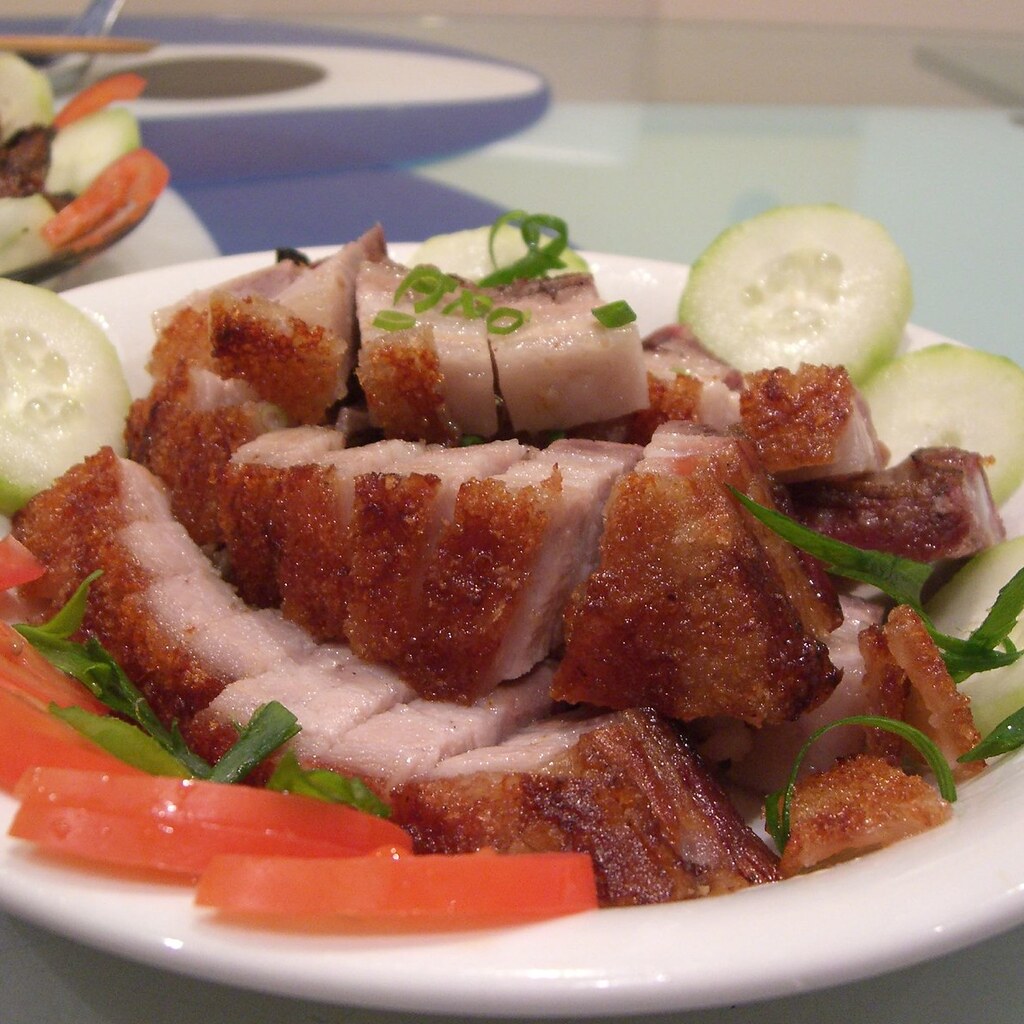
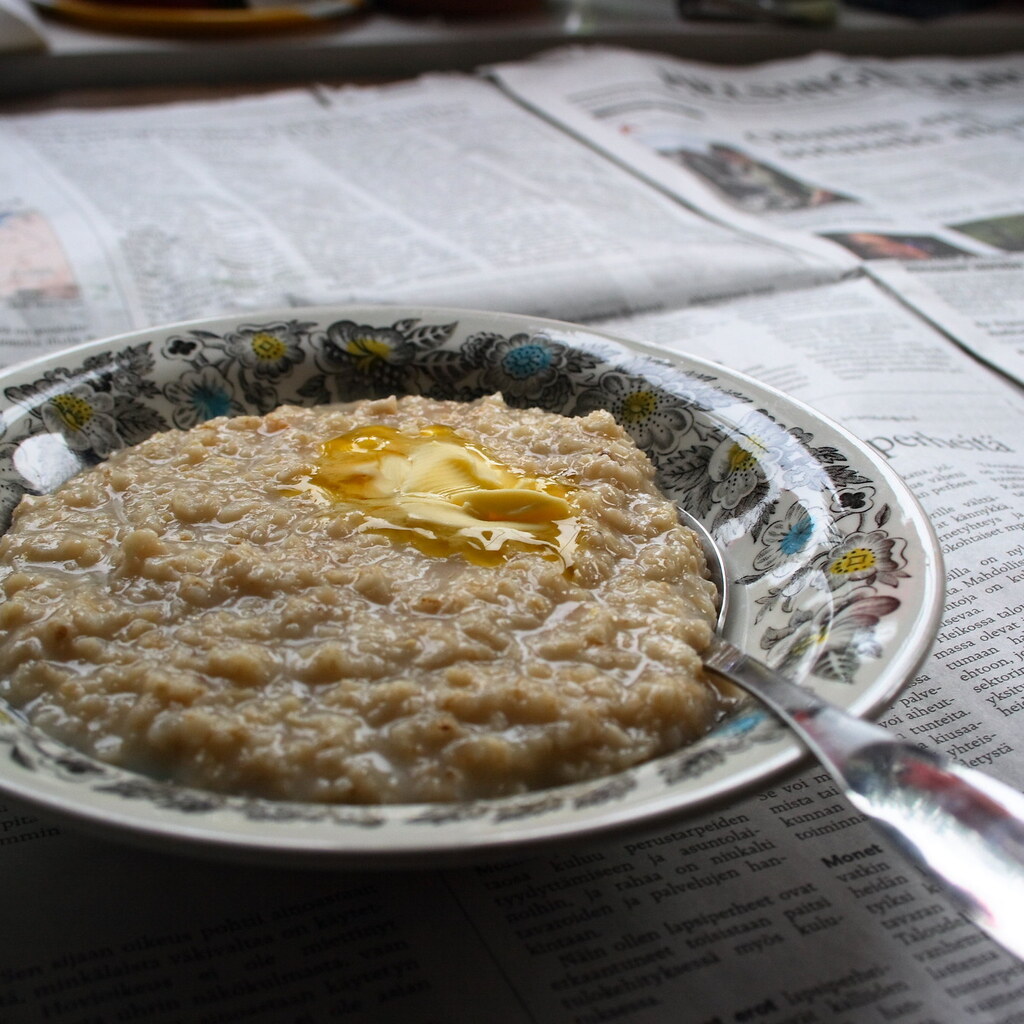
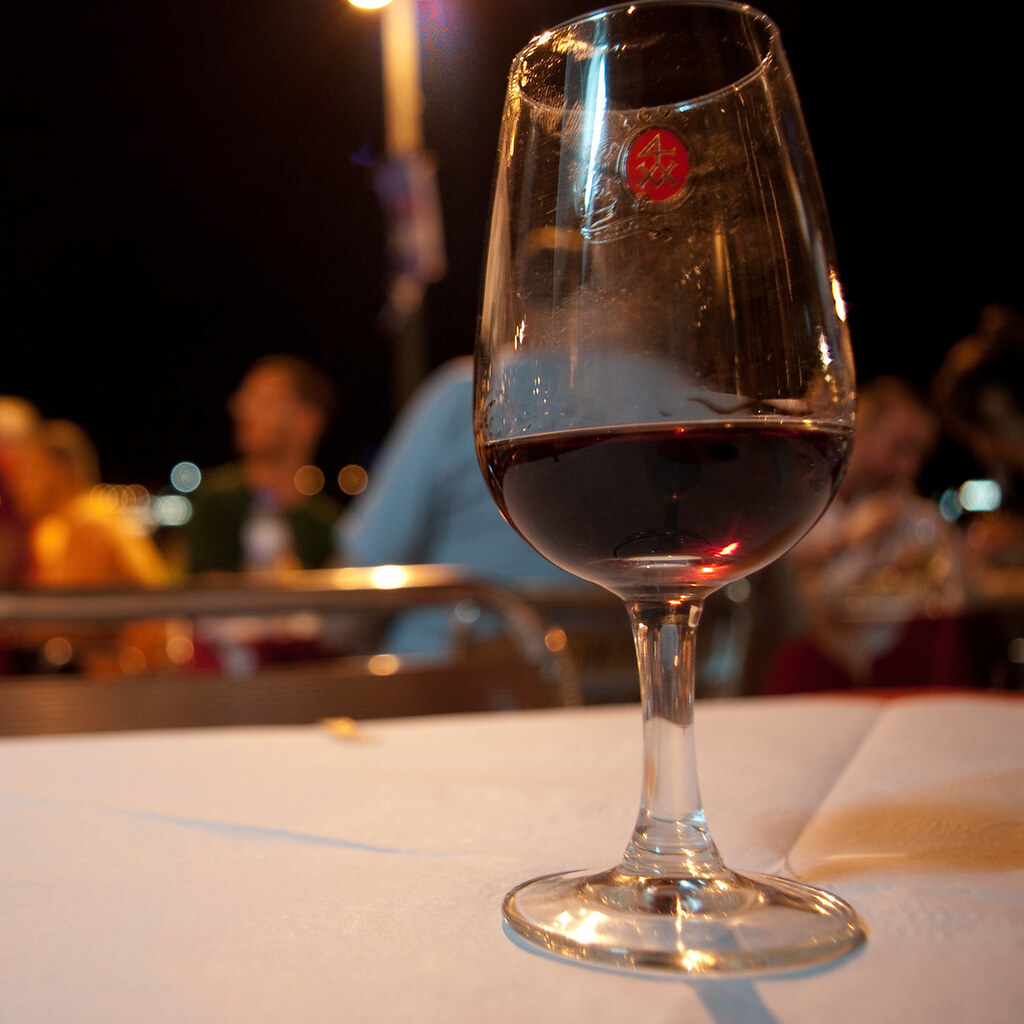
P is for Port (Drink)
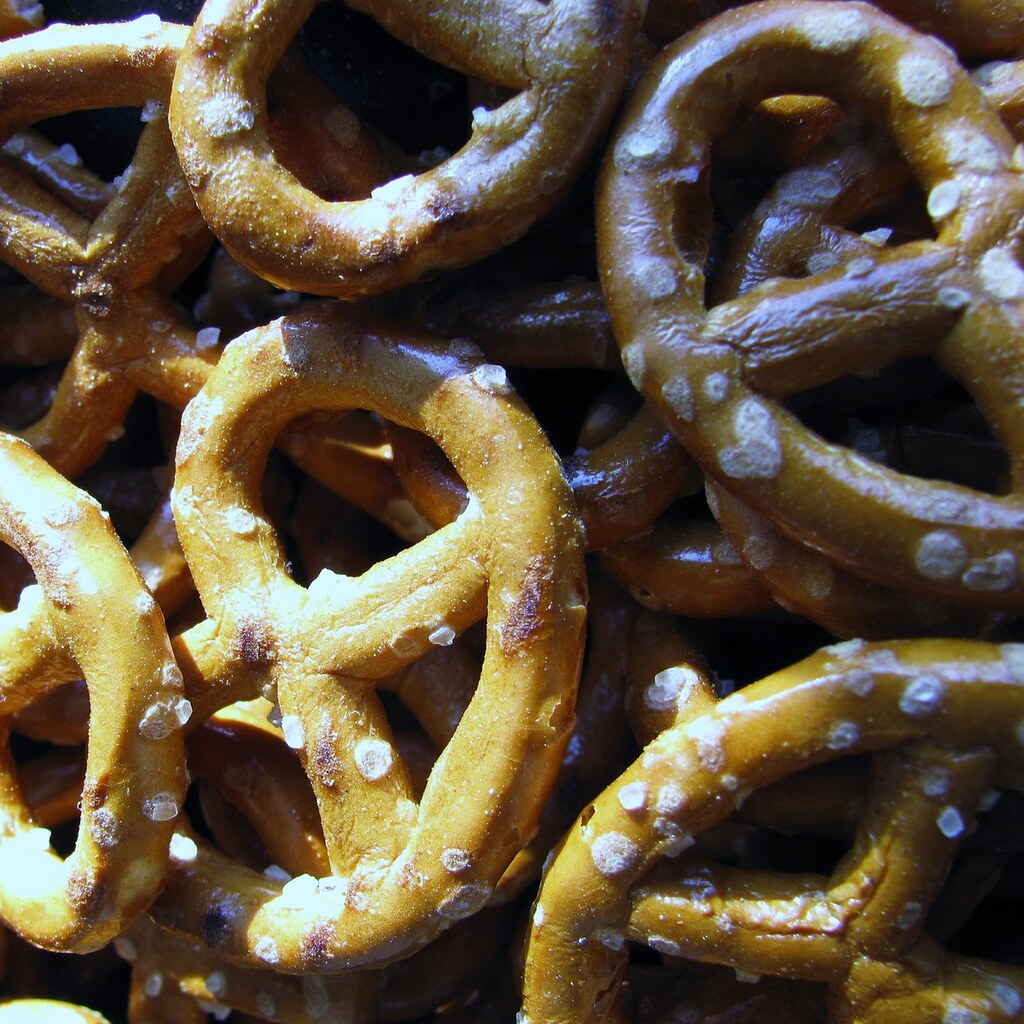
Pretzels are a baked snack dating back to Medieval European times. Today, pretzels come in many shapes and sizes, from small hard ones to big soft ones. Most pretzels are glazed to make them shiny and sprinkled with salt.
Pretzels are said to be in the shape of arms praying, and are popular at Easter time.
Pretzels are said to be in the shape of arms praying, and are popular at Easter time.