
Showing 1-20 of 34

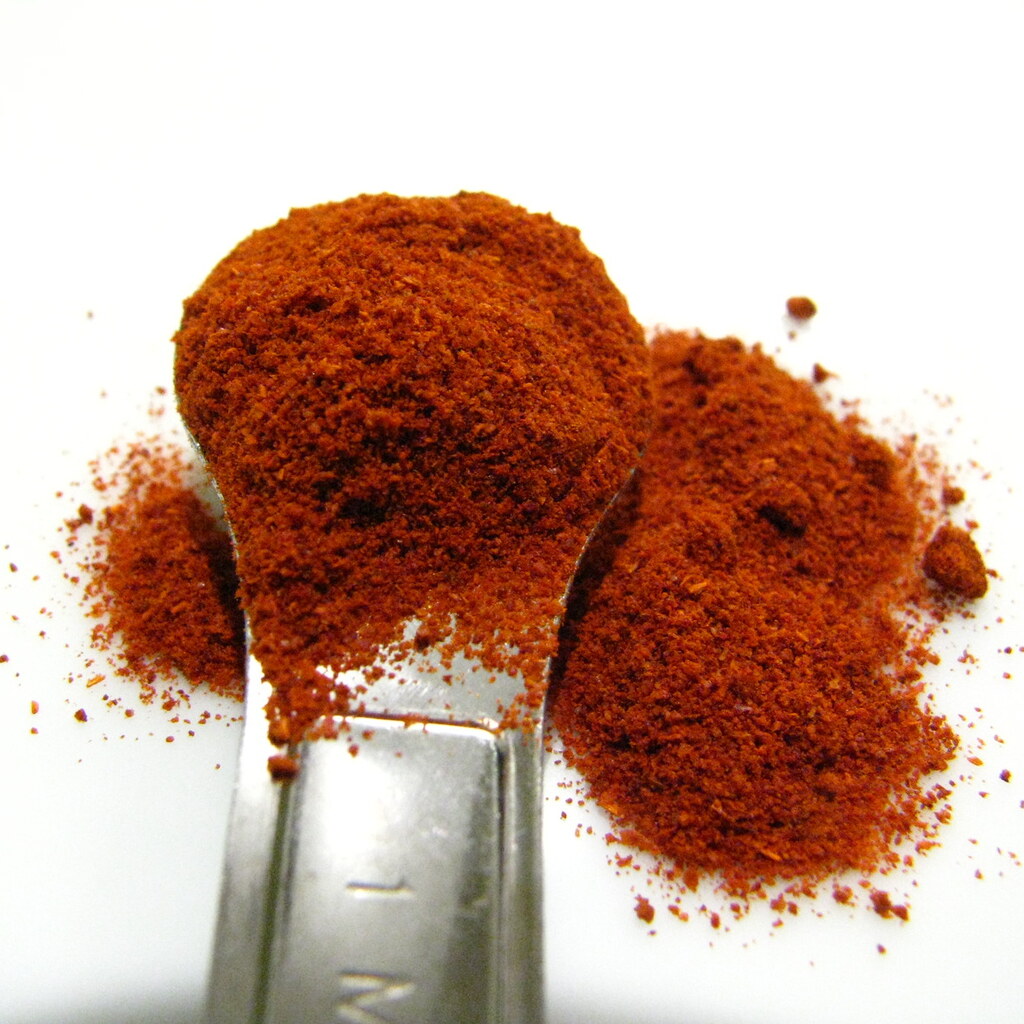
Paprika is a spice, usually found as a powder, made from dried and ground up bell peppers (capsicums). Paprika is often smoked to add to the flavour.
Paprika is used to flavour or colour many dishes, and is often sprinkled on meat before it is fried.
Paprika is used to flavour or colour many dishes, and is often sprinkled on meat before it is fried.


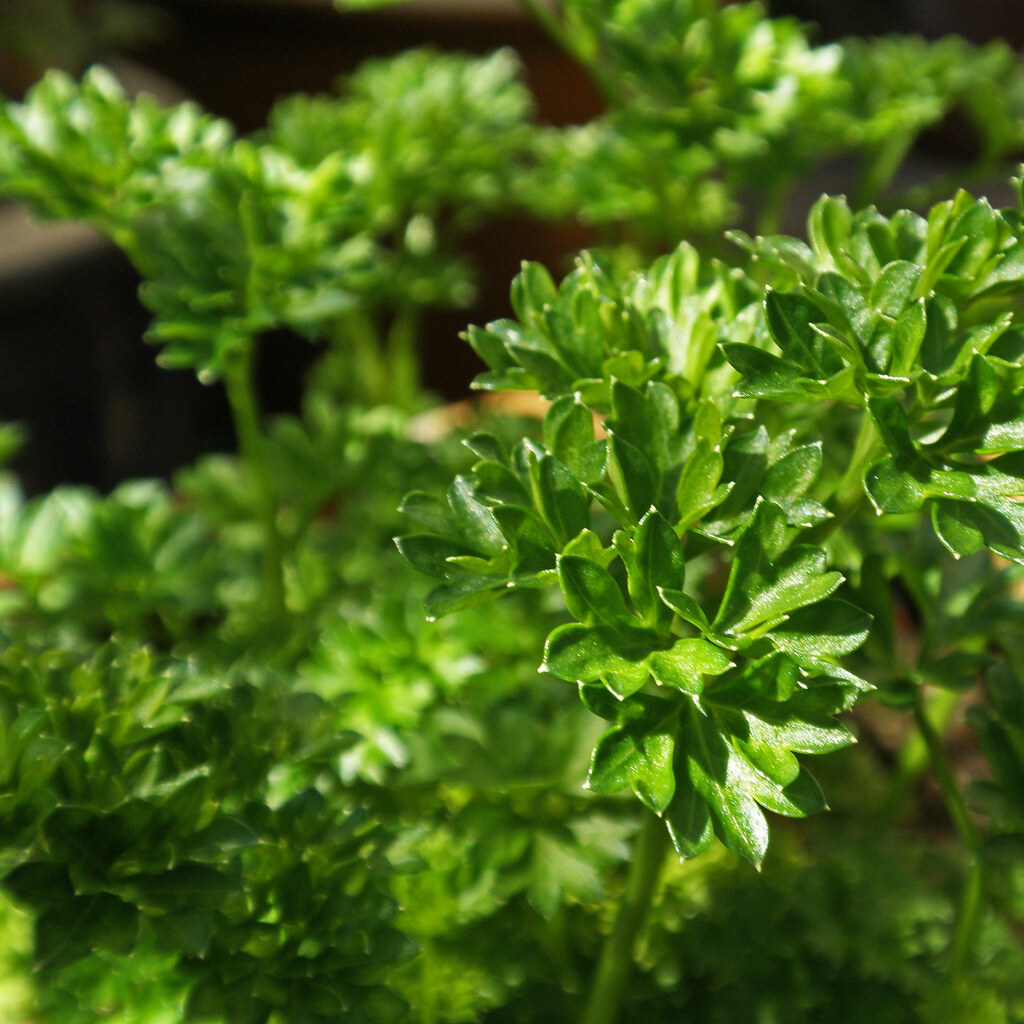
Parsley is a herb, which means it is not eaten as a food on its own, but it is added to other dishes for flavour. Parsley is used mostly as a garnish, cut up and sprinkled onto food to make it look nicer. You often find a sprig of parsley being used to decorate food from a restaurant.

Pasta is a food from Italy, made from wheat flour, water and sometimes eggs. Pasta, or noodles, are made in a special way and are often dried in shape and sold as hard, dry pasta rather than moist, fresh pasta.
Pasta comes in a huge variety of shapes, and even some different colours. spaghetti is one of the commonest types of pasta. The pasta in the picture is penne.
Pasta comes in a huge variety of shapes, and even some different colours. spaghetti is one of the commonest types of pasta. The pasta in the picture is penne.


P is for Peanut butter

The outermost layer of fruit or vegetables is called the peel. Some fruits and vegetables have a soft peel that you can eat, but many have a hard or bitter peel. For most fruits and vegetables you use a peeler to remove the peel, but some fruits like bananas and mandarins have peels that are easy to remove with just your fingers.
You can peel anything that has a removable outer layer, not just food, but the term is most often used in relation to fruit and vegetables.
You can peel anything that has a removable outer layer, not just food, but the term is most often used in relation to fruit and vegetables.
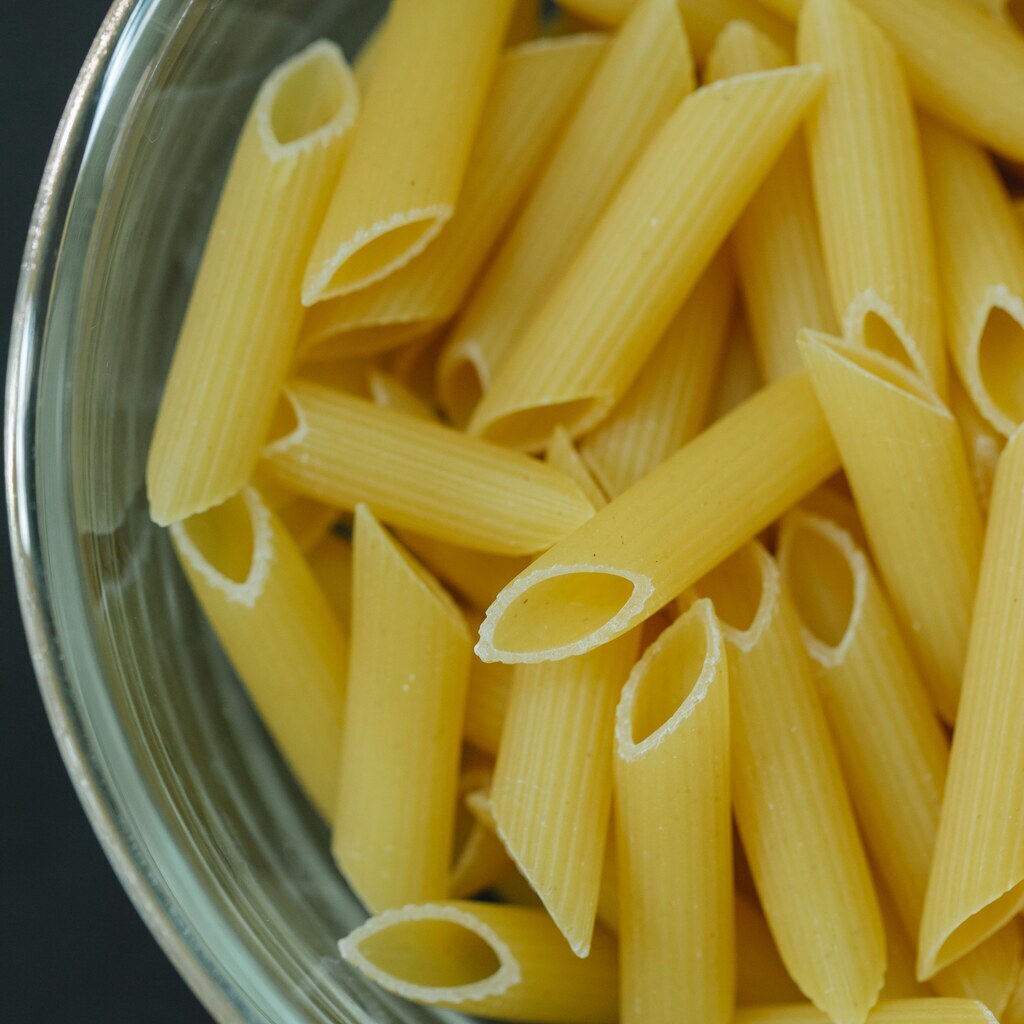
Penne is a pasta shaped like straight tubes with slanted ends. It is usually made from wheat flour and water, then boiled until tender but slightly firm. Some penne has ridges, called penne rigate, which help sauce stick to it. Smooth penne is called penne lisce.
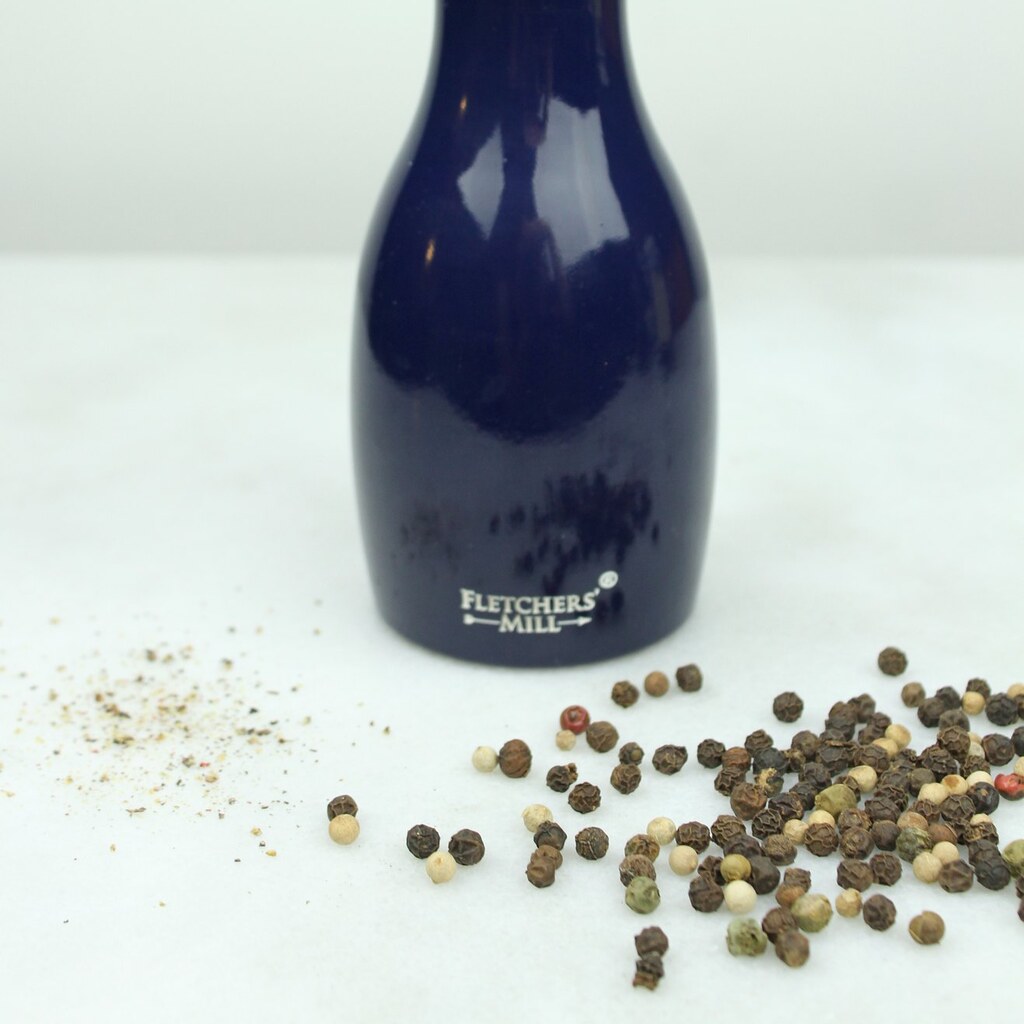
Peppercorns are the fruit and seeds of a vine native to India. The fruit is very small and only has one seed, and a thin layer of flesh around the outside. Peppercorns are dried and sold as pepper, either whole or ground up into small flakes or a powder. Pepper is usually sold in white and black. White pepper is made from just the seeds of the pepper fruit, and black pepper is made from the whole fruit, seed and all.

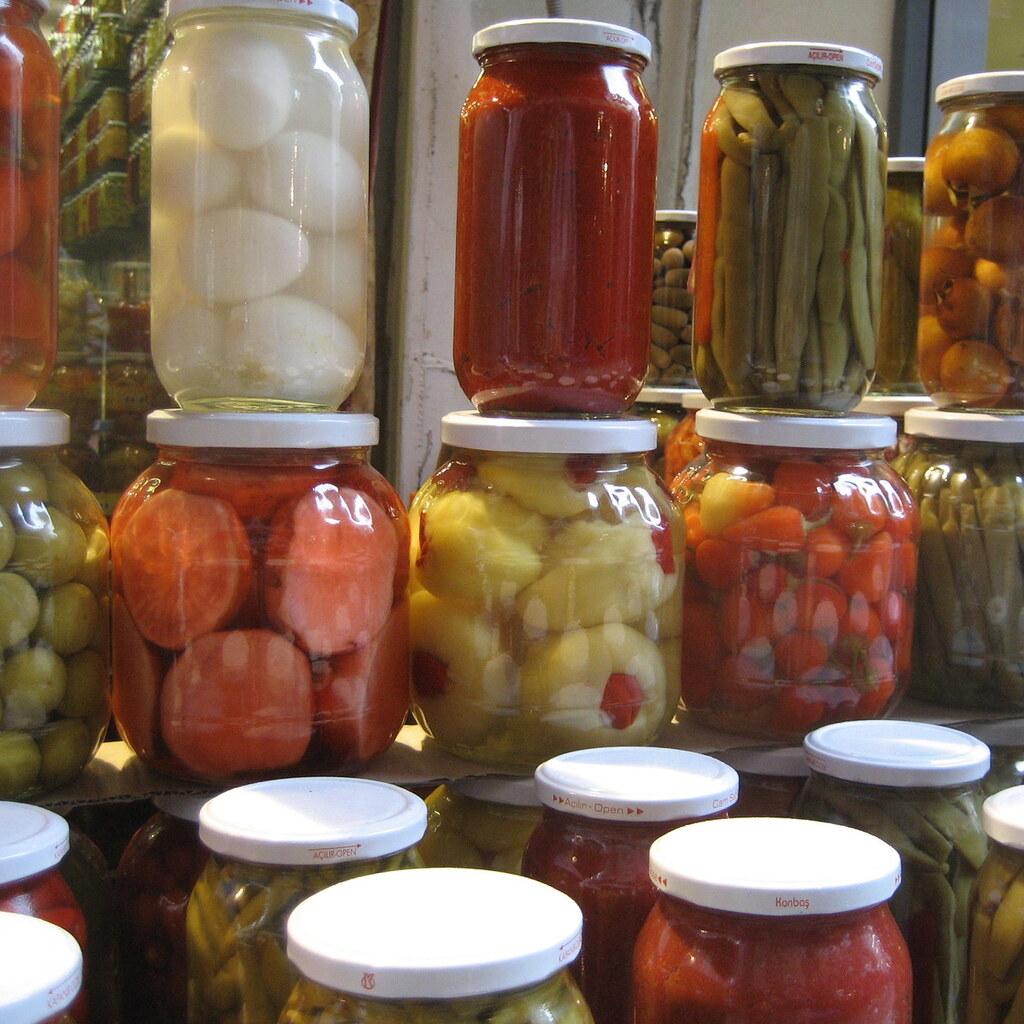
Pickling is a way of preserving food. The most common vegetables pickled today are cucumbers, olives and onions.
Pickling is a way of preserving food by storing it in acid, either directly by using vinegar or by fermenting food in salty water to make lactic acid. Herbs like garlic and mustard are often added to pickles both for flavour and to help keep germs at bay.
Pickling is a way of preserving food by storing it in acid, either directly by using vinegar or by fermenting food in salty water to make lactic acid. Herbs like garlic and mustard are often added to pickles both for flavour and to help keep germs at bay.
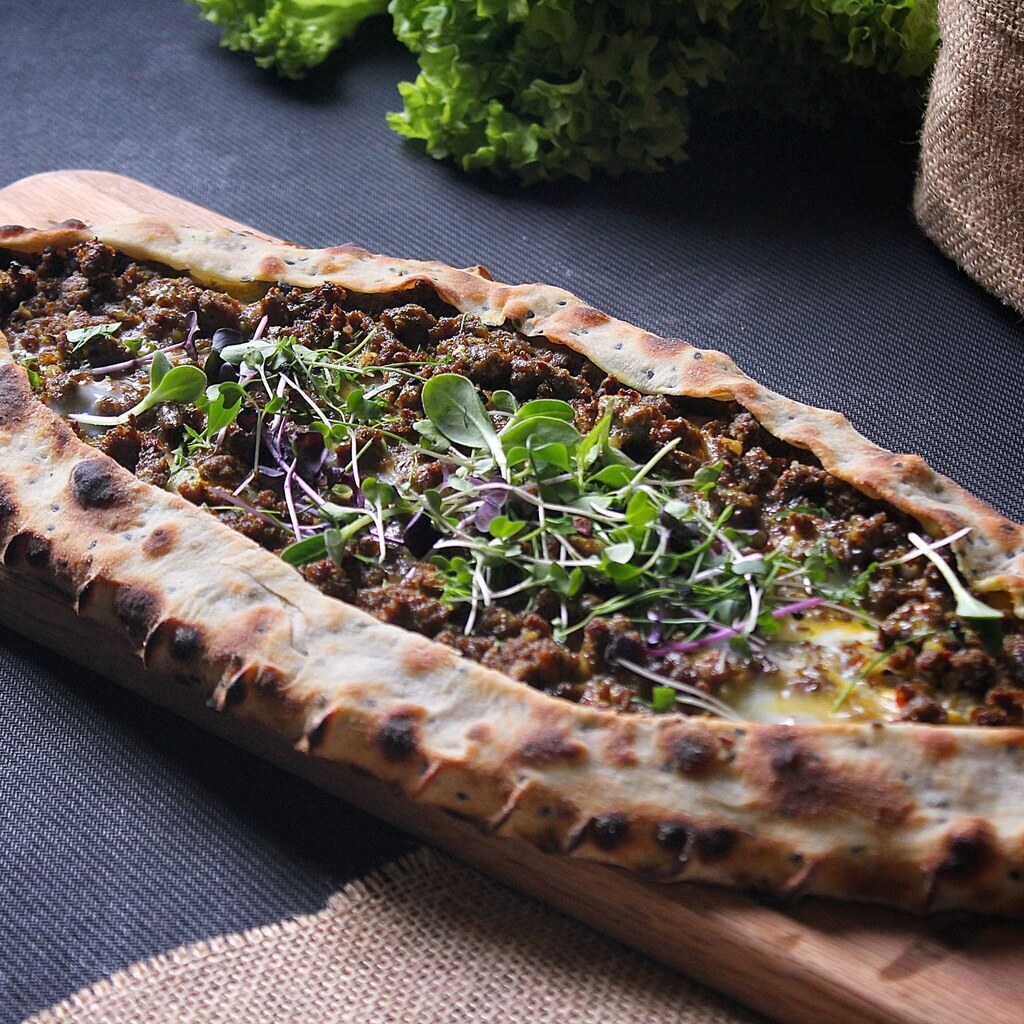
Pide is a Turkish flatbread made from yeast dough. It is often boat-shaped and topped with cheese, meat, vegetables, or an egg. It is baked in a hot oven, so the outside is crisp and the inside stays soft.
In Turkey, filled pide is usually sliced and eaten hot. During Ramadan, round pide bread is also made and shared at meals.
In Turkey, filled pide is usually sliced and eaten hot. During Ramadan, round pide bread is also made and shared at meals.
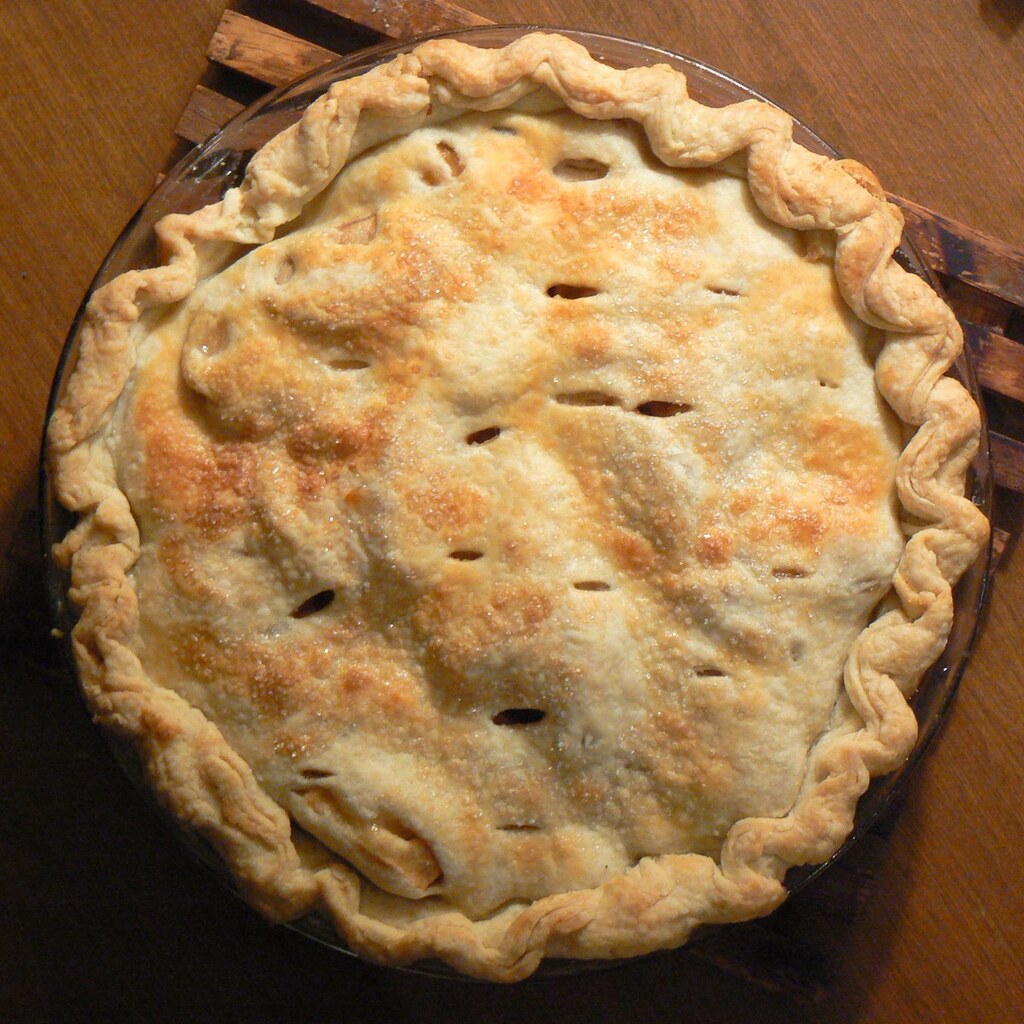
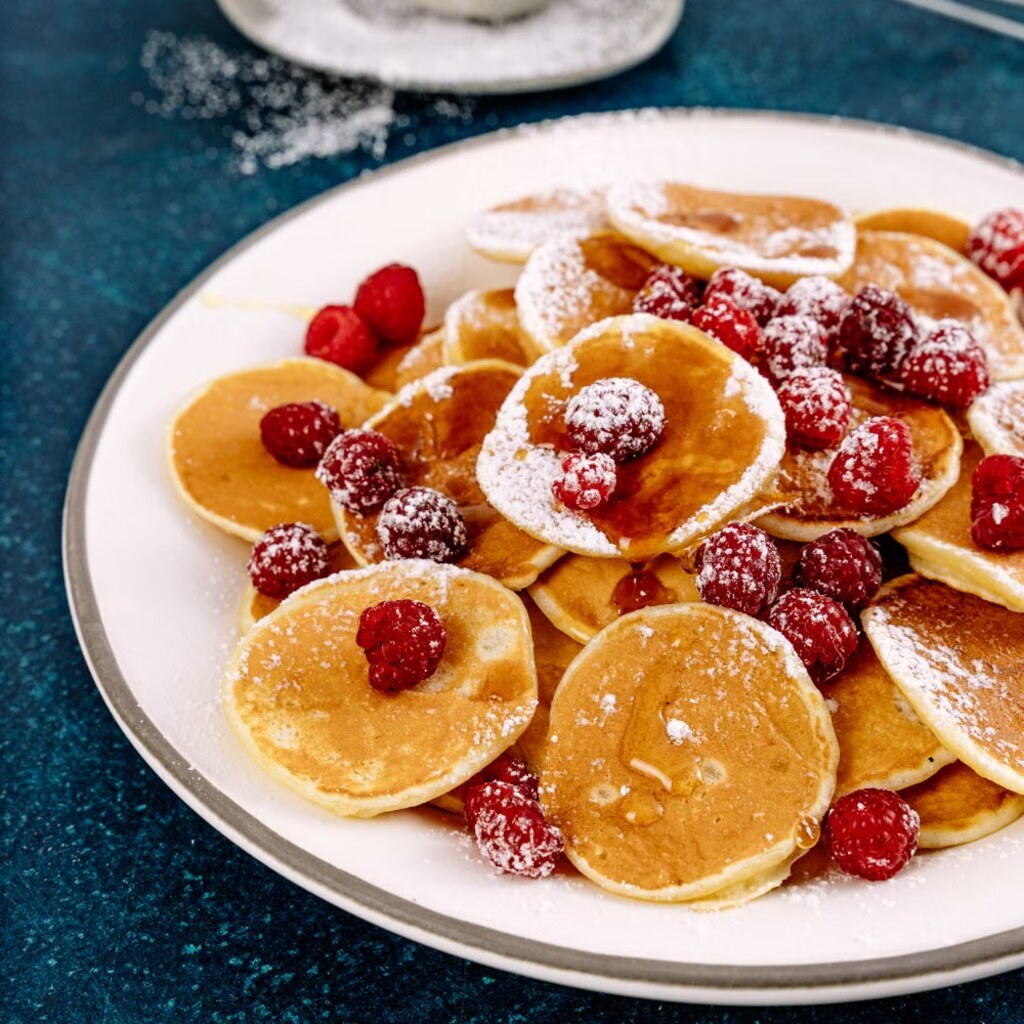
A pikelet is a small, round cake made from flour, milk, eggs, and a raising agent. It is cooked on a hot griddle or frying pan and is usually soft, light, and slightly spongy.
The name has different meanings in different regions. In Britain, a pikelet may be a thin crumpet, while in Australia and New Zealand it is usually a small pancake. Pikelets are often served warm with butter, jam, or honey.
The name has different meanings in different regions. In Britain, a pikelet may be a thin crumpet, while in Australia and New Zealand it is usually a small pancake. Pikelets are often served warm with butter, jam, or honey.