
Showing 41-60 of 88
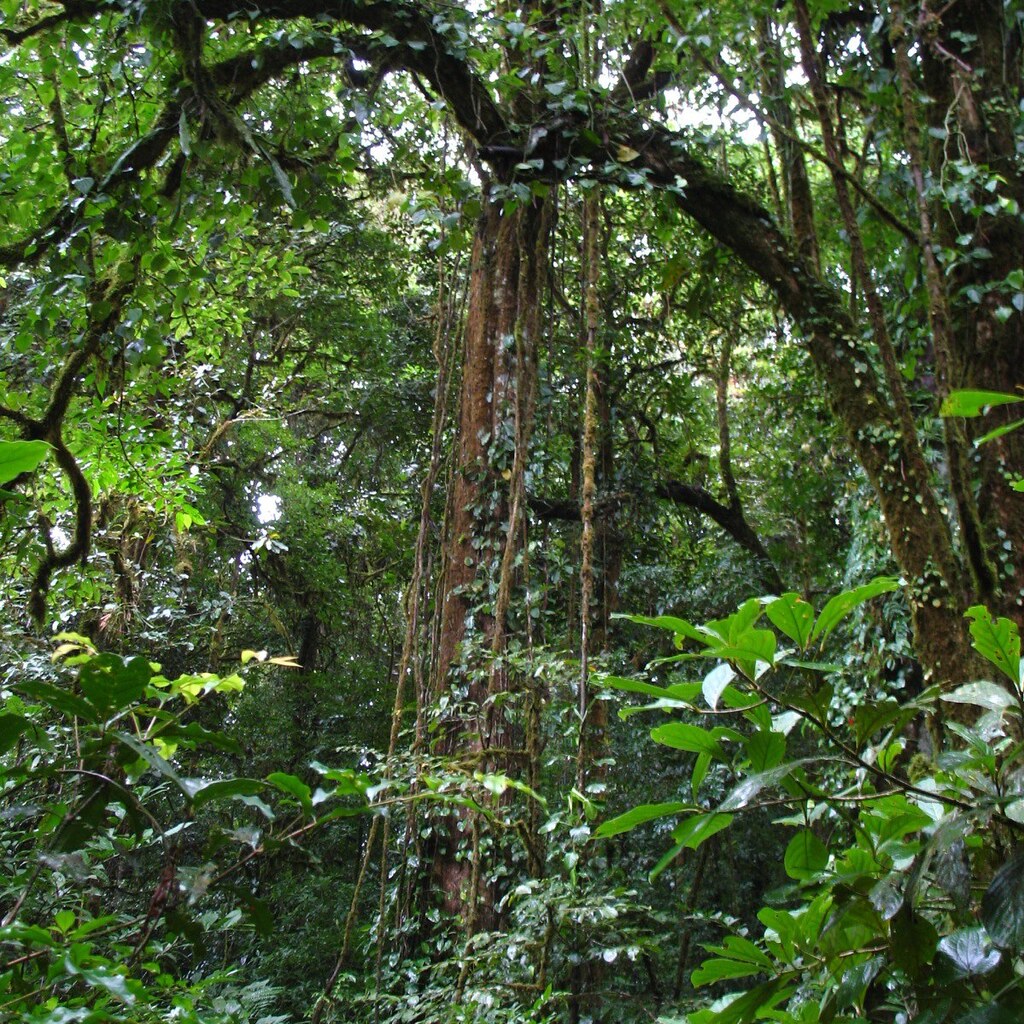
A jungle is a rainforest that is particularly thick and has a lot of undergrowth. It is usually impossible to walk through a jungle, you need to bring a machete to cut through the vines.
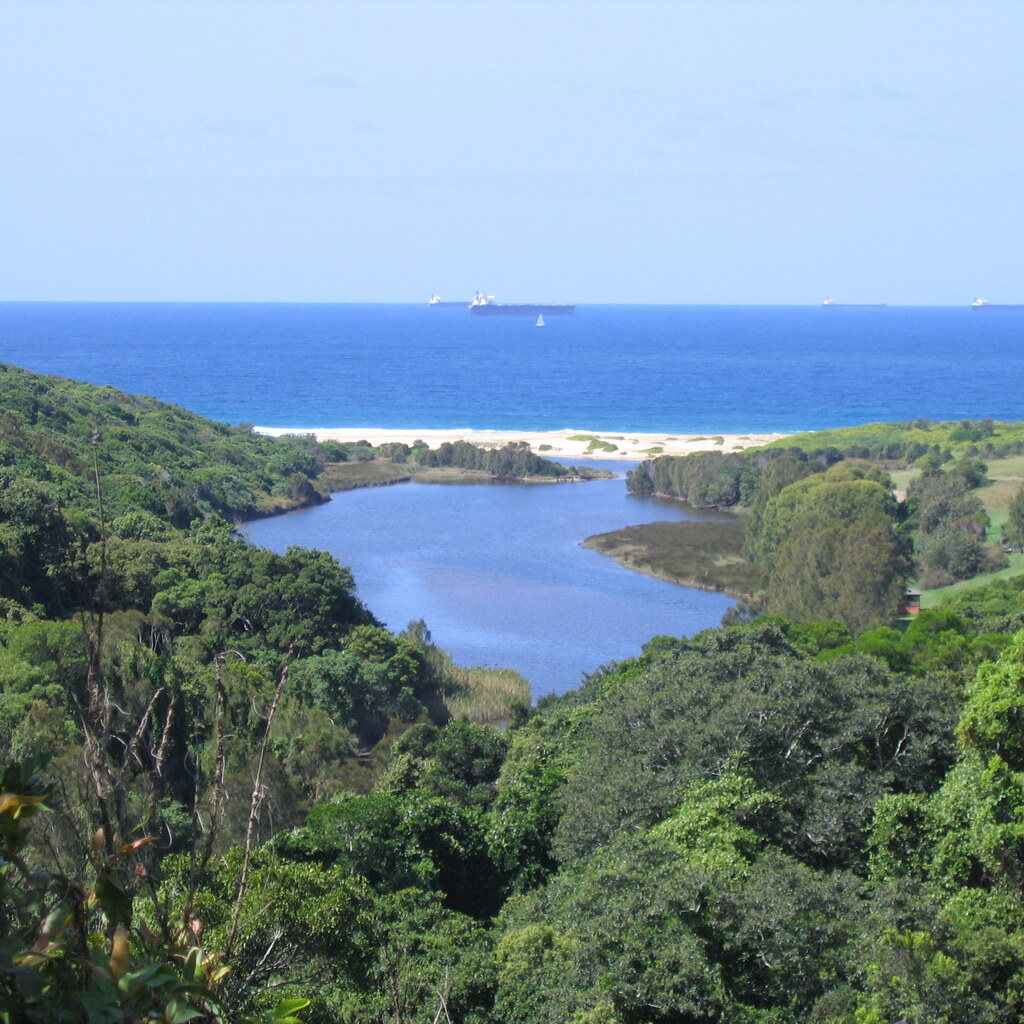

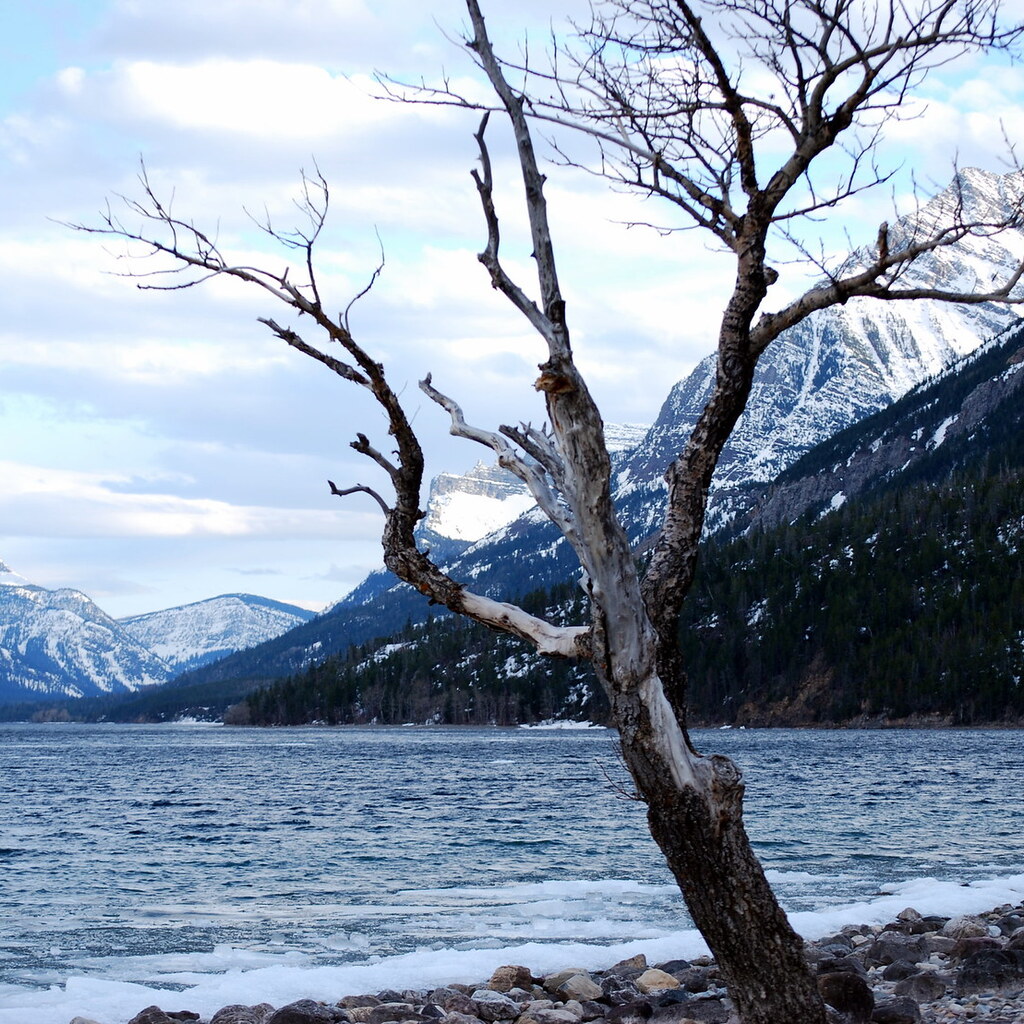
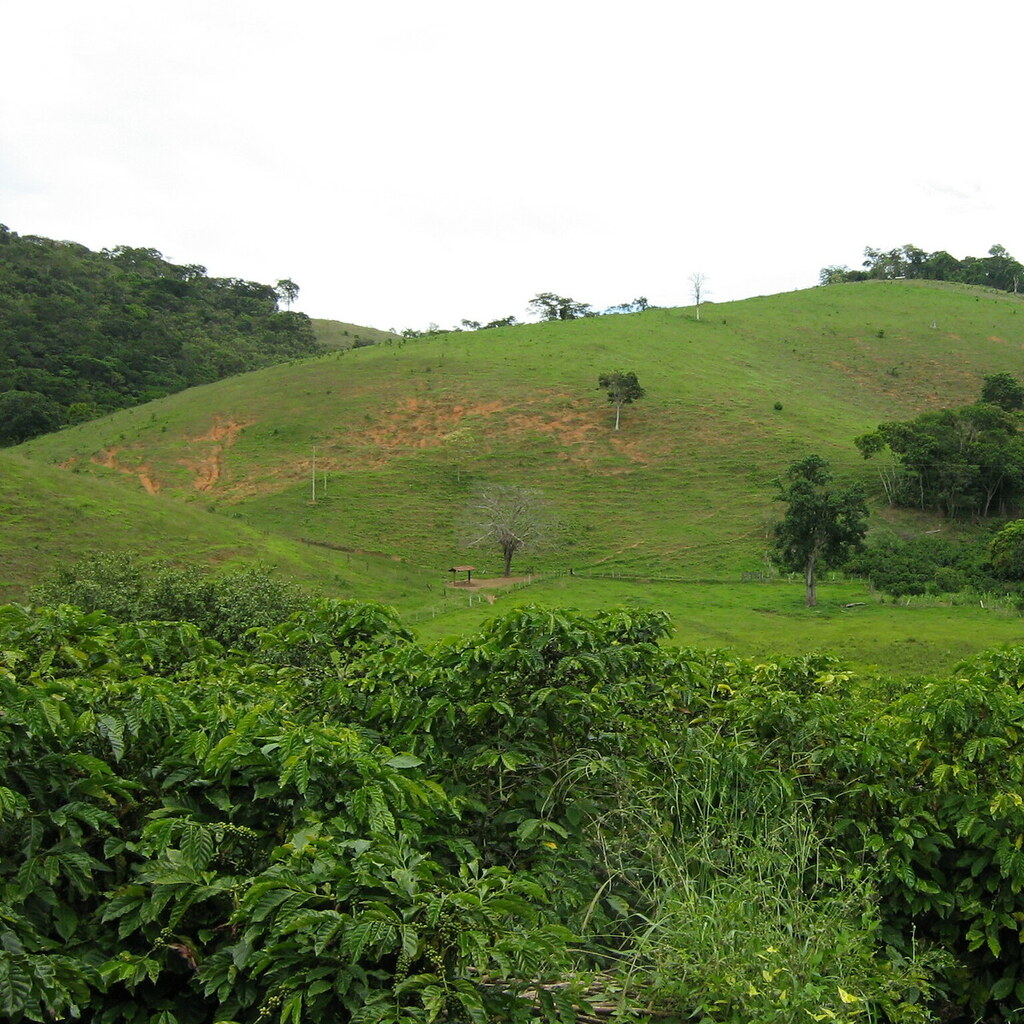

Mangroves are a kind of tree that grow along with other plants as mangals. Mangroves grow in the area where the tide flows through them, so they spend some of their time under water and some of their time dry. Many sea creatures live among the mangroves's roots, and mangroves are particularly important as a safe place for baby sea creatures when they are still very young.
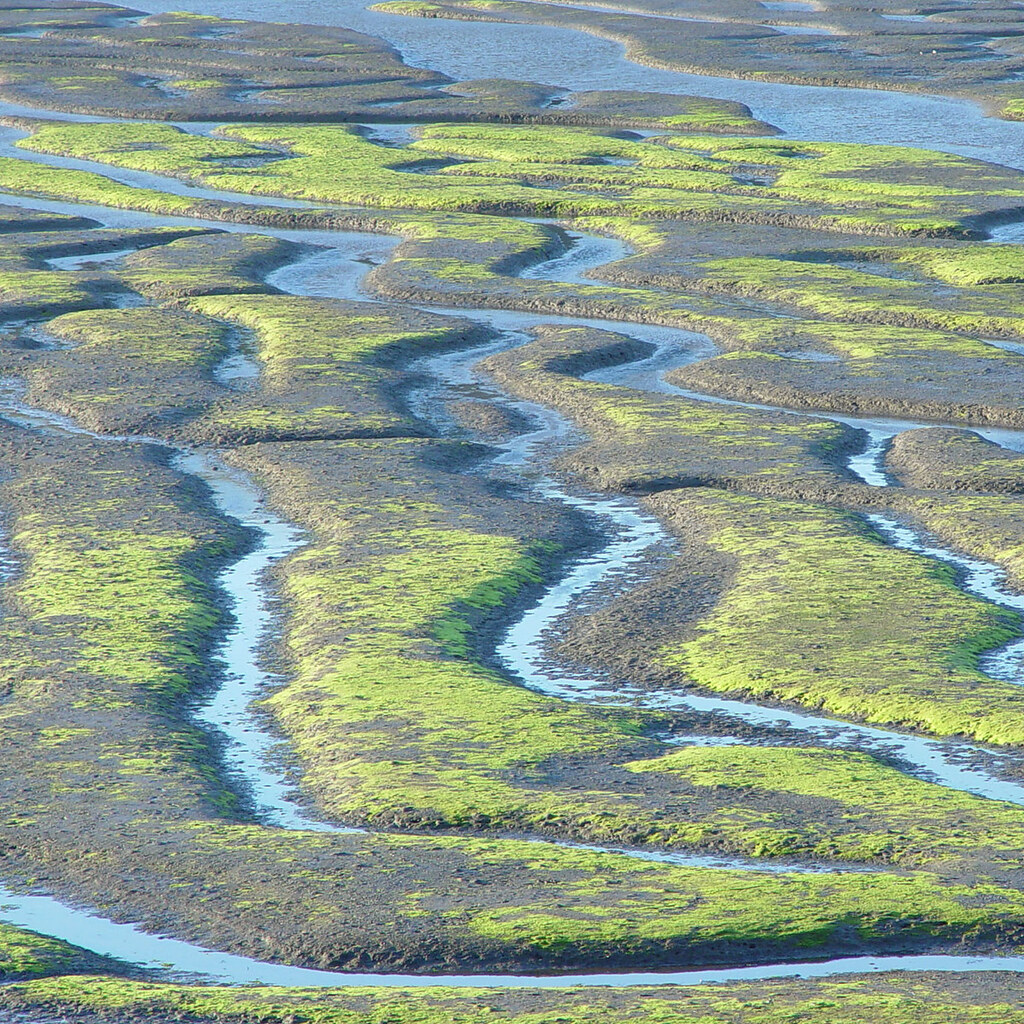
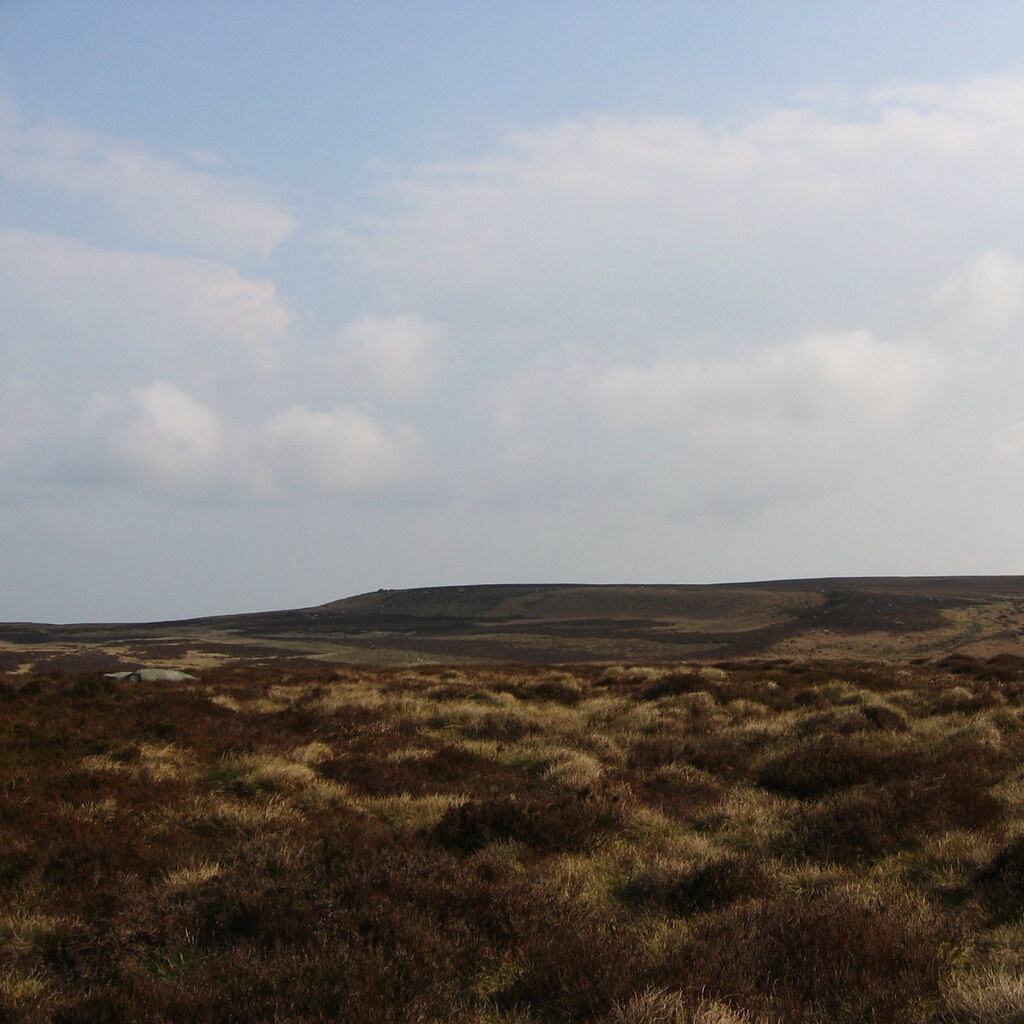
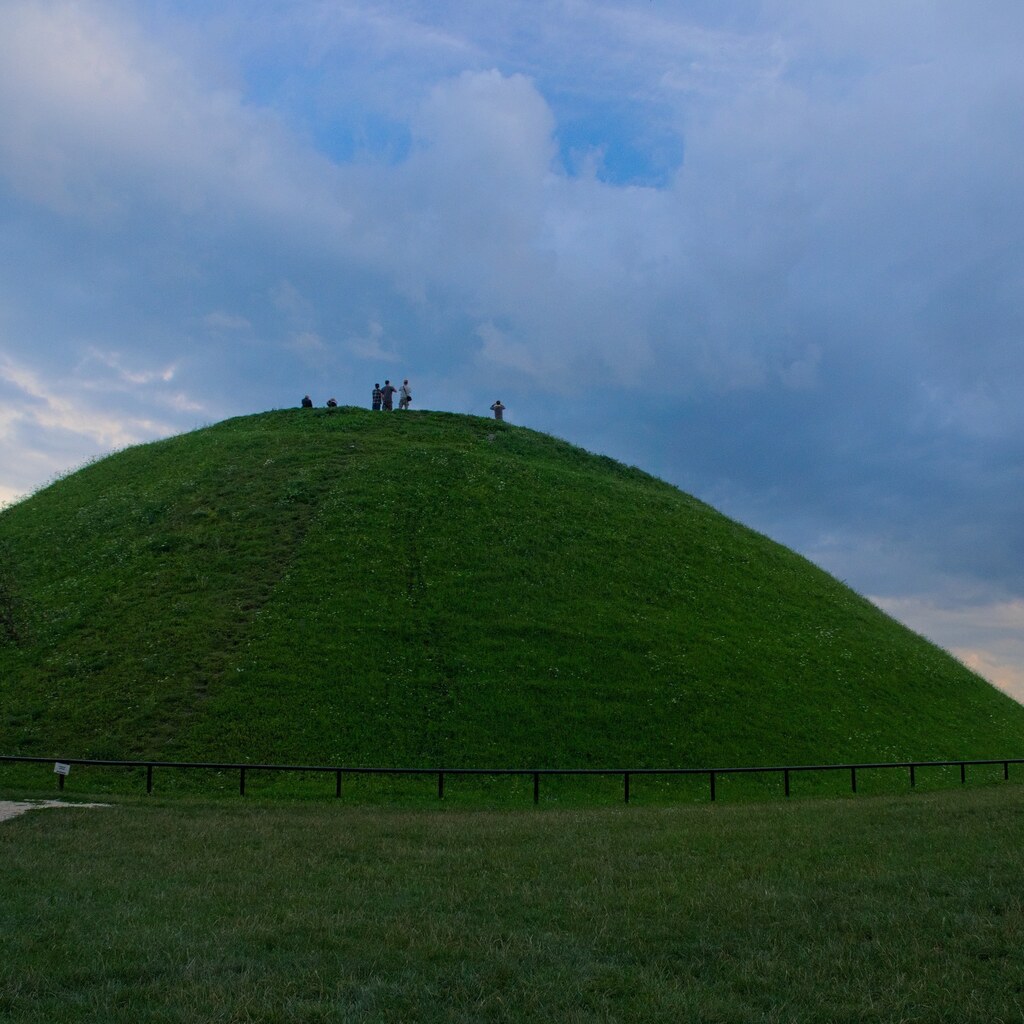
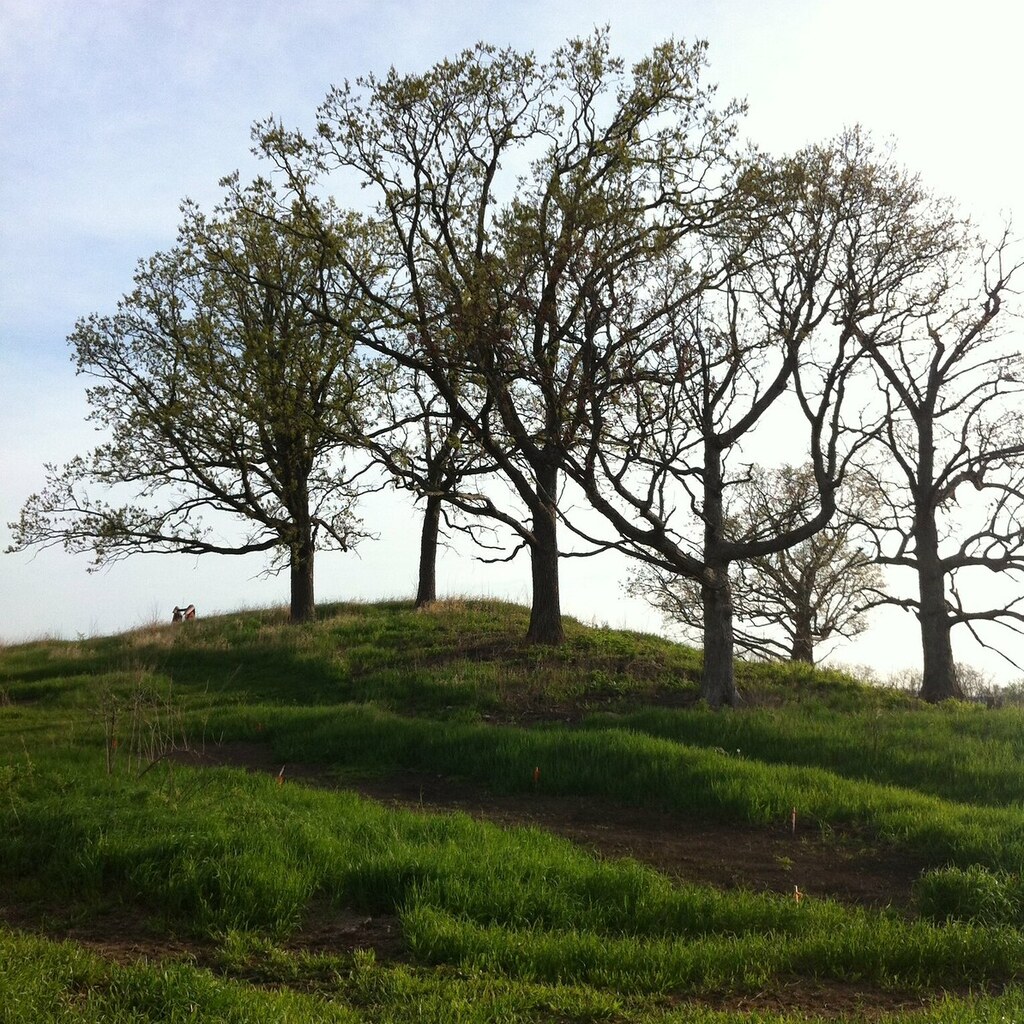
A mound is a raised part of the ground that is larger than a pile of dirt but smaller than a hill. Mounds can be naturally occurring, but most of the time mounds are made by people piling up some dirt. Burial mounds were used by some civilizations to mark the place of a grave.
Mounds can also be used to describe a large pile of something that isn't dirt. For example, you might have a mound of paperwork or a mound of laundry.
Mounds can also be used to describe a large pile of something that isn't dirt. For example, you might have a mound of paperwork or a mound of laundry.
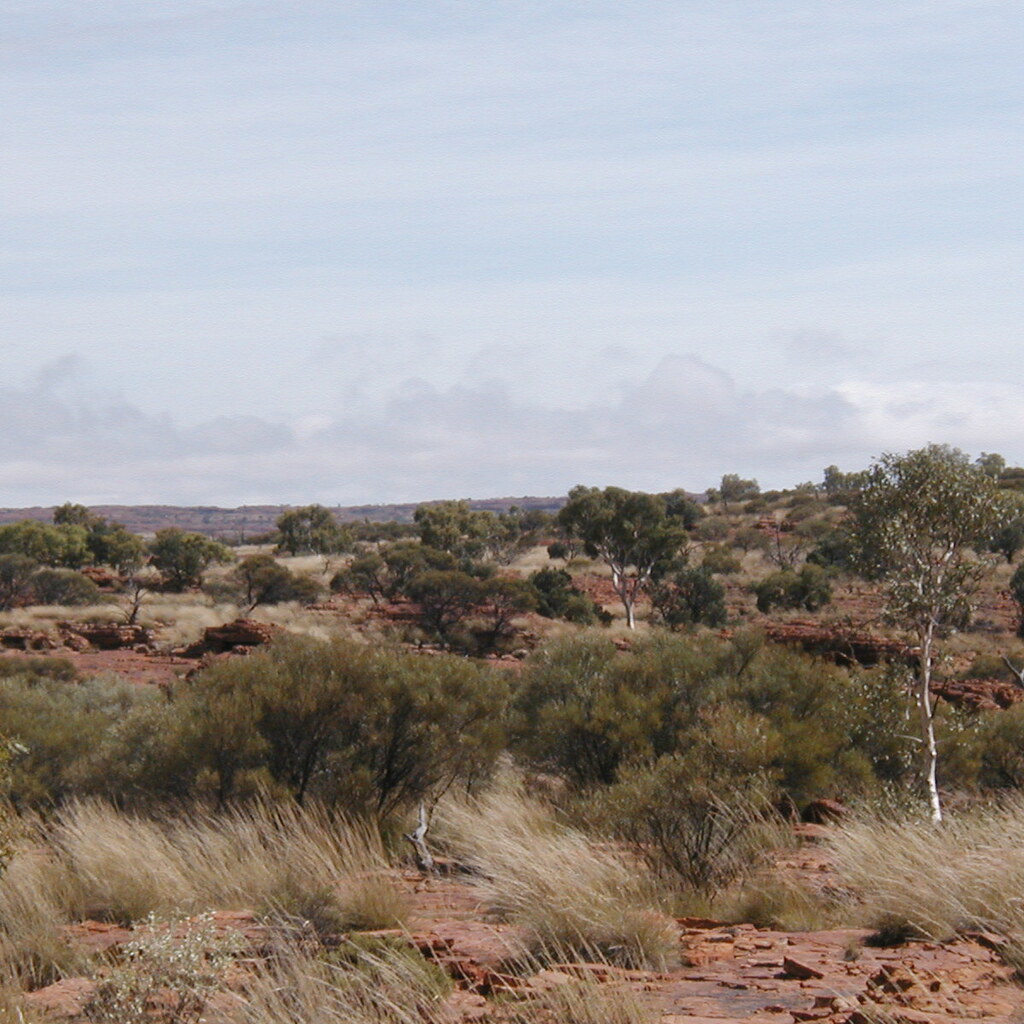
The outback is a name commonly given to the arid interior of Australia.
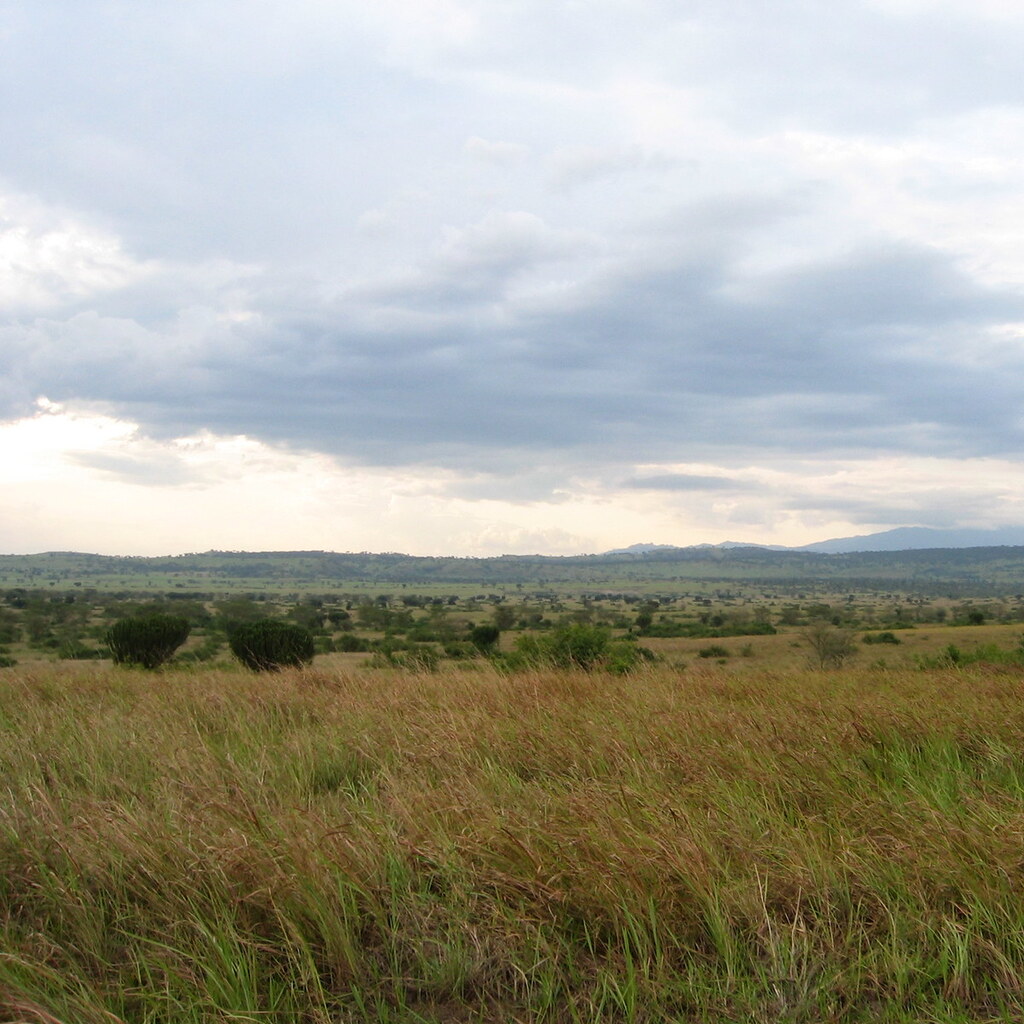
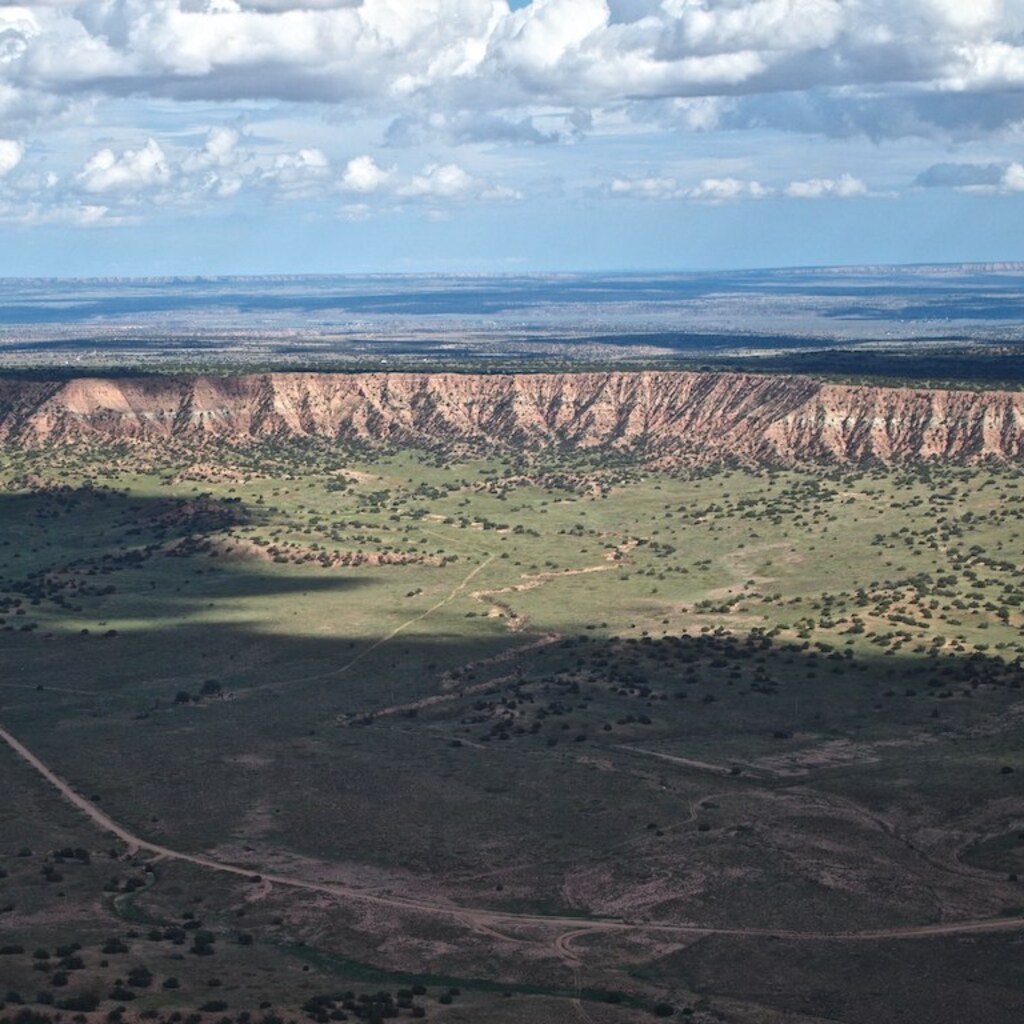
A plateau is a wide, flat area of land that is higher than the surrounding area, often due to being neighbored by canyons or valleys on all sides.
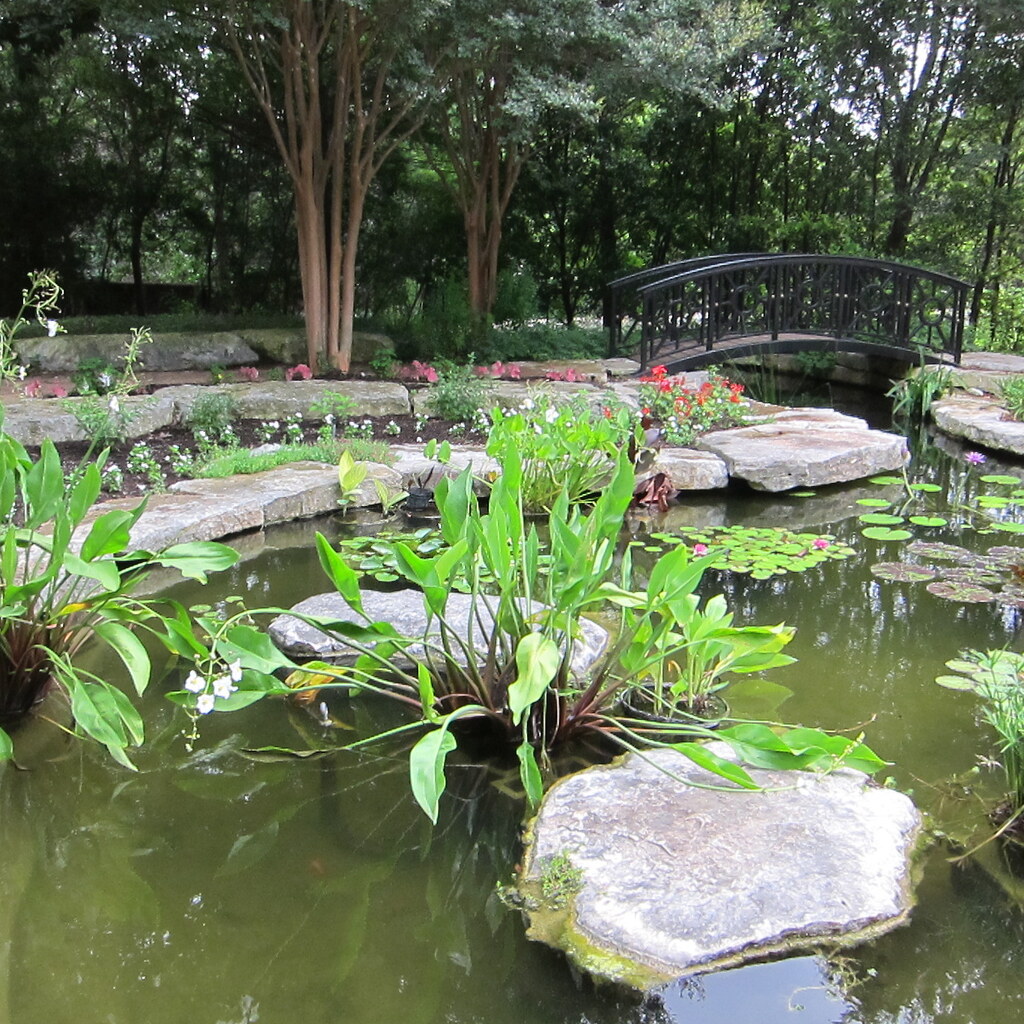

A pool is a small, still body of water. The dog in the picture is in a wading pool. Larger pools that are big enough to swim in are called swimming pools.
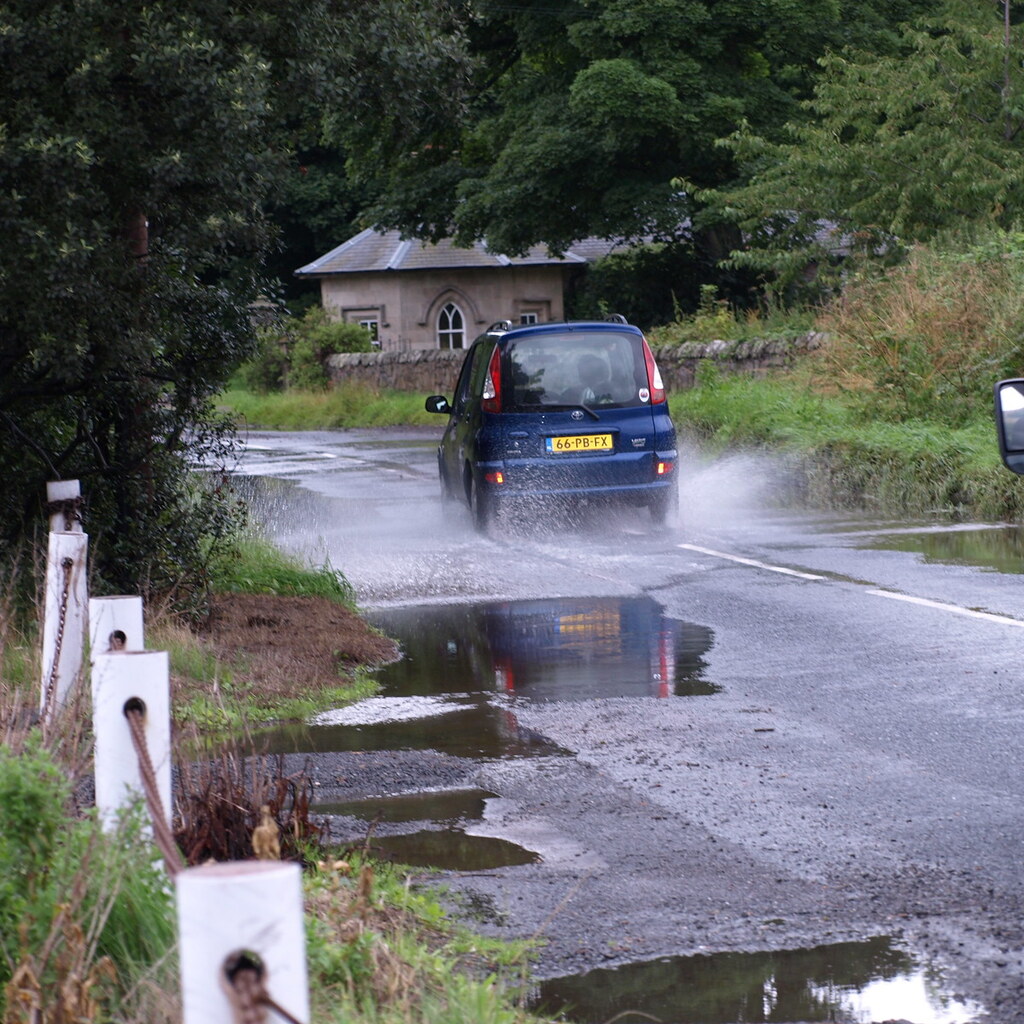
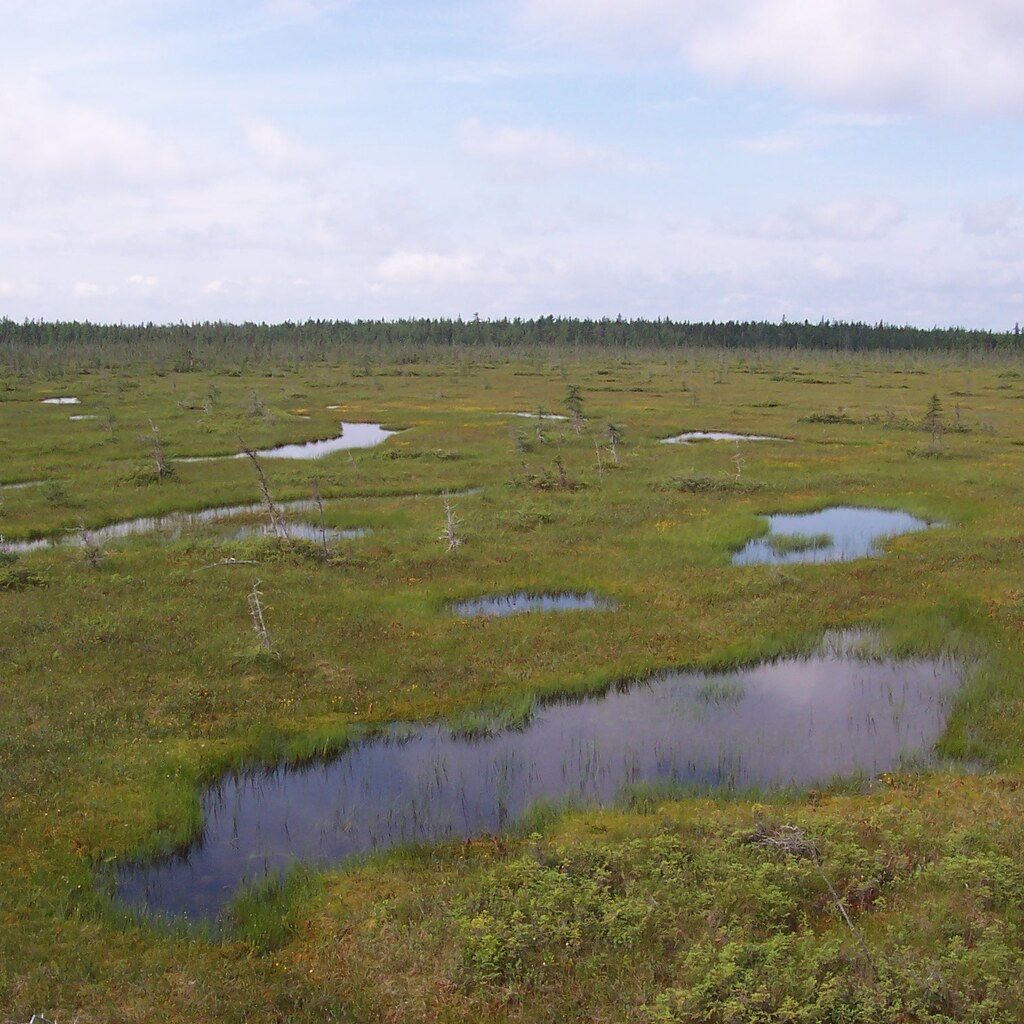

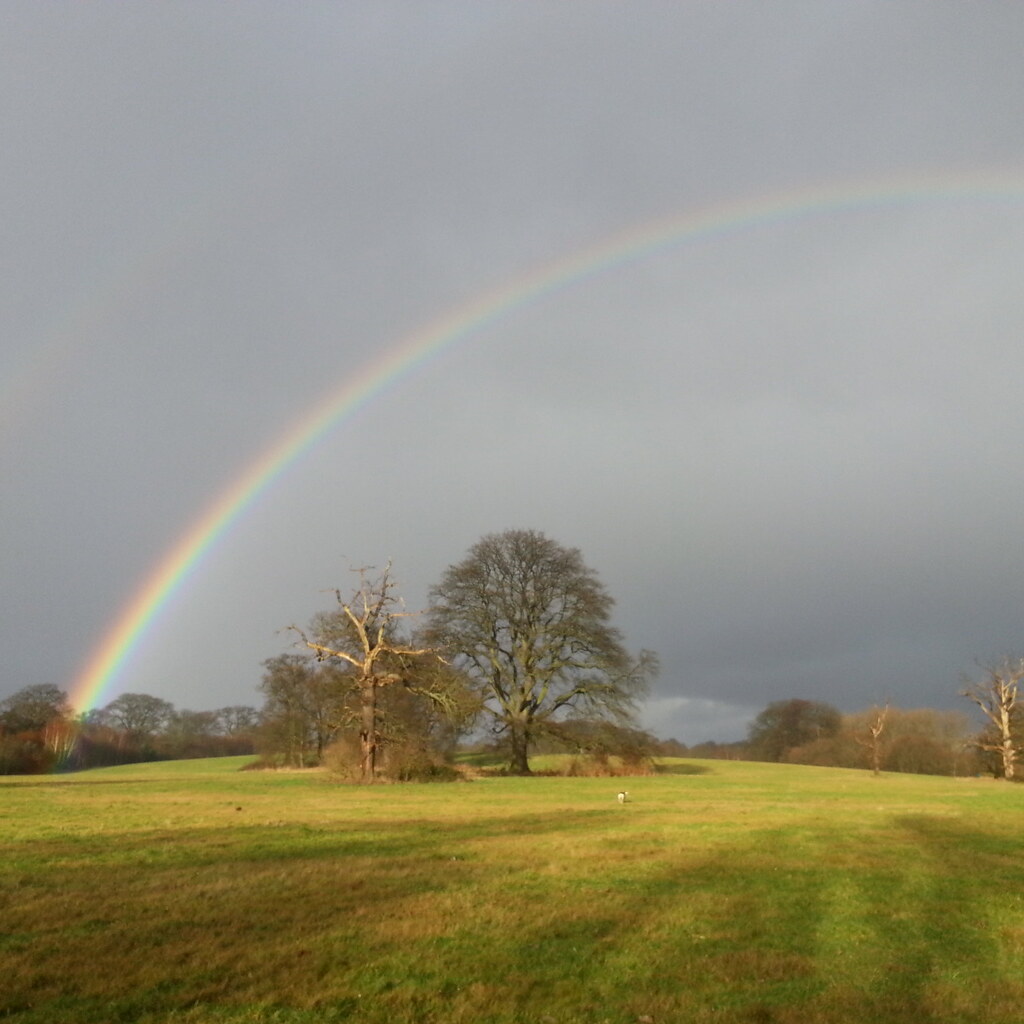
Rainbows happen when the sun shines through a very fine spray of water, like rain in the air or the spray from a garden hose or even from a waterfall.
The rainbow is colourful because as sunlight travels through the water spray, it splits into a spectrum of colours. All the colours you see in a rainbow are there all the time in normal light, but they are mixed up together so you only see white light.
You can also see the colours of the rainbow by shining light through a prism.
The rainbow is colourful because as sunlight travels through the water spray, it splits into a spectrum of colours. All the colours you see in a rainbow are there all the time in normal light, but they are mixed up together so you only see white light.
You can also see the colours of the rainbow by shining light through a prism.