
Showing 21-40 of 88

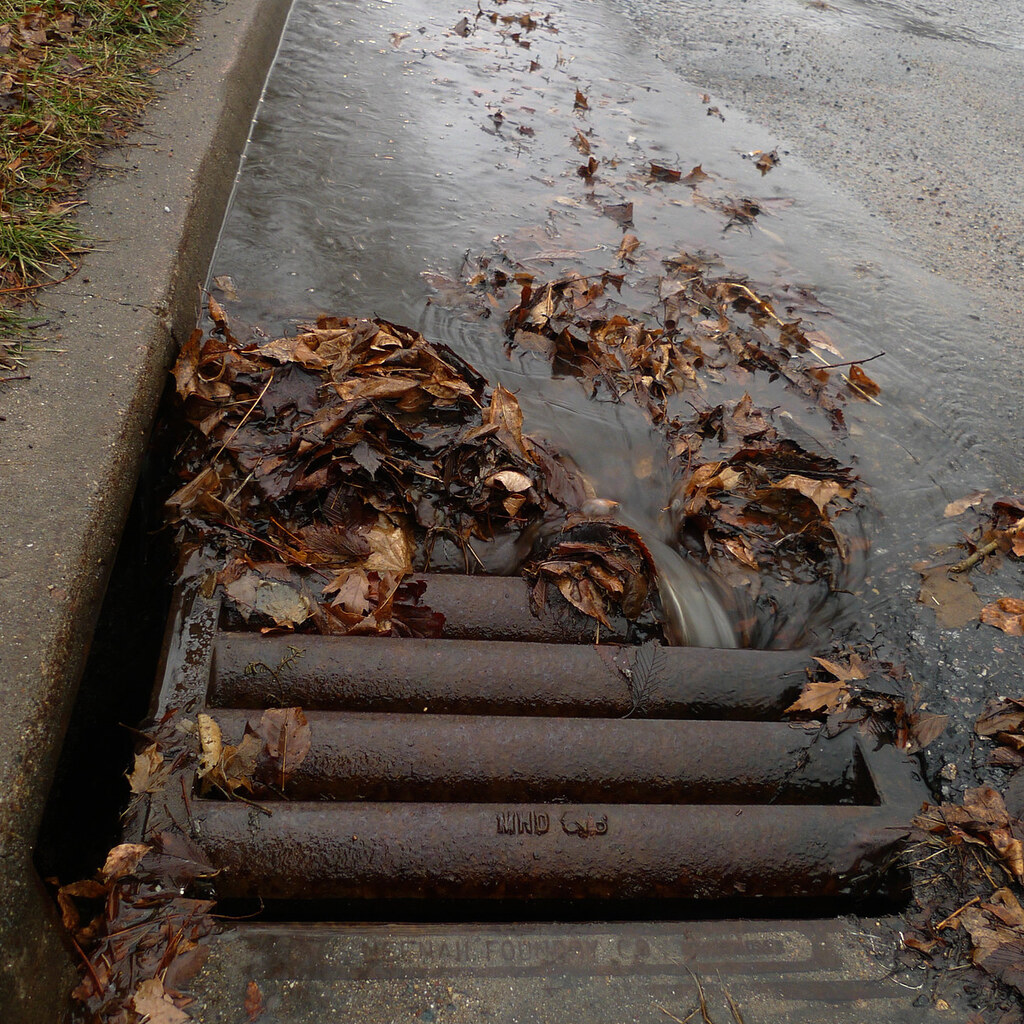
A drain is a type of hole, usually attached to a drainpipe, where water can escape from somewhere like a bath, washbasin or road. The entrance to a drain is usually covered by a grate.
You can use the word drain to describe the process of the water leaving somewhere, or the hole through which the water escapes.
You can use the word drain to describe the process of the water leaving somewhere, or the hole through which the water escapes.
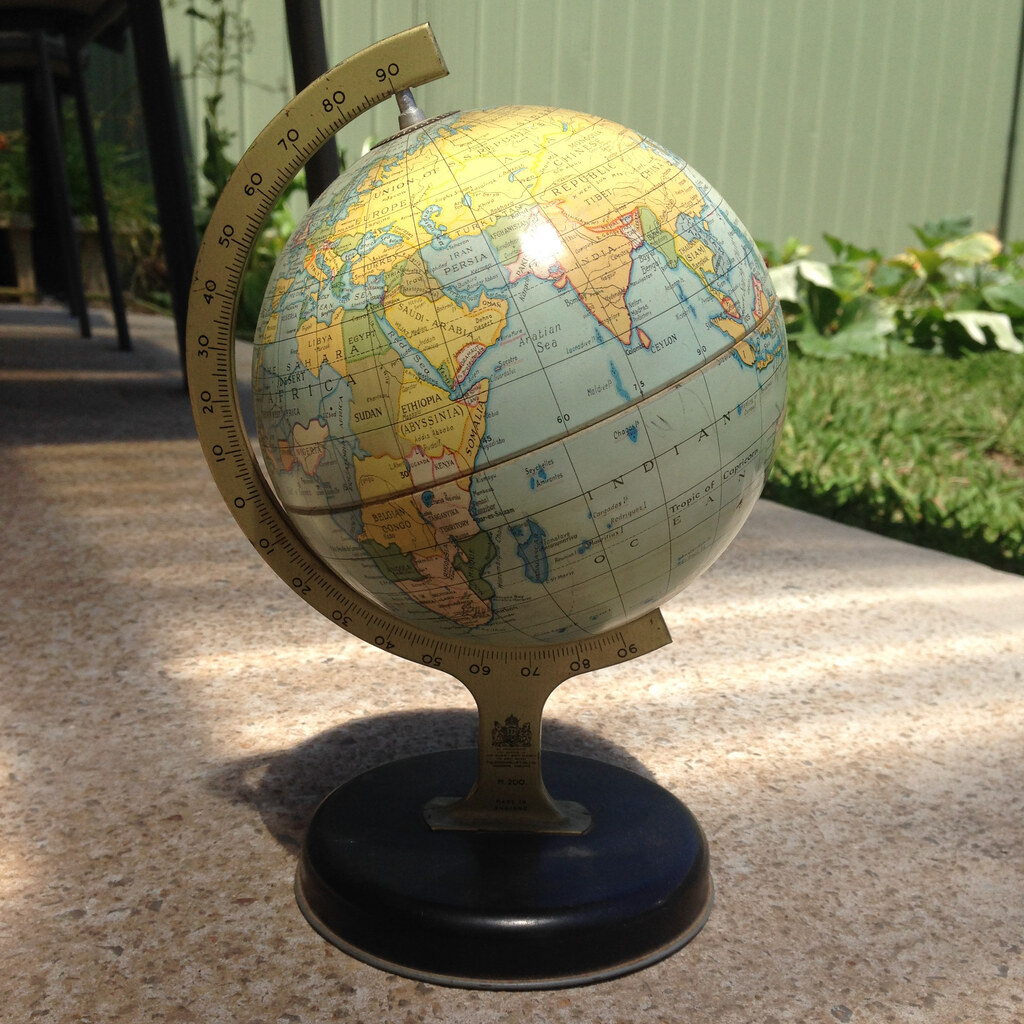
The equator is an imaginary line drawn around the earth that is equally distant from the north and south poles, dividing the earth into hemispheres.
The join around the middle of the globe in the picture is the equator.
The join around the middle of the globe in the picture is the equator.
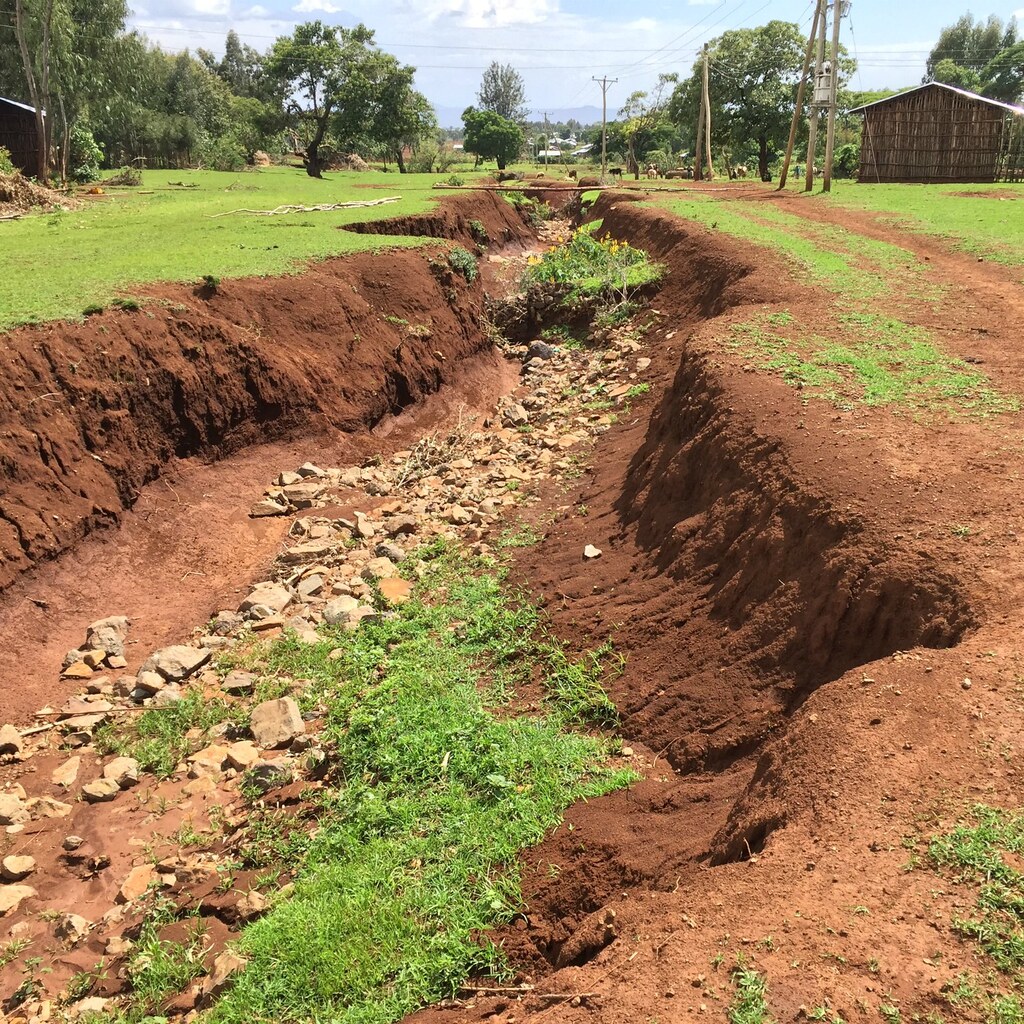
Erosion is the process by which something becomes eroded. Something is eroded by being worn away slowly over time, usually from the action of wind or running water. Even the hardest rock can slowly become eroded.
Erosion is only a problem if it happens too fast. When people cut down a lot of trees and plants all at the same time, there is nothing to hold the dirt together so it either gets blown away by the wind or washed away by rain. Once the soil has eroded away there is nothing to grow plants in for food, and the land becomes useless. The picture is of some bad erosion around a creek.
Erosion is only a problem if it happens too fast. When people cut down a lot of trees and plants all at the same time, there is nothing to hold the dirt together so it either gets blown away by the wind or washed away by rain. Once the soil has eroded away there is nothing to grow plants in for food, and the land becomes useless. The picture is of some bad erosion around a creek.
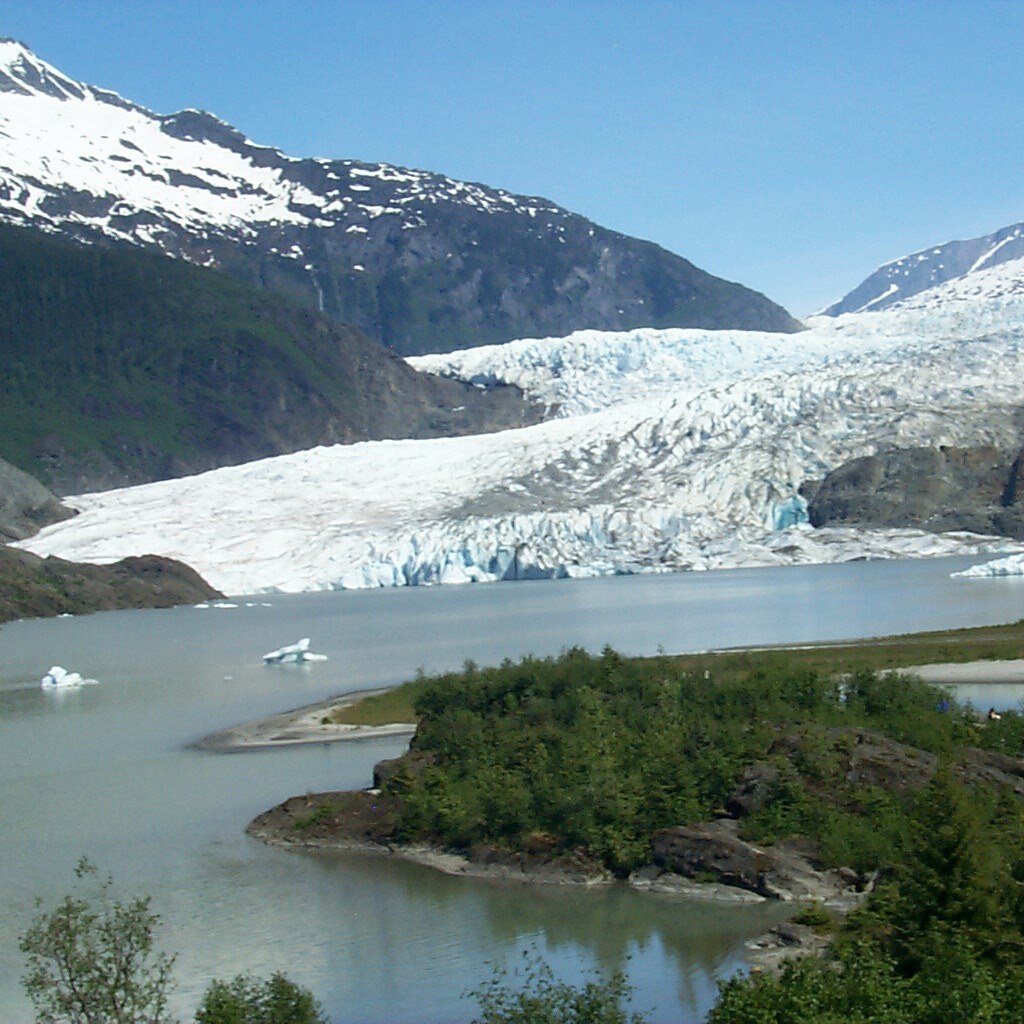
A glacier is a very large amount of ice that is slowly moving. The ice comes from fallen snow in an area that is so cold the snow just keeps building up faster than it melts away. There is an enormous amount of fresh water frozen inside glaciers, which are found all over the world except Australia.
Because glaciers move and are so big and hard, they can change the landscape as they move. The ice from the glaciers eventually ends up in the sea.
Because glaciers move and are so big and hard, they can change the landscape as they move. The ice from the glaciers eventually ends up in the sea.
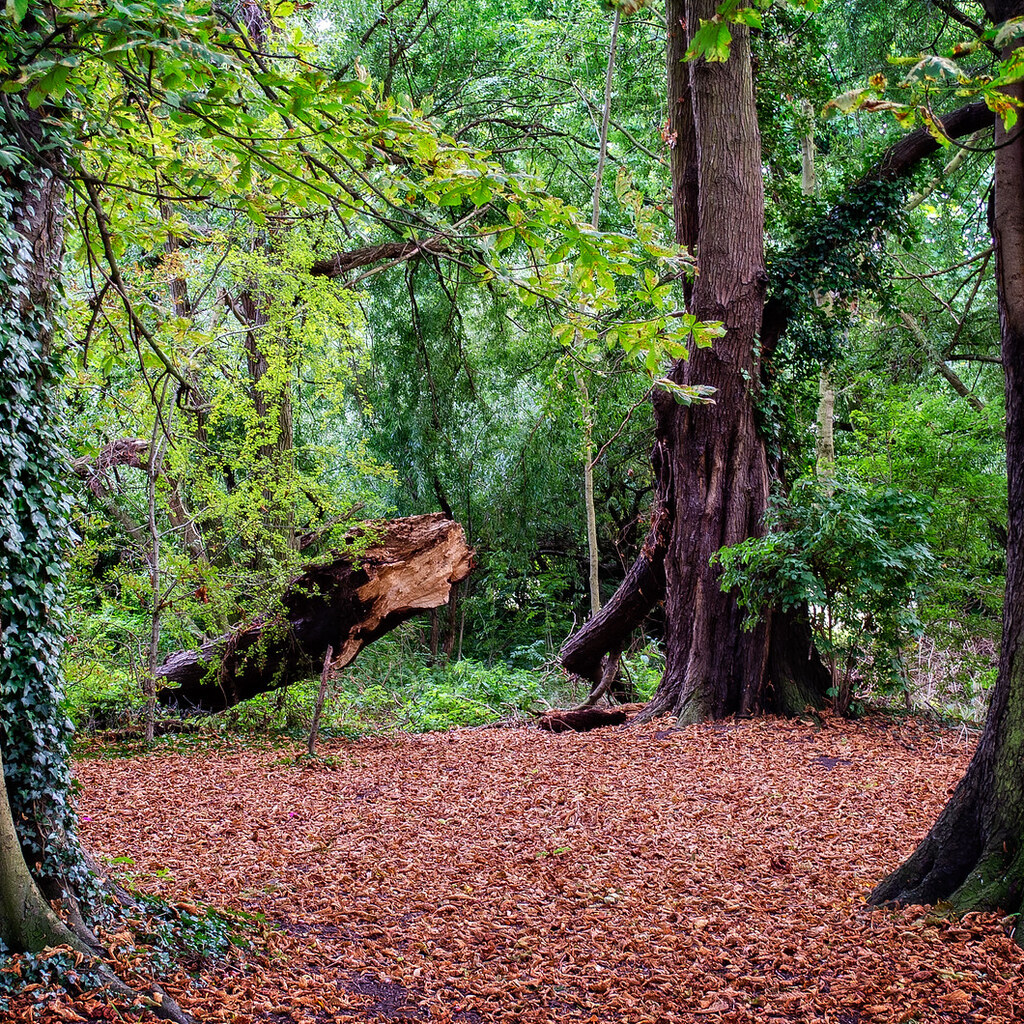
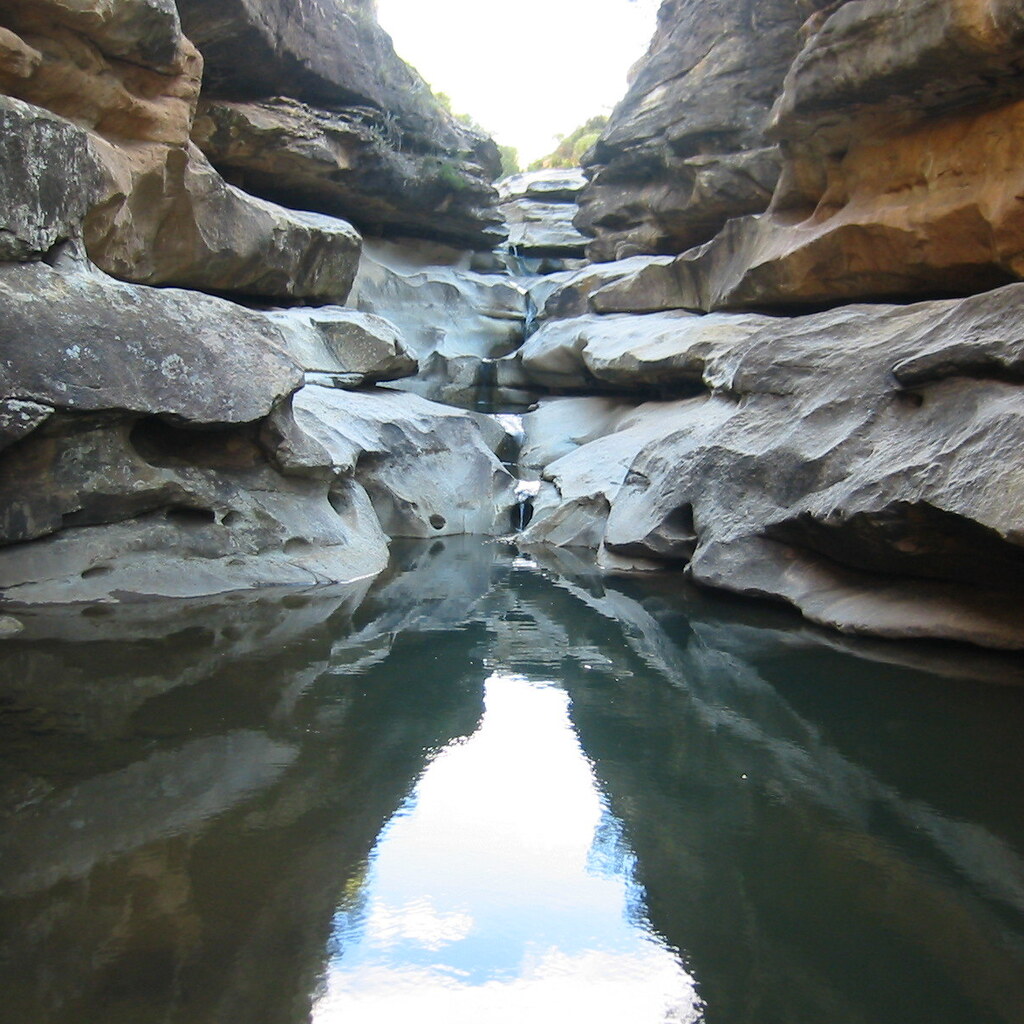
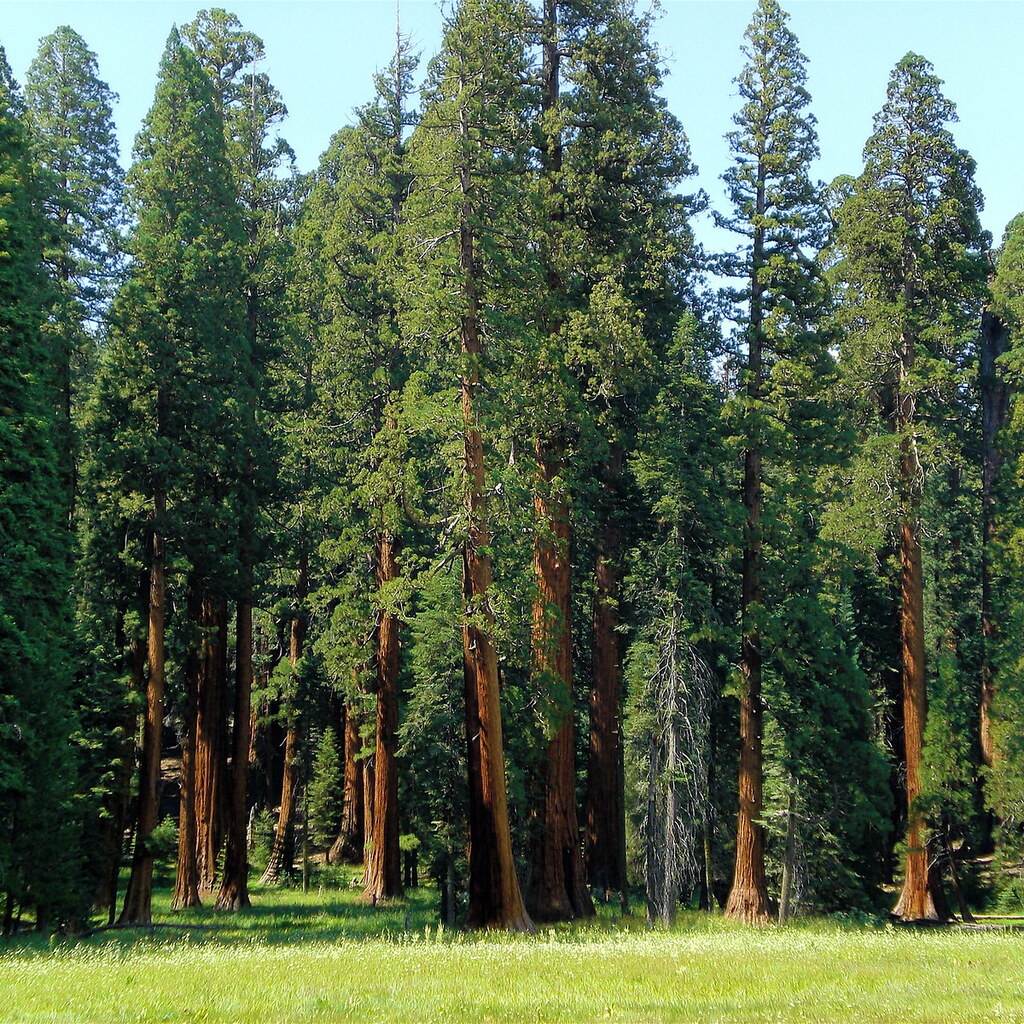
A grove of trees is a group of trees together, usually without any undergrowth.
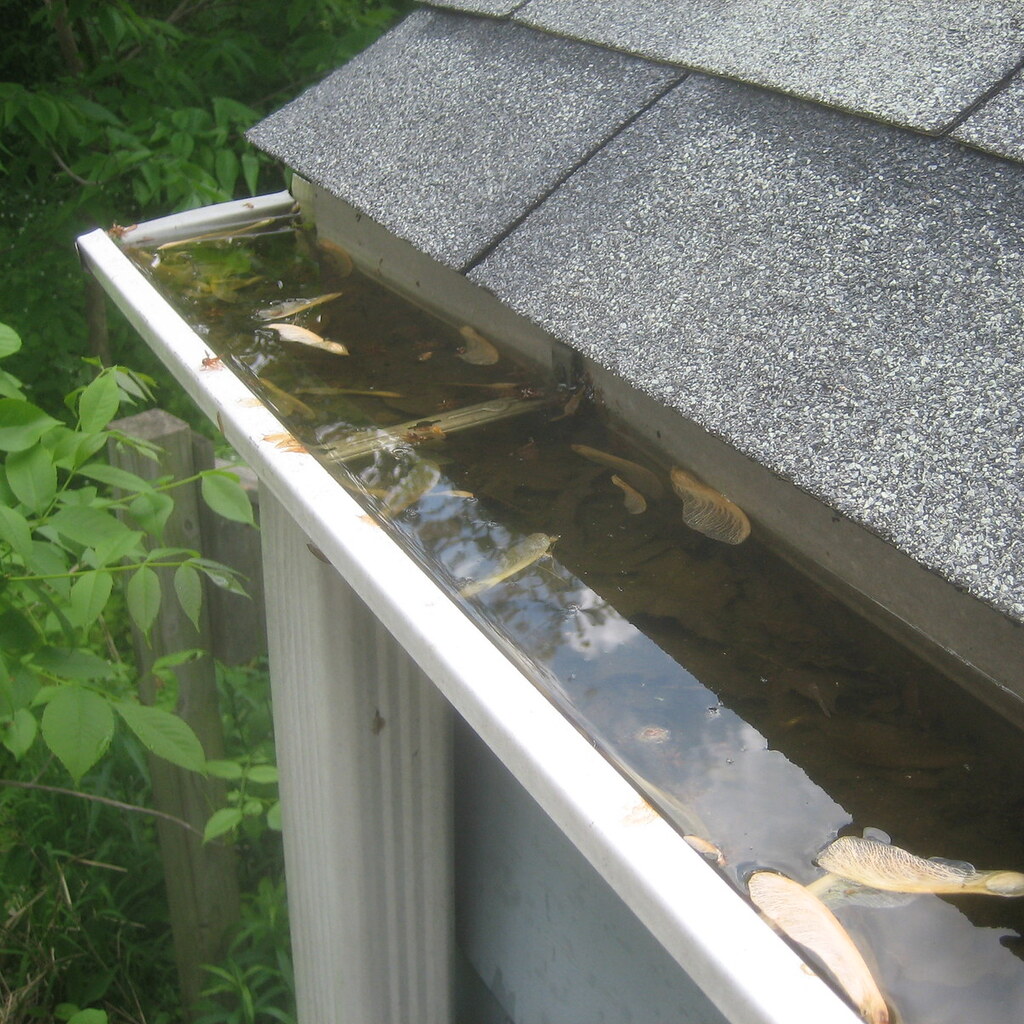
Gutters are channels that are used to carry water away to somewhere else. Gutters can be found around the edges of a roof, to catch the water and take it to storage or into a drain. Gutters are also found at the edges of roads, and sometimes also in the center of a road, to carry water away from the surface of the road.
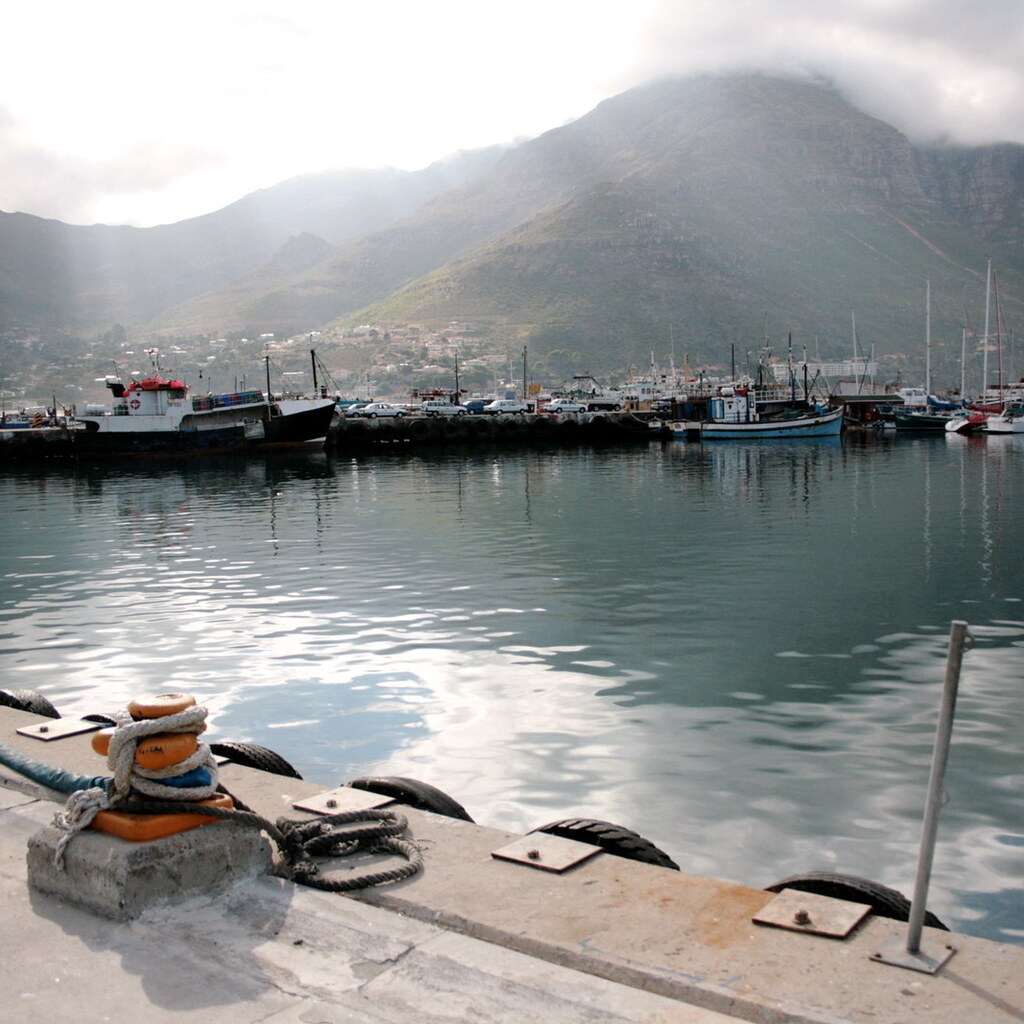
A harbor, also spelt harbour, is a sheltered body of water that is deep enough for ships to dock and unload. Harbors are generally an inlet or bay surrounded by land.
A harbor is also a term used for any safe place, or can be used as a verb to mean keeping something or someone safe, as in "he was harboring a known criminal".
A harbor is also a term used for any safe place, or can be used as a verb to mean keeping something or someone safe, as in "he was harboring a known criminal".
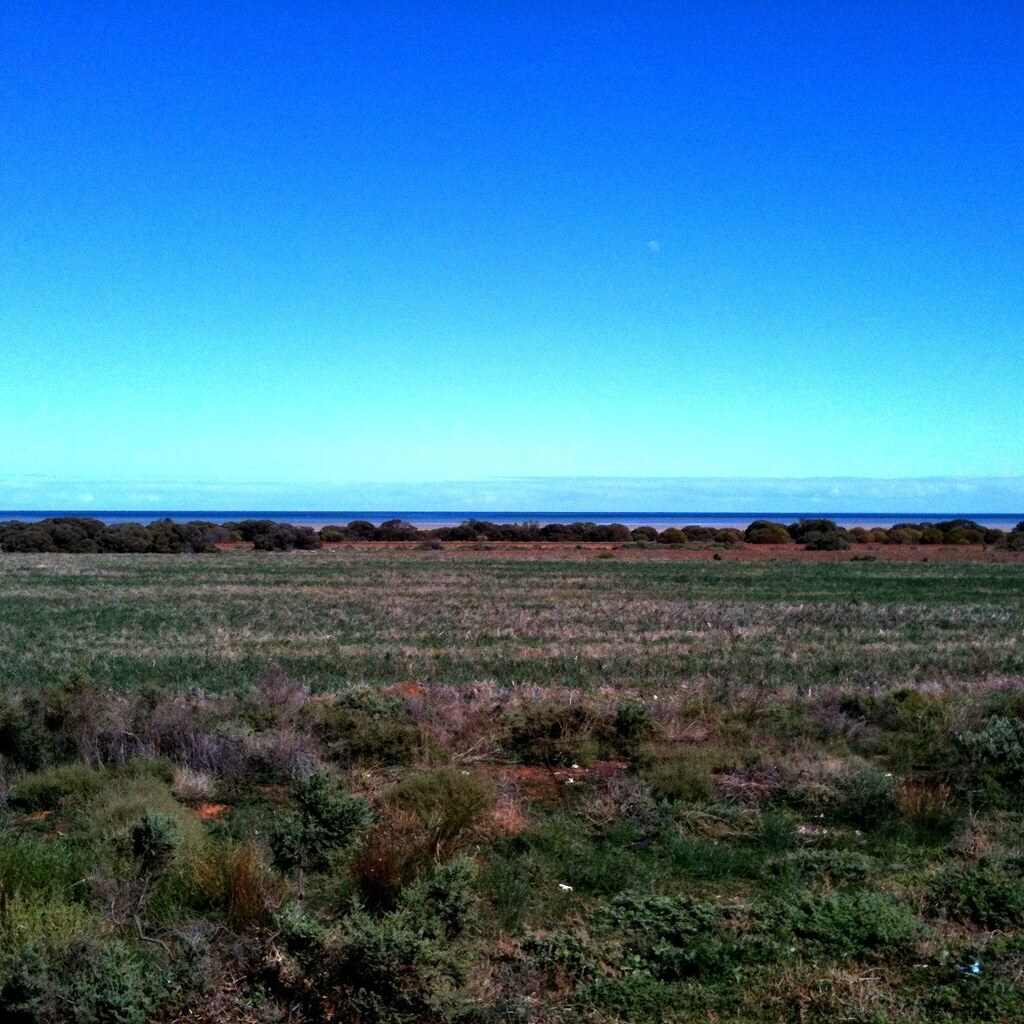
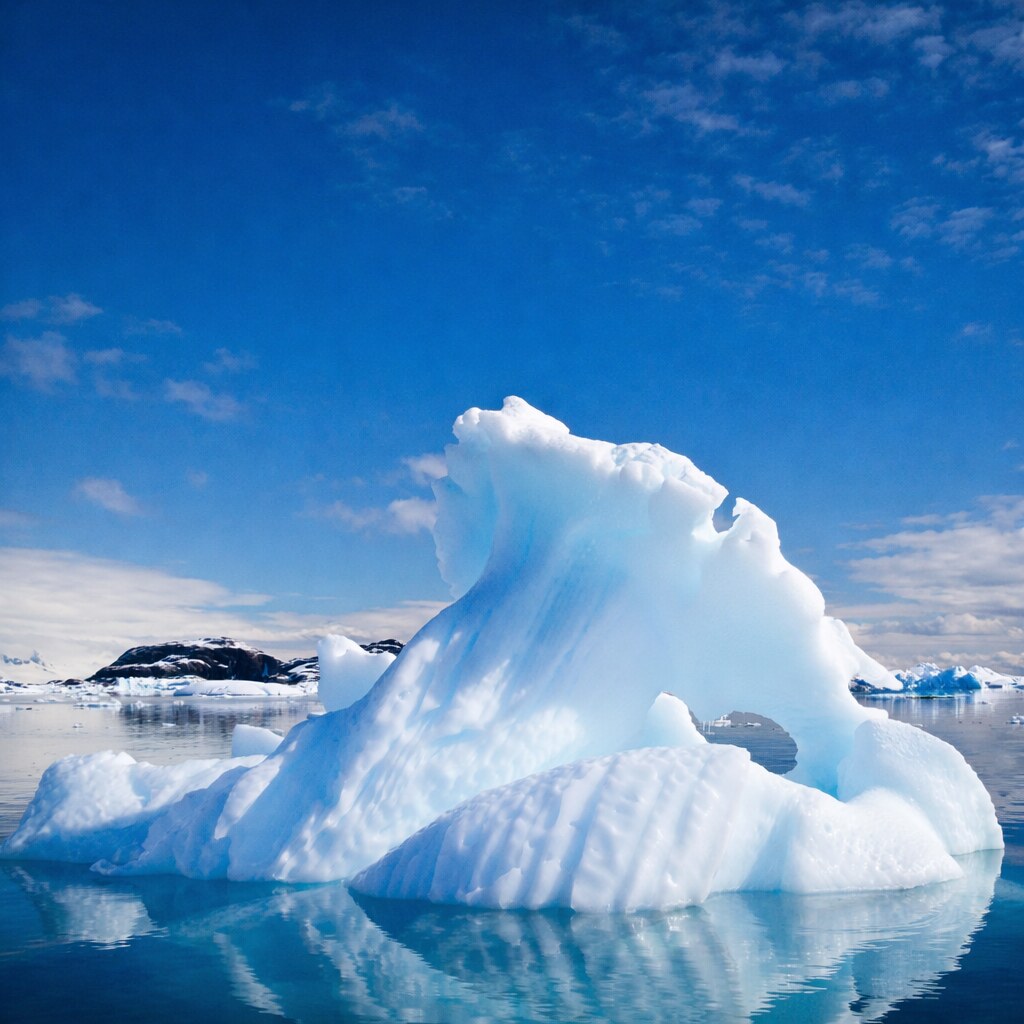
Icebergs are huge chunks of ice that break off from the ice collected around land, or from glaciers that reach the sea. They float, but most of them is underwater and you can't see it, which has coined the phrase "tip of the iceberg" meaning that you can only see a small part of something and the problem is actually a lot bigger than it seems.
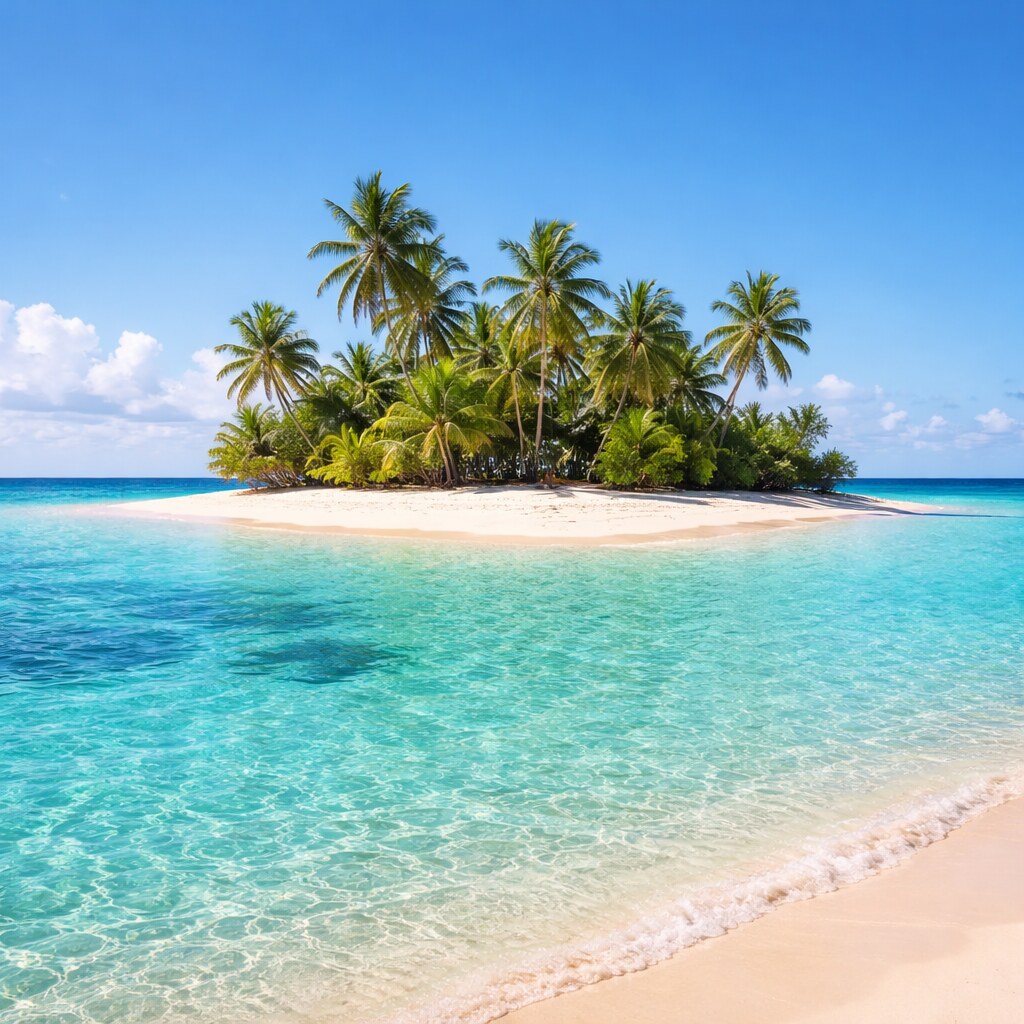
An island is a piece of dry land completely surrounded by sea. Some islands are very small, and are little more than a rock sticking out of the ocean. Some islands, like Australia, are very, very big.