Words about words

Linguistic and grammatical words.

Subcategories: Abstract Nouns (9), Adjectives (842), Adverbs (29), Conjunctions (33), Interjections (10), Past tense (209), Plural (47), Prepositions (56), Pronouns (65), Punctuation (9), Verbs (743)

Showing 281-300 of 1121

1 word is below your SafeSearch level and not shown.
D is for Distorted

Something is distorted if it's shape has been changed from what it should be. Something can just look distorted, like the flowers behind the warped glass in the window in the picture, or it can be physically distorted.

D is for Dive

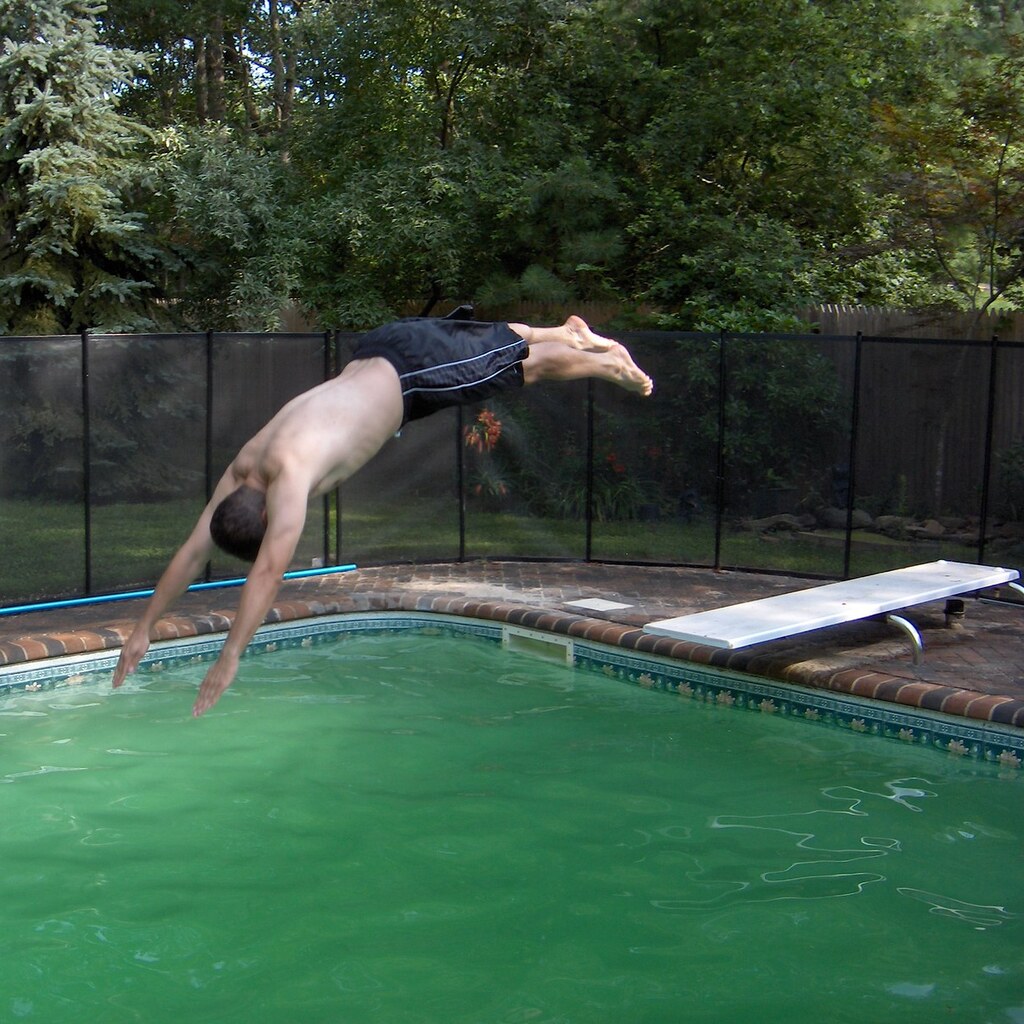
Diving is a sport where you jump into the water, usually from a small platform. Some people dive in so they can start swimming faster. Sometimes people have the diving board set up really high so between jumping off and landing in the water they have time to do lots of acrobatic twists and turns.
Usually when you dive into the water, you want to make as small a splash as possible.
D is for Doff

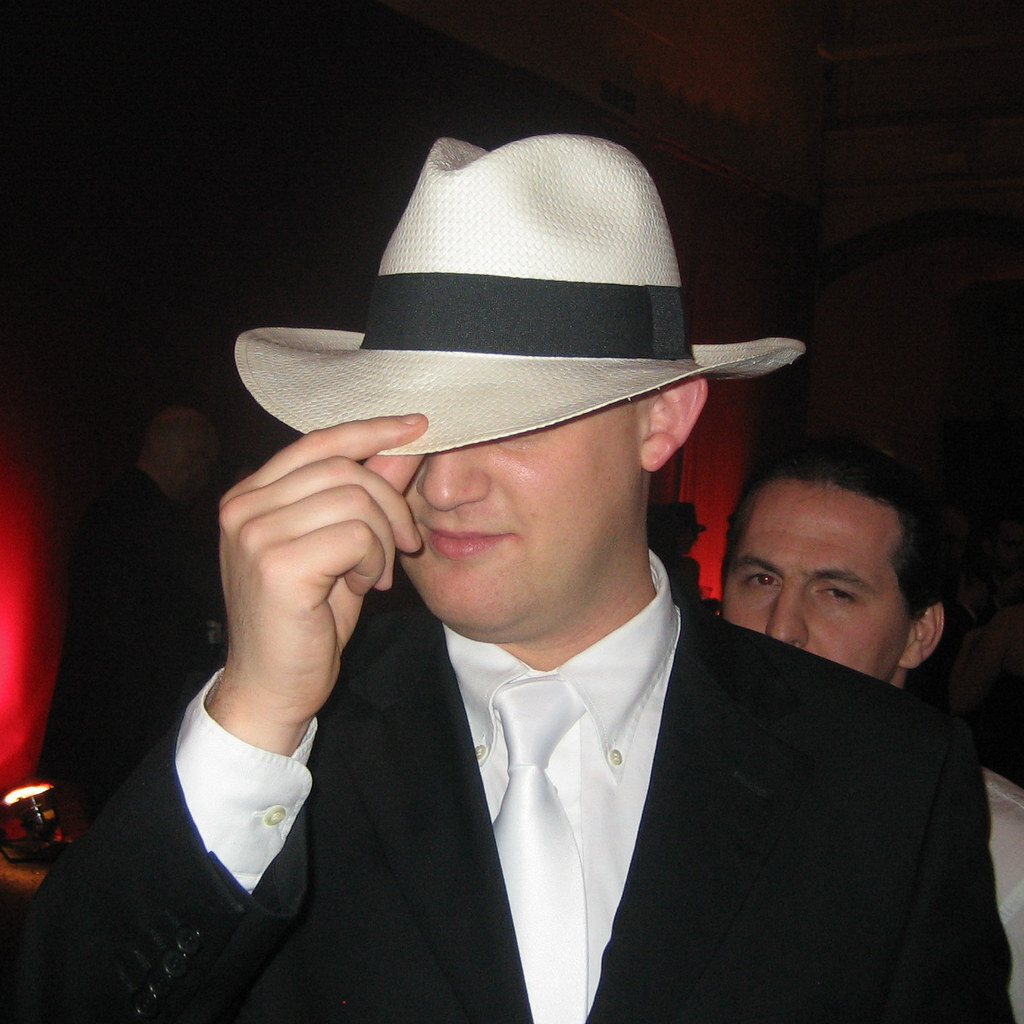
Doff means to remove an item of clothing, but is most commonly meant to take off your hat or tip your hat as a greeting.

D is for Domestic

Something is domestic if it relates to house and home. An animal is domestic if it is tame or has been bred to serve people somehow.
The opposite of domestic is industrial. The opposite of tame is wild.
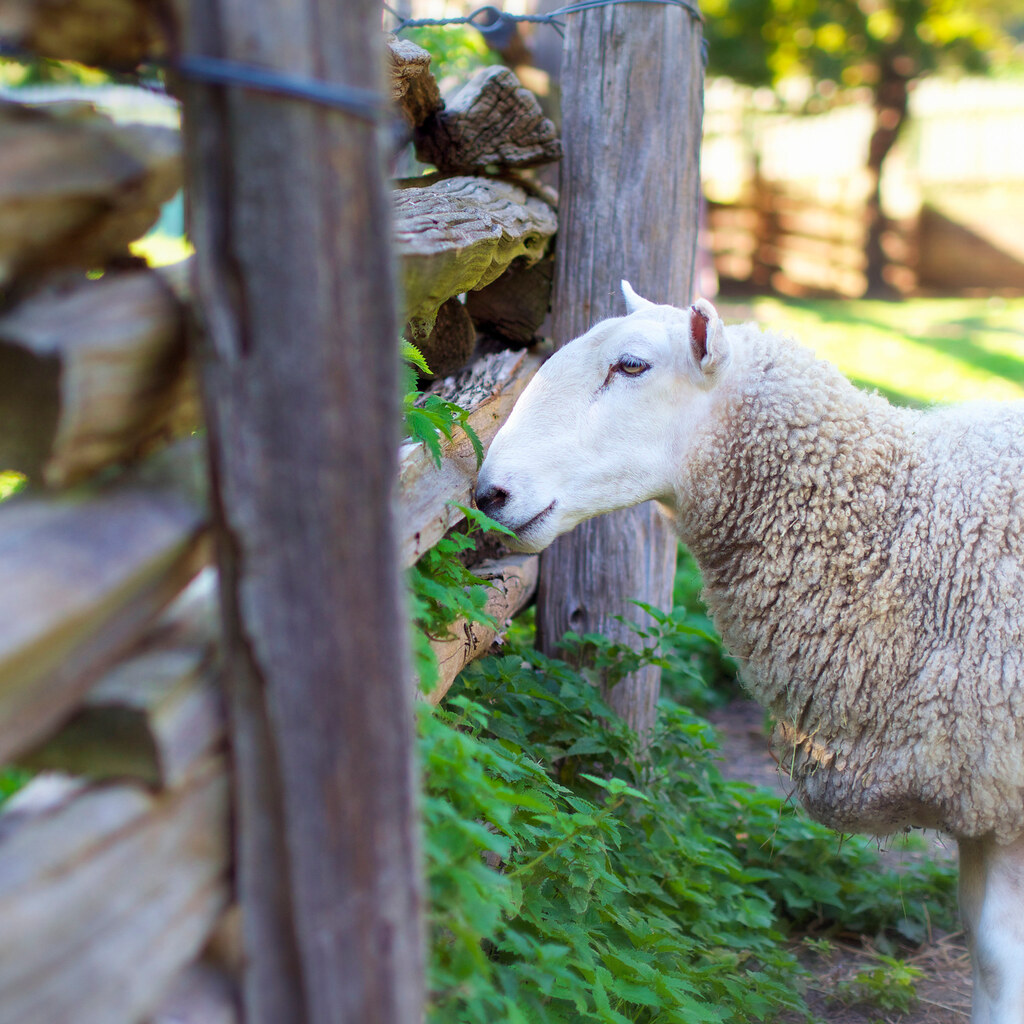
Domestication, sometimes called taming, is the process of changing a breed of plants or animals so that it suits the needs of humans better. Most farm animals and pets are domesticated, as are a lot of backyard plants and crops grown for food.
A breed of plants or animals is changed by a process called selection, where only the most suitable members are allowed to breed, so that the features humans want are passed on to the next generation.
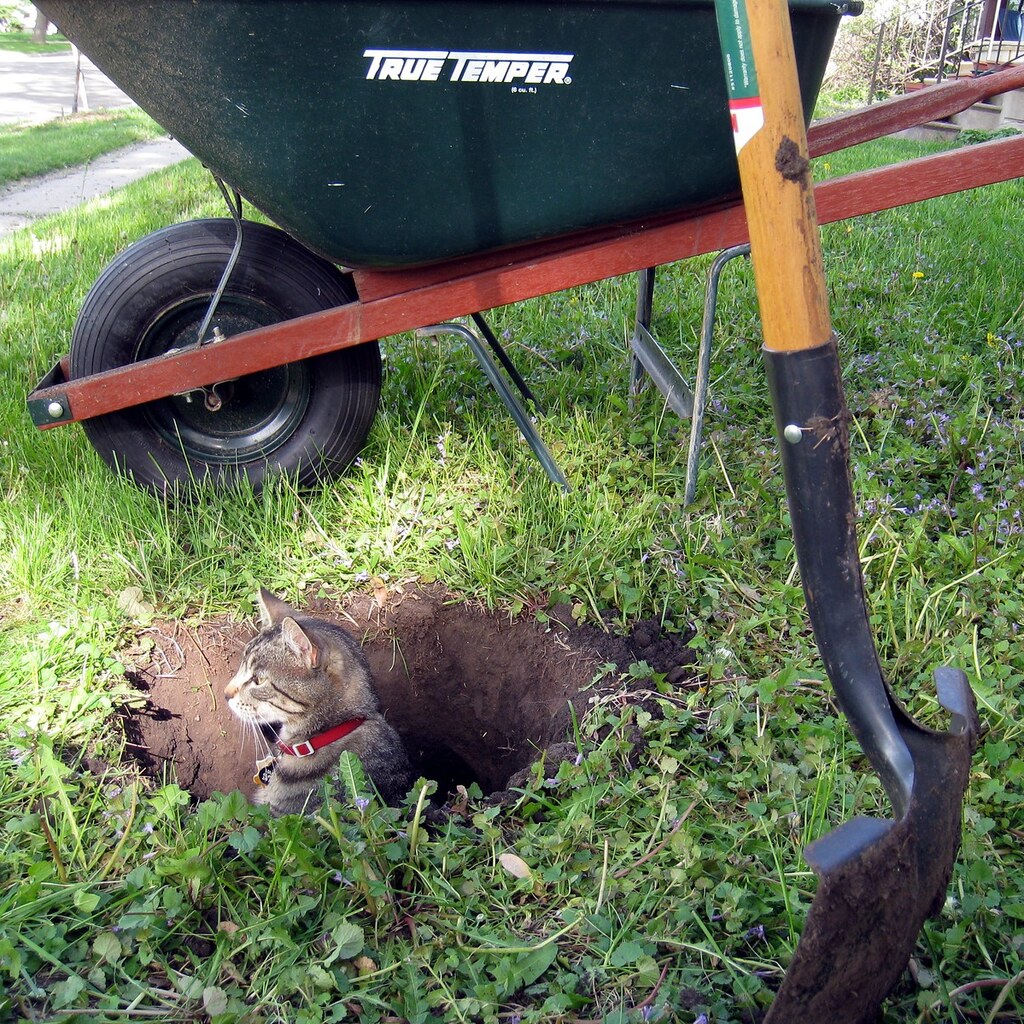
Down is a direction. You go down when you go lower. The cat in the picture has just jumped down into a hole. The opposite of down is up.

D is for Drab

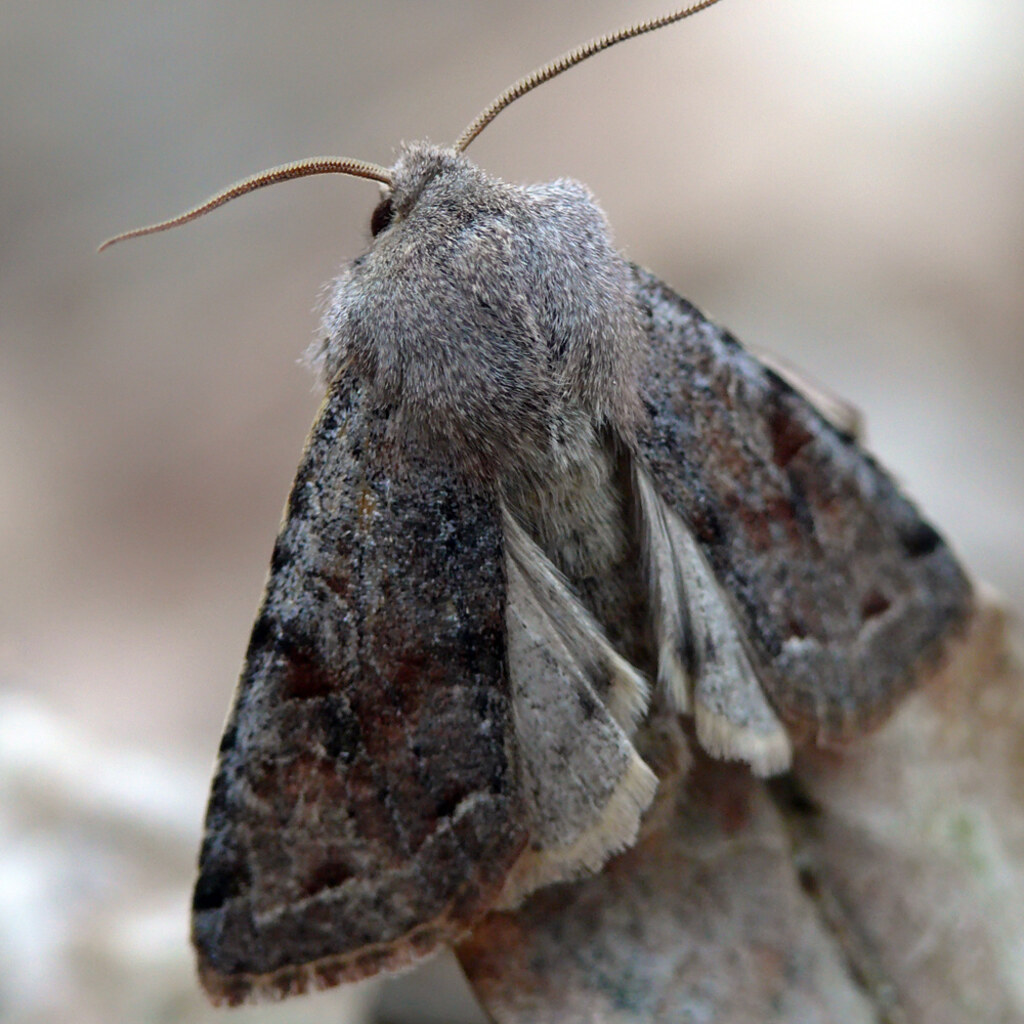
Something is drab if it has dull colors. The moth in the picture is drab.
The opposite of drab is bright or colorful.

D is for Drag

You drag something when you pull it along with much effort. Generally when you drag something, most of it is on the ground and you have to overcome a lot of friction. People often drag things when they don't have something like a wheelbarrow or trolley to help them, and they are too heavy to carry.
D is for Drank

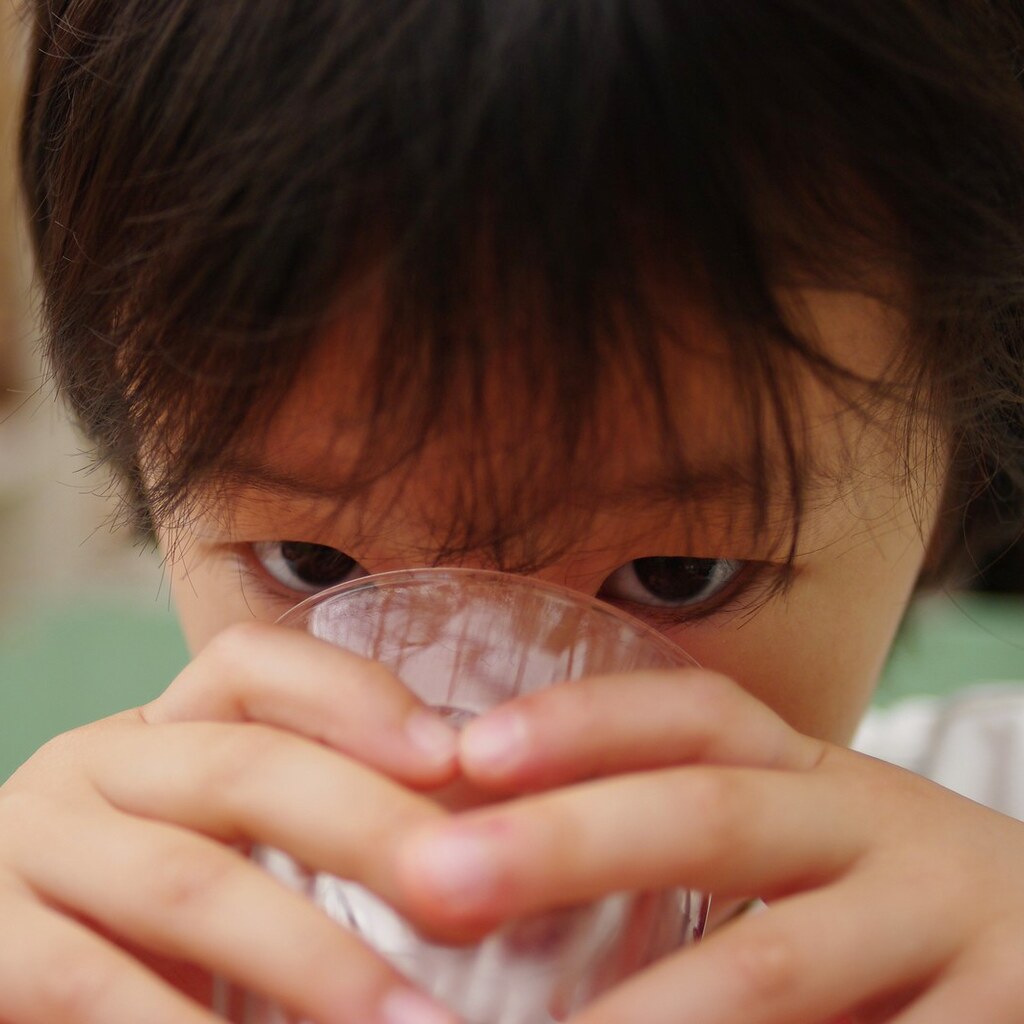
Drank is the past tense of drink. For example, "I just drank a glass of water".

D is for Drape

You drape some fabric when you arrange it over something else so that it hangs in nice looking folds.

See also drapes (curtains).

D is for Dressed

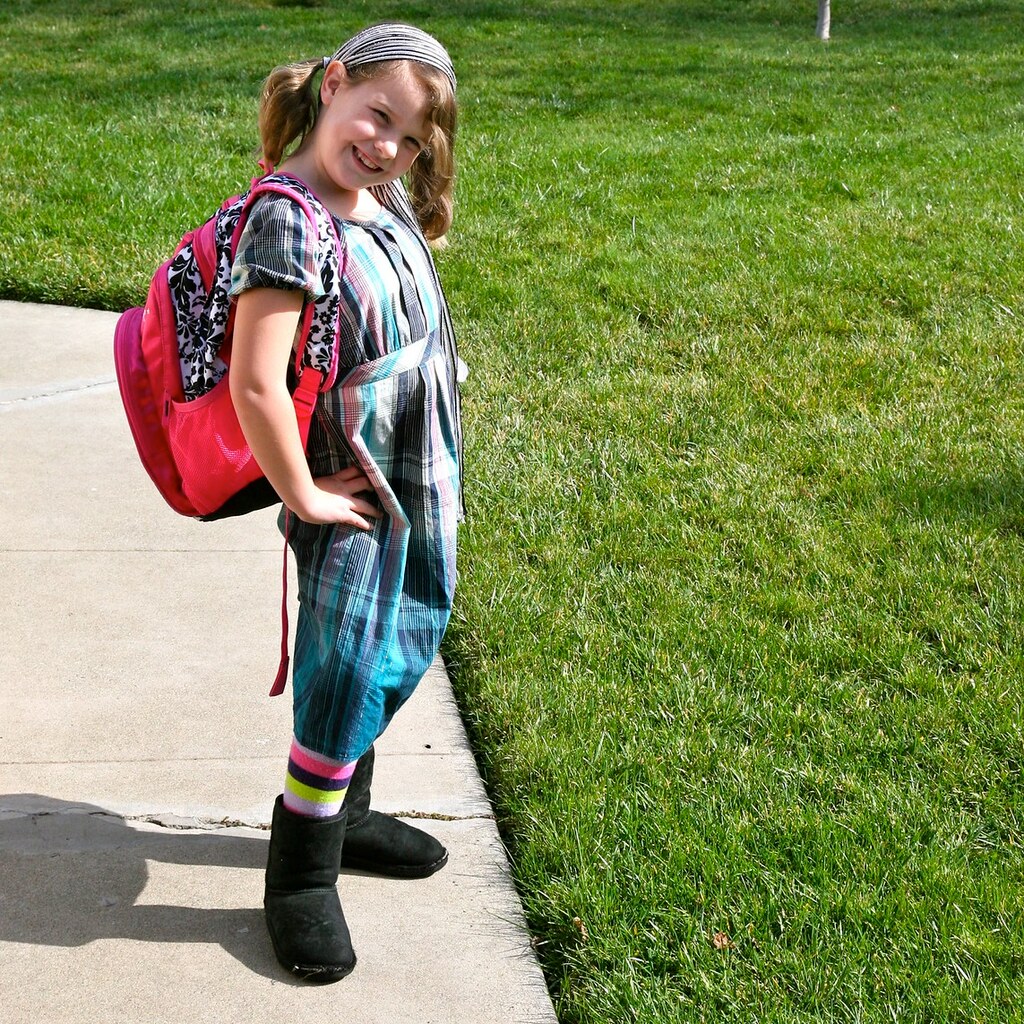
You are dressed if you are wearing clothes. You usually get dressed in a way that suits something, like you get dressed in a suit or gown to go to a wedding. The little girl in the picture is dressed to go out visiting.

D is for Drew

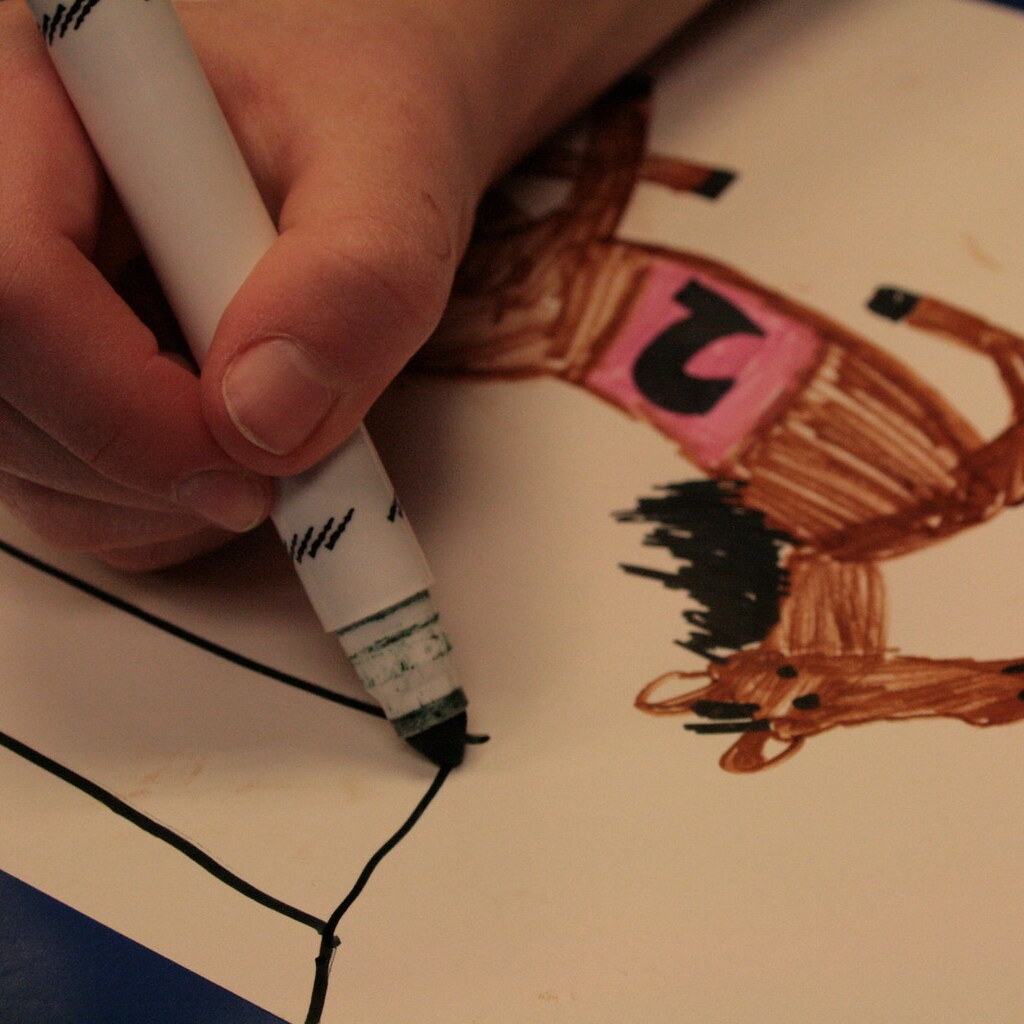
Drew is the past tense of draw.
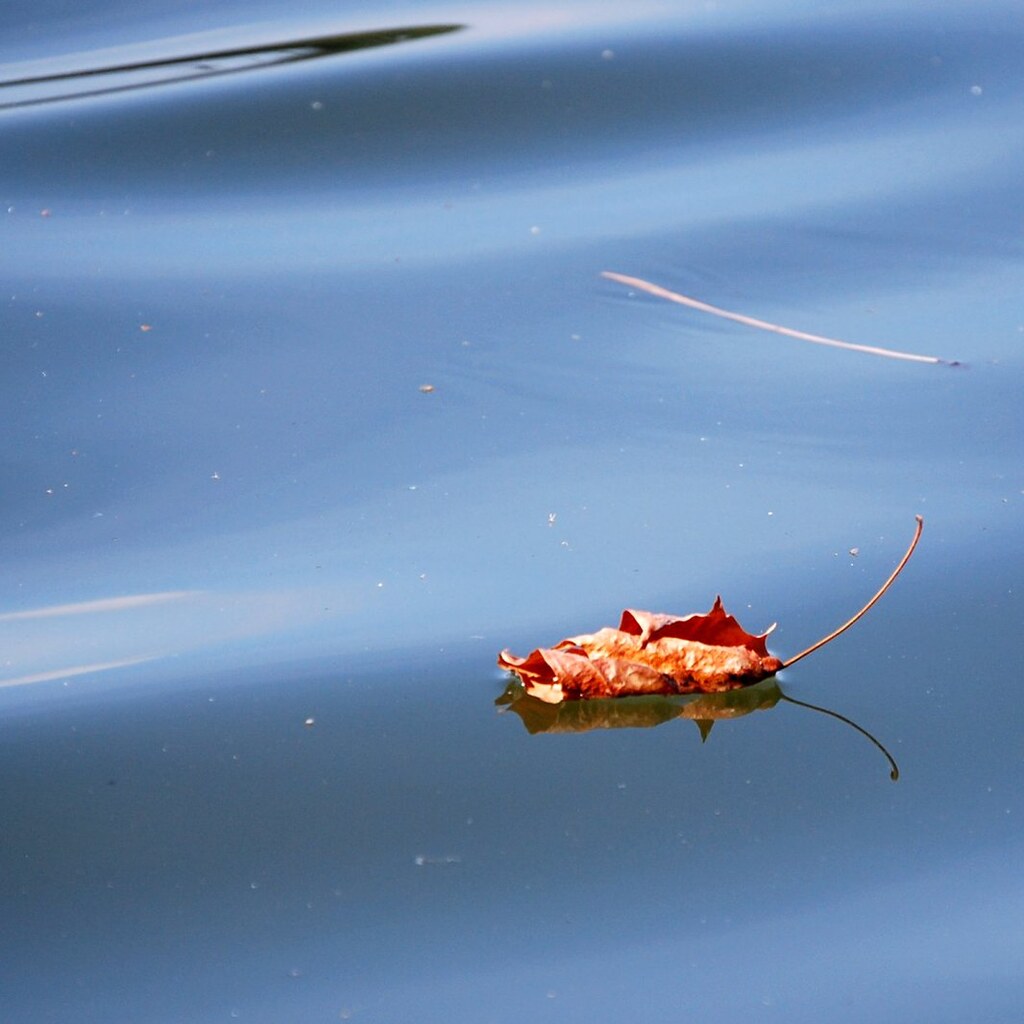
Something is drifting if it is being gently carried along by currents in air or water with no particular direction. The leaf in the picture is drifting on a lake.

D is for Drink

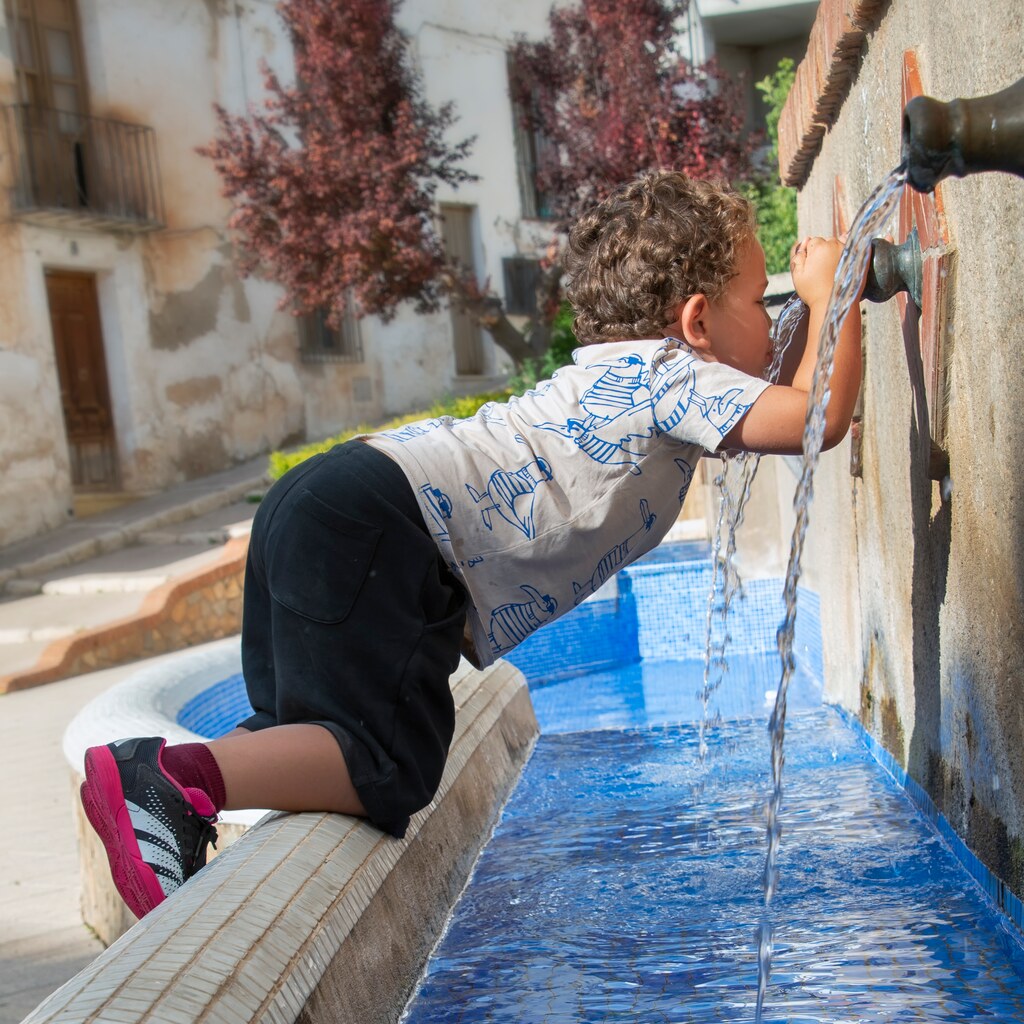
When you are thirsty, you need to drink something. You can drink things like water, milk or juice.

D is for Drip

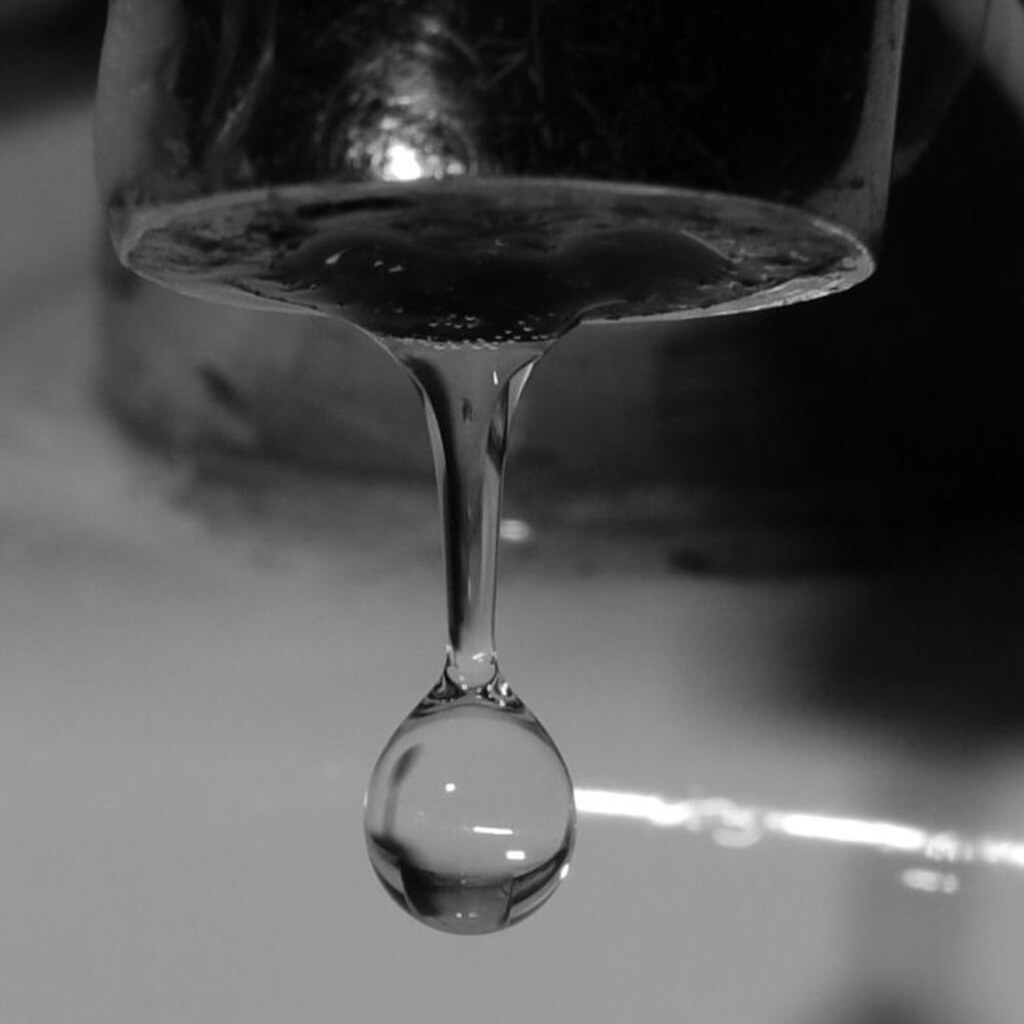
A drip is a small amount of water that falls slowly. Taps drip when they leak, and water will drip from your hands when they are wet.

D is for Drive

Driving is the word given to controlling a land vehicle, like a car, bus or even a horse-drawn vehicle. To drive something you need to know how to start and stop it, how to steer it, and of course you need to know the road rules to be able to safely drive.

D is for Droop

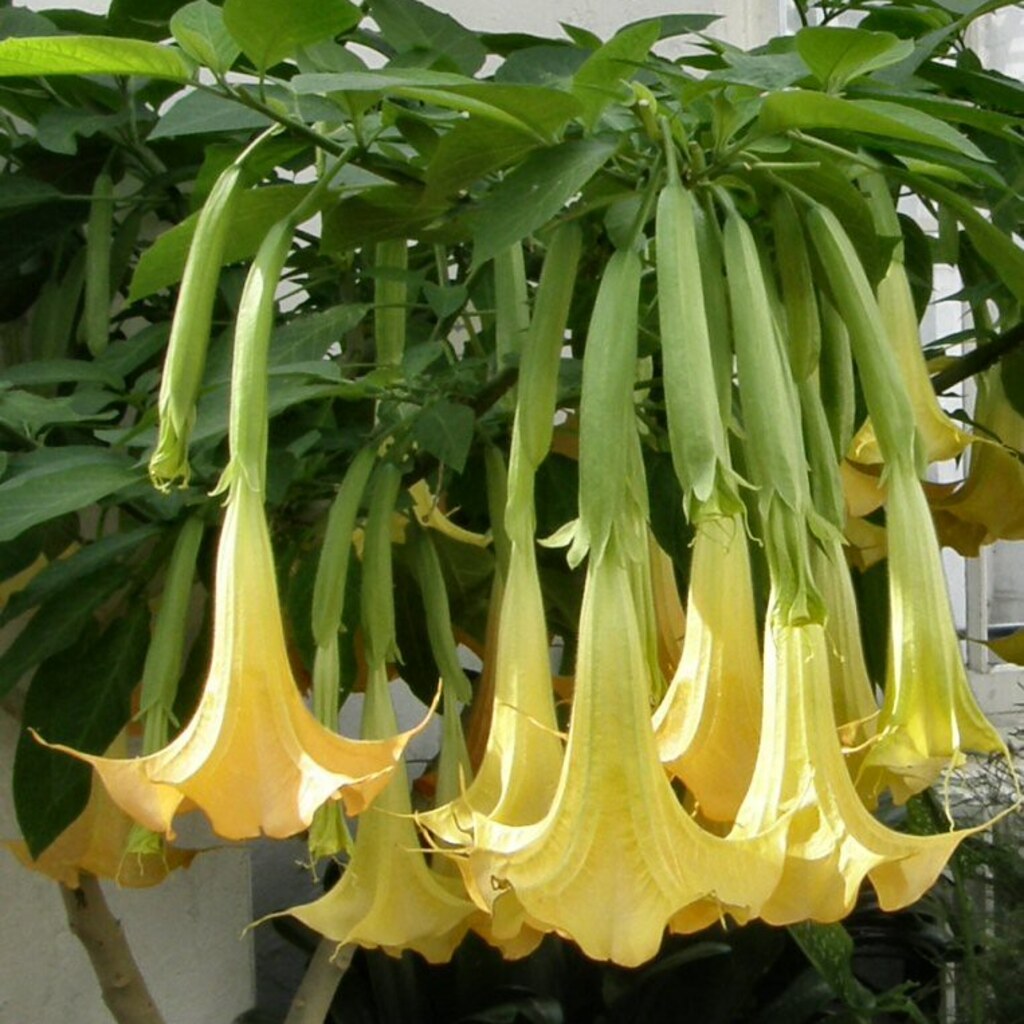
Something droops if it bends over and down. Things might droop because they are tired or unsupported. Some plants and flowers naturally have a drooping growth pattern.

D is for Drop

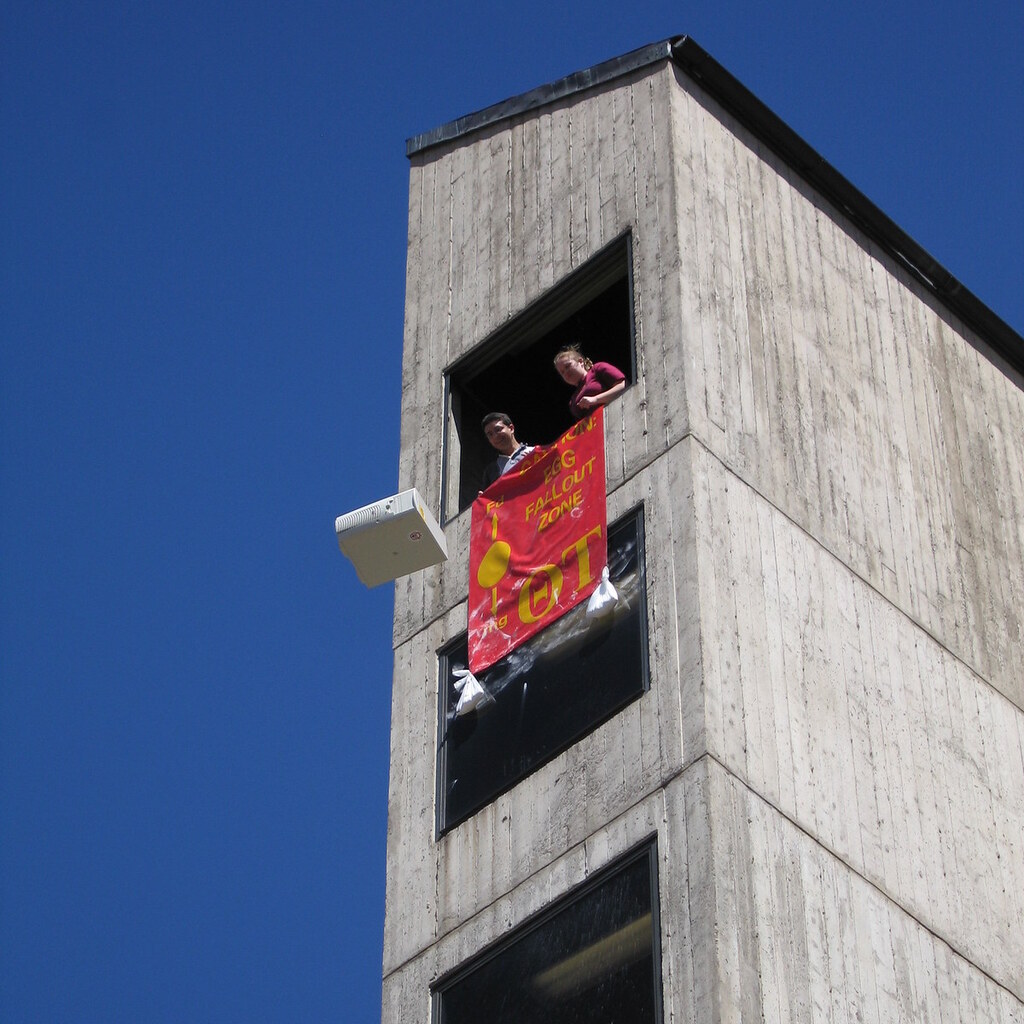
You drop something when you let it fall down by itself. The students in the picture are dropping something out of a high window as an experiment.
A drop is also a small globule of liquid, such as a raindrop.

D is for Dropped

Dropped is the past tense of drop.

D is for Dry

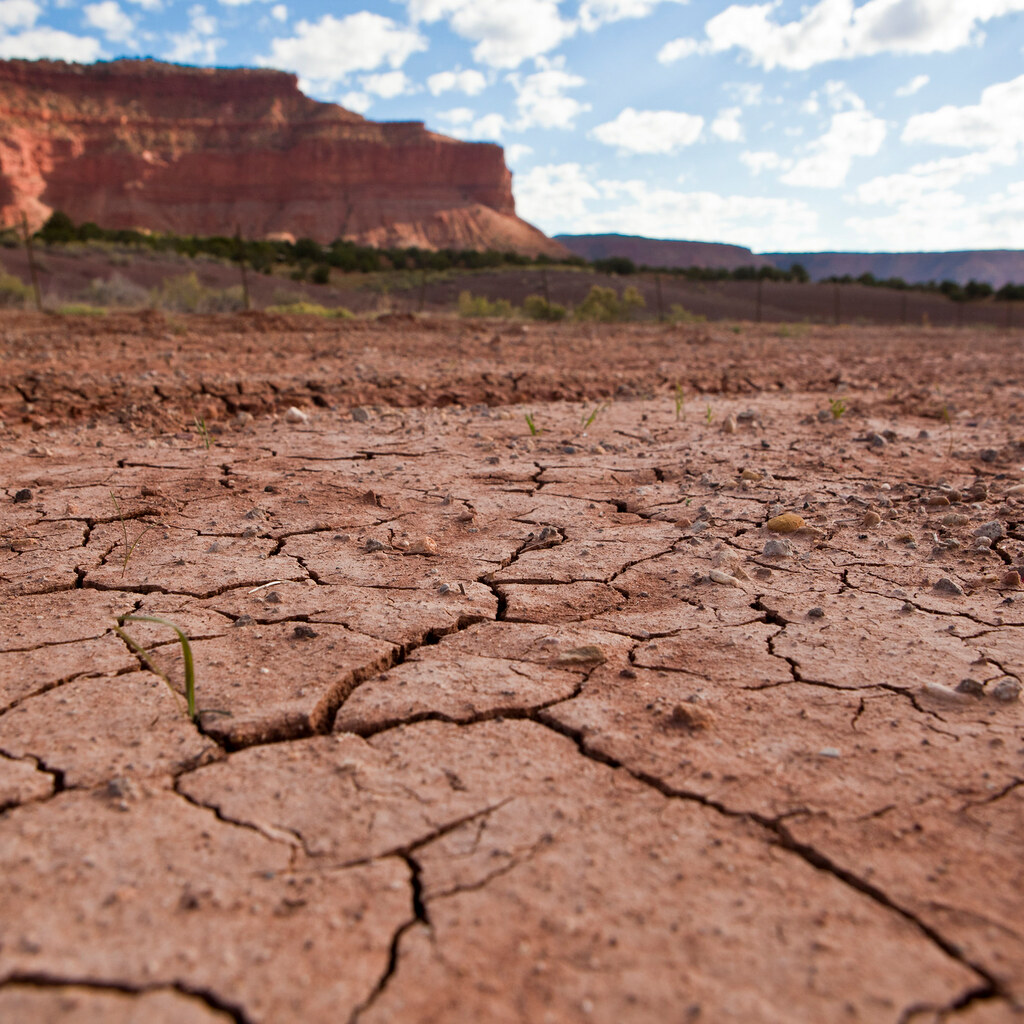
Something is dry if it is free of all water. The opposite of dry is wet.
You can also use the word dry as a verb, as in when you dry the dishes, or dry yourself with a towel.