Words about words

Linguistic and grammatical words.

Subcategories: Abstract Nouns (116), Adjectives (889), Adverbs (37), Conjunctions (33), Interjections (11), Past tense (211), Plural (48), Prepositions (56), Pronouns (65), Verbs (794)

Showing 701-720 of 1133

1 word is below your SafeSearch level and not shown.
P is for Proud

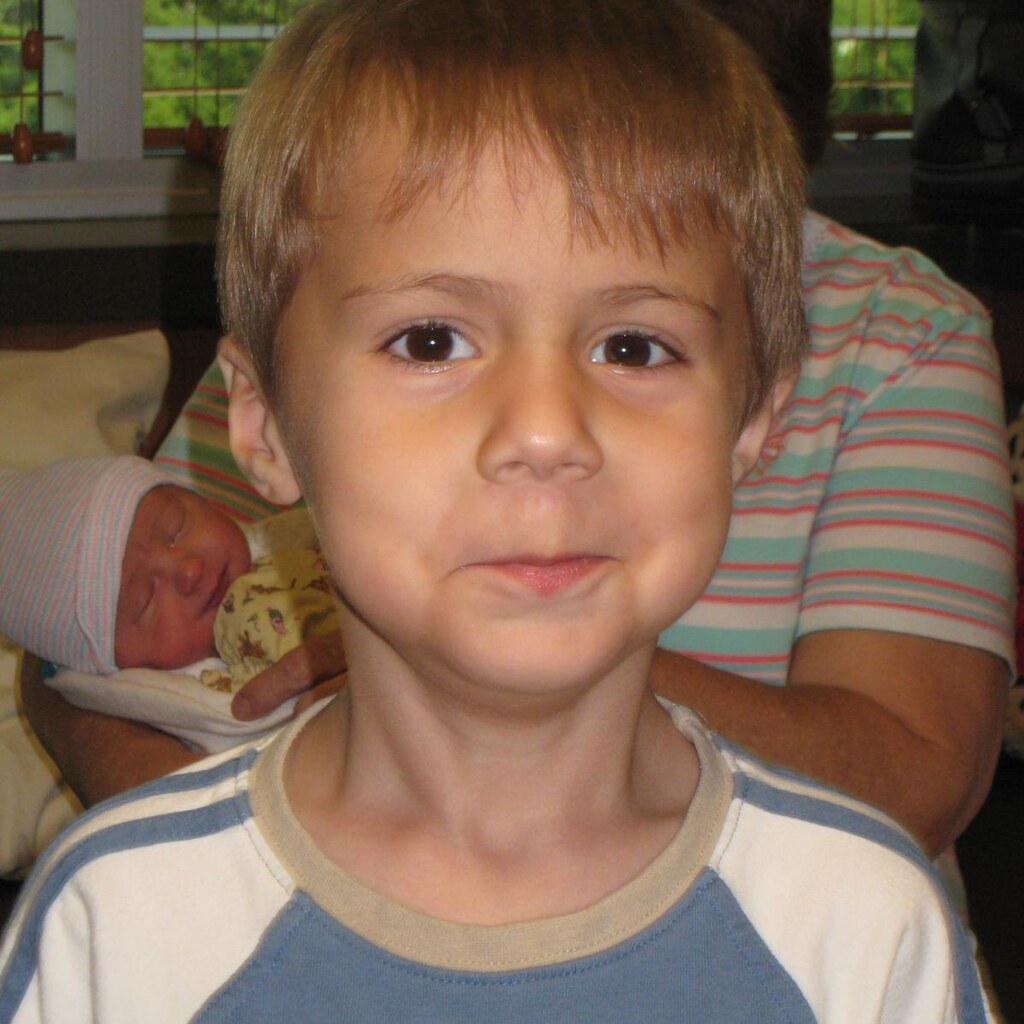
You feel proud when you have a good feeling about something that you have done, or something that someone else has done. A parent may be proud of their child who has just graduated university. A child may be proud of making a very good painting.
The boy in the picture is proud of his newborn baby brother.
P is for Pull

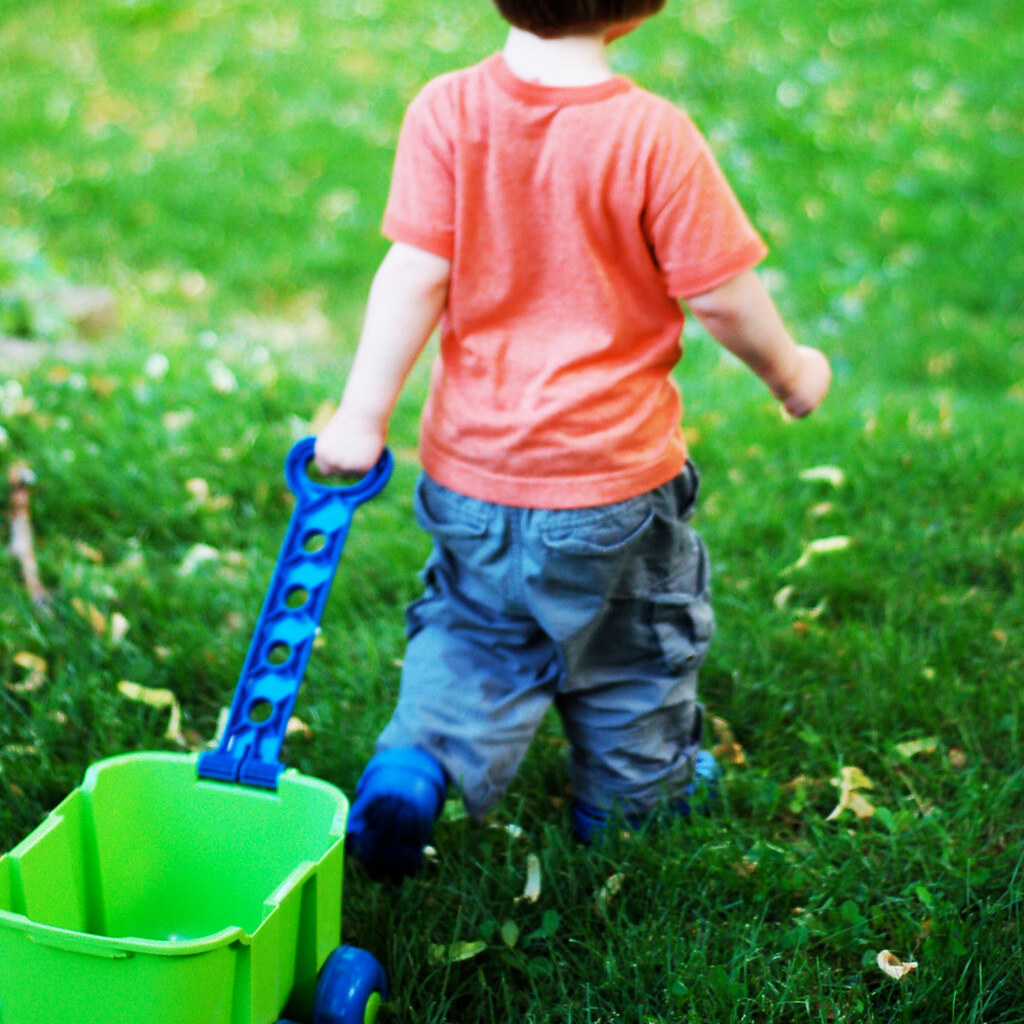
When you pull something it moves towards you. When you push something it goes away from you.
The little girl in the picture is pulling a wagon behind her.

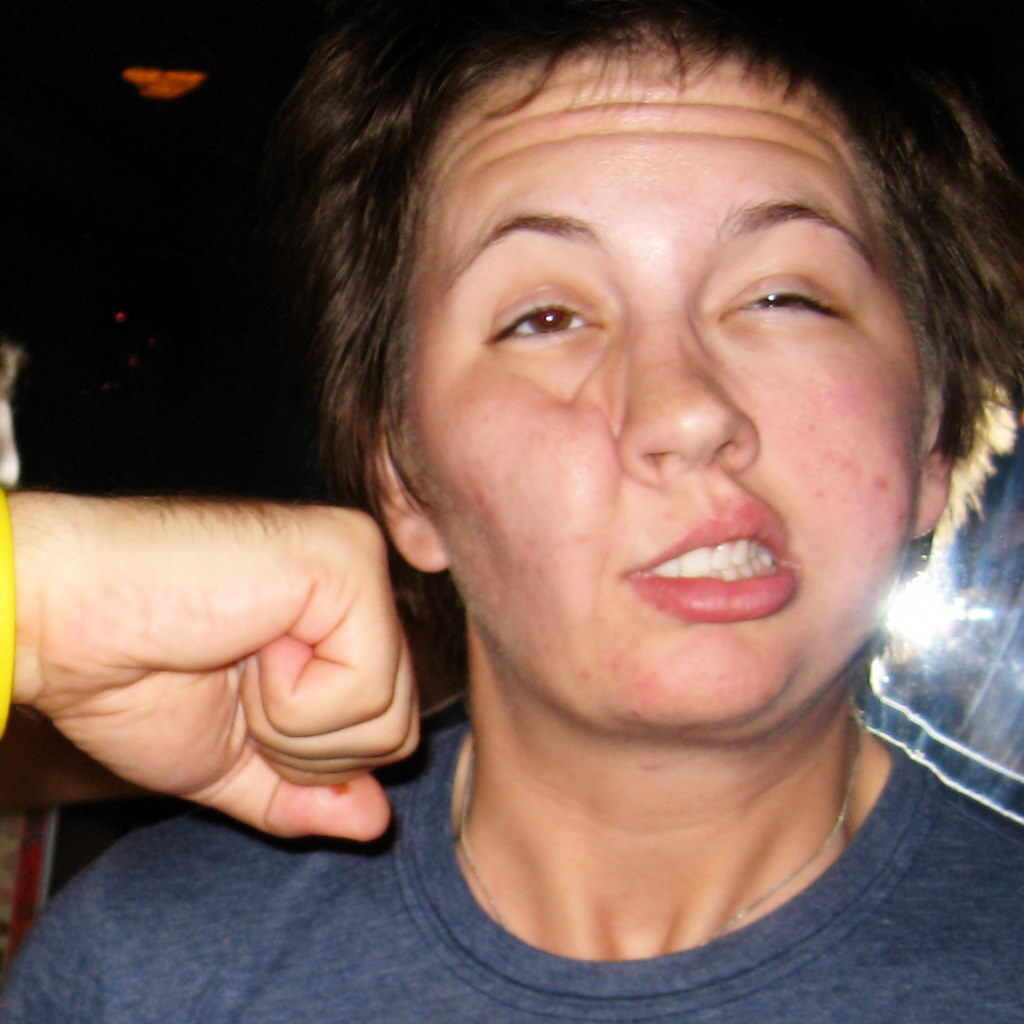
P is for Punch (Hit)

You punch something when you hit it with your fist.
People punch each other when they fight or they punch inanimate objects like walls when they are frustrated.
P is for Puncture

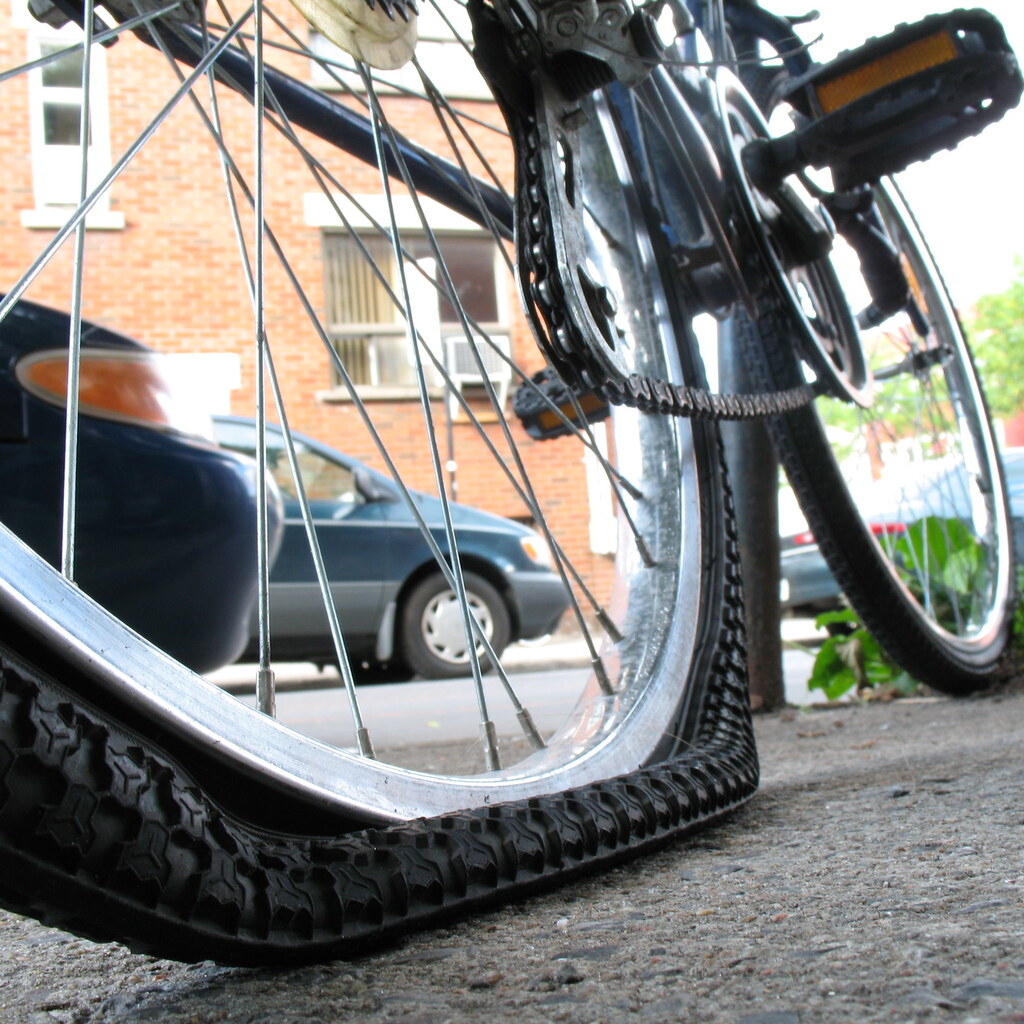
A puncture is a small hole made in something by a sharp object, or as a verb, the act of making that hole. For example, a nail can puncture a bicycle tire, letting air escape.

A puncture is usually smaller and deeper than a cut or tear because it is made by a point rather than an edge.

P is for Pure

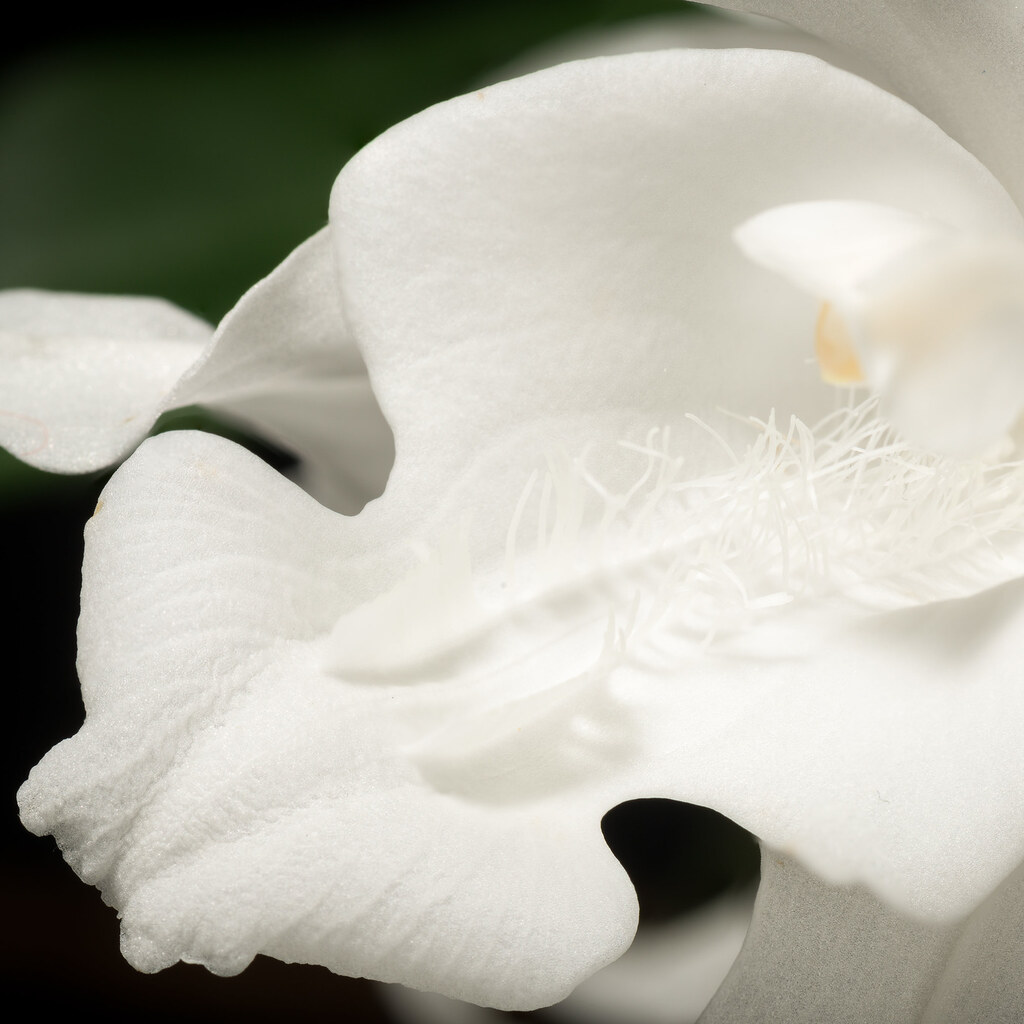
Something is pure if it is made up of all the one kind of thing, with nothing different. Something pure has no contaminations or anything added.
The flower in the picture is pure white.
P is for Purebred

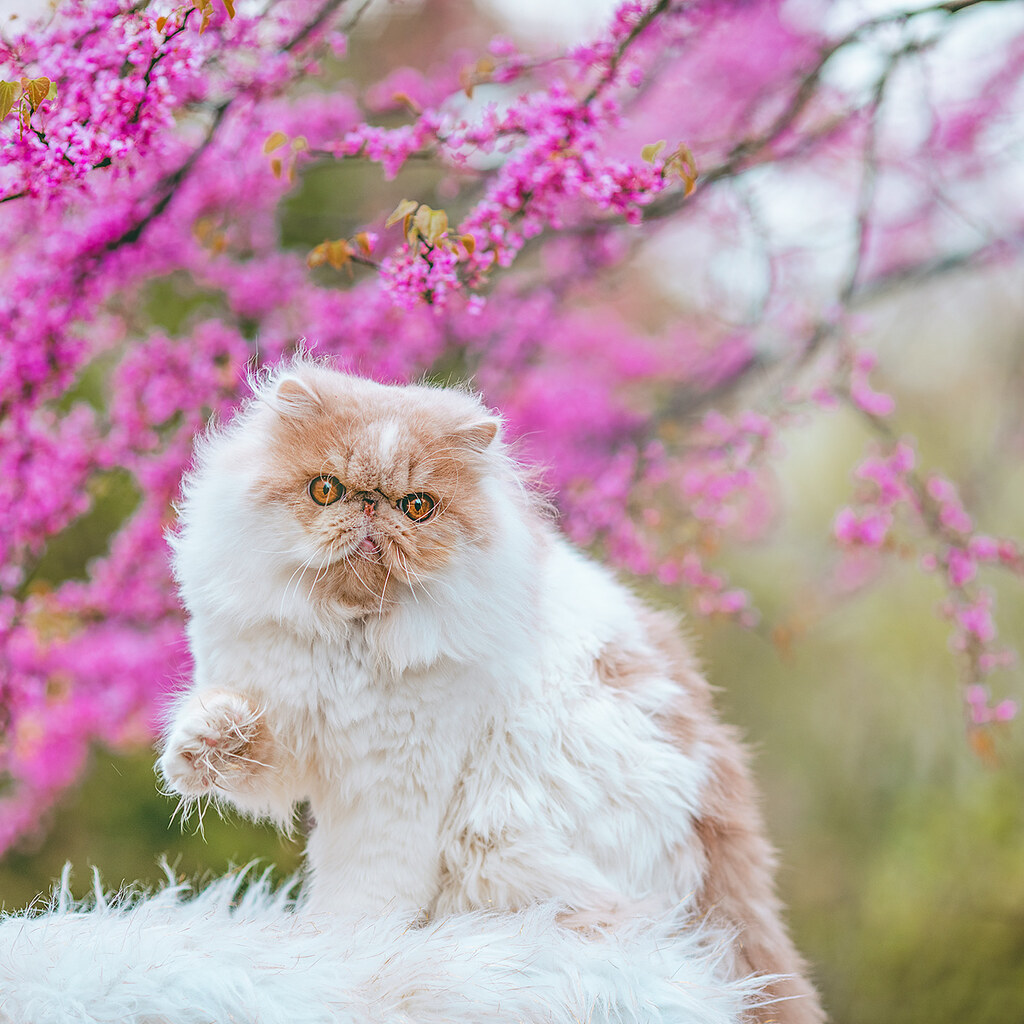
Purebred means an animal or plant with parents of the same type, so its traits are true to its breed.

People use the term when breeding or showing animals, like dogs, cats, and horses. It is often found in pet stores, animal clubs, and pedigree papers. Some people want purebred animals for predictable features.
P is for Puree

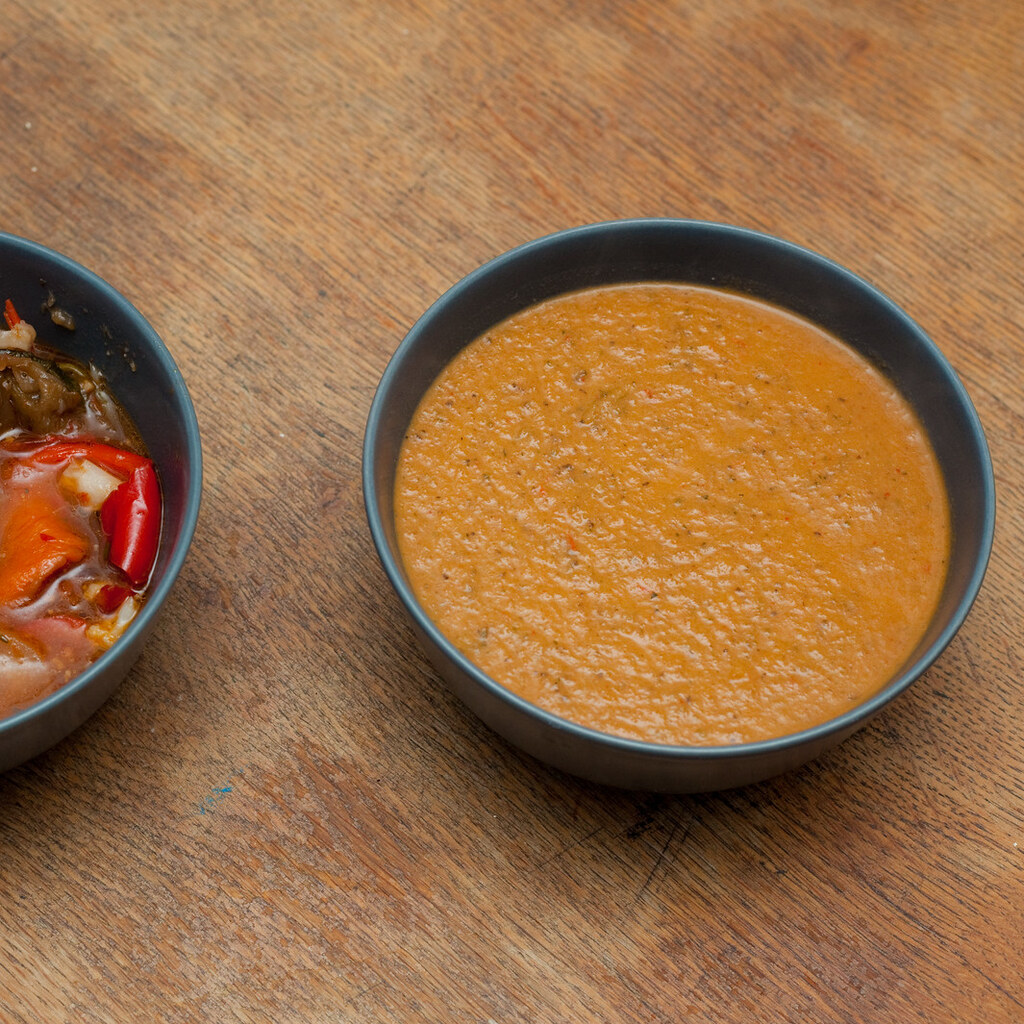
You puree food by pushing it through a sieve or putting it into a blender so it becomes a thick liquid, without any lumps.

P is for Push

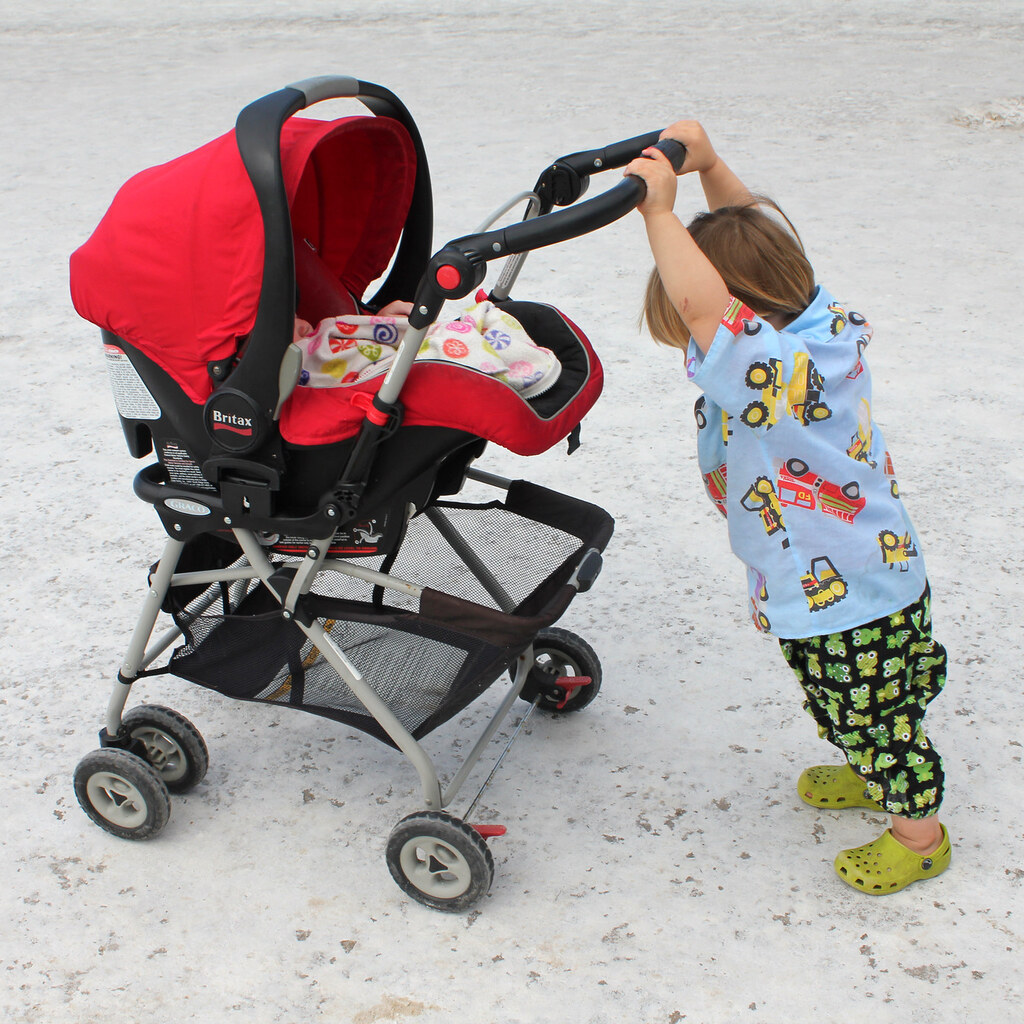
When you push something it goes away from you. When you pull something it comes towards you.
The child in the picture is pushing a pram.

P is for Put

Put means to place something somewhere, or to stay in one place.

For example "stay put" or "put it down".

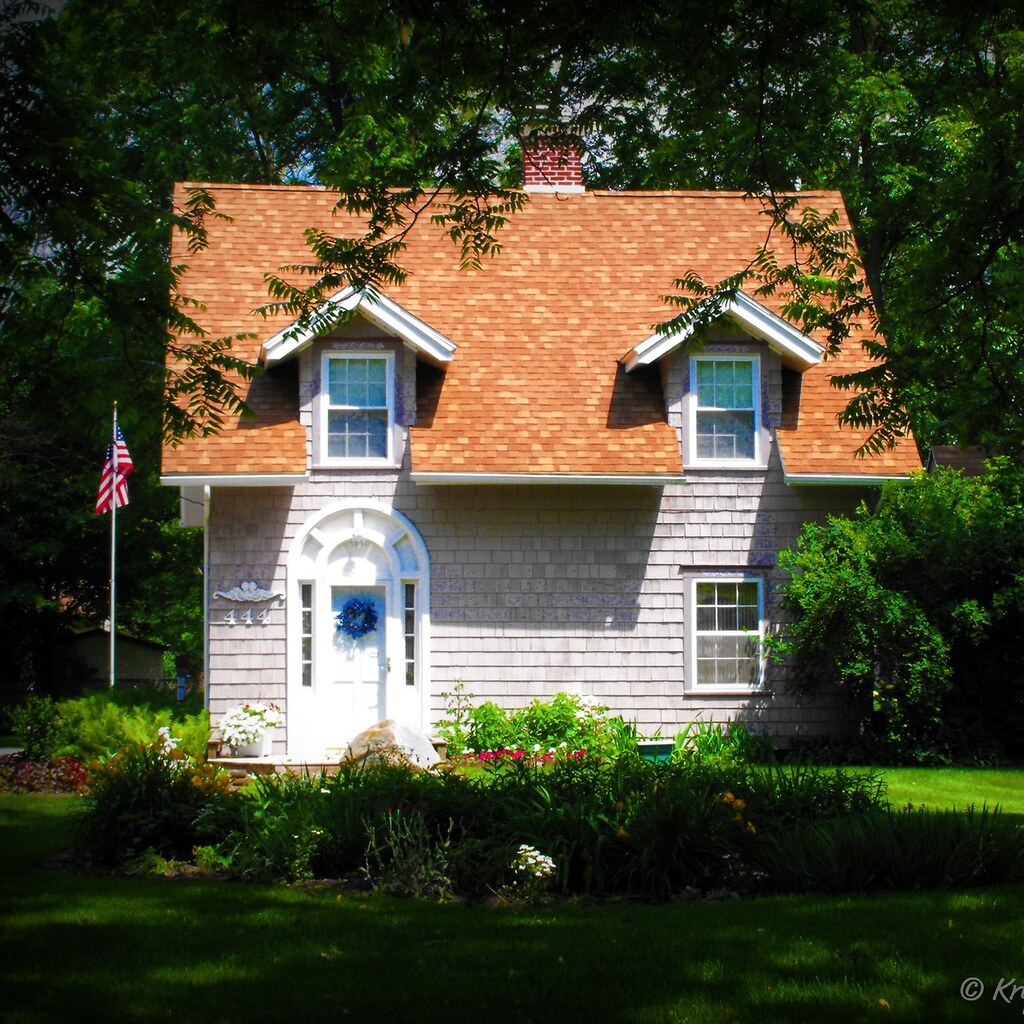
Q is for Quaint

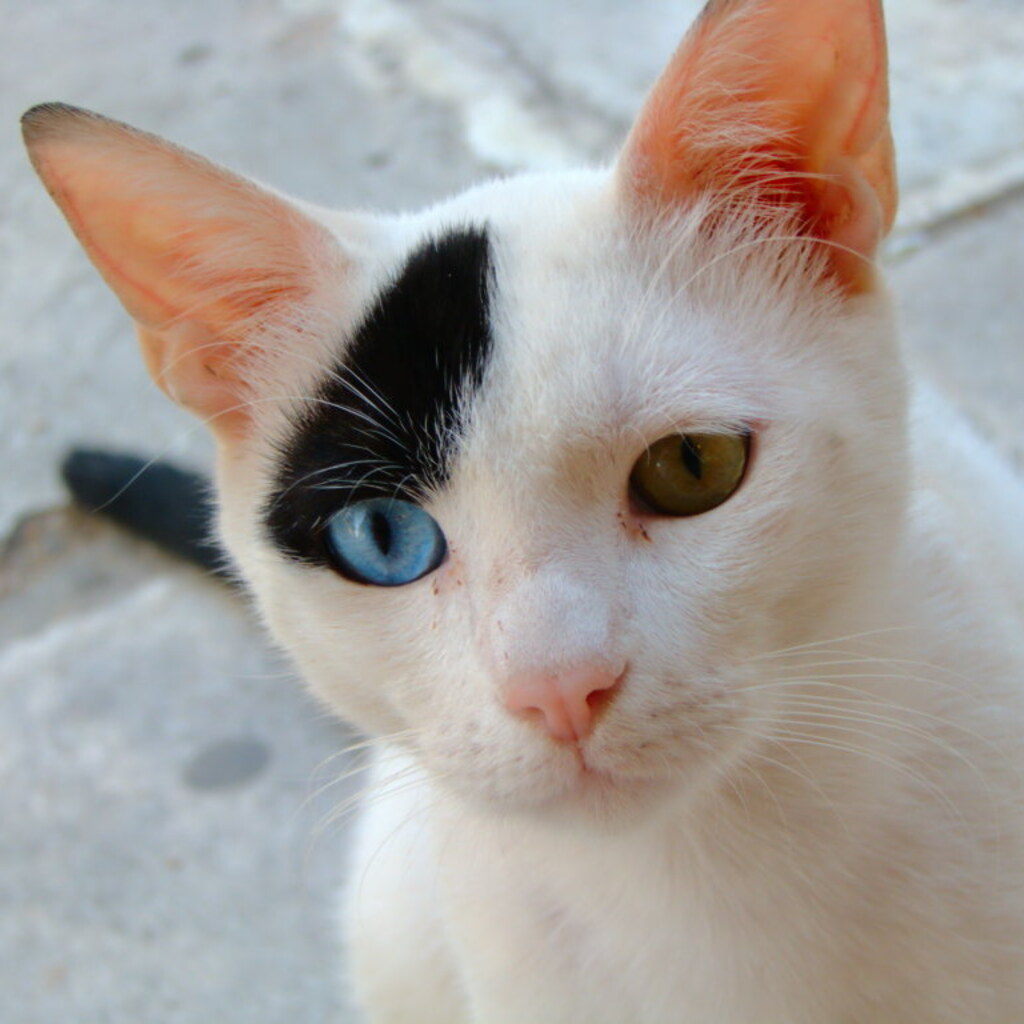
Something is quaint when it has a certain old-fashioned charm, or if it is interesting in a nice way but a little strange too.
Q is for Quick

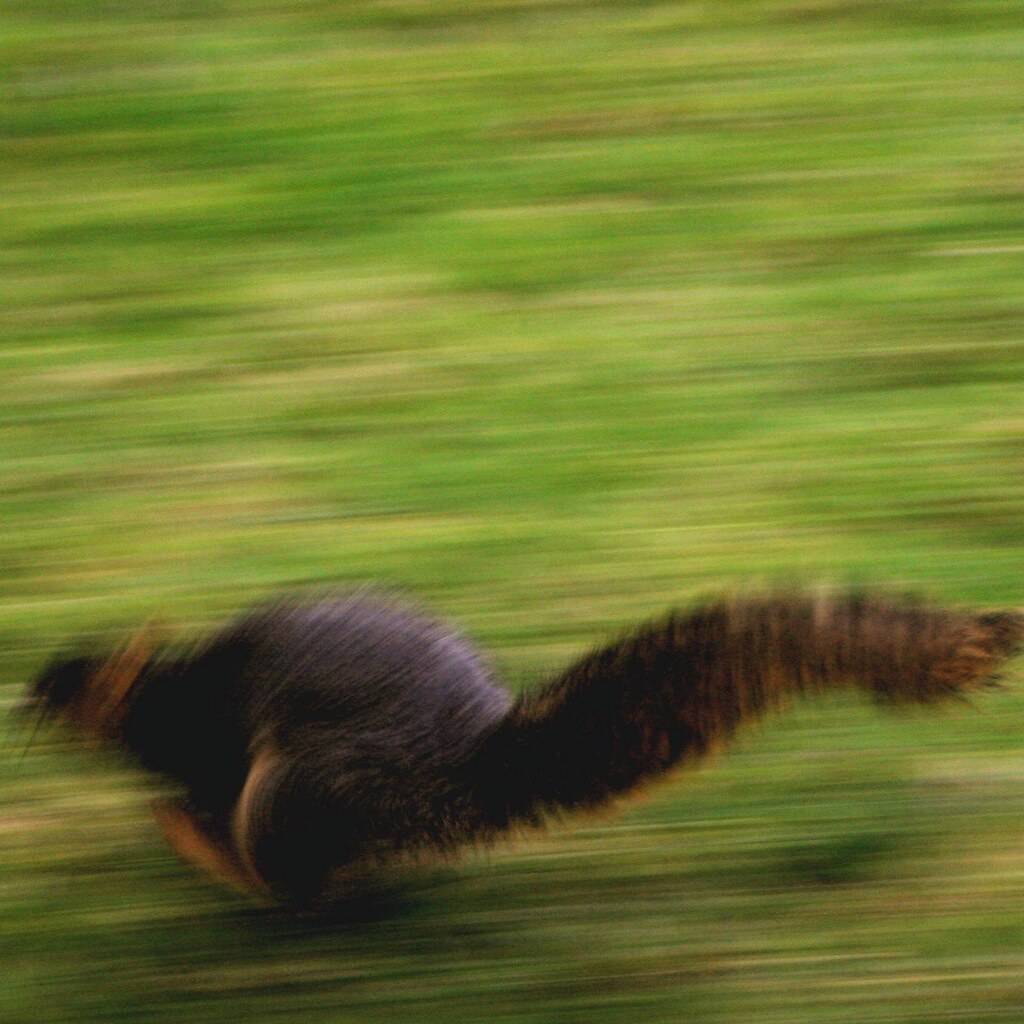
Something happens quickly if it happens in a very short space of time, or after a very short delay. Quick might also be another word for fast. The opposite of quick is slow.
The squirrel in the picture is running very quickly.

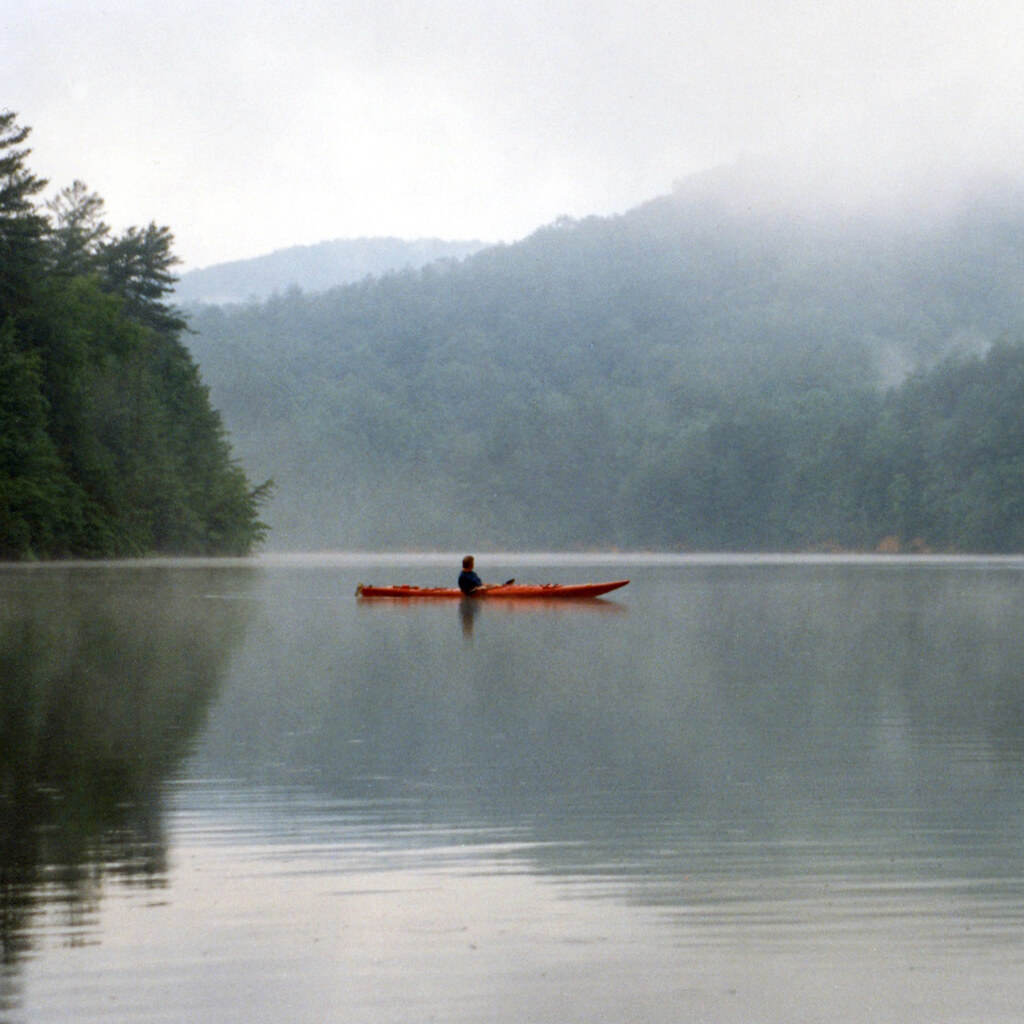
Q is for Quiet

Something is quiet if it doesn't make very much noise. Somewhere is quiet if you can't hear much noise when you are there.
The opposite of quiet is loud and if there is no noise at all, it is silent.

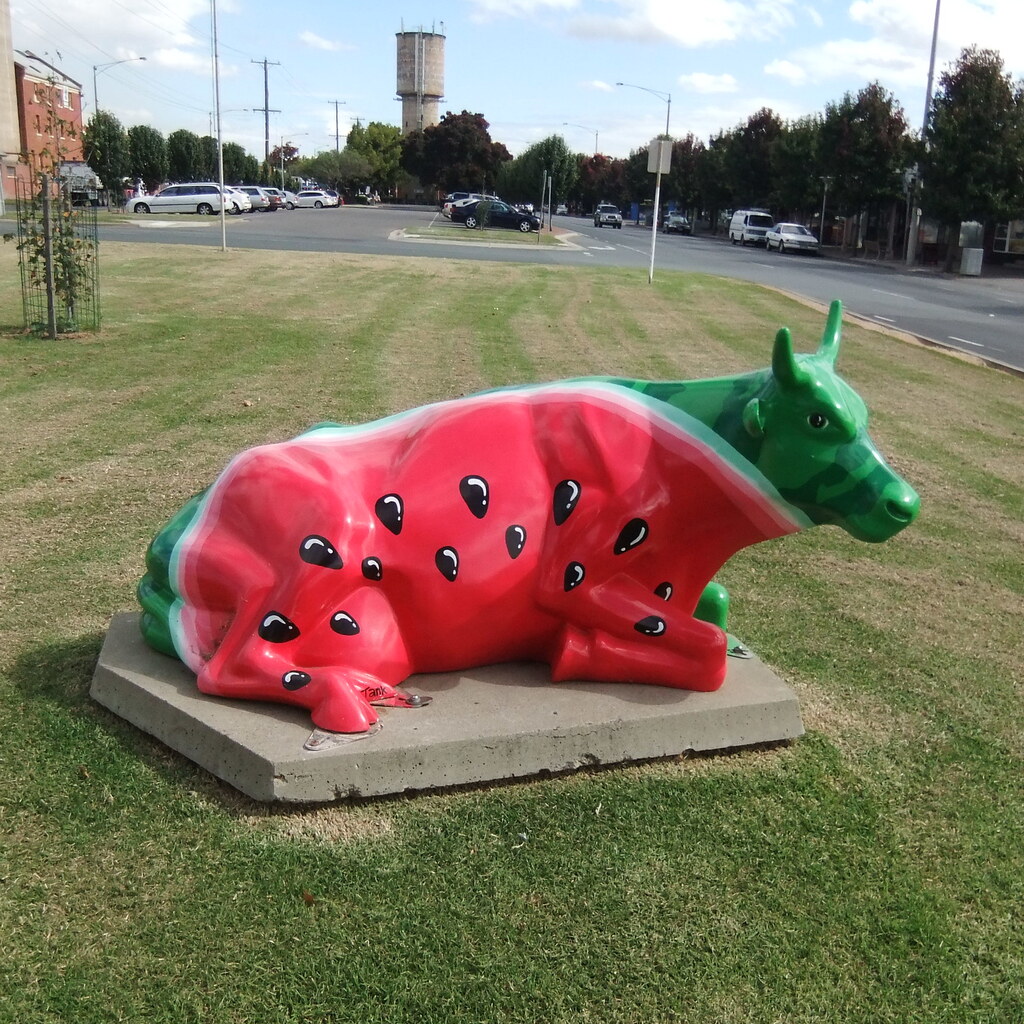
Q is for Quirky

Someone or something is quirky if they have a peculiar character about them.

Putting a toy in a teapot is definitely quirky.

Q is for Quoth

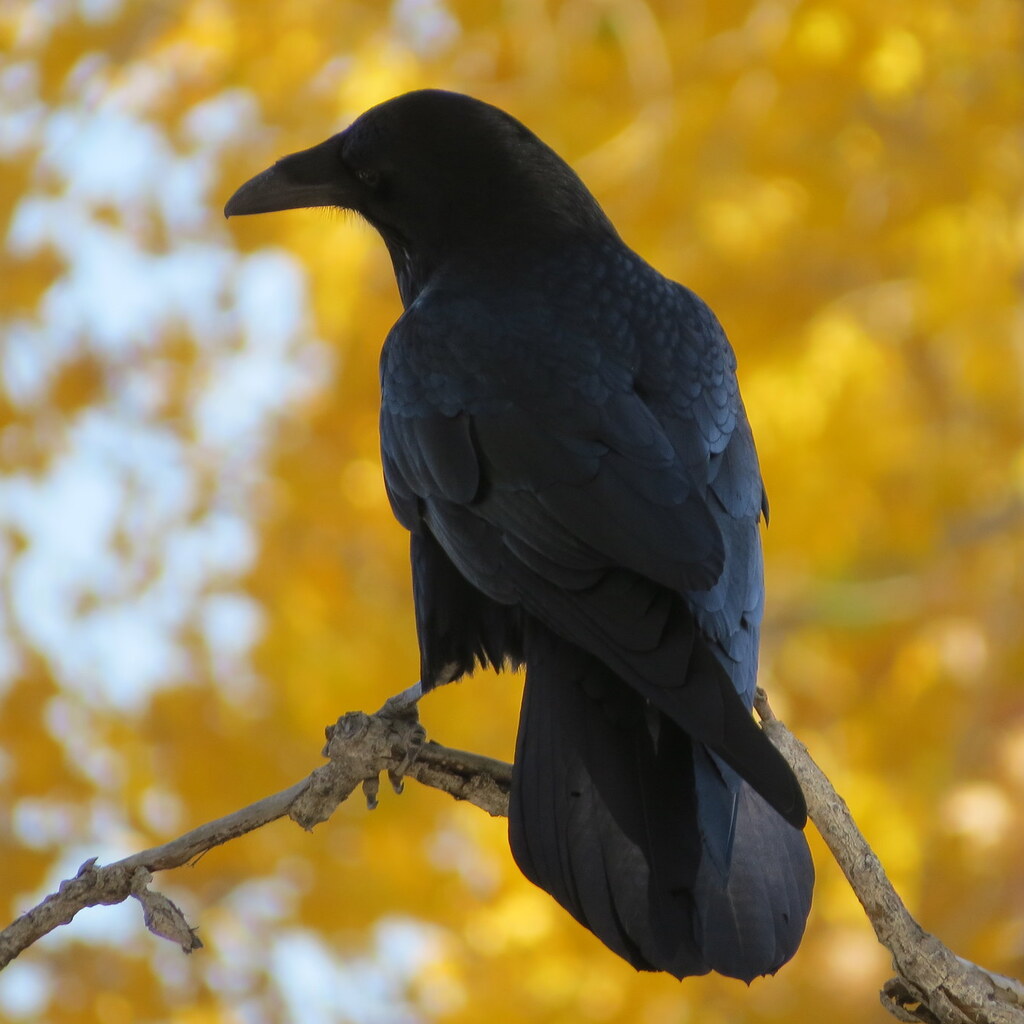
Quoth is an old-fashioned form of said or quoted. The most famous use of the word is in a poem by Edgar Allan Poe: "Quoth the raven, nevermore".
R is for Raced

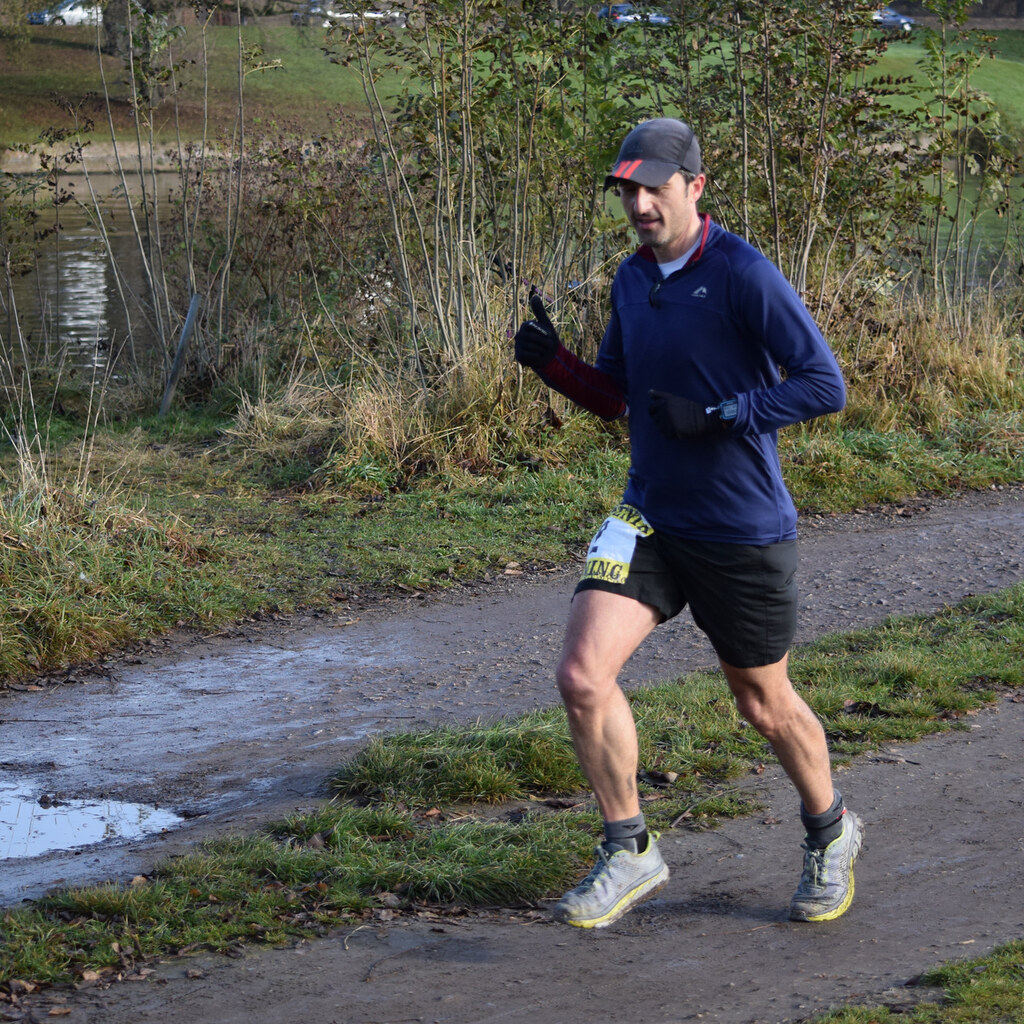
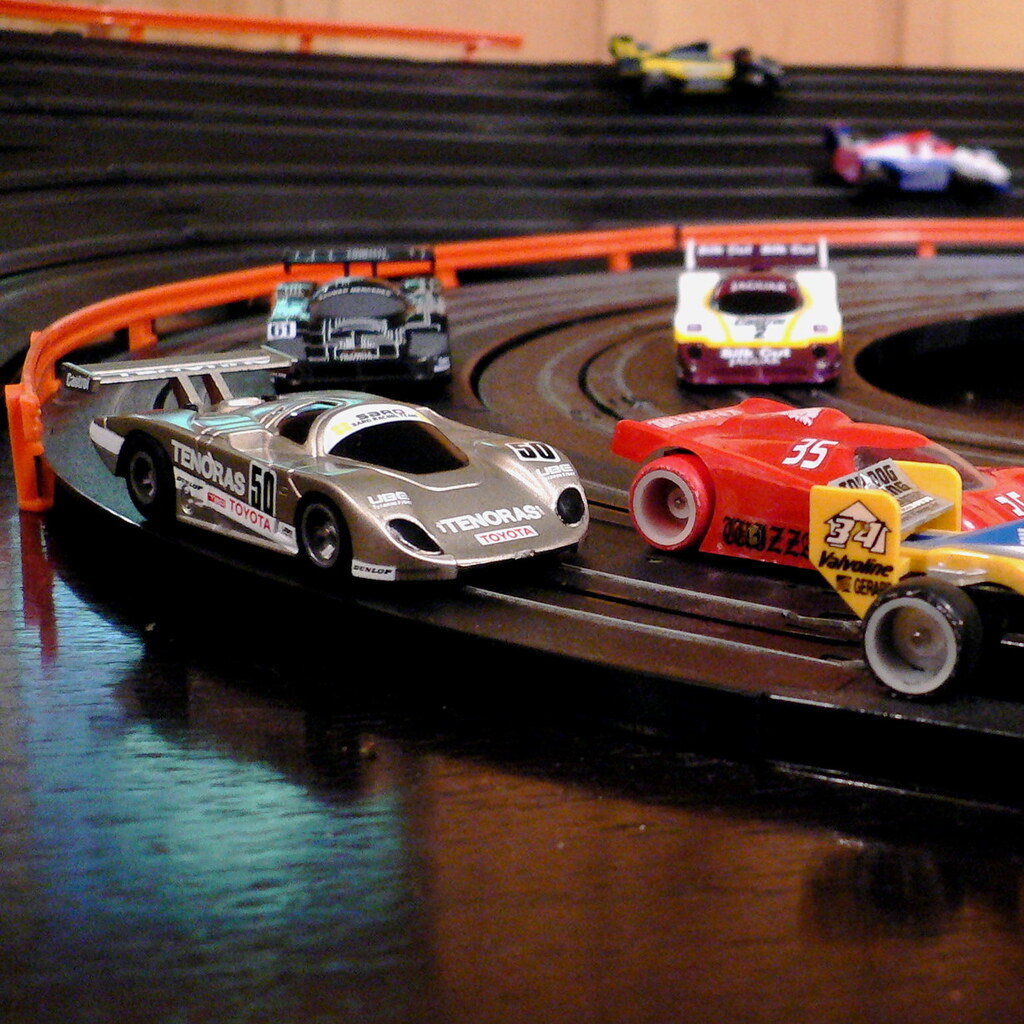
Raced is the past tense of race. For example, "the children raced each other to the corner".
R is for Raise

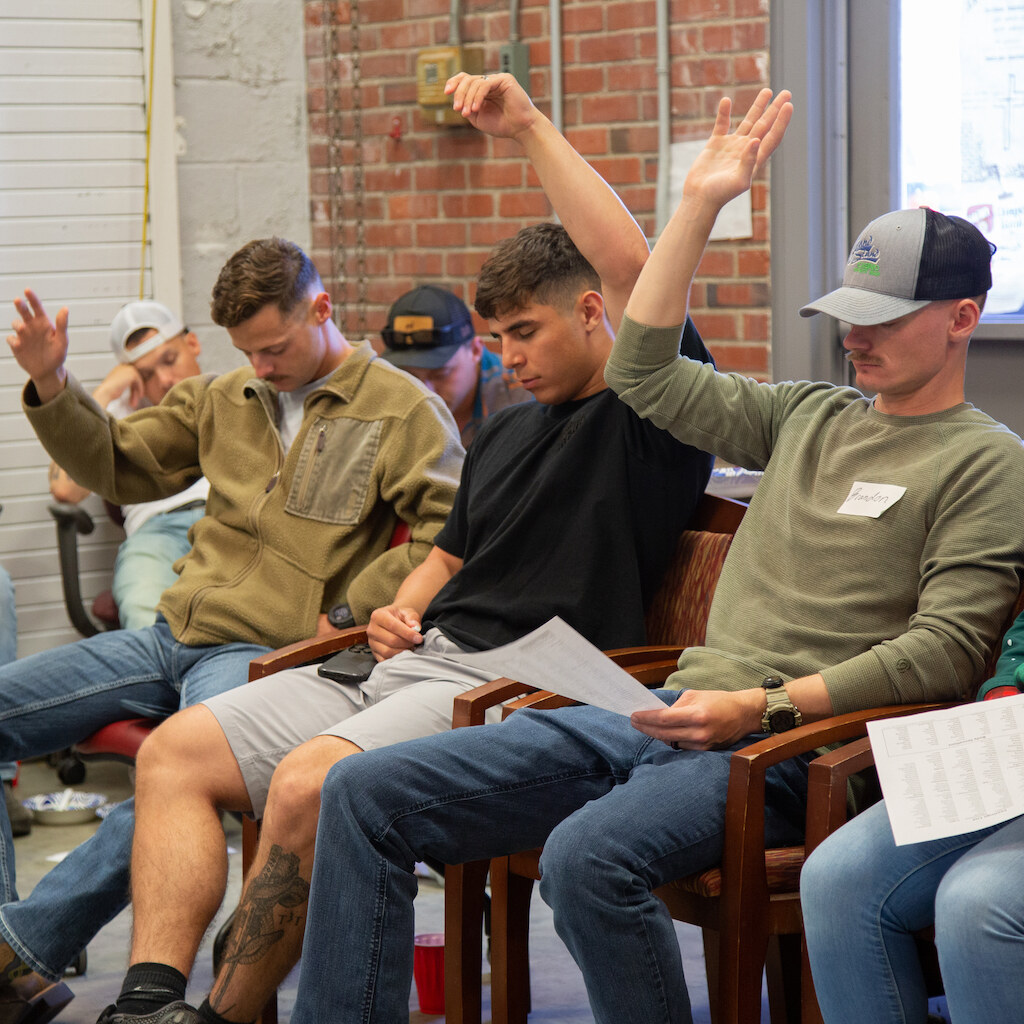
You raise something when you move it so it is higher than it was before.
The people in the picture have their hands raised.

R is for Ran

Ran is the past tense of run.

R is for Rang

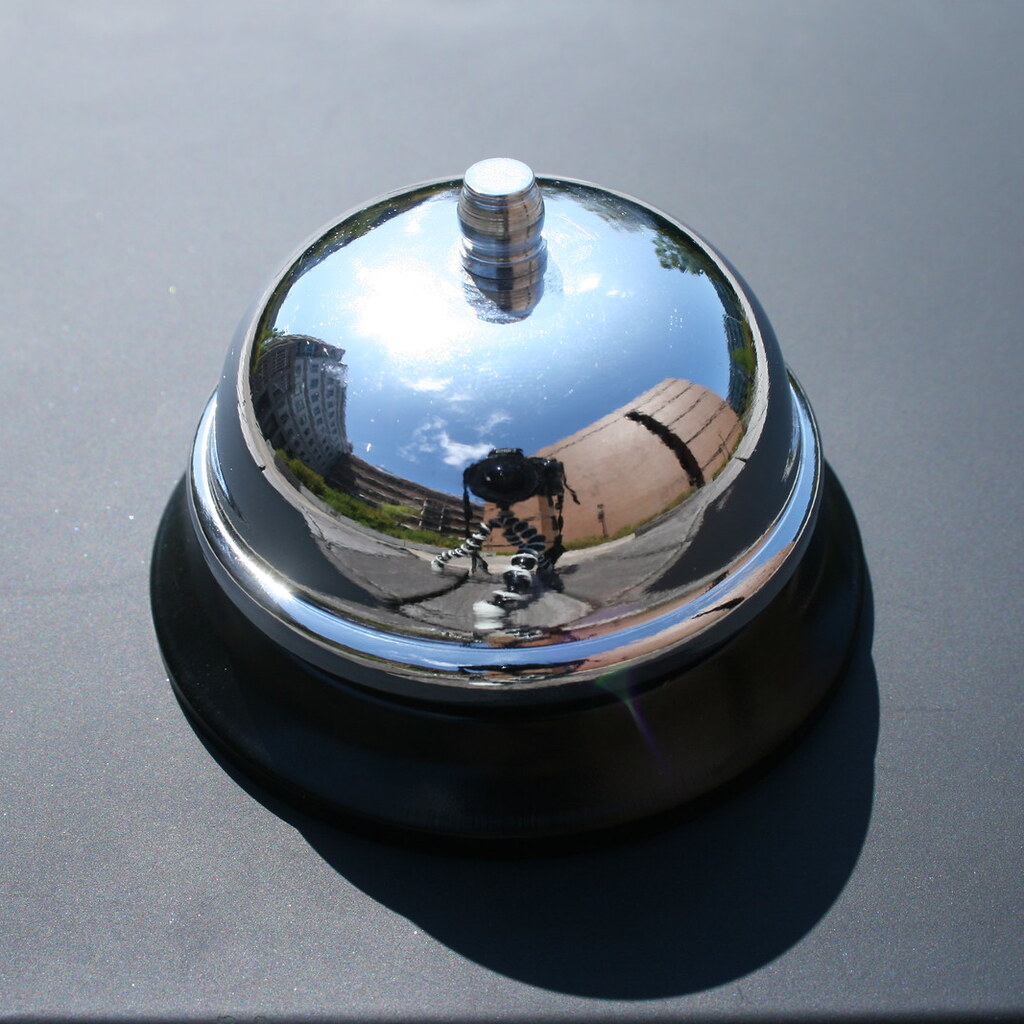
Rang is the past tense of ring. For example "he rang his girlfriend" or "she rang a bell".

R is for Rapid

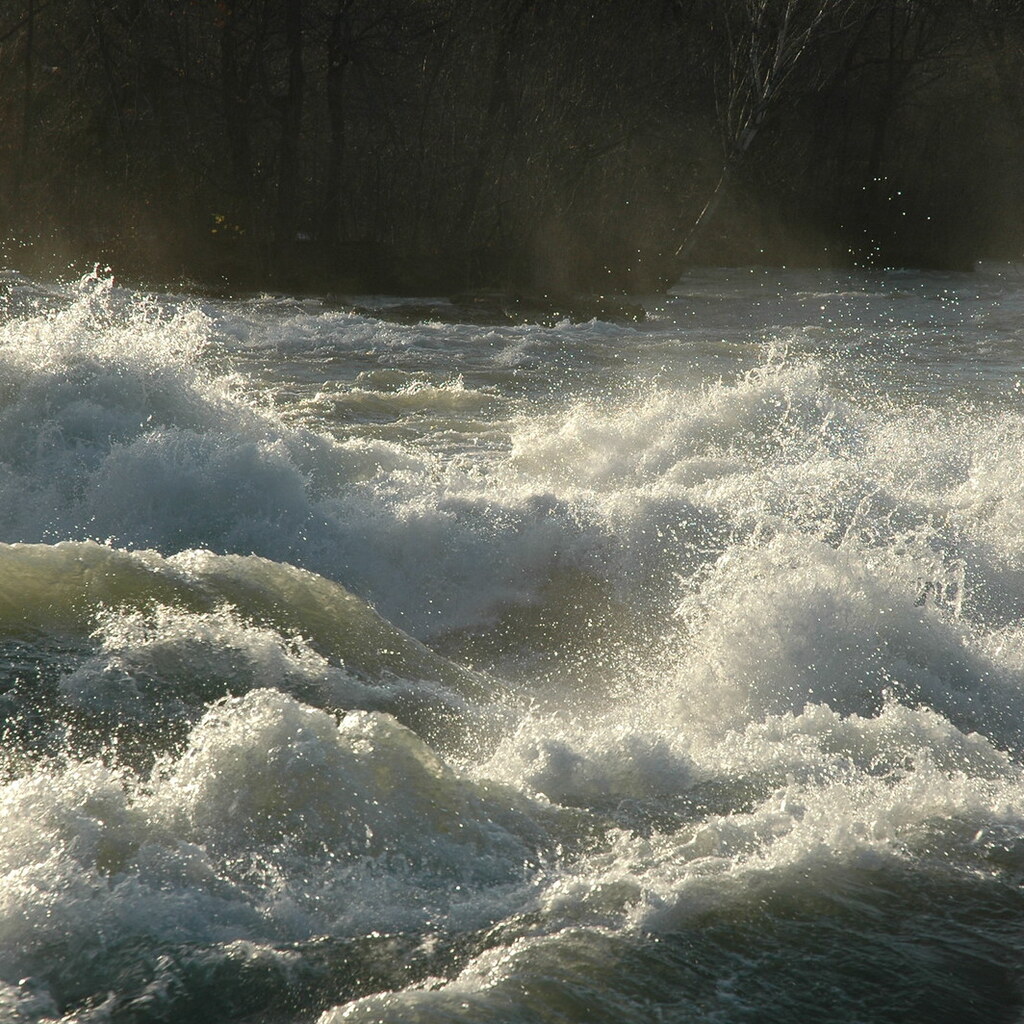
Rapid describes very fast movement. The water in a river often moves at a rapid pace.