
Showing 121-140 of 197
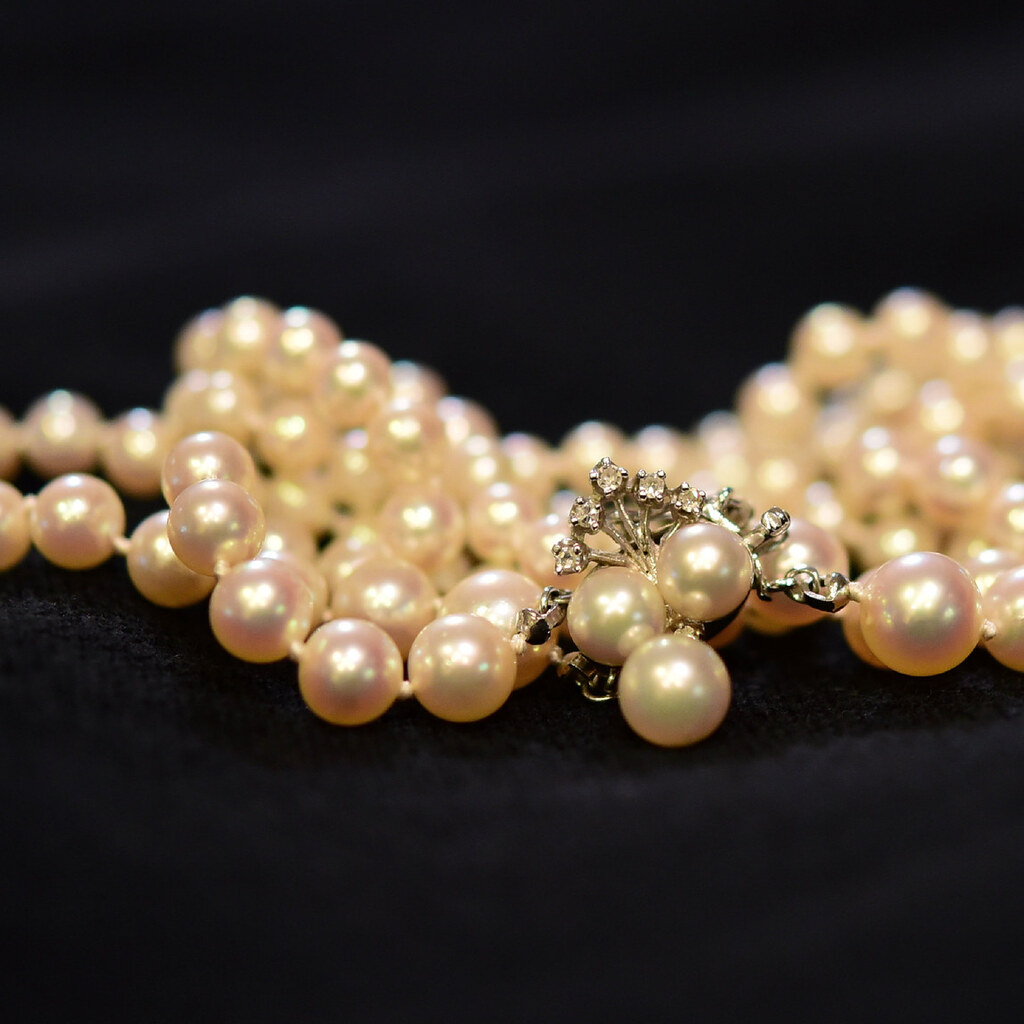
Pearls are made inside the shells of mollusks like clams and oysters. They are usually round, and have a soft, translucent glow to them. Pearls have been made into jewellery for thousands of years.

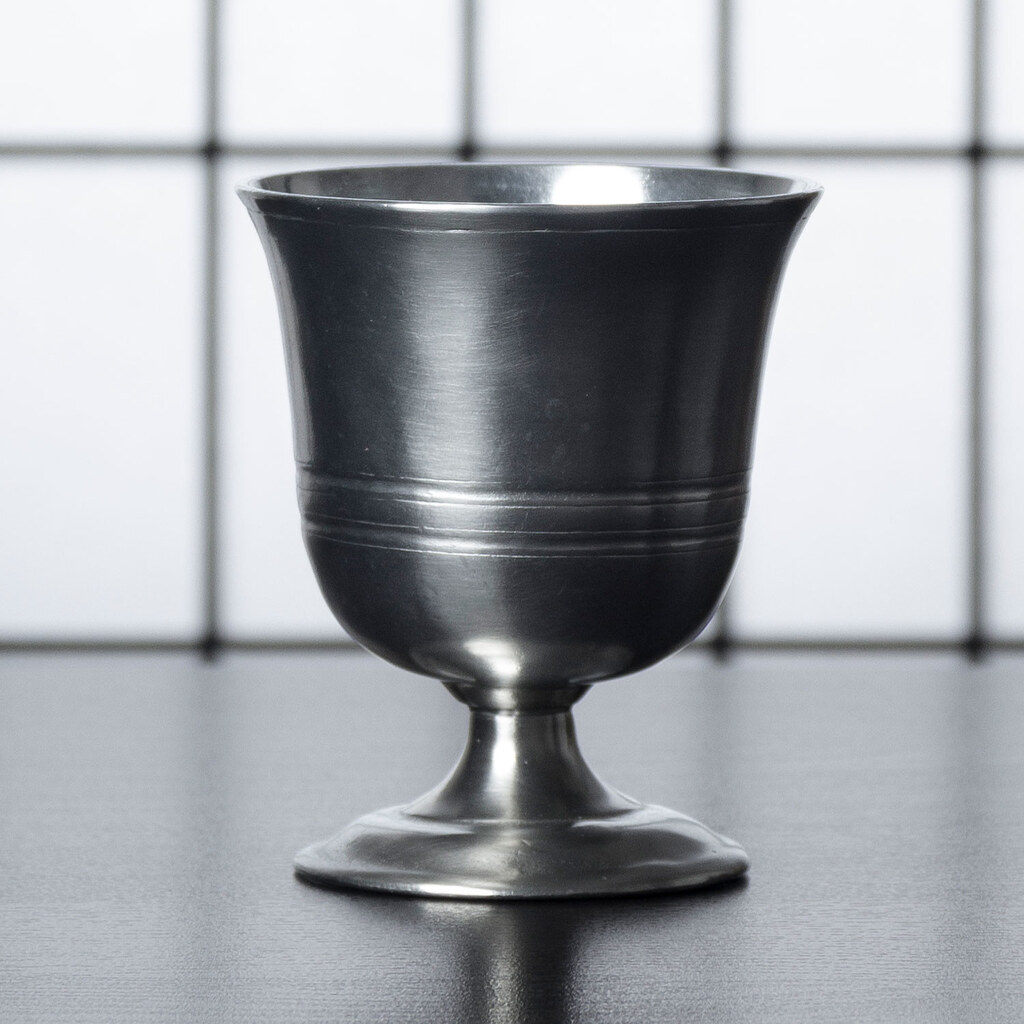
Pewter is a metal alloy made from around 85% tin, and the remainder being antimony, about 1% copper and 4 or more percent lead. It is commonly used for photo frames, vases and decorative mugs. Plates, bowls and cups were all made from pewter before glass and porcelain became more common.
People of ancient cultures used to get lead poisoning partly from eating from pewter plates, and partly from using a lead compound to sweeten their wine.
People of ancient cultures used to get lead poisoning partly from eating from pewter plates, and partly from using a lead compound to sweeten their wine.
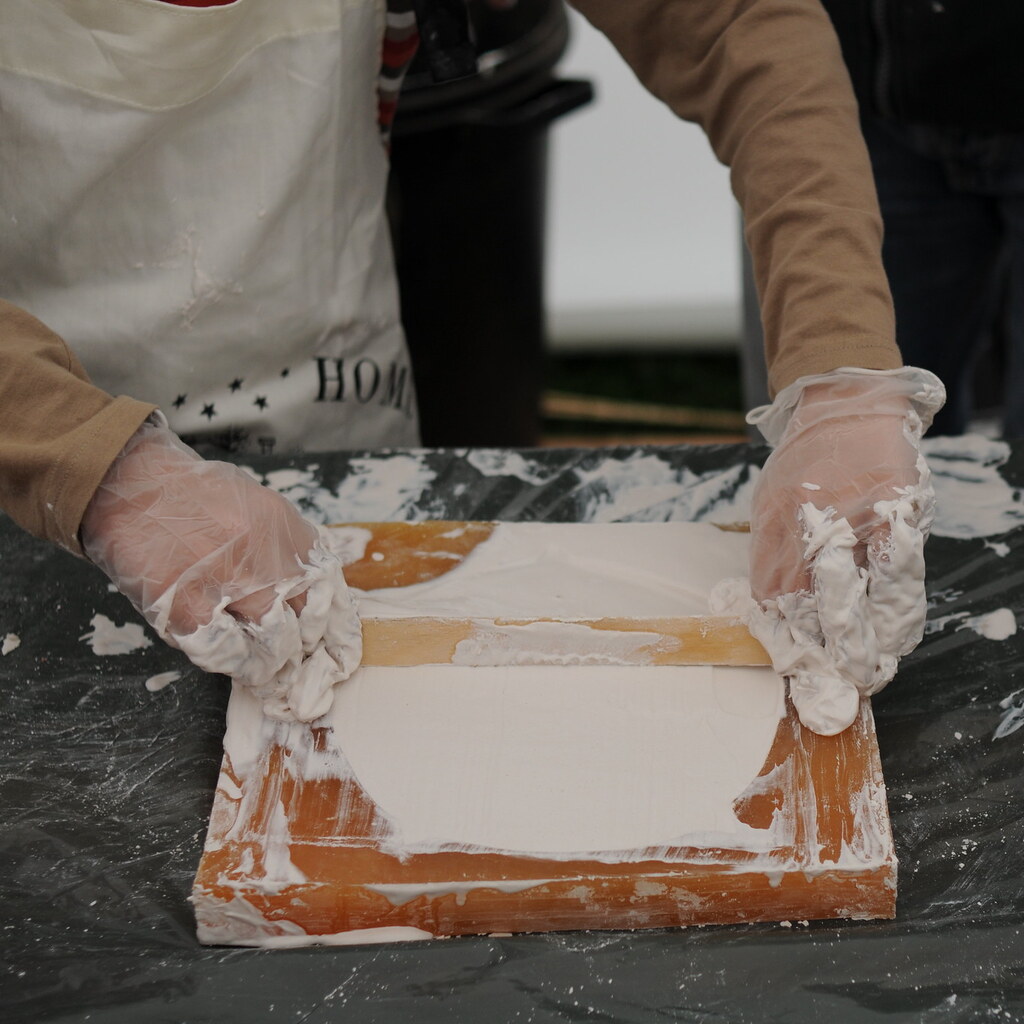
Plaster is a white powdered substance that is made from gypsum, a kind of stone. When water is added to plaster it stays as a wet paste for a little while but then it goes hard. As it goes hard it gets hot - plaster setting is an exothermic reaction. If you are going to put plaster on your skin you should do it slowly, in thin layers or you could get burnt.
Today, plaster is most commonly used mixed with lime to line the inside walls of houses, or put into bandages to hold a broken bone in place as it heals.
Today, plaster is most commonly used mixed with lime to line the inside walls of houses, or put into bandages to hold a broken bone in place as it heals.
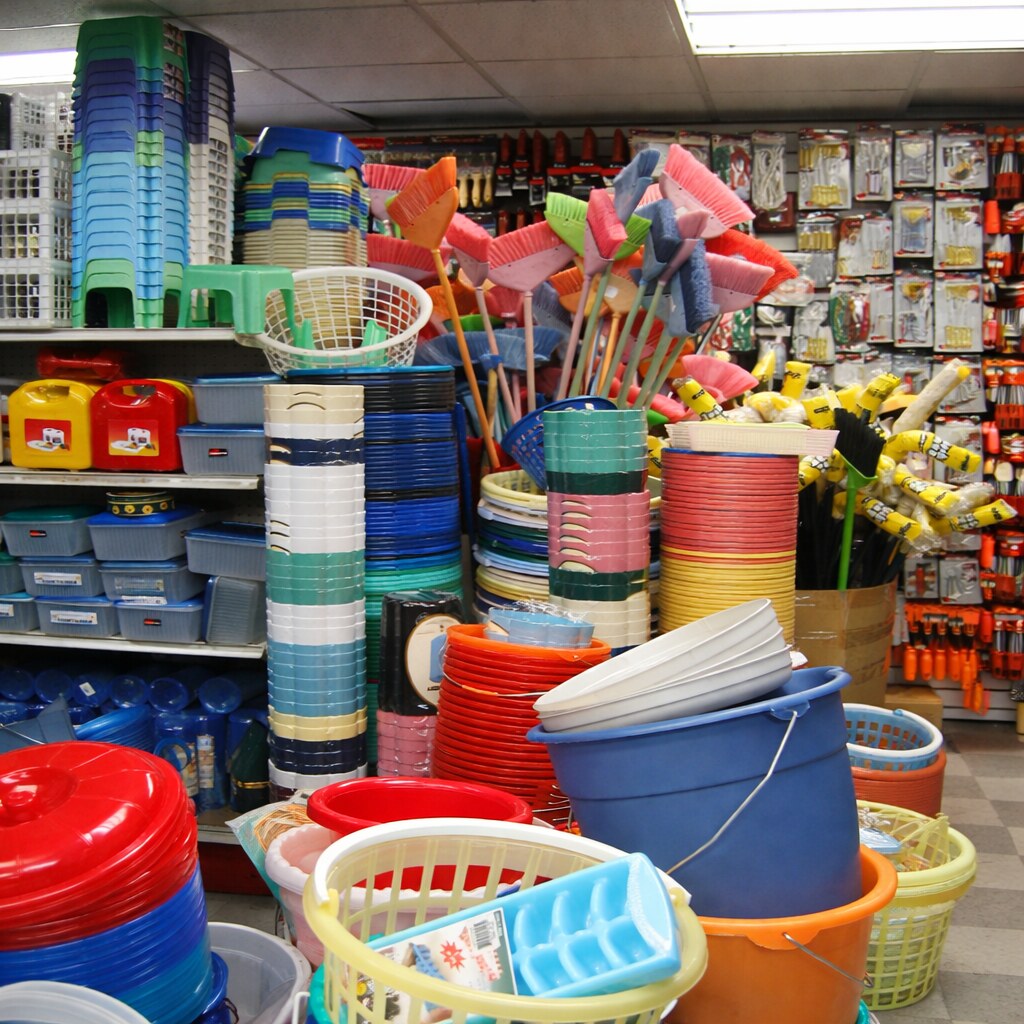
Plastics are a synthetic material that can be cast into virtually any shape. Plastics can range from hard to soft, can be flexible or firm, transparent or opaque. Plastics of various kinds are used in the making or packaging of virtually everything nowadays.
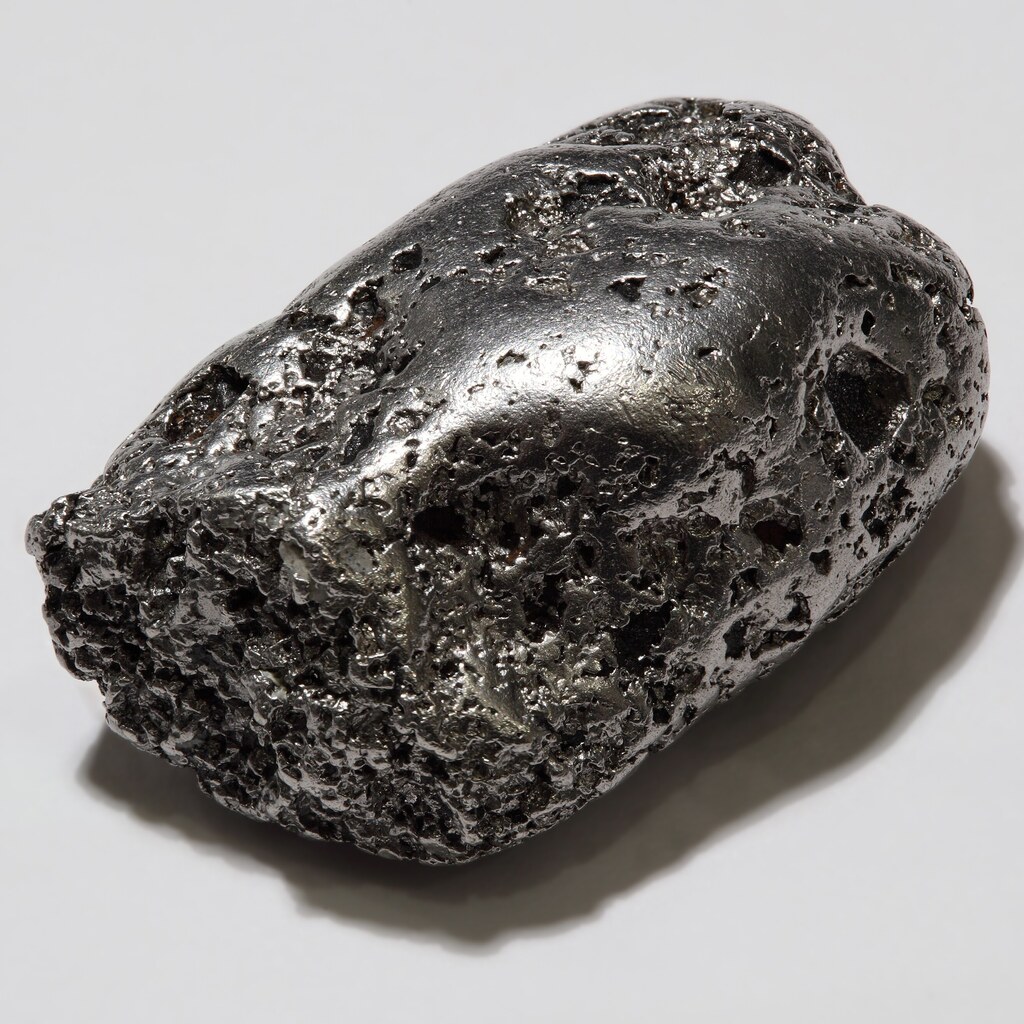
Platinum is a corrosion-resistant precious metal. It is mainly used in jewellery, electronic components and laboratory equipment but it has other uses as varied as the automotive industry and dentistry.
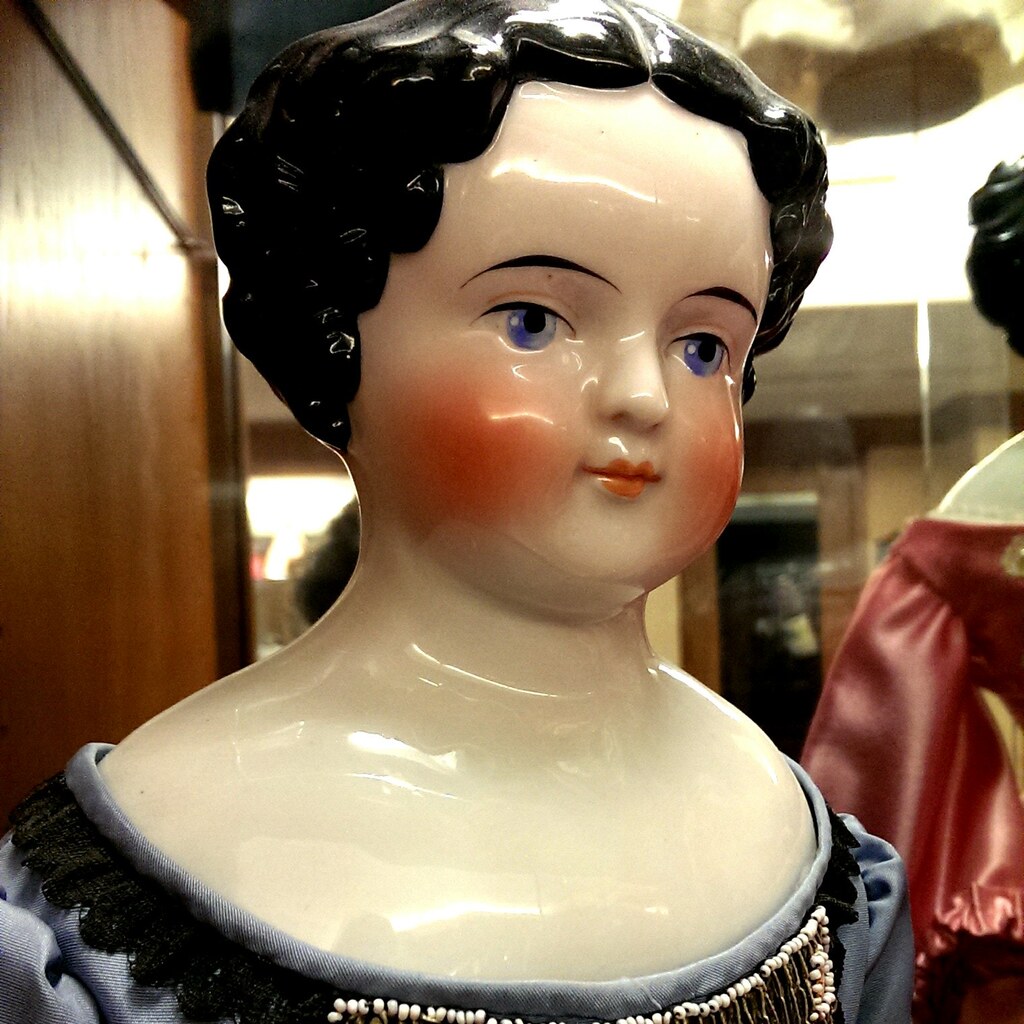
Porcelain is a hard, white ceramic that is commonly used to make plates and cups, some dolls, and bathroom ware like baths and toilets. When porcelain is very thin, it is slightly translucent.

Quartz is the second most common mineral on the surface of the Earth after feldspar. It is made of silicon dioxide in a crystalline structure. Quartz naturally forms colourless six-sided crystals, and is transparent or slightly translucent. Quartz that is milky or is coloured has impurities in it. Quartz that is a pretty colour is usually given a different name, like amethyst.


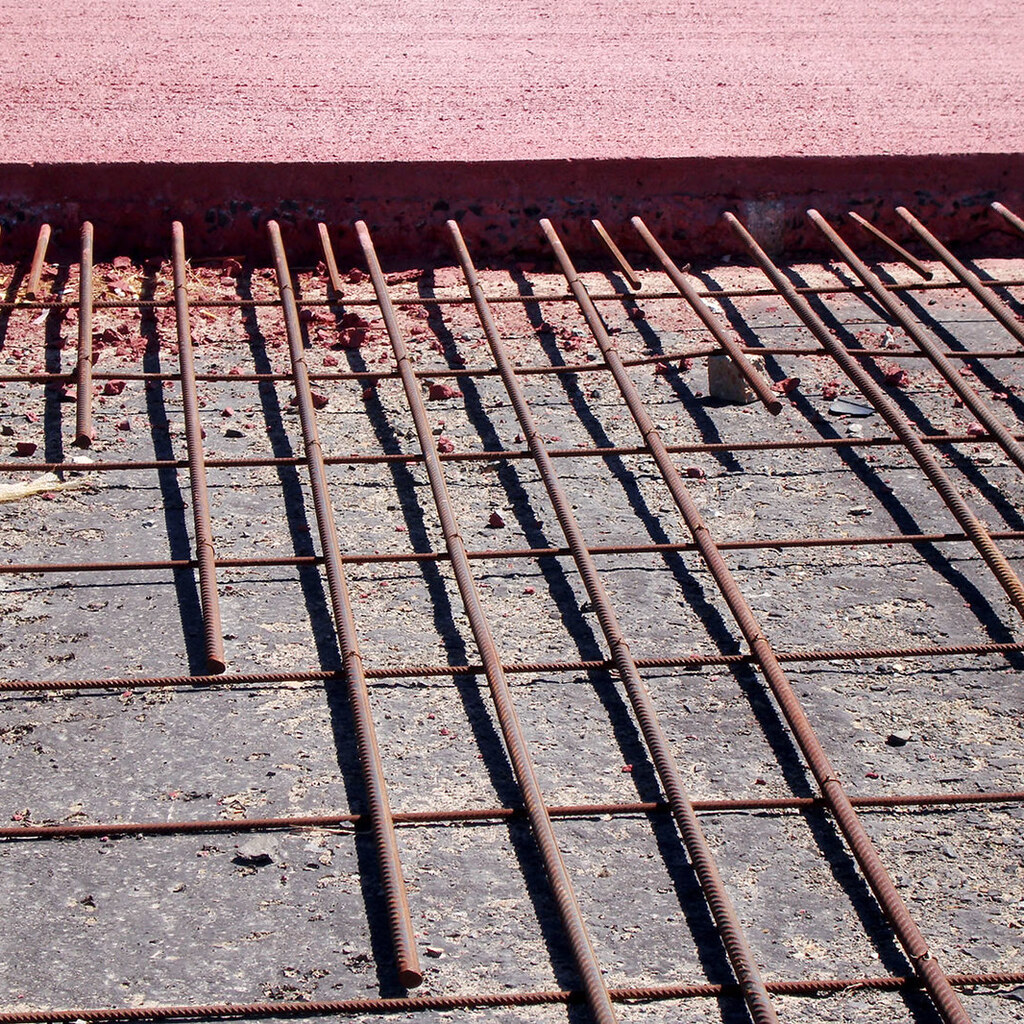
A rod is a relatively long, thin, straight object, very similar to a stick. Rods can be made from metal, plastic or wood. They can be used for a wide variety of things, such as fishing rods, magic wands, staffs and curtain rods.
The rods in the picture are steel reinforcing rods.
The rods in the picture are steel reinforcing rods.