up to Nature

Materials

Things that you can use to make other things from.

Subcategories: Fabrics (29), Fuels (10), Metals (23), Stones (61), Wood (5)

Showing 101-120 of 197
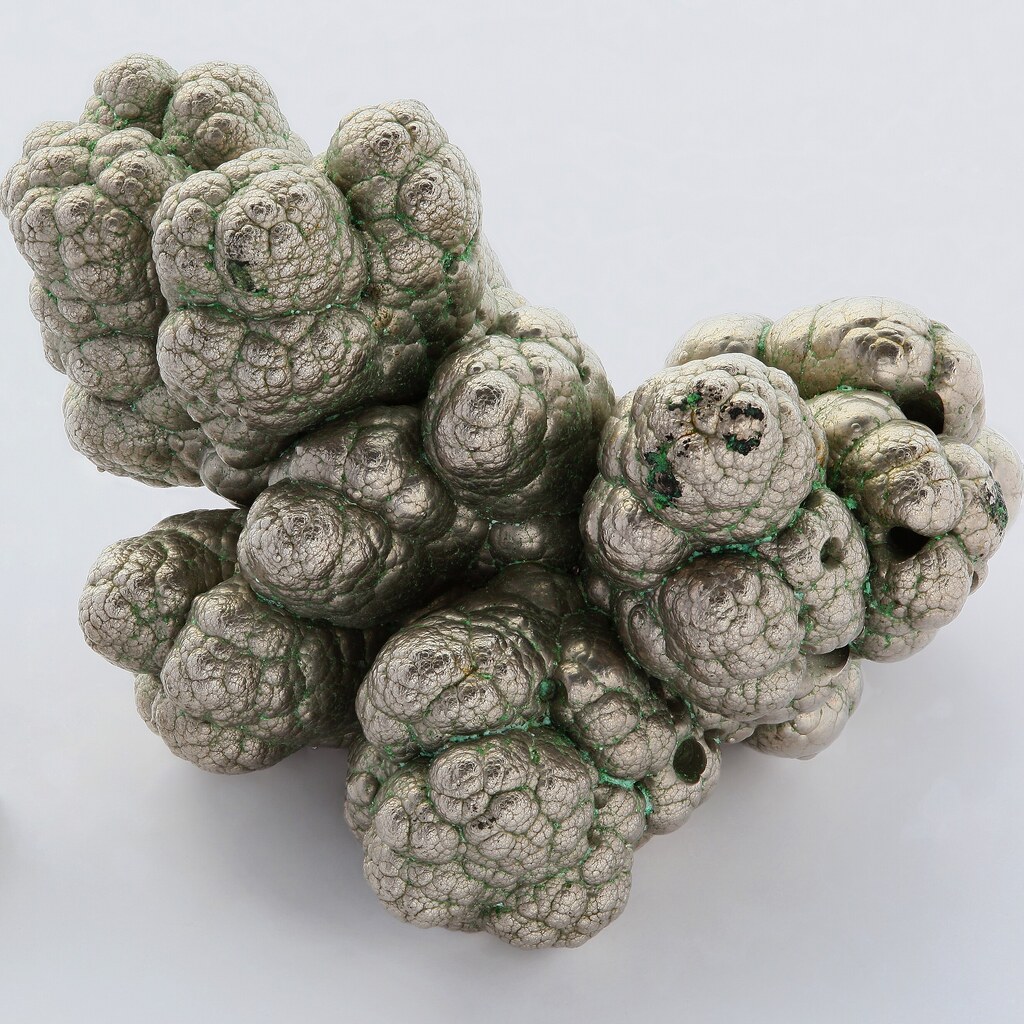
M is for Malachite

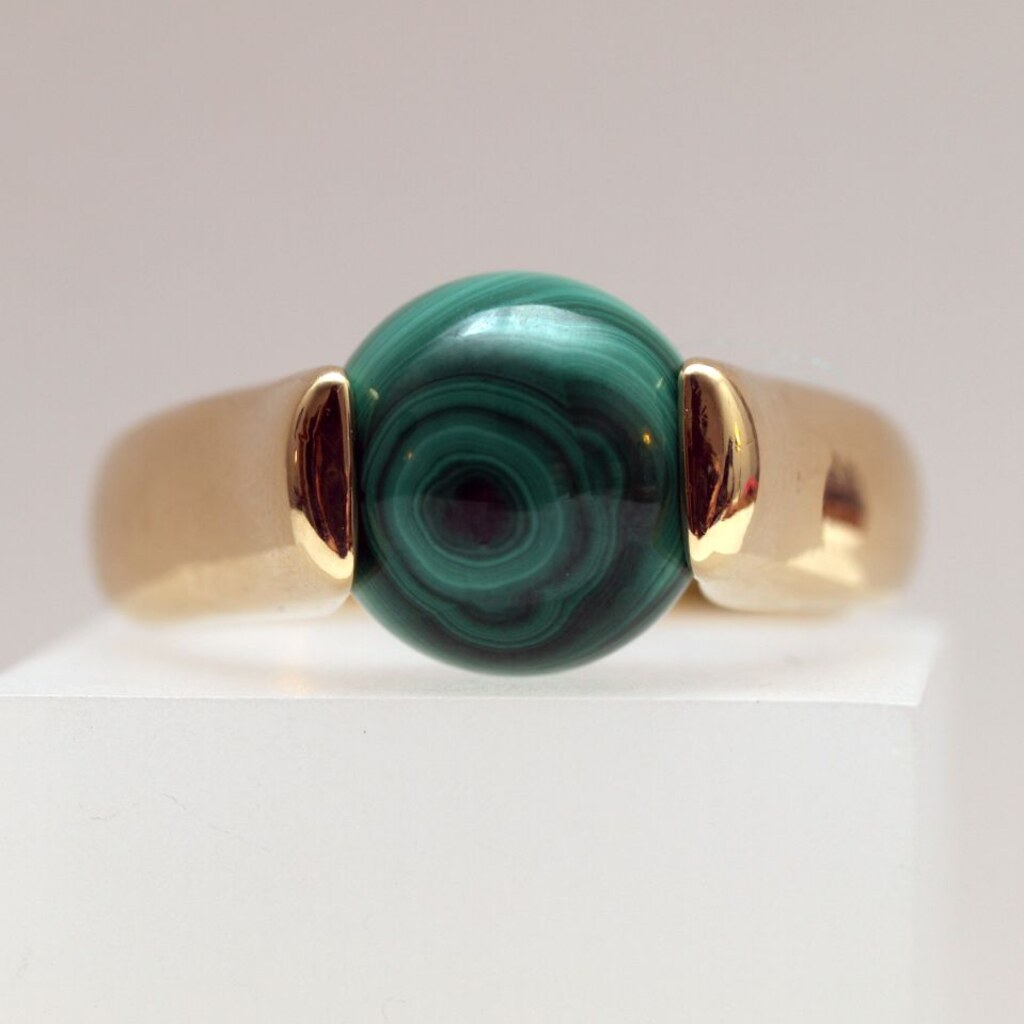
Malachite is copper carbonate, and is a bright green colour, often with bands and swirls of different shades of green. The patterning makes it quite attractive polished and can be used in jewelry.
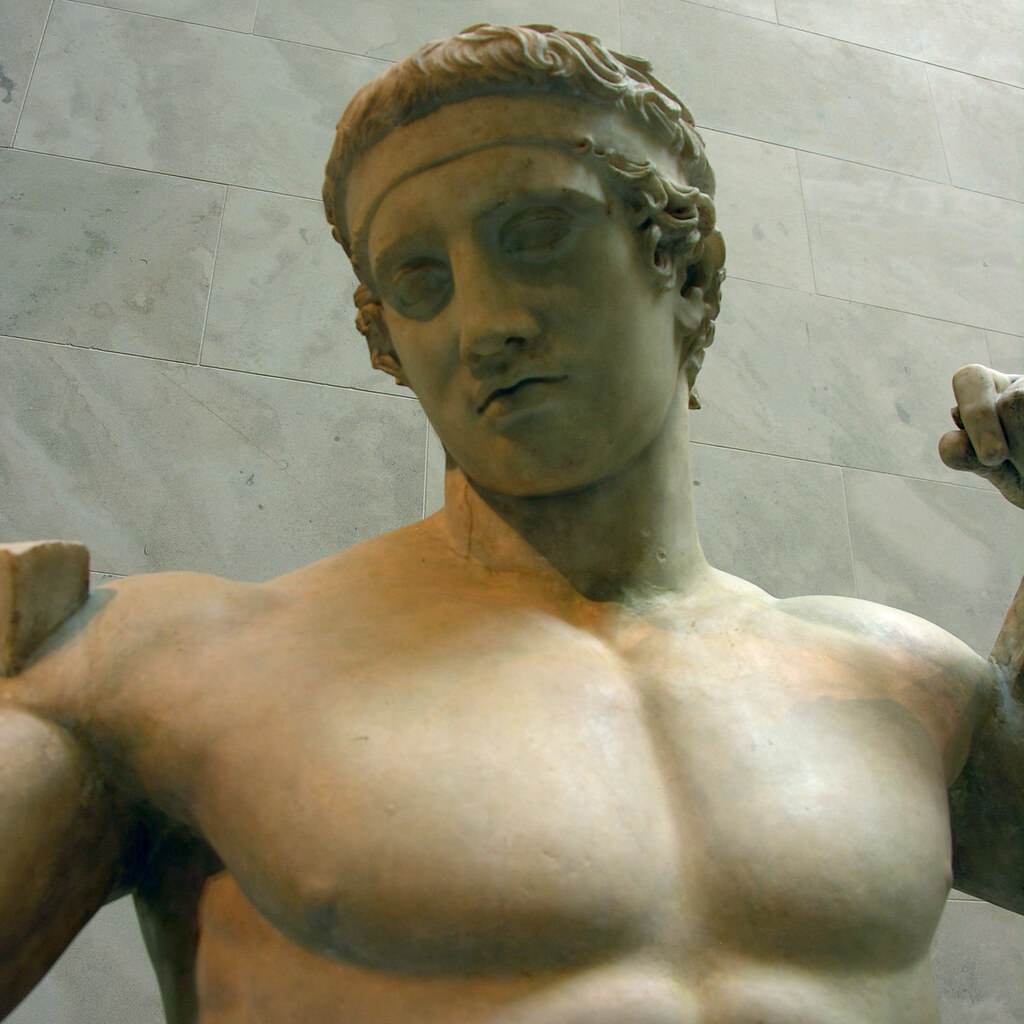
Marble is limestone that has been changed from a sedimentary rock to a crystalline one through high pressures under the surface of the Earth. Marble is much stronger than limestone, and can be polished to a shiny finish. It is frequently used for making statues from, and for making decorative features in buildings like floors and pillars from.

M is for Masonry

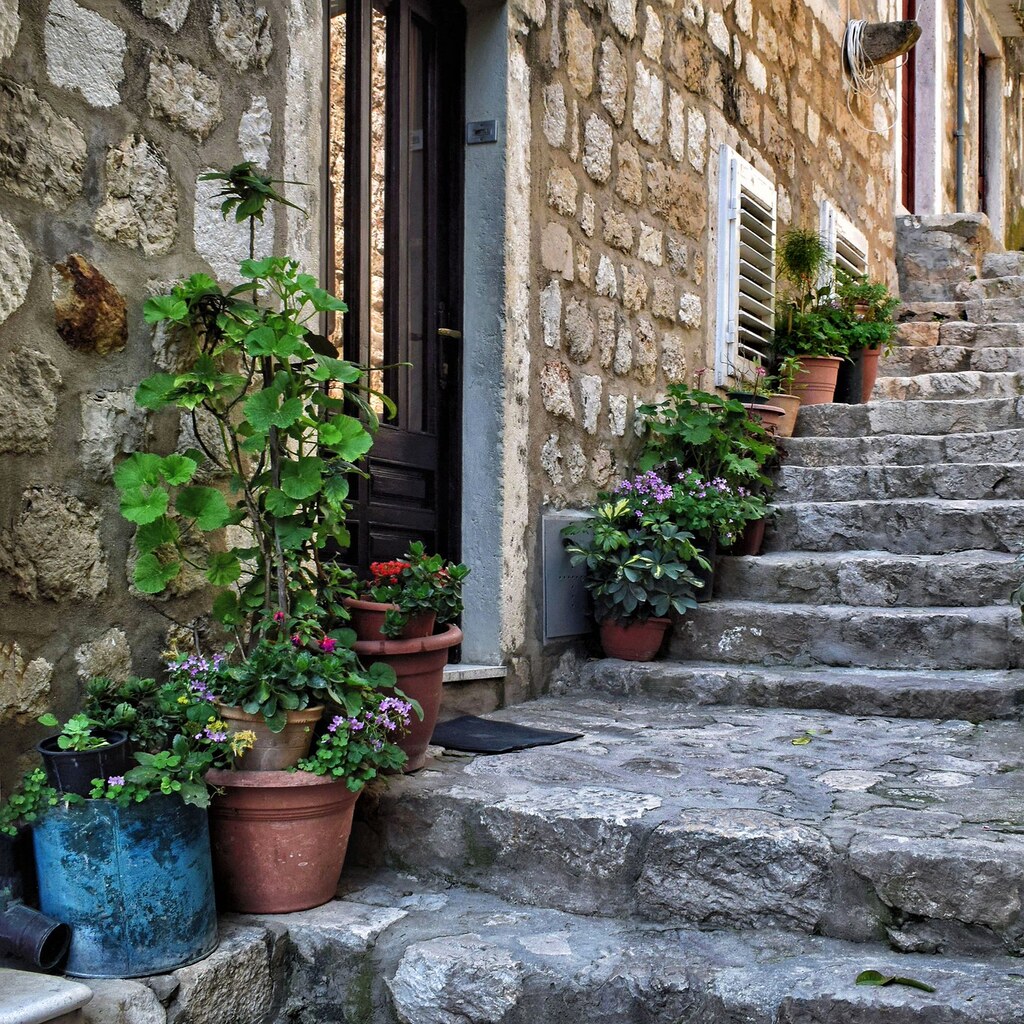
Masonry is a way of constructing buildings out of any type of heavy block. Different types of masonry include bricks, stone and cinder blocks.
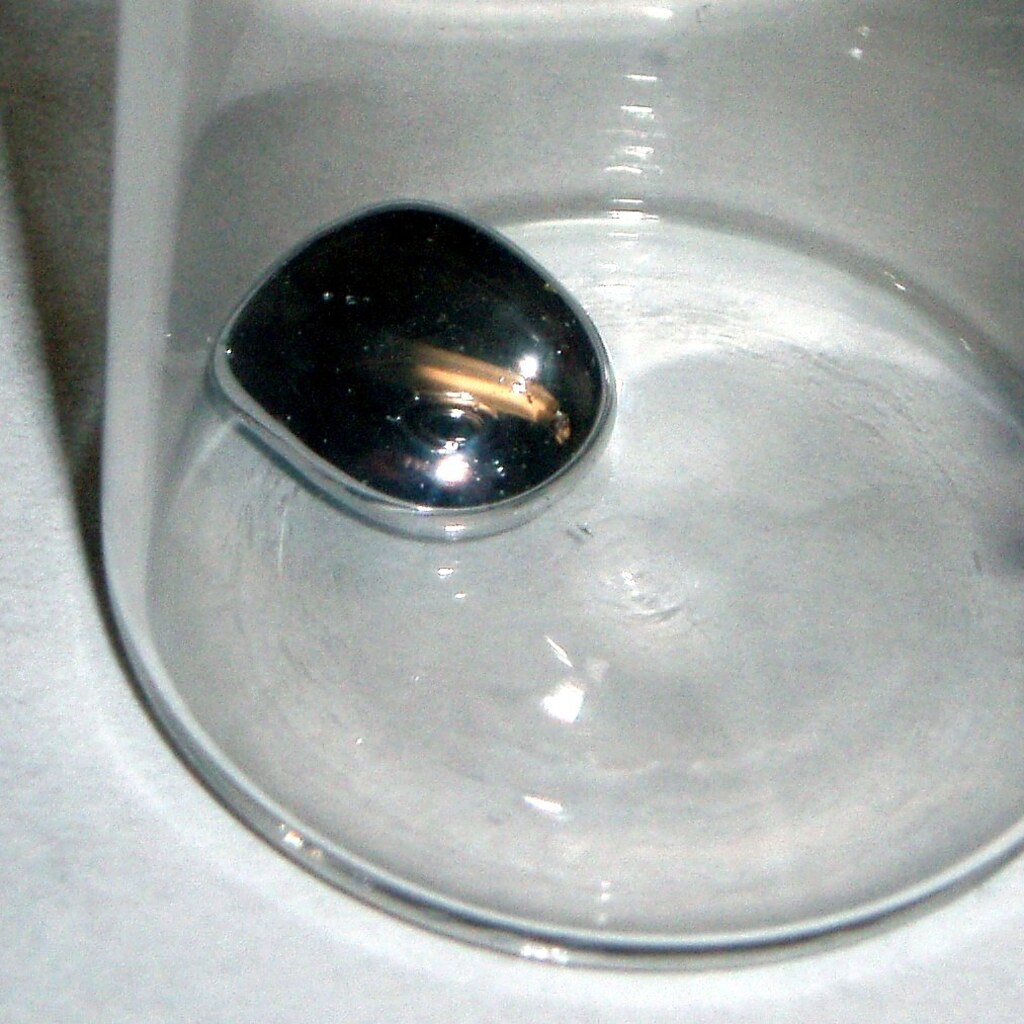
Mercury, also called quicksilver, is the only metal that is liquid at room temperature. Mercury is a heavy metal and is very toxic.
Mercury is used to dissolve gold in the process of gold mining, it was used in making felt, in older style thermometers, and in dental fillings.
M is for Mesh

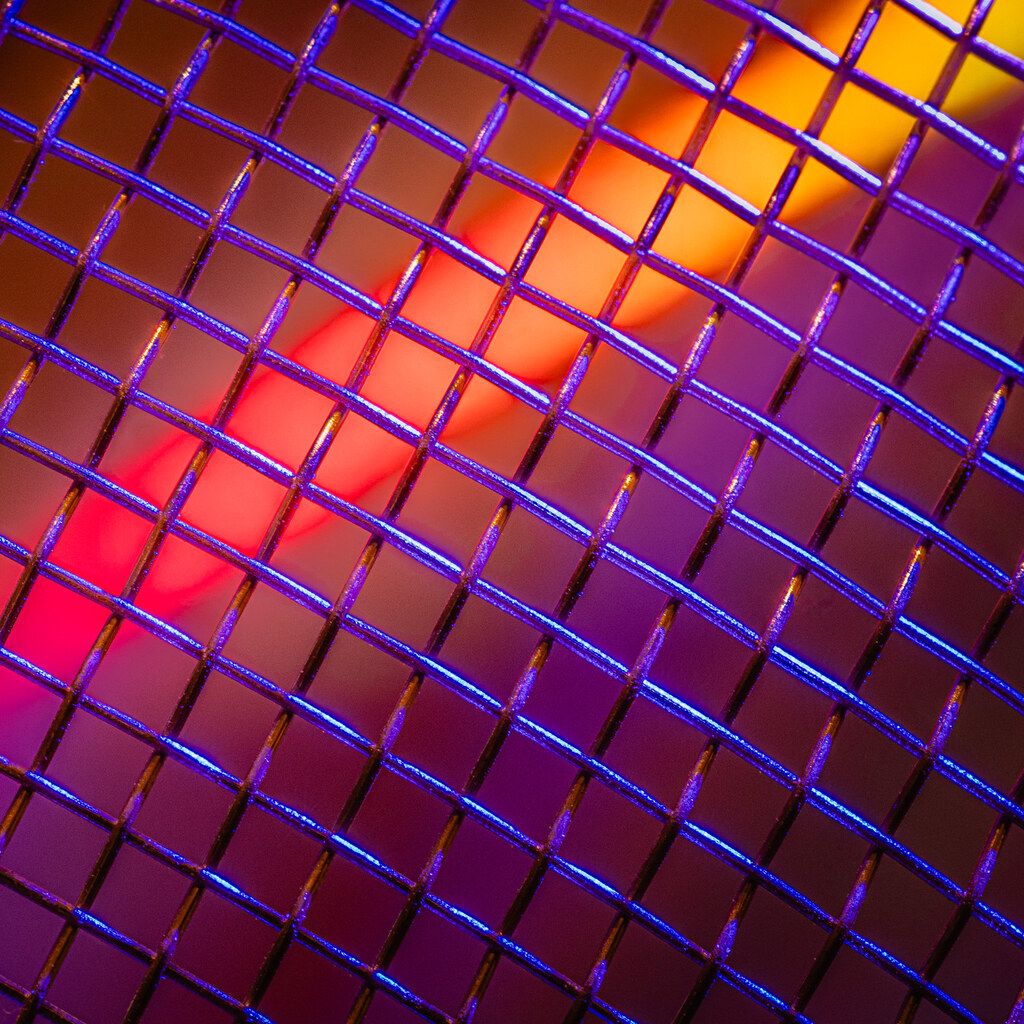
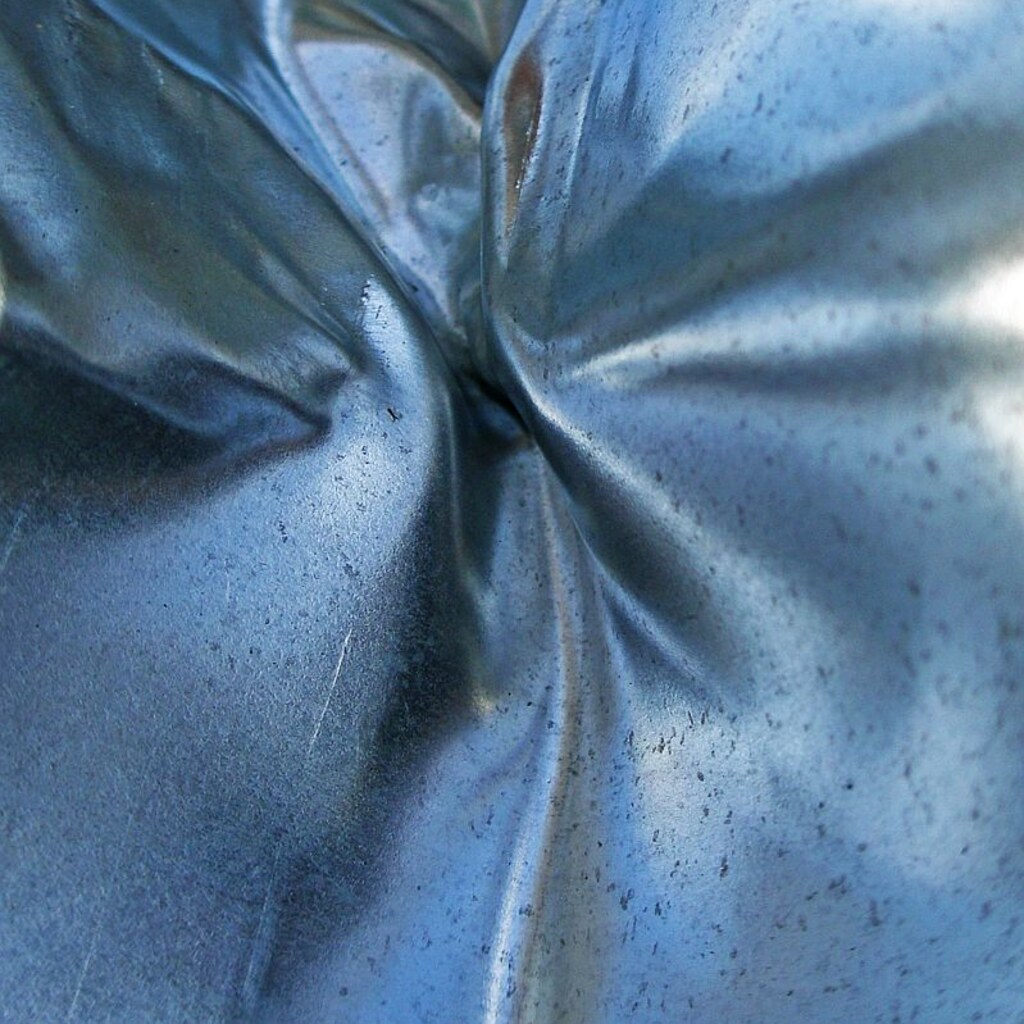
Mesh is a type of fabric that is woven with holes in it. Mesh may be made from wire rather than cloth thread. You can buy mesh clothes and mesh insect screens. The photo is of a mesh pocket in a backpack.

M is for Metal

There are many different kinds of metal. The metals that are used in everyday life are hard, usually shiny, and smooth. Metals are good conducters, which means they can change temperature very fast. If you stir some hot water with a metal spoon for too long you can burn your fingers as the spoon heats up.
Most metal is soft enough to be bent into interesting shapes, although for very thick metal it can take a lot of force to bend it. Some metal, like the kind that goes into knife blades, is hardened and can't be bent.
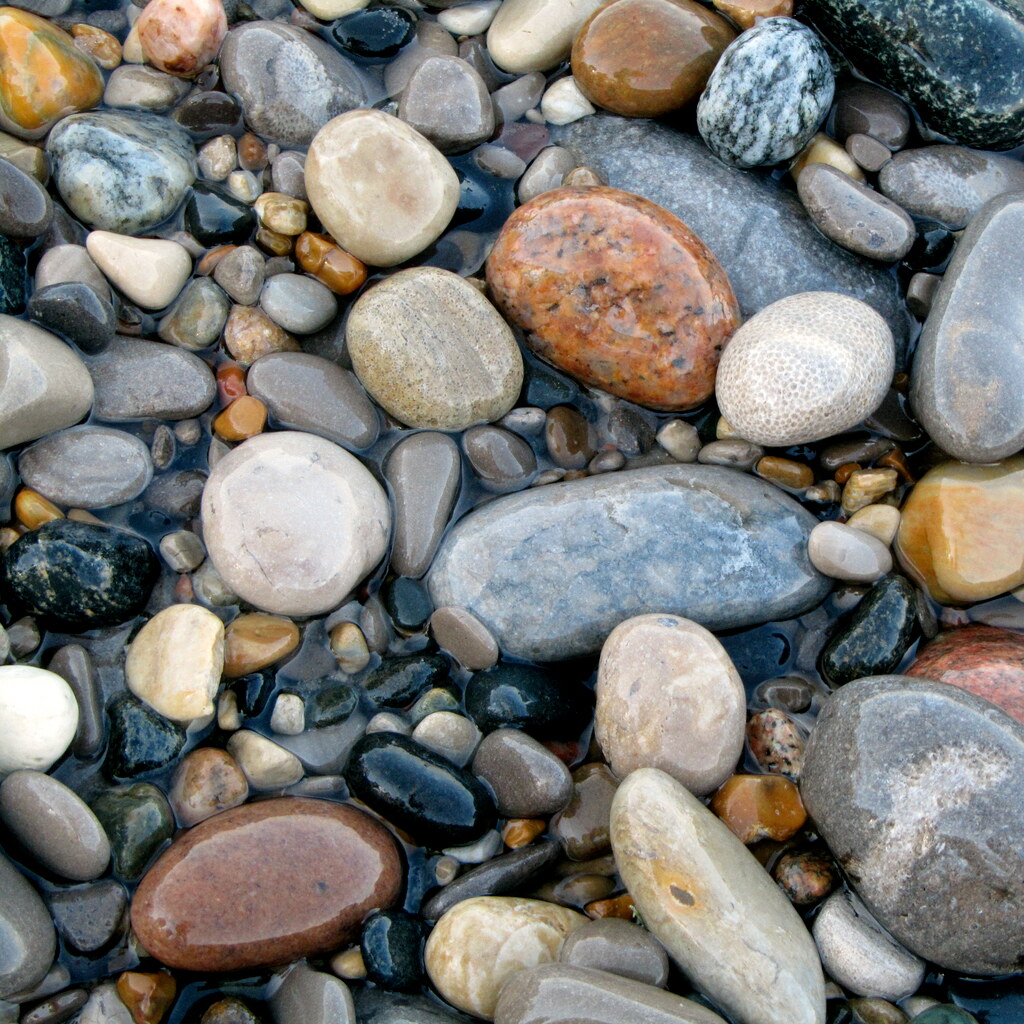
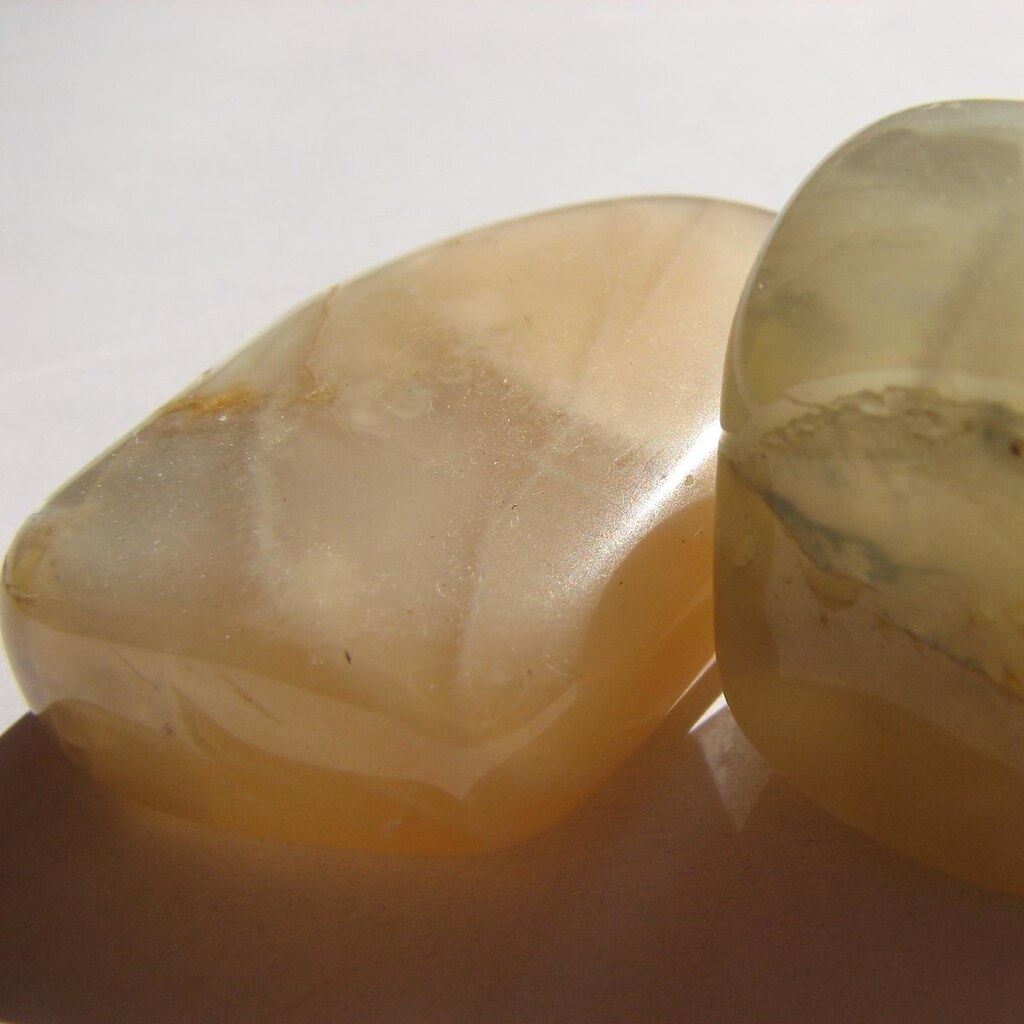
M is for Mineral

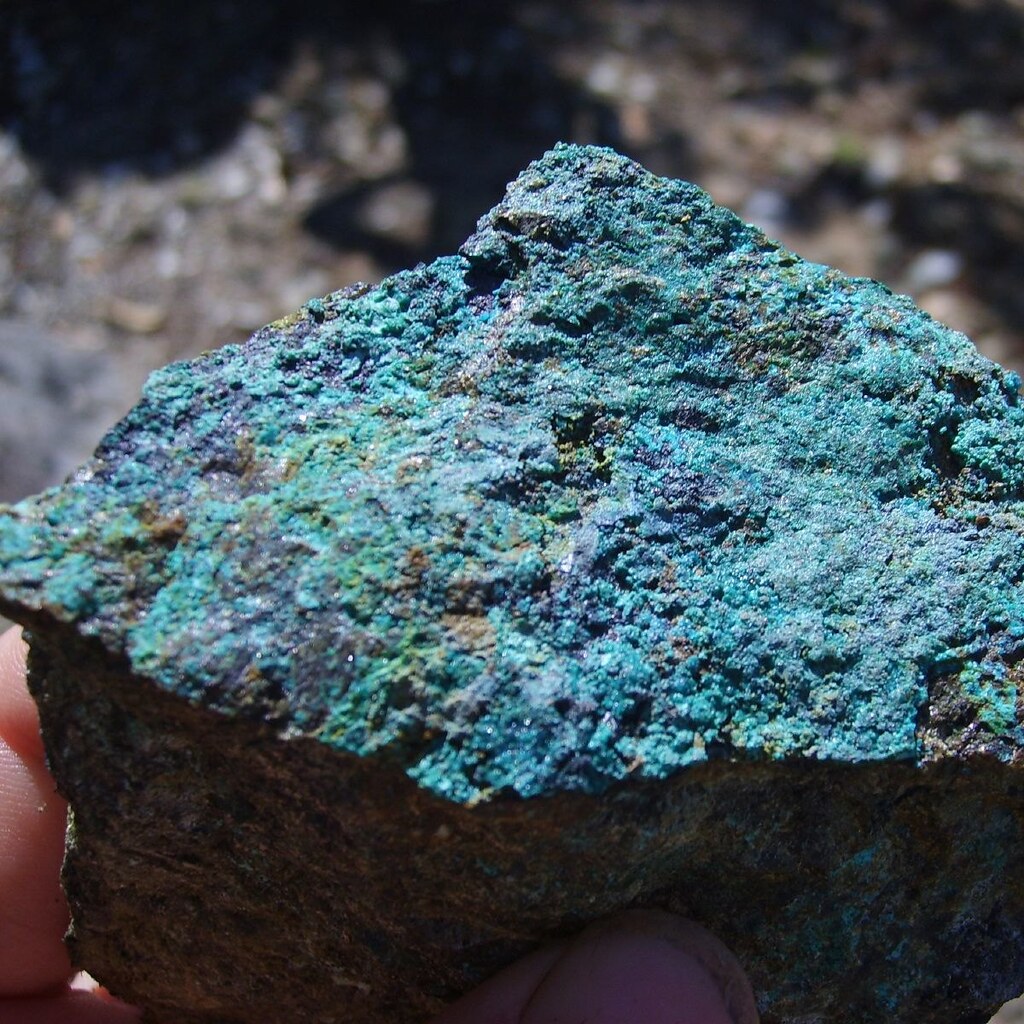
Minerals are something naturally occurring, often called rock, stone or if they are to be used for mining, ores.
People often break nature into three groups, animal, mineral and vegetable.

M is for Moonstone

Moonstone is a mineral made from potassium aluminium silicate. It is formed in thin layers, which gives it an interesting light scattering effect called adularescence. The highest quality moonstones come from Sri Lanka.

M is for Mortar

Mortar is used to hold things like bricks together when you are building a house or other building. Mortar is made from sand mixed with cement or lime, and sets hard.
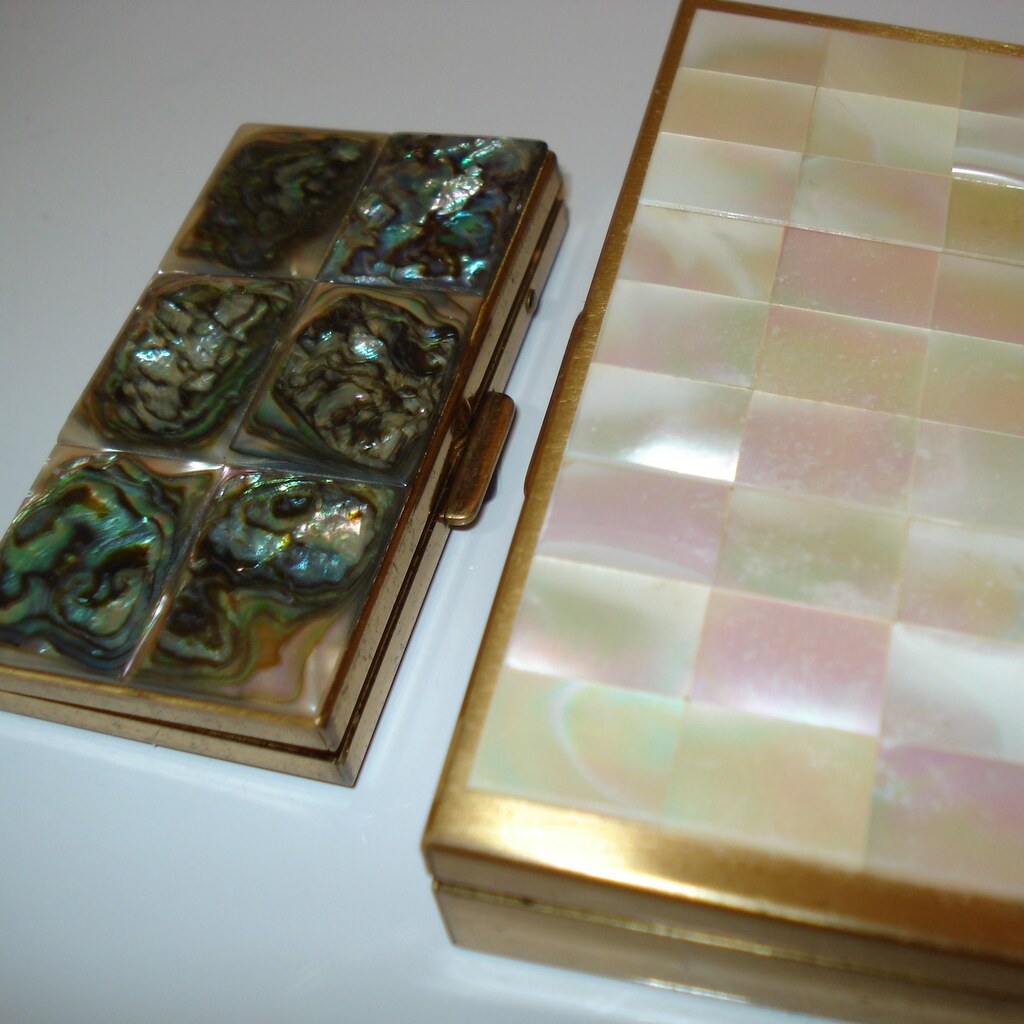
Mother of pearl is a very hard, attractive substance that is is frequently used in jewellery or as inlays on furniture, wooden boxes or even the handles of guns. Mother of pearl, or nacre, is the iridescent material lining the shells of some sea molluscs, which includes snails, clams and other shellfish.
Most commonly, mother of pearl was used for centuries to make buttons from.
M is for Mud

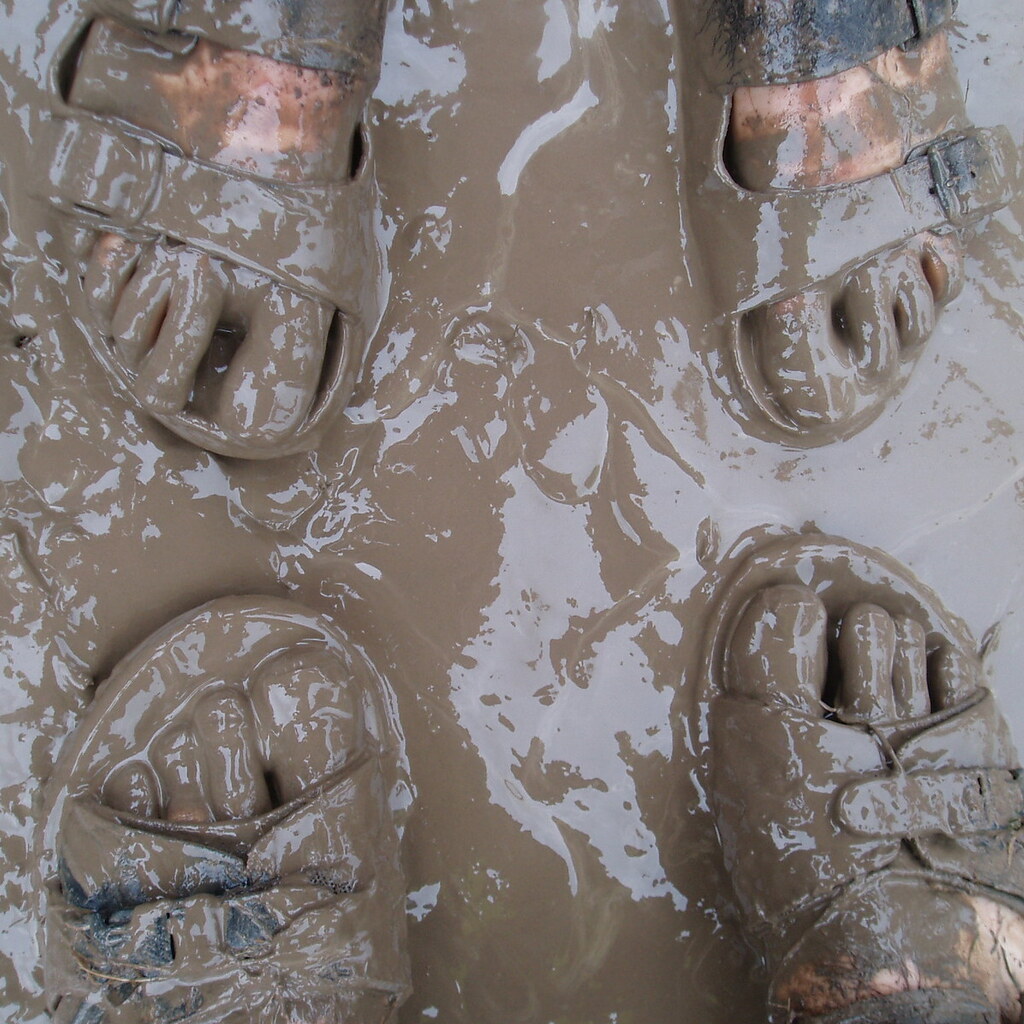
Mud is what you get when you mix water and dirt together. Mud is sticky, squishy, squelchy and great fun to play with. If the mud is really wet you can squish around in it, and if it is only a little bit wet you can mold it into shapes like mud pies.
Even though mud is so fun, adults don't like children to play in the mud as it is very dirty, and they don't want to have to wash your clothes afterwards.
N is for Net

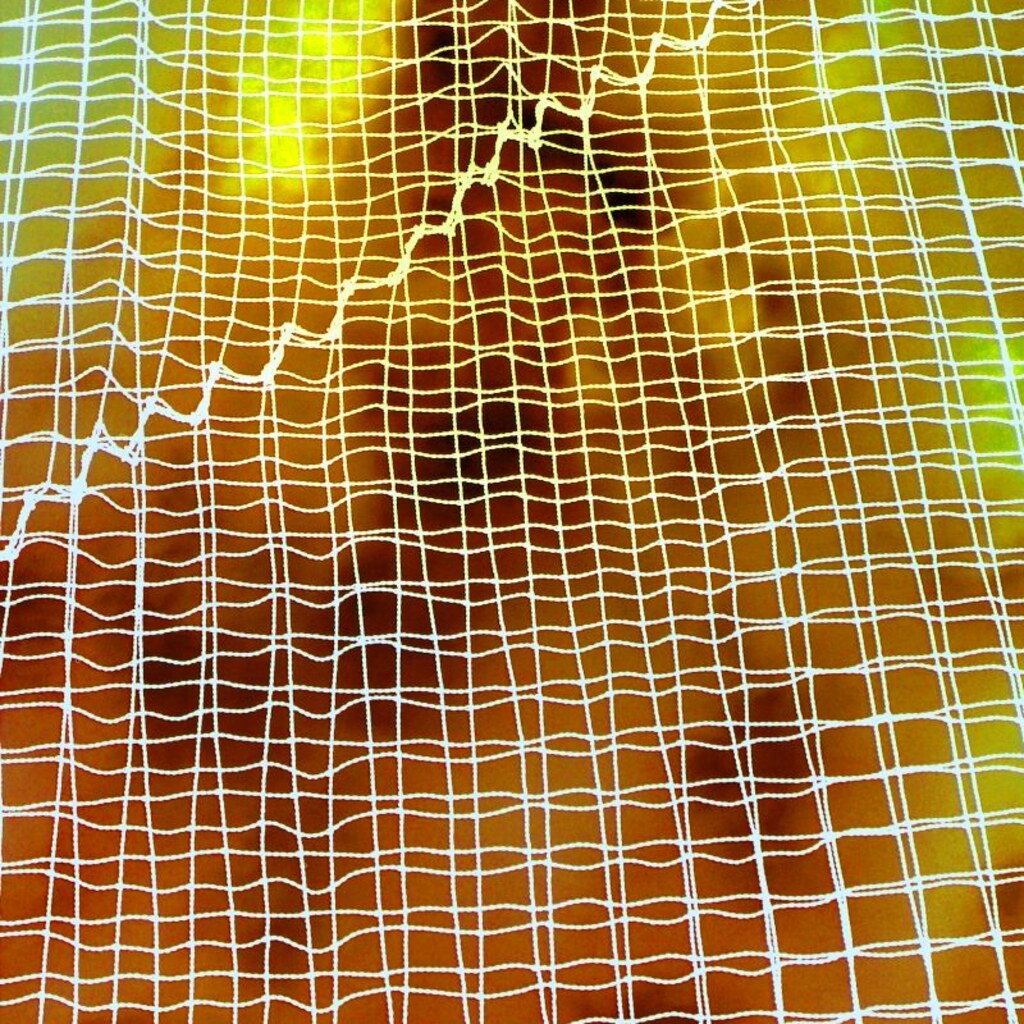
A net is a type of fabric woven into a grid of large holes. Nets are designed to let small things or liquids go through, and catch larger things. Nets are very commonly used to catch fish and butterflies, and to keep birds away from fruit trees.
Nickel is a common, reasonably corrosion-resistant metal that is widely used. It is a silver color with a slight hint of gold. Nickel is used to plate other metals, to make coins from, and as part of alloys such as stainless steel.

O is for Oak (Wood)

Oak is timber from the oak tree. It can be used to make floors and furniture.

O is for Obsidian

Obsidian is a dark glass formed in the larval flows of volcanos. Obsidian doesn't have a crystalline structure and can be broken into very thin pieces that can be used to make a very sharp cutting edge, spear tip or arrow head.

O is for Olivine

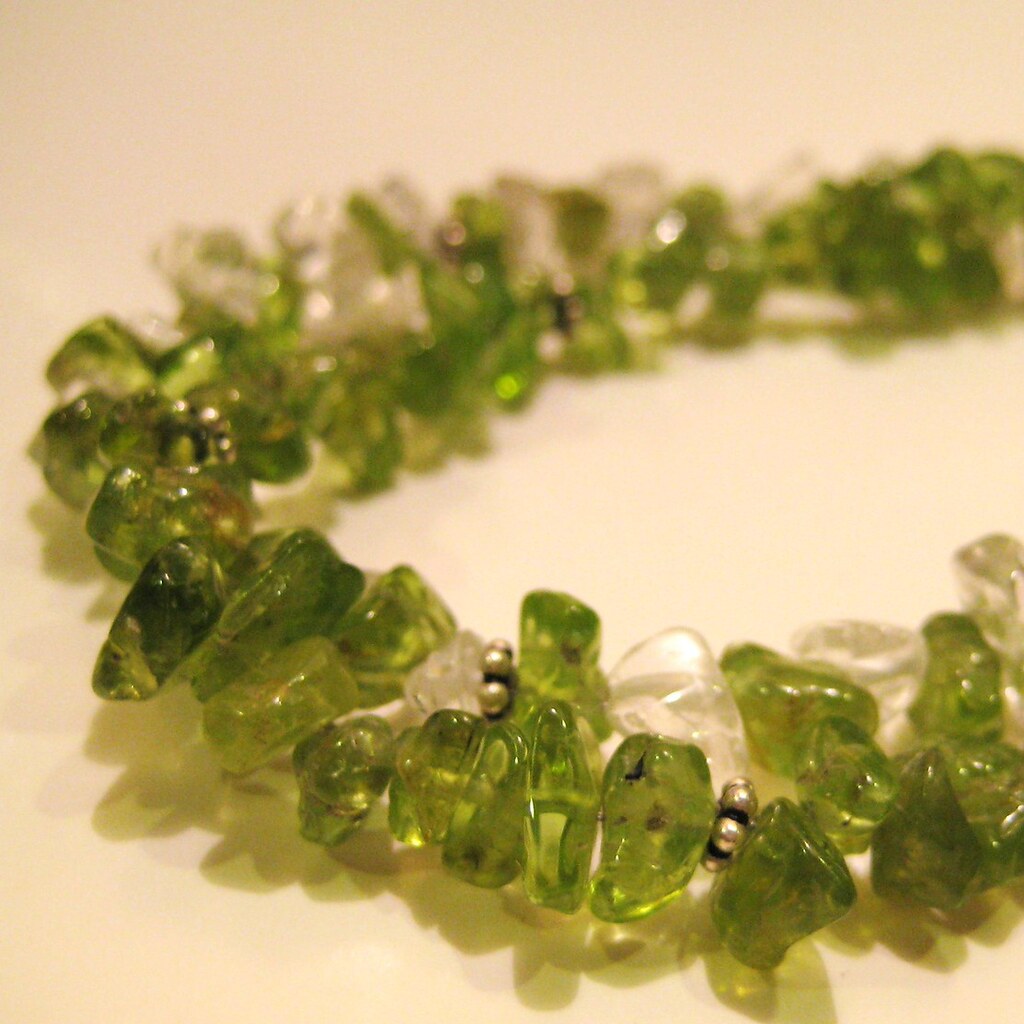
Olivine is a common olive green mineral made up of magnesium iron silicate. It has also been found in asteroids and on the moon. Olivine can be quite brittle. When olivine is transparent and gem quality, is is called peridot.

O is for Onyx

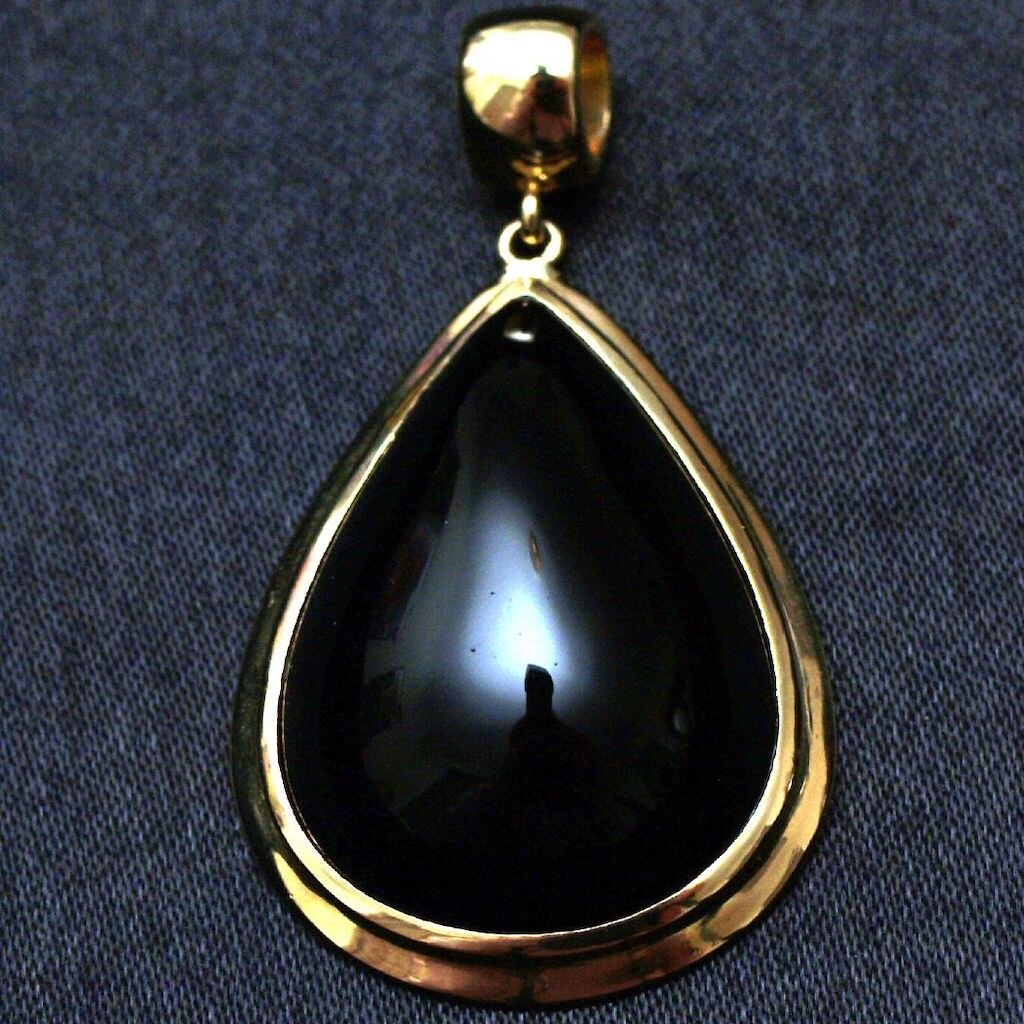
Onyx is a type of quartz. It comes in a variety of colours, with the most common being striped and black. The black variety is most popular in jewelry making.

O is for Opal

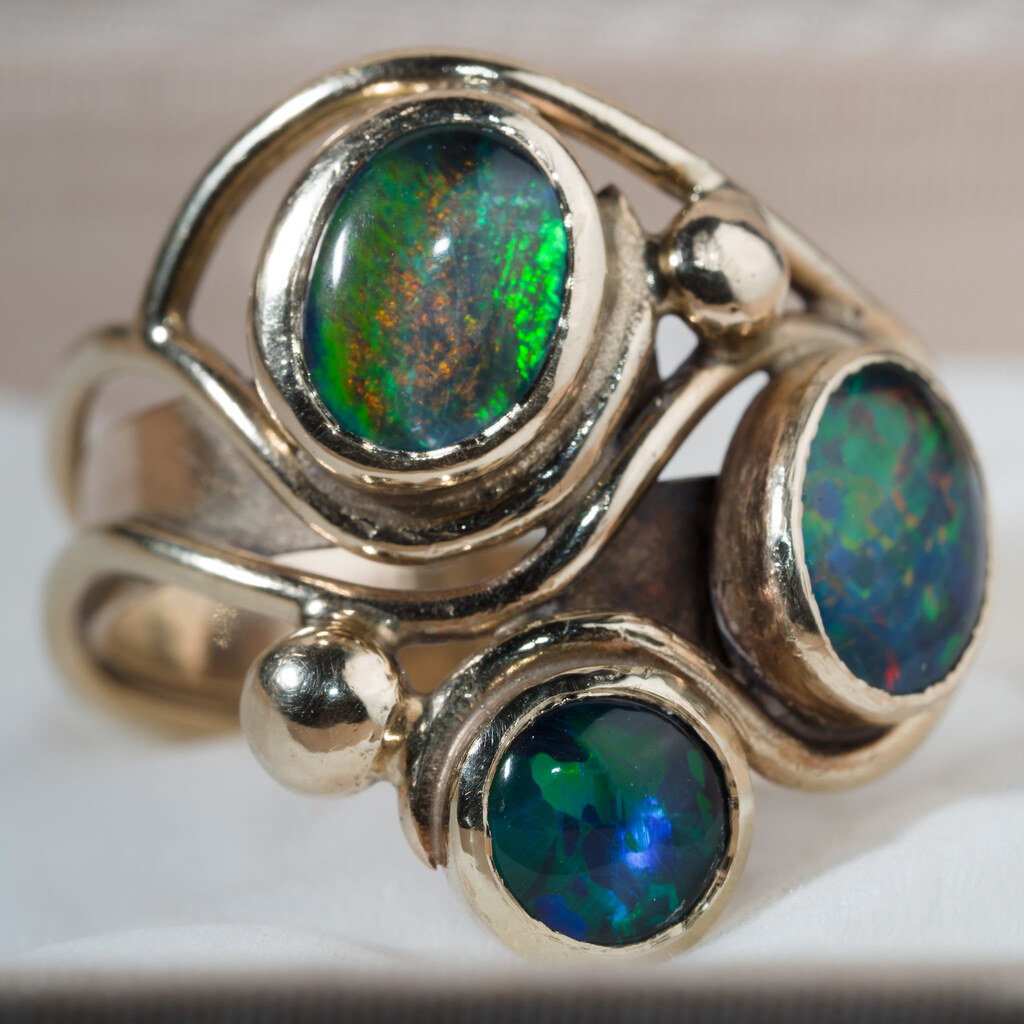
Opal is not a true mineral, but a crystalline gel made up of spheres of silicon dioxide and water. The pattern of the spheres makes opal refract light into lots of different colours, with blue and green being the most common. Opal is used often in jewelry, and is the national stone of Australia.

O is for Ore

An ore is a kind of rock that can be processed to turn it into something valuable, like metal or an element like sulfur.
Low grade ore doesn't contain much of what you want, whereas high grade ore contains a lot. Ore is usually dug up in large quantities in a mine.

P is for Paraffin

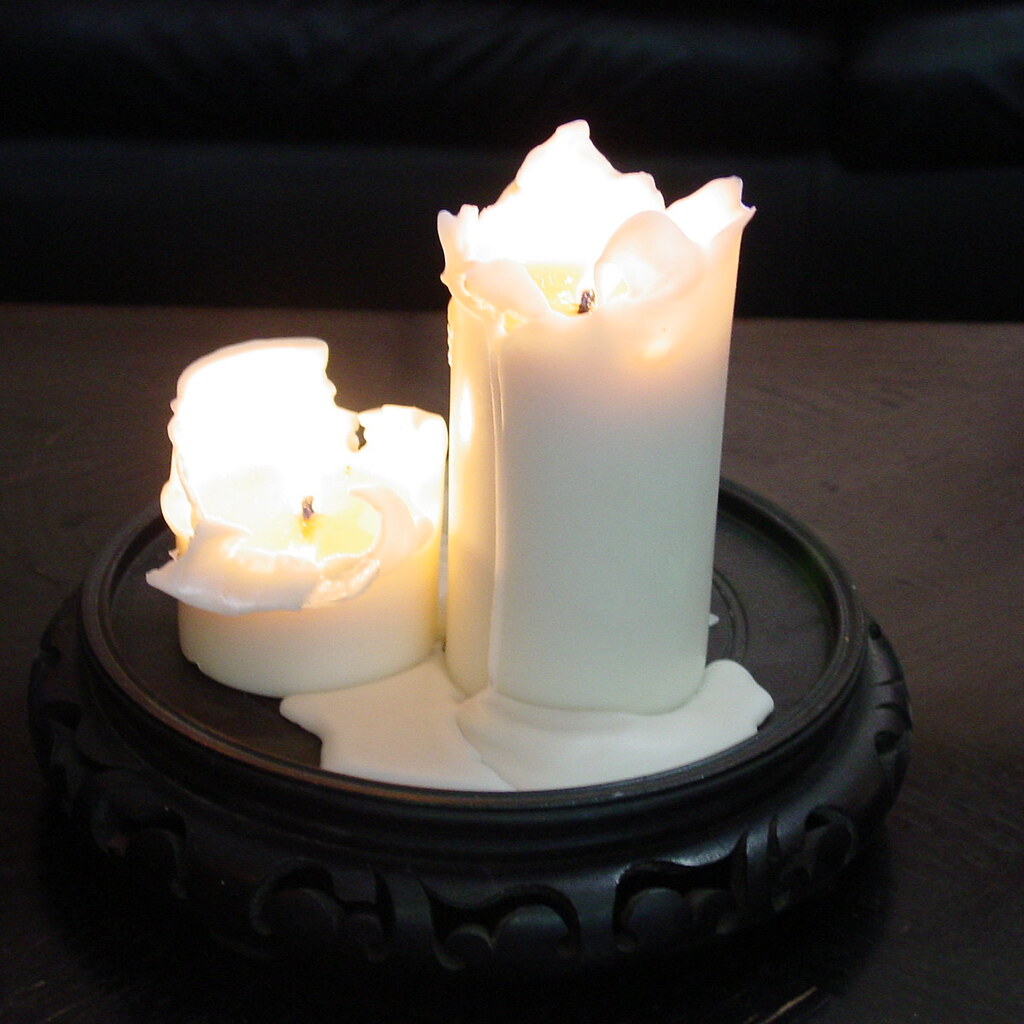
Paraffin is the name given to a range of fuel oils, also called kerosene in some countries. The form of paraffin most people are familiar with is paraffin wax, which is used to make candles from.