Showing 141-160 of 197
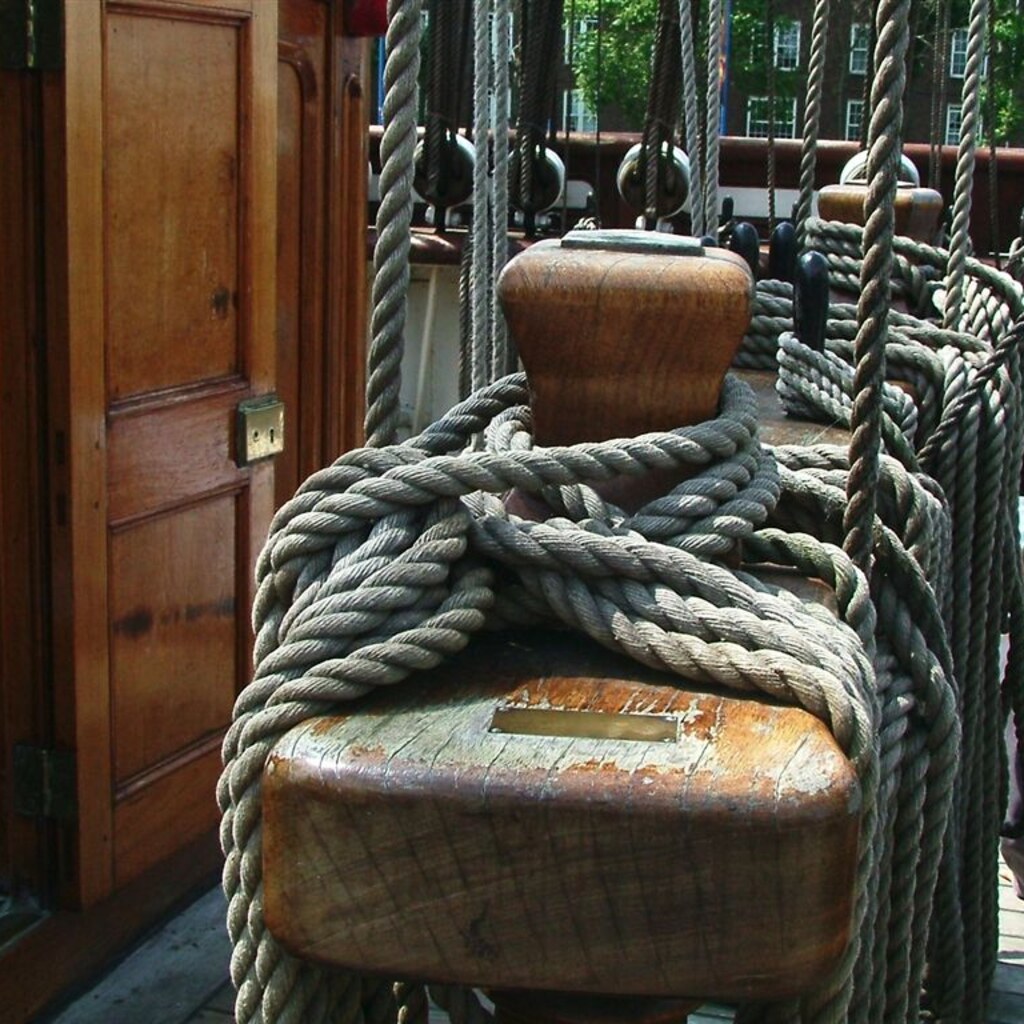
A rope is a very thick, strong piece of string. You use rope for tying big things, like the sails on a yacht, like the rope in the picture. A fun use for rope is a tug 'o war. Rope is usually made from the fibre from coconut shells, or a modern fibre like nylon, twisted together so it is thicker.
If you need to tie something that is too big or heavy for ordinary rope, you either need rope made from strands of metal or use some steel chain.
If you need to tie something that is too big or heavy for ordinary rope, you either need rope made from strands of metal or use some steel chain.
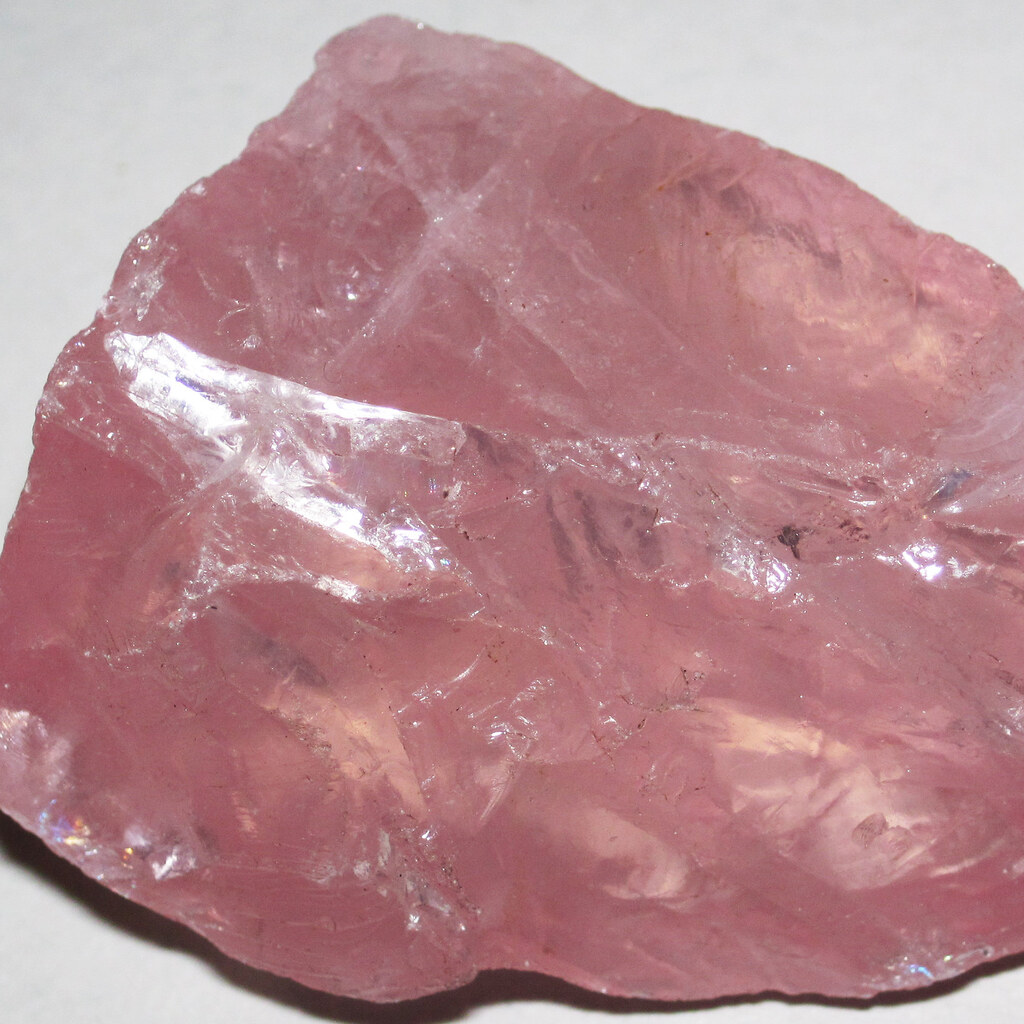
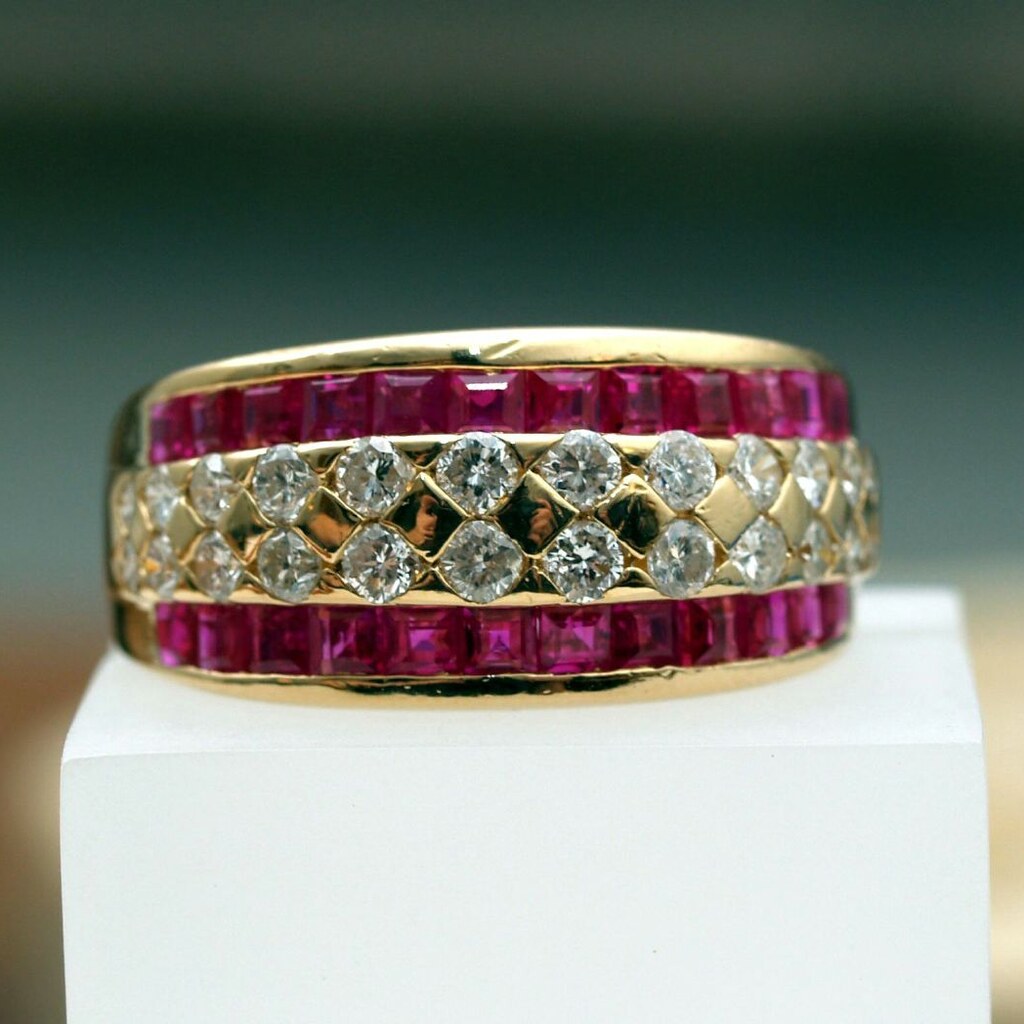
R is for Rose quartz
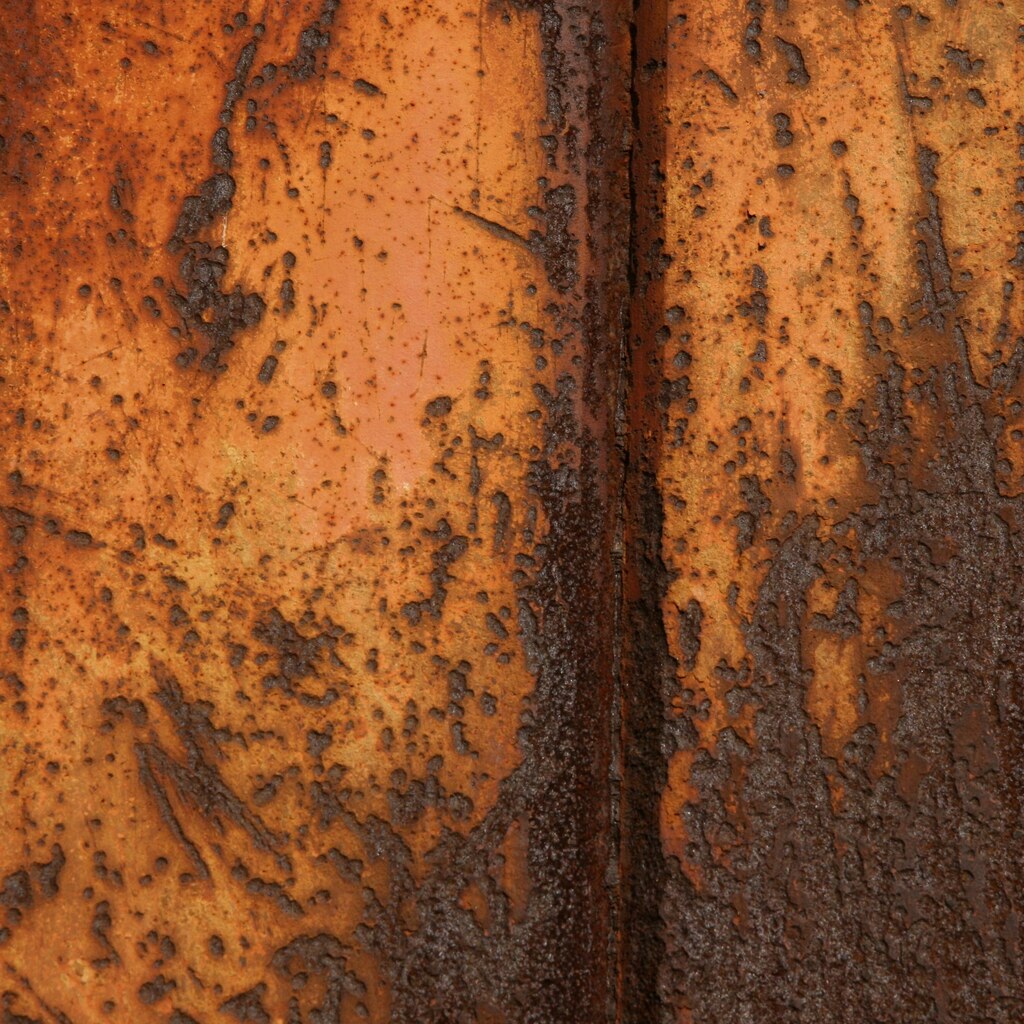
Rust is what happens to iron when there is moisture around. Things will rust faster if there is any salt in the water, which happens often near the sea or if salt has been used to de-ice roads or
href="/s/sidewalk">sidewalk.
Rust is a distinctive reddish-brown. It is common to see old cars falling apart from rust.
Rust is a distinctive reddish-brown. It is common to see old cars falling apart from rust.
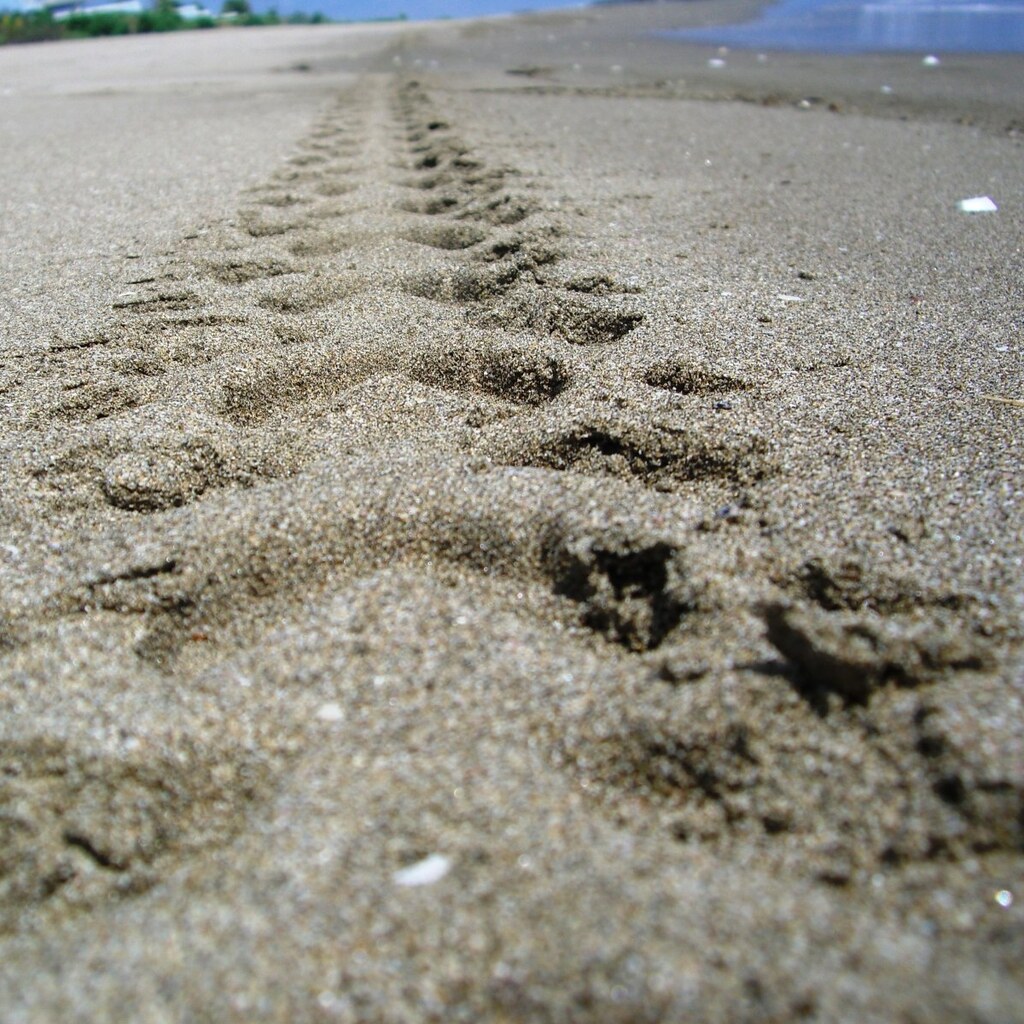
Sand is something that beaches are made of. Beach sand is made up of ground up rocks and fragments of shells. Beach sand can have quite large bits in it compared to garden dirt. Desert sand is just made from ground up rocks.
The colour of sand varies depending on what kind of rocks or shells went into making it.
The colour of sand varies depending on what kind of rocks or shells went into making it.
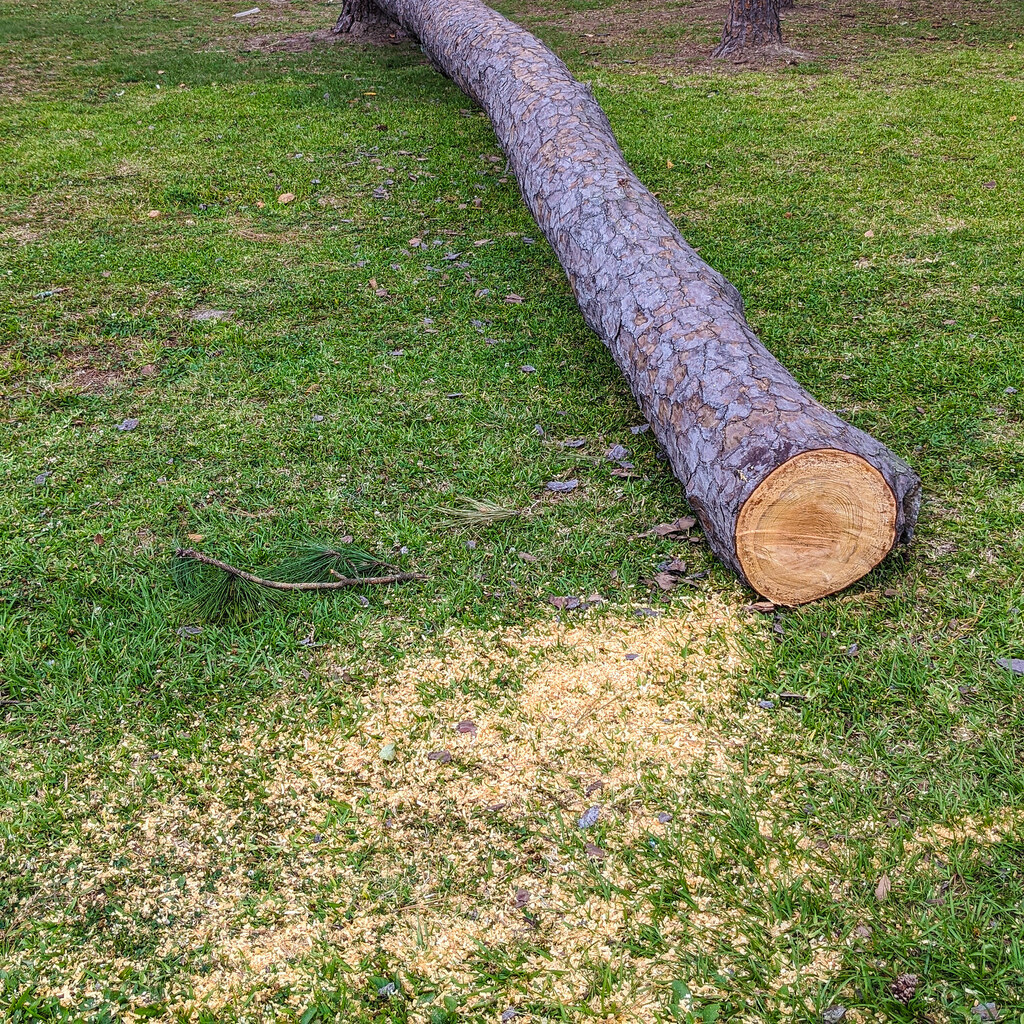
Sawdust is the name for the fine particles of wood that are made when you cut wood up with a saw. In the picture you can see the pile of sawdust that has been made when the tree was cut.
Sawdust makes really good bedding for pet mice and guinea pigs.
Sawdust makes really good bedding for pet mice and guinea pigs.
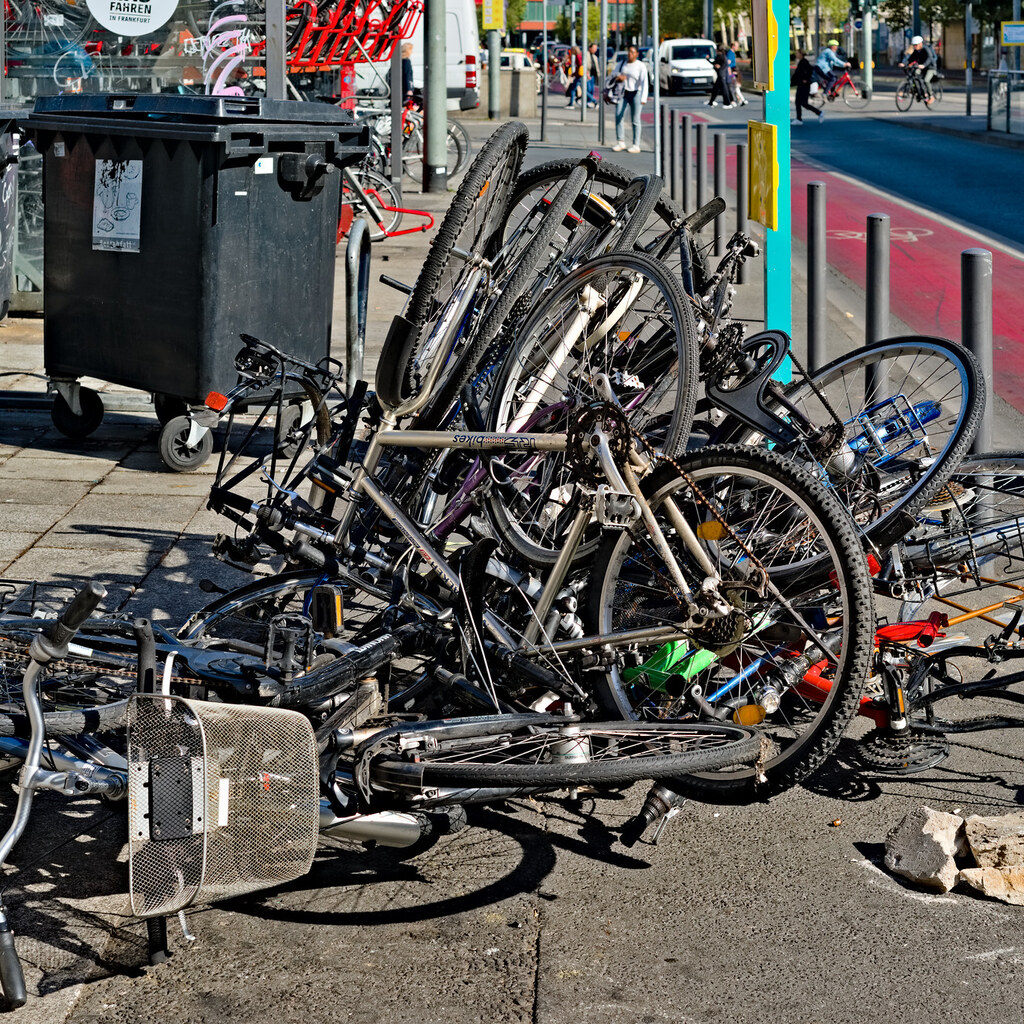
Scraps are small pieces of something, usually the remnants from cutting out what you want from something. Scraps can often be reused for other projects.
Scrap might also describe general waste that may or may not be able to be recycled, such as scrap metal.
Scrap might also describe general waste that may or may not be able to be recycled, such as scrap metal.
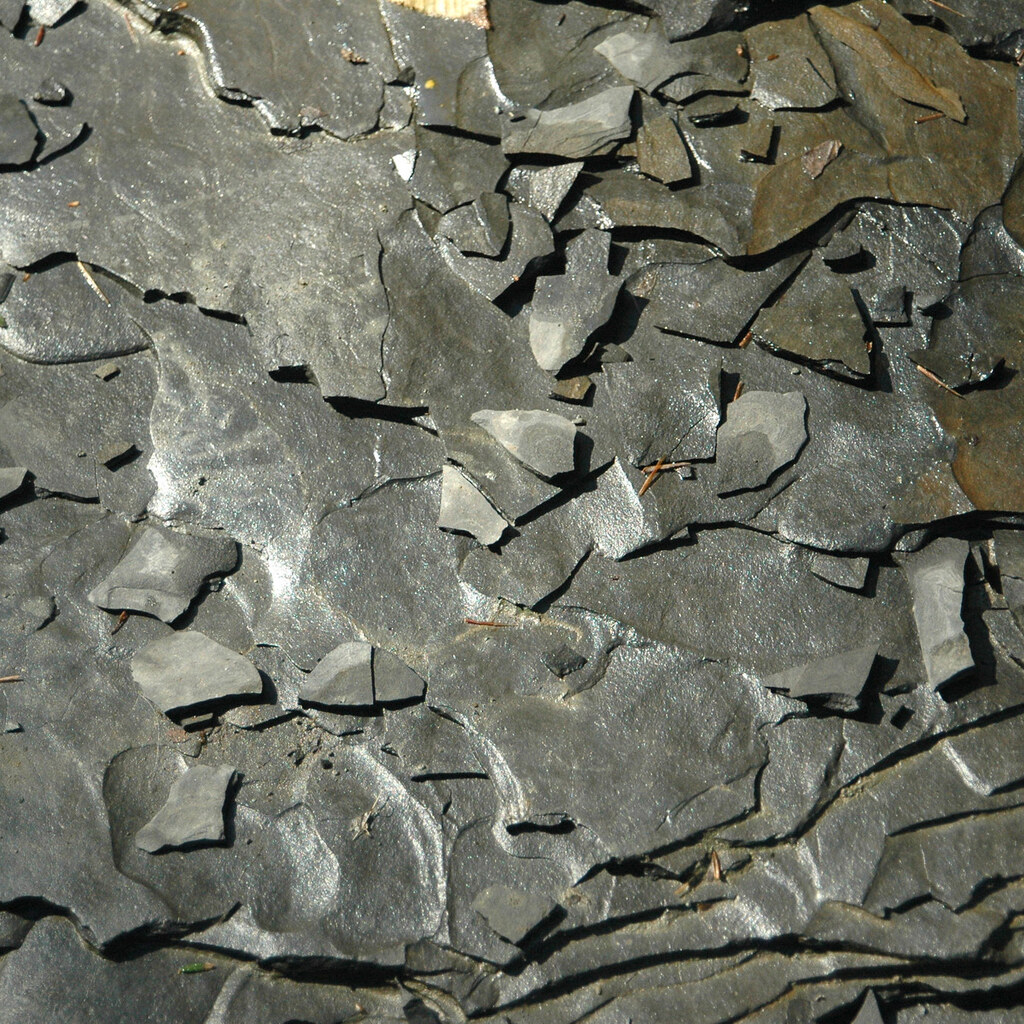
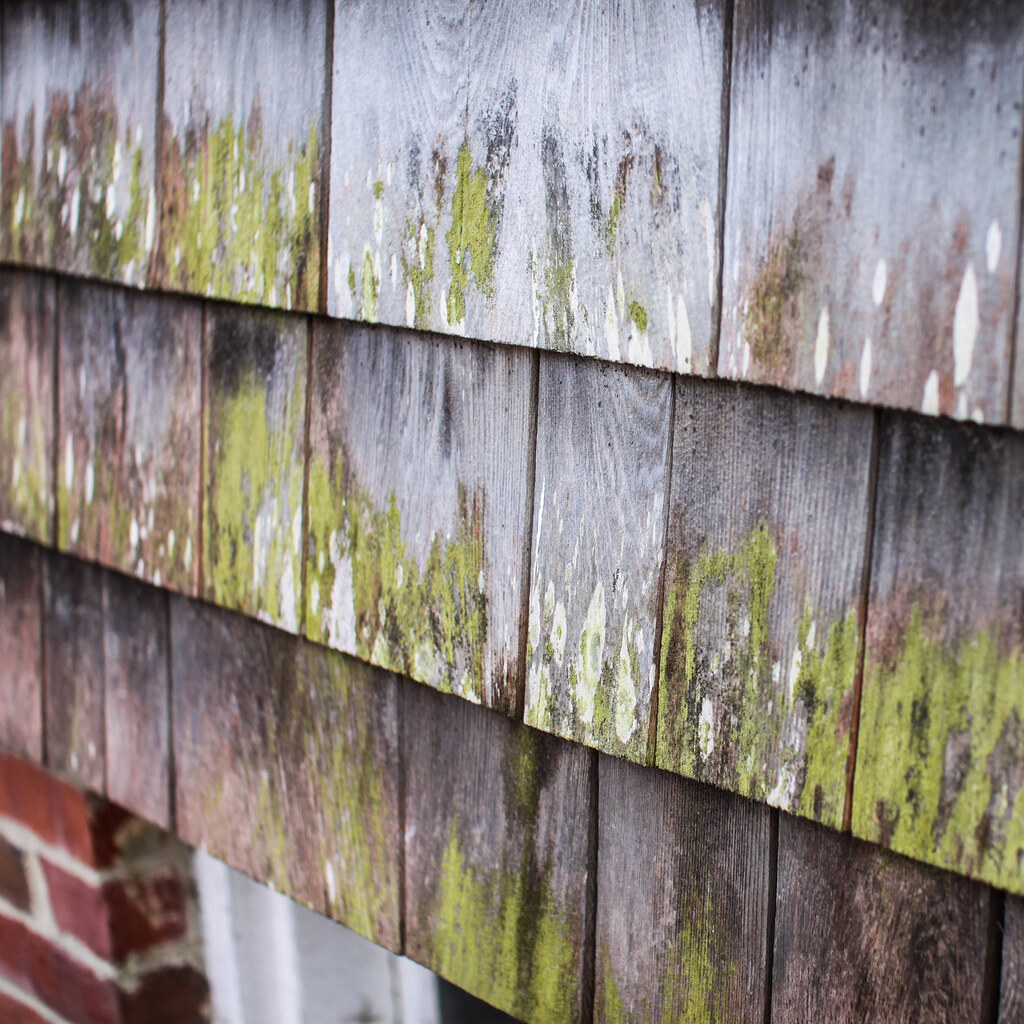
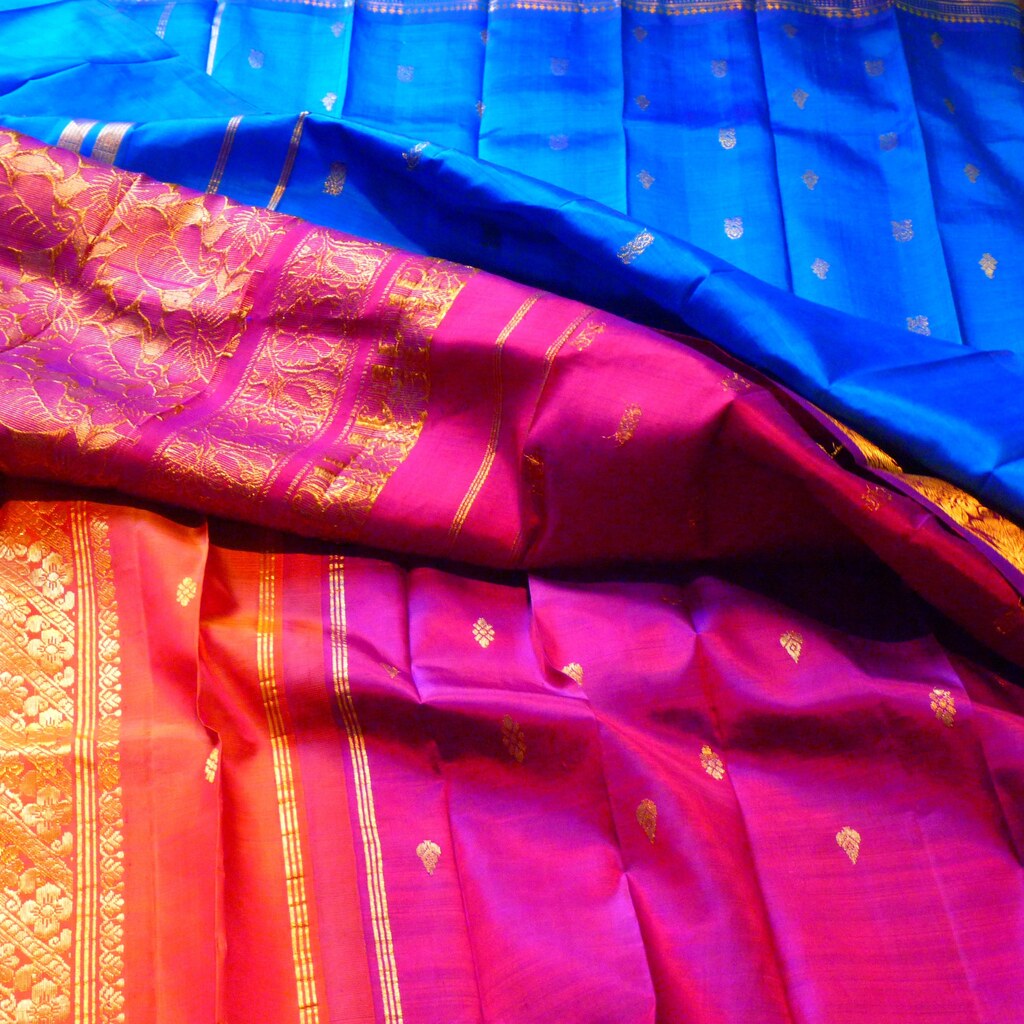
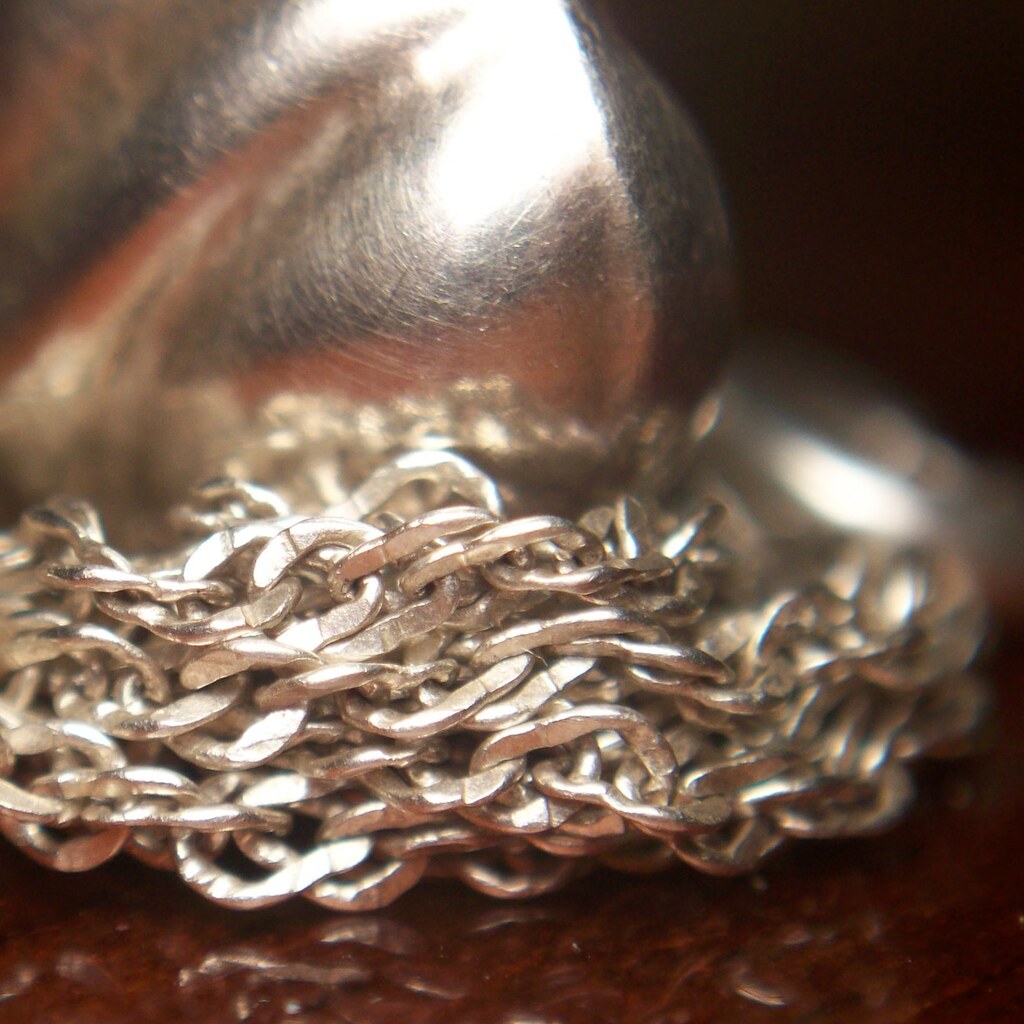
Silver is a soft, shiny metal that can be polished to be highly reflective. It tarnishes easily, however. Silver is very conductive and today is used electrical components. Silver is widely used for making jewellery, and was used for making tableware like knives and fork. As pure silver is so soft, most practical items made from silver are made from an alloy of silver and another metal like copper.
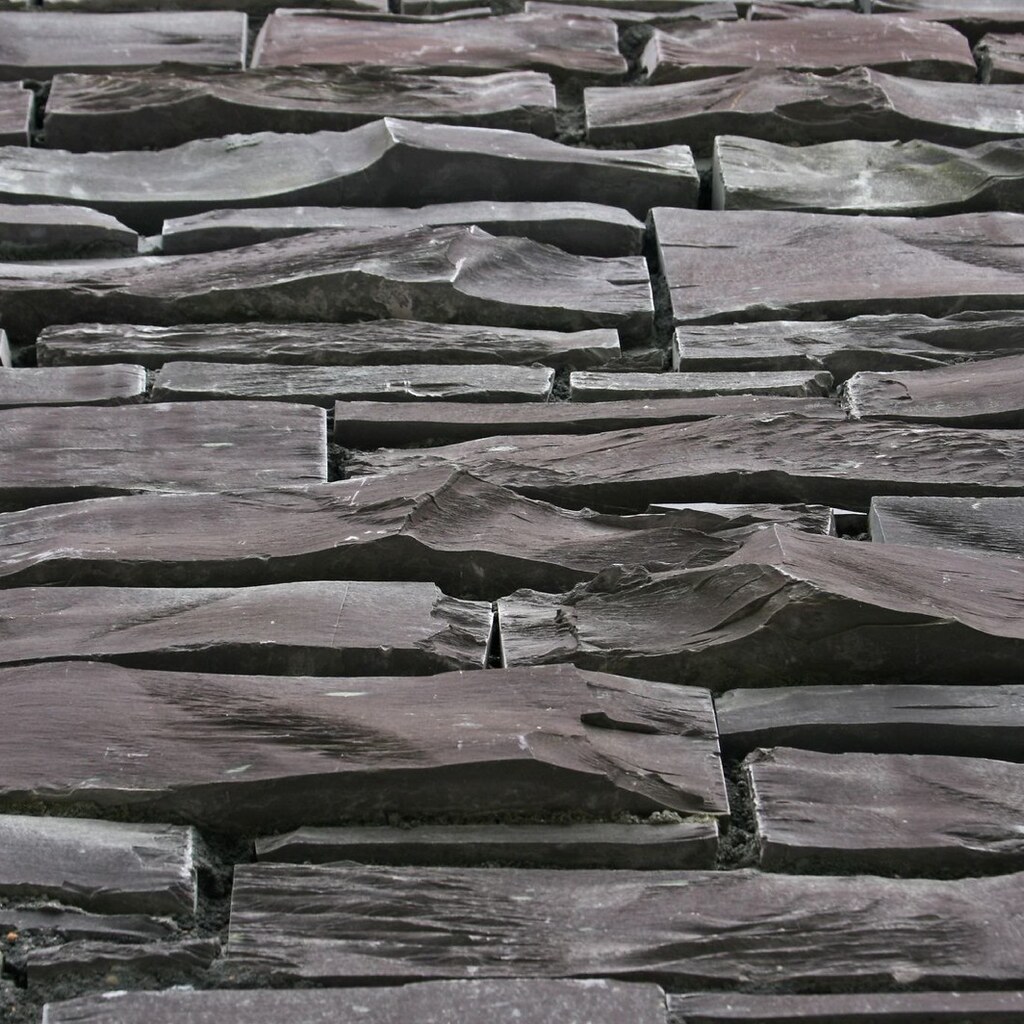
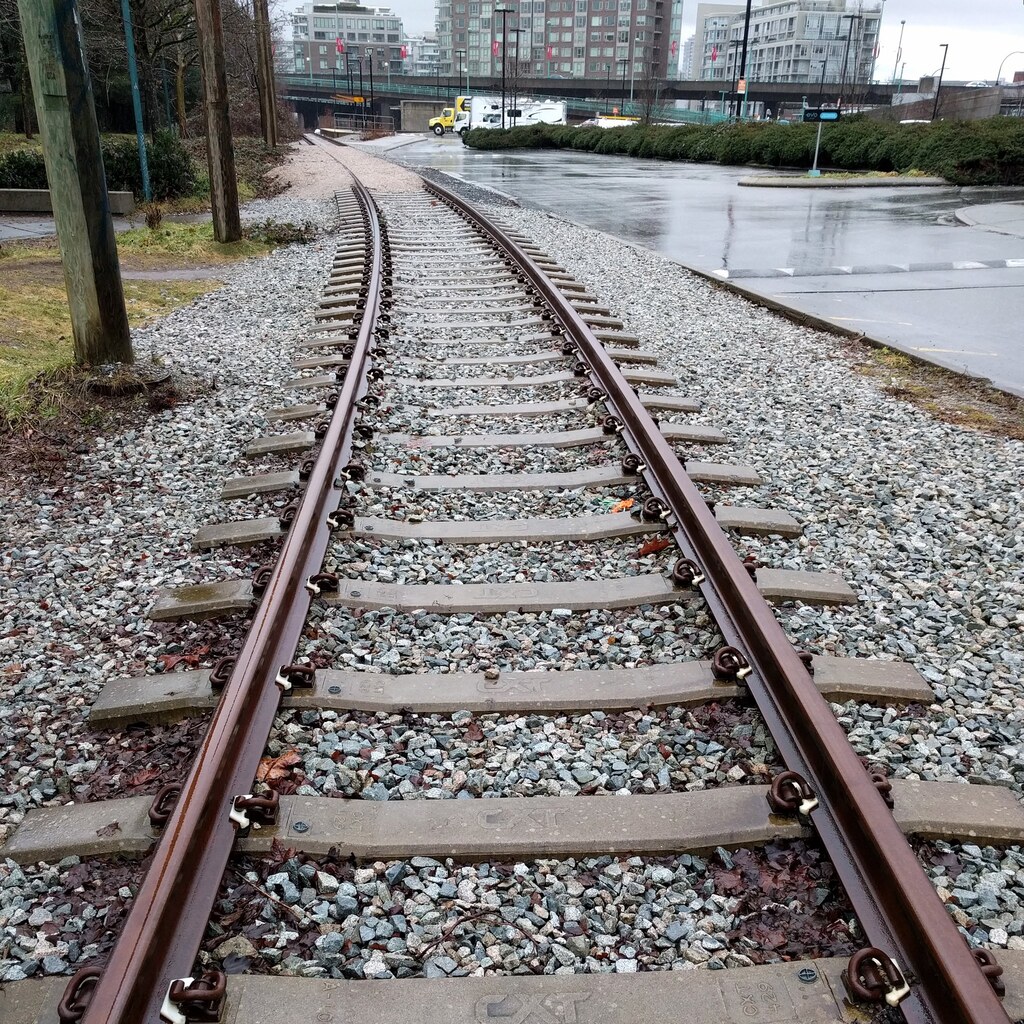
Sleepers are heavy pieces of wood or concrete that are used for support. They are most commonly seen under railway tracks, but are also popular as garden edging or for making outdoor furniture.
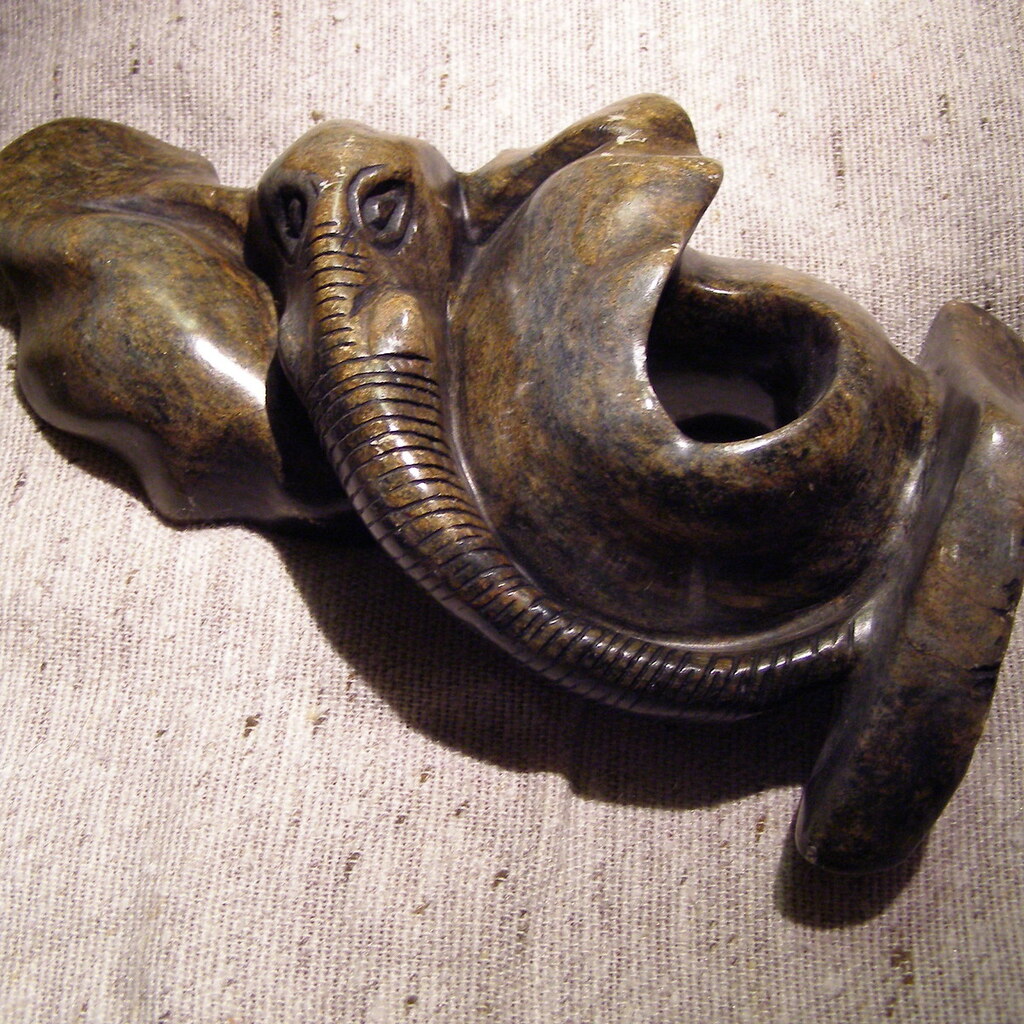
Soapstone is a soft stone that is made up mostly of talc. It feels slightly soapy to touch, hence the name. Because soapstone is so soft, it is often used to carve sculptures and household items from.
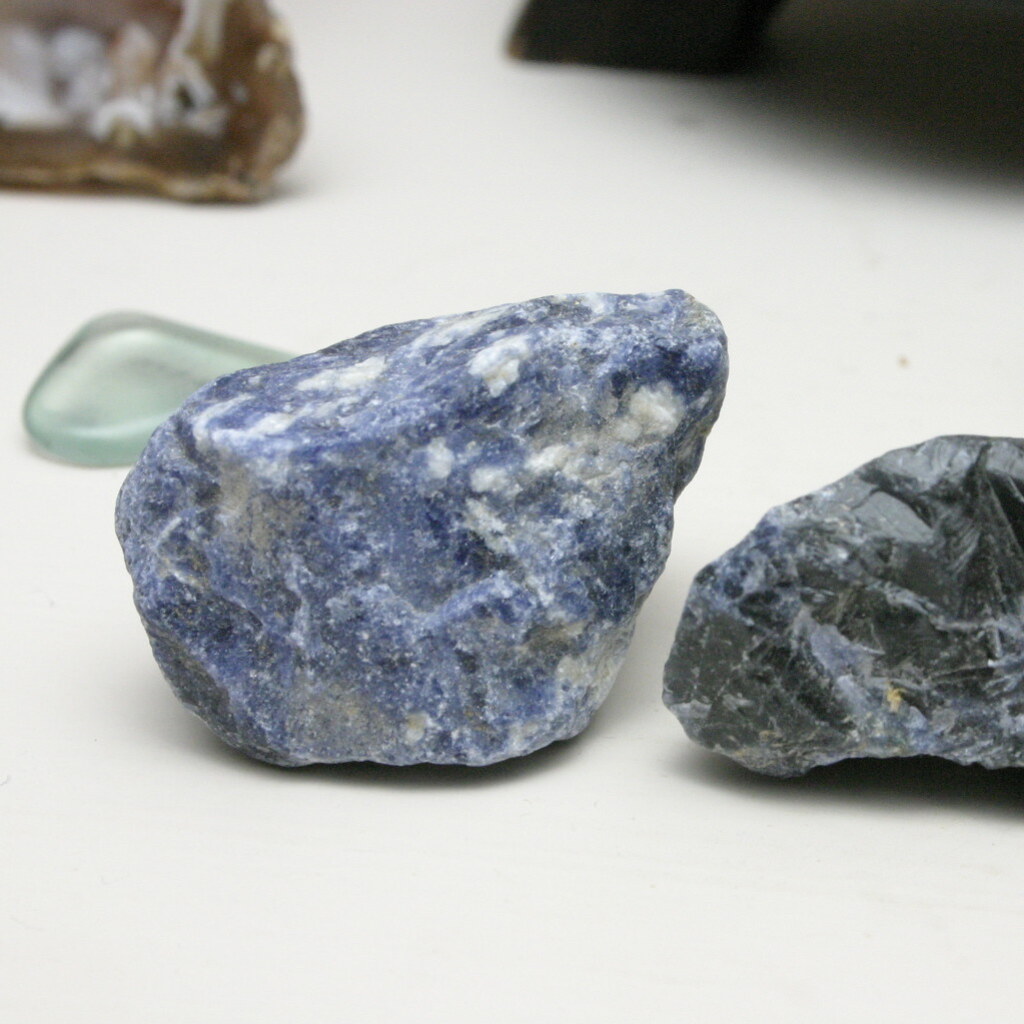
Sodalite is a blue stone that is found in large veins. It is one of the minerals found in lapis lazuli. Large quantities of sodalite are opaque but the individual small crystals are transparent.