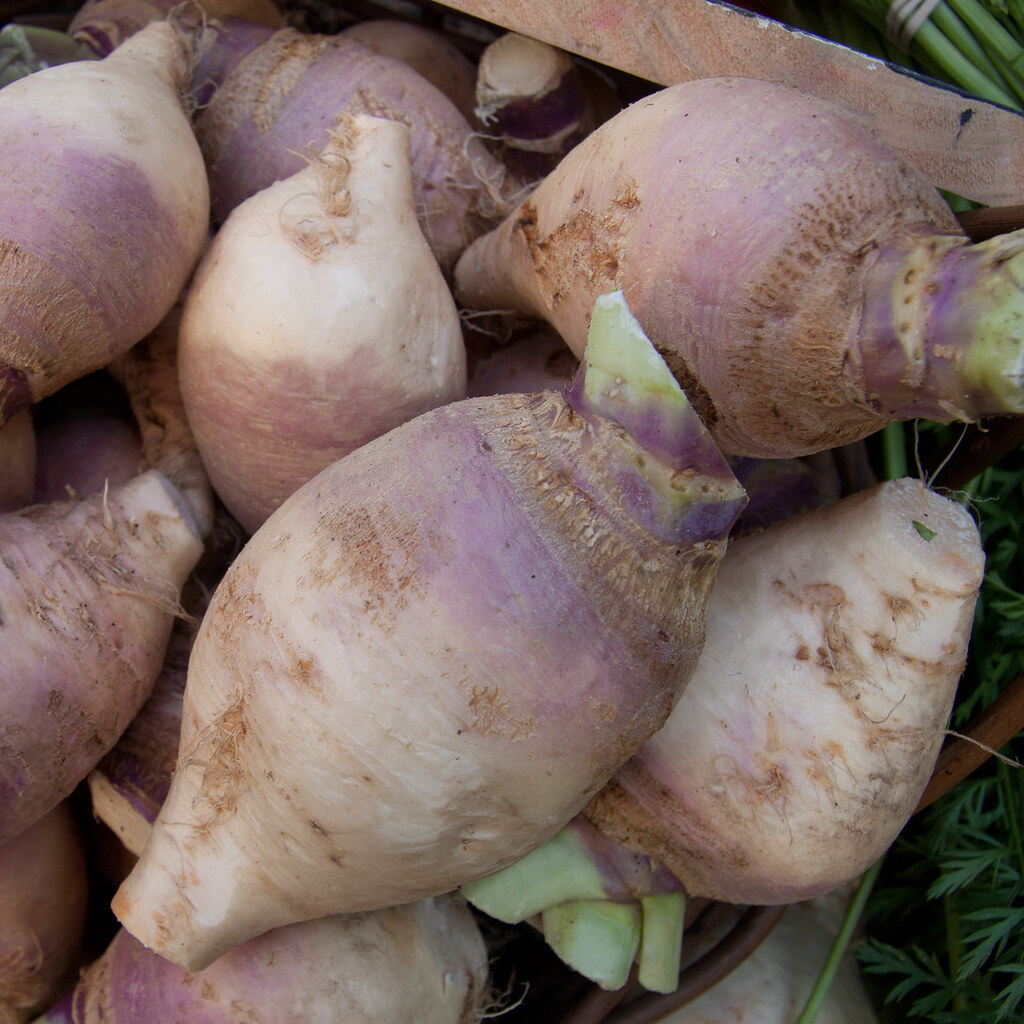
Scientific name: brassica napobrassica
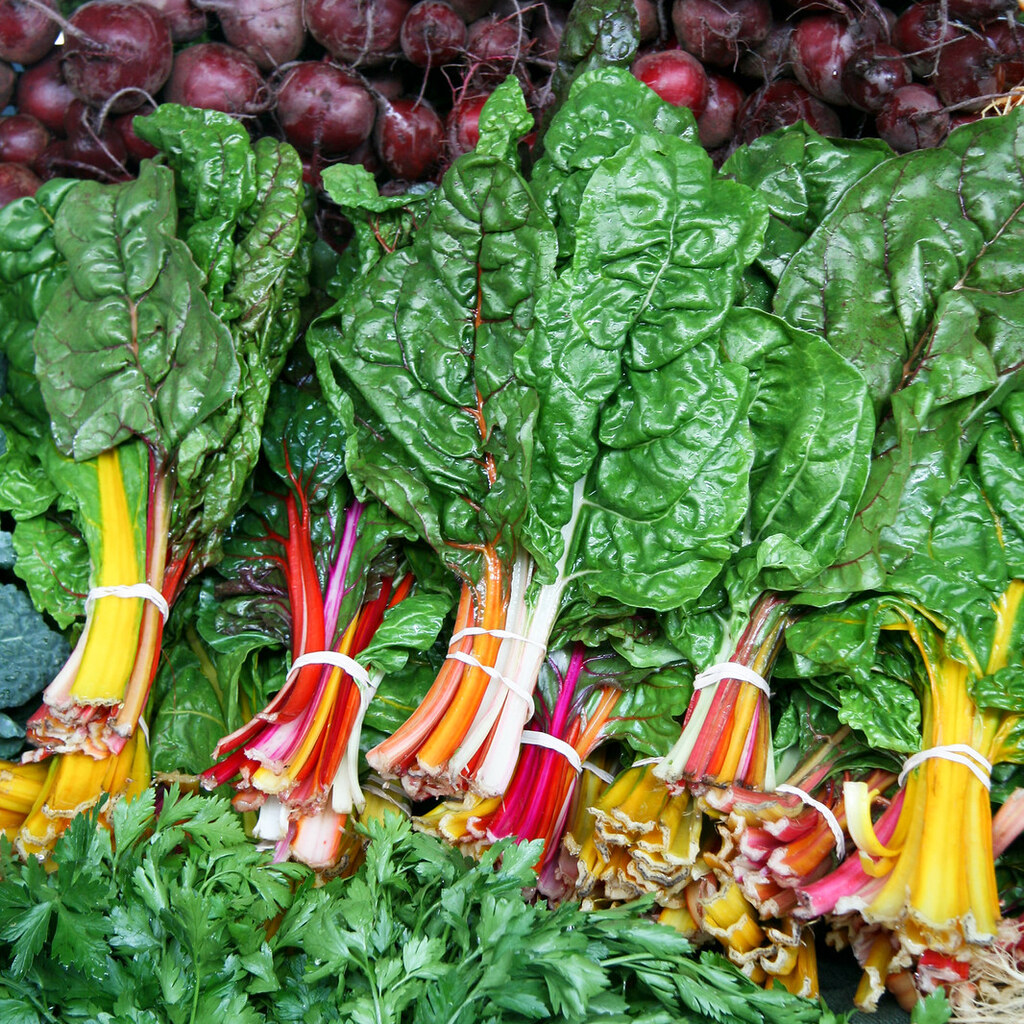
Sis forSilverbeet
Scientific name: beta vulgaris
Silverbeet is a vegetable better known as chard in many countries.
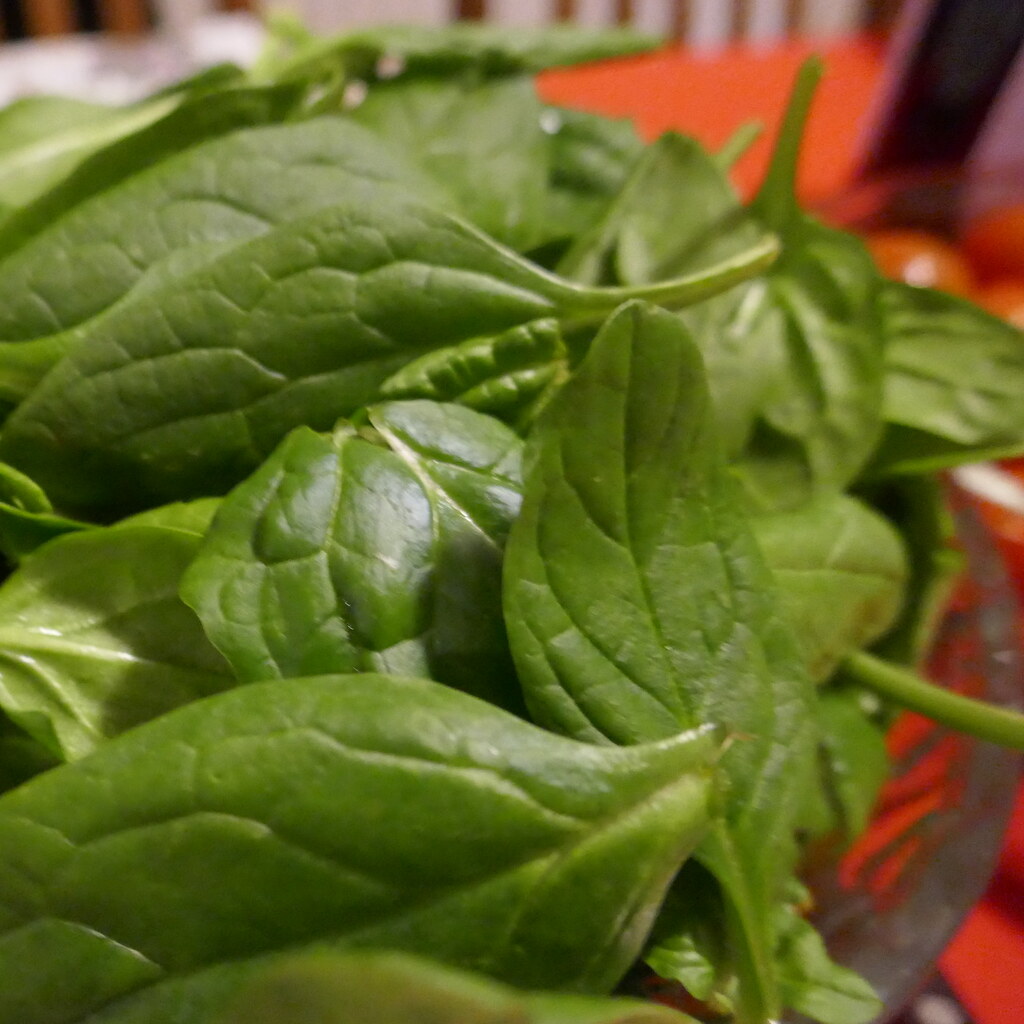
Scientific name: spinacia oleracea
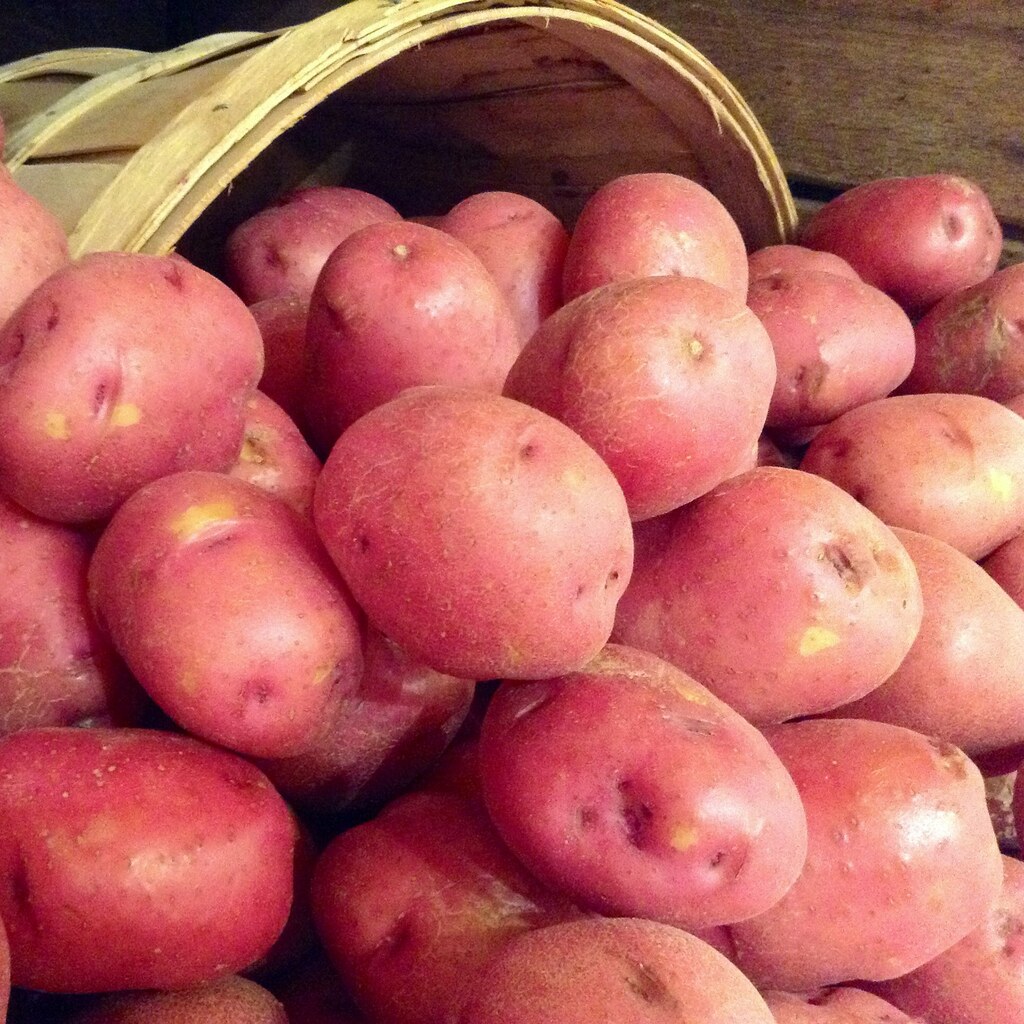

Scientific name: genus: cucurbita
Squash are a group of plants that are sometimes called pumpkins and sometimes called marrows. Some people think of the yellow squash in the picture when they hear the word "squash", others think of butternut squash.
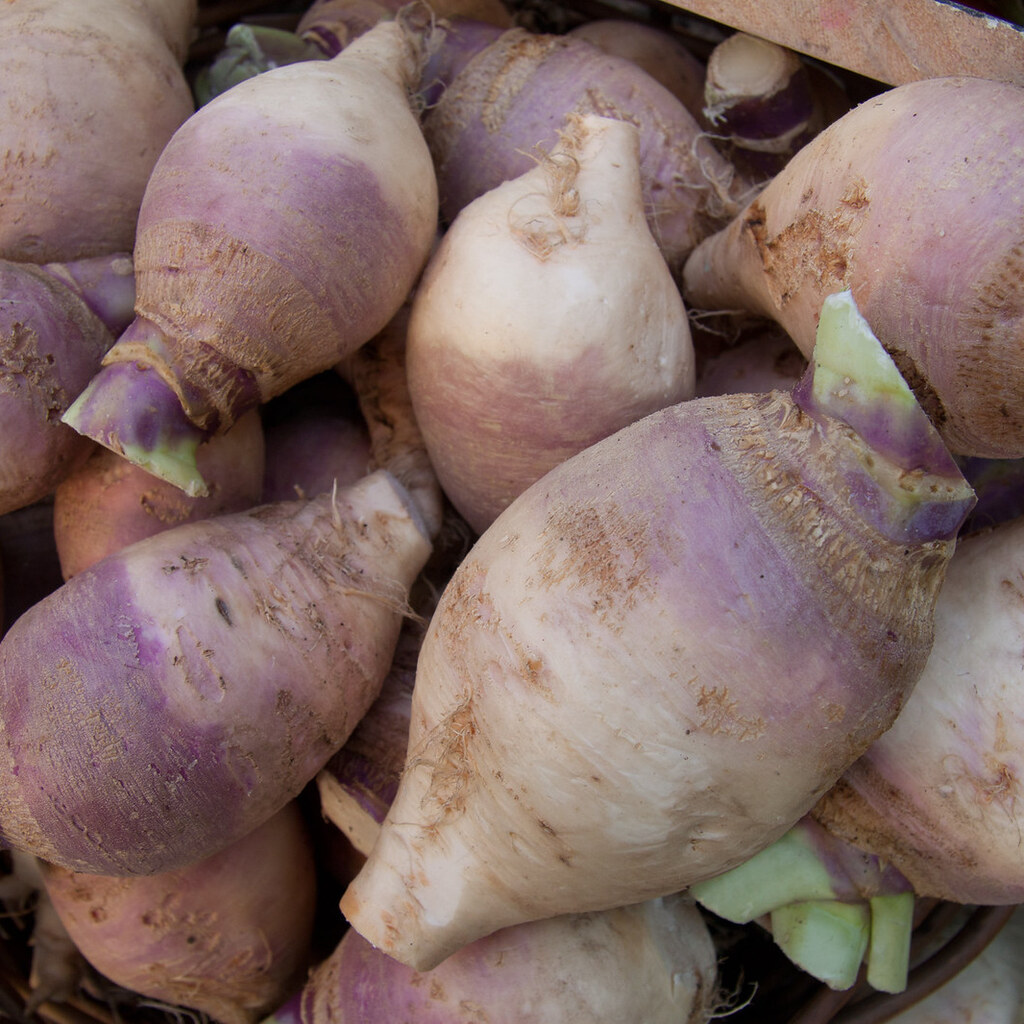
Scientific name: brassica napobrassica
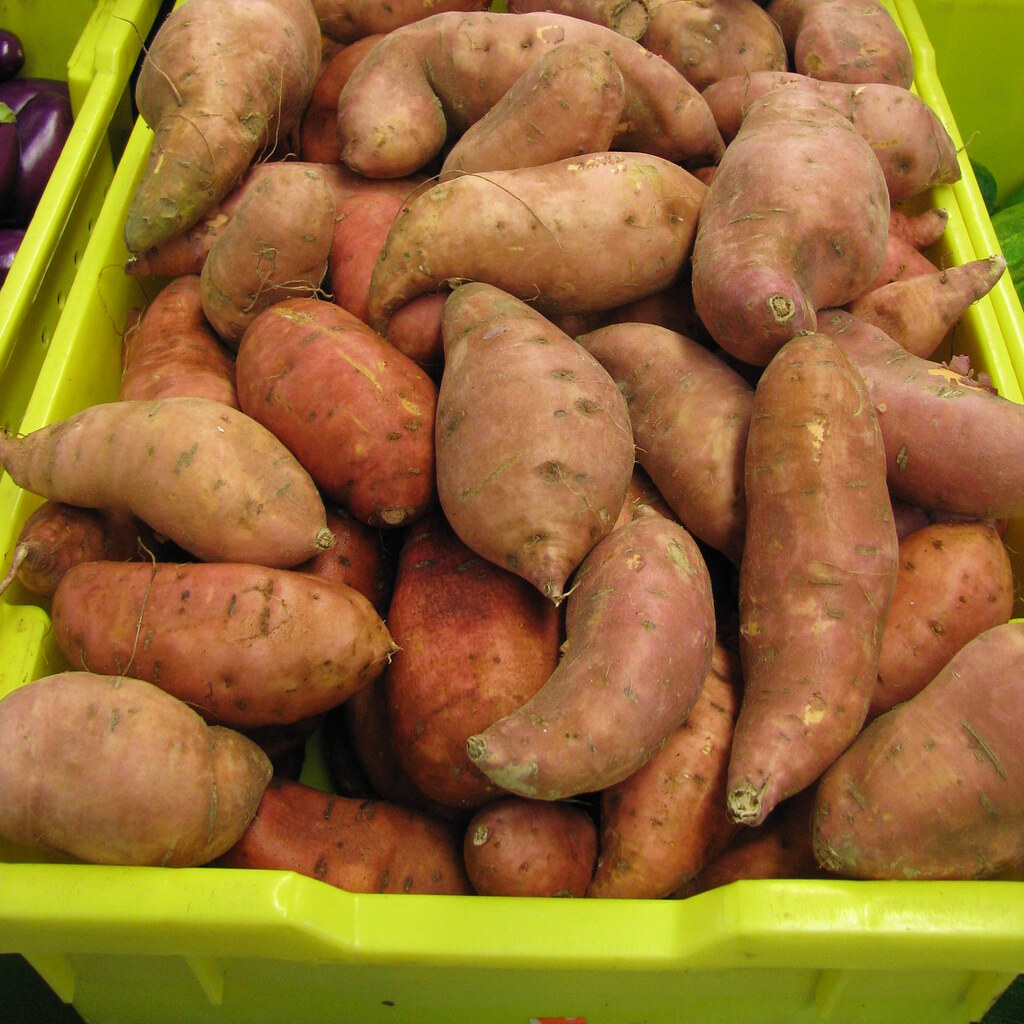
Sis forSweet potato
Scientific name: ipomoea batatas
The sweet potato is the thick tuberous root of a plant native to South America. They are sometimes called a sweet yam, but are not related to the true yam. Sweet potatos have yellow or white flesh and as their name suggests, have a very sweet taste.
They can be eaten roasted, mashed, fried or cooked into stews. They are much softer than regular potatoes when they are cooked.
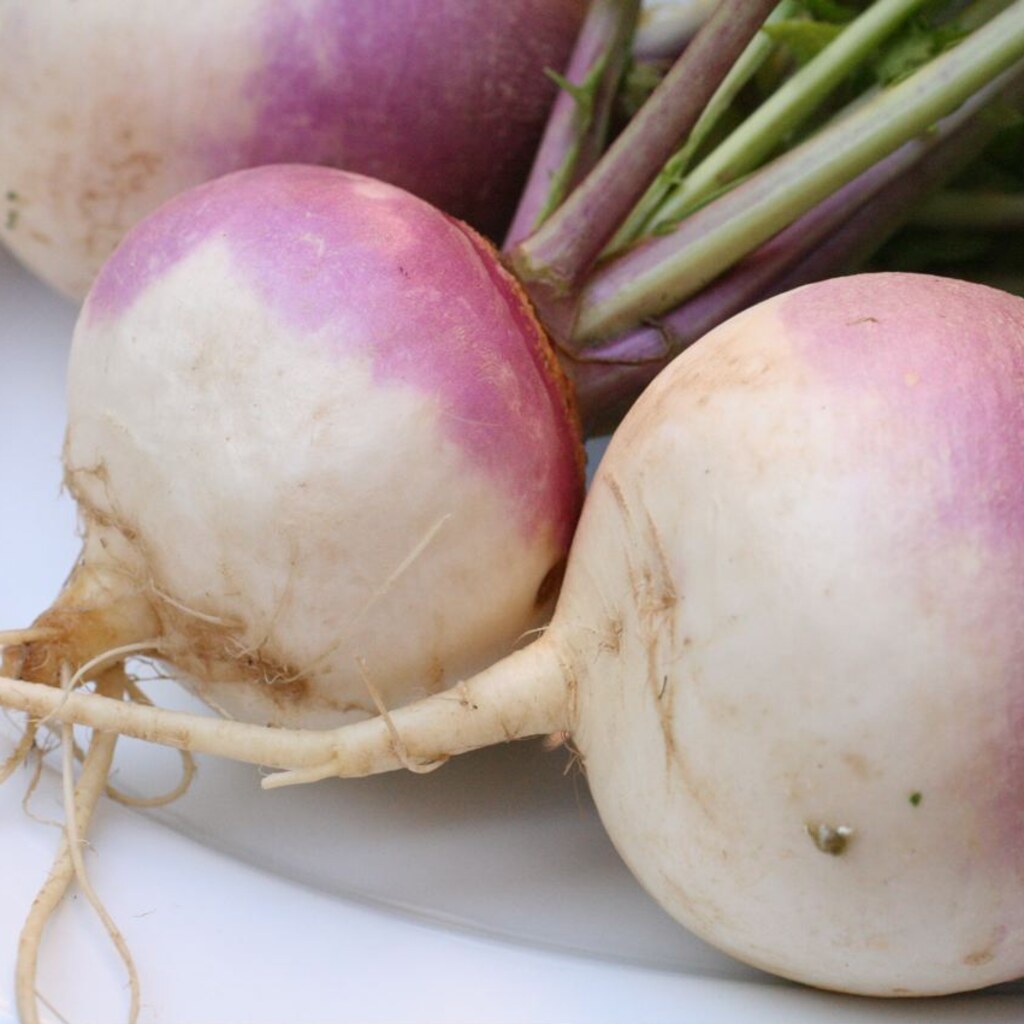
Scientific name: brassica rapa
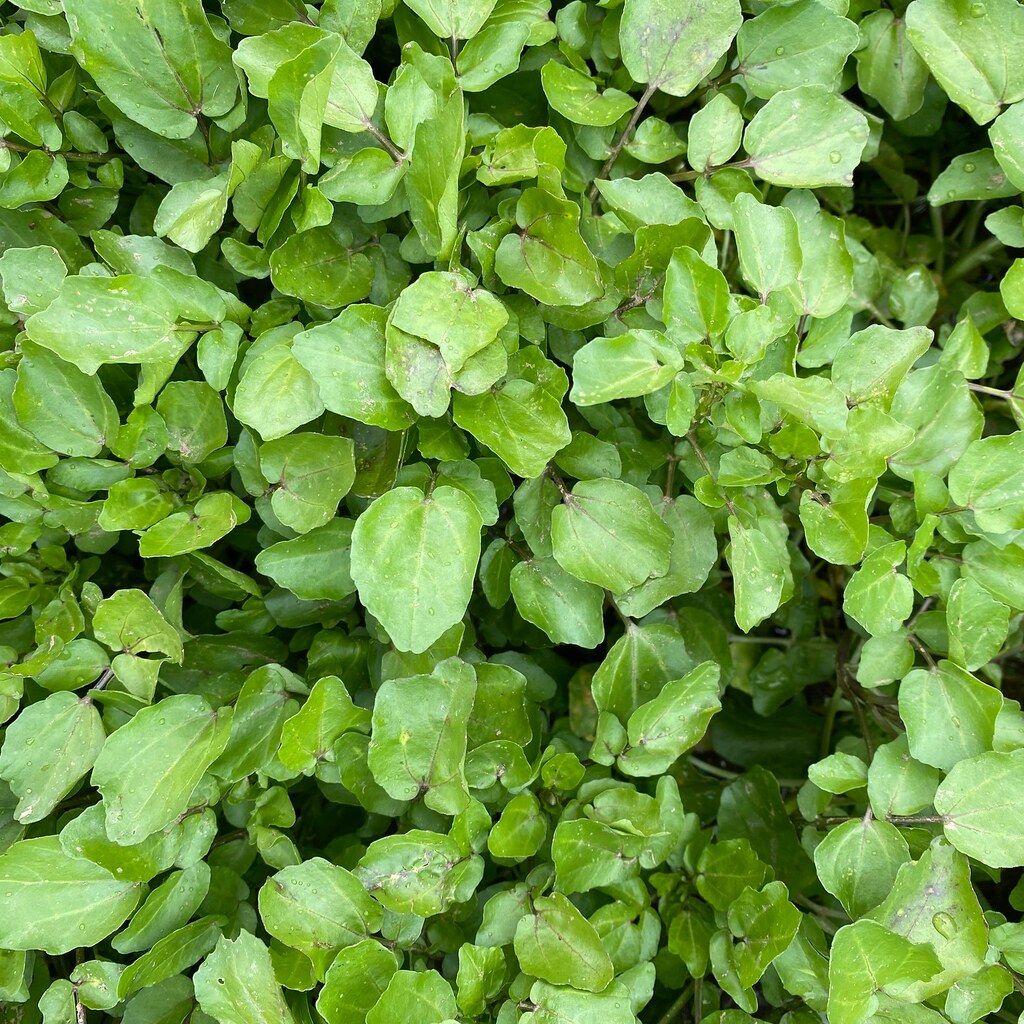
Wis forWatercress
Scientific name: Nasturtium officinale
Watercress is a type of green leafy plant that grows in or near water. It has small leaves and a peppery, fresh taste.
People use watercress in salads and sandwiches, and sometimes in soups. It grows in clean, flowing streams and rivers, and it may also be grown in gardens or farms on wet ground.

Scientific name: genus: dioscorea
A yam is the tuber of a vine, found in many countries around the world. Yam tubers can grow very big - up to 70kg. Yams have a rough skin that is hard to peel, but much softer flesh inside.
Many people call sweet potatoes yams or sweet yams, but they are actually different vegetables.
Some variety of yam can be eaten raw, but most need to be cooked. Yams can be fried, boiled, pounded down and made into a dough. They can also be dried and powdered and used to make something similar to instant mashed potato.