
Verbs that start with P

Verbs that start with P

Verbs are things you do. Action words!

Pis forPoint

Pointing is a motion you can make with your hand to indicate the presence of something. Most people point using one outstretched finger, typically their index finger, which is also called the 'pointer finger.'

Pis forPoke

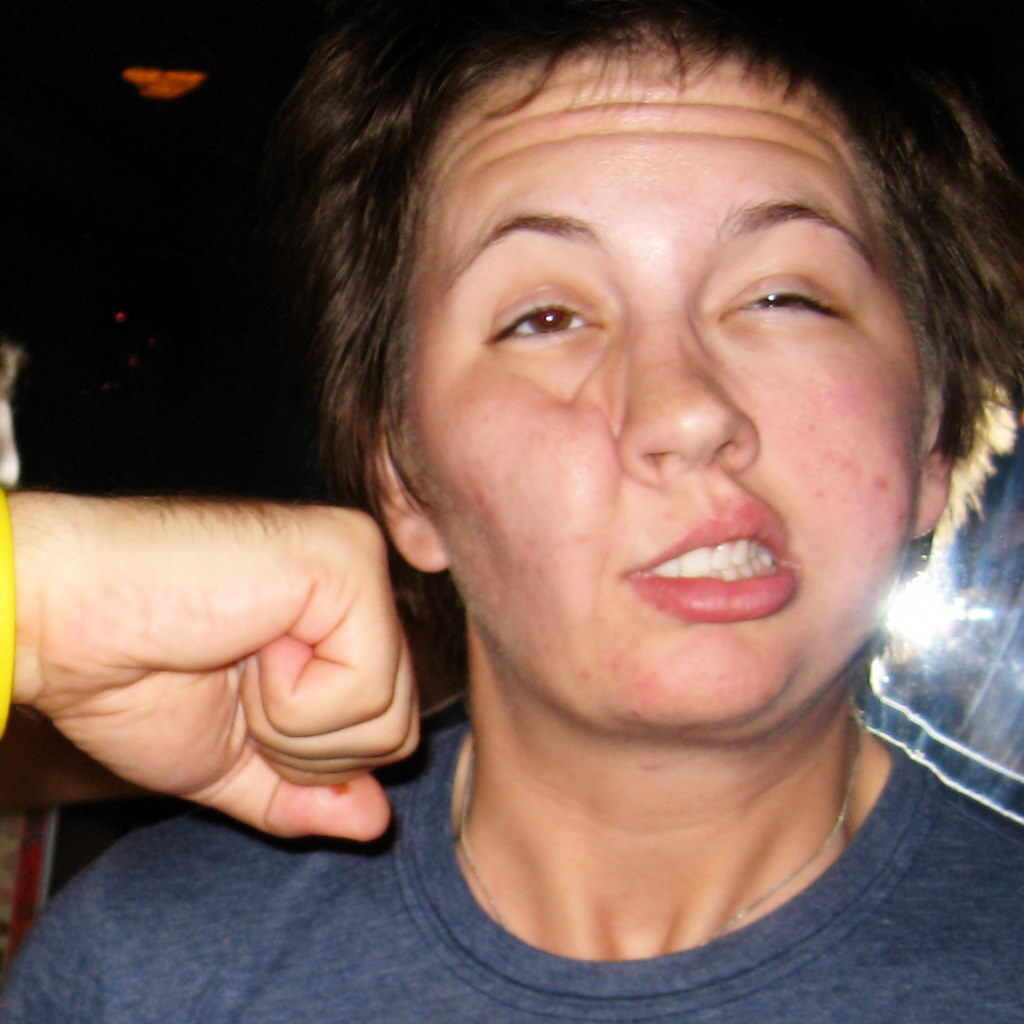
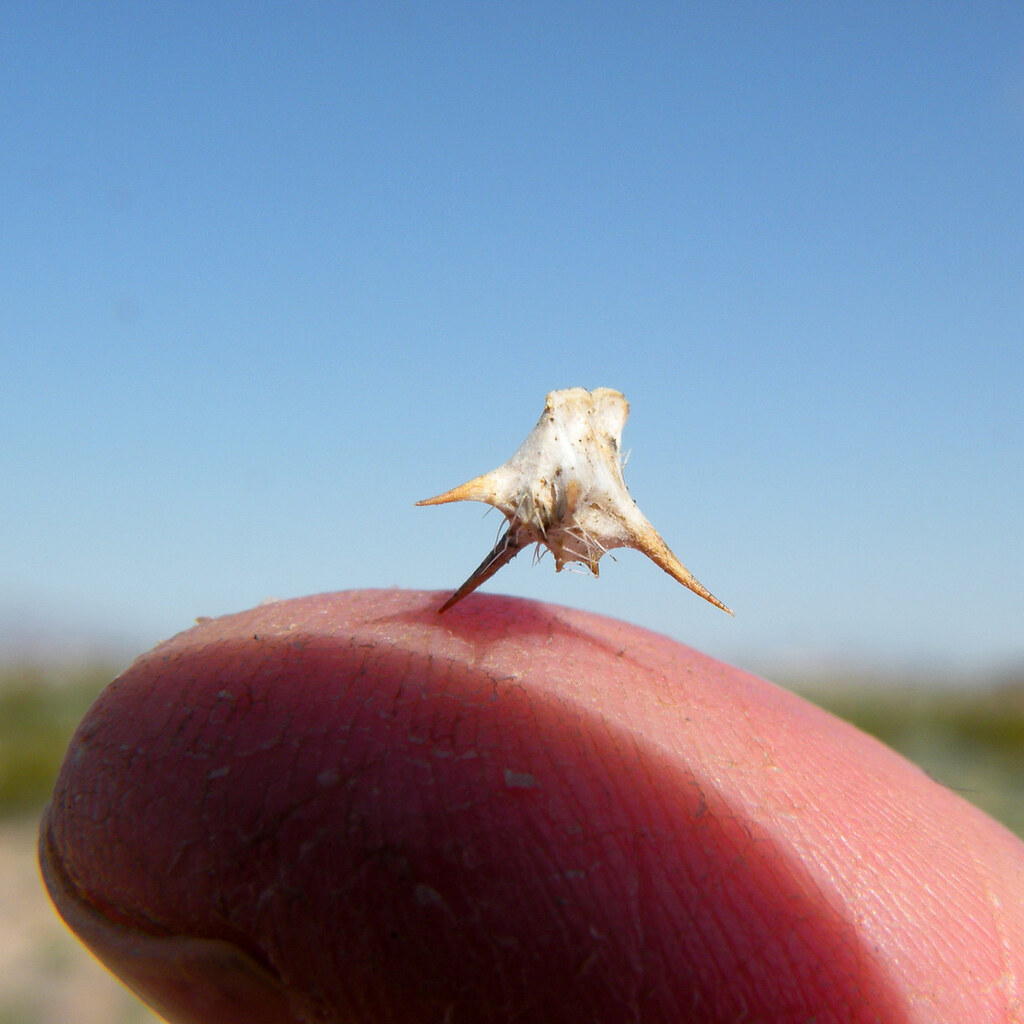
You poke something by taking something pointy and pushing it into something else, but not so hard it does any damage. You can poke people with your finger to get their attention, or poke something with a stick to see how hard or soft it is.

Pis forPolish

You polish something to change it from rough and dull to smooth and shiny. You usually polish things with a soft cloth or brush and some polishing compound. If you are polishing something very large, you might use a mechanical device to polish with. Polish is also anything relating to Poland, and the language spoken in Poland.
Pollination is a process where pollen is transferred from the male parts of flowers to the female parts, so the flowers are fertilized and can grow seeds. Pollination is usually done by insects or birds.

Pis forPop

A pop is a short, explosive sound, like a cork makes as it suddenly comes out of a bottle.

Pis forPounce

You pounce on something when you suddenly jump on it and grab it. Cats pounce on prey that they have been stalking. Sometimes pounce is used to describe grabbing an opportunity as soon as it arises. As in, "she pounced on the chance to go to the new show".

Pis forPour

You pour a liquid when you tip it from one container into another, like when you pour juice from a bottle into a glass. The picture is of some water being poured.

Pis forPout

You pout when you put your lips out, sometimes because you are being sullen, and sometimes because you are posing. Someone who is pouting a bit too much when they are posing is said to have a duck face.

Pis forPrance

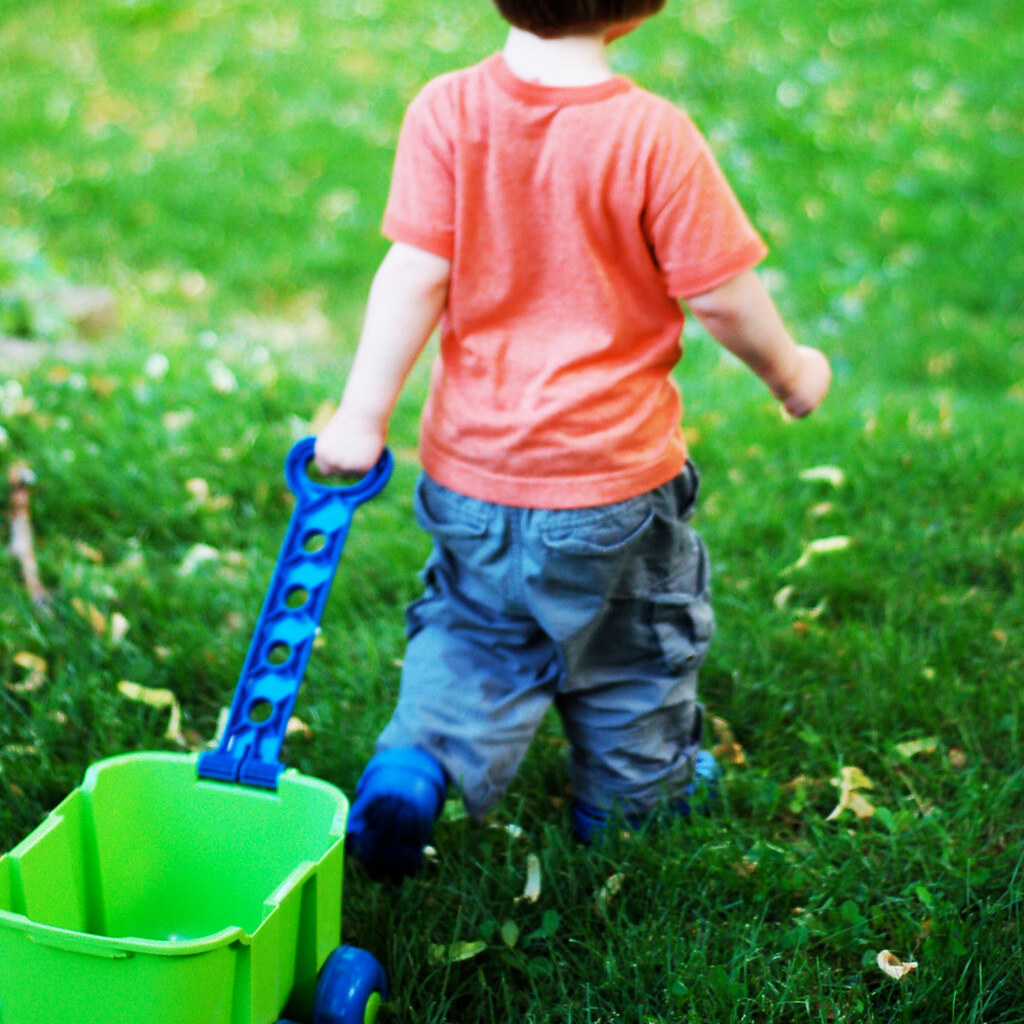
A prance is a very proud, springy step. Usually when you are talking about prancing, you mean a horse.

Pis forPreserve

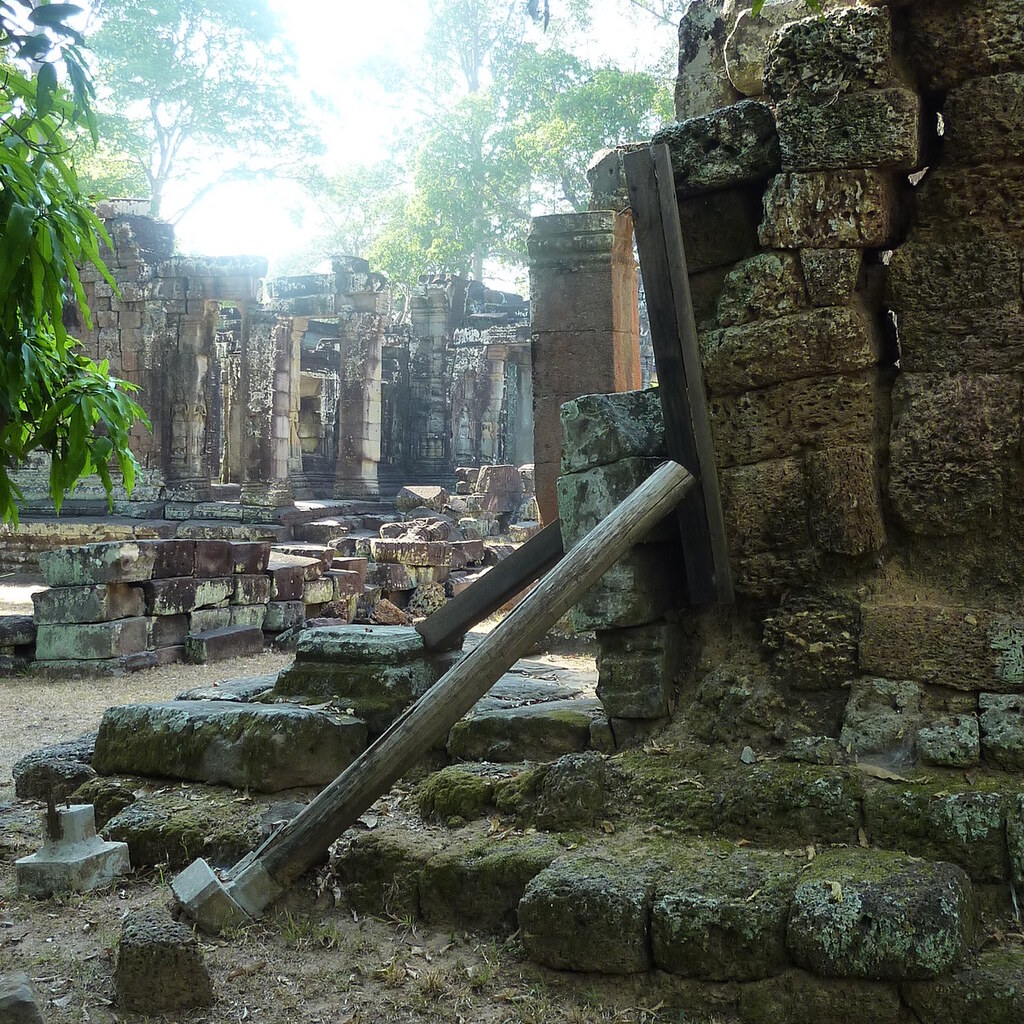
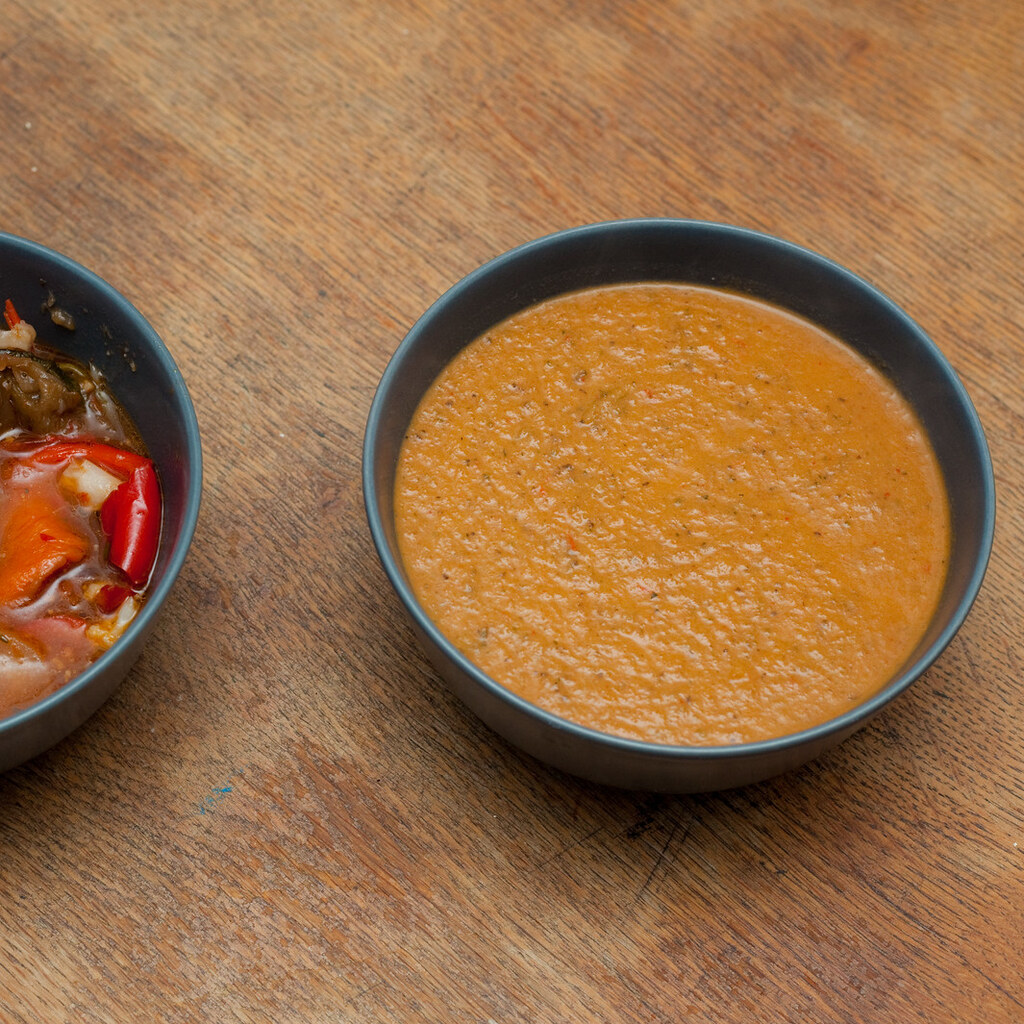
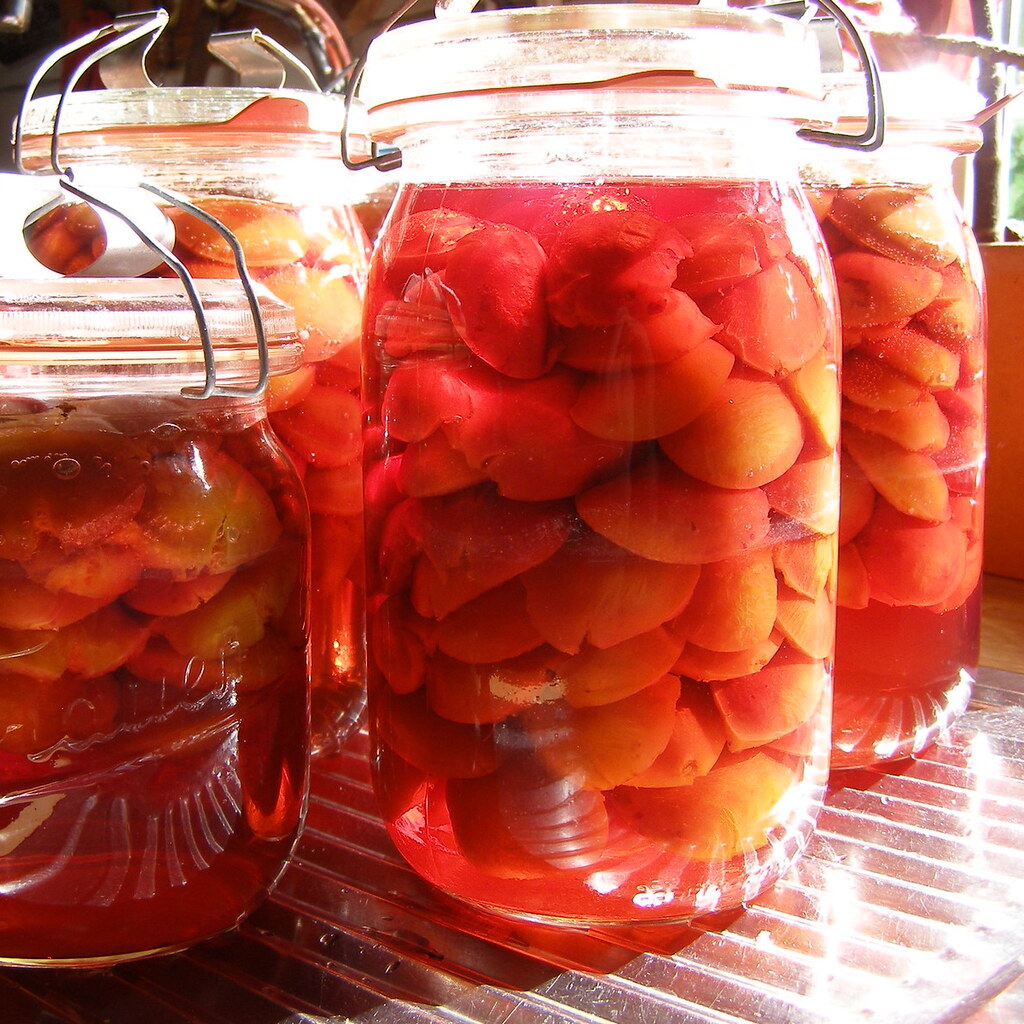
Preservation is a way to make something last a lot longer than it normally would. People preserve fruit and meat so that it lasts more than a few days and they can safely eat it later. You preserve ideas by writing them down.