
Showing 41-58 of 58
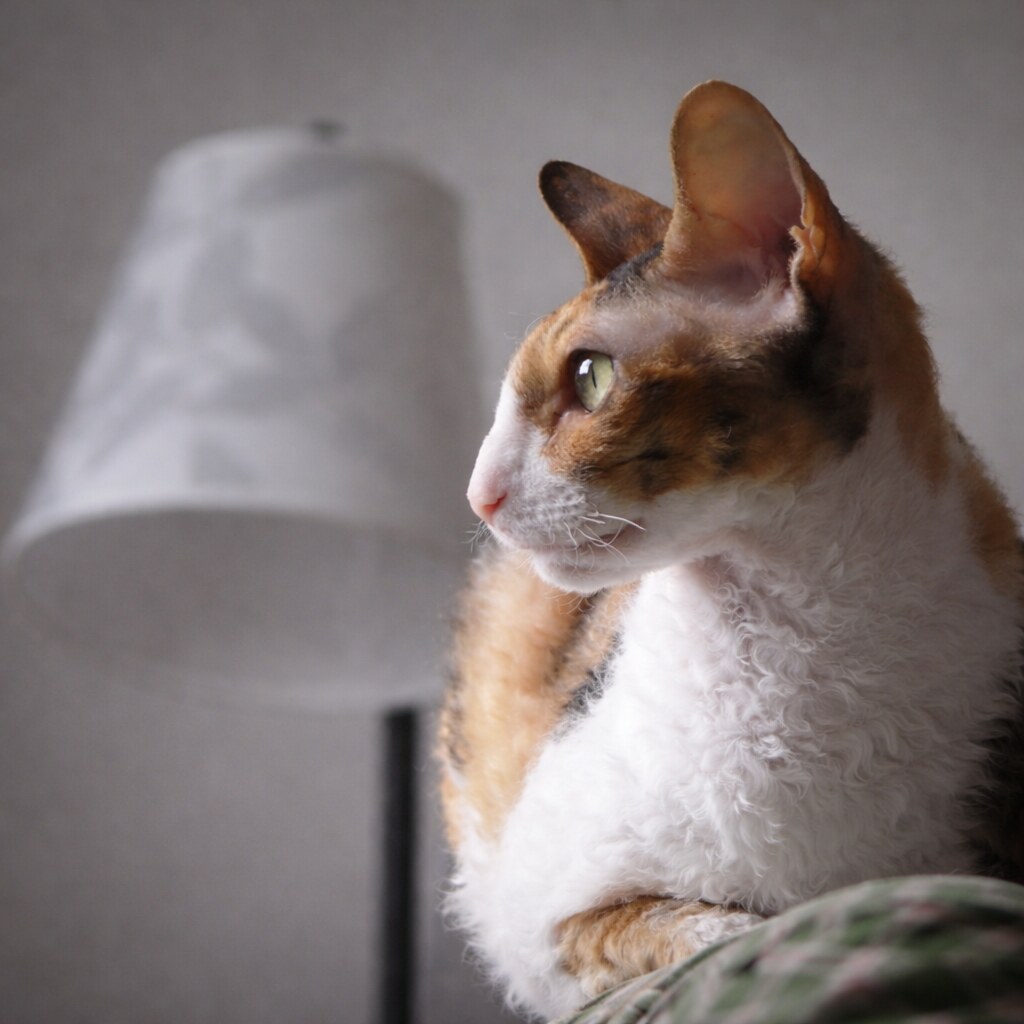
C is for Cornish Rex
Cornish Rex's are a slim, friendly cat suitable for shy children. Because of their thin coat they are best kept as an indoor cat.


C is for Crane (Bird)
There are many different kinds of crane, and they are found all over the world except Antarctica. Cranes are often the subject of origami sculptures.
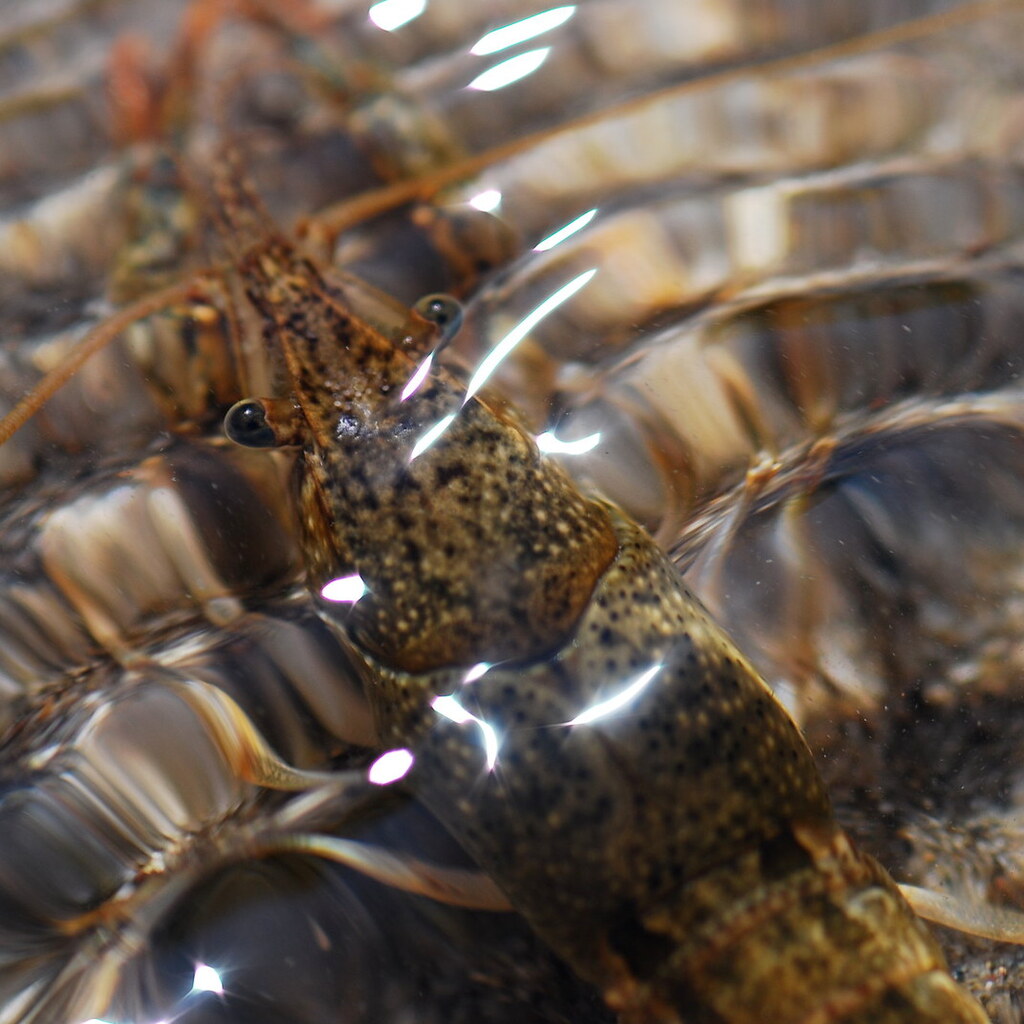
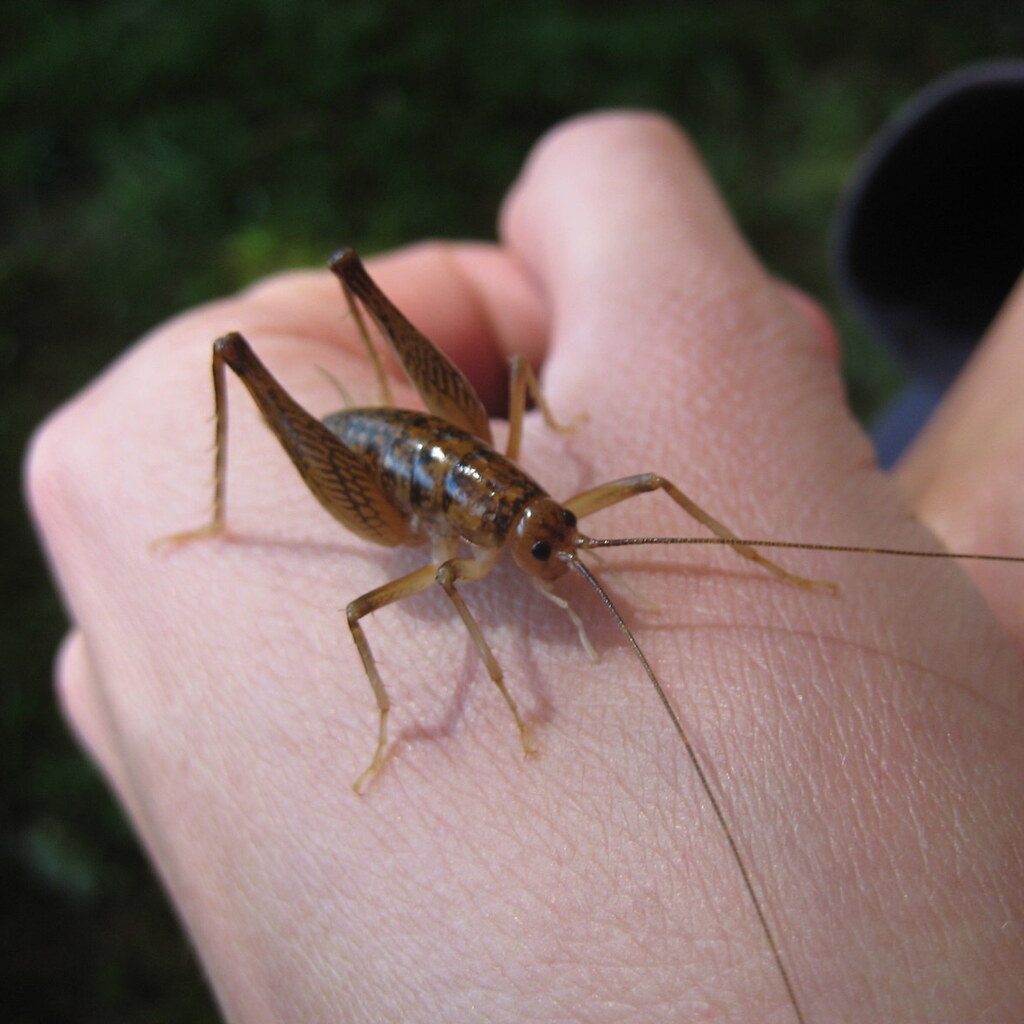
Crickets are a type of insect distantly related to grasshoppers. Crickets make a distinctive "chirping" noise. Crickets make this noise by rubbing their hind legs together.
There are many different varieties of cricket, and they all have a slightly different "chirp".
There are many different varieties of cricket, and they all have a slightly different "chirp".
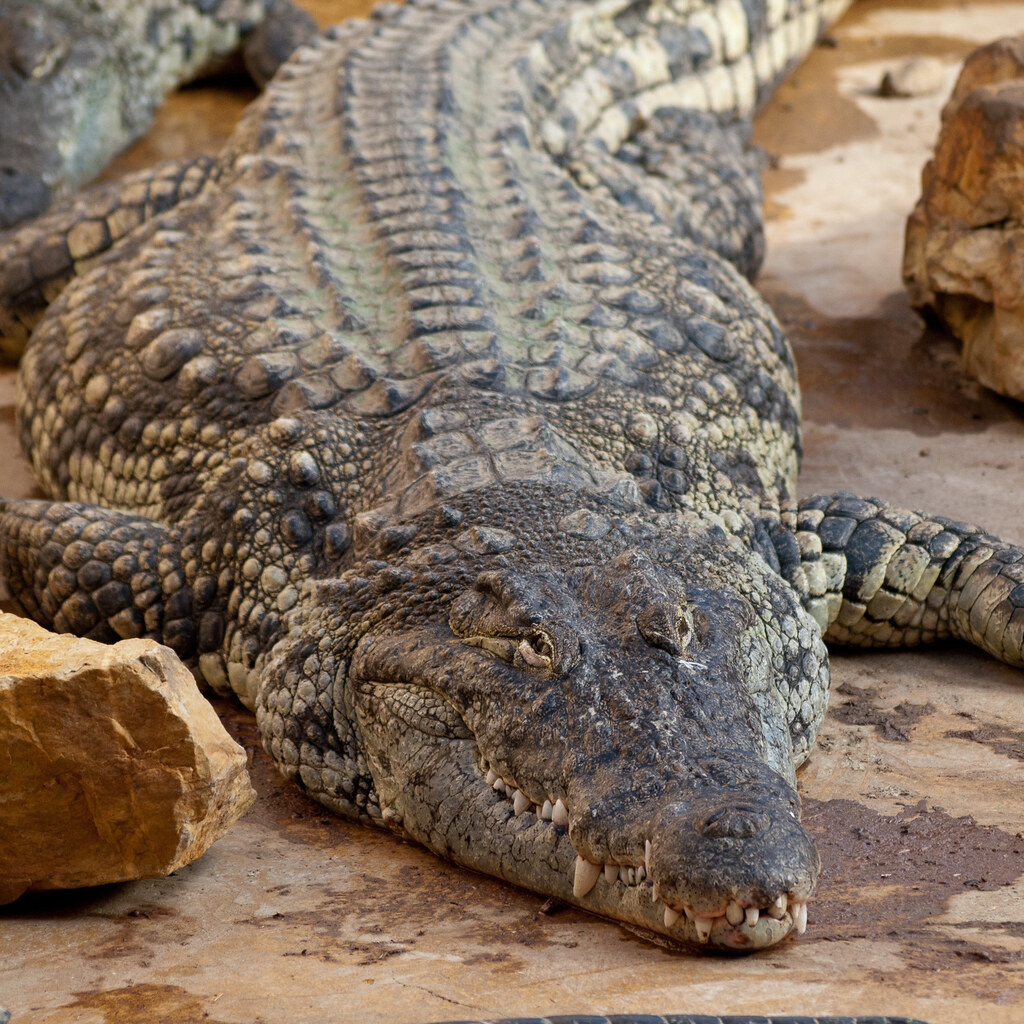
Crocodiles are a large reptile that can range in size up to eight metres long. They are found all over the world, and can live in both fresh water and salt water. They are related to alligators.
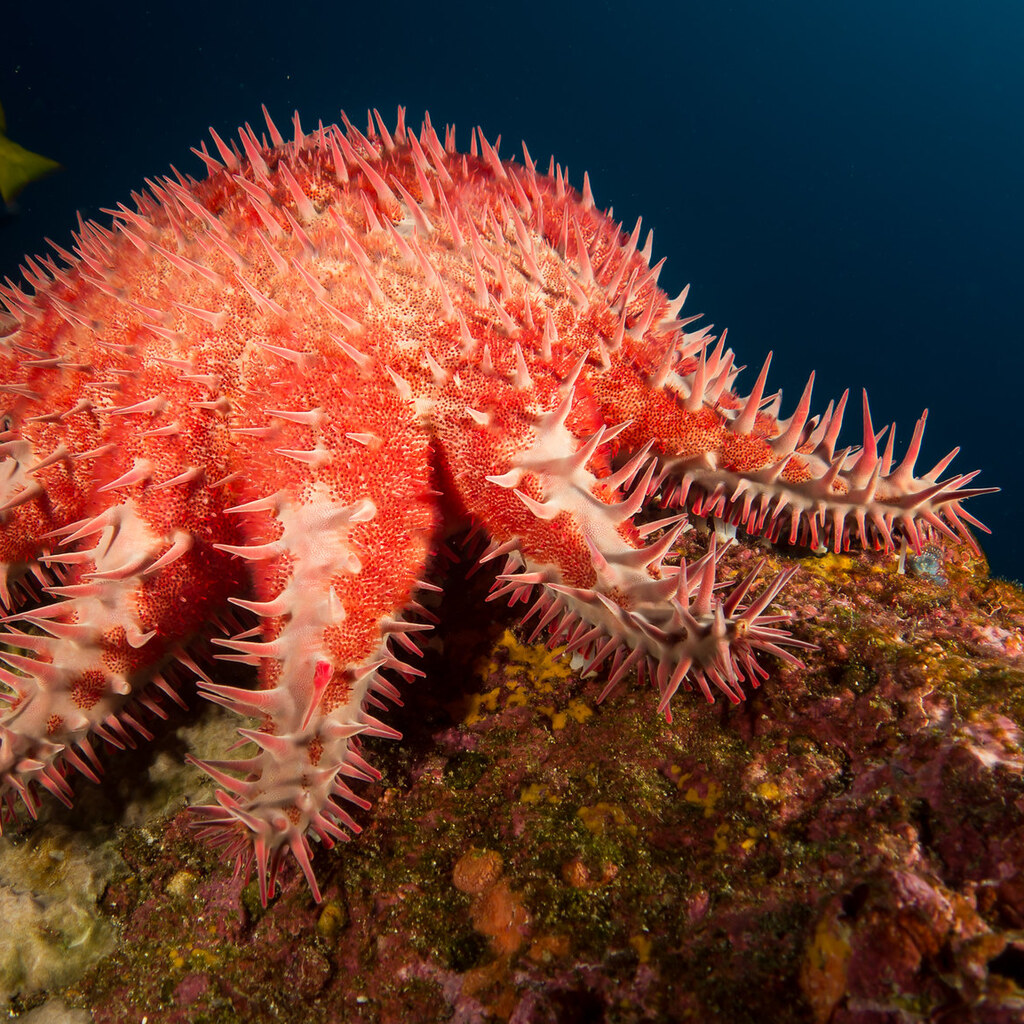
C is for Crown of thorns starfish
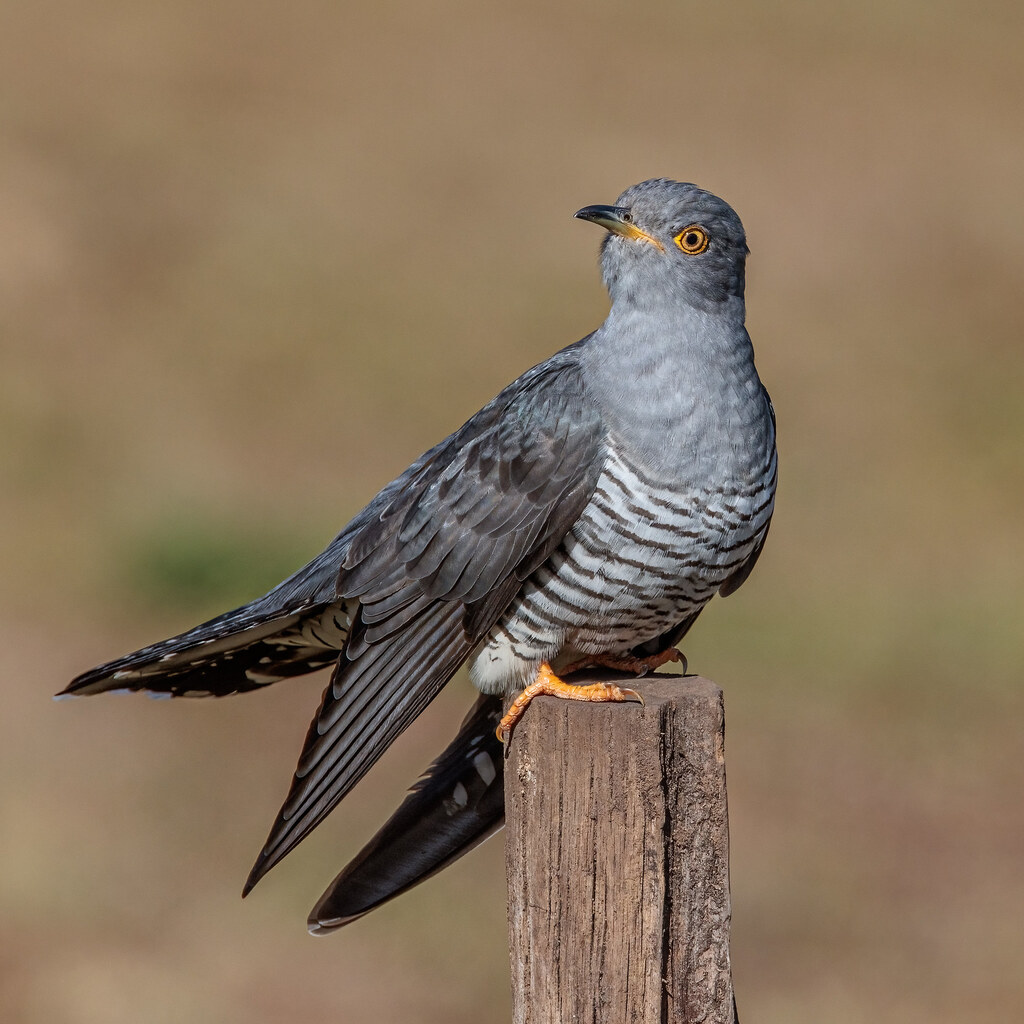
The cuckoo is a medium-sized bird that lives in many parts of Europe, Asia, and Africa. The male cuckoo has a distinctive call, but the species is most famous for laying its eggs in other bird's nests and letting other birds raise its chicks.
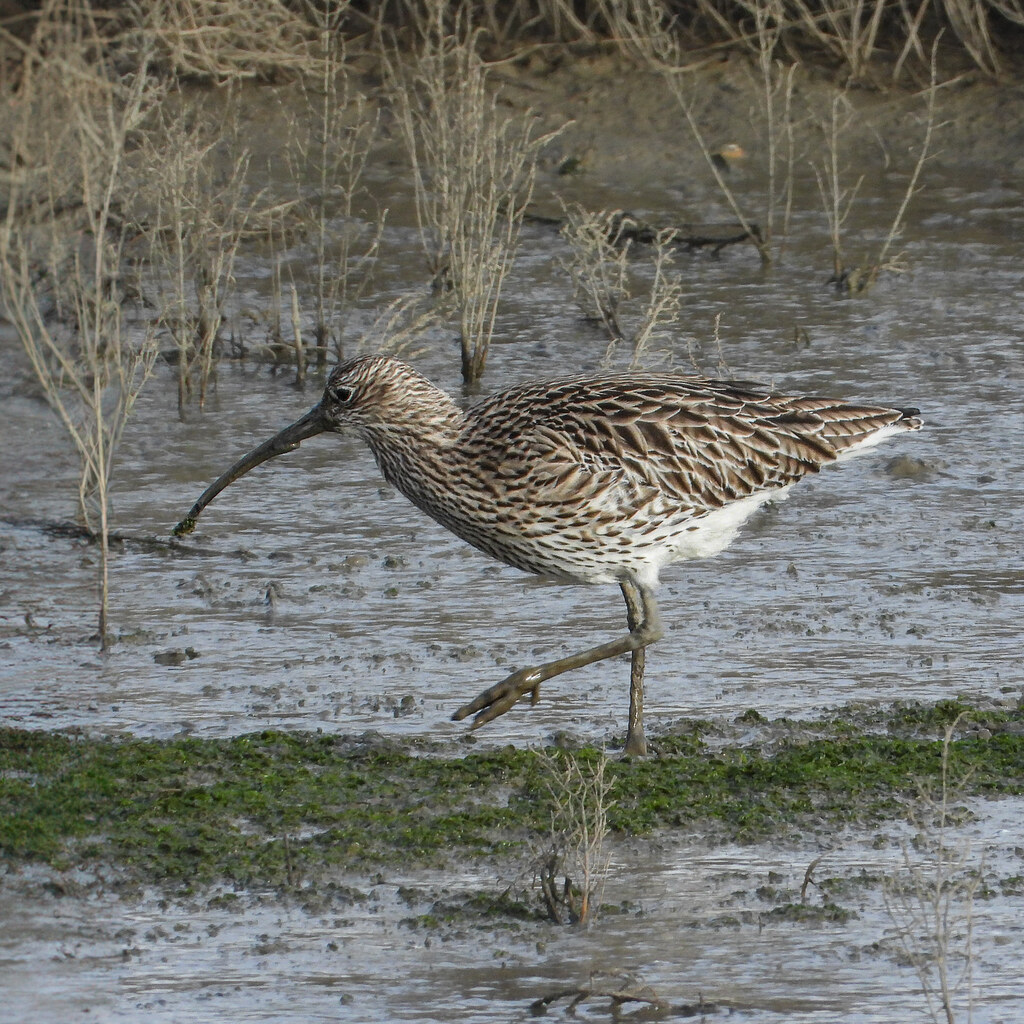
The curlew is a type of large wading bird with a long, curved bill and mottled brown and gray feathers. You can find it in wet places like mudflats, marshes and bogs. It uses its long bill poke into muddy ground for small insects, worms, and other tiny animals.
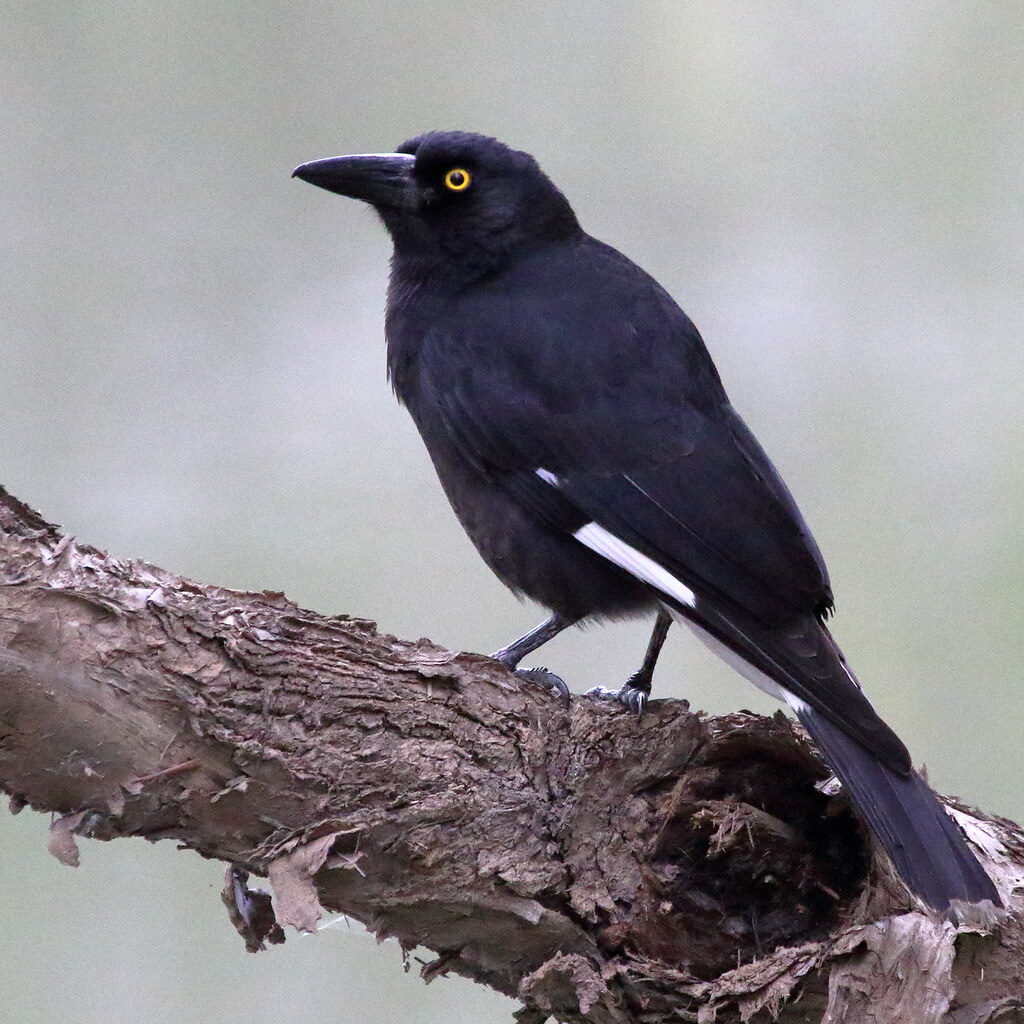
A currawong is an Australian corvid, related to crows and magpies. It is mostly black with some white patches. Currawongs live across Australia in wooded areas, and can be found in people's gardens too. They eat insects, fruit and small animals.
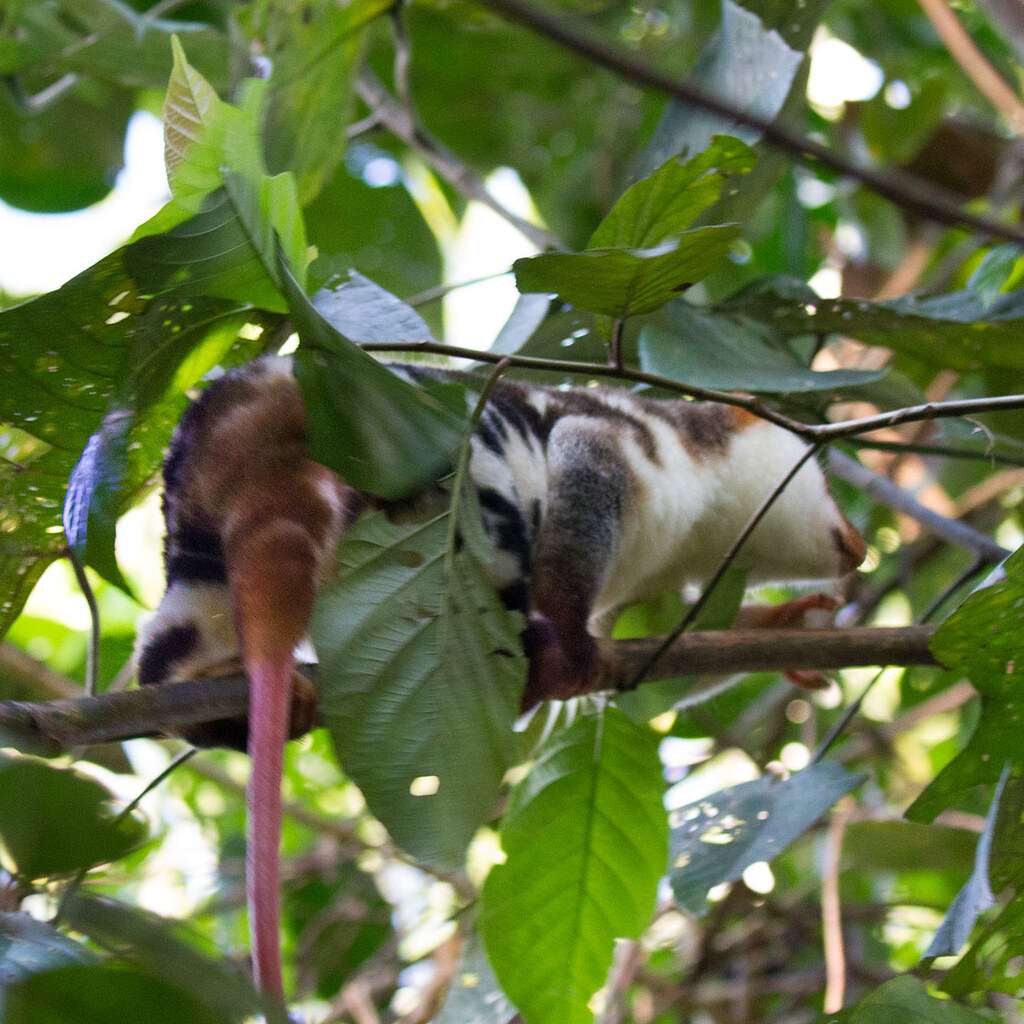
Cuscus are very shy, solitary marsupials in the possum family. They are slow moving, and behave more like sloths or slow loris.
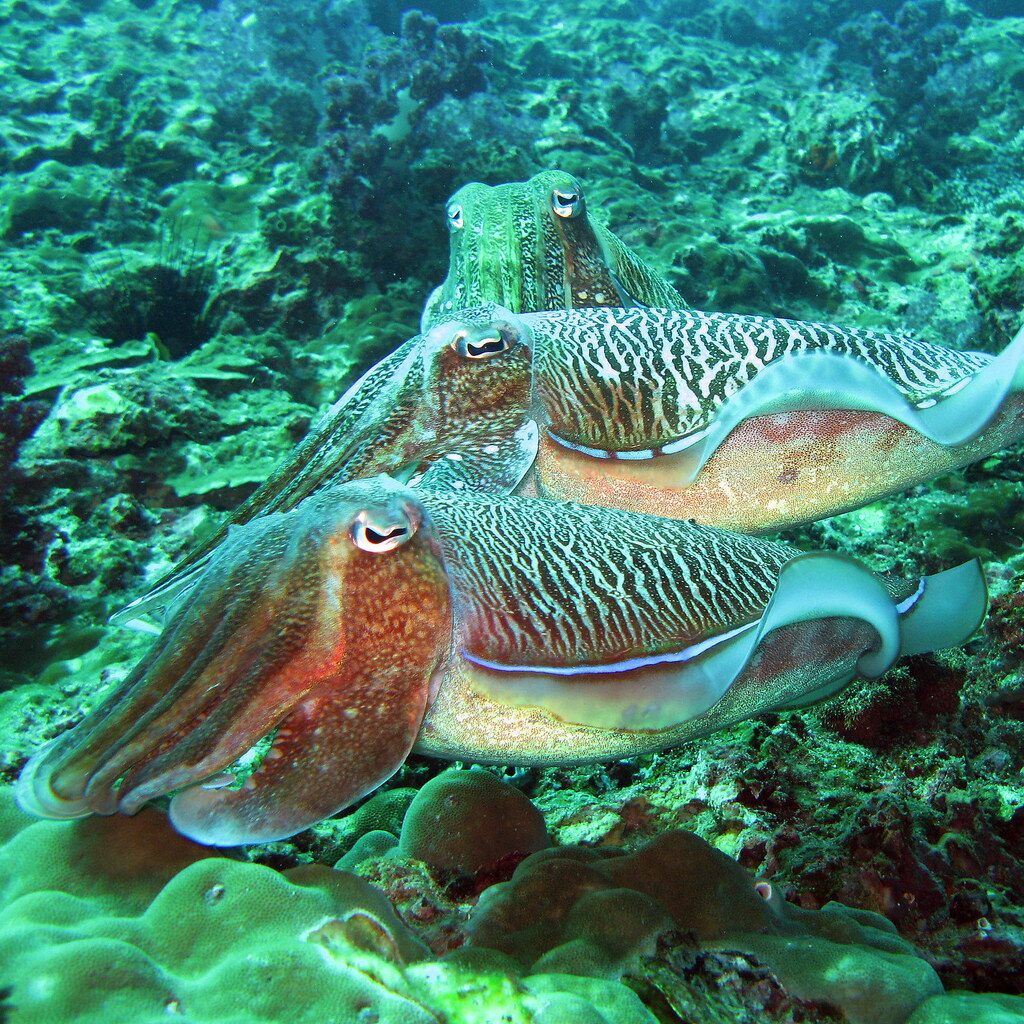
C is for Cuttlefish
Cuttlefish are caught as food and prepared in a similar way to squid.