Showing 21-40 of 58
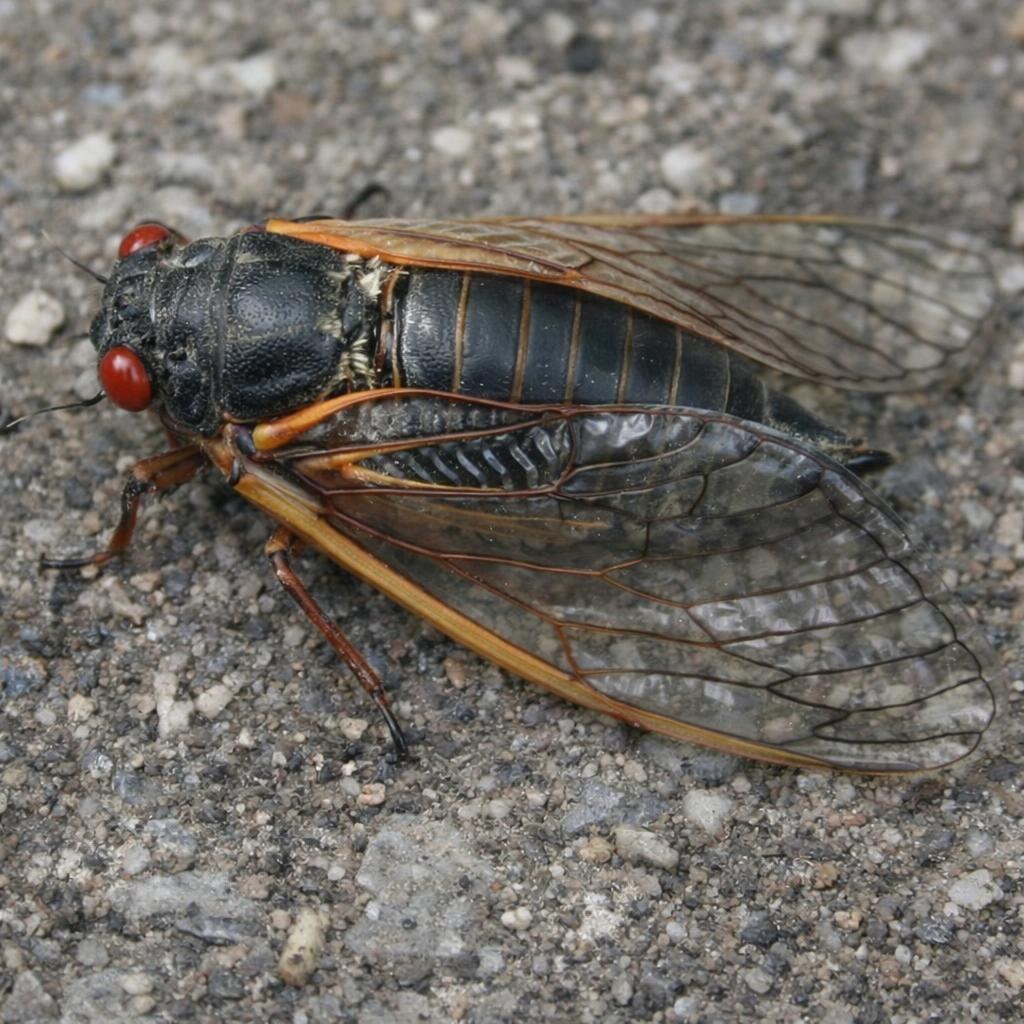
Cicadas are big, noisy insects that can be found all over the world. Most species are about 2-5cm long but some grow to 16cm long. Only male cicadas make the noise, and they are partly hollow to make the noise louder. Female cicadas are not hollow, and as they are very big and meaty, some people eat them.
Cicadas spend the first part of their life underground as nymphs, a time of their life which can last for up to 17 years. When the nymphs come to the surface, they shed their skin and emerge as winged adult cicadas.
Cicadas spend the first part of their life underground as nymphs, a time of their life which can last for up to 17 years. When the nymphs come to the surface, they shed their skin and emerge as winged adult cicadas.
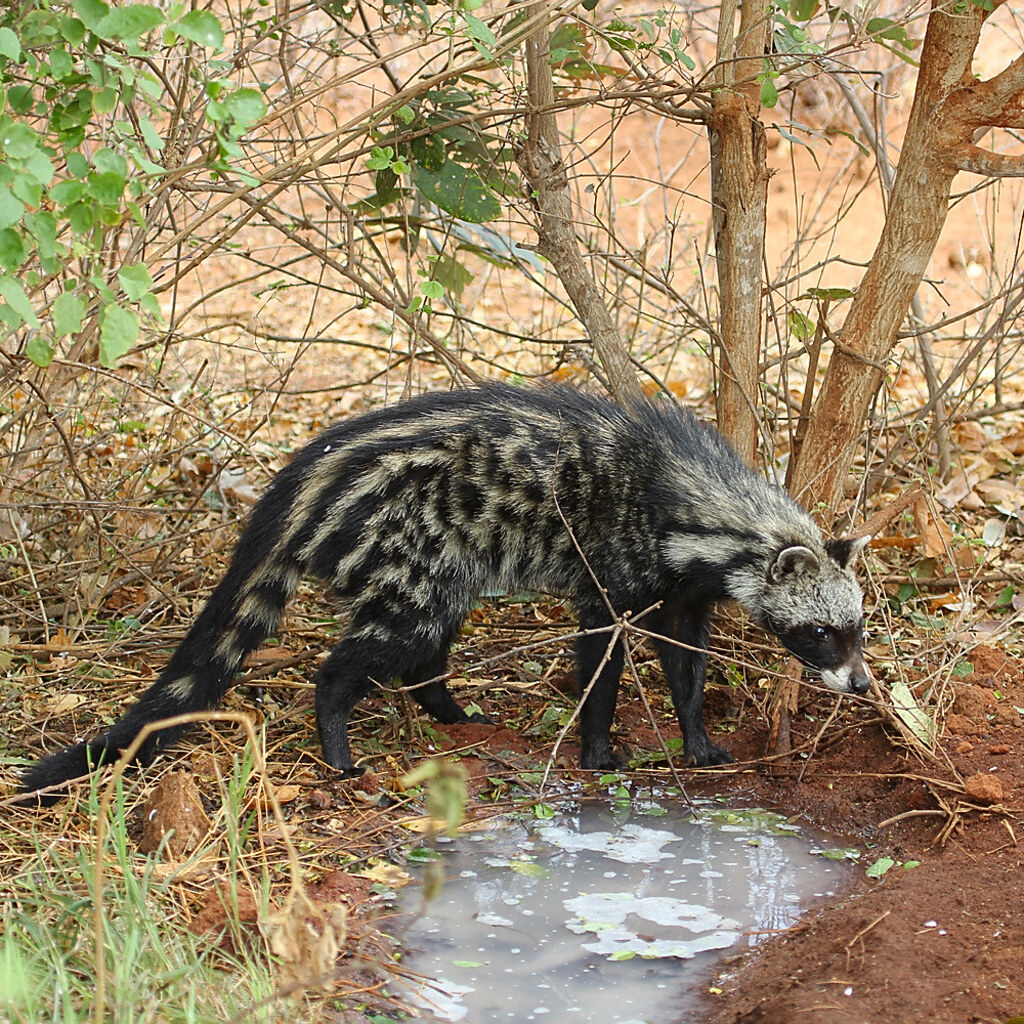
A civet is cat-like or weasel-like small animal. Some civets have spotted or striped fur and a pointed face.
Civets live in forests and other warm places in Asia and Africa. They search for food at night, eating fruits, insects, and small animals. Civets are sometimes known for a strong-smelling scent they release to protect themselves.
Civets live in forests and other warm places in Asia and Africa. They search for food at night, eating fruits, insects, and small animals. Civets are sometimes known for a strong-smelling scent they release to protect themselves.
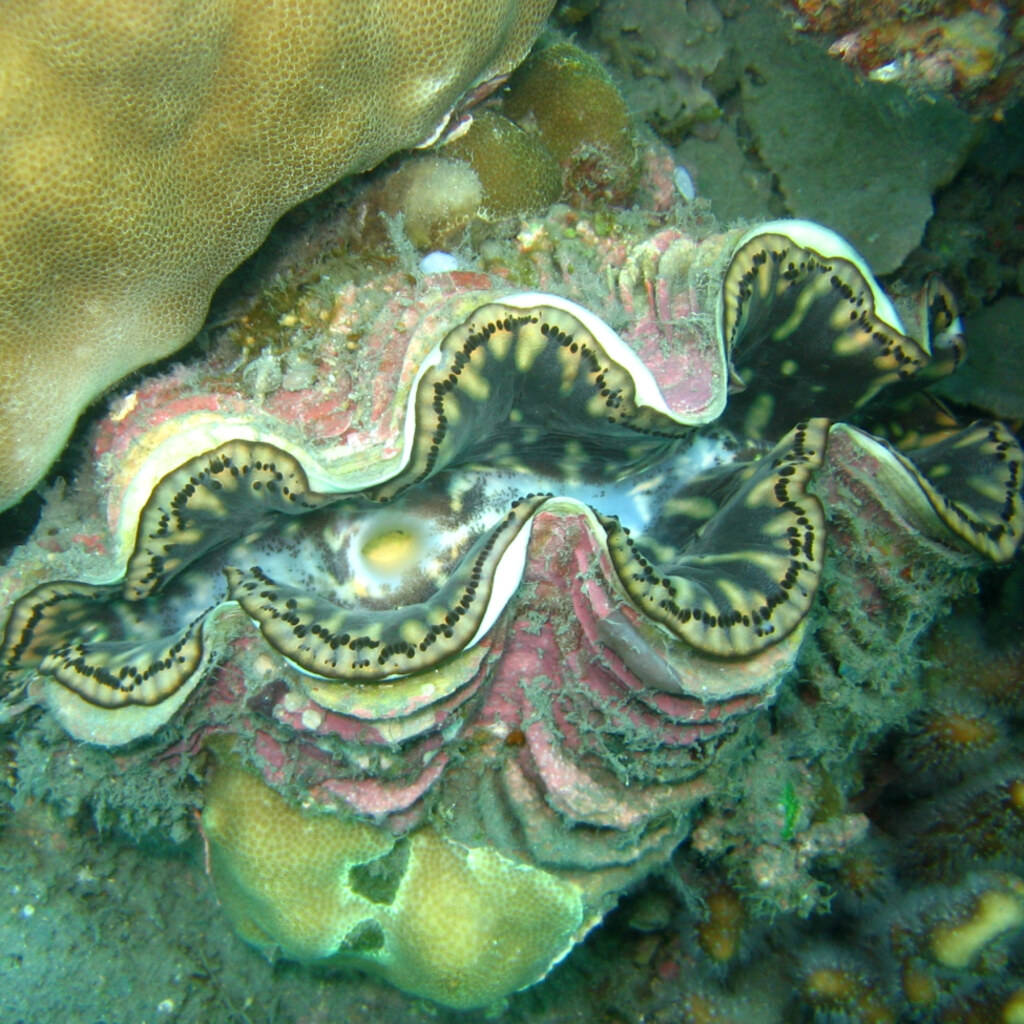
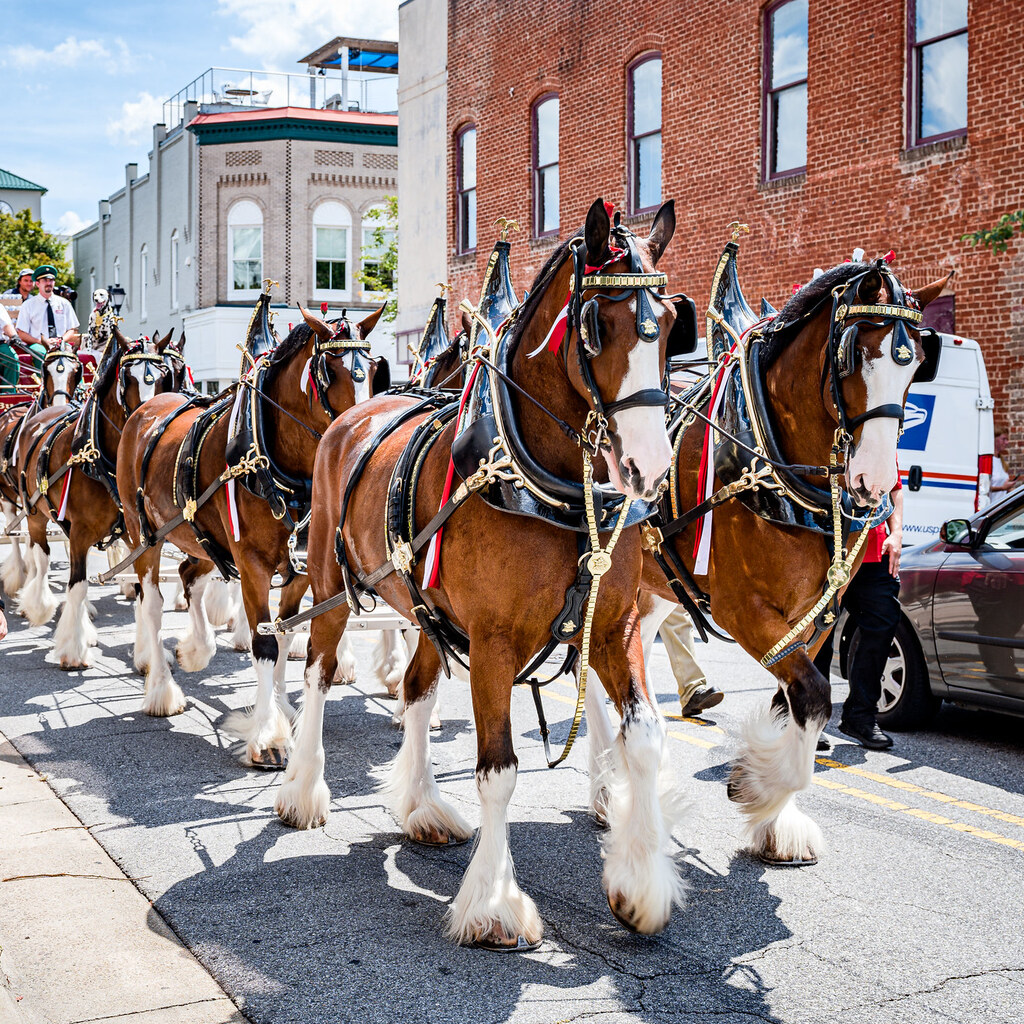
C is for Clydesdale
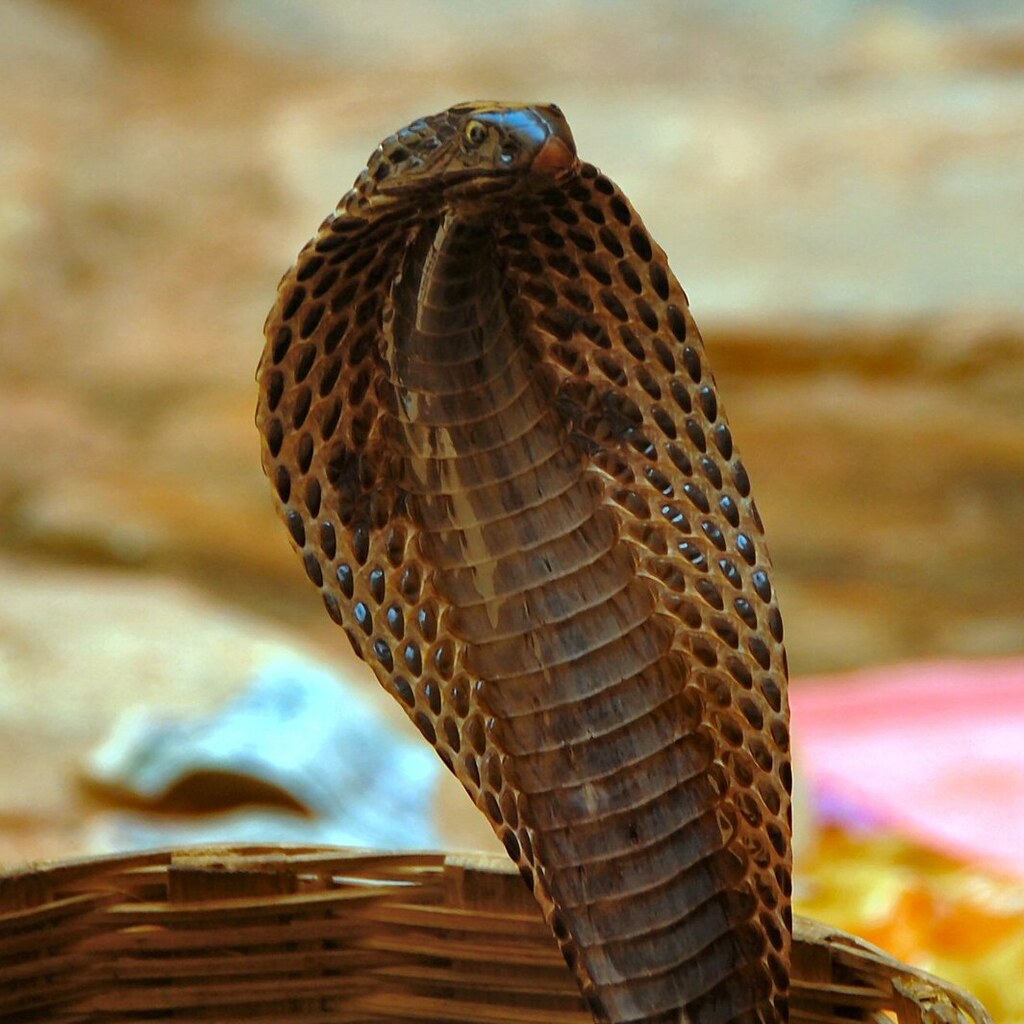
Cobras are a kind of venomous snake found in Africa, India, the Middle East and Indonesia. They rear up and flatten out their neck like the snake in the picture when they are scared.
Cobras are the snake of choice for snake charmers, who seem to hypnotise a snake by playing a musical instrument in front of it.
Cobras are the snake of choice for snake charmers, who seem to hypnotise a snake by playing a musical instrument in front of it.
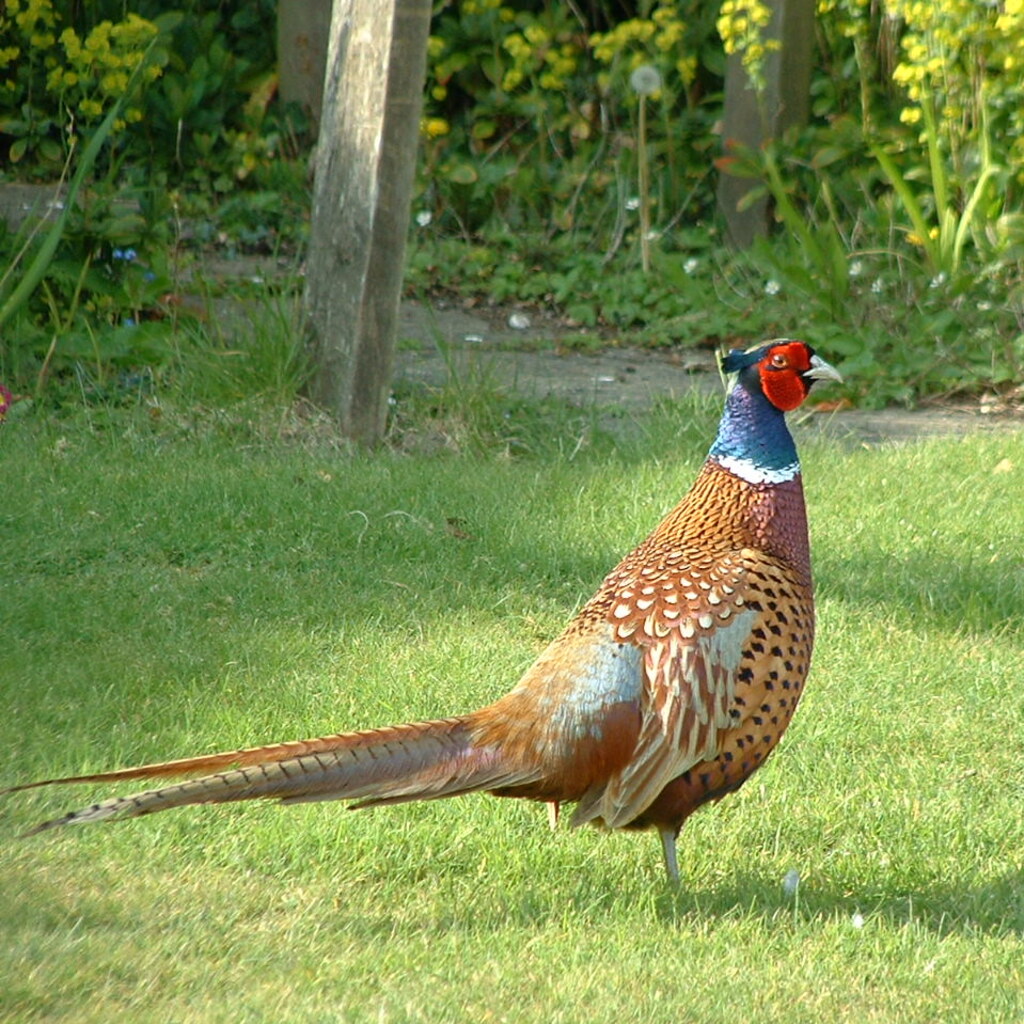
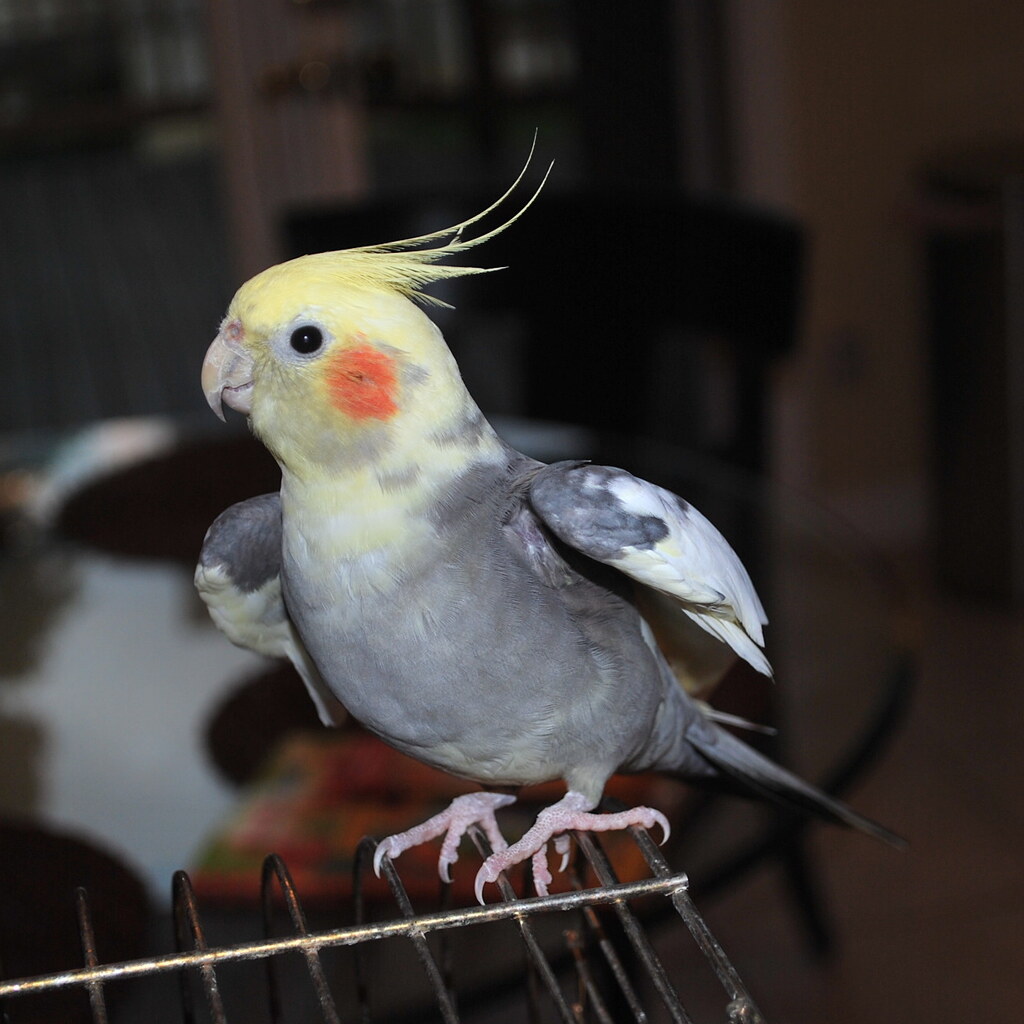
A cockatiel is a small parrot with a raised crest on its head and a yellow face with orange cheeks and grey wings. Cockatiels live in Australia in dry areas and grasslands, and they feed on seeds and grasses. Many people keep them as pets.
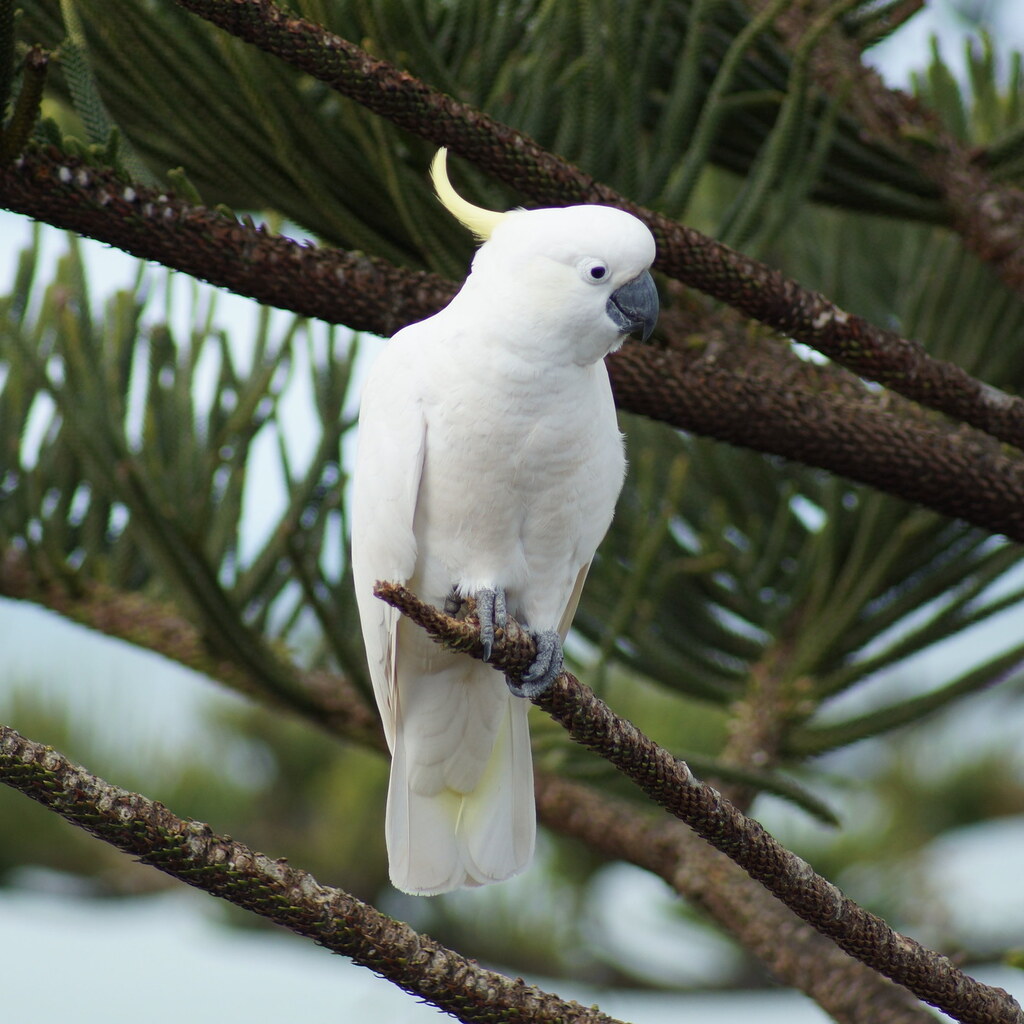
A cockatoo is a type of parrot with a head crest that can be raised or lowered. Different kinds of cockatoos live in Australia, New Guinea and nearby islands. They are known for being loud and smart.
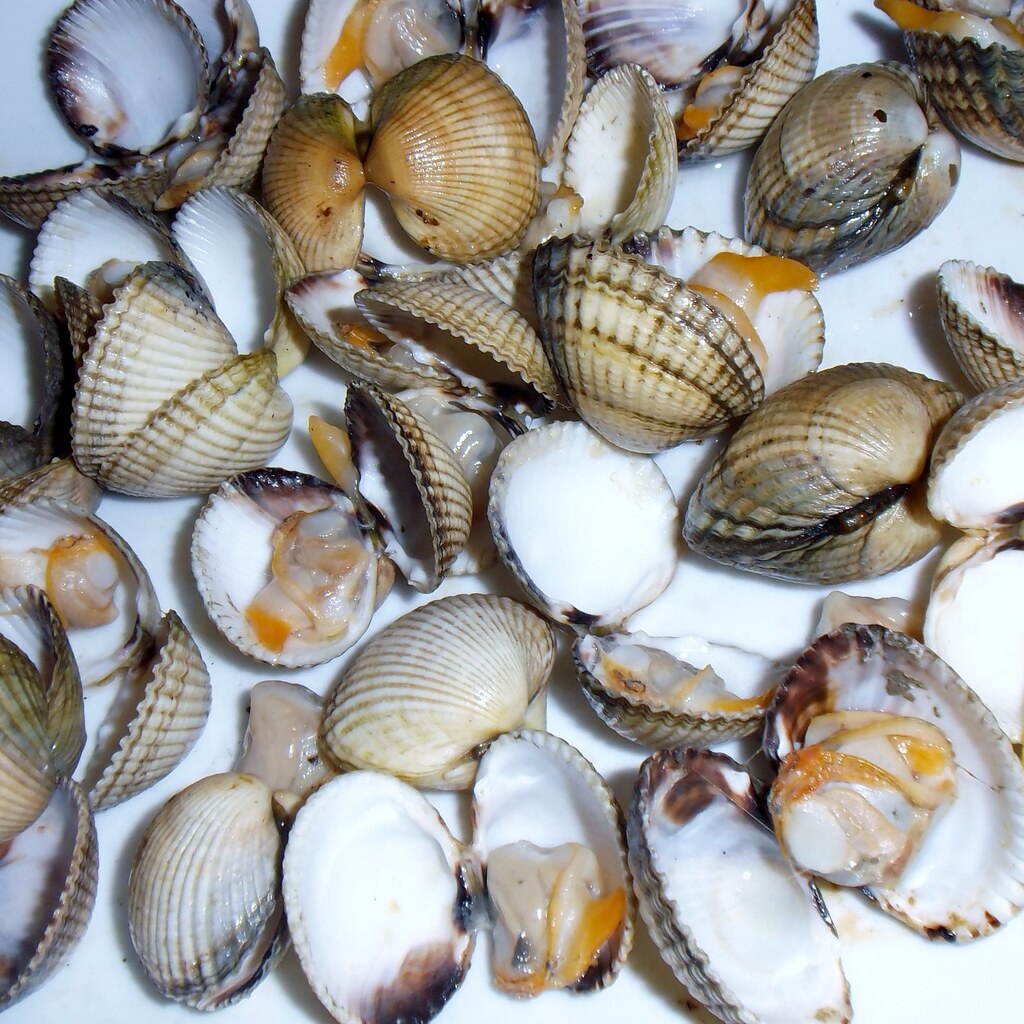
Cockles are related to clams, mussels and snails. They have a shell in two parts joined by a hinge. Cockles burrow into sandy beaches and eat tiny creatures in the water that washes over them.
Cockles can be caught and eaten. They are cooked in much the same way as other similar creatures like mussels.
Cockles can be caught and eaten. They are cooked in much the same way as other similar creatures like mussels.
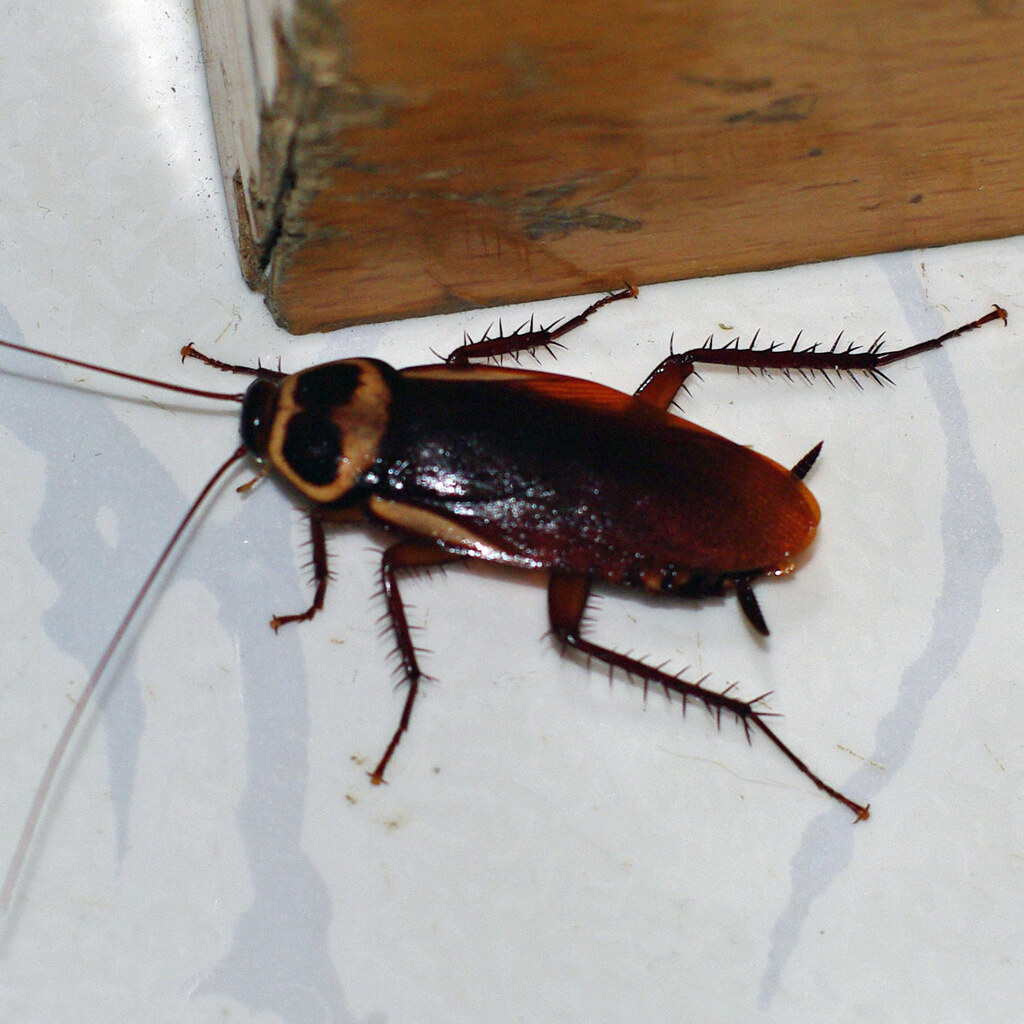
Cockroaches, sometimes just called roaches, are a type of insect. There are thousands of kinds of cockroach but only a few are pests found inside houses. The cockroach in the picture is a German cockroach. They like warm, moist places, and are particularly fond of garbage bins.
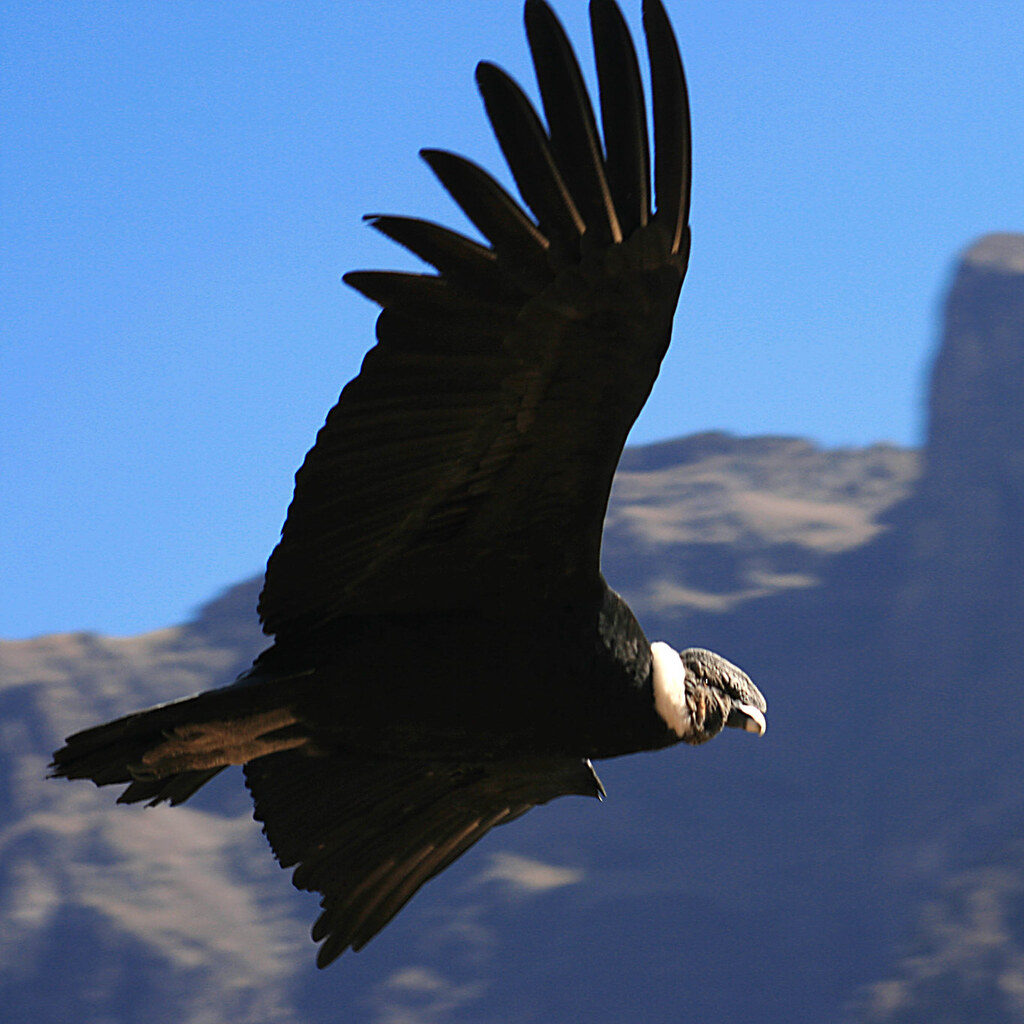
Condors are a type of vulture found in the Andes and the Californian mountains. They are one of the largest birds in the world. They can live to 50 years old in the wild, and have a wingspan of up to 3 metres.
They spend a lot of their time soaring through the air looking for large dead animals to eat.
They spend a lot of their time soaring through the air looking for large dead animals to eat.
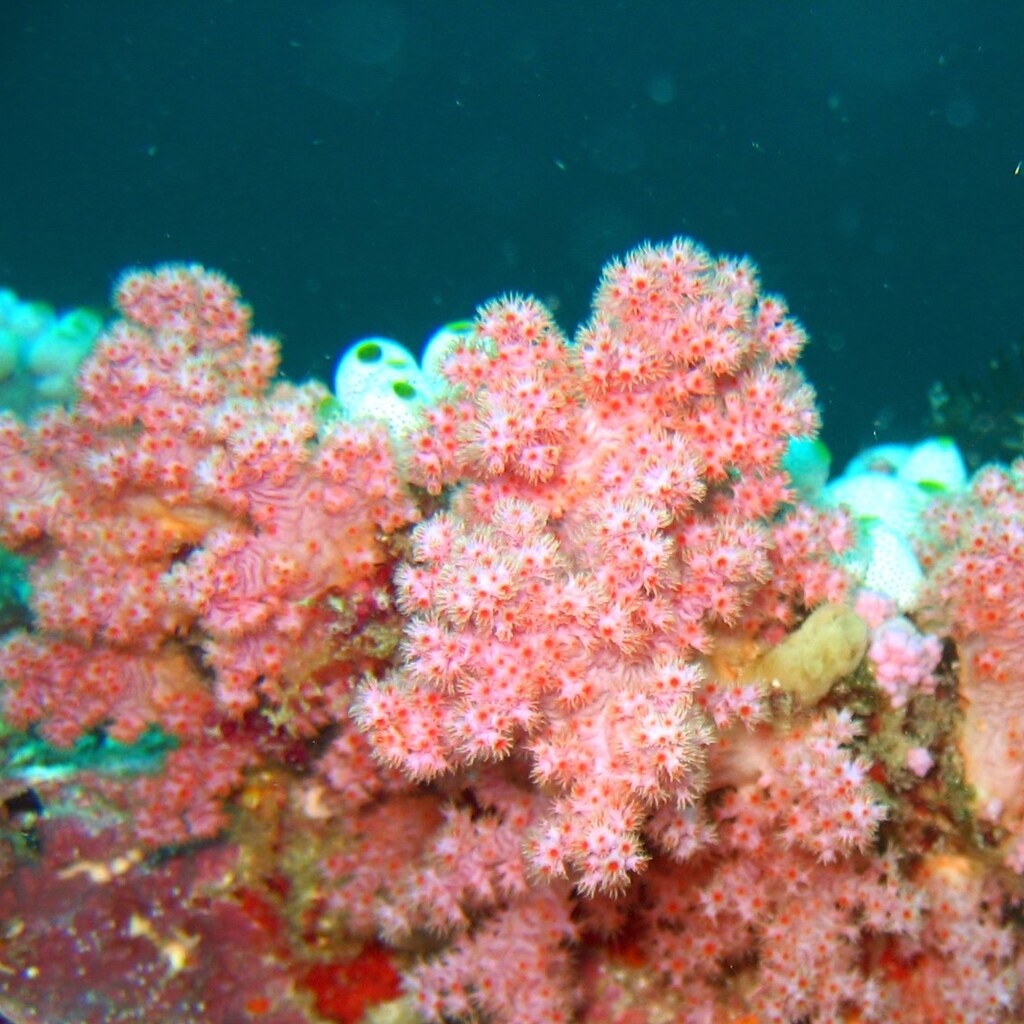
Coral are tiny animals that grow together to form huge colonies. Sometimes these colonies are so big we call them reefs. Coral do not move around, they live and die fixed in one place, which is more like a plant than an animal. Coral eat small fish and sea creatures by trapping them as they pass with their stinging tentacles.
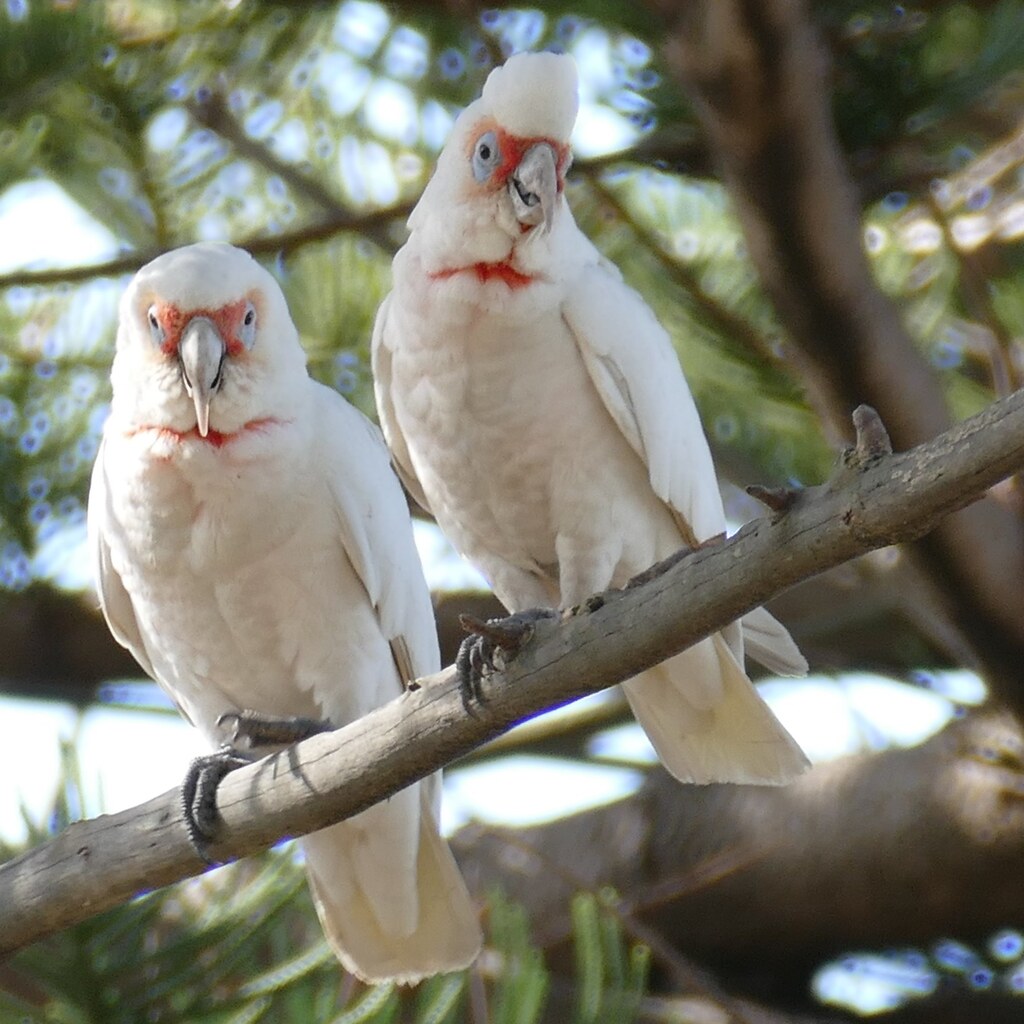
Corellas are medium sized parrots that live in Australia and nearby islands. They eat seeds, nuts and fruit and travel in large groups.