
Showing 101-120 of 266
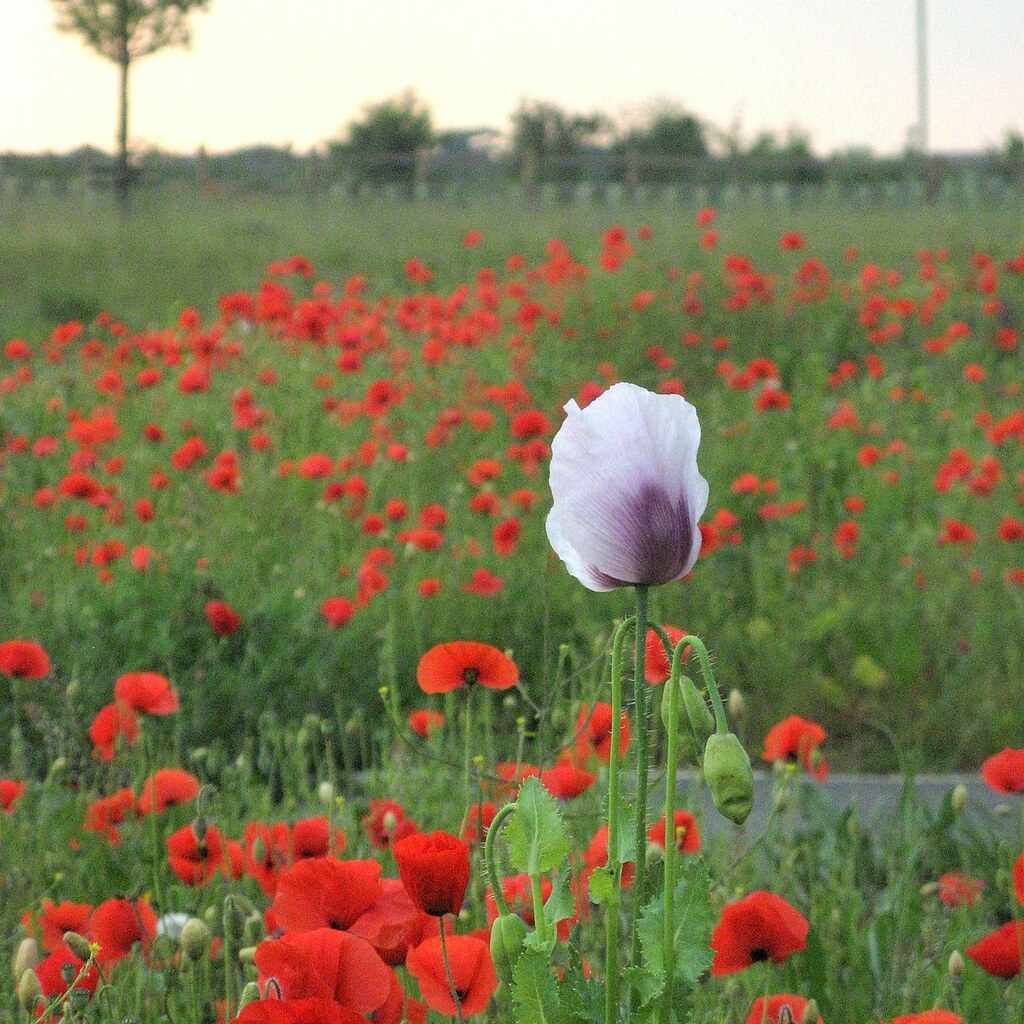
Two things are different if they are not like each other, or can very easily be told apart. The purple flower in the picture is very different to all the red ones.
The opposite of different is similar.
The opposite of different is similar.
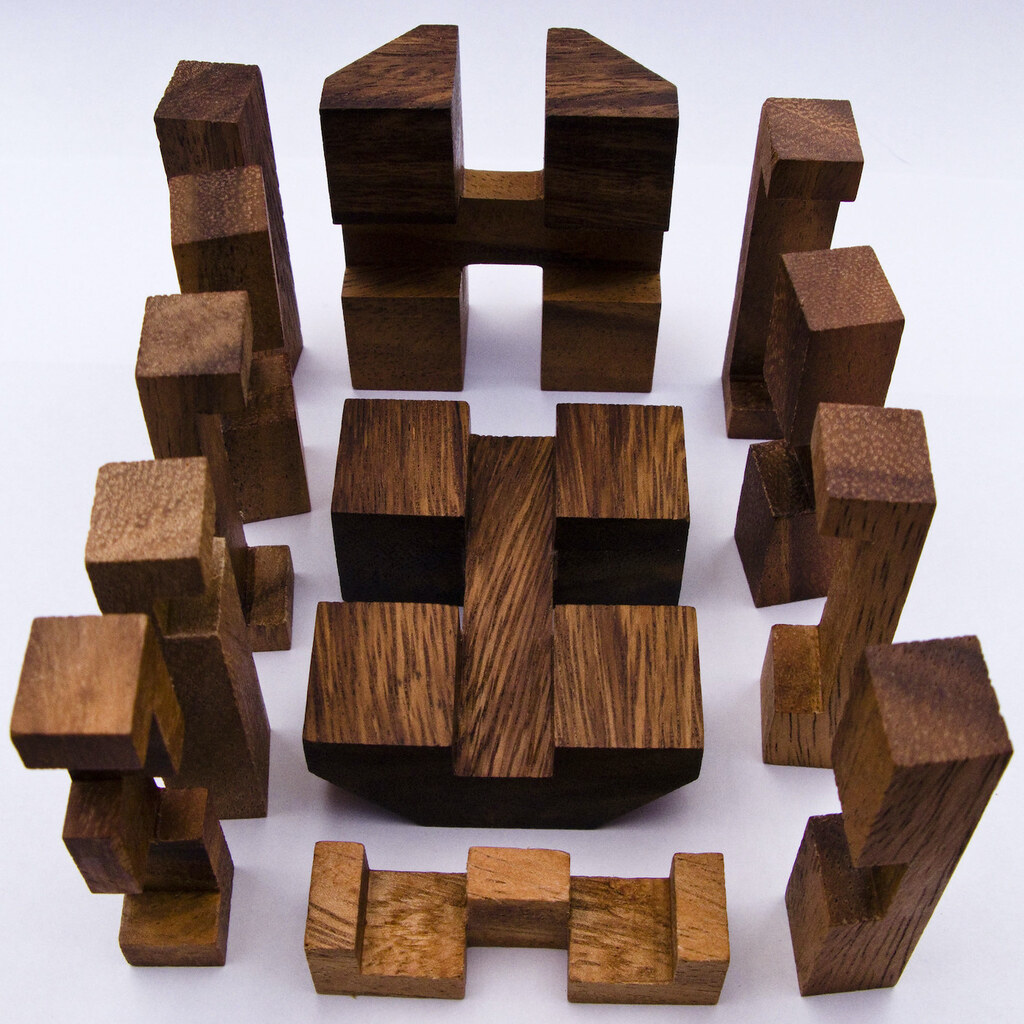
Something is difficult if it is complicated and takes some skill to achieve.
The picture is of a difficult puzzle.
The picture is of a difficult puzzle.
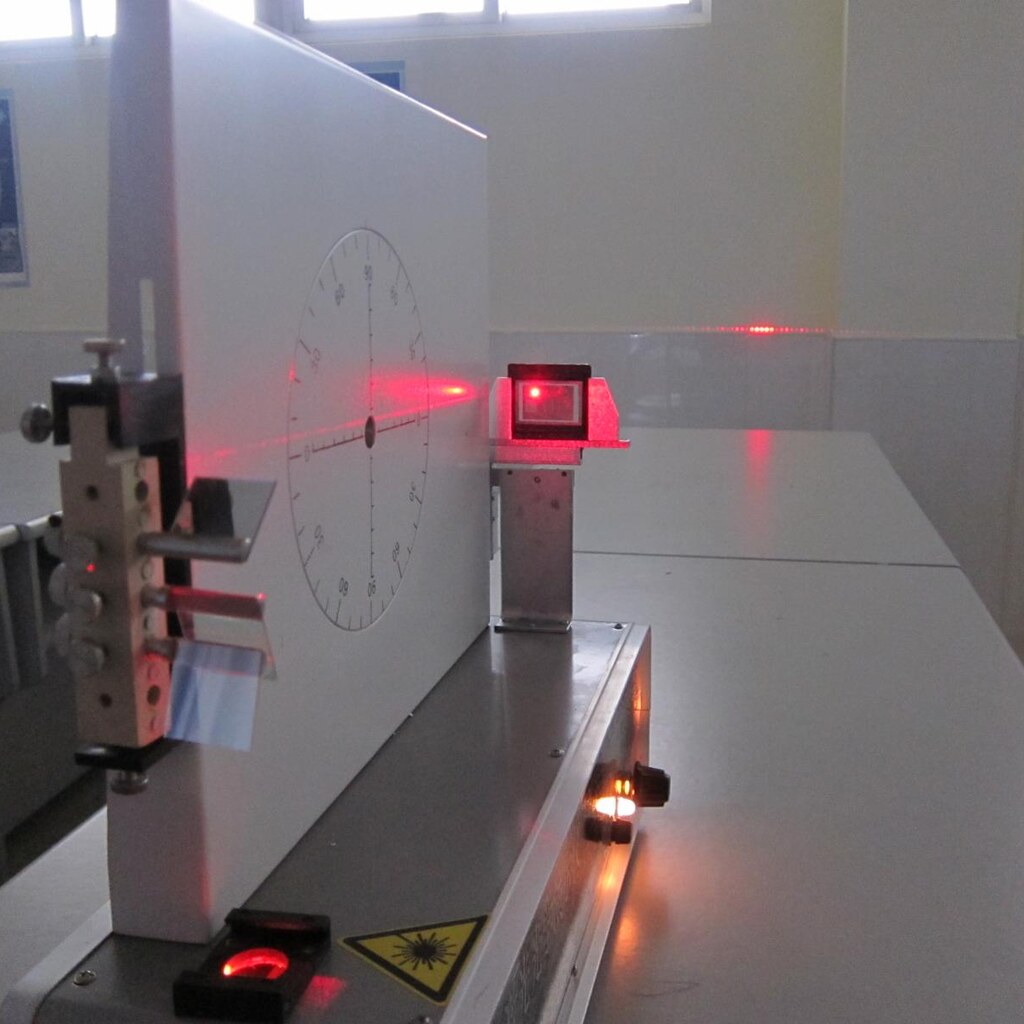
D is for Diffraction
Diffraction is easiest to notice when the opening or obstacle is about the same size as the wave's wavelength. Light passing through a tiny slit can form bright and dark bands, while sound can bend around corners so people hear it even when they cannot see what is making the sound.

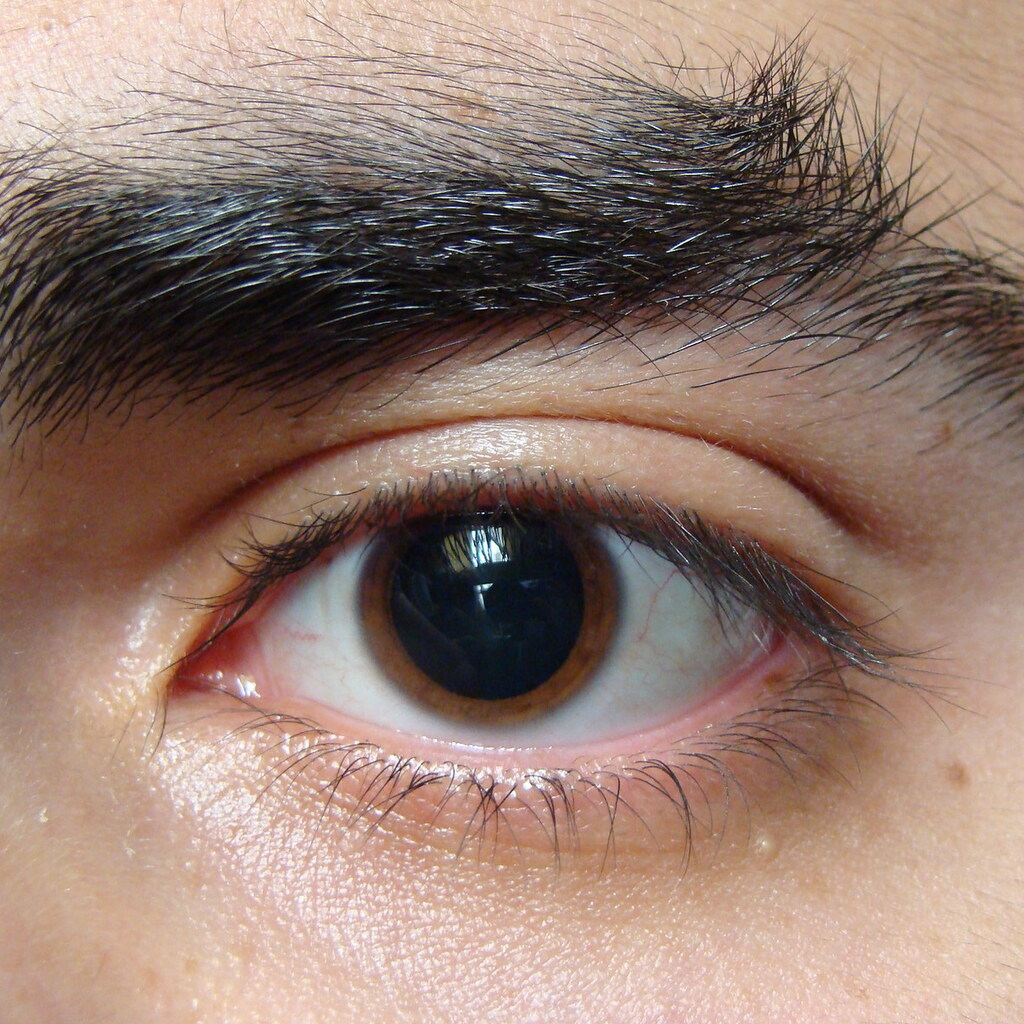
Something is dilated if it has become bigger or wider. The eye in the picture is dilated.
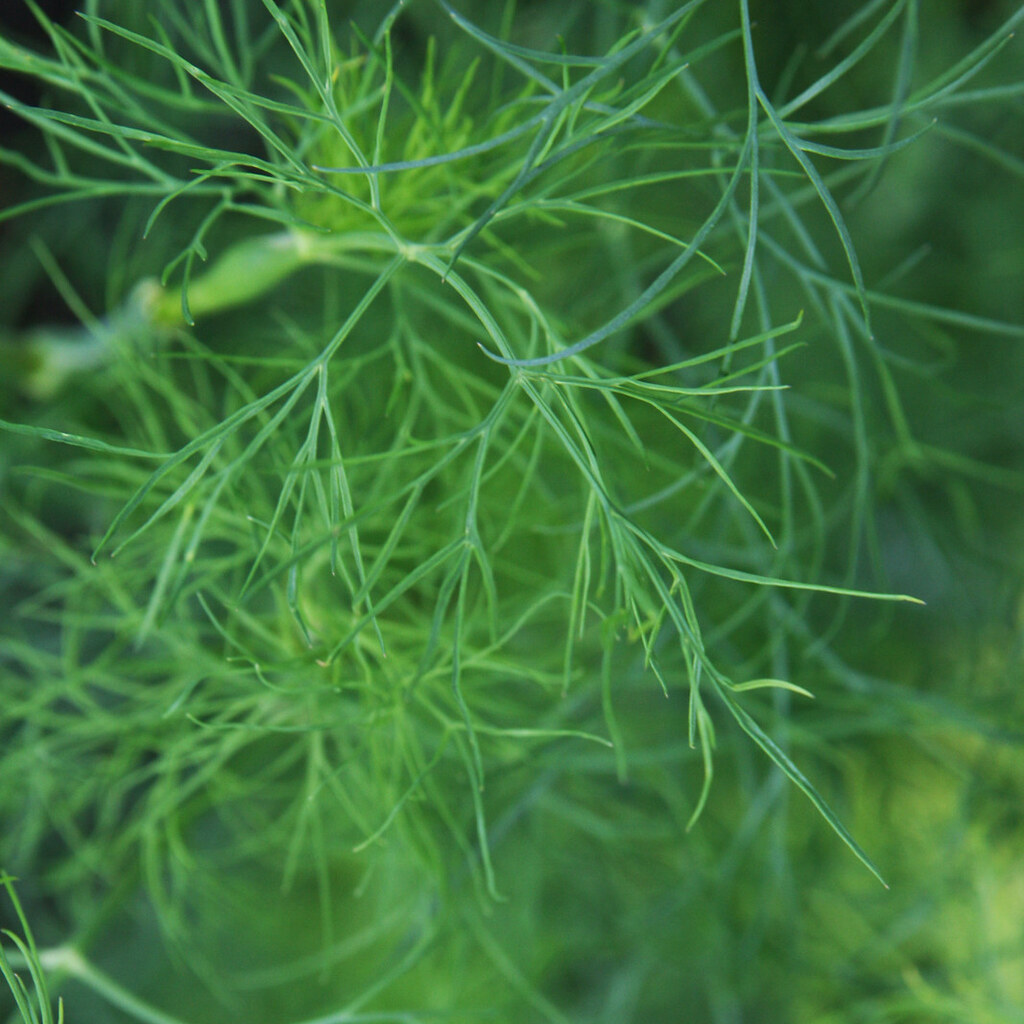
Dill is a feathery herb that can grow up to a metre tall. It can be grown easily from seed in spring and summer. It grows so easily from seed that once you have a dill plant go to seed once you will have dill everywhere!
Dill can be used in lots of different types of cooking but goes best with fish and potatoes. The fresh leaves are usually used, cut up finely and sprinkled over food.
Dill can be used in lots of different types of cooking but goes best with fish and potatoes. The fresh leaves are usually used, cut up finely and sprinkled over food.
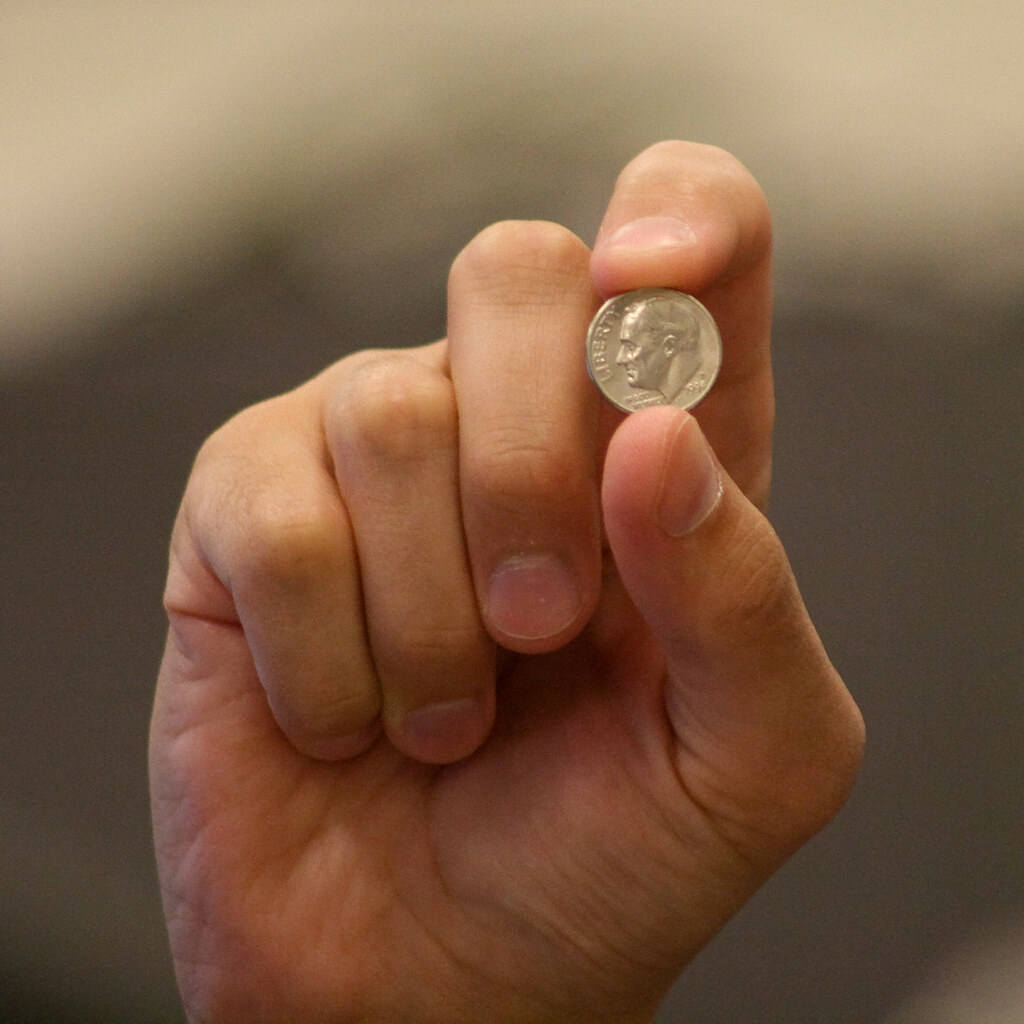
A dime is a coin from America or Canada, equivalent to one tenth of a dollar, or ten cents.
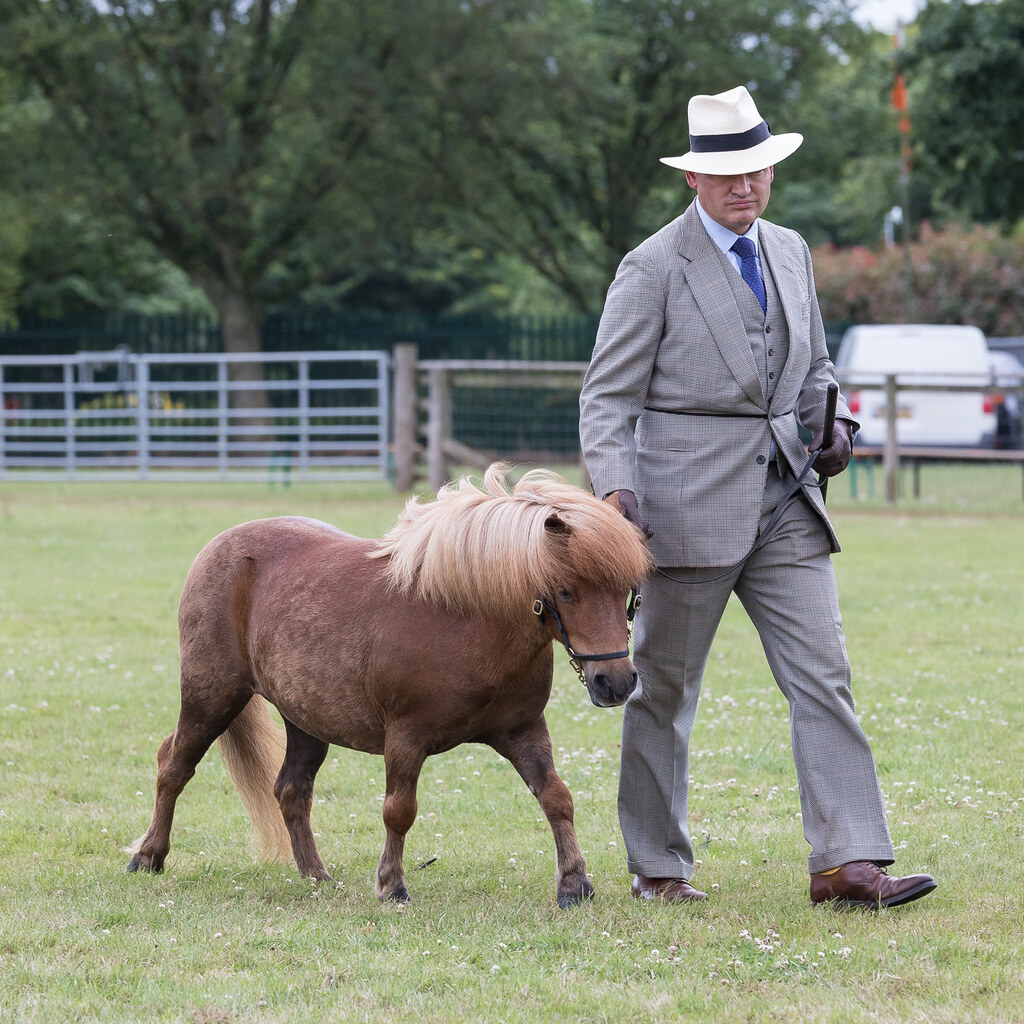
D is for Diminutive
You often see diminutives in names, like "Cassie" instead of "Cassandra."

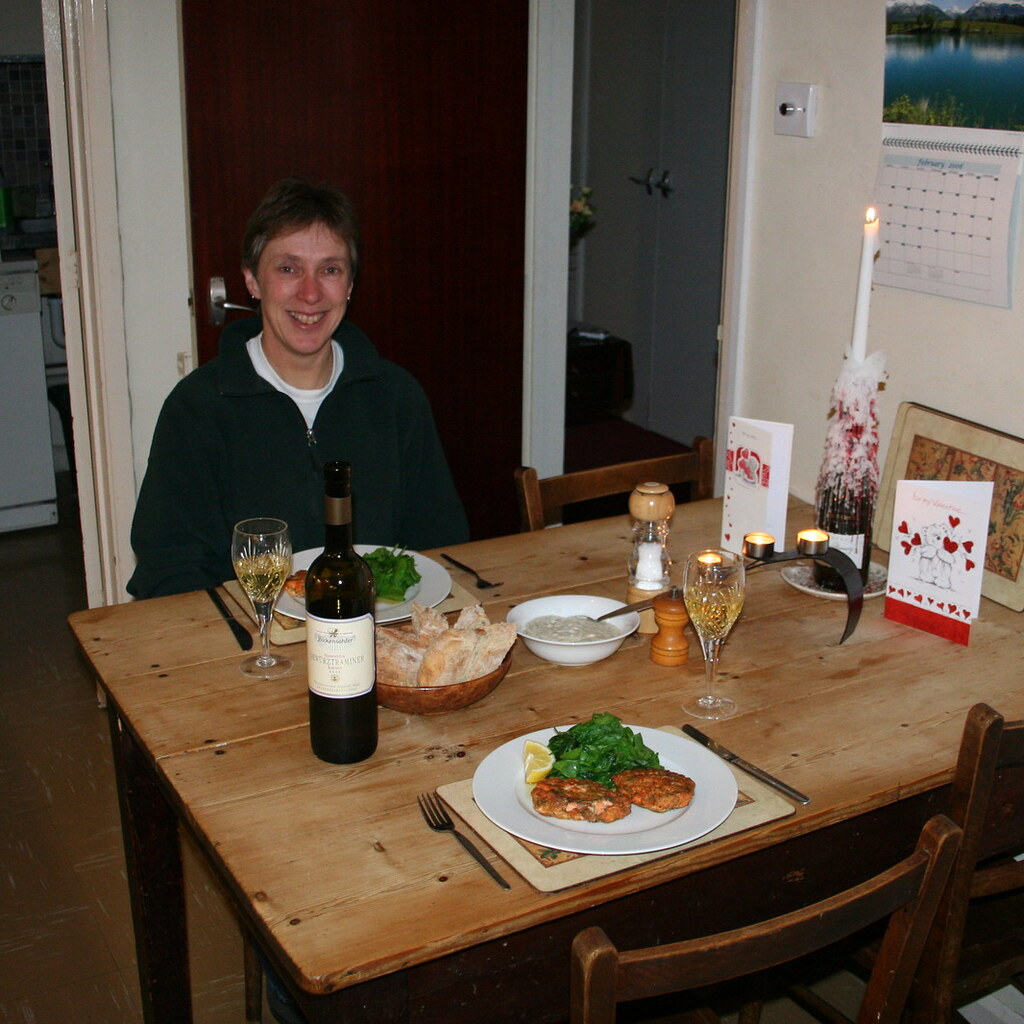
To dine simply means to eat your main meal of the day, usually dinner.
It is most often used when you are talking about eating out at a restaurant.
It is most often used when you are talking about eating out at a restaurant.
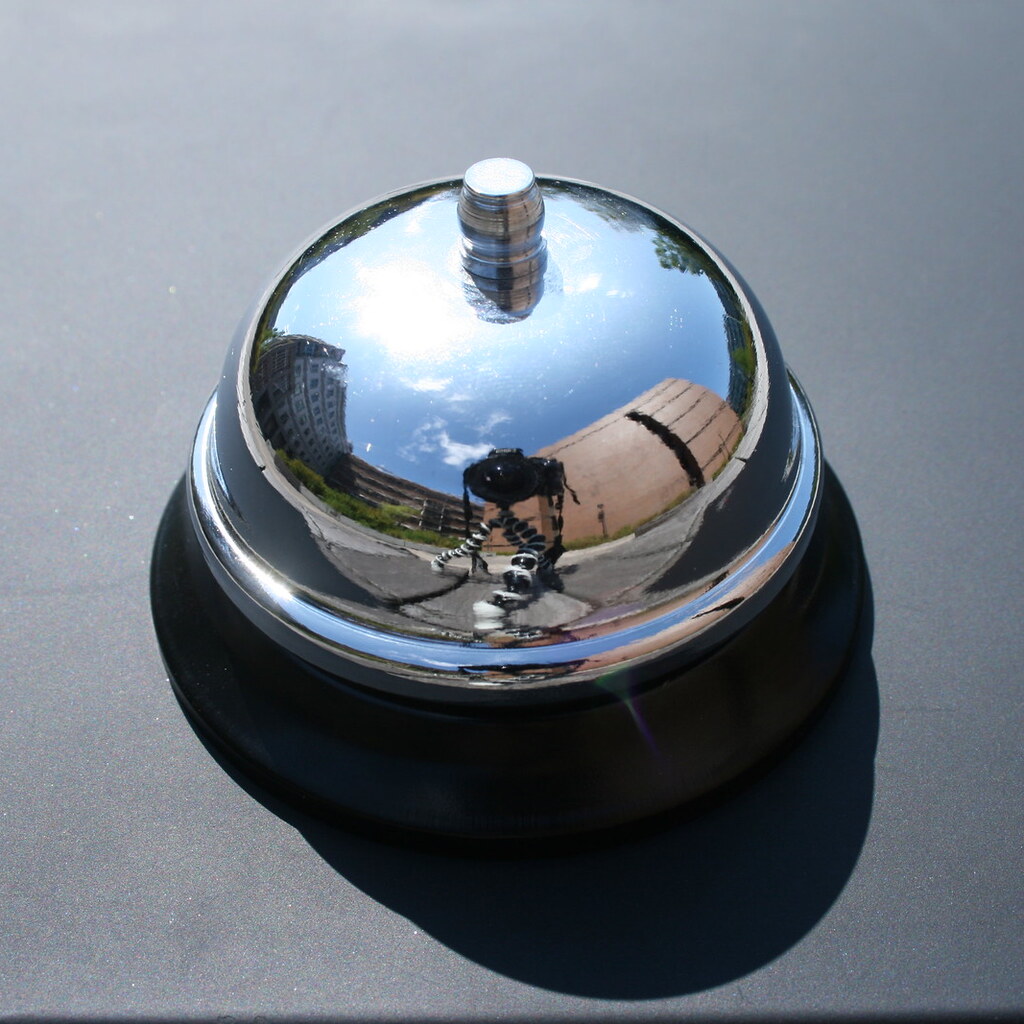

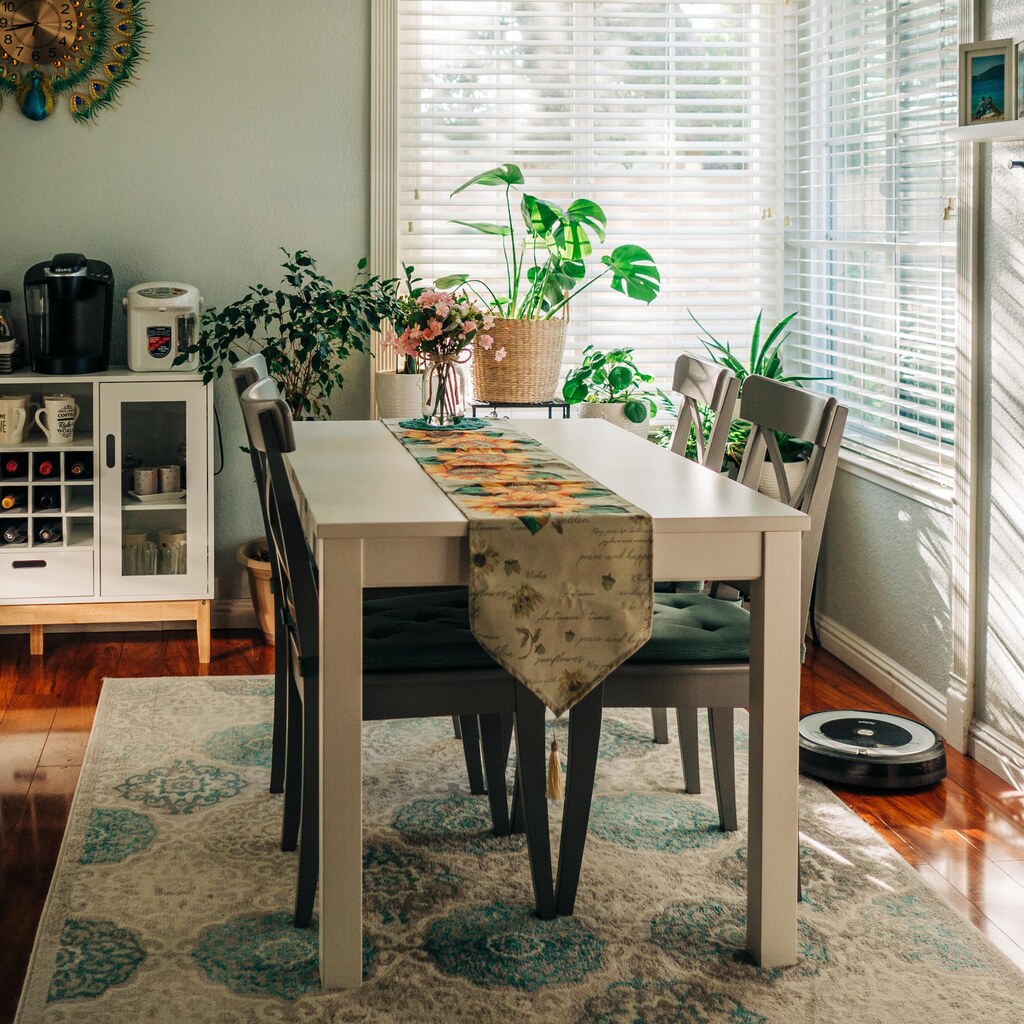

Dinner is the meal you eat at the end of the day, usually at around 5 or 6 o'clock. Dinner can be anything, but is usually some kind of meat and some vegetables.

Dinosaurs lived on the Earth millions of years ago. They came in a huge variety of shapes and sizes. Some dinosaurs were tall and walked on two legs, others walked on all fours. Some dinosaurs ate grass and leaves, other dinosaurs ate smaller dinosaurs.
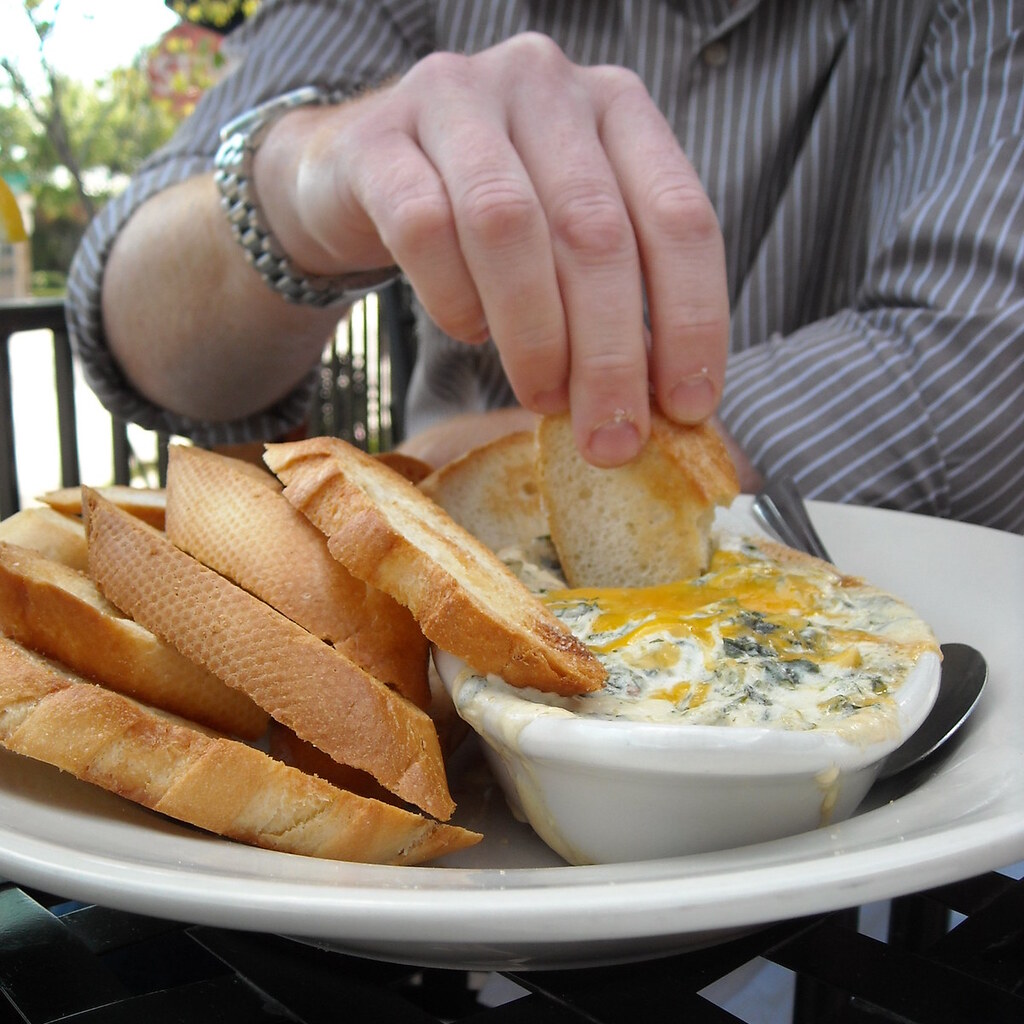
A dip can be one of many things. As a verb, you dip something by lowering it briefly into a liquid, for example the person in the picture is dipping some bread. The semi-liquid food he is dipping the bread into is also called a dip. Dips are very tasty, can be made from virtually anything, and are usually served with some kind of bread. Many dips are made with a yoghurt base.
A dip is also a shallow dent or depression in the ground, often seen where a drain crosses a road.
A dip is also a shallow dent or depression in the ground, often seen where a drain crosses a road.