Showing 21-40 of 49
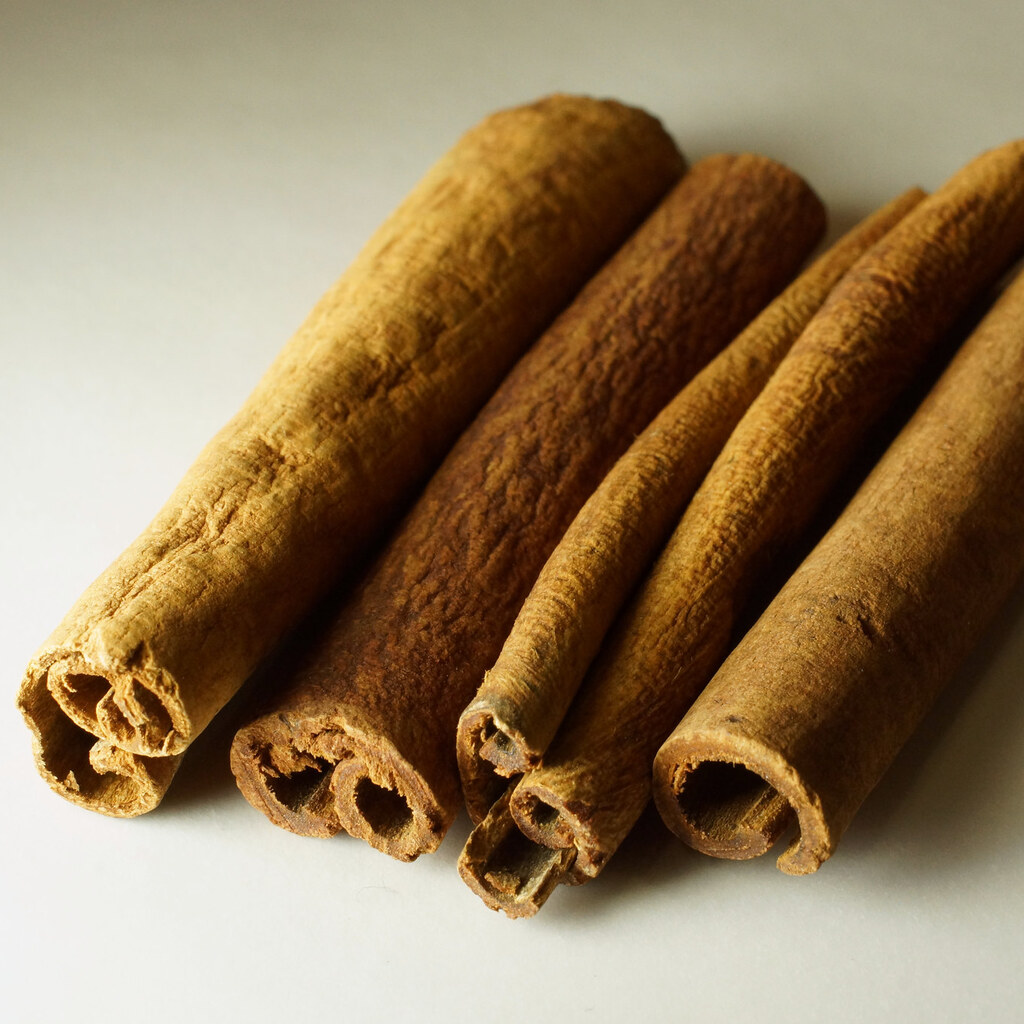
Cinnamon is made from the bark of a small tree native to Sri Lanka. The smell and taste comes from an oil that the plant makes. Cinnamon is usually sold as a powder in shops, and is simply the bark of the tree ground into powder.
Cinnamon is used in a lot of cooking, mostly in sweet desserts like chocolate dishes, apple pie and many cakes and cookies. Cinnamon is used with sugar on cinnamon donuts.
Cinnamon is used in a lot of cooking, mostly in sweet desserts like chocolate dishes, apple pie and many cakes and cookies. Cinnamon is used with sugar on cinnamon donuts.
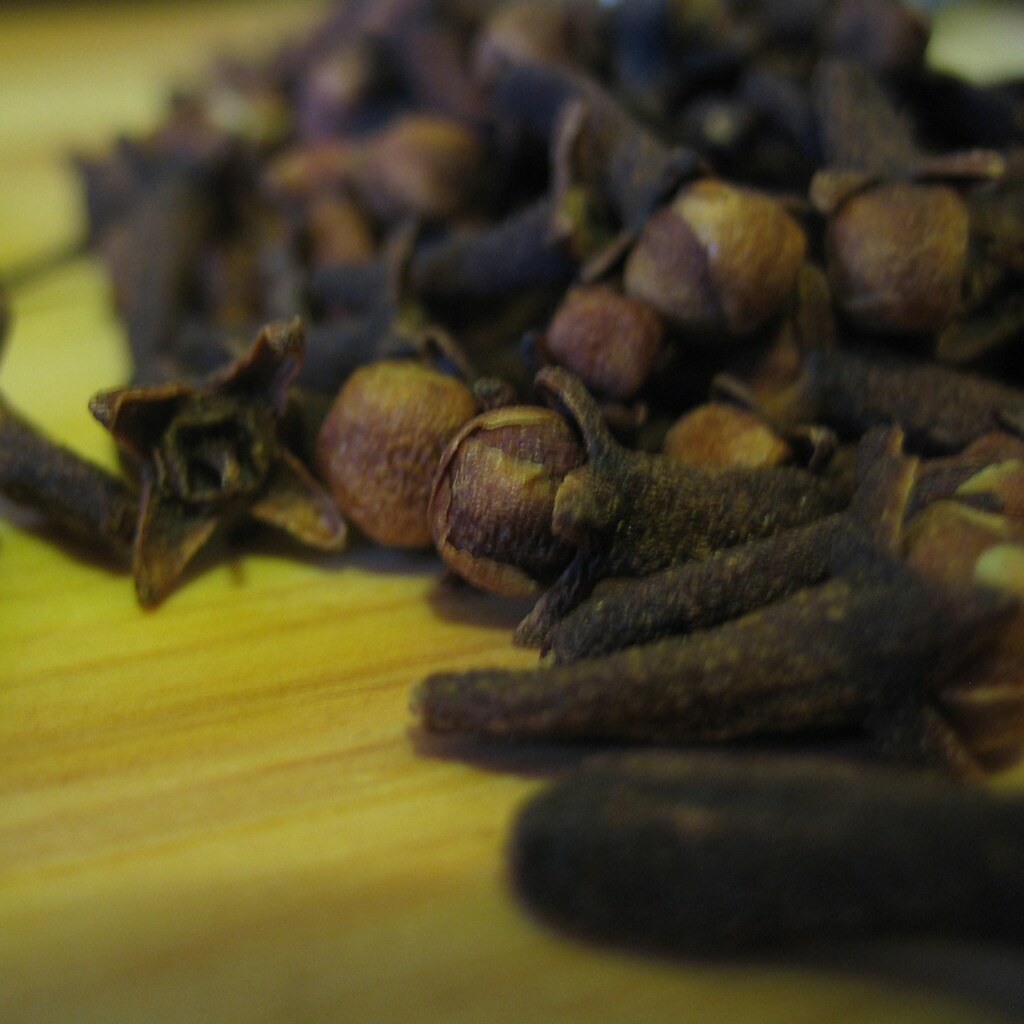
Cloves are the dried flower of a large evergreen tree native to Indonesia and India. They are used whole or ground up in baking, for making cakes, puddings and a lot of Mexican and Indian food. Cloves are very strong, and you don't need much of them to flavour food.
Clove oil can be used to stop sore teeth from hurting.
Clove oil can be used to stop sore teeth from hurting.
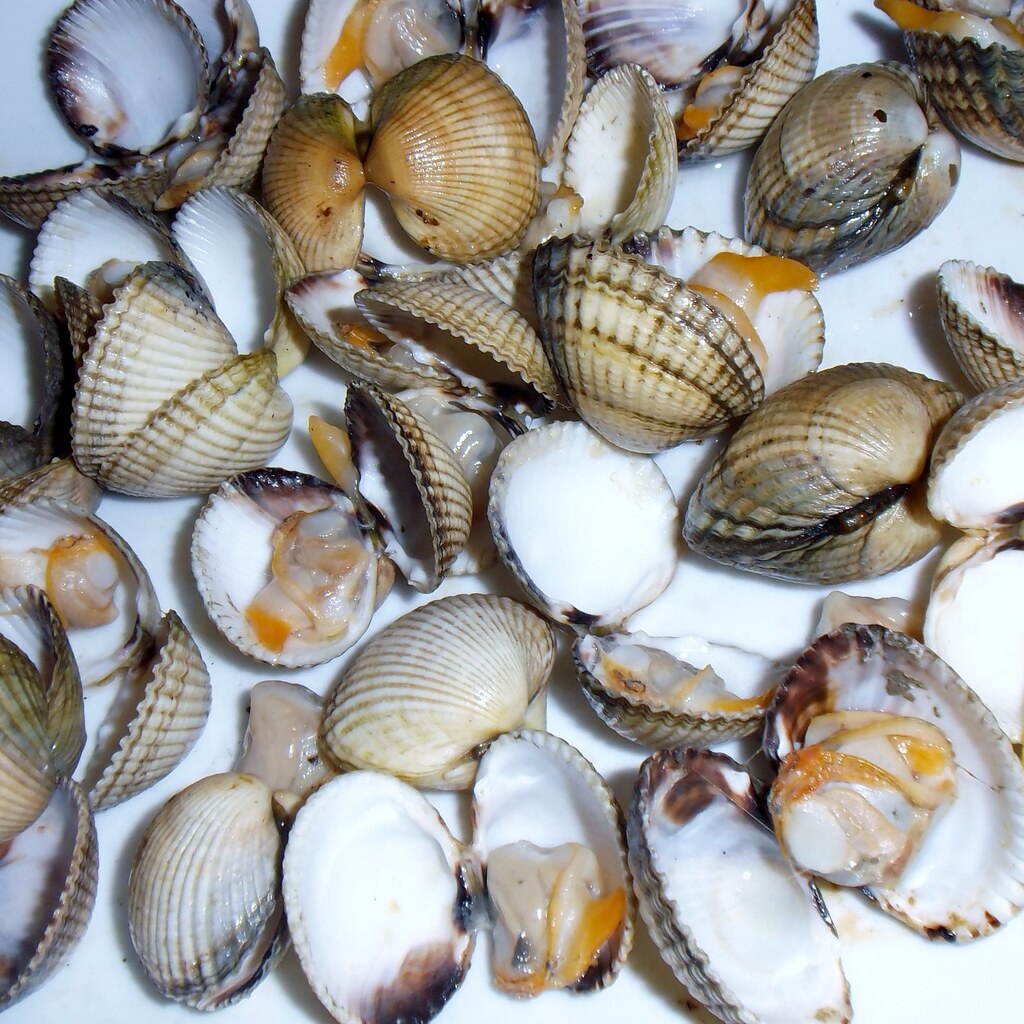
Cockles are related to clams, mussels and snails. They have a shell in two parts joined by a hinge. Cockles burrow into sandy beaches and eat tiny creatures in the water that washes over them.
Cockles can be caught and eaten. They are cooked in much the same way as other similar creatures like mussels.
Cockles can be caught and eaten. They are cooked in much the same way as other similar creatures like mussels.

A cocktail is an alcoholic drink with two or more ingredients. At least one of the ingredients is a strong, highly alcoholic beverage, and cocktails often contain 'mixers' like lemonade or fruit juice.
Cocktails are seen as a 'fun' drink and are often brightly coloured, and can be served in glasses decorated with pieces of fruit, small umbrellas or, as in the picture, herbs like mint leaves. Different mixes of cocktails are often given interesting (and sometimes embarrassing) names.
Cocktails are seen as a 'fun' drink and are often brightly coloured, and can be served in glasses decorated with pieces of fruit, small umbrellas or, as in the picture, herbs like mint leaves. Different mixes of cocktails are often given interesting (and sometimes embarrassing) names.

Cocoa beans are small seeds found inside cocoa pods. They come from the cacao tree, which is grown as a crop in tropical parts of the world.
After harvest, the beans are cleaned, fermented, and dried. Then they are roasted and ground to make cocoa powder and chocolate.
After harvest, the beans are cleaned, fermented, and dried. Then they are roasted and ground to make cocoa powder and chocolate.



A cookie is a sweet, baked food. Cookies are usually round and baked until they are crisp, and come in lots of different flavours. They are usually made with flour, sugar, butter and eggs and possibly spices, chocolate, nuts or dried fruit.
In some countries, cookies are called biscuits. If you think a biscuit is completely different to a cookie, you would probably consider a biscuit a kind of scone.
In some countries, cookies are called biscuits. If you think a biscuit is completely different to a cookie, you would probably consider a biscuit a kind of scone.
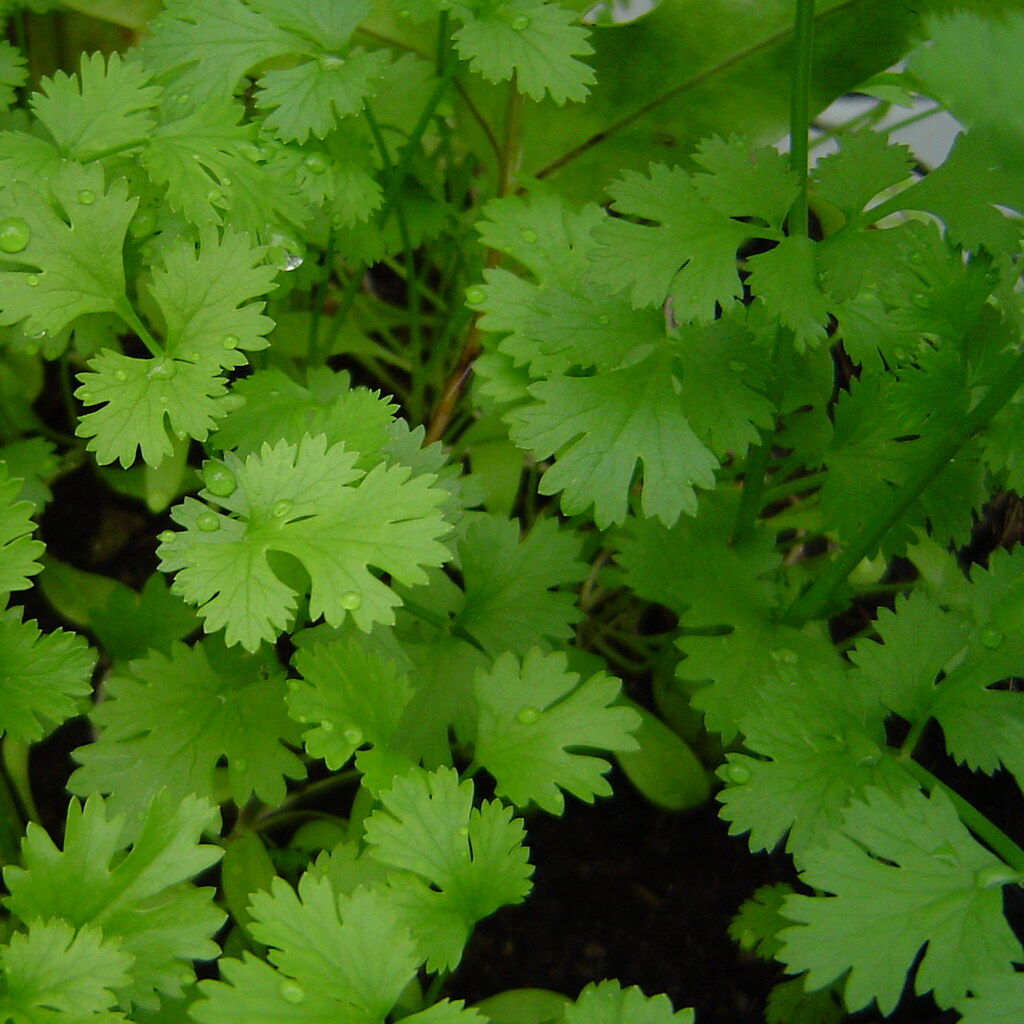
Coriander, also called Chinese Parsley, is a soft, fast-growing annual herb - it lives for a year or less. It is very easy to grow from its big, round seeds. It is best planted in early Spring, and again in Autumn in warmer areas. In warm weather it will go to seed very fast so it is best to plant it in a cool, sheltered spot.
Coriander leaves are is used fresh in a lot of Asian - particularly Thai, Middle Eastern and African cooking. It is also used in some South American dishes. Both the fresh leaves and the dried seed, powdered or whole, are used in cooking. Ground coriander seed is one of the main ingredients in curry powders and mixed spice. Coriander is also used to flavour cakes, cooked fruits and cookies and goes very well with chicken, fish and vegetable dishes. Coriander is though to help digestion and is useful in treating colic.
Coriander leaves are is used fresh in a lot of Asian - particularly Thai, Middle Eastern and African cooking. It is also used in some South American dishes. Both the fresh leaves and the dried seed, powdered or whole, are used in cooking. Ground coriander seed is one of the main ingredients in curry powders and mixed spice. Coriander is also used to flavour cakes, cooked fruits and cookies and goes very well with chicken, fish and vegetable dishes. Coriander is though to help digestion and is useful in treating colic.
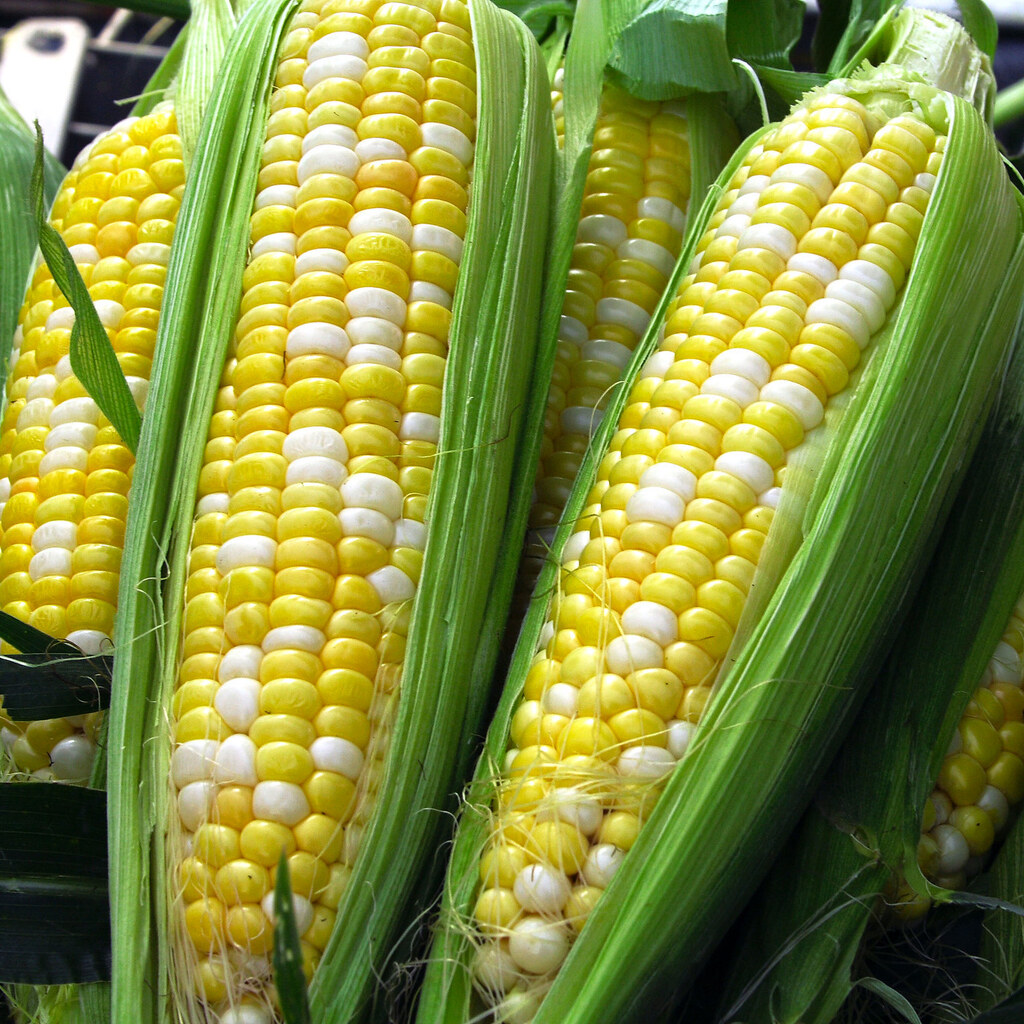
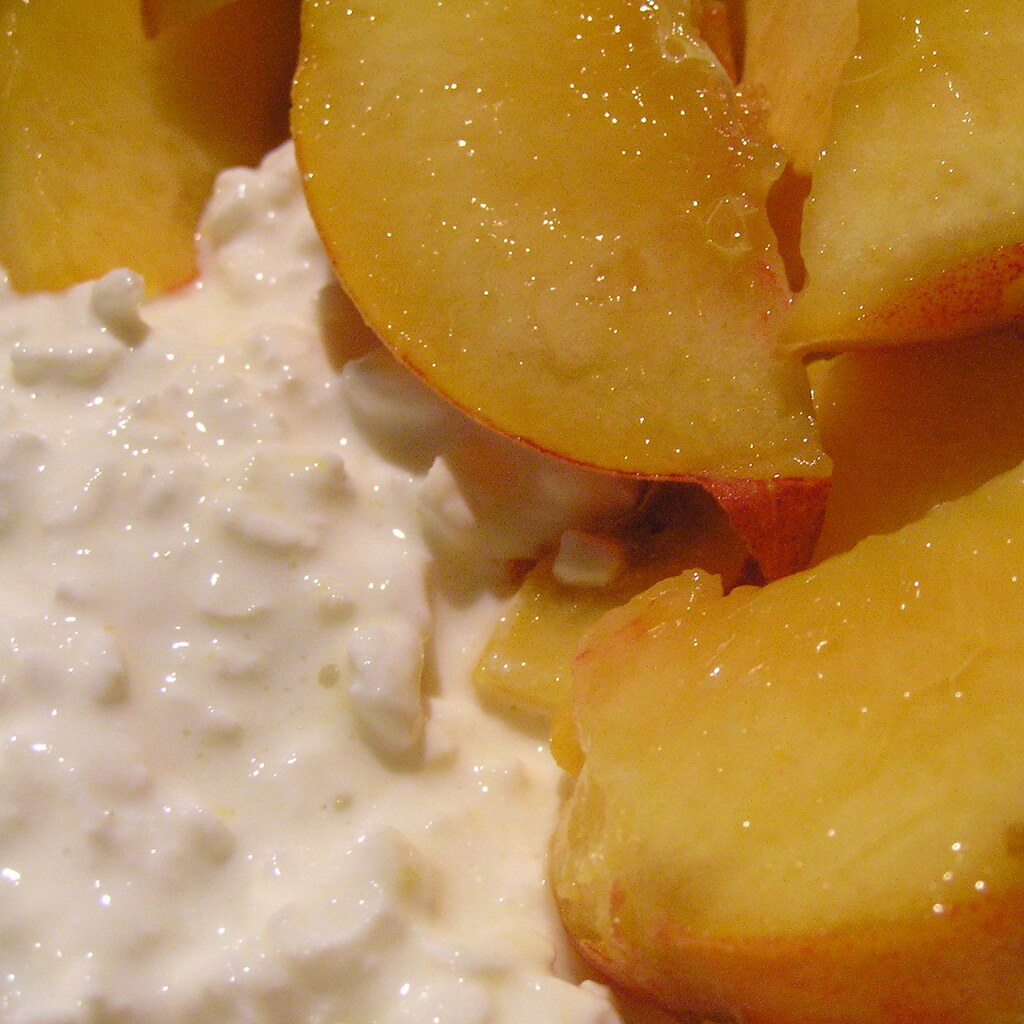

C is for Cotton candy
Cotton candy is made by spinning hot, melted sugar into fine threads, and then gathering the threads onto a stick. It has the texture of soft wool or cotton when it is fresh, but gets rougher as it absorbs moisture from the air.
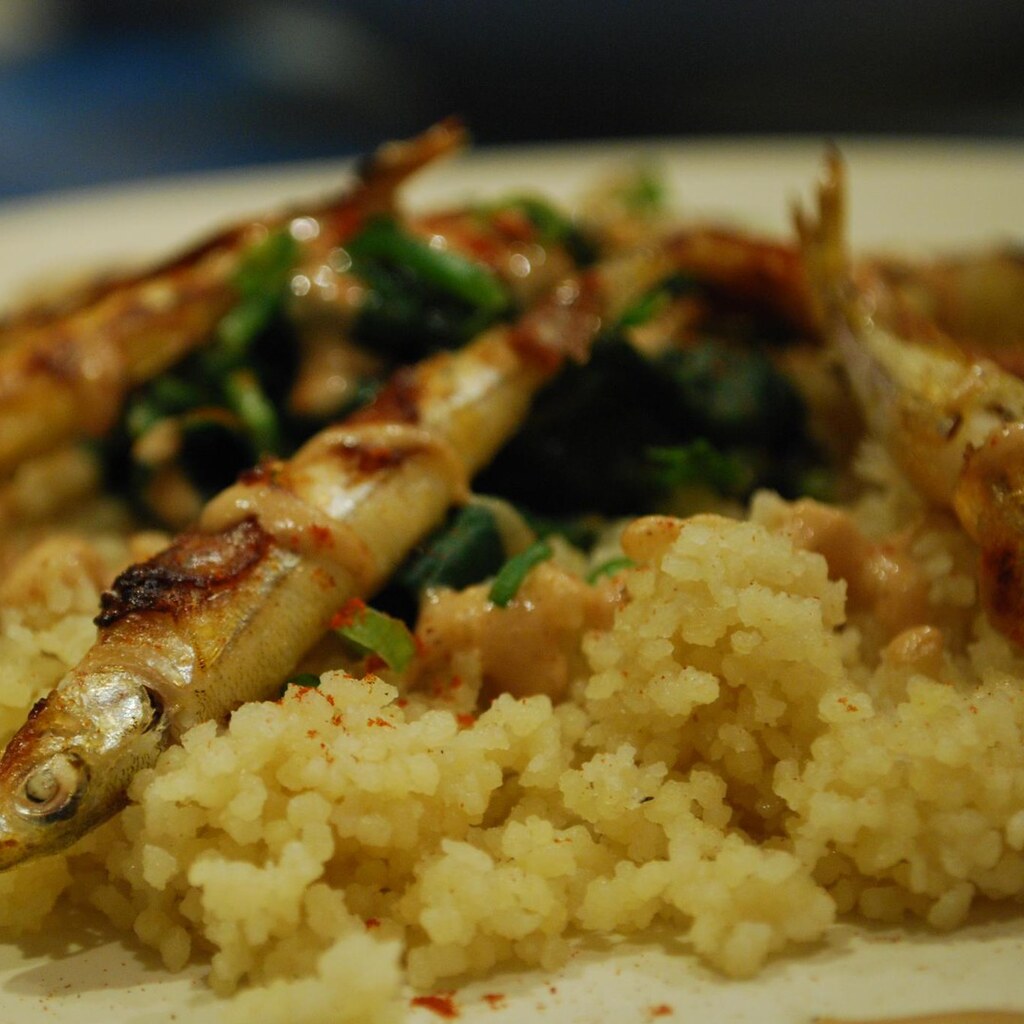
Couscous is made from taking coarsely milled grain, dampening it, rubbing it into tiny granules and lightly flouring the granules so they don't stick together. The couscous is then dried and stored.
Couscous can be made from most grains, but is usually made from wheat, sorghum or quinoa. It is traditionally cooked by slowly steaming it over a cooking stew until it is light and fluffy. Modern couscous has been pre-steamed and then dried, and can be prepared by covering it in boiling water or a stock. Pre-steamed couscous can be cooked in about 5 minutes.
Couscous can be made from most grains, but is usually made from wheat, sorghum or quinoa. It is traditionally cooked by slowly steaming it over a cooking stew until it is light and fluffy. Modern couscous has been pre-steamed and then dried, and can be prepared by covering it in boiling water or a stock. Pre-steamed couscous can be cooked in about 5 minutes.

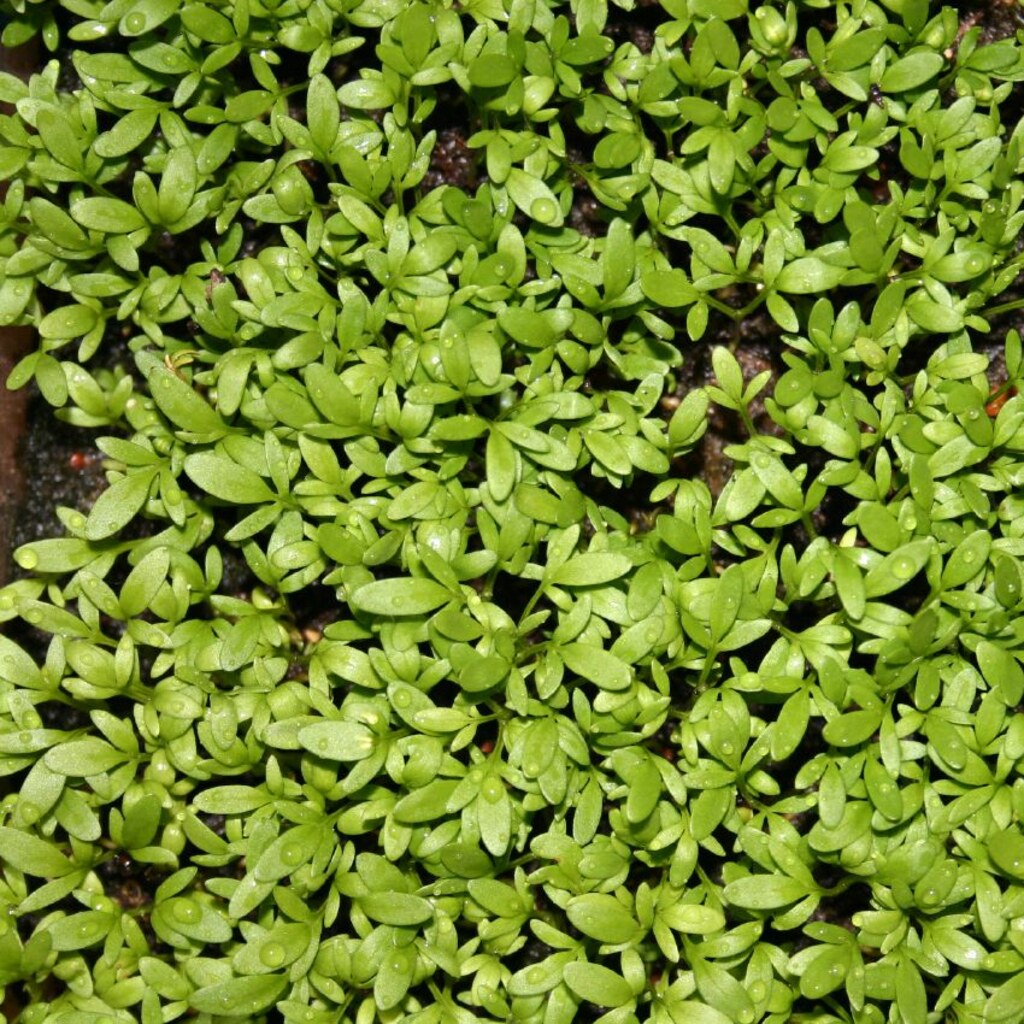
Cress is a herb with a very sharp, peppery taste that is very easy to grow. It is related to mustard.
Cress can be grown inside by sprinkling the seeds over some damp potting soil and left on a window ledge. Cress can be harvested simply by cutting the plants off with scissors when they have a few leaves.
Cress is very tasty on salads, or in egg and cress sandwiches.
Cress can be grown inside by sprinkling the seeds over some damp potting soil and left on a window ledge. Cress can be harvested simply by cutting the plants off with scissors when they have a few leaves.
Cress is very tasty on salads, or in egg and cress sandwiches.