
Showing 41-58 of 58

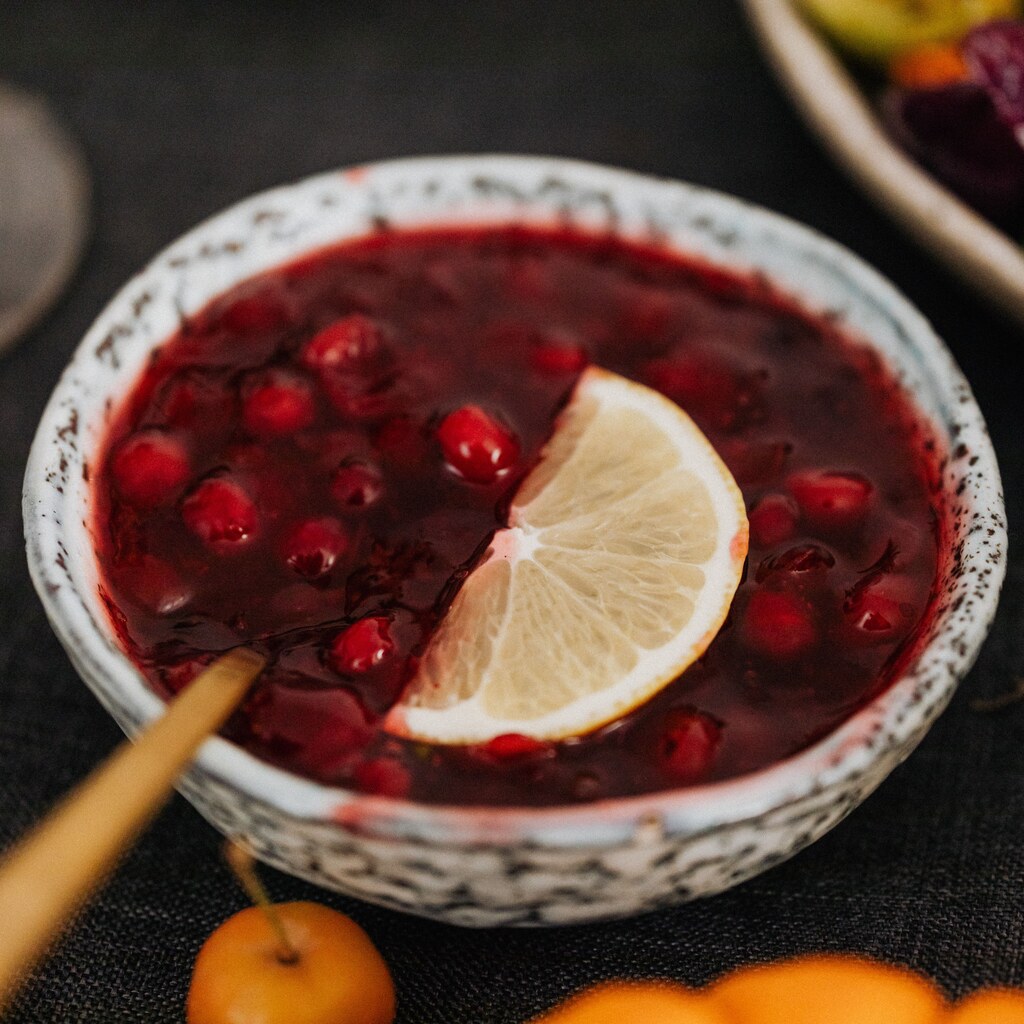
C is for Cranberry sauce
Cranberries are native to North America, and Indigenous peoples used them before European settlement. The modern sauce is commonly served with turkey at Thanksgiving and Christmas meals in the United States and Canada.
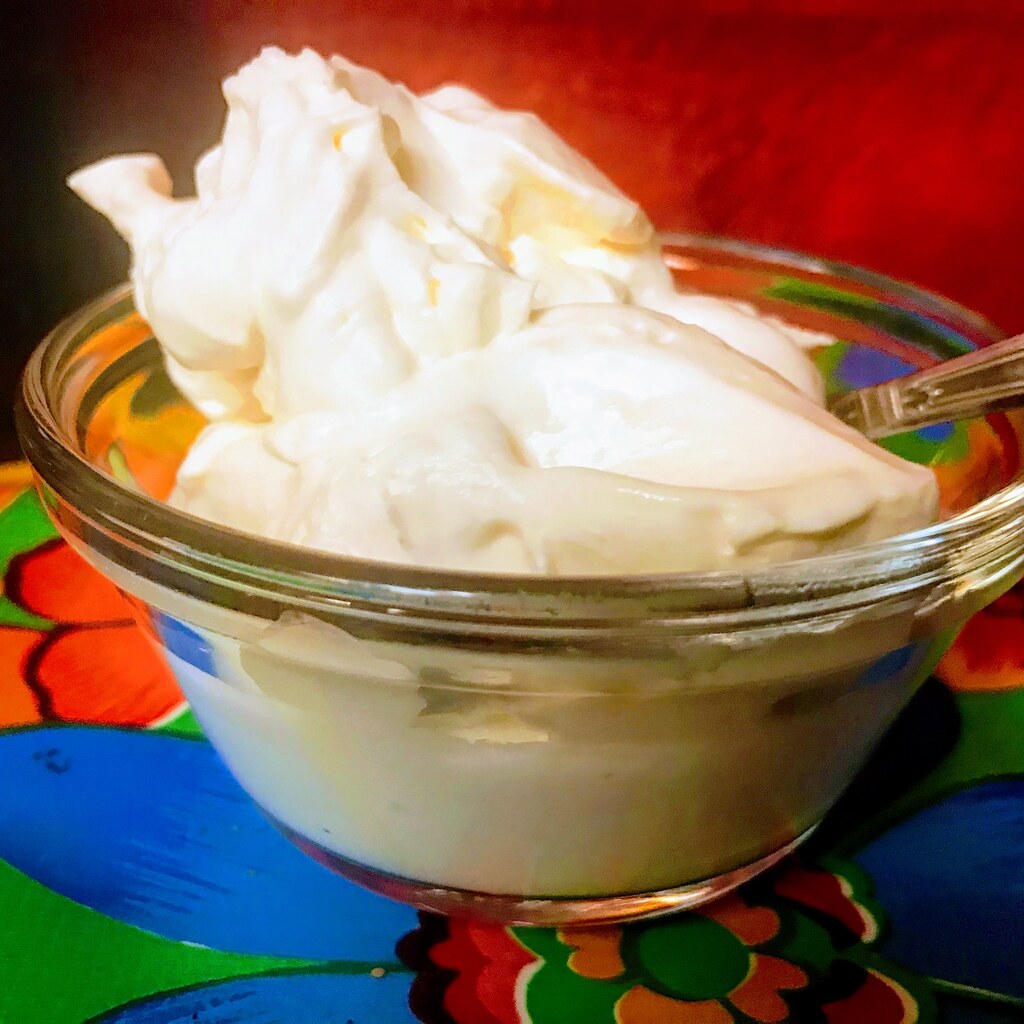

C is for Cream (Cheese)
Cream cheese was developed in the United States in the 1800s. People eat it on bagels, bread, and crackers, and use it in cheesecakes and frostings.

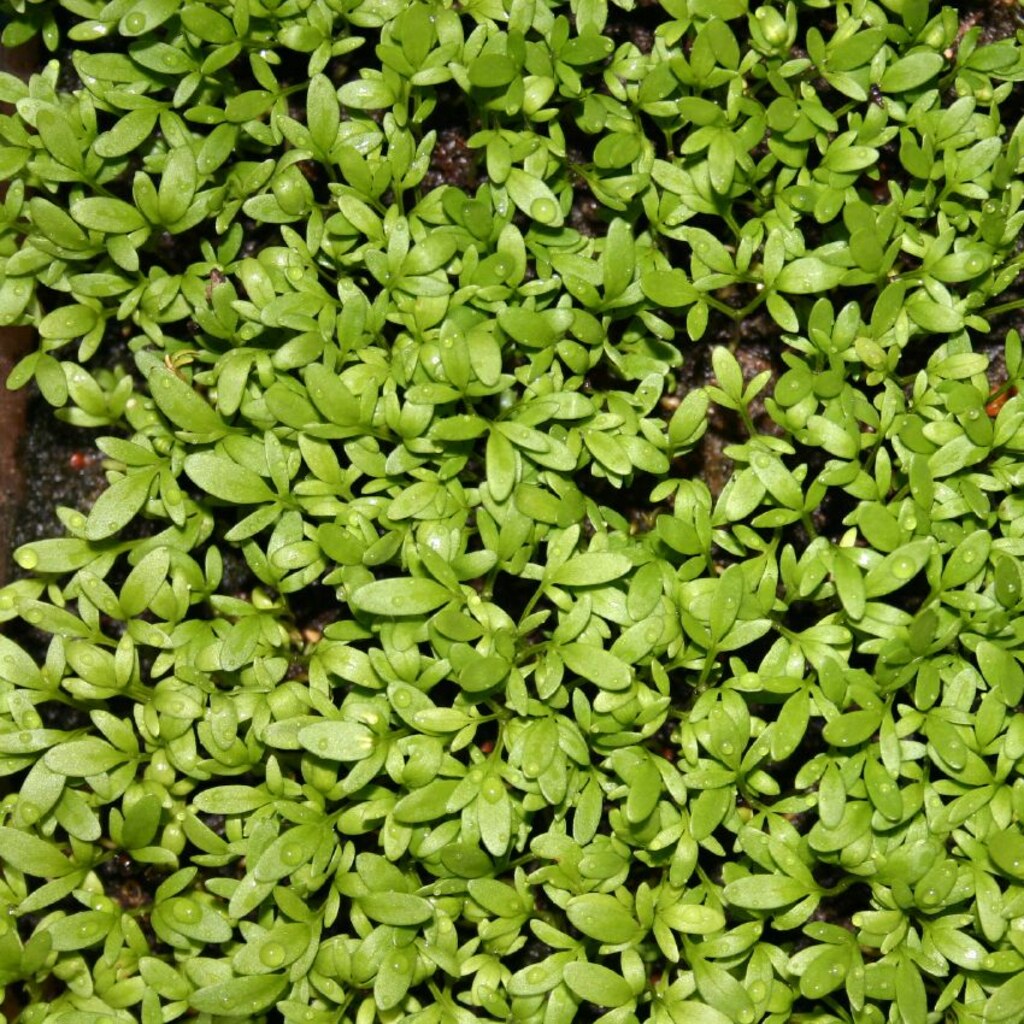
Cress is a herb with a very sharp, peppery taste that is very easy to grow. It is related to mustard.
Cress can be grown inside by sprinkling the seeds over some damp potting soil and left on a window ledge. Cress can be harvested simply by cutting the plants off with scissors when they have a few leaves.
Cress is very tasty on salads, or in egg and cress sandwiches.
Cress can be grown inside by sprinkling the seeds over some damp potting soil and left on a window ledge. Cress can be harvested simply by cutting the plants off with scissors when they have a few leaves.
Cress is very tasty on salads, or in egg and cress sandwiches.


A croissant is a French pastry made from layers of yeast-risen puff pastry and butter. It is made into the shape of a crescent moon.

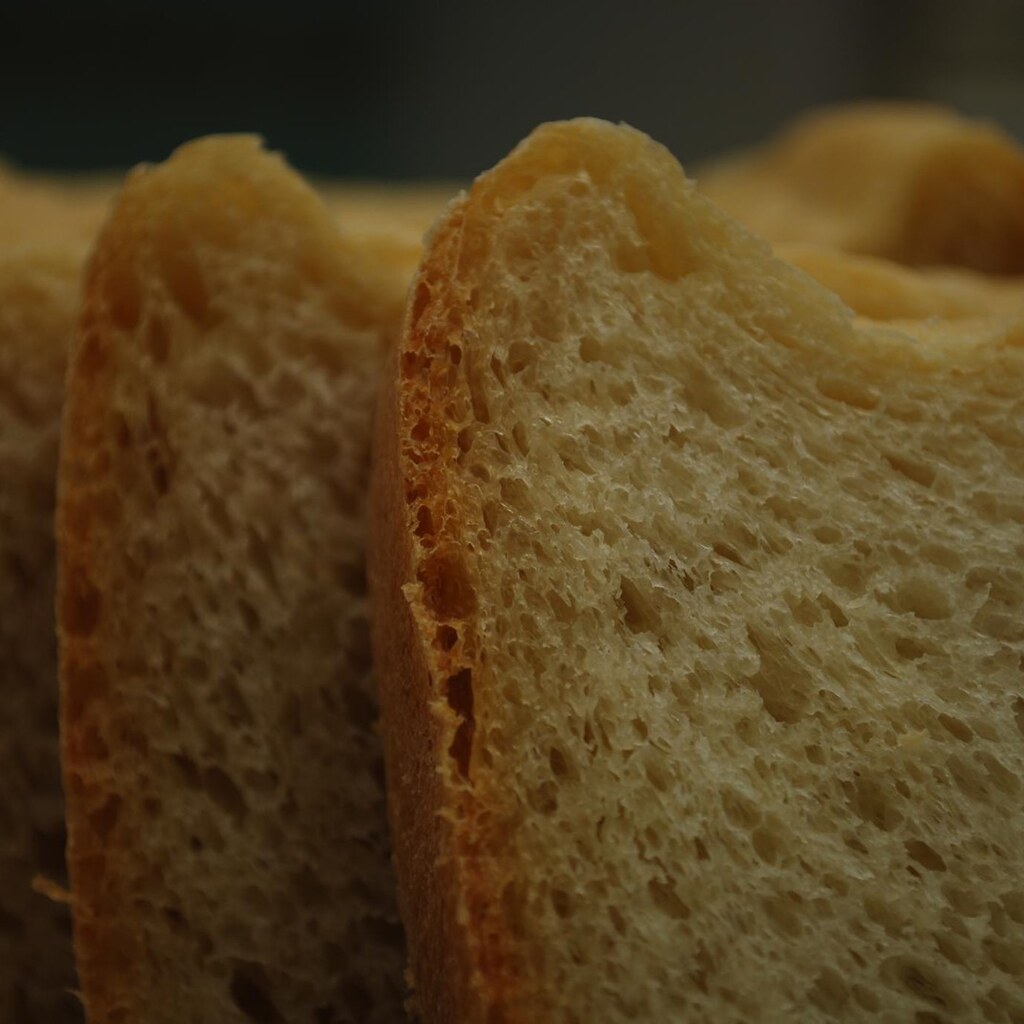




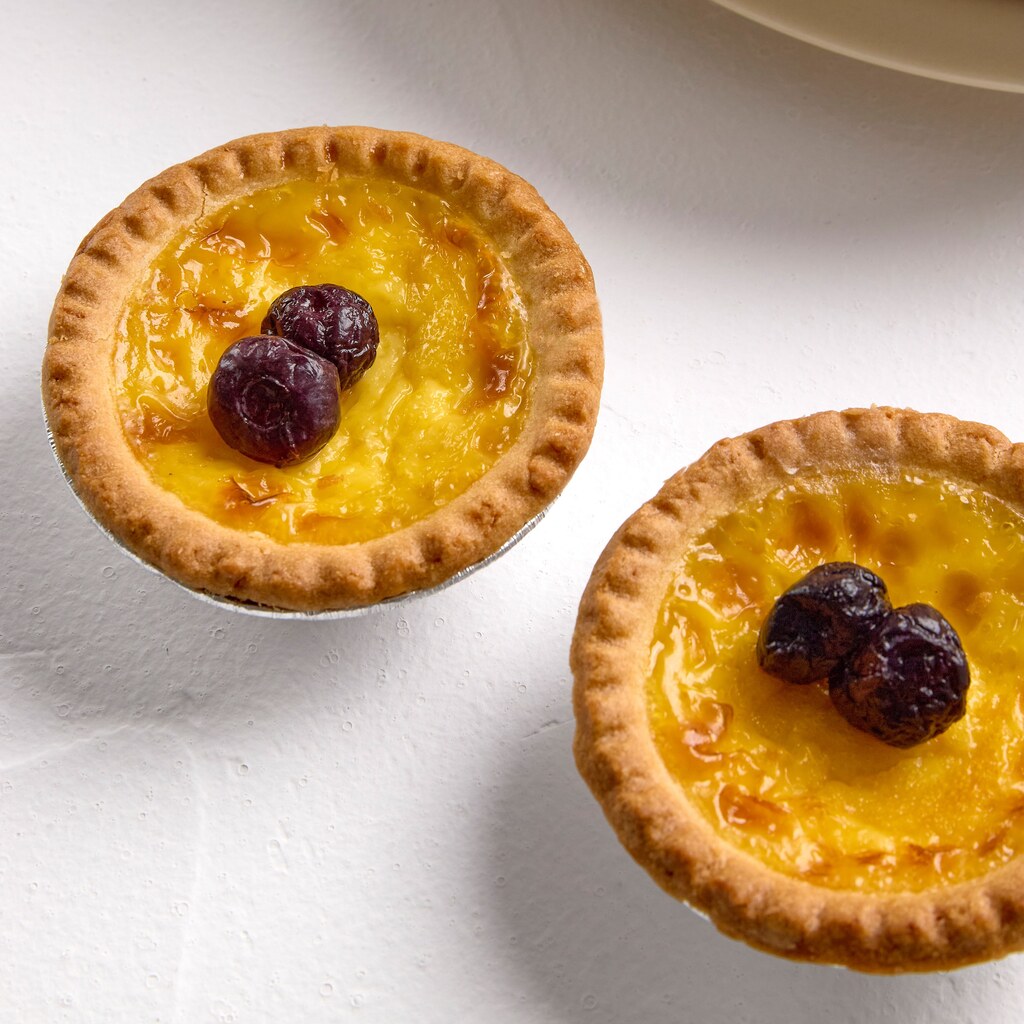
C is for Custard tart
Custard tarts have been made in Britain since at least the Middle Ages. Portuguese pastel de nata is a small regional version made with flaky pastry and a browned top.