Showing 81-88 of 88
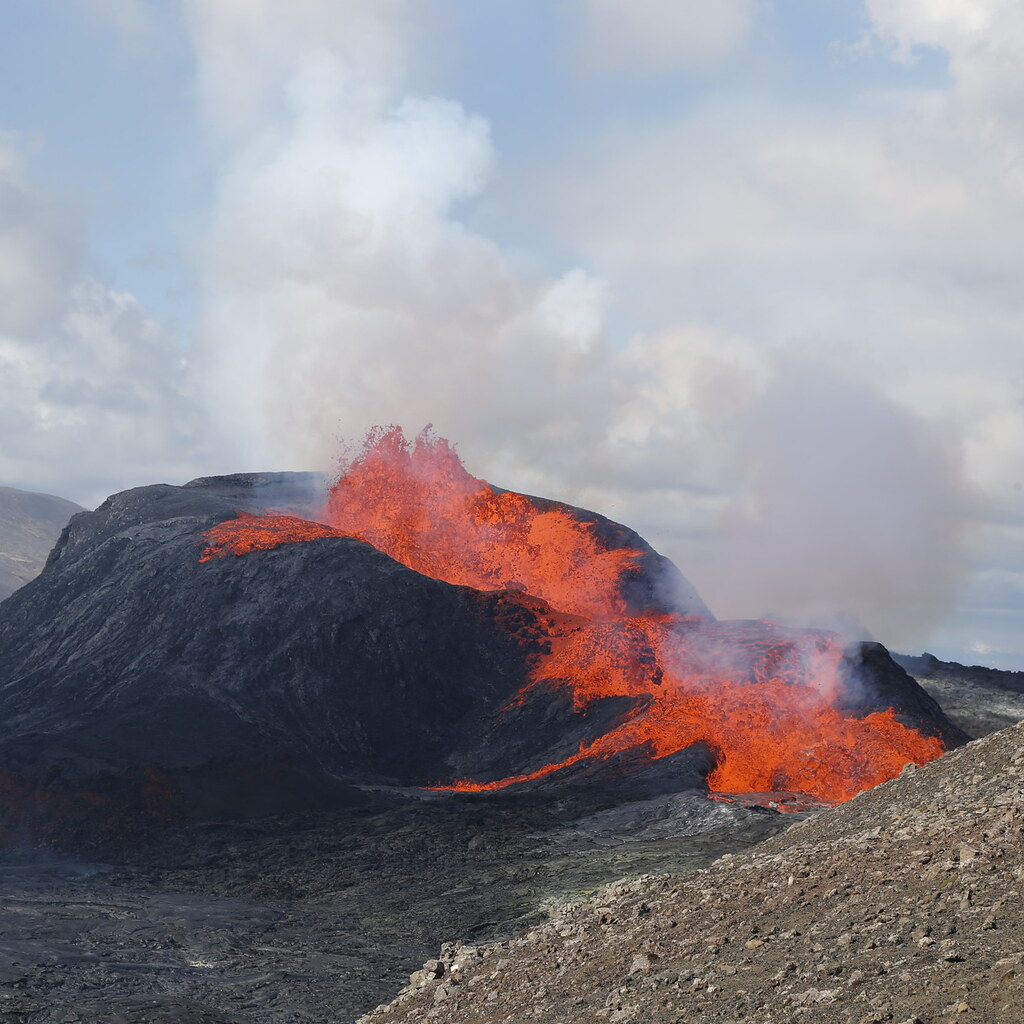
A volcano develops where parts of the Earth's outer crust are either coming together or pulling apart. Many of these places are deep under the sea, but some are on land. The most distinctive volcanoes are cone-shaped mountains made of ash and lava, like the volcano in the picture.
Volcanos can be very dangerous and erupt without much warning. The area around them can be prone to earthquakes, and water that flows from the ground near them can be very hot - called hot springs. When a volcano erupts, molten rock and ash can be thrown huge distances, and can even bury an entire town.
Volcanos can be very dangerous and erupt without much warning. The area around them can be prone to earthquakes, and water that flows from the ground near them can be very hot - called hot springs. When a volcano erupts, molten rock and ash can be thrown huge distances, and can even bury an entire town.
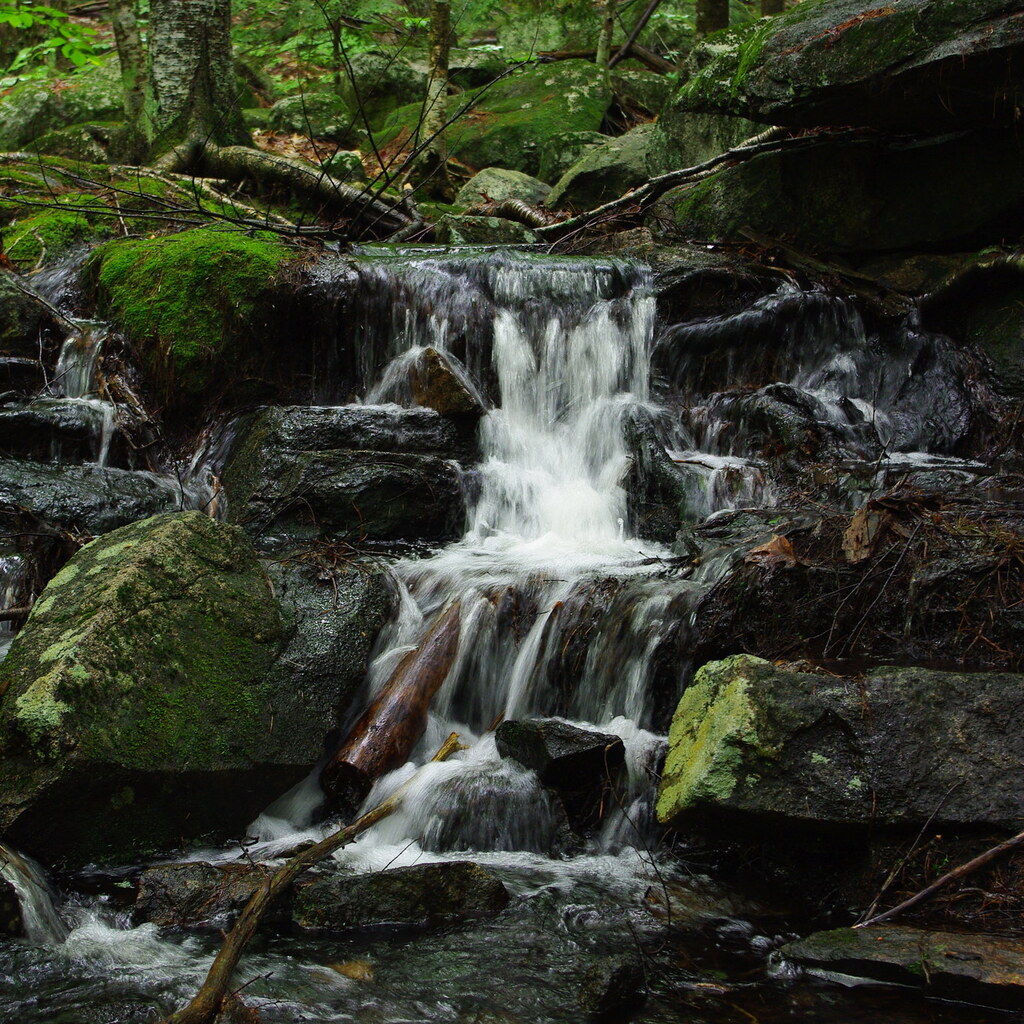
A waterfall happens when a creek or river flows over a cliff. Waterfalls can be tiny, only a few inches high, or they can be many hundreds of metres high.
Waterfalls form when a river flows over rocks that are different hardness. The river will erode the softer rock faster than the harder rock, and over a long time a waterfall gradually appears.
Waterfalls form when a river flows over rocks that are different hardness. The river will erode the softer rock faster than the harder rock, and over a long time a waterfall gradually appears.
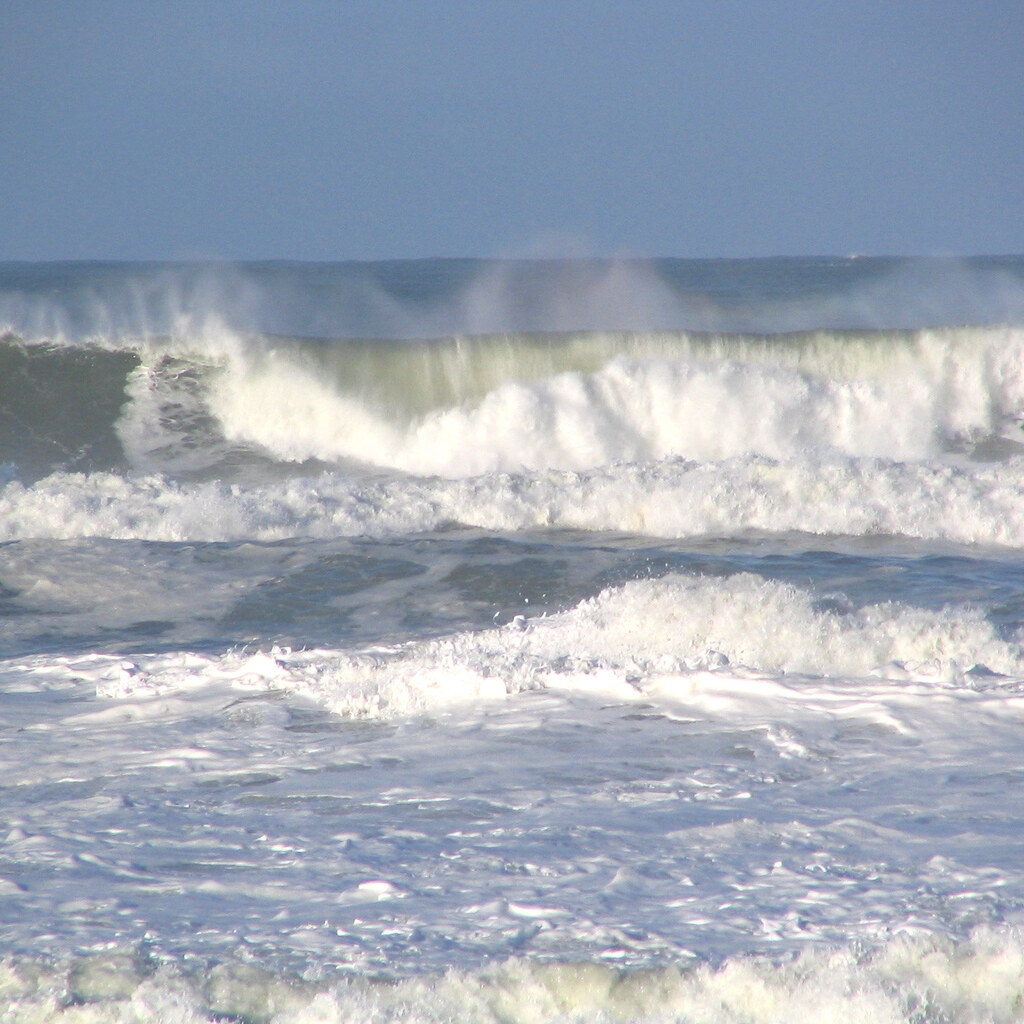
W is for Wave (Sea)
Waves usually only break and make the familiar frothy edge on the wave when they reach the shore. They sometimes break out at sea when they get too steep. Surfers like to surf on breaking waves. The wave in the picture is breaking onto a beach.