Showing 61-80 of 197
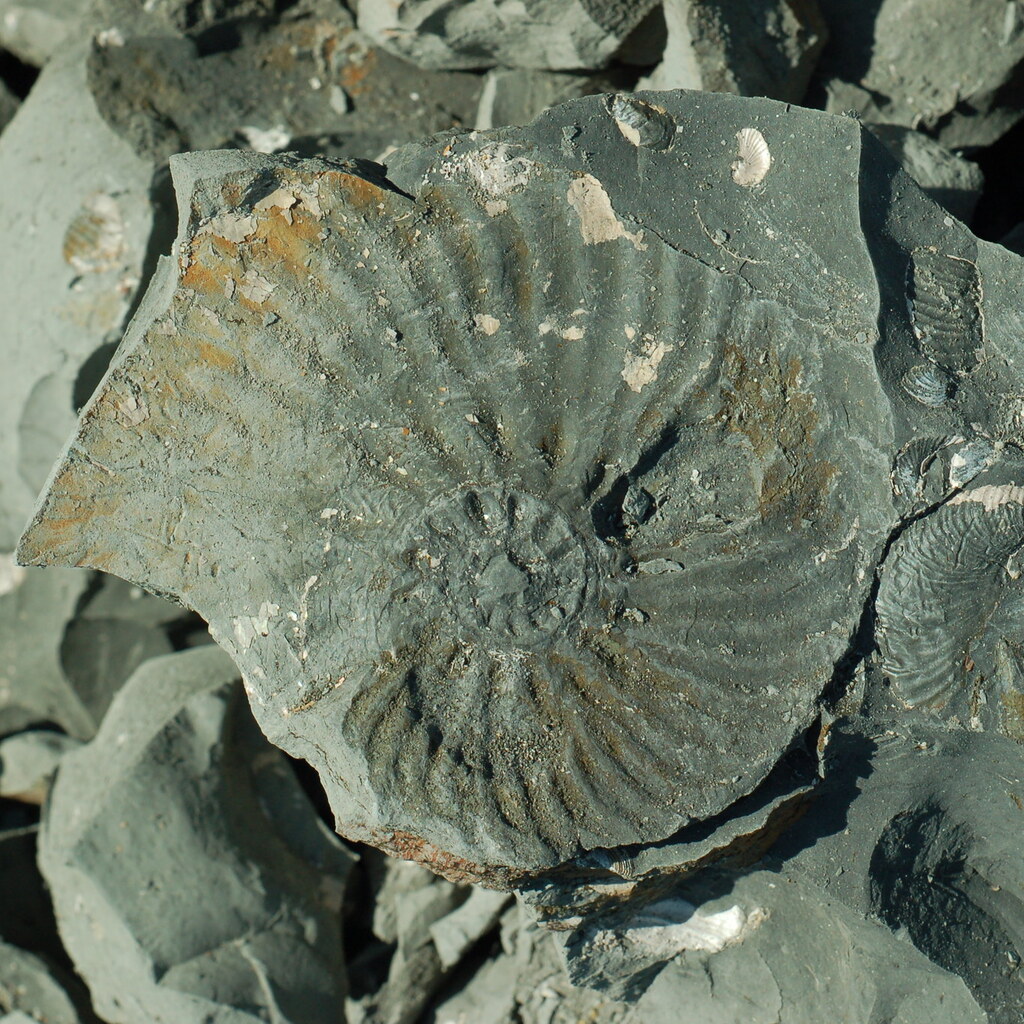
When an animal or plant dies and is buried under the ground with the right conditions for thousands or even millions of years, it turns to stone. Later when we dig them back up, we call them a fossil. When something has been turned into a fossil it is fossilised.
People have found fossils of all sized creatures, from tiny sea snails, to frogs, right up to enormous dinosaurs. Most of the creatures that people find as fossils are extinct - you can no longer see a living animal of that kind.
The fossil in the picture is a trilobite.
People have found fossils of all sized creatures, from tiny sea snails, to frogs, right up to enormous dinosaurs. Most of the creatures that people find as fossils are extinct - you can no longer see a living animal of that kind.
The fossil in the picture is a trilobite.
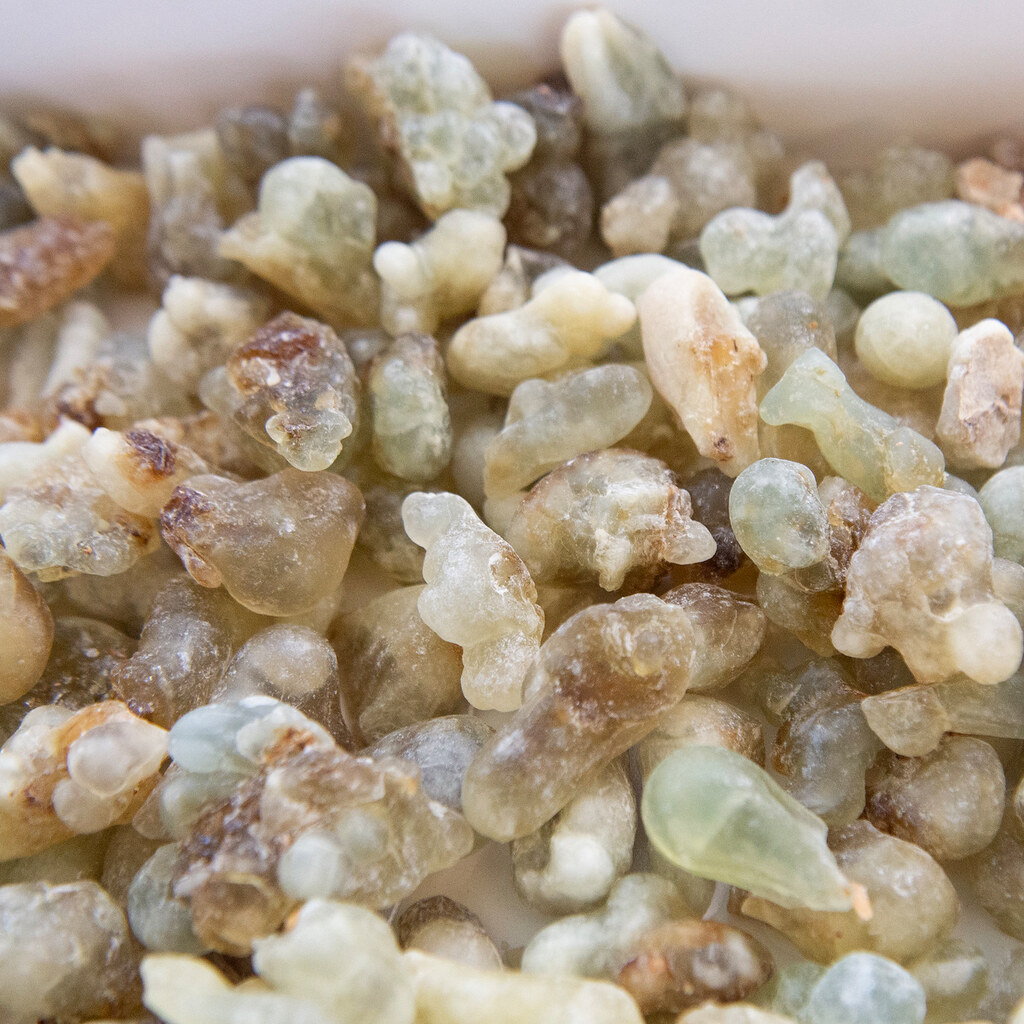
F is for Frankincense
Frankincense is burned as incense to make a pleasant smell. Smoke from burning it is used in religious ceremonies, or just to enjoy the smell. It is also used in perfumes and some medicines. It comes from parts of Africa and the Middle East.
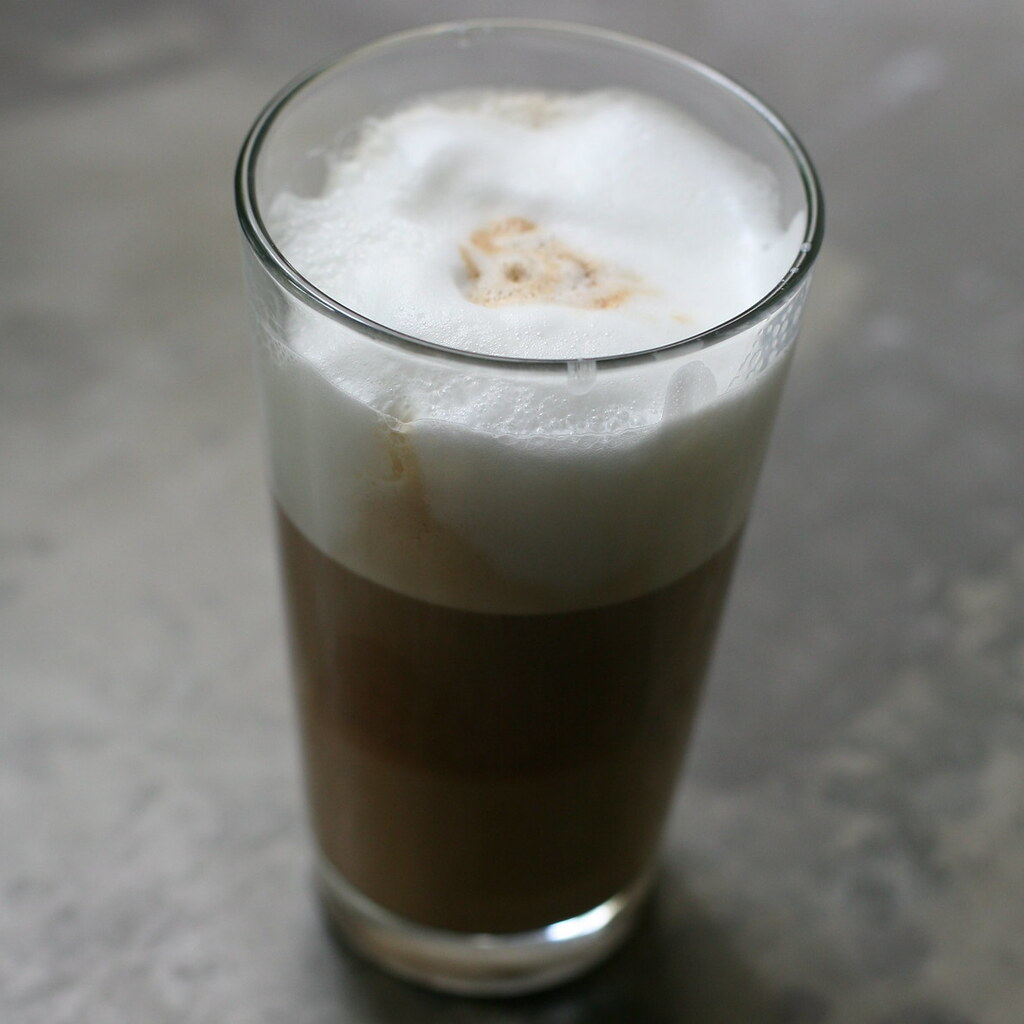
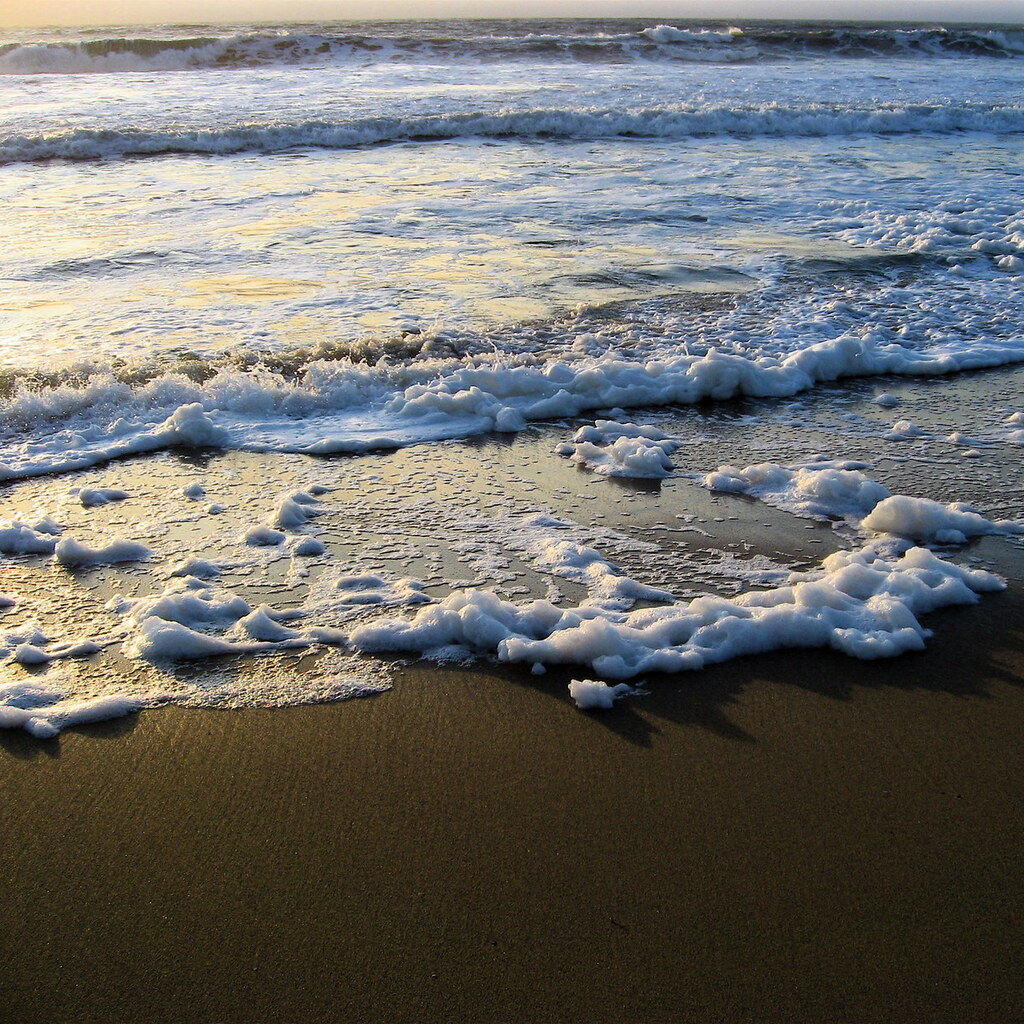
Froth is a collection of tiny bubbles that makes a kind of soft foam. Froth is often found on the top of cappuccinos, and on the seashore.

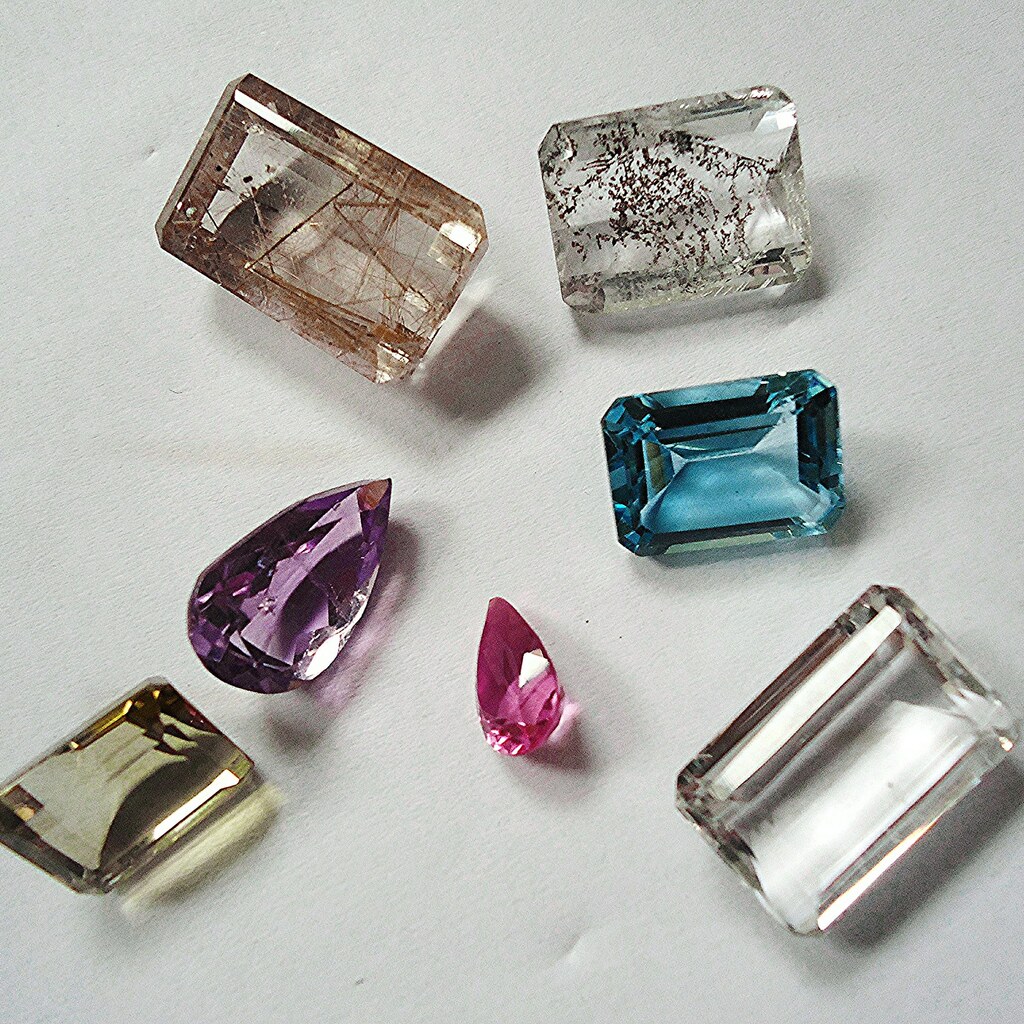
Garnet is a group of related stones, the most popular of which is a deep red. Until the chemical composition was known, red semiprecious gemstones were called carbuncles.
Garnets have a particular chemical formula of two metals, usually calcium, magnesium or iron and aluminium, iron or chromium bound to silicon oxide - the general forumula is X3Y2(SiO4)3.
Garnets have a particular chemical formula of two metals, usually calcium, magnesium or iron and aluminium, iron or chromium bound to silicon oxide - the general forumula is X3Y2(SiO4)3.

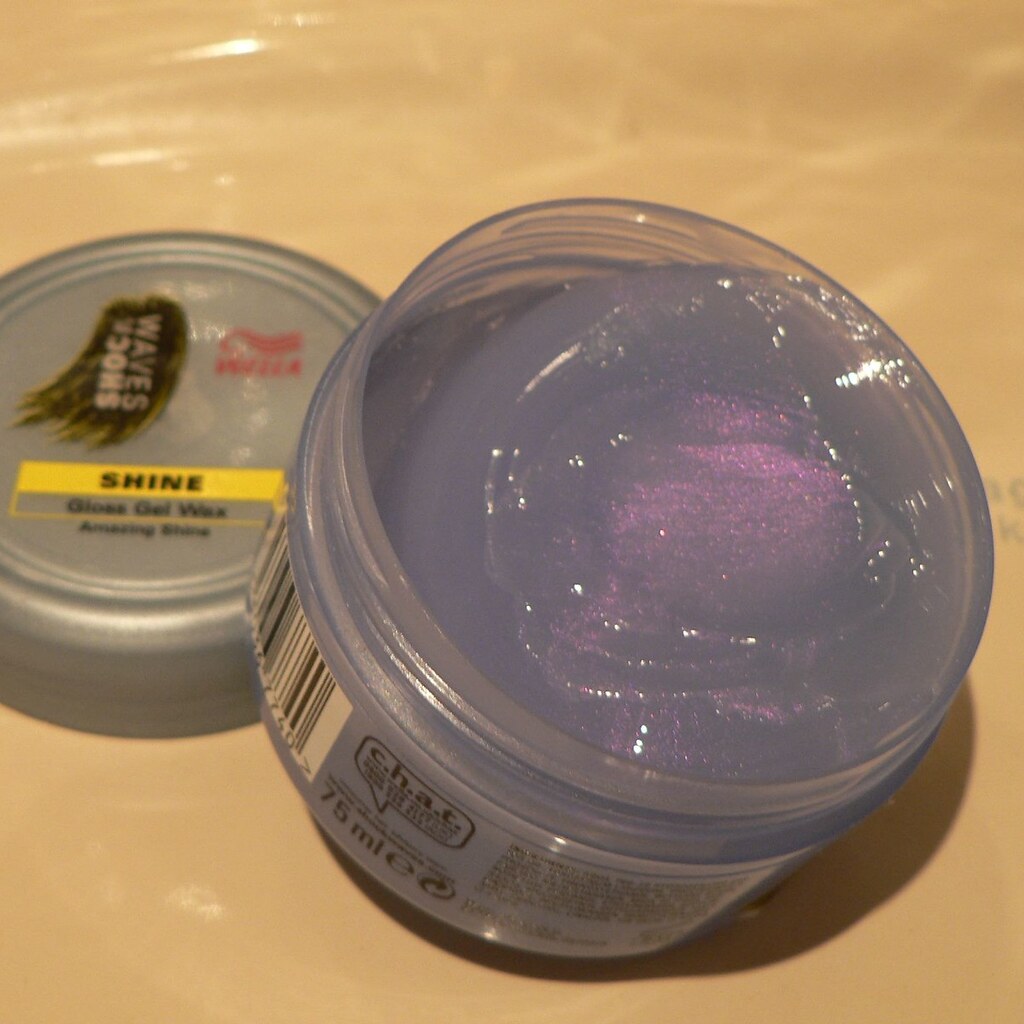
A gel is a type of solid that has some liquid properties too. Gels keep their shape like solids, but with enough time will flow like a liquid. A lot of common items are gels, like hair gel, toothpaste, jello, soft contact lenses and breast implants.
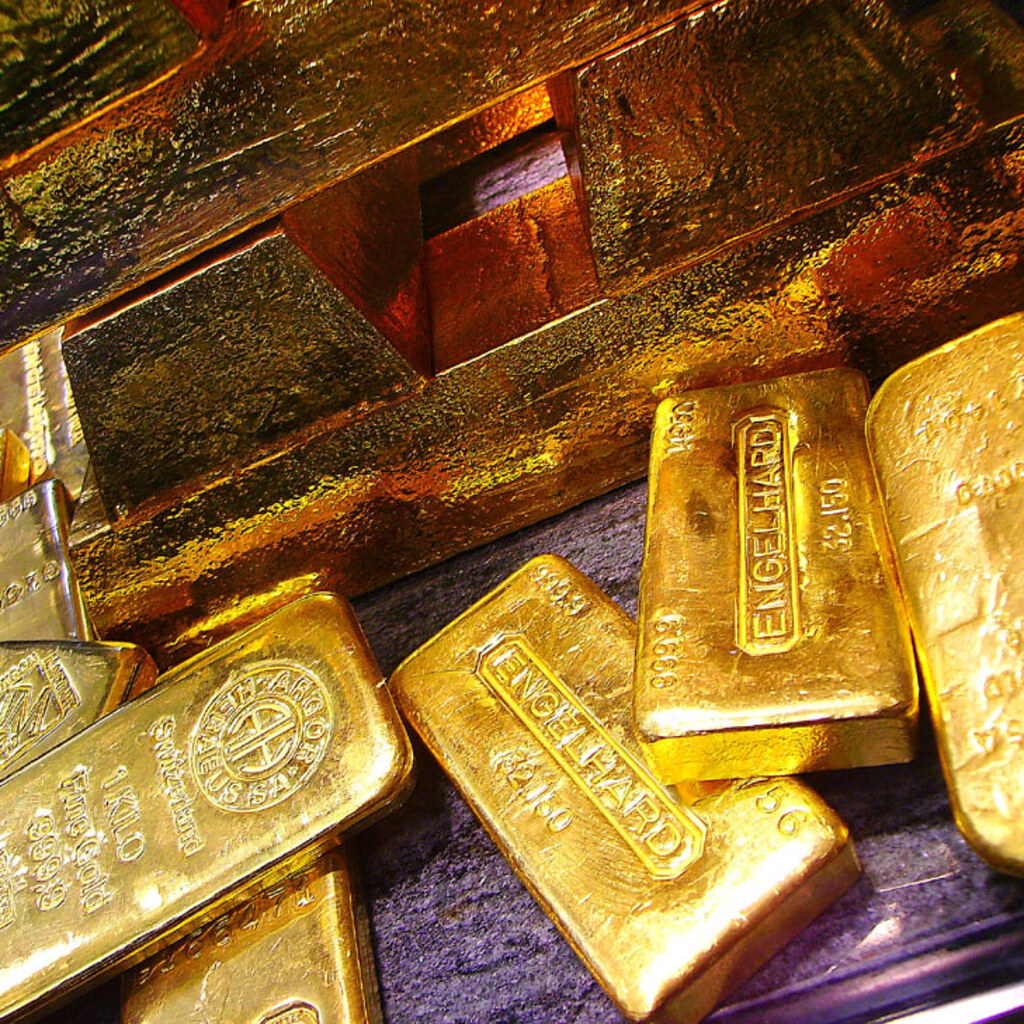
Gold is a heavy, soft, yellow metal that is easy to work with. It is the softest metal, and is very dense, much denser than lead.
Gold is very stable and is used to coat other more reactive metals to protect them, but its primary use is in jewelery. Pure gold is too soft to make jewelery out of, and is usually mixed with silver, copper and other metals.
Gold is very stable and is used to coat other more reactive metals to protect them, but its primary use is in jewelery. Pure gold is too soft to make jewelery out of, and is usually mixed with silver, copper and other metals.
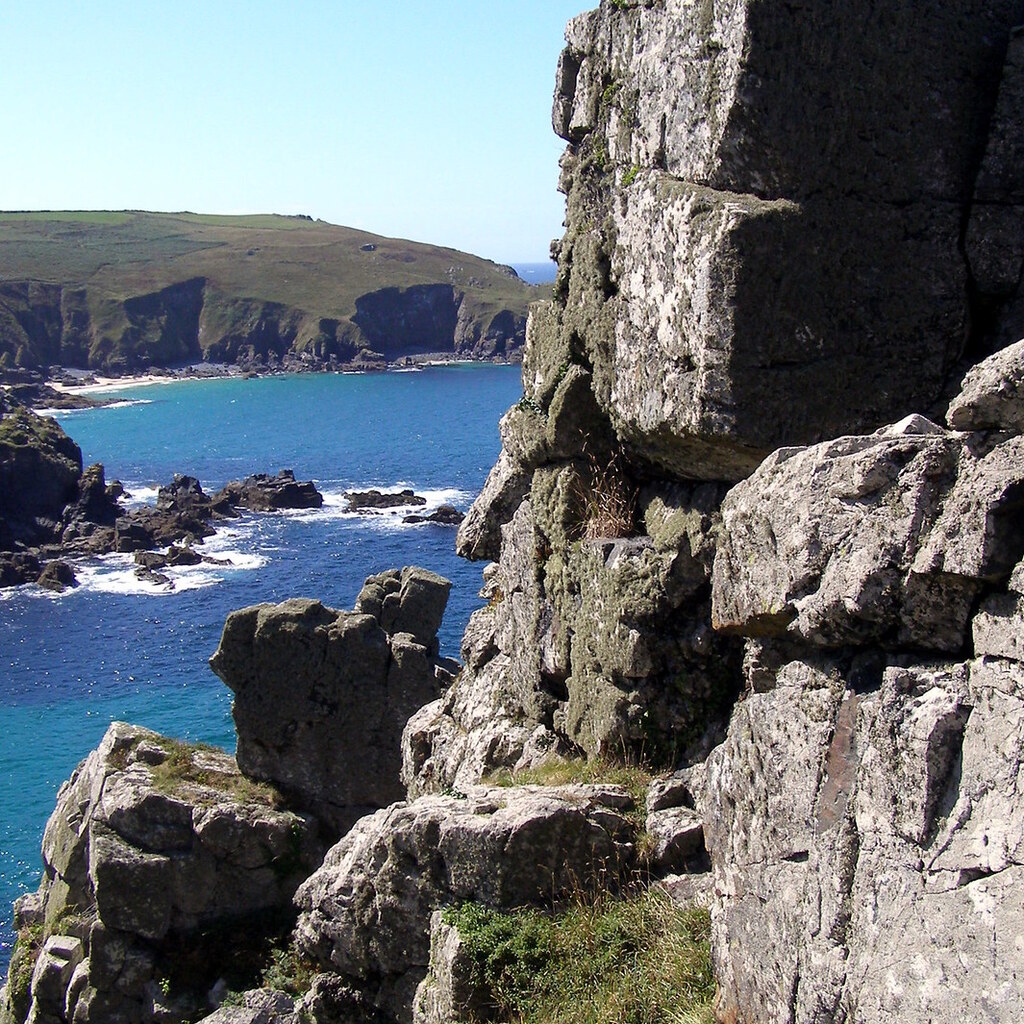
Granite is a common, very hard rock that is widely used for building things. It is formed from molten rock (magma) as it cools.
Granite has a coarse, crystalline structure and is a mix of many different minerals. Because its composition can vary so much, granite can be found in a huge variety of different colors.
Granite has a coarse, crystalline structure and is a mix of many different minerals. Because its composition can vary so much, granite can be found in a huge variety of different colors.
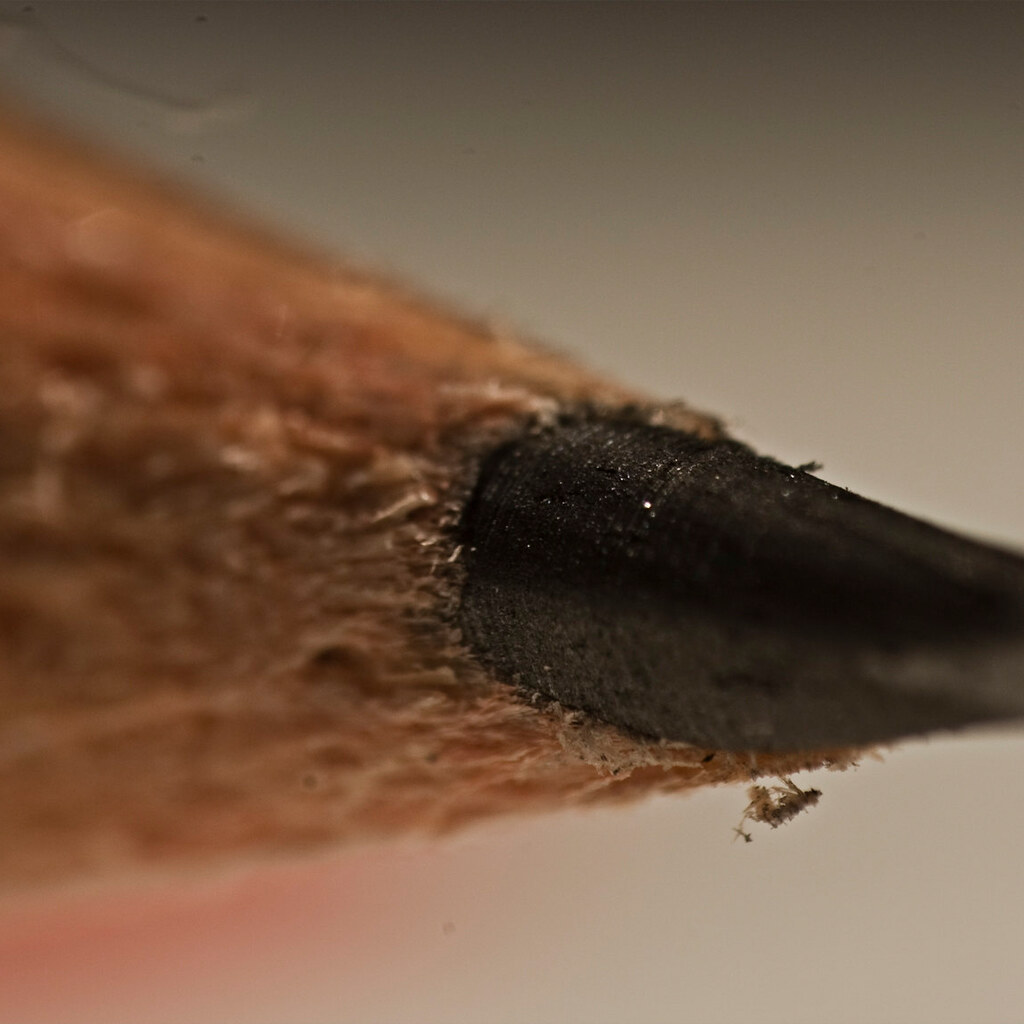
Graphite is a form of carbon. It has the interesting property of being made up of very thin layers that can be easily rubbed off, so is perfect for drawing with. Graphite is the main ingredient of the "lead" in lead pencils.
Graphite can also conduct electricity, so it has many applications in engineering and electronics.
Graphite can also conduct electricity, so it has many applications in engineering and electronics.