
Showing 381-400 of 417
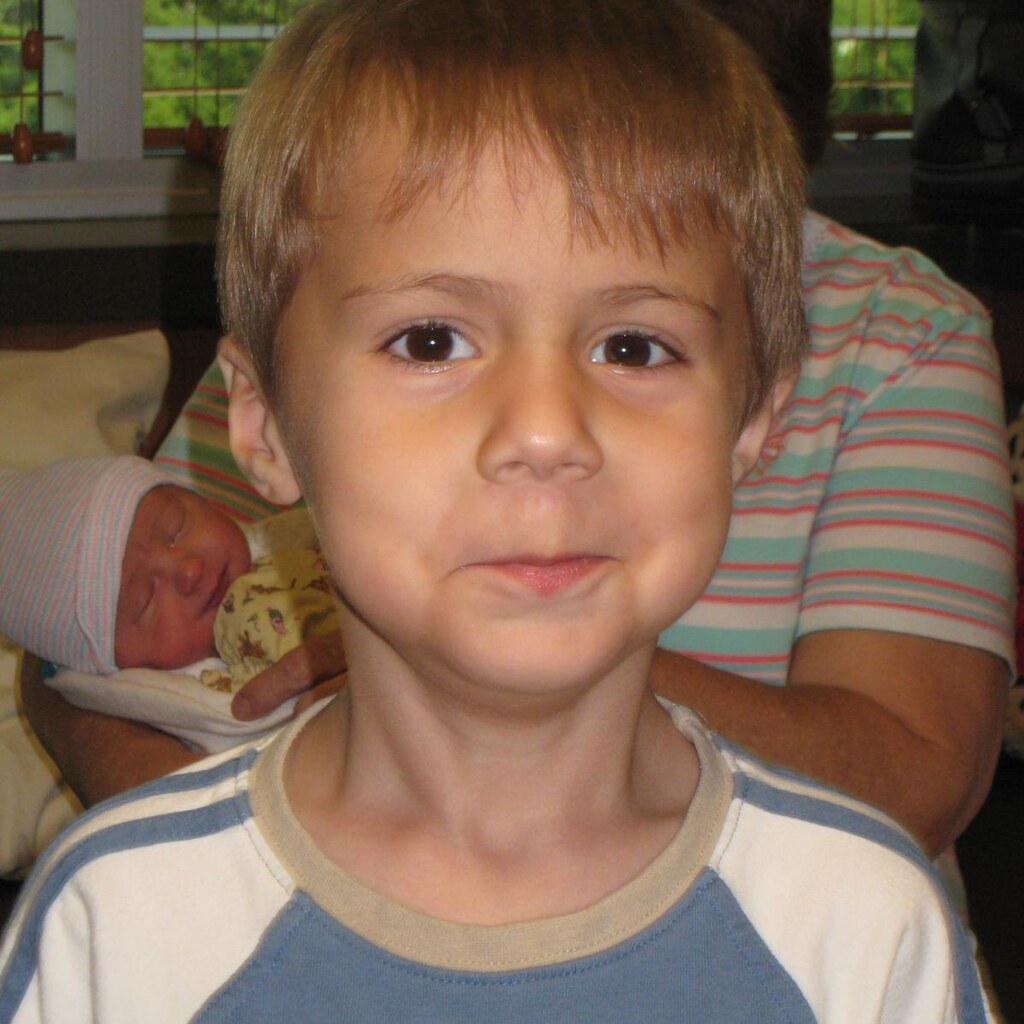
You feel proud when you have a good feeling about something that you have done, or something that someone else has done. A parent may be proud of their child who has just graduated university. A child may be proud of making a very good painting.
The boy in the picture is proud of his newborn baby brother.
The boy in the picture is proud of his newborn baby brother.
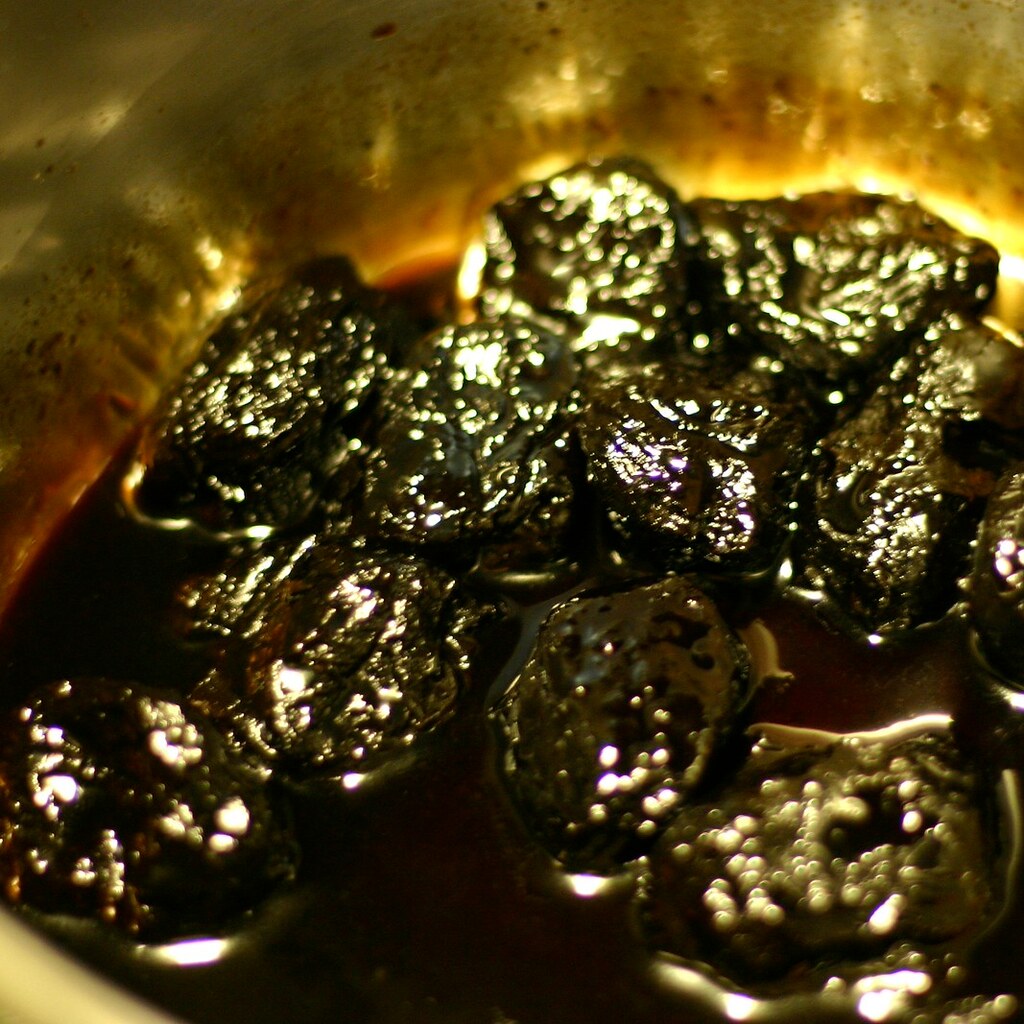
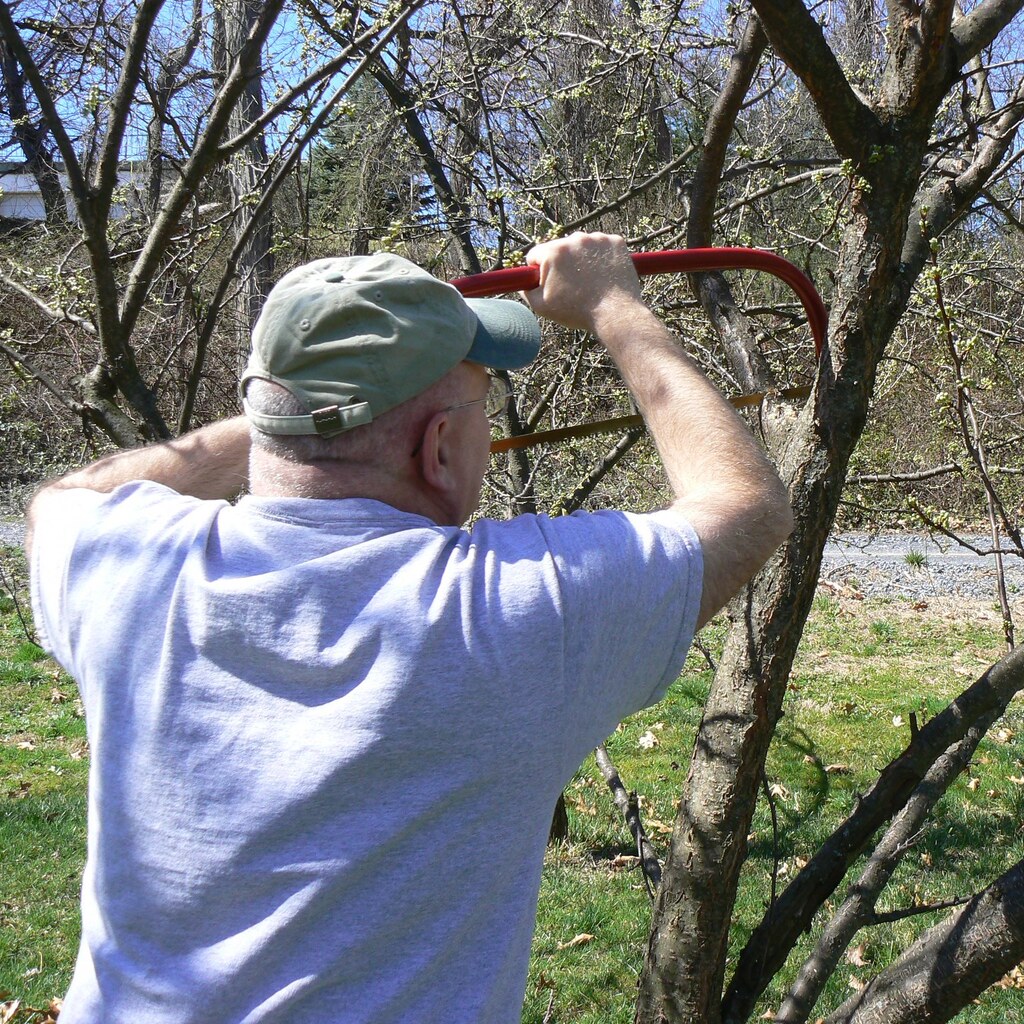
P is for Prune (Gardening)
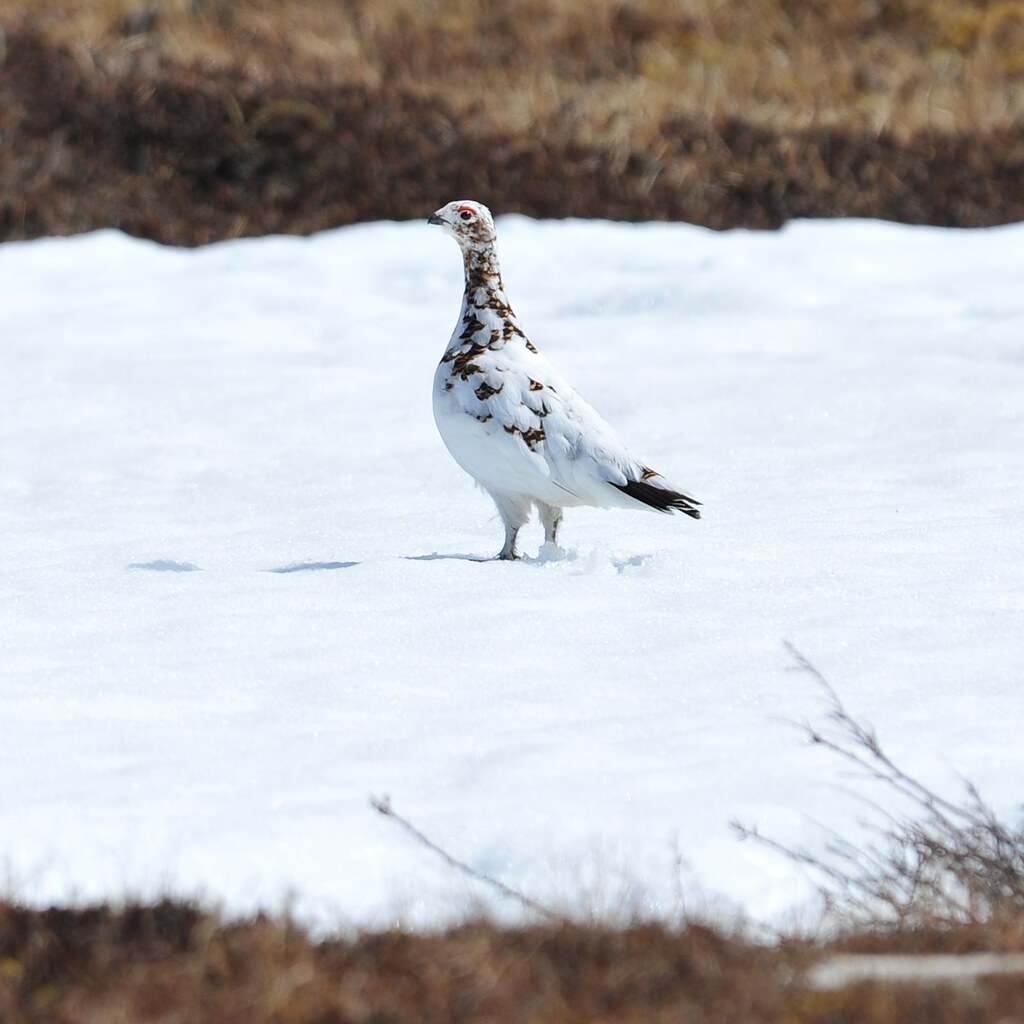
The ptarmigan is a small bird with feathered feet that help keep it warm in the snow. It lives in cold, rocky areas like mountains and tundra, where it often changes color from brown in summer to white in winter to blend in. Ptarmigan are mostly ground dwelling. They eat plants and buds, and in winter they may also pick at twigs and seeds.

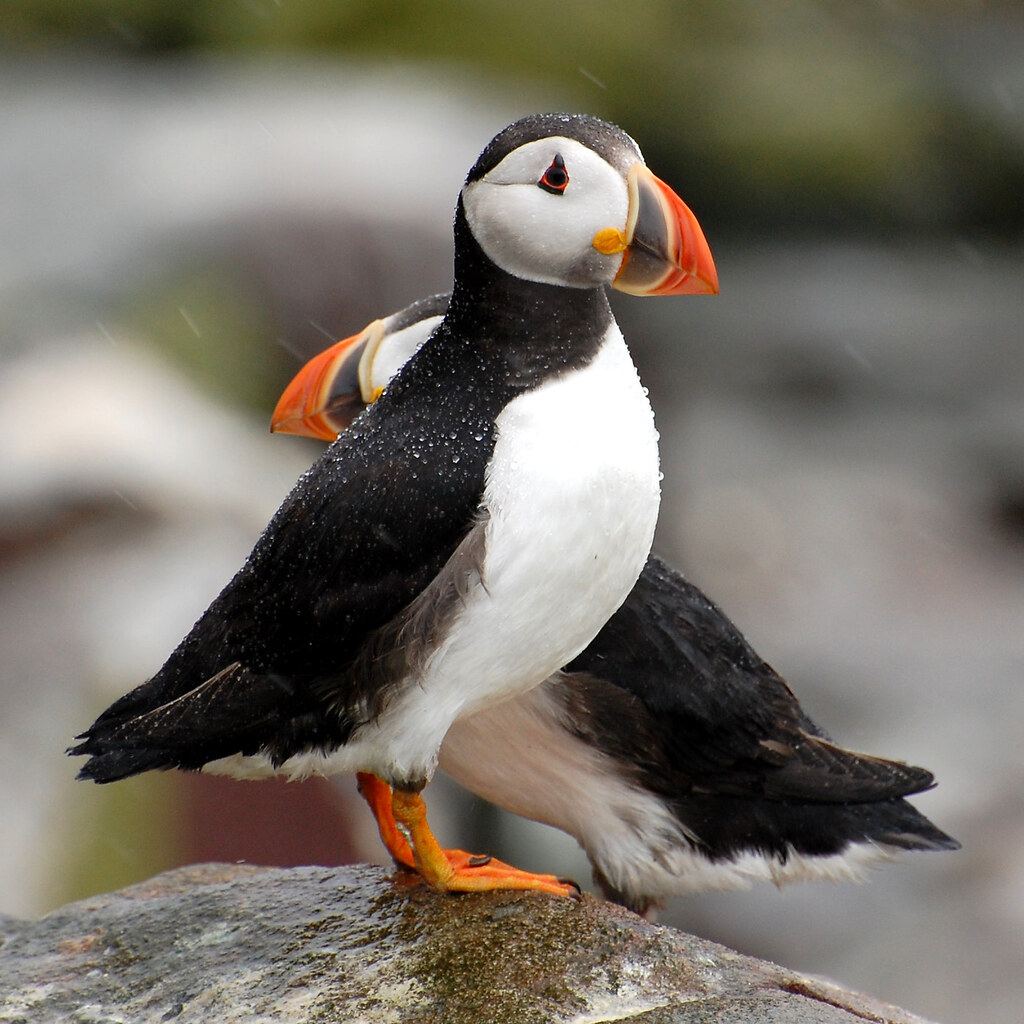
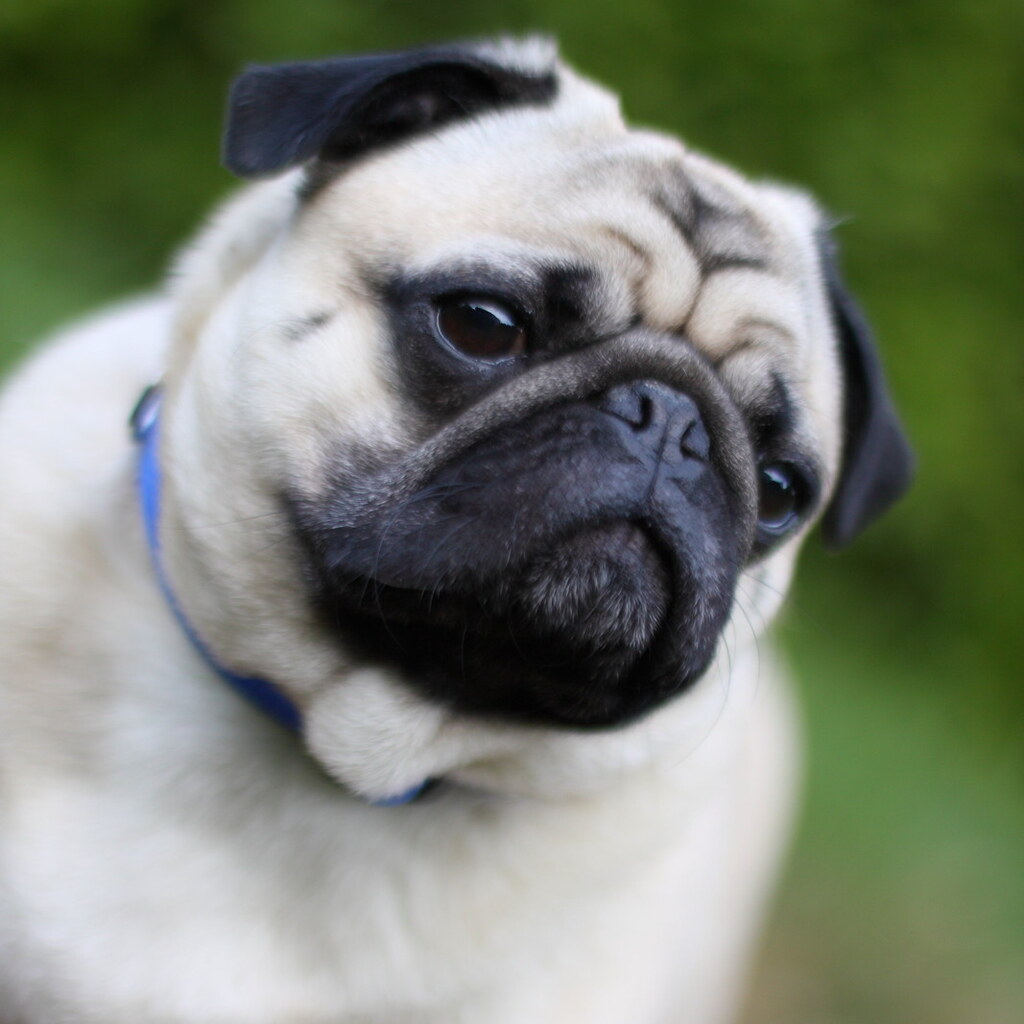
Pugs are a small breed of dog originally from China. They are solidly built, with a short, wrinkly face and a curled tail. Most pugs are fawn, but can be found in apricot, silver and black too.

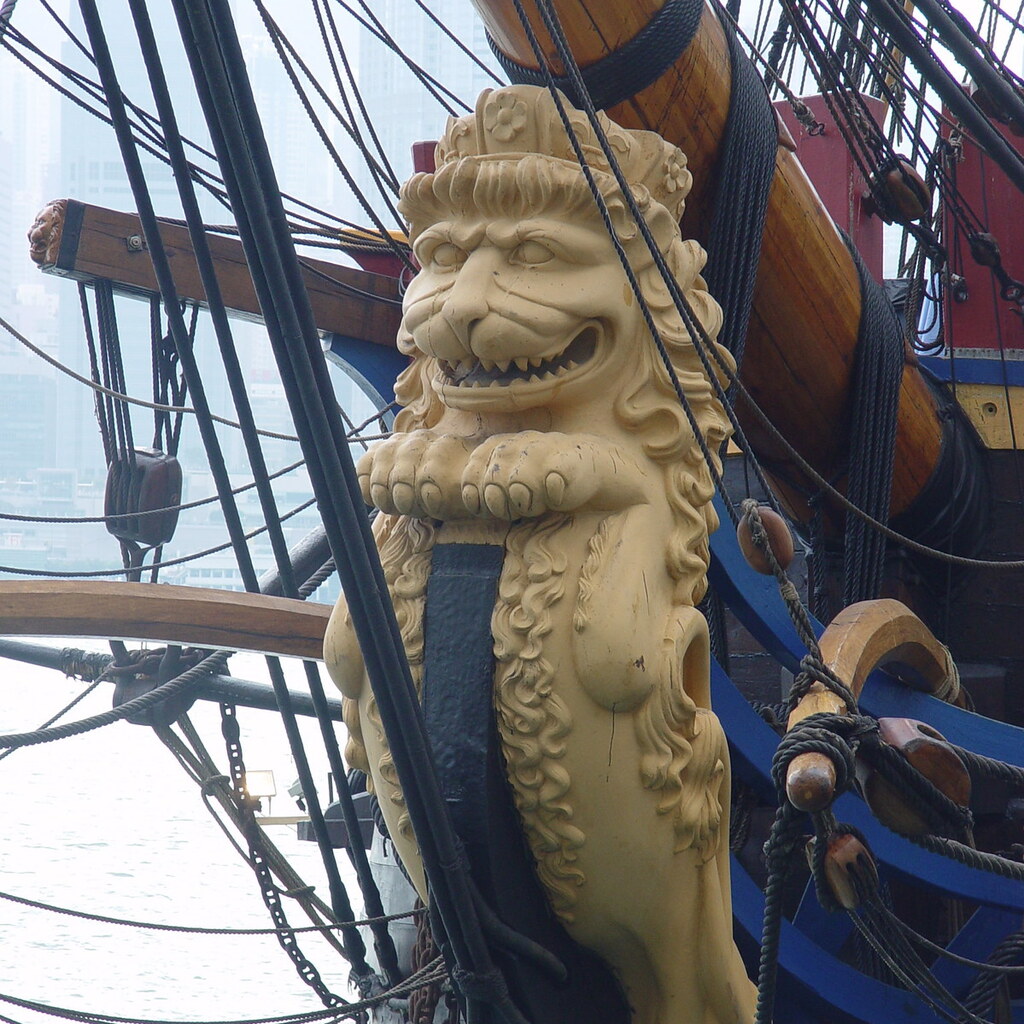
A pulley, also called a block and tackle, is a device that can change the direction of a force (ie, pulling downwards to raise something up), or can make it much easier to move something. You can use a pulley to move something very heavy by pulling a rope or chain through the pulley much further than you would without the pulley, but the load feels much lighter while you do it. Pulleys are used frequently in the rigging of ships.
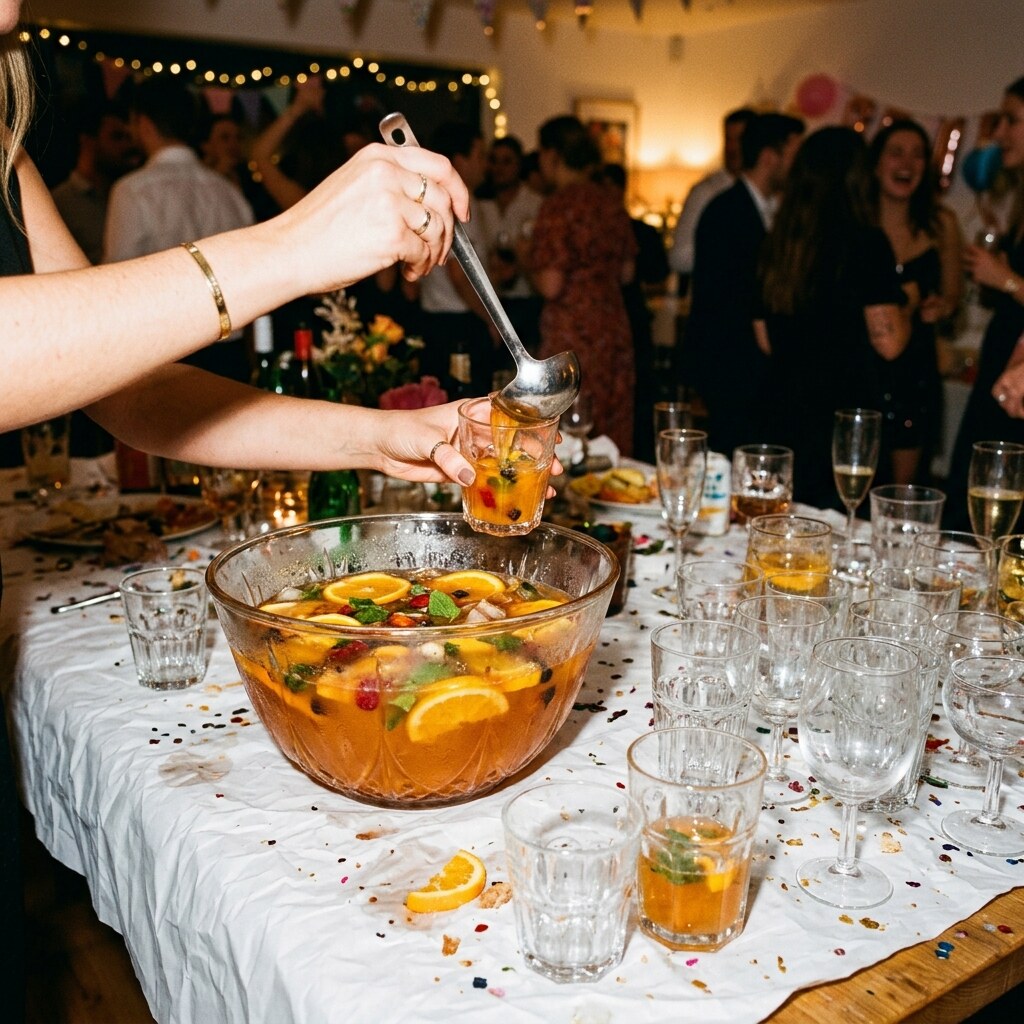
P is for Punch (Drink)
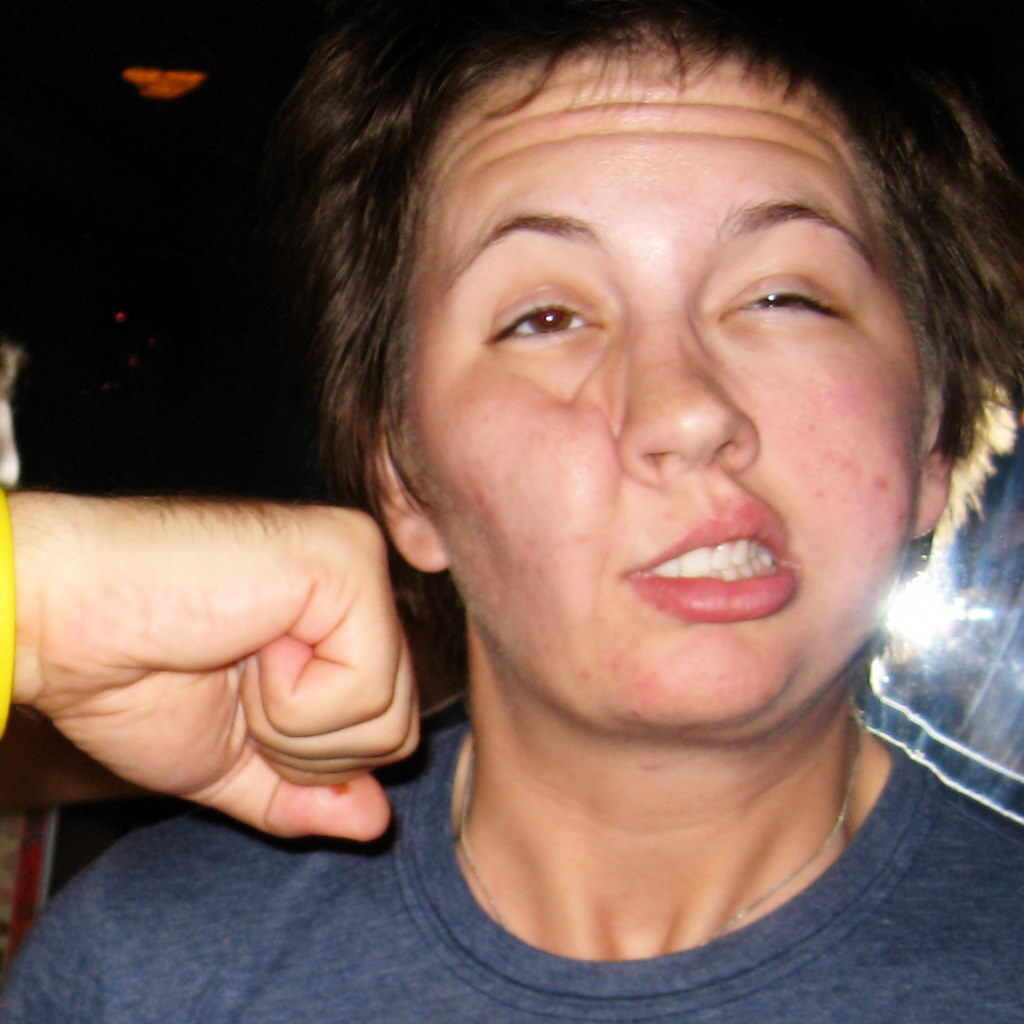
P is for Punch (Hit)
People punch each other when they fight or they punch inanimate objects like walls when they are frustrated.
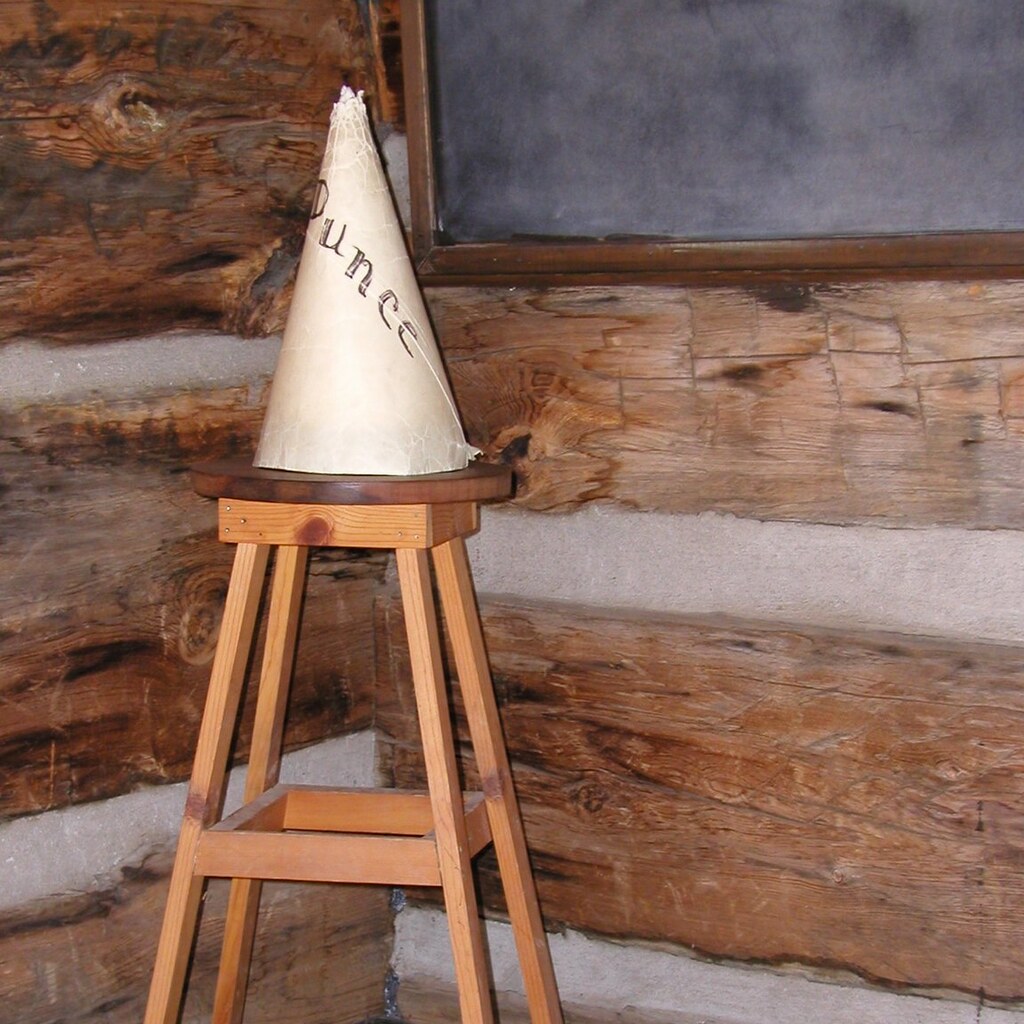
P is for Punishment
Punishments are always unpleasant, and usually are tailored to fit the crime.
The opposite of punishment is reward.