


Citrus are any trees, or the fruit of any trees in the citrus genus. This includes such trees as oranges, lemons, grapefruit and limes.

Scientific name: genus: trifolium
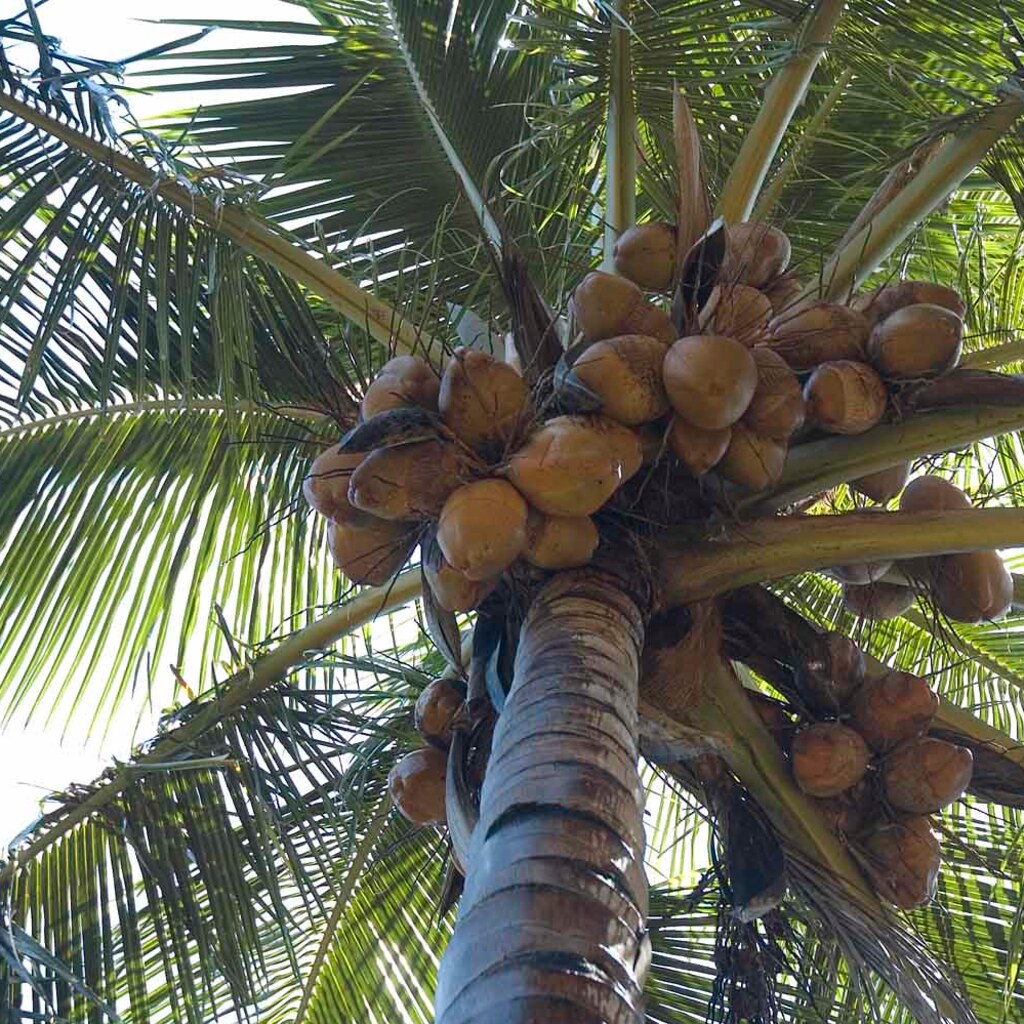
Scientific name: cocos nucifera
The coconut is the fruit of the coconut palm. Coconut palms grow in tropical areas of the world along beaches. They like warm weather, regular rain and high humidity, which is why they grow well in the tropics.
You eat the flesh inside the coconut fruit, but there are many, many uses for the rest of the coconut palm. There are too many to list here, but they include: making rope and doormats from the outer shell of the nut; making bowls from the inner shell; and building houses from the trunk and branches of the palm tree.
Coconut is used in many different ways in a wide variety of foods. One you might recognise is simply dried, grated, and stuck to the outside of a lamington!

Scientific name: division: pinophyta
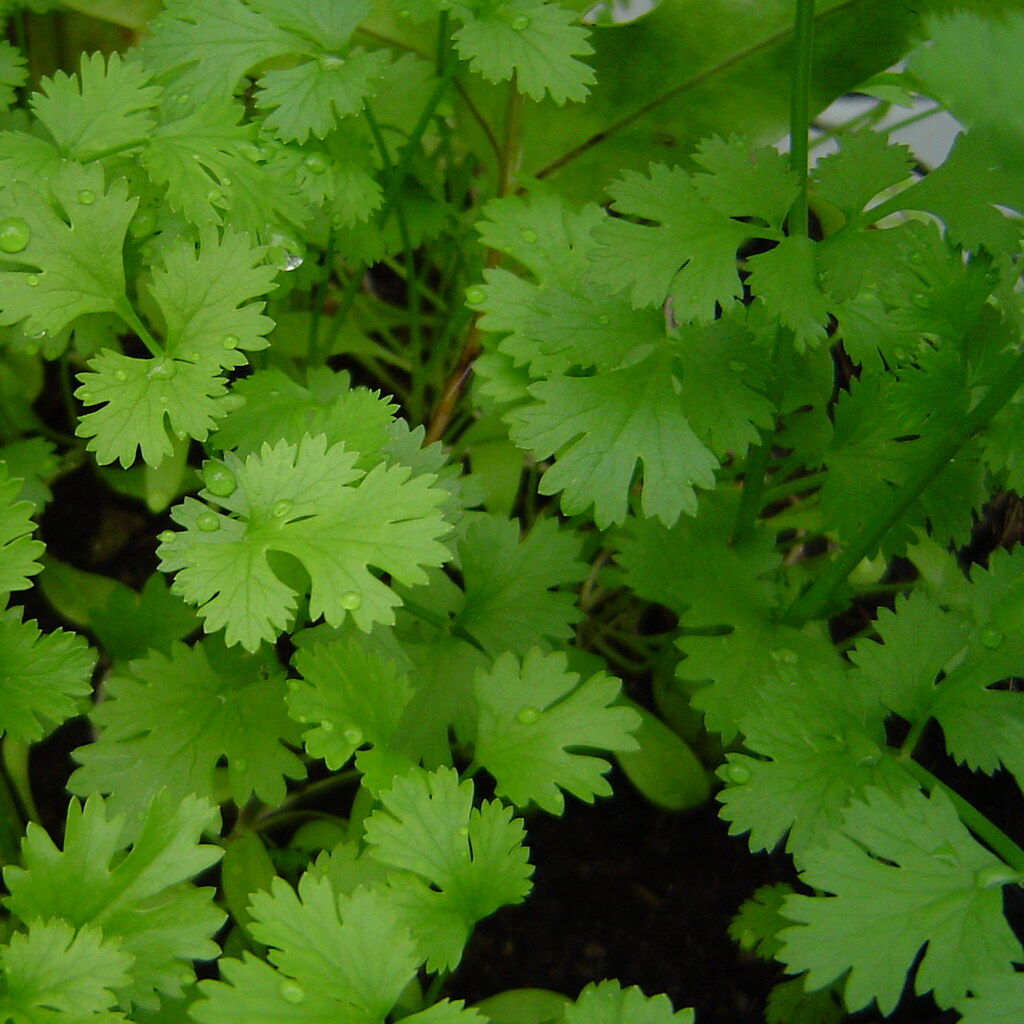
Scientific name: coriandrum sativum
Coriander, also called Chinese Parsley, is a soft, fast-growing annual herb - it lives for a year or less. It is very easy to grow from its big, round seeds. It is best planted in early Spring, and again in Autumn in warmer areas. In warm weather it will go to seed very fast so it is best to plant it in a cool, sheltered spot.
Coriander leaves are is used fresh in a lot of Asian - particularly Thai, Middle Eastern and African cooking. It is also used in some South American dishes. Both the fresh leaves and the dried seed, powdered or whole, are used in cooking. Ground coriander seed is one of the main ingredients in curry powders and mixed spice. Coriander is also used to flavour cakes, cooked fruits and cookies and goes very well with chicken, fish and vegetable dishes. Coriander is though to help digestion and is useful in treating colic.
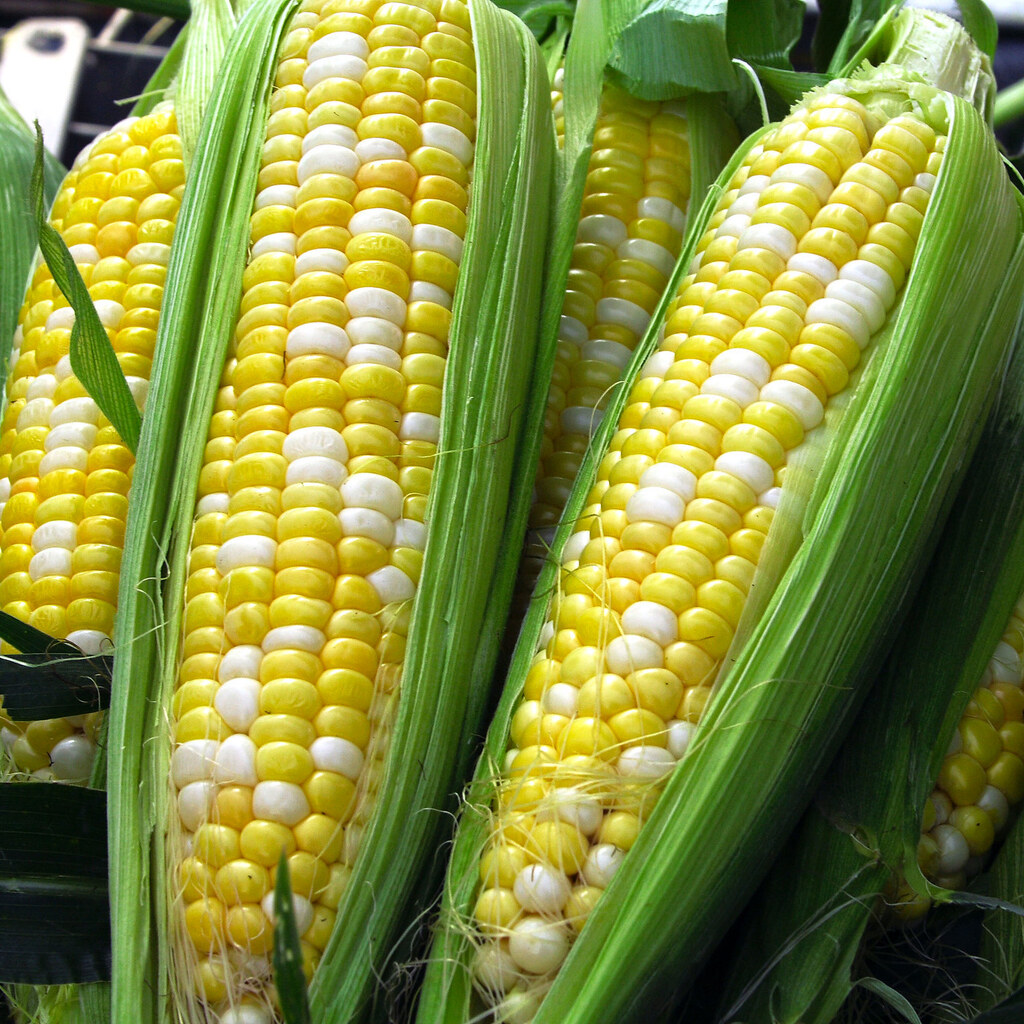
Scientific name: zea mays

Scientific name: gossypium hirsutum
Cotton is a name for a type of plant, a type of thread, and a type of cloth. The cotton plant grows soft, fluffy coverings around its seeds, which are harvested and then spun into thread and woven into cloth. Cotton grows in subtropical climates, and needs a lot of water to grow. Cotton is still the most used fibre for making cloth out of worldwide.

Scientific name: cucurbita pepo
The courgette (or zucchini) is technically a fruit but most people call it a vegetable and it is usually in cookbooks as a vegetable. You can get courgettes in two colours - dark green and bright yellow.
The courgette is a member of the squash family, and is very closely related to squash and pumpkins, so close that the plants can cross-pollinate.
Courgettes need to be picked young or they get hard and woody and are not good to eat. They have a soft skin so they don't need to be peeled before cooking. They can be cooked in a variety of different ways; steamed, boiled, grilled, stuffed and baked, barbecued, fried, or in stews and other dishes. The flowers are sometimes eaten stuffed, or stuffed, dipped in batter and deep fried.
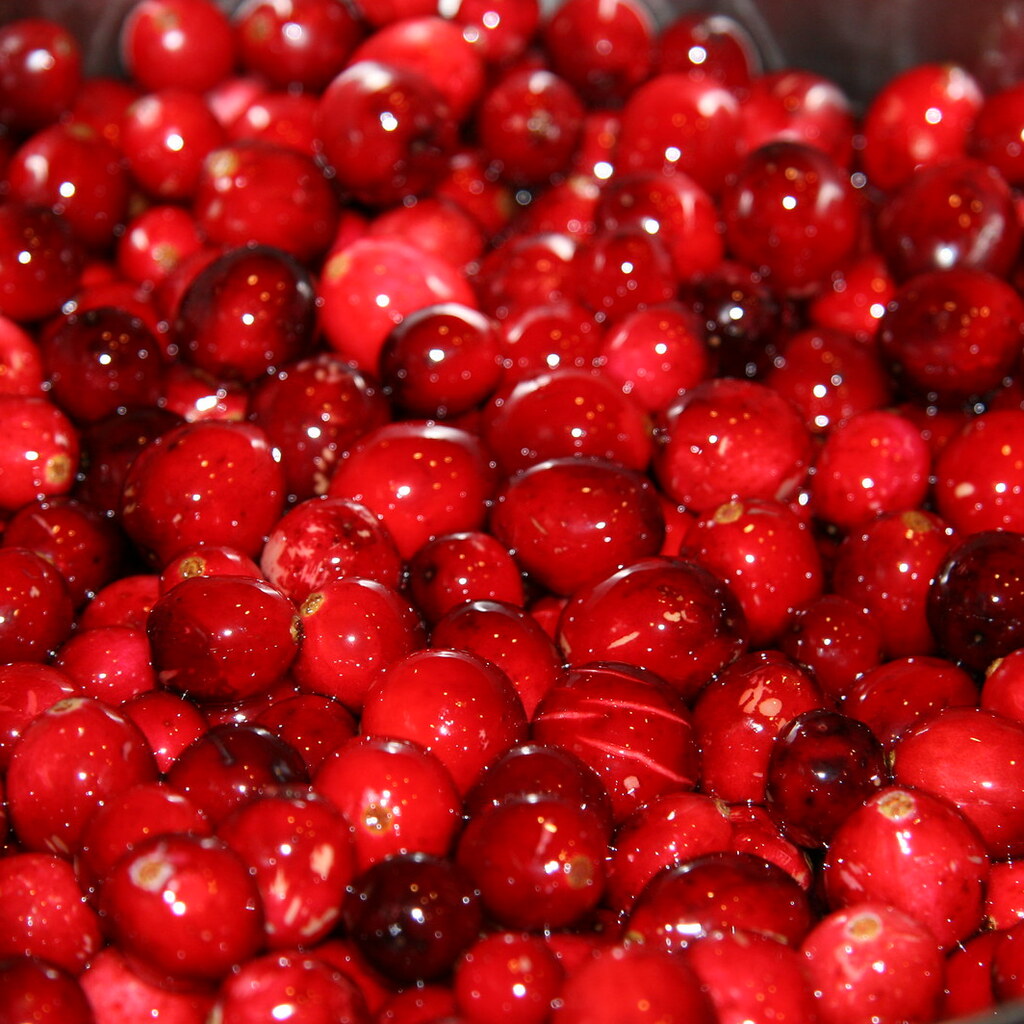
Cis forCranberries
Scientific name: vaccinium oxycoccos
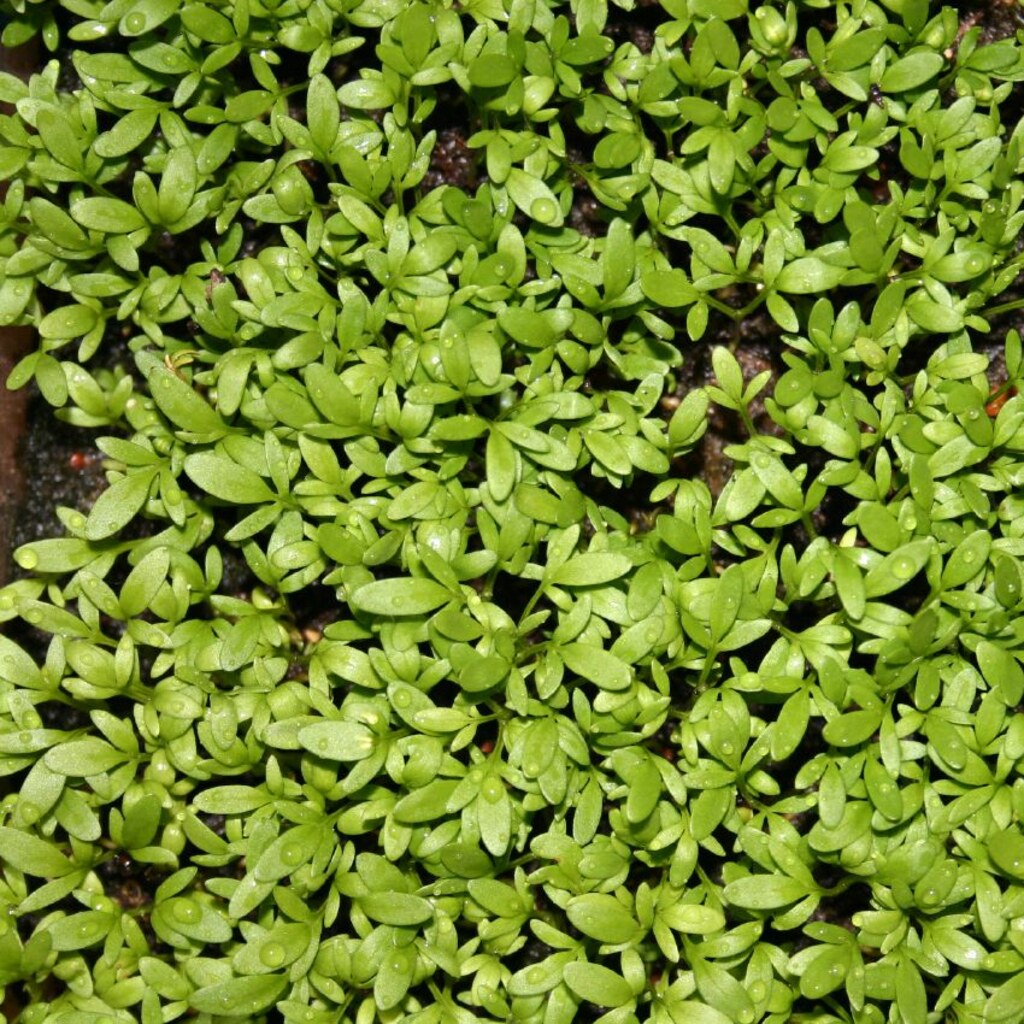
Scientific name: lepidium sativum
Cress is a herb with a very sharp, peppery taste that is very easy to grow. It is related to mustard.
Cress can be grown inside by sprinkling the seeds over some damp potting soil and left on a window ledge. Cress can be harvested simply by cutting the plants off with scissors when they have a few leaves.
Cress is very tasty on salads, or in egg and cress sandwiches.