


Scientific name: anacardium occidentale
The cashew, or caju, is a small tree native to Brazil. Cashew nuts are the seeds of the cashew apple, and are found in the grey bump at the end of the fruit in the picture. The cashew apple itself is sweet, soft and juicy.
Cashews are usually sold roasted and salted and eaten as a snack.
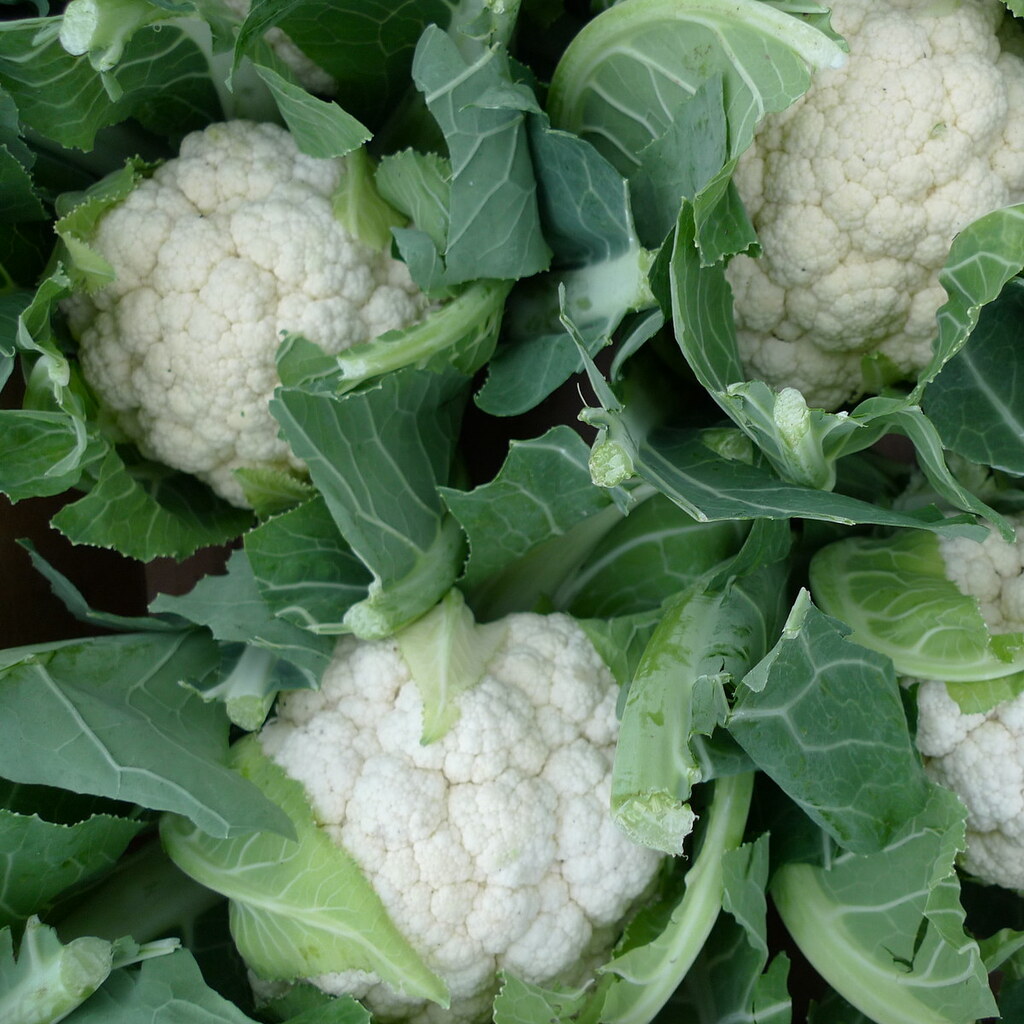
Cis forCauliflower
Scientific name: brassica oleracea
Cauliflowers are a member of the cabbage family. The part of the cauliflower that we eat is a very dense, white mass of unopened flowers. Cauliflowers are very similar to broccoli.
Cauliflower are usually cut up into bite-sized pieces, and then steamed, boiled or stir-fried. They can be used in a wide variety of dishes. Cauliflowers go well with white or cheese-based sauces.

Scientific name: family: pinaceae, genus: cedrus
Cedar is a group of pine tree originally found at high altitudes in the Himalayas. Cedar wood is scented by its oil, and is very long lasting. It can be used to make roof shingles and siding that will not rot. Cedar wood is a natural moth repellant, and with that property and the nice smell cedar is a popular choice for making furniture that you keep clothes in.
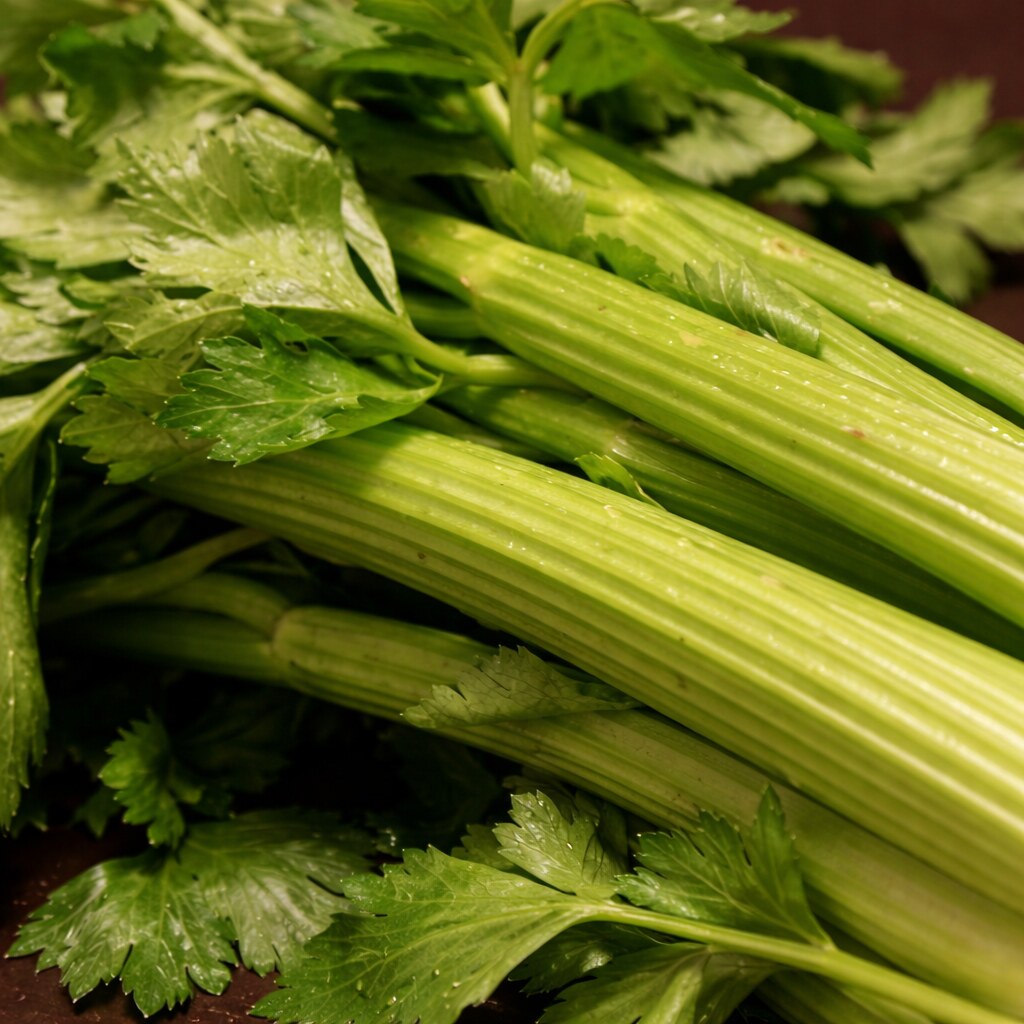
Scientific name: apium graveolens
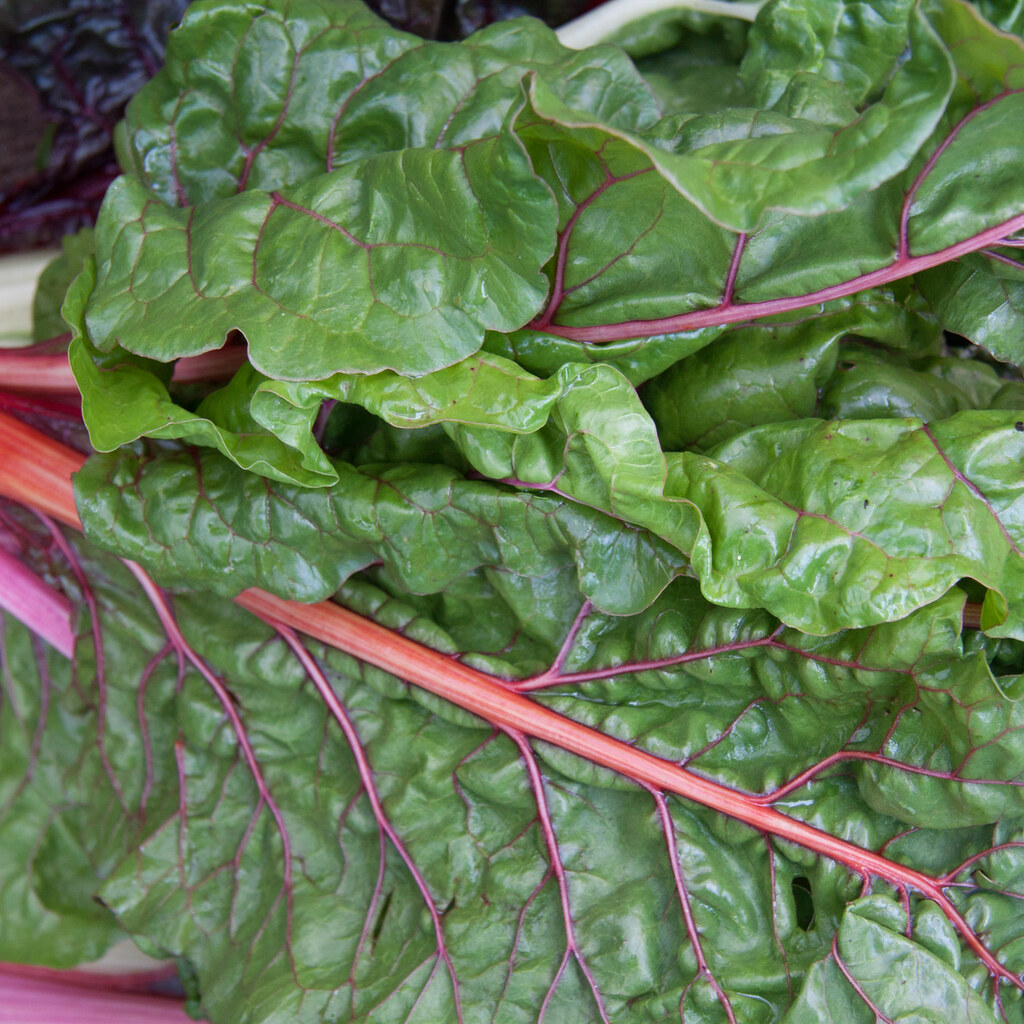
Scientific name: beta vulgaris
Chard, also known as Swiss chard or silverbeet, is a leafy green vegetable with red or white stems. It is best eaten fresh when it is young.

Scientific name: prunus avium

Cis forChestnut (nut)
Scientific name: castanea sativa
A chestnut is the seed of a tree related to the oak tree, which grows in the northern hemisphere. It grows its seeds in a spikey shell.
Chestnuts can be eaten raw but they do not taste very good this way. They are most often roasted before you eat them, but they can also be eaten candied, boiled, steamed, grilled or used as a stuffing.

Scientific name: cicer arietinum
The chickpea, also called garbanzo bean or Indian pea, is a legume that is widely used in the Middle East and India.
Chickpeas can be soaked overnight and cooked whole, and eaten plain, in a salad, or as part of a stew or curry. They can also be ground into flour and used for baking. They are the main ingredient of falafels and hummus.

Scientific name: capsicum annuum
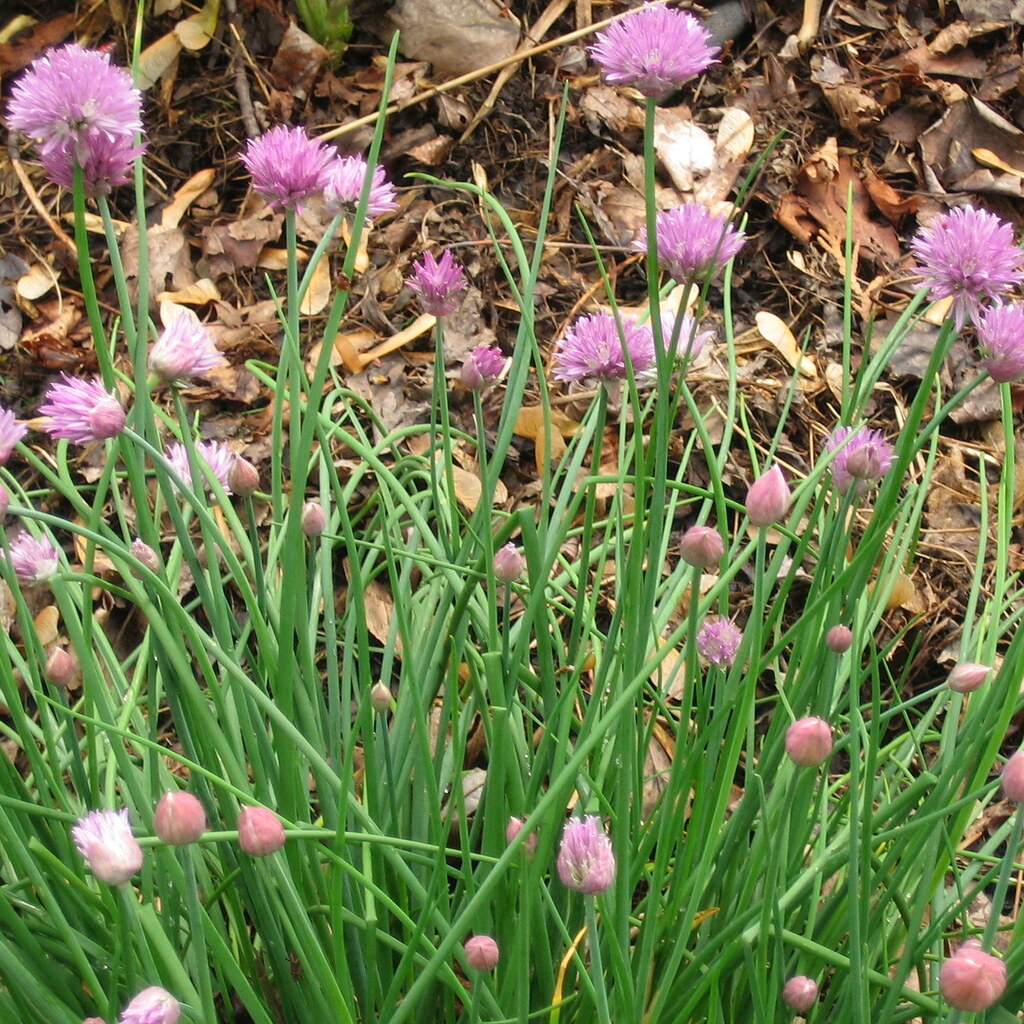
Scientific name: allium schoenoprasum
Chives are a member of the onion family. Chives grow in clumps from a bulb under the ground. You can use the leaves cut up on salads or on potato or pasta dishes. You can use the flowers in salads too. Chives are very easy to grow from seed, and they can also grow new chives by digging up a clump and splitting off the smaller side bulbs.
There are different varieties of chives, one of the most useful being garlic chives, which have leaves and flowers with a strong garlic flavour.