
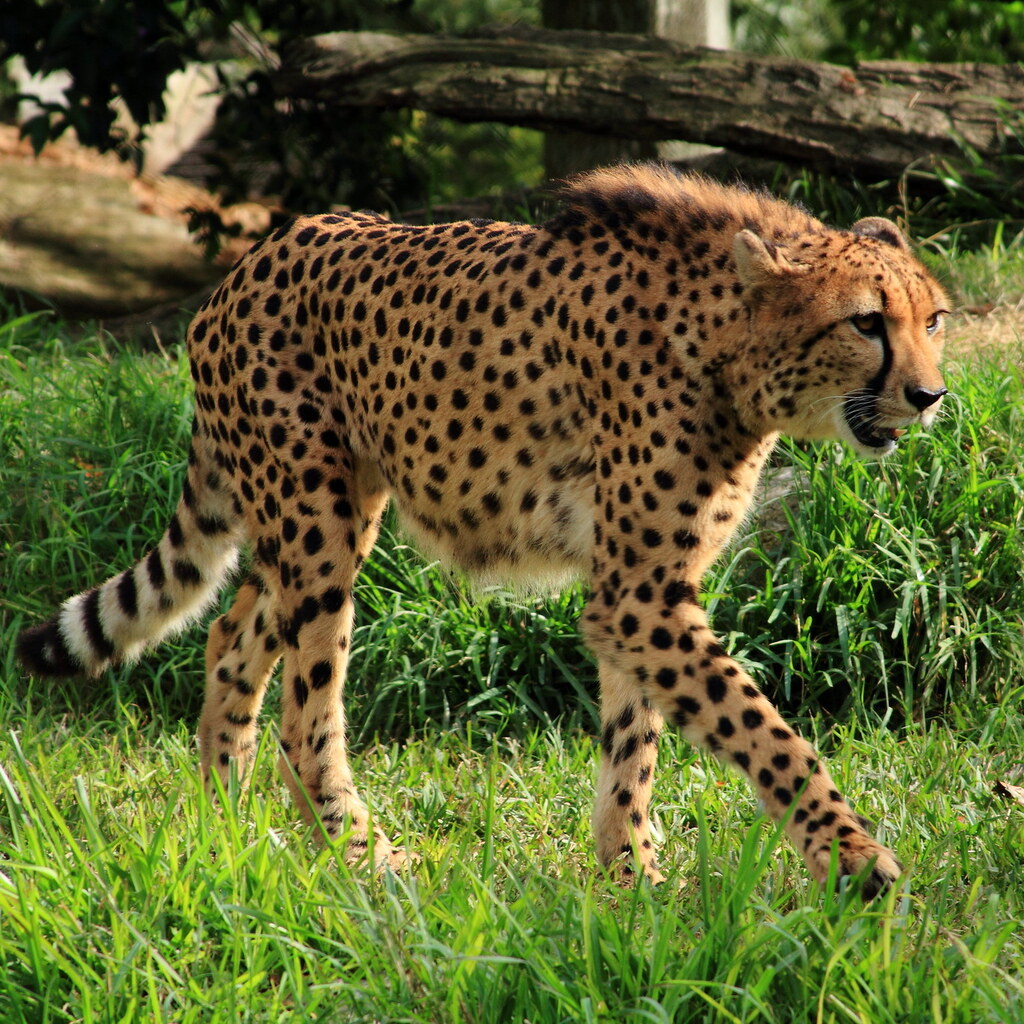
Scientific name: acinonyx jubatus
The cheetah is the only cat that cannot climb trees. The cheetah also can run much faster than any other kind of cat. Cheetahs eat mainly small antelopes and the young of larger animals like baby zebras and baby wildebeast.
The cheetah is the fastest land animal, reaching speeds between 112 and 120 km/h (70 and 75 mph) in short bursts covering distances up to 460 metres (1,500 feet), and has the ability to accelerate from 0 to 110 km/h (68 mph) in three seconds, faster than most supercars.
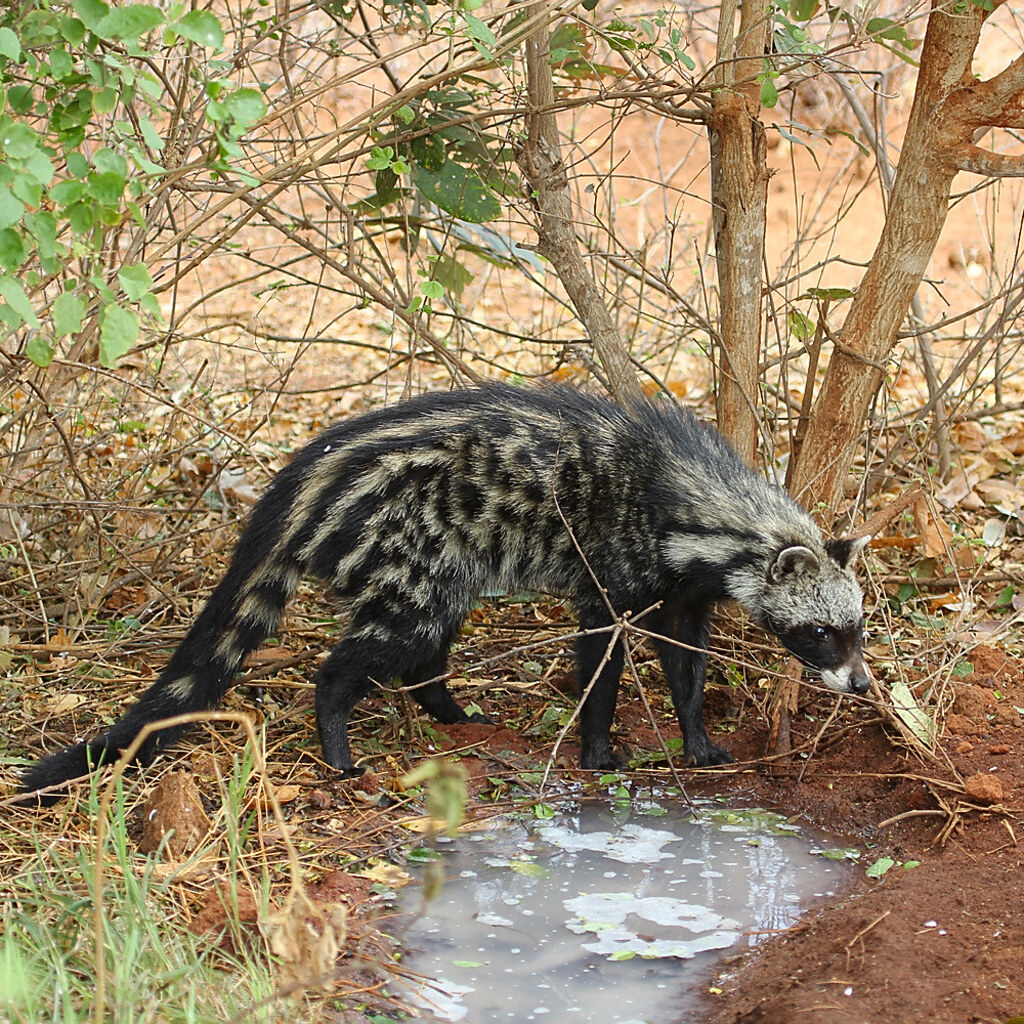
A civet is cat-like or weasel-like small animal. Some civets have spotted or striped fur and a pointed face.
Civets live in forests and other warm places in Asia and Africa. They search for food at night, eating fruits, insects, and small animals. Civets are sometimes known for a strong-smelling scent they release to protect themselves.
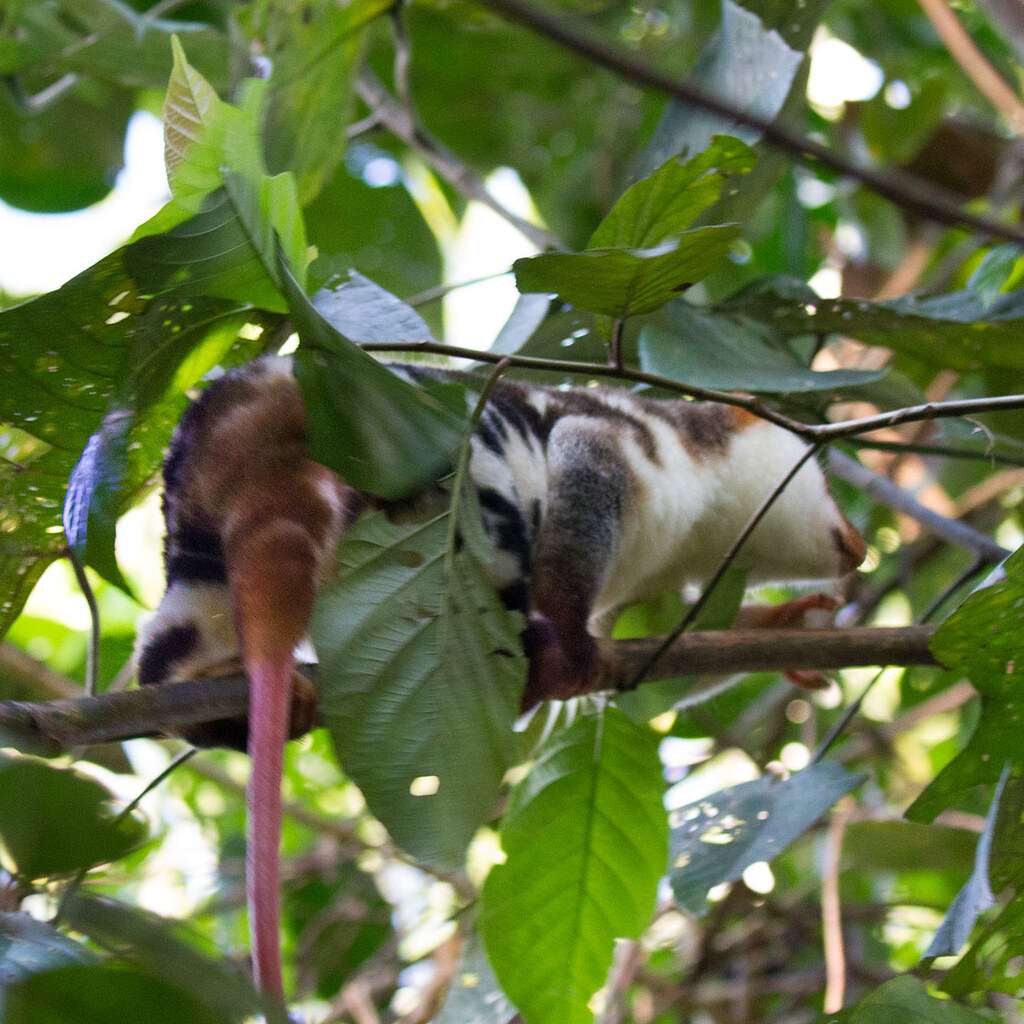
Scientific name: Spilocuscus maculatus
Cuscus are very shy, solitary marsupials in the possum family. They are slow moving, and behave more like sloths or slow loris.

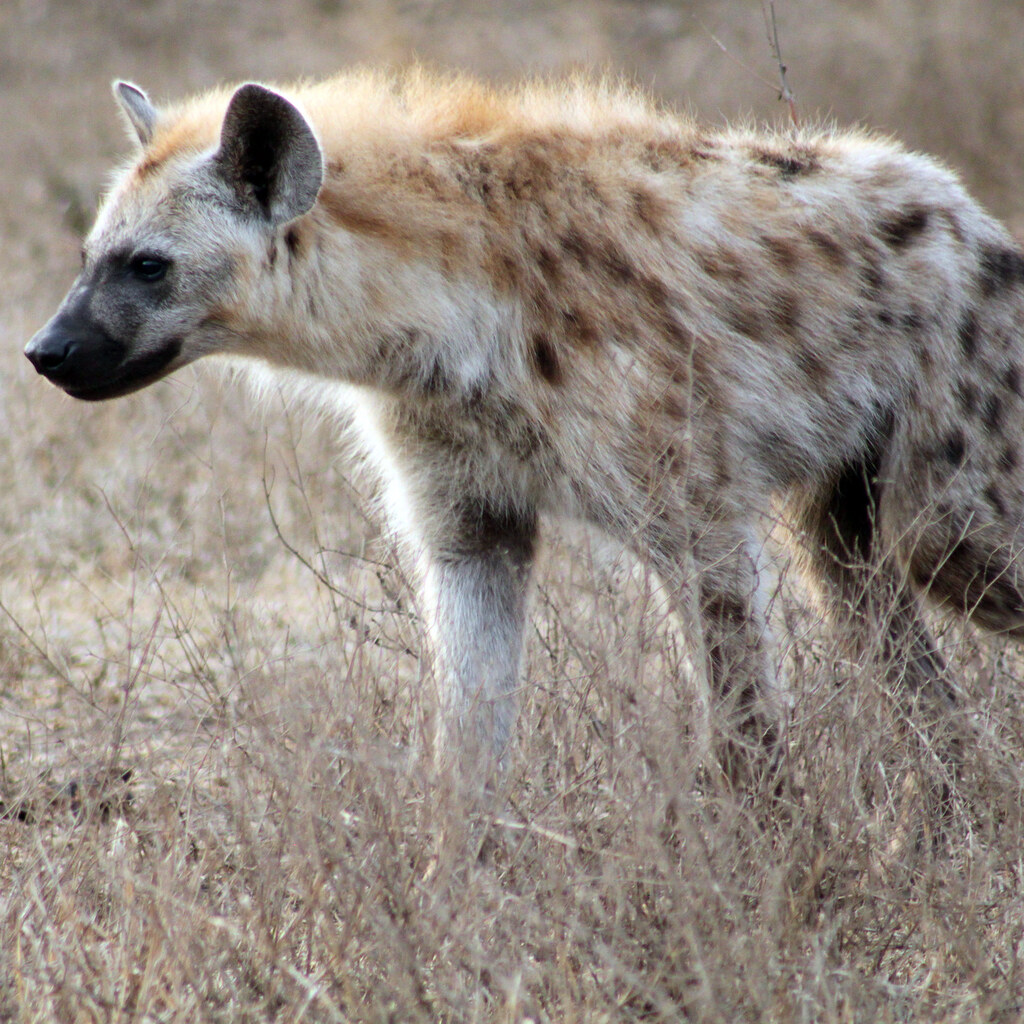
Scientific name: family: hyaenidae
Hyenas look a little like dogs but are not related - they are actually very very distantly related to mongooses. Hyenas have very strong teeth and jaws and can crush bones. Their back legs are shorter than their front legs, so they walk a little like a bear does.
Hyenas live in arid regions in Africa. They hunt larger animals for food, but will also eat dead animals that they find. Hyenas hunt in groups.
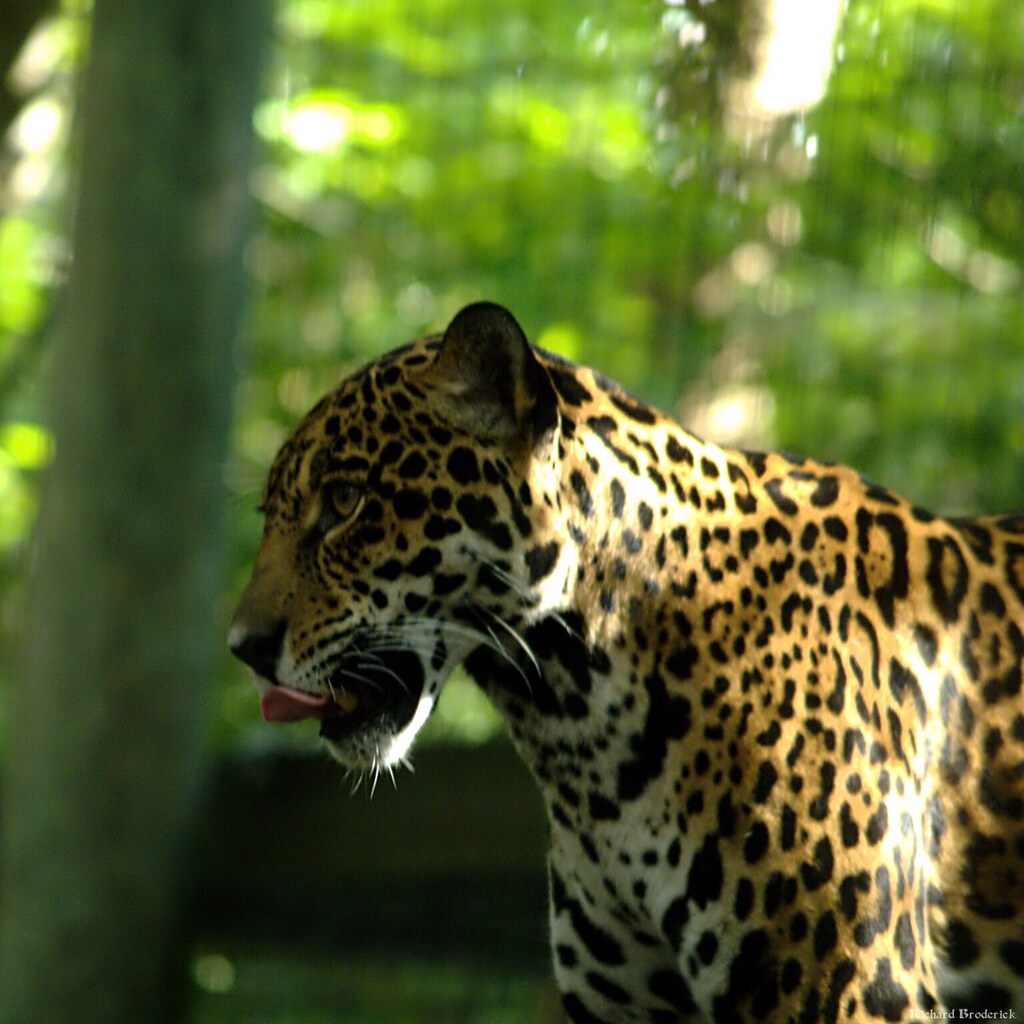
Jis forJaguar (cat)
Scientific name: panthera onca
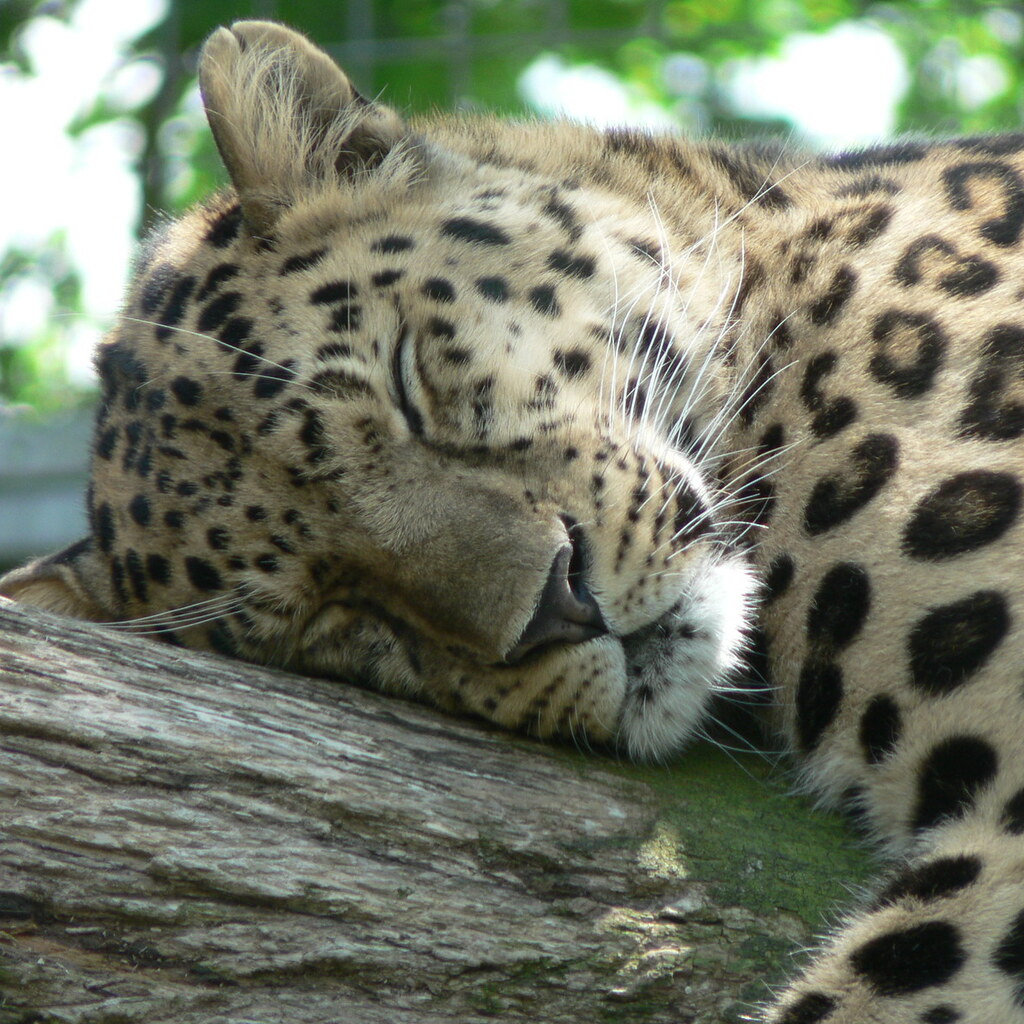
Scientific name: panthera pardus
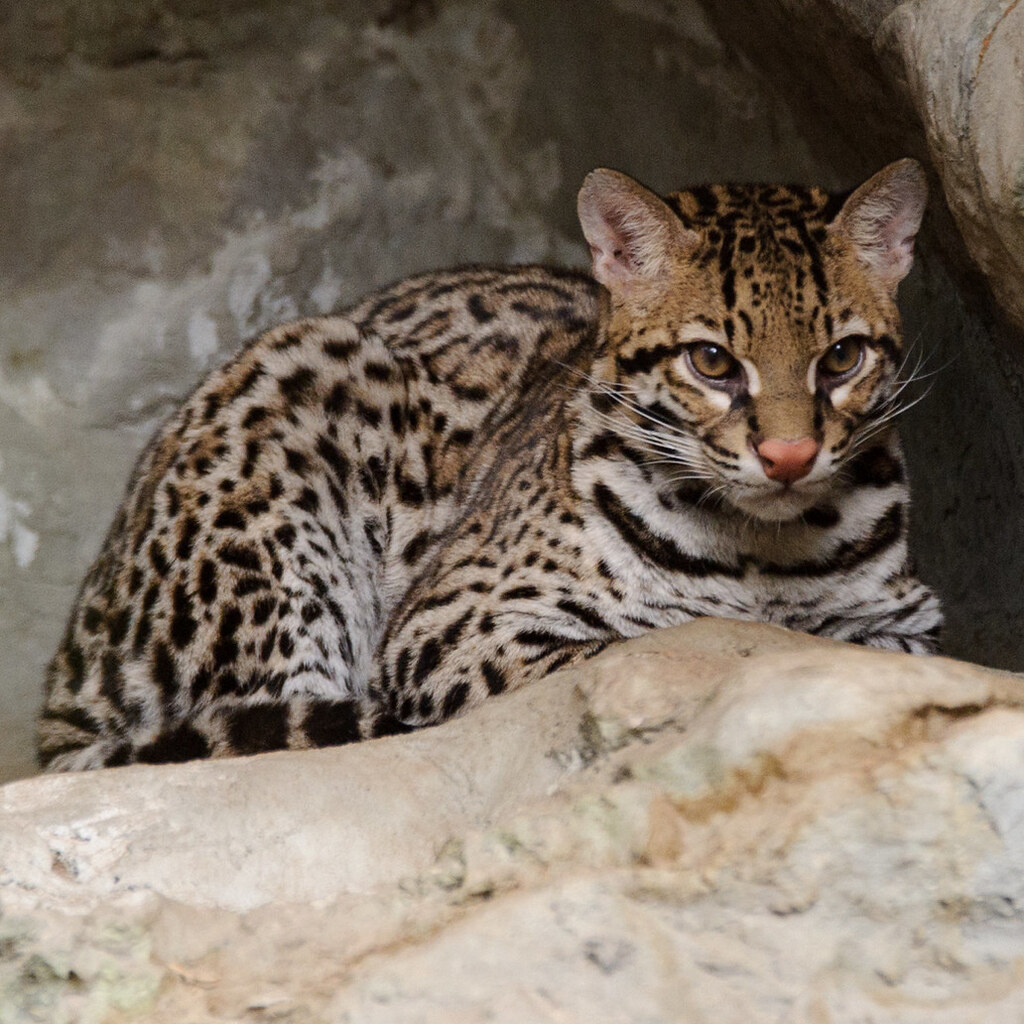
Scientific name: leopardus pardalis
The ocelot is a wild cat found in South & Central America and Mexico. They look similar to an ordinary cat but have markings on their coat like a jaguar. They live mainly in forested areas and hunt small animals.
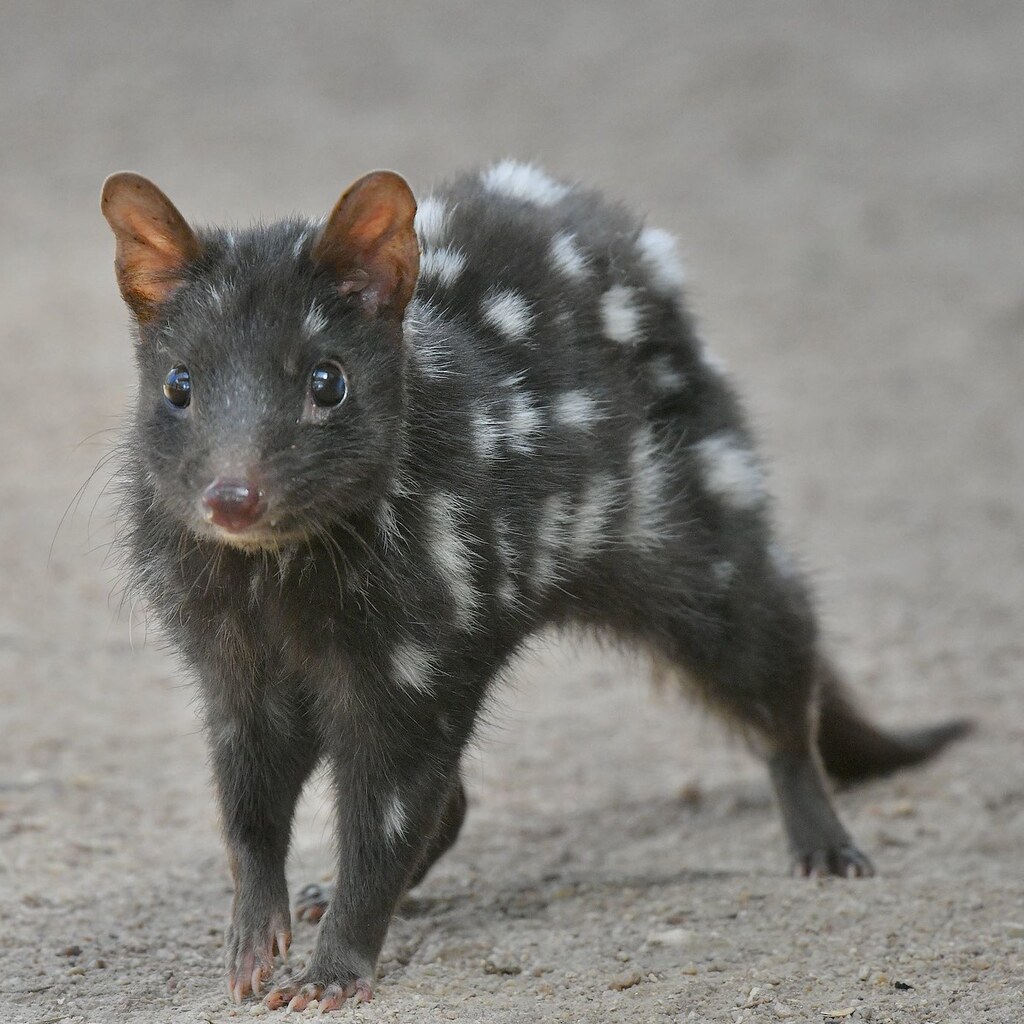
Scientific name: genus: dasyurus
Quolls are carniverous marsupials found in Australia and Papua New Guinea. Like all marsupials, they have a pouch where their young stay. A quoll's pouch faces backwards.